Support

Chigasaki

About

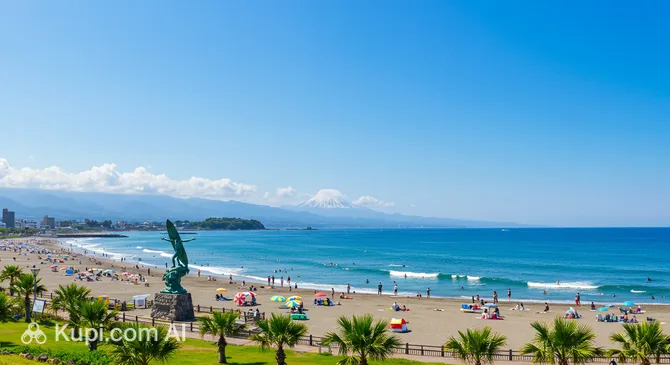
Chigasaki is a charming coastal city located in Kanagawa Prefecture, on the sunny Pacific coast of Japan. Just an hour's train ride from bustling Tokyo, Chigasaki offers a completely different atmosphere—here, tranquility reigns, and life flows at a measured pace to the sound of the Sagami Bay surf. The city is famous for its wide sandy beaches, which attract surfers and anyone seeking solitude by the sea.
Chigasaki. Illustration.
Source: Kupi.com AI

With a population of about 242,000, Chigasaki successfully combines the coziness of a small town with modern infrastructure. It is an important location in the Kanto region, where tourism is actively developing, and locals take pride in their unique lifestyle that harmoniously intertwines age-old Japanese traditions with modern trends. The atmosphere of Chigasaki is one of lightness and joy; there is no capital-city rush here, but there are plenty of picturesque parks, cozy cafes, authentic markets, and art spaces.

Among the main reasons to visit Chigasaki is the famous Southern Beach Chigasaki, an ideal spot for relaxation and water sports. It offers breathtaking views of Mount Fuji, which are especially impressive at sunset. The city is also known for its cultural events and the warm hospitality of its residents. Chigasaki is a wonderful opportunity to get to know the more relaxed side of Japan, enjoy fresh seafood, and feel the unique spirit of the Shonan region.

If you are looking for a place where you can relax body and soul, enjoy the beauty of nature, and immerse yourself in a unique culture, Chigasaki will be a true discovery for you and perhaps that very corner you'll want to return to again and again.

You can find more interesting facts on the history of Chigasaki page.
Weather Overview

The weather in Chigasaki is characterized by noticeable seasonal changes. Summer, especially in July and August, is warm here, with average temperatures around 25-26°C and maximums reaching nearly 30°C. The summer months also see more precipitation, and the number of rainy days increases. Winters, from December to February, are quite cool, with average temperatures around 5-7°C, sometimes dropping to 1-3°C. In winter, there is significantly less precipitation, and rainy days become fewer. Spring and autumn are transitional seasons with moderate temperatures and changeable weather. Expect a warm, humid summer with frequent but not very heavy rain, and cool, drier winters. To learn more about the weather by month, visit the Chigasaki Climate page.

Average monthly temperature

Average monthly precipitation

Interesting Facts

In addition to its picturesque beaches and relaxing atmosphere, Chigasaki hides many interesting features that make it a truly unique place. Here are just a few curious facts about this coastal city:

  • Chigasaki is considered the cradle of the so-called "Shonan culture"—a distinctive youth movement that originated on the coast and combined a passion for surfing, music, and a free lifestyle. Local residents take great pride in this laid-back atmosphere and love for the sea, which noticeably distinguishes Chigasaki from other cities in the region.

  • The famous Southern Beach Chigasaki is not only a favorite spot for swimming and surfing but also a landmark for fans of Japanese pop music. A monument to the legendary band Southern All Stars is installed here; they are the musical symbol of the city and an important part of modern Japanese music.

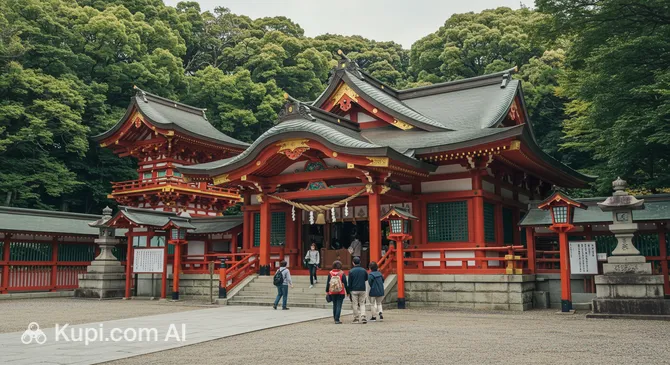
  • Traditional Shinto shrines are carefully preserved in Chigasaki. One such place is Tsurumine Hachimangu Shrine, where colorful festivals and ancient rituals are regularly held, attracting both locals and visitors to the city.

  • The city is known for its reverent attitude toward art and culture. You can visit, for example, the Chigasaki City Museum of Art or the Fujisawa City Ukiyo-e Museum. Furthermore, the city often hosts exhibitions, workshops, and art fairs, and you can catch interesting performances and concerts at cultural centers.

Tsurumine Hachimangu Shrine. Illustration.
Source: Kupi.com AI

Traveler photos:

How to Get There

The most convenient way to reach the city of Chigasaki in Japan is by air, using one of the major international airports serving the Tokyo metropolitan area. After arriving at the airport, you can reach Chigasaki by train, bus, or taxi.

The primary option for most international travelers is Haneda Airport (HND). This major international airport is located in Tokyo, approximately 42 km from the center of Chigasaki. Haneda is one of the busiest airports in the world and handles a huge number of both international and domestic flights. A trip from Haneda Airport to Chigasaki by car or taxi usually takes between 1 hour 20 minutes and 1 hour 40 minutes, depending on traffic. Convenient train and bus routes are also available.

Another significant international hub is Narita International Airport (NRT). It is also in Tokyo but at a greater distance from Chigasaki, about 101 km. Narita Airport serves many long-haul flights from around the world. The journey from Narita to Chigasaki by car or taxi can take about 2.5–3 hours. Both airports have excellent rail connections, which is often the fastest and most convenient way to travel around Japan, including trips to Chigasaki.

For clarity, here is summary information on the main airports from which you can reach Chigasaki:

AirportPassenger trafficDistance
Haneda Airport85.7 mln42 km
Narita International Airport40.8 mln101 km
Shizuoka Airport691 274126 km
Ibaraki Airport776 063131 km
Matsumoto Airport112 618163 km

Main Attractions

Chigasaki, a cozy city on the shores of Sagami Bay, offers its guests diverse opportunities for relaxation and exploring Japanese culture. There are interesting places here for both art lovers and connoisseurs of nature and history.

One of the city's cultural centers is the Chigasaki City Museum of Art. Here, visitors can see works by local and Japanese artists, as well as temporary exhibitions representing various art movements. The museum attracts those who want to gain a deeper understanding of the region's artistic traditions and contemporary Japanese art.

Chigasaki City Museum of Art. Illustration.
Source: Kupi.com AI

Traveler photos:

For those interested in the spiritual side of Japan, a visit to Tsurumine Hachimangu Shrine is a must. This ancient Shinto shrine has a rich history and is known for its peaceful atmosphere and beautiful architecture. A visit to the shrine allows you to connect with traditional beliefs and enjoy tranquility surrounded by centuries-old trees.

Tsurumine Hachimangu Shrine. Illustration.
Source: Kupi.com AI

Traveler photos:

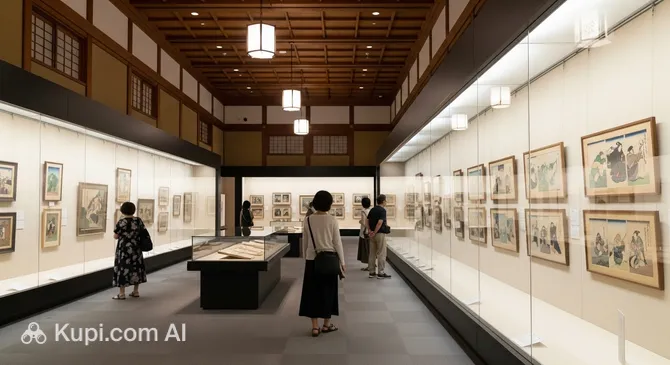
Fans of traditional Japanese art should stop by the Fujisawa City Ukiyo-e Museum. The museum's exhibition is dedicated to ukiyo-e—Japanese woodblock prints that flourished during the Edo period. Here, you can see exquisite works by famous masters and learn more about this unique art form that influenced world culture.

Fujisawa Ukiyo-e Museum. Illustration.
Source: Kupi.com AI

Traveler photos:

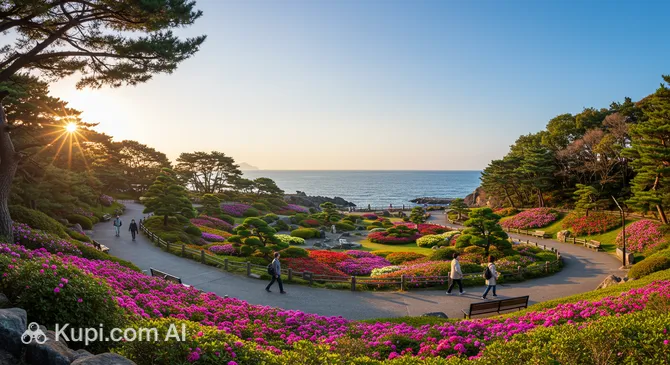
If you are looking for an outdoor retreat, Chigasaki Park is an excellent choice. This spacious park offers green lawns for picnics, walking paths, and playgrounds for children. It is a popular spot for both locals and tourists for leisurely walks, sports, or simply enjoying nature.

Chigasaki Park. Illustration.
Source: Kupi.com AI

Traveler photos:

It's also worth noting Yanagishima Sport Park, which offers various opportunities for active recreation, including sports fields and walking areas. This park is a magnet for those who prefer an active lifestyle and sports entertainment.

Local Cuisine

Chigasaki is a true paradise for gourmets, especially if you appreciate the freshest seafood. The city is famous for fish and seafood dishes that reach the tables of locals and tourists daily, straight from Sagami Bay. The gastronomic scene of Chigasaki offers a unique blend of tradition and modern culinary trends, where every dish tells the story of the region.

Be sure to try local sushi and sashimi made from the freshest tuna, eel, and sea urchins. Seasonal white fish and squid also hold a place of honor on the menus of many establishments. Don't pass by street food: takoyaki (appetizing dough balls with pieces of octopus) and yakisoba (flavorful stir-fried noodles) make for a great snack during a city walk. These dishes reflect the local residents' love for simple yet rich flavors.

Dining culture in Chigasaki is diverse. Locals and tourists enjoy food in a variety of settings: from cozy family restaurants serving classic Japanese cuisine to lively street stalls and markets where you can buy fresh produce. Among drinks, traditional sake and shochu are popular. You can also find establishments in the city offering craft beer and fresh pastries, such as Mokichi Baker & Suites, known for its bread and desserts.

One of the iconic places to dive into the world of local cuisine is Eboshi Main Restaurant. It is known for its signature takes on traditional Japanese dishes and offers visitors exquisite flavor combinations that reflect the culinary mastery of the region.

Eboshi Main Restaurant. Illustration.
Source: Kupi.com AI

Traveler photos:

The gastronomic life of Chigasaki attracts tourists not only with its variety of dishes but also with vibrant events. In summer, seafood fairs are held here, and during the cherry blossom season, picnics with tastings of seasonal treats are organized. A trip to Chigasaki is a true culinary adventure and a wonderful opportunity to experience the rich culture of Japan through its flavors.

Travel Tips

Planning a trip to Chigasaki? Wonderful! This coastal city in Kanagawa Prefecture is famous for its relaxed atmosphere and surf culture. To ensure your trip goes smoothly and leaves only pleasant impressions, we've prepared some practical tips.

  1. Clothing and useful items: The climate in Chigasaki is temperate. In summer (June-August), it is hot and humid, so bring light, breathable clothing. Spring and autumn offer mild weather—layered outfits are ideal. It can be cool in winter, but without severe frosts, so a warm jacket will come in handy. Extremely important is comfortable footwear, as you'll be walking a lot! Don't forget an adapter for electrical appliances (Japan uses type A and B sockets). There is usually no specific dress code for visiting temples and shrines, but modest clothing covering shoulders and knees is appropriate.
  2. Getting around town: Chigasaki is well-served by the JR Tokaido line. Within the city, it is convenient to use local buses. Many areas, especially near the coast, are pleasant for walking. A bicycle is a great option for exploring beach areas; it can be rented. Taxis are available but can be expensive. Ride-hailing apps like JapanTaxi or DiDi can be useful. Renting a car to get around Chigasaki itself is not necessary, as public transport is well-developed and parking can be a problem.
  3. Finance: The local currency is the Japanese yen (JPY). You can exchange money at the airport or major banks. Credit cards are accepted in many hotels, restaurants, and shops, but always have some cash with you for small establishments, local markets, and some temples. International cards usually work at 7-Eleven (Seven Bank) ATMs and post offices (Yucho Bank). An approximate daily budget (excluding accommodation) could be 7,000 - 15,000 JPY. Important: tipping in Japan is not practiced and may be perceived as impolite.
  4. Health and Safety: Pharmacies (薬 or \"kusuri\") are easy to find, but staff may not always speak English. Check with your insurance company for a list of recommended clinics for tourists in case medical assistance is needed. Chigasaki, like most cities in Japan, is a very safe city. Follow standard precautions: keep an eye on your belongings, especially in crowded places. Be aware of behavior rules in case of an earthquake—information is usually available in hotels.
  5. Communication and Connectivity: The main language is Japanese. In tourist areas, hotels, and some restaurants, staff may speak English, but do not rely on this everywhere. Learn a few basic phrases: \"konnichiwa\" (hello), \"arigato\" (thank-you), \"sumimasen\" (excuse me/sorry)—this will help a lot and be appreciated by the locals. A SIM card or pocket Wi-Fi can be purchased at the airport or electronics stores. Free Wi-Fi is available in some cafes, at stations, and in public areas. Useful apps: Google Maps, HyperDia (train schedules), Gurunavi/Tabelog (for finding restaurants).
  6. Local Etiquette: A slight bow (\"ojigi\") is a common greeting. It is customary to speak softly on public transport. Remove your shoes when entering homes, some temples, traditional restaurants, and ryokans (Japanese-style inns). Try not to eat or drink while walking on the street—it's better to stop and have a snack.
  7. What to Avoid: (1) Do not stick chopsticks vertically into a bowl of rice—this resembles a funeral ritual. (2) Avoid loud phone conversations or talking loudly amongst yourselves on public transport and other quiet public places. This is considered poor etiquette.
  8. Chigasaki's Special Feature: Immerse yourself in the local surf culture! Even if you don't plan to catch waves, enjoy the beach atmosphere, visit surf shops, or just watch the surfers. The city is also known for its connection to the popular Japanese rock band Southern All Stars—you might find themed spots or hear their music. And, of course, don't miss the chance to try fresh seafood at local markets.

We hope these tips help you better prepare for your trip and get the most out of your stay in sunny Chigasaki. We wish you an unforgettable journey!

Entertainment & Nightlife

When the sun sets over the Shonan coast, Chigasaki offers its guests a cozy and relaxed atmosphere for evening relaxation. While the city isn't famous for wild metropolis-style parties, you can find pleasant spots to spend the evening, enjoy drinks, and local cuisine in a friendly setting. Nightlife here is focused more on cozy bars and traditional Japanese drinking establishments—izakayas—rather than large nightclubs.

Most evening establishments are usually concentrated around Chigasaki Railway Station and its adjacent streets. Here you will find various bars where you can try local beer, sake, or cocktails. Popular places worth visiting include, for example, the bar Dzakia Chigasaki, known for its atmosphere, or the stylish 1983, where you can enjoy drinks in pleasant company. Many venues also offer light snacks or a full menu.

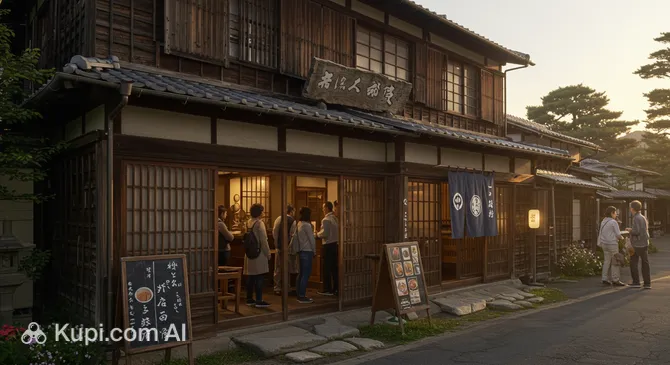
Jokiya Chigasaki. Illustration.
Source: Kupi.com AI

Traveler photos:

The atmosphere in Chigasaki's bars is generally very laid-back and welcoming. Both locals and tourists come here to relax after a day at the beach or at work. The dress code is usually casual unless it's a very special establishment. Most bars open in the evening and stay open until midnight or slightly later, especially on weekends. Prices are moderately average, but it's always better to check the menu before ordering. It's best to start your evening after 7:00–8:00 PM when the venues begin to fill with patrons.

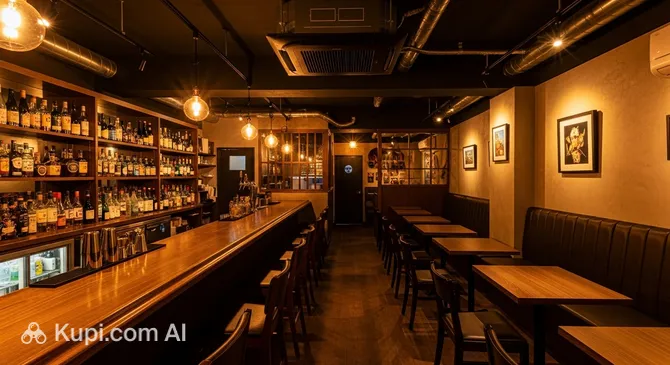
1983. Illustration.
Source: Kupi.com AI

Traveler photos:

Moving around Chigasaki at night is relatively safe, as Japan is generally known for its low crime rate. Nevertheless, it's always worth taking standard precautions. Main areas are well-lit. For traveling longer distances, you can use a taxi; they can be found at the station or called by phone. Keep in mind that public transport, such as trains, usually stops running around midnight.

During the day, there is also plenty to do in Chigasaki. Culture lovers can visit, for example, the Chigasaki City Museum of Art or the Fujisawa City Ukiyo-e Museum to discover Japanese art. For outdoor walks, Chigasaki Park or other coastal park areas are perfect for enjoying the views and the sea breeze. Thus, Chigasaki offers a pleasant combination of daytime activities and calm evening relaxation.

Parks & Museums

Chigasaki, a charming city in Japan, offers its guests not only picturesque beaches but also wonderful opportunities for outdoor relaxation in city parks, as well as for exploring local culture and history through its museums and shrines. Everyone will find something to their liking here, whether it's a leisurely stroll along green alleys or an immersion into the world of art.

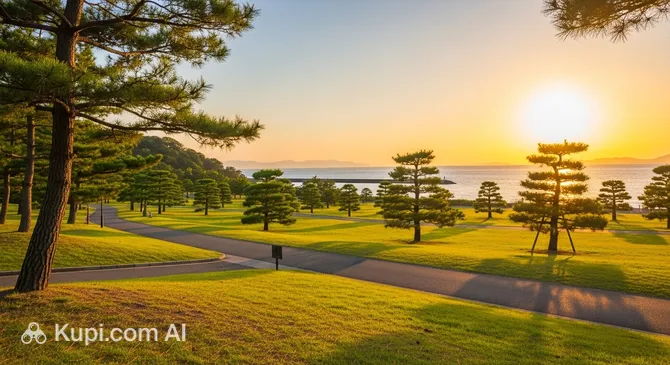
Among the city's green oases, Chigasaki Park stands out. It is a popular spot for relaxation for both citizens and tourists, where you can enjoy a peaceful atmosphere, walk among the trees, or have a picnic. Another great place for nature lovers is Yanagishima Shiosai Park, which offers beautiful views, especially if you want to admire the seascape.

Yanagishima Shiosai Park. Illustration.
Source: Kupi.com AI

Traveler photos:

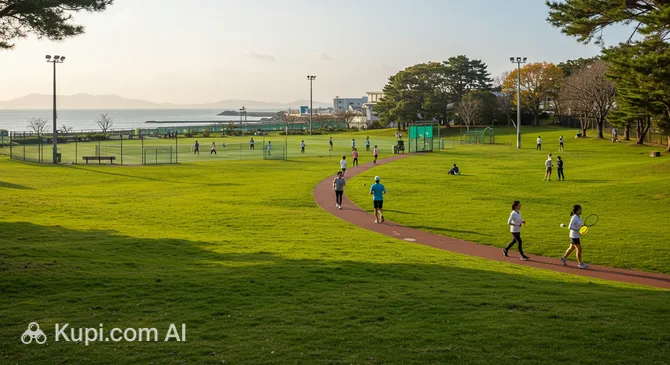
For those who prefer active recreation, Yanagishima Sport Park offers various fields and opportunities for outdoor sports.

Yanagishima Sports Park. Illustration.
Source: Kupi.com AI

Traveler photos:

Chigasaki's cultural life is also rich. To get acquainted with the region's art, it's worth visiting the Chigasaki City Museum of Art. It features works by local artists and hosts temporary exhibitions reflecting various aspects of Japanese and world art. Fans of traditional Japanese art will be interested in the Fujisawa City Ukiyo-e Museum, where you can see beautiful examples of ukiyo-e prints telling the story of Japan's daily life, culture, and history.

For those interested in history and spiritual culture, a visit to Tsurumine Hachimangu Shrine is essential. This ancient shrine with a rich history is an important cultural site and allows you to touch upon Japan's spiritual traditions while enjoying its peaceful atmosphere and beautiful architecture.

In addition to its famous attractions, Chigasaki hides many cozy corners. Don't hesitate to walk through the quiet streets away from tourist routes to discover small local temples or enjoy the authentic atmosphere of the coastal areas. Often, it is these spontaneous finds that provide the most vivid impressions of a trip.

Getting Around

Getting around Chigasaki is quite convenient thanks to a well-developed public transport system. The network's core consists of trains and buses that connect different areas of the city and its surroundings.

The main railway hub is Chigasaki Station, served by Japan Railways (JR) lines, providing connections both within the city and to major neighboring settlements. Besides trains, city buses play a vital role. They serve routes not covered by the rail network, taking passengers to residential neighborhoods, shopping centers, and local attractions. Bus schedules are usually coordinated with train arrivals and departures.

The fare payment system in Chigasaki is integrated with nationwide transport cards such as Suica or Pasmo. These rechargeable smart cards are very convenient: they can be used to pay for travel on trains and buses, as well as to make purchases in some shops and vending machines. You can purchase or top up such a card at machines at railway stations. The cost of a short trip by train or bus is usually 150-300 yen. For an initial IC card top-up, a sum of 1000-2000 yen is recommended, which will be enough for several trips and small purchases. Single-use tickets are also available, with prices depending on the distance. On buses, payment is usually made upon boarding or exiting; you can use either an IC card or cash (it is recommended to have small change).

Tourists are advised to purchase an IC card immediately upon arrival for easy travel. Card validation occurs by tapping it against a reader at station turnstiles (at entry and exit) or on the bus. Public transport in Chigasaki runs regularly, usually from early morning until late evening. Exact schedules can always be found at stations or on transport company websites.

As an alternative to public transport in Chigasaki, you can use taxi services. Taxi stands are usually located at railway stations and major shopping centers. A taxi ride will be more expensive but may be convenient for trips with luggage or at night. Additionally, as in many Japanese cities, cycling is popular in Chigasaki. Bicycle rental shops can be found, especially near the station, which is a great way to explore the surroundings at a leisurely pace.

Accommodation

When planning a trip to Chigasaki, you will find a variety of accommodation options to suit different preferences and budgets. From cozy guesthouses and traditional Japanese ryokans (minshuku) to modern hotels and short-term rental apartments, the city offers a comfortable stay for every traveler.

When choosing a place to stay in Chigasaki, you should pay attention to areas that provide convenient access to both transport hubs and main attractions. Many tourists prefer to stay near Chigasaki Railway Station, which makes it easy to reach other parts of the city and neighboring towns. Accommodation options closer to the coast are also popular, especially if you plan to enjoy beach vacations and sea views. Areas adjacent to places like Chigasaki Park or Yanagishima Shiosai Park can offer a pleasant atmosphere and proximity to nature.

Regarding the price range, you can find budget options in Chigasaki, such as hostels or rooms in guesthouses, as well as mid-range hotels and more exclusive offers. It is recommended to book accommodation in advance, especially if your trip coincides with the peak tourist season, such as the summer months or national holiday periods in Japan. The most common booking methods are popular international and local online platforms and aggregators, as well as direct inquiries through hotel or guesthouse websites.

Nearby Cities

For those who want to explore the surrounding area, Chigasaki serves as an excellent starting point for day trips to several interesting nearby locations:

CityPopulationDistance
Hiratsuka257 6625 km
Fujisawa436 7448 km
Oiso31 1219 km
Kamakurayama172 92910 km
Isehara102 08811 km

For instance, Yokohama, Japan's second-largest city, will amaze you with its modern Minato Mirai district, famous Chinatown, and beautiful gardens. Very close by is Fujisawa, which provides easy access to the popular Enoshima Island with its shrines, caves, and picturesque ocean views. And cozy Hiratsuka, located just a few kilometers away, offers a more relaxed retreat and a glimpse into local life.

These nearby destinations offer an insight into the region's diverse culture and landscapes. A trip to any of these cities will enrich your journey through Japan and provide new experiences.

Shopping & Souvenirs

Chigasaki, known for its beachy vibe and connection to surf culture, offers a rather relaxed and pleasant shopping experience, different from the hustle and bustle of megacities. The city is not famous for huge world-class shopping malls, but here you can find unique local goods, products related to the sea and surfing, and high-quality Japanese items.

The main shopping spots are concentrated around Chigasaki Station. Here you will find various shops ranging from small boutiques and souvenir stalls to chain stores. A walk through the streets radiating from the station will allow you to discover local clothing, accessory, and home goods stores. Special attention should be paid to shops specializing in surfing gear—there are many of them here, and they reflect the spirit of the city.

While Chigasaki may not have giant malls like Tokyo, you can find several small shopping complexes or department stores offering a diverse range of products. These are most often local shopping centers aimed at the city's residents, but they can also be interesting for tourists. You should also look for them in the area around the main railway station.

Regarding markets, Chigasaki periodically hosts local fairs or small farmers' markets where you can buy fresh produce and handmade crafts. It's best to check for such events on-site, for example, at a tourist information center, as they are often seasonal.

As souvenirs from Chigasaki, you might consider:

  • Surf-branded goods: T-shirts, caps, accessories.
  • Local sweets and products from Kanagawa Prefecture.
  • Handmade items from local artisans, if you can find them.
  • Souvenirs related to the band Southern All Stars, whose music is closely associated with Chigasaki and the Shonan region.

Most shops in Chigasaki usually operate from 10:00 or 11:00 AM to 7:00 or 8:00 PM. Larger retail outlets may have longer operating hours. Credit cards (Visa, Mastercard being the most common) are accepted for payment, but it's always useful to have some cash on hand, especially for purchases in small shops or at markets. The Tax-Free system for foreign tourists is common in Japan. Look for shops with the corresponding "Tax-Free Shop" sign to process a tax refund on purchases over a certain amount.

Reached the end of the page?

That means the route is fully explored