Support

Hitachi

About

Hitachi is a cozy and picturesque city on the east coast of Honshu island, washed by the waves of the Pacific Ocean. It is located in Ibaraki Prefecture, about 120 kilometers northeast of Tokyo. This fortunate location has given Hitachi not only a mild marine climate but also stunning ocean views that are particularly beautiful at dawn, creating a unique atmosphere for residents and visitors alike.
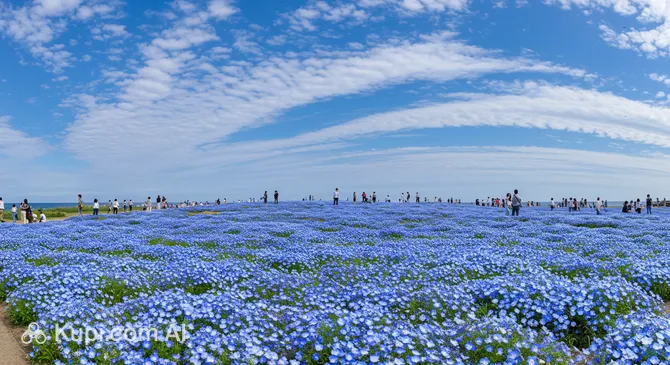
Hitachi. Illustration.
Source: Kupi.com AI

With a population of about 172,700 people, Hitachi is a significant city in Japan, while still maintaining the charm of tranquility and comfort. The city is known far beyond the country's borders thanks to the world-famous Hitachi Corporation, which was founded right here, making it an important industrial and historical center.

Strolling through the streets of Hitachi, you can appreciate how modern buildings, historical quarters, and well-maintained parks blend harmoniously. The city offers a unique experience of immersion into Japanese daily life, where you can enjoy leisurely walks, the aromas of local bakeries, and the hospitality of the locals. Key features include picturesque Pacific landscapes and the opportunity to see the harmonious fusion of nature and urban life, as well as to get acquainted with the region's industrial heritage.

If you want to see the country off the standard tourist routes and are looking for a place where you can enjoy the harmony of nature, learn about history, and experience modern Japanese life, Hitachi will be a true discovery for you. This city invites you to explore its unique corners and take home unforgettable memories.

You can find more interesting facts on the history of the city of Hitachi page.
Weather Overview

The climate in Hitachi can be characterized as temperate, with clearly defined seasons. Expect warm summers with occasional rain: the average temperature in July and August reaches 25-26°C. July is typically the wettest month in terms of rainy days (about 20), although the total precipitation remains moderate (about 6 mm). Winters in Hitachi are cool and relatively dry, with an average temperature in January of around 3-4°C and a small amount of precipitation (about 2 mm). Spring and autumn offer pleasant transitional weather, ideal for walking and exploring the city. You will find more detailed information about the weather by month on the Hitachi climate page.

Average monthly temperature

Average monthly precipitation

Interesting Facts

Beyond its scenic landscapes and modern achievements, the city of Hitachi holds many curious details. Here are just a few interesting facts that will help you look at it in a new way:

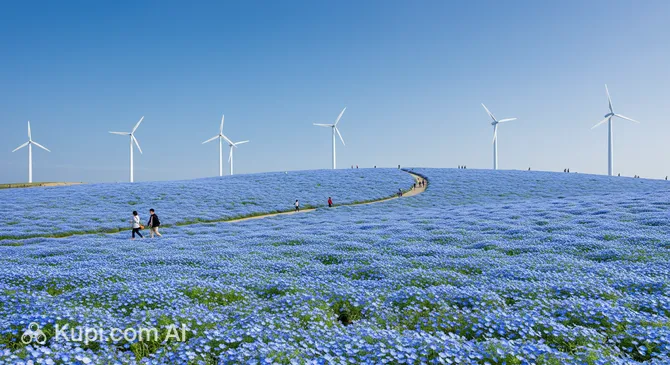
Hitachi Seaside Park. Illustration.
Source: Kupi.com AI

Traveler photos:

  • It was in Hitachi at the beginning of the 20th century that the world-famous Hitachi Corporation was born. This city became the cradle of one of Japan's technological giants, a fact that remains a point of pride for local residents.

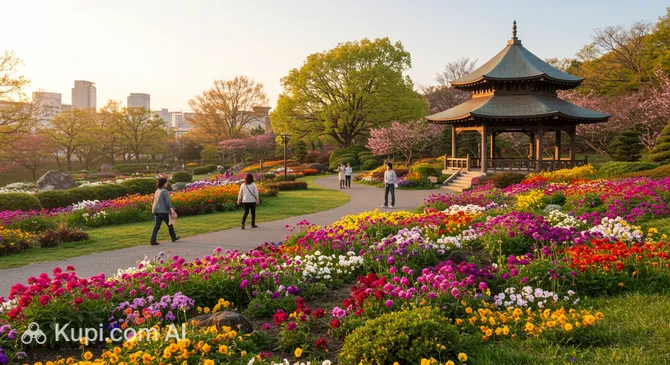
  • In the city's vicinity lies the famous Hitachi Seaside Park, which is often called the "park of all seasons." Its more than 190 hectares are decorated with flowers year-round: millions of daffodils and tulips bloom in spring, along with the famous blue nemophilas that turn the hills into an azure sea; lilies and lavender appear in summer; and fiery red kochia bushes cover the hills in autumn.

  • Every summer, Hitachi Seaside Park becomes the venue for one of the largest music festivals in Japan—the Rock in Japan Festival. It attracts tens of thousands of music fans from all over the country and abroad, filling the city with a festive and high-energy atmosphere.

  • In Hitachi, traditions are carefully honored with colorful festivals dedicated to cherry blossoms and other natural phenomena. Locals happily invite guests to join picnics under the blooming trees and experience traditional Japanese rituals.

How to Get There

The city of Hitachi, located in Ibaraki Prefecture, does not have its own airport. However, it is convenient to get here via several regional and major international airports in Japan, from where you can continue your journey by land transport such as trains, buses, or taxis.

For traveling to Hitachi from abroad or other regions of Japan, the most convenient options are Tokyo's major international airports. One of the main ones is Narita International Airport (NRT), located in the Tokyo area. It is a major international hub situated approximately 96 km from Hitachi. The journey from there by car or one of the many express buses usually takes between 2.5 and 3 hours. Another significant metropolitan airport is Haneda (HND), also in Tokyo, which handles a vast number of flights. It is located slightly further away, about 140 km from Hitachi, so the trip to the city will take approximately 3.5-4 hours.

If you are looking for a closer option, you might consider Ibaraki Airport (IBR). It is located in the city of Ibaraki, just 51 km from Hitachi. This is a smaller-scale airport, serving mainly regional and some international flights. The trip from Ibaraki Airport to Hitachi by car or bus will take about 1.5-2 hours, making it an attractive option if suitable flights are available.

For clarity, here is summary information on the main airports through which you can reach Hitachi:

AirportPassenger trafficDistance
Ibaraki Airport776 06351 km
Fukushima Airport250 00072 km
Narita International Airport40.8 mln96 km
Haneda Airport85.7 mln140 km
Sendai Airport3.5 mln173 km

Main Attractions

Hitachi, located in Ibaraki Prefecture, offers tourists a variety of attractions—from magnificent natural parks to peaceful shrines and beaches. This city is capable of surprising every traveler with its unique atmosphere and interesting places to visit.

One of the city's main gems is Hitachi Seaside Park. This vast coastal park is world-famous for its flower fields, which change their appearance depending on the season. Especially famous are the hills covered with nemophilas in spring and kochias in autumn, creating breathtaking landscapes. The park also offers cycling paths, amusement rides, and picnic areas, making it an ideal place for family holidays and enjoying nature.

Hitachi Seaside Park. Illustration.
Source: Kupi.com AI

Traveler photos:

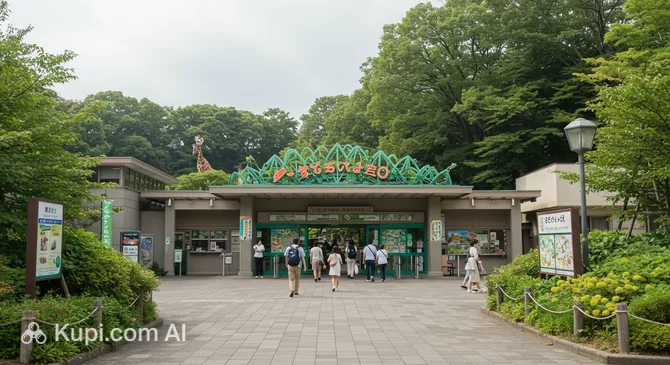
Another popular spot is Kamine Park. This is a multi-functional complex where everyone will find something to their liking. On its territory are located the Kamine Zoo with various animals, the Kamine Leisure Land amusement park with rides for all ages, as well as extensive green areas for relaxation and walks. From the park's hills, beautiful views of the city and the Pacific Ocean open up.

Kamine Park. Illustration.
Source: Kupi.com AI

Traveler photos:

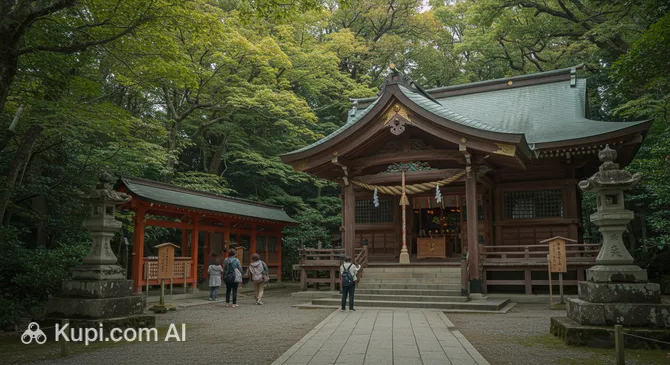
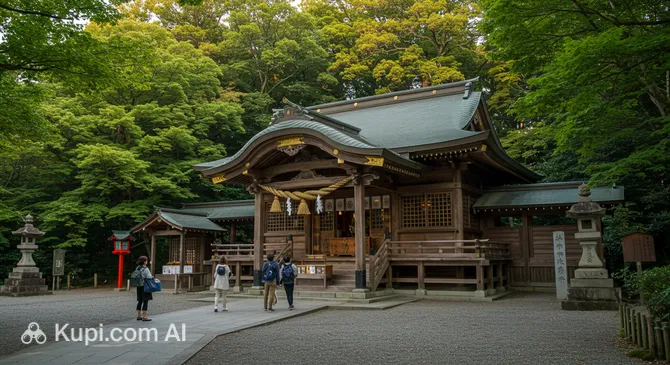
For those interested in the culture and history of Japan, Oiwa Shrine is a must-visit. This ancient Shinto shrine is shrouded in legends and located in a picturesque forest. It is believed that this place possesses a special spiritual power. A walk through its grounds, among centuries-old trees and ancient buildings, gives a sense of peace and a connection to Japanese traditions.

Oiwa Shrine. Illustration.
Source: Kupi.com AI

Traveler photos:

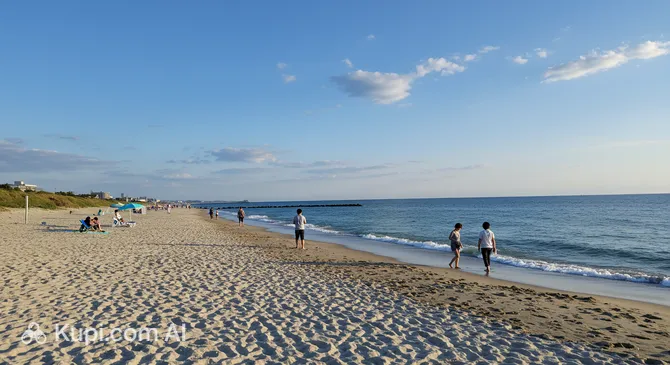
Sunseekers and beach lovers will enjoy Kujihama Beach. This beautiful sandy beach is a popular spot for swimming, surfing, and just relaxing during the summer season. The clean water and scenic surroundings make it attractive for both locals and tourists looking for refreshment by the sea.

Kujihama Beach. Illustration.
Source: Kupi.com AI

Traveler photos:

Local Cuisine

The gastronomic world of Hitachi is, above all, a celebration of the freshest gifts from the Pacific Ocean. Thanks to its coastal location, the city is famous for its magnificent seafood. Be sure to try sashimi made from tuna, squid, and scallops, as well as dishes featuring unique local fish species that are rarely found in other parts of Japan. Freshness and ingredient quality are the top priorities here.

Among the culinary delights of Hitachi, some quite unusual delicacies stand out. A true symbol of the region is "anko-natto"—fermented soybeans served with various additives, offering a unique flavor experience. Those with a sweet tooth will appreciate "anko-nobori"—traditional pastries with a delicate filling of sweet anko bean paste. These dishes reflect the authentic taste of the local cuisine.

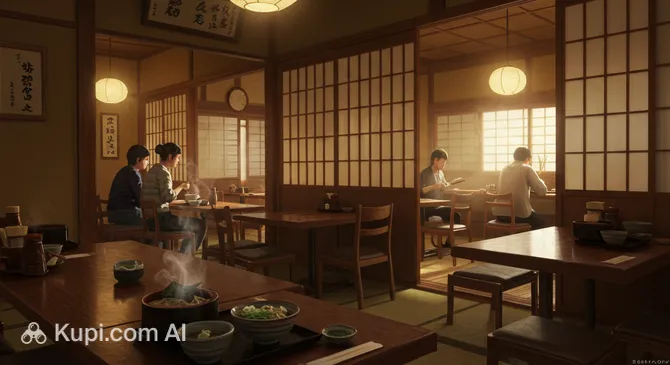
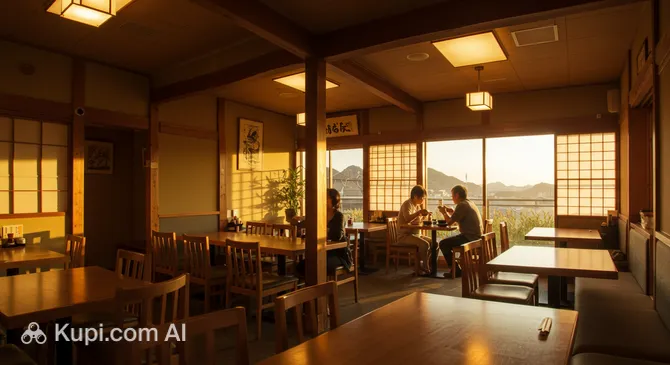
In addition to fine restaurant dining, a culture of street food and small, cozy cafes thrives in Hitachi. On busy streets and markets, you can sample popular Japanese snacks like yakisoba (fried noodles with vegetables and meat) and taiyaki (fish-shaped waffles with various fillings), as well as seasonal rice flour sweets. Locals and tourists also love visiting restaurants that specialize in traditional dishes. For example, you can stop by Soba and Satake to try authentic Japanese soba noodles, or visit the Daishin restaurant to explore other aspects of local culinary art. Here, you can immerse yourself in the atmosphere of Japanese hospitality and enjoy the chefs' craftsmanship.

Soba and Satake. Illustration.
Source: Kupi.com AI

Traveler photos:

As for beverages, in Hitachi, as in the rest of Japan, you will be offered a wide selection of traditional sake and refreshing beer, which perfectly complement a meal. Among non-alcoholic drinks, green tea and various local lemonades are popular. The city's gastronomic scene attracts tourists with its authenticity and diversity, and regular culinary festivals provide an opportunity to get acquainted with the region's best dishes and local culinary traditions.

Travel Tips

Planning a trip to Hitachi? Wonderful! To ensure your journey through this interesting city in Japan goes smoothly and leaves only pleasant impressions, we have prepared some practical tips.

  1. Clothing and Essentials:

    The climate in Hitachi is temperate, with four distinct seasons. In summer (June–August), it can be hot and humid, so choose light, breathable clothing. In winter (December–February), it is cool, and snow occasionally falls—don't forget warm items. Spring and autumn are the most comfortable times with pleasant temperatures. Be sure to bring comfortable shoes for walking, as exploring the city on foot is a true pleasure. Don't forget an adapter for electrical appliances (Type A and B sockets are used in Japan, with 100V voltage). If you plan to visit shrines, choose modest clothing that covers your shoulders and knees.

  2. City Transport:

    It is convenient to get around Hitachi by public transport, primarily buses. The schedule is usually precise but might be in Japanese—use navigation apps for help. For longer distances within Ibaraki Prefecture or across the country, trains are excellent. Taxis are available, but they are a rather expensive way to travel. Car rental is possible, but keep in mind left-hand traffic and parking difficulties in cities. If you plan to travel extensively through Japan, look into getting a Japan Rail Pass.

  3. Finances: All About Money:

    The local currency is the Japanese Yen (JPY). You can exchange currency at the airport, banks, or specialized exchange offices. Credit and debit cards (Visa, Mastercard) are accepted in many hotels, large shops, and restaurants, but it is always useful to have cash on hand, especially for small establishments, markets, or shrines. ATMs that accept international cards are easy to find at post offices (Japan Post Bank) and 7-Eleven stores. Tipping in Japan is not customary and may be perceived as an insult. An approximate daily budget (excluding accommodation) can range from 7,000 to 15,000 yen, depending on your plans.

  4. Health and Safety:

    Hitachi, like Japan in general, is a very safe place for tourists. However, standard precautions never hurt: keep an eye on your belongings in crowded places. Pharmacies (薬 – "kusuri") are everywhere, but not all pharmacists speak English, so have a list of necessary medications or use a translator. Medical assistance for tourists is available but can be expensive, so it is highly recommended to take out travel insurance before your trip.

  5. Communication and Connectivity:

    The main language is Japanese. English is understood in tourist spots, hotels, and at stations, but in general, the level of proficiency among the population is not very high. Learn a few basic phrases in Japanese: "konnichiwa" (hello), "arigato" (thank you), "sumimasen" (excuse me/sorry)—this is highly appreciated by the locals. For convenience, you can buy a local SIM card or rent a pocket Wi-Fi router at the airport. Free Wi-Fi is available in many hotels, cafes, and at stations. Useful apps: Google Maps (for navigation), HyperDia (for train schedules), and Google Translate.

  6. Local Etiquette and Traditions:

    The Japanese are very polite and value respect for their traditions. A greeting is usually accompanied by a bow—its depth depends on the status of the person and the situation. In public places, especially on transport, try to be quiet and not talk loudly on the phone. When entering a Japanese home, some shrines, and traditional restaurants (where you sit on tatami), it is customary to remove your shoes. Do not point at people or objects with your finger—use an open palm instead.

  7. What to Avoid:

    To avoid awkward situations, try to avoid the following: do not stick your chopsticks vertically into your rice (this is associated with funeral rituals); do not eat or drink while walking down the street (exceptions are specially designated areas at street food stalls); avoid public displays of strong emotions. Also remember that smoking on the streets is restricted in many areas or allowed only in specially designated places.

  8. A Special Tip for Hitachi:

    Hitachi is famous for its magnificent Hitachi Seaside Park, which is beautiful at any time of year thanks to seasonal flowers. Be sure to check the blooming calendar before your trip—you might be lucky enough to see the famous nemophilas in spring or the kochia in autumn. Plan your visit in advance, especially during peak blooming seasons, to fully enjoy this beauty.

We hope these tips help you better prepare for your journey to Hitachi and get the most out of getting to know this wonderful Japanese city. Have a great trip!

Entertainment & Nightlife

When the sun sets over the city of Hitachi, the city doesn't go to sleep; instead, it offers its guests and residents various options for evening and night-time relaxation. Although Hitachi may not be famous for the same bustling nightlife as Japan's megacities, you can find cozy places here for dinner, socializing, and a pleasant time after a busy day.

Main evening activity in Hitachi is usually concentrated around the central areas and near railway stations, where most restaurants, bars, and izakayas (Japanese pubs) are located. This is where locals and tourists gather after the working day. The atmosphere in such establishments is generally welcoming and relaxed. You will find quiet places for a calm dinner as well as livelier bars where you can enjoy a glass of sake or local beer.

For dinner, you might consider establishments such as the restaurant Soba and Satake, which serves traditional Japanese cuisine, or Daishin, which also offers local dishes. While specialized nightclubs with loud music and dancing until dawn may be few in Hitachi, there is always a chance to find bars with live music or karaoke—a popular pastime in Japan. Most establishments are open until late evening, especially on weekends. The dress code is usually casual unless you have chosen a high-end restaurant.

Soba and Satake. Illustration.
Source: Kupi.com AI

Traveler photos:

When planning your evening leisure, it's worth considering that public transport may run less frequently late at night. Taxis are available and are a reliable way to get to your hotel at night. Hitachi is generally considered a safe city, but as everywhere, it's worth taking usual precautions, especially when walking alone late at night. Average prices in bars and restaurants are moderate, but it's always better to check in advance.

Daishin. Illustration.
Source: Kupi.com AI

Traveler photos:

During the day, Hitachi offers many other entertainments. You can visit the famous Hitachi Seaside Park, known for its flower fields, or stroll through Kamine Park, which also houses the Kamine Zoo. These places are perfect for family holidays and getting to know the region's nature.

Parks & Museums

Hitachi is a city where natural beauty harmoniously combines with a rich cultural heritage. Here, you will find both magnificent parks for outdoor relaxation and significant historical and spiritual sites that allow for a deeper understanding of Japanese traditions.

One of the city's main gems is Hitachi Seaside Park. This extensive coastal park is known throughout Japan for its incredible flower fields, which change their appearance depending on the season. Especially famous are the blue nemophilas in spring and red kochias in autumn. A walk along its scenic trails and admiring the floral carpets will provide unforgettable impressions.

Another popular spot for relaxation is Kamine Park. This multi-functional park offers entertainment for the whole family: from picnic areas and playgrounds to a small amusement park, Kamine Leisure Land. Nearby is also the Kamine Zoo, where you can get acquainted with various representatives of fauna, making this place particularly attractive for visitors with children.

Kamine Zoo. Illustration.
Source: Kupi.com AI

Traveler photos:

For lovers of seaside relaxation, Hitachi has the beautiful Kujihama Beach. It is a great place to enjoy the sun, swim, or simply stroll along the shore, breathing in the fresh sea breeze. If you prefer panoramic views, it is worth visiting Miharashi Hill, which offers breathtaking landscapes, especially during the blooming season.

In addition to natural beauty, Hitachi offers the chance to explore its history and spiritual life through visits to ancient shrines and temples. Although the city may not have large museums in the classical sense, these sacred places preserve the spirit of the past and are an important part of the cultural landscape.

One such iconic place is Oiwa Shrine. This ancient Shinto shrine, shrouded in an atmosphere of mystery and tranquility, is located at the foot of Mount Oiwa. It is believed that many deities dwell here, and a walk through its territory among centuries-old trees offers peace and an opportunity to touch upon Japanese beliefs.

Another notable location is Sakatsura Isozaki Jinja. This shrine also has a long history and attracts visitors with its beautiful architecture and connection to local legends. Visiting such places allows for a deeper understanding of the region's cultural roots.

Sakatsura Isozaki Shrine. Illustration.
Source: Kupi.com AI

Traveler photos:

Also worthy of attention is Nikko-ji Temple, another place where you can experience serenity and connect with the spiritual traditions of Japan.

To fully experience Hitachi, try to visit Hitachi Seaside Park during the peak blooming of nemophilas or kochias—this sight will leave an indelible mark on your memory. And to feel the true atmosphere of ancient shrines like Oiwa Shrine or Sakatsura Isozaki Jinja, arrive early in the morning when there are few visitors and you can enjoy the silence and peace.

Getting Around

Getting around Hitachi is quite convenient thanks to its developed public transport system. The backbone of the city's transport network consists of buses that connect various districts, railway stations, and key sites. JR East trains also play an important role, providing connections both within the prefecture and with other regions of Japan. Hitachi railway station is the city's main transport hub.

For paying fares on Hitachi public transport, rechargeable smart cards like Suica or Pasmo are most convenient and are accepted on most bus routes and trains. You can pay for your fare simply by tapping the card on the reader when boarding and exiting. Cash payment is also possible directly on the bus. When entering a bus through the rear or middle door, you usually need to take a ticket with a stop number (整理券 - seiriken), and when exiting, pay the amount corresponding to your number on the display above the driver. Sometimes local bus companies offer day passes, which can be beneficial if you plan many trips during the day.

You can purchase or top up IC cards at machines in railway stations or in some convenience stores. Long-distance train tickets are also bought at stations at ticket offices or machines. Buses in Hitachi usually run from early morning until late evening, however, schedules may vary depending on the route and day of the week, so it is recommended to check in advance, especially if you plan to travel to remote areas or on weekends. Schedule information can often be found at bus stops or on the websites of transport companies.

In addition to public transport, other ways to get around are available in Hitachi. Taxis can be found at special ranks at the station and major shopping centers, or called by phone. This is a more expensive but comfortable option, especially for trips with luggage or at night. In some areas of the city, especially near tourist spots or parks, bicycle rentals may be available, which is an excellent way for a leisurely exploration of the surroundings. Car-sharing services are less common for tourists but may be an option for those with the appropriate driver's license and experience.

Accommodation

In Hitachi, tourists can find a variety of accommodation options to suit different preferences and budgets. The choice includes more economical options such as guesthouses and budget hotels, as well as mid-range hotels offering comfortable stays. Apartments are also available for those who prefer more independence and a home-like feel during their journey.

When choosing a place to stay in Hitachi, it is worth paying attention to areas located near major transport hubs or popular attractions, such as Hitachi Seaside Park or Kamine Park. This will ensure easy access to interesting places and make moving around the city easier. Central areas of the city also offer a good range of options and well-developed infrastructure.

Hitachi Seaside Park. Illustration.
Source: Kupi.com AI

Traveler photos:

The price range for housing in Hitachi varies from budget options to more expensive offers in hotels with an expanded range of services. Accommodation can be booked through popular online booking platforms, which offer a wide selection and the ability to compare prices. Some hotels and guesthouses also accept bookings directly through their websites or by phone.

To ensure the best selection and prices, especially if your trip coincides with the peak tourist season or major events, it is recommended to book your accommodation in Hitachi in advance. This will help avoid room shortages and allow you to choose the option that best fits your expectations.

Nearby Cities

For those who wish to explore the surrounding area, Hitachi serves as an excellent starting point for day trips to several interesting nearby locations. For example, you can head to Mito to admire one of Japan's three great gardens—Kairakuen, or visit Hitachinaka, famous for its picturesque seaside park with seasonal flowers. Another interesting option is Kasama, known for its traditional ceramics and the Kasama Inari Shrine. Below is a table featuring these and other cities that might be of interest for a short visit:

CityPopulationDistance
Hitachiota47 58613 km
Takahagi27 25115 km
Naka53 03522 km
Hitachiomiya38 83622 km
Kitaibaraki41 35224 km

These nearby destinations allow for a more complete understanding of the diverse culture, history, and natural beauty of Ibaraki Prefecture and neighboring regions. By planning a day trip, you can enrich your journey to Japan with new experiences.

Shopping & Souvenirs

While Hitachi may not be a primary shopping destination in Japan, the city offers tourists plenty of opportunities for shopping, from modern shopping centers to shops with local goods. Here you can find both everyday items and unique souvenirs reflecting the culture of Ibaraki Prefecture.

The main shopping spots are concentrated around the central areas of the city. A good selection of shops can be found in the Hitachi City Centre area, as well as near the Hitachi railway station, where commercial establishments are traditionally located. Here you will find small specialized boutiques as well as stores of well-known brands.

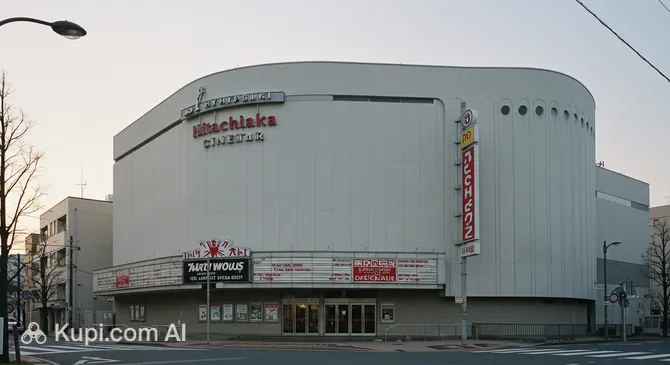
For more concentrated shopping, you can visit local shopping malls. One such place is Hitachinaka Cinema, which, despite the name, offers not only movie screenings but also various shops where you can purchase clothing, accessories, and other goods, as well as have a snack in one of the cafes.

Hitachinaka Cinema. Illustration.
Source: Kupi.com AI

Traveler photos:

Regarding markets, they may not be as widely represented in Hitachi as in major megacities. However, it is worth paying attention to small local markets where farmers and artisans sell fresh produce, seasonal delicacies, and handmade items. This is a great opportunity to get acquainted with the local flavor and purchase something authentic.

As souvenirs from Hitachi and Ibaraki Prefecture, you can bring back traditional Japanese sweets, local ceramics, or textiles. Also popular are items related to the region's famous attractions, such as products featuring flowers from Hitachi Seaside Park. Don't forget the classic Japanese souvenirs: fans, chopsticks, or small electronic gadgets, given that the city is the birthplace of the famous corporation.

Most shops in Hitachi are open approximately from 10:00-11:00 to 19:00-20:00. Large shopping centers may have longer opening hours. Regarding payment, cash is still widely used in Japan, but most shops and shopping centers accept credit cards. Contactless payments using IC cards (such as Suica or Pasmo) are also popular in some places.

For foreign tourists in Japan, there is a tax-free system (Tax Free). Look for shops with the "Tax Free Shopping" sign. Usually, to process a VAT refund (currently 10%), you need to make a purchase of a certain amount (most often over 5,000 yen) in one store within one day and present your passport at a special counter.

Reached the end of the page?

That means the route is fully explored