Support

Iwaki

About

Iwaki is a true gem on the Pacific coast, nestled in the southeastern part of Fukushima Prefecture in Japan. The city is literally bathed in mild sea breezes, and the climate here is remarkably stable year-round: not too hot in summer and not too cold in winter, making Iwaki an ideal place for leisurely strolls and maritime adventures. With a population of about 336,000 people, Iwaki is the largest city in Fukushima Prefecture and an important economic, transport, and cultural hub for the region.
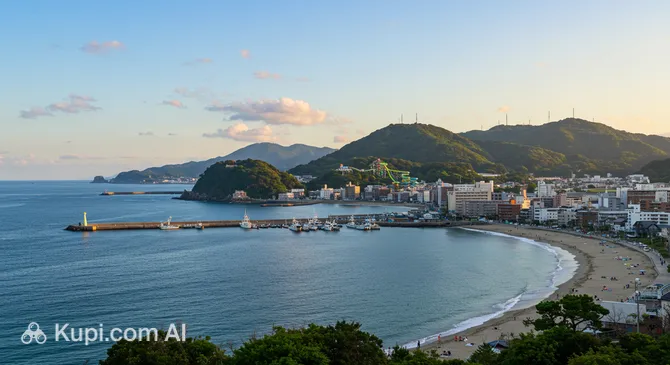
Iwaki. Illustration.
Source: Kupi.com AI

The atmosphere of Iwaki is special: there is a perfect harmony between nature and people. The city is famous for its green hills, picturesque beaches, and well-maintained gardens. Traditions and modernity blend seamlessly here: from historical temples to contemporary museums, and from bustling port districts to peaceful parks. The international port of Onahama plays a vital role in the city's life, and a well-developed transport network makes it easy to get here from Tokyo in just a couple of hours.

Iwaki is a place where you can feel the true rhythm of Japanese life, enjoy fresh seafood, immerse yourself in history, and simply recharge your spirit. This city is perfect for those who want to see the welcoming, multifaceted, and surprisingly beautiful side of the Land of the Rising Sun. Come to Iwaki to discover its unique charm!

You can find more interesting facts on the Iwaki city history page.
Weather Overview

The weather in Iwaki is characterized by a noticeable change of seasons, offering varied conditions throughout the year. Summer, especially in July and August, is warm here, with average air temperatures around 24-25°C, while maximum values can reach 28°C. This period also sees the highest amount of rainfall, averaging 5-7 mm per month, with up to 20 rainy days.

Winters in Iwaki, from December to February, are quite cool. The monthly average temperature fluctuates between 2°C and 4°C, and nighttime temperatures can drop below freezing (down to -1.1°C in January). The winter period is characterized by less precipitation, about 2 mm per month, and approximately 7 rainy days. Spring and autumn are transitional seasons with moderate temperatures and rainfall.

Overall, expect a warm summer with occasional rain and cool, relatively dry winters. For more detailed information on the climate and weather conditions in Iwaki by month, including data on temperature, precipitation, and the number of sunny days, we recommend checking the detailed overview on the Iwaki Climate page.

Average monthly temperature

Average monthly precipitation

Interesting Facts

Beyond its well-known attractions, Iwaki holds many fascinating secrets and surprising stories that make it truly special. Here are just a few lesser-known facts that will help you see this Japanese city from a new perspective:

Ino Hachiman Shrine. Illustration.
Source: Kupi.com AI

Traveler photos:

  • Iwaki has a rich history, evolving from a castle town and an important coal mining center to a modern city with developed chemical and petrochemical industries, as well as a popular tourist destination. The city carefully preserves its cultural roots, reflected in historical sites like the Taira district—the former center of power during the Edo period—and numerous shrines that attract connoisseurs of Japanese culture.

  • One of the city's most unusual and vibrant hallmarks is the Hula Girls dance troupe. Formed in the 1960s to attract tourists to the region following the decline of the coal industry, they eventually became a national phenomenon. Their annual performances are colorful shows that draw thousands of enthusiastic spectators.

  • Iwaki is home to the unique Shiramizu Amidado temple, designated as a National Treasure of Japan. This is a magnificent example of Heian period (794-1185) architecture; its garden and roof are considered among the most beautiful in the country, becoming especially picturesque during the spring blooms and the vibrant colors of autumn.

  • The city is also famous for its educational museums. For instance, the Iwaki City Coal and Fossil Museum tells the story of the region's geological past and mining history, while the Iwaki Ammonite Center showcases an impressive collection of ancient marine fossils. Another landmark is the Shioyasaki Lighthouse, which has become a symbol of hope and romance for many generations.

How to Get There

The most convenient way to reach Iwaki, located in Fukushima Prefecture, is by air through several of Japan's regional and international airports. While Iwaki itself does not have a major passenger airport, several hubs are within a reasonable distance, from which you can continue your journey via ground transport.

The closest option is Fukushima Airport (FKS), located about 45 km from the center of Iwaki. This is a small regional airport; a trip from there to Iwaki by taxi or bus takes about 1 hour and 30 minutes. If minimizing travel time from the airport is your priority, this could be a suitable choice. For more information, you can visit the Fukushima Airport page.

For most international travelers, the primary arrival point will likely be Narita International Airport (NRT) in Tokyo. This is one of Japan's largest and busiest airports, serving many international flights. It is located approximately 150 km from Iwaki. The trip from Narita Airport to Iwaki can take about 4 hours, depending on your choice of transport (train, bus, or car).

Another significant airport is Sendai Airport (SDJ), located in the city of Sendai, about 121 km north of Iwaki. This is a medium-sized airport serving both domestic and some international flights. The journey from Sendai Airport to Iwaki takes roughly 3 hours and 20 minutes. This can be a convenient alternative, especially if you plan to visit the northern regions as well.

For convenience, here is a summary of the main airports you can use to reach Iwaki:

AirportPassenger trafficDistance
Fukushima Airport250 00045 km
Ibaraki Airport776 063105 km
Sendai Airport3.5 mln121 km
Narita International Airport40.8 mln150 km
Junmachi Airport223 111158 km

Main Attractions

Iwaki, located in Fukushima Prefecture, offers its guests a wide range of experiences, from diving into history and culture to exploring the unique flavors of local cuisine. Here are a few attractions that will make your trip unforgettable.

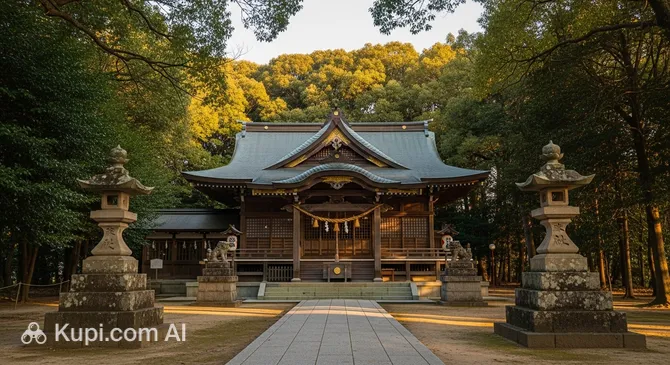
One of the significant places to visit is the Iino Hachiman Shrine. This Shinto shrine is dedicated to the deity Hachiman, who is traditionally revered as a patron of warriors and a protector of the country. A visit to the shrine offers a chance to immerse yourself in an atmosphere of tranquility, admire traditional Japanese architecture, and learn more about the region's spiritual traditions. This site attracts visitors both for its historical value and its peaceful beauty.

Ino Hachiman Shrine. Illustration.
Source: Kupi.com AI

Traveler photos:

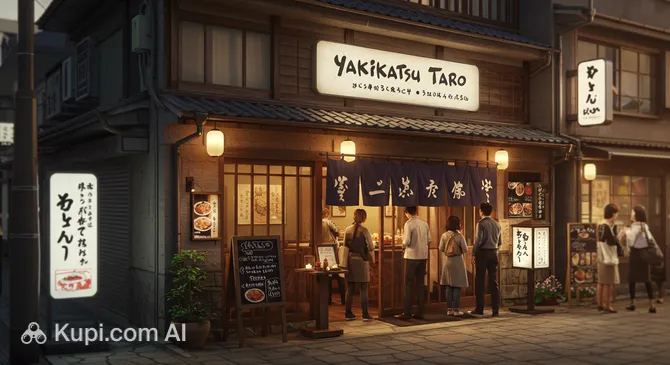
Fans of Japanese gastronomy should stop by the restaurant Yakikatsu Taro. The establishment is famous for its signature dish—yakikatsu. While the exact preparation can vary, it typically involves a juicy cutlet (often pork) cooked in a special way, possibly grilled, which distinguishes it from the classic tonkatsu. A visit to Yakikatsu Taro is a great chance to taste a unique local dish and broaden your culinary horizons.

Yakikatsu Taro. Illustration.
Source: Kupi.com AI

Traveler photos:

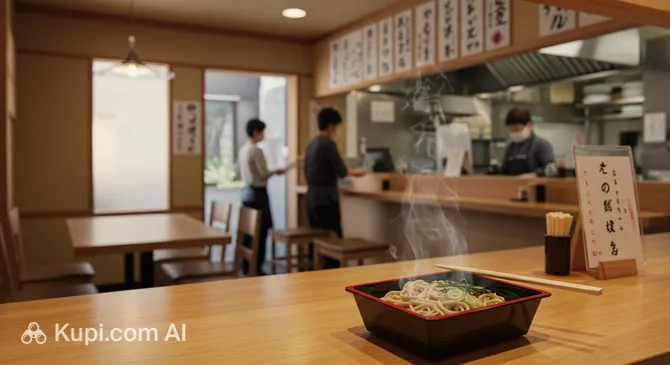
Another culinary discovery in Iwaki could be the restaurant Tyuka Soba Kaze. They specialize in chuka-soba, which literally means "Chinese noodles" and was one of the early forms of ramen in Japan. Guests can expect a fragrant broth and springy noodles—a classic combination valued for its rich flavor. It’s an excellent place to get acquainted with the history of this popular Japanese dish and enjoy its authentic execution.

Chuka Soba Kaze. Illustration.
Source: Kupi.com AI

Traveler photos:

Local Cuisine

The cuisine of Iwaki is a true immersion into a world of the freshest seafood, which is the pride of this coastal city. Gastronomic traditions here are closely linked to the ocean, making fish and other marine gifts the foundation of local dishes. Tourists are drawn by the opportunity to try melt-in-your-mouth tuna sashimi, sea urchin and crab delicacies, and seasonal specialties that change with the time of year.

Among the dishes you must try in Iwaki is "anko nabe"—a hearty and fragrant monkfish hotpot. This dish is especially popular during the winter due to its rich flavor and warming properties. In spring, local chefs delight gourmets with dishes made from young fish, while autumn brings the season for fatty tuna and squid. You can always find fresh oysters, scallops, and mussels at local markets, which are often served on the spot, allowing you to enjoy the authentic atmosphere.

The dining culture in Iwaki is diverse and offers options for every taste. Locals and visitors enjoy meals in both traditional restaurants and by trying street food at numerous festivals and markets. You'll frequently find grilled seafood and appetizing rice balls with seaweed. If you want to explore the local restaurant scene, look for establishments such as Yakikatsu Taro or Tyuka Soba Kaze, where you can appreciate the skill of Japanese chefs and taste dishes made from the freshest ingredients.

You can round off your gastronomic introduction to Iwaki by trying local sake or original fruit wines produced at small family wineries. These drinks perfectly complement seafood dishes. Every sip seems to absorb the freshness of the ocean and the warmth of Japanese hospitality, leaving pleasant memories of your culinary discoveries in this seaside city.

Travel Tips

Planning a trip to the charming city of Iwaki? Wonderful! To ensure your journey through this corner of Japan goes smoothly and leaves only pleasant impressions, we have prepared some practical tips. They will help you navigate better on the spot and enjoy every moment of your stay.

  1. Clothing and comfort on the road:

    The climate in Iwaki is temperate, with warm and humid summers and cool winters. In summer, choose light, breathable clothing, and in winter, warm items including a jacket, hat, and gloves. In spring and autumn, layered clothing will come in handy. Be sure to bring comfortable shoes, as you will be doing a lot of walking. Don't forget an umbrella (precipitation is possible at any time of year) and an adapter for electrical appliances (Japan uses Type A, 100V). When visiting temples and shrines, choose modest clothing and be prepared to remove your shoes before entering.

  2. Getting around Iwaki:

    The primary mode of public transport in Iwaki is the bus. The city is also connected to other regions by the Joban railway line. Taxis are available but can be quite expensive; you can use local apps to call them. Renting a car is a good option if you plan to explore the surrounding Fukushima Prefecture, but remember the left-hand traffic and the need for an international driving permit.

  3. Financial matters:

    The official currency is the Japanese Yen (JPY, ¥). You can exchange currency at banks, post offices, or specialized exchange bureaus. Credit cards (Visa, Mastercard) are accepted in many hotels, large shops, and restaurants; however, cash remains very important, especially in small establishments, temples, and when buying souvenirs. ATMs that accept international cards can most often be found at post offices (Japan Post Bank) and 7-Eleven stores. It is important to know that tipping is not practiced in Japan and may be perceived as a misunderstanding.

  4. Health and safety:

    Japan is one of the safest countries in the world, and Iwaki is no exception. Follow standard precautions. Pharmacies (look for the sign 薬 - kusuri) are easy to find, but it's better to carry a basic first-aid kit. Travel medical insurance is highly recommended. The city of Iwaki is in Fukushima Prefecture but is located at a significant distance from the Fukushima Daiichi Nuclear Power Plant and is safe to visit; radiation levels here are within the normal range.

  5. Language and connectivity:

    The official language is Japanese. English is not widely spoken everywhere, but staff in tourist areas and hotels often speak it. Learn a few basic phrases: "Konnichiwa" (Hello), "Arigato" (Thank you), "Sumimasen" (Excuse me/I'm sorry). For ease of communication, we recommend purchasing a tourist SIM card or renting a portable Wi-Fi router. Free Wi-Fi is available in many hotels and some public places.

  6. Local etiquette and traditions:

    Japanese people are very polite and value respect for their culture. Bowing is a traditional form of greeting. In public places, especially on transport, avoid loud phone conversations. When entering homes, some temples, and traditional restaurants, you must remove your shoes. There are specific rules for using chopsticks (for example, do not stick them vertically into rice).

  7. What to avoid and a useful lifehack:

    Besides the already mentioned lack of tipping, try not to eat or drink while walking on the street (except in designated areas). Smoking is allowed only in marked zones. A useful tip for Iwaki: the city is famous for its hot springs (onsens), such as Iwaki Yumoto Onsen. Be sure to visit one, after first familiarizing yourself with the etiquette rules (for example, you must wash thoroughly before entering the communal bath; swimsuits are not used). Also interesting is the Spa Resort Hawaiians, which reflects the city's "Hawaiian" theme.

We hope these tips make your trip to Iwaki even more comfortable and memorable. Enjoy the unique atmosphere of this Japanese city, its hospitality, and its beauty!

Entertainment & Nightlife

In the evening, Iwaki offers guests various ways to spend their time, though its nightlife may not be as boisterous as that of Japan's major metropolises. Nevertheless, you can find cozy spots for dinner, socializing with friends, and relaxing after a busy day.

Main evening activity in Iwaki is generally concentrated around the railway station and in the city's central districts. Here you will find numerous restaurants offering both local and international cuisine, as well as traditional Japanese izakayas (gastropubs) where you can enjoy drinks and light snacks in a casual atmosphere. While specialized nightclubs may be few, some bars and pubs stay open late, offering music and good company.

For dinner or evening drinks, you might consider establishments such as Tyuka Soba Kaze, known for its noodles, or Yakikatsu Taro, which serves delicious yakikatsu. These places are excellent for getting to know the local cuisine in the evening.

The atmosphere in Iwaki's evening venues is usually calm and conducive to conversation. The crowd is mixed—ranging from locals to tourists. Most restaurants and izakayas operate until 10:00–11:00 PM, while some bars may stay open longer, especially on weekends. There is usually no specific dress code; smart-casual style is welcomed.

The best time for evening walks and visiting establishments is after 7:00 PM. Prices in Iwaki's restaurants and bars are considered moderate. At night, it is most convenient to get around the city by taxi, which can be called by phone or found at designated stands. The city is generally considered safe, but as always, it is wise to observe basic precautions, especially in less crowded areas late at night.

During the day, Iwaki also offers interesting leisure options. Guests can visit local museums to learn more about the region's history and culture, stroll through picturesque parks, or explore landmarks such as the Iino Hachiman Shrine. For family fun, local entertainment centers may also be an option.

Parks & Museums

The city of Iwaki offers its guests a harmonious blend of picturesque natural spots and interesting cultural sites, allowing for a deep dive into the history and traditions of the region. Everyone will find something to their liking here, whether it’s a quiet holiday in nature or informative excursions to museums and historical landmarks.

Among the city's green spaces, Misaki Park stands out, located on the cape of the same name. It is a wonderful place for walking with breathtaking views of the Pacific Ocean, equipped with observation decks and trails. Also worth noting is the garden at Shiramizu Amidado Temple, which is a National Treasure of Japan. This Heian-period style garden enchants with its peaceful atmosphere and classic Japanese landscape design, offering visitors an island of tranquility and beauty.

To get acquainted with the cultural heritage of Iwaki, we recommend visiting several key museums. The Iwaki City Art Museum showcases collections of Japanese and local art, introducing the works of various masters. Special attention should be paid to the Iwaki City Coal and Fossil Museum "Horuru". This interactive museum tells a fascinating story about the region's coal mining history, which played a major role in the city's development, and displays impressive paleontological finds, including dinosaur skeletons and other ancient fossils found in Fukushima Prefecture.

When speaking of historical attractions, one cannot fail to mention the Iino Hachiman Shrine. This revered site attracts visitors with its authentic atmosphere and is an important cultural landmark for locals. Another significant historical and architectural monument is the Shiramizu Amidado Temple itself, built in the 12th century, which has preserved unique wooden architecture and Buddhist shrines to this day.

In addition to parks and museums, Iwaki has other interesting spots. For example, Aquamarine Fukushima is one of the largest and most modern aquariums in Japan. Here you can see a huge variety of marine life, including rare species, and learn much about the underwater world of the Pacific Ocean. It’s an excellent place for the whole family to visit.

To feel the atmosphere of Iwaki more deeply, we suggest visiting the local markets where you can try the freshest seafood for which this coastal city is famous. Also, don't miss the chance to explore small, lesser-known temples and shrines, which often hide interesting stories and offer secluded corners for reflection.

Getting Around

In Iwaki, the main focus of the public transport system is on bus services and railway lines. The city's bus network is quite extensive and allows you to reach most areas. Railway transport, primarily represented by JR lines, effectively connects Iwaki both with its suburbs and other settlements in the region.

For paying fares on Iwaki's public transport, rechargeable IC transport cards (such as Suica, PASMO, or their local equivalents) are the most convenient method, accepted on both trains and many buses. Simply tap the card on the reader when entering and exiting. Cash payment is also possible, especially on buses; in this case, it is recommended to carry small change, as drivers cannot always break large bills. Sometimes on buses, when entering through the middle door, you need to take a ticket with a stop number, which is used to calculate the fare upon exit. For tourists, day passes for certain routes or zones might be advantageous if offered by local transport companies.

Train tickets are purchased from machines at railway stations or at ticket offices. When using an IC card, validation happens automatically at the ticket gates. On buses, if paying by cash, drop the coins or bills into the special machine next to the driver when exiting. If you took a ticket, show it to the driver to determine the price. Public transport in Iwaki usually begins operation in the early morning (around 6:00 AM) and ends late in the evening (around 11:00 PM to midnight), however, schedules can vary depending on the route and the day of the week (weekdays or weekends/holidays), so it is always recommended to check the current times in advance, for example, at stations or on transport operators' websites.

As an alternative to public transport in Iwaki, taxi services are always available. They can be found at stands near stations, large shopping centers, or called by phone. A taxi ride will be significantly more expensive than a bus or train, but can be convenient for traveling with luggage or at night. In some areas of the city, especially in tourist zones or parks, bicycle rentals may be available—a pleasant and healthy way to explore the surroundings at a leisurely pace.

There are no unique or historical types of transport, such as a subway or an extensive tram network, in Iwaki. The city's transport system is fairly standard for Japanese cities of this size, being functional and oriented toward meeting the travel needs of residents and visitors.

Accommodation

When planning a trip to Iwaki, you will find a variety of accommodation options to suit different preferences and budgets. The city offers traditional Japanese inns (ryokans), modern hotels, and more economical options such as guesthouses and hostels. For those seeking more space or planning a long-term stay, short-term rental apartments may also be available.

When choosing a place to stay in Iwaki, it is worth looking at areas close to major transport hubs, such as railway stations, or near the attractions you are interested in. Some neighborhoods may offer a quieter atmosphere, while others will be in the heart of urban activity. Explore the city map and read reviews from other travelers to find the most convenient location.

The price range for accommodation in Iwaki varies from budget to mid-range and higher, depending on the type of lodging, its location, and the season. It is recommended to book your accommodation in advance, especially if your trip coincides with peak tourist seasons or national holidays, to ensure the best choice and rates. Most hotels and guesthouses can be booked through popular online platforms or directly on their websites. Some traditional ryokans may also accept bookings by phone or email.

Nearby Cities

For those looking to explore the surrounding area, Iwaki serves as an excellent starting point for day trips to several interesting nearby locations:

CityPopulationDistance
Hirono14 75721 km
Kitaibaraki41 35230 km
Tomioka46 92834 km
Takahagi27 25140 km
Hanawa28 92944 km

A short trip from Iwaki will reveal new facets of the region. For example, Koriyama, a major transport and commercial hub, attracts visitors with its picturesque parks like Kaiseizan and various shopping opportunities. Hitachi, located on the Pacific coast, is interesting not only for its beaches but also as the birthplace of the world-famous corporation of the same name, which is reflected in some of the city's landmarks. A trip to Nihonmatsu allows you to touch history by visiting the ruins of Nihonmatsu Castle and learning about the famous Kiku-ningyo (Chrysanthemum Doll) festival.

These nearby destinations provide an overview of the diverse culture and landscapes of Japan's regions. Each trip promises new discoveries and experiences, perfectly complementing your journey to Iwaki.

Shopping & Souvenirs

Shopping in Iwaki offers tourists a chance to explore both modern Japanese goods and local souvenirs. The city, located in Fukushima Prefecture, is not a major global fashion hub, but you can find interesting keepsakes and everything needed for a comfortable stay here. Special attention should be given to shops offering products from local craftsmen and traditional Japanese goods.

Main shopping areas in Iwaki, as in many Japanese cities, are often concentrated around major transport hubs, such as the area near Iwaki Station. Here you can find department stores, small boutiques, and specialty shops. Strolling along the central streets can also lead to interesting finds, from clothing stores to souvenir shops.

While information on specific large shopping malls in Iwaki is limited, Japanese cities of this size usually feature department stores (depato), offering a wide range of goods: clothing, cosmetics, household items, and food. You can also find smaller shopping complexes or arcades with a variety of stores.

Regarding markets, in coastal cities like Iwaki, it is always interesting to seek out local markets selling fresh seafood and local agricultural products. Such places allow for a deeper immersion into the local culture and the chance to purchase fresh delicacies. You may also encounter small weekend markets or craft fairs where unique souvenirs can be found.

As souvenirs from Iwaki and the Tohoku region, consider traditional Japanese items: ceramics, textiles, and lacquerware. Local sweets and delicacies, such as seafood products or seasonal fruits, are also popular. Don’t forget classic Japanese souvenirs like fans, chopsticks, tea, or locally produced sake.

Shops in Iwaki typically operate from 10:00–11:00 AM to 7:00–8:00 PM. Large department stores and shops in tourist areas may have longer operating hours. The most common payment method is cash (Japanese Yen), although credit cards (Visa, MasterCard, JCB, American Express) are accepted in many large stores and hotels. Contactless payments using IC cards (Suica, Pasmo, etc.) are also popular in Japan.

For foreign tourists in Japan, a consumption tax refund system (Tax Free) is available. Look for shops with the "Japan Tax-free Shop" logo. Usually, to process a refund, you need to make a purchase over a certain amount (most often over 5,000 yen) in one store on a single day and present your passport. The refund is processed either on the spot or at a special counter at the airport when departing the country.

Reached the end of the page?

That means the route is fully explored