Support

Koriyama

About

Koriyama is a vibrant city, often called the heart of Fukushima Prefecture in Japan. Situated on a scenic plain surrounded by the mountains and lakes of the country's northeastern region, it serves as a vital transportation hub and the gateway to the Tohoku region. The city is known for its successful blend of urban comfort and proximity to nature: the city center is just a few minutes' drive from green hills, and in spring and autumn, Koriyama transforms with blooming flowers and vivid foliage.
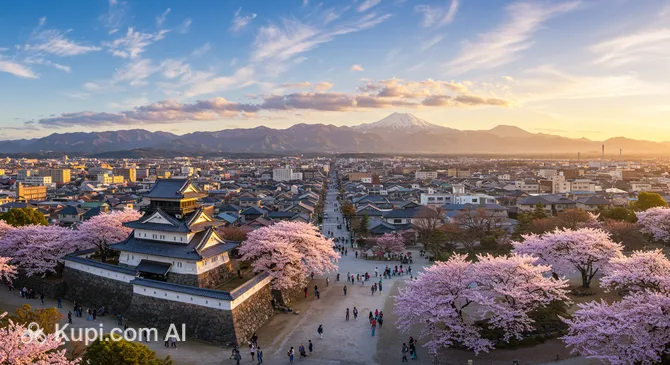
Koriyama. Illustration.
Source: Kupi.com AI

With a population of about 330,000, Koriyama is the second-largest city in the prefecture and a significant economic, cultural, and educational center. The city features a dynamic atmosphere, modern shopping districts, and an abundance of parks perfect for leisurely walks. Here, ancient shrines and museums harmoniously coexist with futuristic buildings, creating a unique urban character.

Koriyama attracts tourists with its tranquility, the friendliness of the local residents, and its remarkable cleanliness. It is a wonderful place to explore the Japanese countryside, where you can experience the authentic rhythm of the country's life without sacrificing the conveniences of a large city. Key highlights include the chance to stroll through blossoming parks, visit ancient temples, sample local delicacies, and participate in traditional festivals. The city offers a unique combination of nature, history, and modern culture.

If you are looking for a place where history meets modernity and urban life harmonizes with nature, Koriyama will be a true discovery for you. This hospitable city invites you to experience its unique culture and beauty.

You can find more interesting facts on the Koriyama city history page.
Weather Overview

The weather in Koriyama is characterized by distinct seasonal changes. Summer, especially in July and August, is warm here, with average temperatures around 23-25°C, and maximum values can reach 28°C. This period sees the highest amount of rainfall, particularly in July. Winters, by contrast, are cold, with average temperatures around zero or slightly below, especially in January, when the thermometer can drop to -3°C. There is significantly less precipitation in winter, but the number of days with precipitation (including snow) remains notable. Thus, expect a warm summer with occasional rain and cold winters with less precipitation.

For a more detailed forecast and information on weather by month, you can visit the Koriyama Climate page.

Average monthly temperature

Average monthly precipitation

Interesting Facts

In addition to its well-known attractions, Koriyama holds many curious details and stories that make this city truly special. Here are just a few interesting facts that will help you look at Koriyama from a new perspective:

Kaiseizan Park. Illustration.
Source: Kupi.com AI

Traveler photos:

  • Koriyama is often referred to as the "City of Water." This is due to its proximity to the famous Lake Inawashiro, one of the cleanest and most picturesque in Japan, which plays a vital role in the city's water supply and has inspired local poets and artists for centuries.

  • The city is famous for its unique traditional crafts. The production of "Deco-Yashiki" dolls (Takashiba Deco-Yashiki) is particularly popular. In many workshops, you can not only watch the process of creating these original toys but also try making them yourself.

  • Koriyama proudly holds the title of "Music City." Various concerts and music festivals are held here regularly; the city has its own symphony orchestra, and the local concert hall is renowned for its excellent acoustics and design.

  • One of the city legends is associated with the Asakutsu-ko Shrine. Legend has it that a wish made at its ancient gates will surely come true, especially if done during major shrine festivals.

How to Get There

There are several convenient ways to reach the city of Koriyama, located in Fukushima Prefecture. The main transportation hubs for arriving in the region are the nearest airports and the extensive Japanese railway network.

While Koriyama does not have its own major airport serving international flights, travelers can use several airports in neighboring cities. The closest to Koriyama is Fukushima Airport (FKS), located in the city of Fukushima, about 20 km from Koriyama. This is a small regional airport, and a taxi or bus ride from here to central Koriyama takes about 50 minutes. A larger option capable of handling some international and many domestic flights is Sendai Airport (SDJ). It is located in the city of Sendai, approximately 96 km from Koriyama. The trip from Sendai Airport to Koriyama can take about 2.5–3 hours by car, or you can use the rail connection from Sendai.

For clarity, here is a summary of the main airports used to reach Koriyama:

AirportPassenger trafficDistance
Fukushima Airport250 00020 km
Sendai Airport3.5 mln96 km
Junmachi Airport223 111112 km
Niigata Airport1.1 mln125 km
Ibaraki Airport776 063135 km

In addition to flights to regional airports, Koriyama is a major railway hub in Japan, served by Shinkansen high-speed train lines. This makes the city easily accessible from Tokyo (the trip from Tokyo stations, which can be easily reached from the country's main international airports—Narita (NRT) or Haneda (HND)—takes about 80–90 minutes) and other major cities in Japan. Koriyama Railway Station is located in the city center, which is very convenient for further travel around Koriyama and its surroundings.

Main Attractions

Koriyama, nestled comfortably in Fukushima Prefecture, offers its guests several interesting spots that will make your trip rich and memorable. The city harmoniously combines modern entertainment with natural beauty, providing opportunities for relaxation to suit every taste.

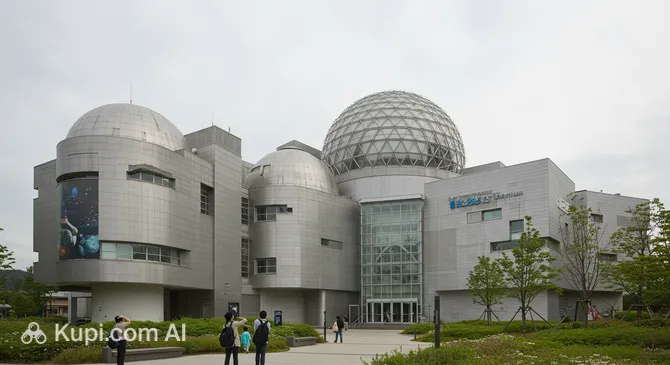
One of the most attractive places for curious tourists, especially those traveling with children, is the Koriyama City Fureai Science Center "Space Park". This interactive museum allows visitors to dive into the world of science and space through engaging exhibits and a planetarium. Here you can learn much about the universe, participate in educational programs, and simply have a great time expanding your horizons.

Koriyama City Fureai Science Museum Space Park. Illustration.
Source: Kupi.com AI

Traveler photos:

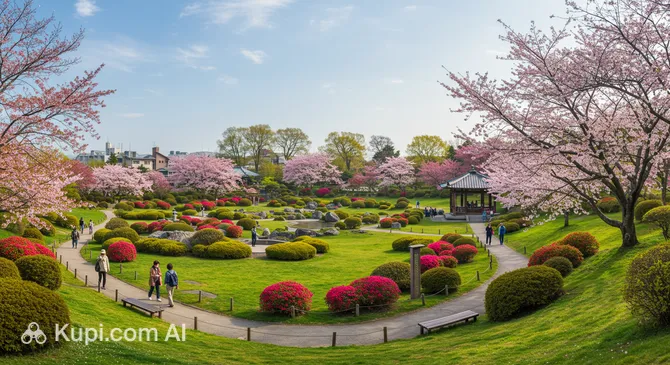
For those who prefer outdoor recreation, Kaiseizan Park is an excellent choice. This is one of the oldest and most beloved recreational spots for residents. The park is famous for its picturesque landscapes, especially during the cherry blossom season in spring and the vibrant colors of autumn. You can stroll along well-kept alleys, relax by the pond, or have a small picnic. The park is also home to the Kaiseizan Daijingu Shrine, adding historical and cultural value to the location.

Kaiseizan Park. Illustration.
Source: Kupi.com AI

Traveler photos:

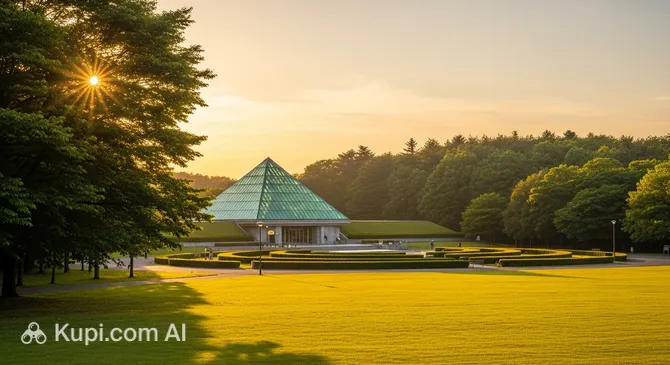
Another wonderful green space is the Hayama-no-Mori 21st Century Memorial Park. This modern park was created as a place for relaxation and contemplation, where nature blends harmoniously with art. Walking along its paths, you can enjoy the tranquility, admire the landscape design, and perhaps discover interesting sculptures or installations. It’s a great place to escape the city bustle and enjoy some peace and quiet.

21st Century Memorial Park Hayama Forest. Illustration.
Source: Kupi.com AI

Traveler photos:

These attractions are just a part of what Koriyama has to offer. The city is also known for its festivals and local cuisine, making it an appealing destination for experiencing Japanese culture and traditions.

Local Cuisine

The gastronomy of Koriyama will delight connoisseurs of authentic Japanese cuisine based on the freshest local products. The city is famous for its dishes made from river and lake fish, as well as seasonal vegetables supplied from nearby farms. This is a destination for those seeking the genuine flavors and culinary traditions of the region.

Be sure to try the carp miso soup—a traditional treat with recipes carefully passed down from generation to generation. Another culinary symbol of Koriyama is yakitori—appetizing chicken skewers cooked right before your eyes at street stalls. Onigiri, rice balls with various fillings, are also popular and ideal for a quick and satisfying snack.

Among local beverages, sake holds a special place, produced using the purest water from Lake Inawashiro. Many local breweries are open to visitors, offering tours where you can learn about the intricacies of producing this famous Japanese drink and, of course, taste the best varieties. This is a unique opportunity to touch the centuries-old traditions of sake brewing.

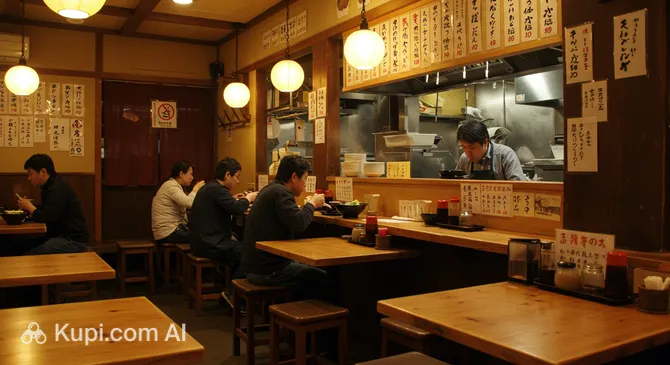
Jidori Ramen Arigatou. Illustration.
Source: Kupi.com AI

Traveler photos:

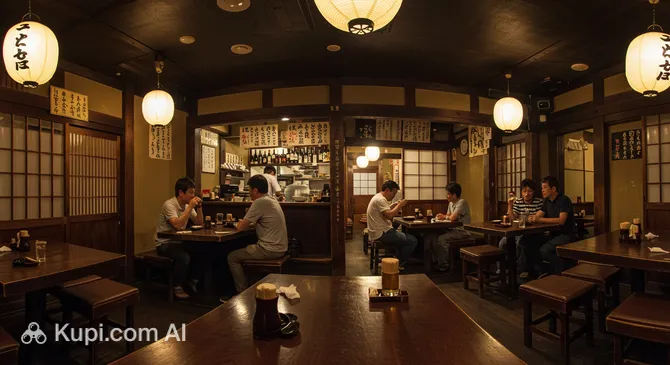
The food culture in Koriyama is diverse. Locals and tourists can enjoy freshly prepared food at lively street markets where the aroma of yakitori fills the air. Additionally, the city has many restaurants offering both traditional dishes and modern interpretations of Japanese cuisine. For example, you can visit Jidori Ramen Arigato to sample the local ramen. For those seeking more traditional tastes, the Midoriya Shoten restaurant can offer interesting dishes.

A particular pride of Koriyama is its gastronomic festivals. The most famous is the sake and local delicacies festival, which attracts gourmets from all over Japan and abroad. Participating in such a festival allows you not only to try rare dishes but also to gain a deeper understanding of the rich traditions of Japanese dining and hospitality.

Travel Tips

Welcome to Koriyama! To make your trip to this interesting city in Japan as comfortable and memorable as possible, we have prepared a few practical tips. They will help you navigate better and enjoy every moment of your stay.

  1. Clothing and Essentials:

    The climate in Koriyama is temperate, with four distinct seasons. In summer (June–August), it is hot and humid, so choose light, breathable clothing. Don't forget an umbrella or raincoat, especially in June–July (rainy season). In autumn (September–November), the weather is pleasant; layered outfits are ideal. In winter (December–February), it can be cold with possible snow—you will need a warm jacket, hat, gloves, and a scarf. In spring (March–May), the weather is mild; this is the cherry blossom time. A key wardrobe item is comfortable shoes, as you will be walking a lot. Bring a universal adapter (Japan uses type A and B sockets, 100V voltage) and a portable power bank. There is usually no specific dress code for visiting temples and shrines, but modest clothing covering shoulders and knees is recommended.

  2. City Transport:

    Koriyama is a major transportation hub, so moving around the city and its surroundings is quite convenient. The basis of public transport is JR East trains (including Shinkansen high-speed trains) and local buses. For payment convenience, consider purchasing transport cards like Suica or Pasmo, which work in many regions of Japan. Taxis are available but can be an expensive pleasure; you can use apps to call them. Renting a car can be a good option if you plan to explore Fukushima Prefecture, but remember that driving in Japan is on the left, and you will need an International Driving Permit.

  3. Financial Matters:

    The local currency is the Japanese yen (JPY, ¥). You can exchange currency at airports, major banks, and some hotels. Credit and debit cards (Visa, Mastercard) are widely accepted in hotels, department stores, and many restaurants, though small establishments and shops may prefer cash. International cards usually work, but check the conditions with your bank. ATMs accepting international cards can be found in post offices (Japan Post Bank) and 7-Eleven convenience stores (Seven Bank). Tipping in Japan is not practiced—good service is considered the norm. An approximate daily budget (excluding accommodation) might be 10,000–15,000 yen per person.

  4. Health and Safety:

    Japan, and Koriyama in particular, is considered a very safe country with a low crime rate. Pharmacies (look for signs with "薬" or "kusuri") are easy to find, but not all are open 24/7, and pharmacists may not always speak English. In case of serious health problems, contact a hospital; hotel staff will be able to help. It is highly recommended to have travel insurance. General precautions are standard: keep an eye on your belongings and be aware of earthquake procedures (information is usually available in hotels).

  5. Communication:

    The official language is Japanese. English is common in tourist spots, hotels, and at major stations, but overall proficiency may not be high. Learn a few basic phrases: "Konnichiwa" (Hello), "Arigato gozaimasu" (Thank you), "Sumimasen" (Excuse me/I'm sorry). For connectivity, it's convenient to buy a local SIM card or rent a pocket Wi-Fi router—this can be done at the airport or ordered online in advance. Free Wi-Fi is available in some public places and cafes. Google Maps (for navigation) and restaurant search apps will be useful.

  6. Local Etiquette and Customs:

    Japanese people value politeness and respect. A greeting is usually accompanied by a bow; a slight nod is often sufficient for foreigners. In public places, especially on transport, try to be quiet. Avoid eating and drinking while walking unless in designated areas. It is customary to remove your shoes when entering a Japanese home, some traditional restaurants, temples, and ryokans (Japanese-style inns). An important rule when using chopsticks: do not stick them vertically into rice and do not pass food from chopsticks to chopsticks.

  7. What to Avoid:

    To avoid offending locals and awkward situations, try not to blow your nose loudly in public—it's better to step aside or use a restroom. Also, avoid pointing at people or objects with one finger; use an open palm instead. Japan takes waste sorting very seriously, so pay attention to the rules for separate waste collection.

  8. Special Tip for Koriyama:

    Koriyama is known for breeding koi carp, and festivals related to this are held here. The city is also an excellent starting point for exploring the natural beauty of Fukushima Prefecture, such as Lake Inawashiro and Mount Bandai. If interested, visit local sake breweries—Fukushima Prefecture is famous for this beverage. Be sure to check if any local holidays or events are taking place during your visit—it can add bright impressions to your trip.

We hope these tips make your stay in Koriyama even more pleasant and fulfilling. We wish you an unforgettable journey and bright discoveries in this corner of Japan!

Entertainment & Nightlife

As day turns to evening, Koriyama reveals a variety of leisure opportunities for its guests. Although the city does not compete with Tokyo in terms of the scale of its nightlife, you will easily find cozy corners for relaxation, fun, and immersion in the local atmosphere.

The main concentration of evening entertainment is centered in the area adjacent to Koriyama Station. This is a true epicenter of nighttime activity, where numerous restaurants, bars, and traditional Japanese drinking establishments—izakaya—await you. The atmosphere here is generally lively and welcoming, especially on Friday and Saturday evenings when locals gather to unwind after the work week. The crowd is diverse, ranging from office workers to young people, creating a dynamic and friendly environment.

The selection of venues in Koriyama is wide enough to satisfy different tastes. You can find small bars with signature cocktails, visit a karaoke bar for a fun night with friends, or choose a quieter spot for dinner. While there aren't many large nightclubs comparable to those in the capital, finding venues with dance music is quite possible. Most bars and izakaya stay open until late at night, and some until early morning, especially on weekends. The dress code is mostly casual, though smart casual may be appropriate for some more refined bars.

You can start your evening with a delicious dinner at one of the local restaurants. For instance, to try authentic local ramen, it's worth visiting Jidori Ramen Arigato. And if you want to explore other Japanese dishes in a cozy setting, Midoriya Shoten is an excellent choice. These establishments are perfect for recharging before further nocturnal adventures.

Midoriya Shoten. Illustration.
Source: Kupi.com AI

Traveler photos:

Regarding practical tips, the optimal time to visit bars and izakaya is after 8:00 PM or 9:00 PM, when the city truly comes alive. Prices in Koriyama's establishments are generally more affordable compared to Japan's major tourist hubs. At night, public transport runs less frequently or stops altogether, so taxis become the primary means of transport. You can call a car using specialized apps or by asking the venue staff. Koriyama, like most Japanese cities, is considered a very safe place even for nighttime walks. Nevertheless, it is always wise to follow basic safety precautions.

During the day, Koriyama also offers plenty to do. The city has several interesting places for cultural leisure and leisurely strolls. For example, the Space Park Science Museum is a fascinating discovery for both adults and children. For lovers of nature and peaceful relaxation, picturesque parks such as Kaiseizan Park or Hayama-no-Mori 21st Century Memorial Park are perfect, offering traditional Japanese gardens and fresh air.

Kaiseizan Park. Illustration.
Source: Kupi.com AI

Traveler photos:

Parks & Museums

Koriyama offers its guests both peaceful green corners for relaxation in nature and interesting cultural sites that introduce the history and achievements of the region. Everyone will find something to their liking here, whether it's a stroll through a picturesque park or an immersion into the world of science and art.

One of the most popular recreational spots for locals and tourists alike is Kaiseizan Park. It is famous for its cherry trees, which turn the park into a literal pink cloud in spring, and its pond where you can go boating. It is a great place for a picnic, a leisurely walk, or simply contemplating nature. Another significant green zone is Hayama-no-Mori 21st Century Memorial Park. This modern park offers not only beautiful landscapes and places to relax but also frequently serves as a venue for various events and festivals, reflecting the spirit of modern Koriyama.

Kaiseizan Park. Illustration.
Source: Kupi.com AI

Traveler photos:

21st Century Memorial Park Hayama Forest. Illustration.
Source: Kupi.com AI

Traveler photos:

For inquisitive travelers, a real discovery will be the Koriyama City Fureai Science Center "Space Park". This is not just a museum, but an entire science and entertainment complex where you can learn a lot about space, astronomy, and modern technology. Interactive exhibits and a planetarium make it particularly attractive to visitors of all ages, especially families with children. While Koriyama may not have a large number of world-class traditional art galleries, the city's cultural life is reflected in local exhibitions and events often held in community centers or at the university.

Koriyama City Fureai Science Museum Space Park. Illustration.
Source: Kupi.com AI

Traveler photos:

For an authentic experience, we recommend looking into the small temple gardens that can sometimes be found away from the busy streets—they offer a unique atmosphere of peace and serenity. Also, as you walk through the city, pay attention to modern sculptures and art objects that can be found in the most unexpected places, adding a special touch to the urban landscape.

Getting Around

When planning your travels around Koriyama, it's worth knowing that the main form of public transport in the city is the bus. They connect various city districts, the railway station, and key sites. There is no subway or tram system in Koriyama, so the bus network plays a central role in urban transportation.

Bus routes are quite extensive and are operated by several companies, the main one being Fukushima Kotsu. Bus fares usually depend on the distance traveled. When entering the bus (typically through the rear or middle door), you need to take a small paper ticket with a stop number (整理券 - seiriken) if you plan to pay in cash. If you have an IC card, you should tap it on the reader upon entry. Payment is made when exiting through the front door, next to the driver. The amount due for cash payment is displayed on a board at the front of the bus next to your ticket number.

For paying fares, rechargeable IC cards such as Suica, Pasmo, or other nationwide Japanese cards are most convenient and are often accepted on Koriyama buses. You can also always pay in cash; for this, it is advisable to have small coins, as the change machine next to the driver may have limitations. Sometimes bus companies offer one-day passes for unlimited travel during the day, which can be beneficial for active tourists. It is best to check at the station or tourist information centers for information on such passes.

Single-trip tickets (if an IC card is not used) are effectively purchased by paying upon exit. IC cards can be bought and recharged at machines at major railway stations or in some convenience stores. Buses usually run on a schedule, which can be found at stops or on the transport companies' websites. Keep in mind that intervals may increase in the evening and on weekends, and some routes stop running relatively early.

In addition to buses, you can always use taxi services in Koriyama. Taxi stands are usually found at the railway station and major shopping centers. Taxis in Japan are comfortable but are a more expensive way to get around. For those who enjoy active recreation and exploring the city at their own pace, bicycle rentals may be suitable; these can sometimes be found near stations or in tourist areas. Car sharing is less common in Koriyama for short-term tourist use.

Accommodation

In the city of Koriyama, travelers will find various accommodation options to suit different preferences and budgets. The city offers a wide range of lodging, from economical guesthouses and hostels to comfortable mid-range hotels and more prestigious options. Short-term rental apartments are also available, which can be convenient for families or long stays.

For tourists, the most convenient areas to stay are traditionally those located near the Koriyama Central Railway Station, from which it is easy to reach major points in the city and neighboring prefectures. Areas with good transport accessibility and developed infrastructure, including restaurants and shops, are also popular. Some prefer to stay near attractions such as Kaiseizan Park to enjoy nature and tranquility.

Kaiseizan Park. Illustration.
Source: Kupi.com AI

Traveler photos:

While specific famous hotels are not mentioned in the provided information, there are many chain and local hotels present in Koriyama. The price range varies from budget options to mid-range and high-end segments, allowing every tourist to find a suitable option. It is recommended to book accommodation in advance, especially if your trip coincides with the peak tourist season or during major events. The most popular booking methods are international online platforms and official hotel websites, which allow for comparing prices and conditions.

Nearby Cities

For those who want to explore the surroundings, Koriyama serves as an excellent starting point for day trips to several interesting nearby locations:

Among them, Nihonmatsu stands out, located just a few dozen kilometers from Koriyama. This city attracts visitors with the ruins of the old Nihonmatsu Castle and its colorful annual chrysanthemum festival. No less interesting is Aizuwakamatsu, known for its rich samurai history and the magnificent Tsuruga Castle, a symbol of resilience and tradition. You should also consider a trip to the city of Fukushima, the administrative center of the prefecture, where you can enjoy the beauty of Japanese gardens, for instance, in Hanamiyama Park, which is especially enchanting during the blossom period.

For more detailed planning, here is a list of some nearby cities with their population and distance from Koriyama:

CityPopulationDistance
Miharu17 31913 km
Motomiya30 25313 km
Tamura35 04220 km
Nihonmatsu54 44721 km
Yabuki16 82322 km

Each of these destinations offers a unique experience and allows for a deeper dive into the culture, history, and natural beauty of the region surrounding Koriyama. Choose what appeals to you and set off on a small adventure!

Shopping & Souvenirs

Koriyama offers its guests a variety of shopping opportunities, combining modern shopping complexes with the charm of small local shops. Although the city may not be a world fashion capital, you will easily find high-quality Japanese goods, trendy clothing, modern electronics, as well as fresh local products and delicacies. Shopping in Koriyama is a pleasant addition to exploring the region's culture.

The main shopping arteries of Koriyama are traditionally concentrated around the main railway station—Koriyama Station. On the streets adjacent to the station and in covered passages (shotengai), there are many shops of various kinds: from department stores and fashion boutiques to bookstores and electronics shops. A walk through these lively districts will allow you not only to make purchases but also to feel the rhythm of the city's daily life.

There are several large shopping centers and department stores in Koriyama where you can spend time shopping. One of the iconic spots is the Usui Department Store, offering a wide range of goods—from clothes and cosmetics of famous brands to delicacies and souvenirs. Located right by Koriyama Station is the popular Molti shopping and entertainment complex, which houses fashion clothing and accessory stores, as well as restaurants and cafes. These centers offer comfortable shopping under one roof.

While Koriyama is mostly known for its modern shopping venues, lovers of authentic experiences can seek out small local markets. These usually sell fresh seasonal fruits and vegetables, seafood, and other farm products. Such markets are a wonderful opportunity to get acquainted with the local gastronomic culture and purchase the freshest ingredients. It is best to check locally for information on temporary fairs or specialized markets.

As for souvenirs from Koriyama and Fukushima Prefecture, it is worth paying attention to local crafts, such as ceramics or textiles. Traditional Japanese sweets are popular, such as mameju (sweet buns with bean paste) or other confectionery items made with local ingredients. Local sake, known for its quality, would also make a great gift. Souvenir shops also offer other items reflecting the culture and symbols of the region.

Most shops in Koriyama are open daily, typically from 10:00 or 11:00 AM to 7:00 or 8:00 PM. Large shopping centers and department stores often stay open longer, especially on weekends and holidays. Small private shops may have individual operating hours. Regarding payment, Japanese yen (JPY) cash is still widely accepted, especially in small shops and markets. However, in large stores, shopping centers, and hotels, international credit cards are accepted without issues. Various contactless payment systems are also gaining popularity.

Foreign tourists shopping in Japan can take advantage of the consumption tax refund system (Tax-Free Shopping). Many large stores and department stores in Koriyama provide this service. Usually, this requires a purchase of a certain amount (most often from 5,000 yen excluding tax) in one store within a single day and presenting your passport with a valid tourist visa at a special counter. Look for shops with the "Japan Tax-Free Shop" logo.

Reached the end of the page?

That means the route is fully explored