Support

Inawashiro

About

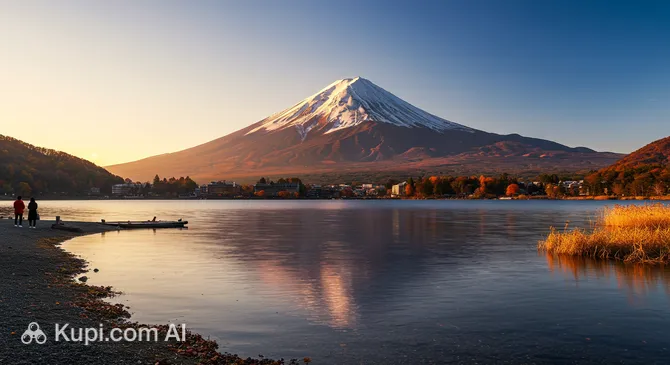
Inawashiro is a true gem of Fukushima Prefecture, nestled at the foot of the majestic Mount Bandai and on the shores of one of Japan's most beautiful lakes — Inawashiro, famously known as the "Heavenly Mirror Lake." The town is surrounded by Bandai-Asahi National Park, where nature looks like it was made for postcards: snow-capped peaks, crystal-clear waters, and dense forests that change their attire from delicate cherry blossoms in spring to fiery red maples in autumn.

Inawashiro. Illustration.
Source: Kupi.com AI

With a population of about 13,400 people, Inawashiro maintains an atmosphere of coziness and hospitality, where every guest feels at home. The town is small, but that is exactly what gives it its special charm: there is no bustle of megacities here, and life flows steadily and harmoniously in unity with nature. It is easy to get here from Tokyo — the journey takes less than three hours by high-speed train, making Inawashiro an excellent choice for short and rewarding trips.

Key attractions that draw tourists are Lake Inawashiro itself with its picturesque views, the majestic Mount Bandai, which offers hiking trails, and, of course, Bandai-Asahi National Park. Here you will find magnificent landscapes, first-class opportunities for active recreation year-round — from hiking trails to winter sports — as well as many cultural discoveries, including museums dedicated to art and science.

Inawashiro is a place where you can truly rest your soul. If you are looking for harmony, inspiration, and new experiences away from the city rush, this charming corner of Japan awaits you.

You can find more interesting facts on the page about the history of Inawashiro

Weather Overview

The climate in Inawashiro is characterized by clearly defined seasons. Tourists should expect cool, snowy winters and warm summers with frequent, though not always heavy, precipitation. The average temperature in January, the coldest month, is about -2.2°C, while in August, the warmest month, it rises to 23.7°C.

Monthly precipitation is relatively low, ranging from 3 mm in November to 7 mm in July. However, the number of days with precipitation (snow in winter, rain in other seasons) is quite high throughout the year, peaking in January (23 days) and July (22 days). For a more detailed study of weather conditions and the current forecast, we recommend checking the climate of Inawashiro page.

Average monthly temperature

Average monthly precipitation

Interesting Facts

In addition to its picturesque landscapes and famous tourist spots, Inawashiro hides many amazing stories and features that make it truly unique. Ready to learn some curious facts about this charming corner of Japan?

  • Lake Inawashiro, the fourth largest freshwater lake in Japan, is not called the "Heavenly Mirror Lake" for nothing. Its waters are so pure that they reflect the sky and surrounding scenery with incredible clarity. There is a belief that a wish made while looking at the reflection of Mount Bandai in the lake will surely come true.

  • It was in Inawashiro that Hideyo Noguchi was born — an outstanding Japanese bacteriologist whose scientific achievements received world recognition. His portrait adorns the 1,000 yen banknote, and the town has a memorial museum dedicated to his life and work, attracting many visitors.

  • For a small town, Inawashiro boasts a real cultural gem — the Morohashi Museum of Modern Art. Its collection holds impressive works by the famous surrealist Salvador Dalí, making the museum a must-visit for art lovers.

  • Inawashiro is famous not only for its natural beauty but also for its traditions. In spring, Iwahashi Shrine becomes a center of attraction thanks to a picturesque cherry blossom festival, and in winter, the slopes of Mount Bandai attract winter sports fans with their famous "powder snow," perfect for skiing and snowboarding.

How to Get There

There are several ways to reach the charming town of Inawashiro, located in Japan's Fukushima Prefecture, primarily through regional airports. Although Inawashiro itself does not have its own airport, several air gateways are within a reasonable distance, from which you can continue your journey by ground transport.

The closest option to Inawashiro is Fukushima Airport (IATA: FKS), located in Fukushima City, about 47 km away. It is a small regional airport. A taxi or car trip from the airport to Inawashiro will take about 1 hour and 30 minutes.

A larger transport hub that also accepts international flights is Sendai Airport (IATA: SDJ). It is located in Sendai, at a distance of about 96 km from Inawashiro. This is a major international airport, and the journey from here to Inawashiro by car or taxi will take approximately 2 hours and 45 minutes. From Sendai Airport, you can also consider options involving transfers to trains or buses to the Fukushima region.

Another option is Niigata Airport (IATA: KIJ), located in Niigata City, about 97 km from Inawashiro. This medium-sized airport serves both domestic and some international destinations. Travel time to Inawashiro will be about 2 hours and 45 minutes by car.

After arriving at one of these airports, you can reach Inawashiro by rental car, taxi, or by using local bus routes, if available. It is also worth checking the possibility of rail connections from the cities where the airports are located to the stations nearest to Inawashiro, as Japan is famous for its well-developed railway network.

For convenience, here is a summary of the main airports serving the Inawashiro area:

AirportPassenger trafficDistance
Fukushima Airport250 00047 km
Sendai Airport3.5 mln96 km
Niigata Airport1.1 mln97 km
Junmachi Airport223 11198 km
Shonai Airport364 815142 km

Main Attractions

Inawashiro, located in a picturesque corner of Fukushima Prefecture, offers tourists a chance to discover unique natural and cultural sites. This town, surrounded by mountains and lakes, is an excellent choice for those seeking a peaceful vacation and vibrant impressions.

One of the main jewels of the region is undoubtedly Lake Inawashiro. It is the fourth largest freshwater lake in Japan, often called the "Heavenly Mirror Lake" for the purity of its waters that reflect the sky and surrounding landscapes. In summer, you can enjoy water sports here, and in winter, the lake attracts photographers and nature lovers when swans arrive for the winter. The lake's scenic shores are perfect for walks and picnics.

Majestically overlooking the lake is Mount Bandai, an active stratovolcano and a symbol of the region. The mountain offers many hiking trails of varying difficulty, rewarding tourists with stunning panoramic views of Lake Inawashiro and its surroundings. In winter, the slopes of Bandai transform into popular ski resorts, attracting winter sports enthusiasts.

At the foot of Mount Bandai lies another natural wonder — the Goshikinuma Ponds, which translates to "Five-Colored Marshes." This is a group of several volcanic ponds, each with its own unique shade of water — from emerald green and turquoise to cobalt blue and even reddish. The color of the water changes depending on the weather, time of day, and season, making every visit unique. A convenient walking trail is laid out around the ponds.

For those interested in history and science, the Hideyo Noguchi Memorial Hall is well worth a visit. This museum is dedicated to the life and outstanding achievements of Dr. Hideyo Noguchi, the world-renowned bacteriologist born in Inawashiro. The exhibition tells the story of his difficult journey, his research, and his significant contribution to world medicine, including his work on vaccines for yellow fever and syphilis.

Local Cuisine

The gastronomy of Inawashiro is a true reflection of the region's rich nature, where fresh lake delicacies and the gifts of local forests and fields play the leading role. The cuisine here is characterized by simplicity that emphasizes the natural taste of products and seasonality, offering guests the freshest ingredients.

A must-try is ayu — a local river fish expertly grilled over charcoal. This dish, often served with light sauces, is considered a symbol of the summer season at Lake Inawashiro. During the cold season, yukke-nabe — a hearty pork and seasonal vegetable stew — will warm and satisfy you, perfect after an active day outdoors or skiing.

Among other culinary delights is fragrant miso soup with wild herbs and fresh vegetables, which provides warmth and a sense of comfort. And for a quick and tasty snack on the town's streets, you can find appetizing rice flour sweets filled with sweet red bean paste — a popular local treat that is easy to take with you.

The food culture in Inawashiro is closely tied to local products. At farmers' markets, you can always find the freshest Aizu rice, seasonal vegetables, honey, and homemade pickles. Locals and tourists also love visiting cozy cafes and restaurants serving dishes that reflect the richness of the region's nature. Gastronomic festivals create a special atmosphere, especially in summer, when picnics and tastings of freshly caught fish dishes are held on the lake shore.

As for drinks, in Inawashiro you can enjoy traditional Japanese tea as well as local sake or beer, which perfectly complement any meal. Don't forget refreshing non-alcoholic drinks, often made from local berries and fruits, which make an excellent conclusion to your introduction to the cuisine of this picturesque corner of Japan.

Travel Tips

Welcome to Inawashiro! To make your journey to this picturesque corner of Fukushima Prefecture as comfortable and enjoyable as possible, we have prepared some practical tips. We hope they help you plan your trip better and enjoy every moment.

  1. Clothing and Essentials:

    The climate in Inawashiro is distinctly seasonal. In summer (June-August), bring light clothing, sunscreen, a hat, and swimwear for relaxing by the lake. In winter (December-February), winter sports are popular here, so you will need very warm clothing: thermal underwear, an insulated jacket, a hat, gloves, and a scarf. In spring and autumn, the weather is changeable, so layering is your best choice. Be sure to bring comfortable walking shoes, especially if you plan to explore nature trails. Don't forget an adapter for electrical appliances (Japan uses type A and B sockets, 100V voltage) and a portable charger. When visiting temples and shrines, dress modestly, covering your shoulders and knees.

  2. Transport Around Town and the Surroundings:

    In Inawashiro itself, public transport consists mainly of local buses that connect the railway station to the lake and other attractions. However, their schedule may not be very frequent. Taxis are available but can be expensive. For maximum freedom of movement, especially if you want to explore the surroundings, Mount Bandai, or remote onsens, a car rental is highly recommended. Remember the left-hand traffic and the need for an International Driving Permit with an official Japanese translation.

  3. Finances: Currency, Cards, and Tipping:

    The local currency is the Japanese yen (JPY, ¥). It is best to exchange money at the airport upon arrival or at banks in major cities, as the number of exchange points in Inawashiro may be limited. Credit and debit cards (Visa, Mastercard) are accepted in most hotels, large stores, and some restaurants. However, in small establishments, shops, and markets, cash is preferred, so always have some on you. ATMs that accept international cards can be found at post offices (Japan Post Bank) and 7-Eleven convenience stores. Tipping in Japan is not practiced and can be perceived as a misunderstanding or even an insult.

  4. Health and Safety:

    Inawashiro is a very safe place, as is Japan in general. Standard precautions, such as watching your belongings, of course, won't hurt. There are pharmacies in town, but not all work around the clock, and the range of medicines may differ from what you are used to, so it is better to bring a basic first-aid kit with necessary medications. Be sure to get travel medical insurance before your trip. When hiking in the mountains or forests, be careful and follow the signs, as encounters with wild animals are possible.

  5. Communication and Internet:

    The official language is Japanese. The level of English proficiency among the local population, especially outside tourist sites, may be low. Learn a few basic phrases in Japanese: "Konnichiwa" (Hello), "Arigato" (Thank you), "Sumimasen" (Excuse me/Sorry) — this will help greatly in communication. For internet access, it is recommended to purchase a tourist SIM card or rent a pocket Wi-Fi router (better to do this at the airport or order in advance online). Free Wi-Fi is available in some hotels and tourist information centers. Google Maps for navigation and translation apps can be very useful.

  6. Local Etiquette and Traditions:

    The Japanese are very polite and value respect for traditions. A greeting is usually accompanied by a slight bow. In public places, especially on transport, try to speak quietly and not disturb those around you. Remove your shoes before entering homes, some temples, traditional restaurants, and ryokans (Japanese-style inns). It is customary to take trash with you until you find a bin or return to your hotel, as street bins are scarce.

  7. What to Avoid:

    To avoid offending locals and awkward situations, try not to stick your chopsticks vertically into a bowl of rice — this is associated with funeral rituals. Also, avoid loud cell phone conversations on public transport and in other places where it might disturb others.

  8. Special Tip for Inawashiro:

    The Inawashiro region is famous for its onsens — natural hot springs. Don't miss the chance to visit one; it is an unforgettable experience, especially after a day outdoors or in the cold season. Before visiting an onsen, be sure to read the rules: you must wash thoroughly in a designated area before entering the communal bath, and swimsuits are usually not allowed in traditional onsens.

Inawashiro is a wonderful place for those seeking peace in the heart of nature, interested in Japanese culture, and who love active recreation. We hope our tips make your stay here even more pleasant and rewarding!

Entertainment & Nightlife

Inawashiro, a charming town in Fukushima Prefecture, offers evening entertainment that reflects its peaceful and authentic character, far from the bustle of megacities. Instead of noisy nightclubs and extensive entertainment districts, you will find cozy places here where you can immerse yourself in the local atmosphere and enjoy delicious food and drinks.

The core of evening life in Inawashiro consists of traditional Japanese drinking establishments — izakayas — as well as local restaurants. In an izakaya, you can try various types of sake, shochu, and beer, accompanied by snacks. The atmosphere in such places is usually very friendly and conducive to conversation. Restaurants offering local cuisine also stay open until late evening, allowing you to enjoy dinner in a leisurely setting. Some hotels and traditional ryokan inns may have their own bars or lounge areas for guests to relax.

The concentration of such establishments is most likely to be found near Inawashiro Station and the surrounding streets. This is the main landmark for finding evening entertainment. While it is difficult to single out world-famous bars or clubs with permanent signage in Inawashiro, you will certainly find authentic spots. For example, look for places with characteristic Japanese lanterns and signs offering "地酒" (jizake - local sake) or regional cuisine. To find a suitable spot, it is recommended to walk around the central part of town in the evening or, even better, ask for advice from your hotel staff or at the local tourist information center. They can recommend izakayas and restaurants that are popular among locals or have stood the test of time. You might come across places with descriptive names like "By the Lake" or "Mountain Shelter" (note: these are hypothetical names illustrating the type of establishments you can expect).

The style of most establishments in Inawashiro is predominantly informal, and there is usually no strict dress code. The main crowd consists of local residents and tourists who appreciate a calm atmosphere. Most places are geared toward pleasant conversation and dinner. It is important to keep in mind that many establishments may close earlier than in Japan's major cities, so it is recommended to check opening hours in advance, especially if you plan a late visit. Prices are generally moderate but can vary depending on the venue.

For getting around in the evening, besides walking in the central part, the main option may be a taxi. It is recommended to have your hotel address written in Japanese or use a taxi booking service through your accommodation staff. Inawashiro, like most small Japanese towns, is considered a fairly safe place for evening walks, but you should always follow standard precautions and be aware of your surroundings.

As for daytime entertainment, Inawashiro offers many opportunities for active outdoor recreation, especially around the lake of the same name. You can visit local museums dedicated to the history and culture of the region, such as the Hideyo Noguchi Memorial Hall, or simply enjoy walks through the picturesque surroundings and parks. While there are no large amusement parks or major theater complexes here, the town's charm lies in its tranquility, proximity to nature, and the chance to touch traditional Japanese culture.
Parks & Museums

Inawashiro is not only about picturesque landscapes but also a place with a rich cultural heritage, offering tourists both a peaceful retreat in nature and informative excursions to iconic sites. The town and its surroundings hold many interesting parks, natural areas, and museums that can surprise every traveler.

The main natural jewel of the region is undoubtedly Lake Inawashiro, one of the largest in Japan, often called the "Heavenly Mirror Lake" for the clarity of its waters. In summer, its shores with sandy beaches such as Nagahama attract swimming and water sports enthusiasts, while in winter, the frozen surface of the lake and "shibuki-gori" (ice formations from wave spray) create truly fairy-tale landscapes. Nearby rises the majestic Mount Bandai, an active stratovolcano whose slopes offer numerous hiking trails with breathtaking panoramic views of the lake and the surrounding valley. In winter, popular ski resorts open here.

Among Inawashiro's cultural attractions, the Hideyo Noguchi Memorial Museum holds a special place. This museum is dedicated to the life and scientific achievements of the world-famous bacteriologist, Dr. Hideyo Noguchi, who was born right here. The exhibition detailly recounts his challenging journey and contribution to world medicine. Another iconic site is the Tenkyokaku Villa. This elegant former imperial residence, built in the early 20th century in Renaissance style, served as a summer home for Prince Arisugawa. Today, visitors can tour the beautifully preserved interiors and enjoy views of Lake Inawashiro from the villa's balconies.

For a complete experience, it is also worth visiting the World Glassware Hall & Inawashiro Ji-Beer Hall, where you can not only admire a collection of glass products from all over the world but also taste local craft beer. And for those seeking solitude and authentic views, we suggest exploring less-known observation decks around the lake or visiting one of the local temples, often surrounded by small but well-tended gardens, to deeply feel the atmosphere of this corner of Japan.

Getting Around

When planning a trip to Inawashiro, it's worth thinking ahead about how you will get around the town and its picturesque surroundings. Public transport here is mainly represented by buses and trains that connect key points in the region.

The main form of public transport in Inawashiro and its vicinity is local buses. They run between Inawashiro Station, Lake Inawashiro, nearby ski resorts, and other attractions. The route network is not very extensive but covers the main tourist destinations. Buses generally belong to local companies, such as Bandai Toto Bus. Fares on local buses are usually calculated by zone and can start from a few hundred yen, increasing based on distance. It is recommended to check for special tourist passes, such as day tickets or Bandai region passes, which can offer favorable terms for sightseeing. There are no subways, trams, or trolleybuses in Inawashiro.

Rail connections play an important role for arriving in Inawashiro and traveling to neighboring cities. The JR Ban'etsu West Line passes through the town, and Inawashiro Station is the main transport hub. Trains run at specific intervals, so it is recommended to check the schedule in advance, especially if you plan to travel early in the morning or late in the evening.

The payment system on buses usually involves paying cash directly to the driver when exiting. Sometimes you need to take a numbered ticket (seiri-ken) when boarding, and pay the amount shown on the display corresponding to your zone number when getting off. The possibility of using universal transport IC cards (such as Suica or Pasmo) on local bus routes should be verified, as their acceptance may be limited. Train tickets are purchased at ticket offices or machines at the railway station.

Tourists are advised to carry enough small cash for bus fares. Bus and train schedules can be found at stations or on the websites of transport companies. For route planning, checking schedules, and estimated fares, Japanese transport apps like Navitime, Jorudan, or international services like Google Maps can be useful, as they often provide up-to-date information on public transport in Japan. Keep in mind that the frequency of public transport may decrease in the evening and outside of the tourist season. Train tickets are validated when passing through station turnstiles or by a conductor on the train.

As an alternative to public transport in Inawashiro, you can use taxi services, which are usually available at the railway station. For greater freedom of movement, especially if you plan to explore the lakeshore or mountain areas, renting a car is a convenient option. During the warmer months, bicycle rentals may be available in some tourist areas near the lake, which is a great way to enjoy nature.

Accommodation

In Inawashiro, tourists have a diverse choice of accommodation options to suit various preferences and budgets. Here you can find traditional Japanese inns (ryokans) as well as modern hotels, guesthouses, and apartments for rent.

Many accommodation options are located near Lake Inawashiro, offering picturesque views, or in areas with convenient access to ski resorts and the natural attractions this region is famous for. The choice of a specific area depends on your travel plans: whether you want to be closer to the water, the mountain slopes, or quieter corners of nature.

While specific hotel names are not listed here, you can easily find suitable options on popular online booking platforms. Inawashiro features everything from cozy family pensions to larger hotels with a wide range of services. The price range varies from budget options to mid-range and high-end offers.

Booking Tip: Especially during peak seasons such as the cherry blossom season, autumn foliage time, or the ski season, it is recommended to book accommodation well in advance. This will allow you to choose the best option in terms of price and quality. Most hotels and guesthouses can be booked through well-known international and Japanese travel websites, as well as directly on the hotels' own websites.

Nearby Cities

For those looking to explore the surroundings, Inawashiro serves as an excellent starting point for day trips to several interesting nearby locations:

CityPopulationDistance
Aizuwakamatsu117 92417 km
Kitakata45 59023 km
Aizubange14 90625 km
Motomiya30 25326 km
Aizumisato19 07826 km

These nearby destinations offer insight into the diverse culture and landscapes of the region. Each trip promises new discoveries and impressions, complementing your vacation in Inawashiro.

Shopping & Souvenirs

Inawashiro offers tourists cozy and authentic shopping rather than bustling shopping streets with global brands. Here you can find unique local goods and souvenirs reflecting the culture and nature of this picturesque region of Japan. The town is not famous for large shopping centers but charms with the opportunity to purchase something truly special.

The main shopping opportunities in Inawashiro are concentrated in small shops and boutiques located in the central part of town, as well as near tourist attractions like Lake Inawashiro or at the foot of Mount Bandai. There are no specialized large shopping streets here; shopping is more dispersed and calm in character.

In Inawashiro, you are unlikely to find large modern shopping malls. The emphasis here is on smaller format stores offering locally produced goods and souvenir products. This creates a special atmosphere and allows for a deeper immersion into the local flavor.

While Inawashiro may not have large permanent markets like big cities, it is worth looking out for seasonal fairs or small weekend markets where local farmers and artisans might sell their products. This is a great chance to buy fresh local delicacies and handmade items.

As souvenirs from Inawashiro, it is worth bringing back items related to the region's rich nature and local traditions. Look out for:

  • Local sake: Fukushima Prefecture is famous for its sake, and in Inawashiro, you can find products from local breweries.
  • Traditional handicrafts: these could be ceramics, wooden products, or textiles with local patterns.
  • Food products: local sweets, pickles, wild berry jams, or honey.
  • Souvenirs with Lake Inawashiro and Mount Bandai symbols: postcards, magnets, small figurines.

Shops in Inawashiro usually operate from 10:00 or 11:00 AM to 6:00 or 7:00 PM. Small family-run shops may have more flexible schedules or a day off during the week. Regarding payment, although credit cards are accepted in many places, especially those geared toward tourists, it is recommended to always have some cash on hand, as in small shops or markets it may be the only method of payment.

For foreign tourists in Japan, a Tax-Free system is available for purchases over a certain amount in stores with the appropriate license (look for the "Japan Tax-free Shop" logo). To process a refund, you must present your passport. In Inawashiro, such stores are most likely to be found among large souvenir shops or specialized stores. Check the possibility of Tax-Free processing directly before purchasing.

Reached the end of the page?

That means the route is fully explored