Support

Nanyo

About

Nanyo is a small yet remarkably picturesque city located in Yamagata Prefecture on the island of Honshu, in the heart of Japan. It is nestled amidst stunning mountain landscapes, making it a true find for nature lovers and those seeking a peaceful, soul-soothing getaway. The city belongs to the Tohoku region, famous for its thermal springs, traditional villages, and rich cultural heritage.
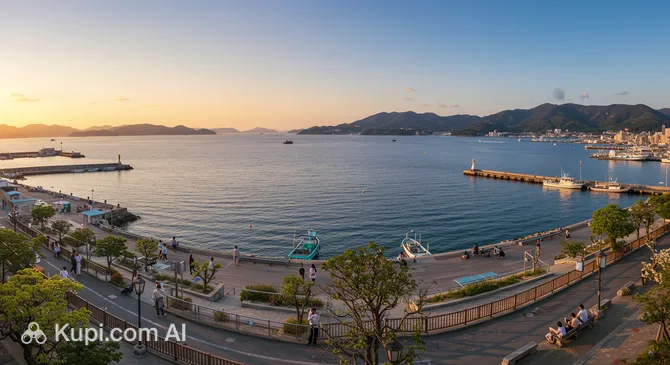
Nanyo. Illustration.
Source: Kupi.com AI

With a population of just over 30,000 people, Nanyo maintains the atmosphere of a typical Japanese provincial town, where authenticity and traditions have not been replaced by the hustle and bustle of megacities. Despite its modest size, the city plays an important cultural role thanks to its historical temples and shrines. Among them, the Rissho-ji Temple stands out as significant for the region, although Nanyo itself boasts many places for spiritual reflection and solitude.

The atmosphere of Nanyo is permeated with a true Japanese spirit: a slow pace of life, attention to detail, and deep harmony with the surrounding nature prevail here. The city attracts travelers with the opportunity to see the real Japan, untouched by mass tourism, enjoy peace and quiet, and get acquainted with local customs. Here, you can immerse yourself in authentic Japanese culture and enjoy the beauty of nature.

If you dream of a holiday away from the noise, surrounded by mountains and traditions, Nanyo will be an excellent choice for you. This city will give you unforgettable impressions and allow you to feel peace of mind.

You can find more interesting facts on the history of Nanyo page.

Weather Overview

The weather in Nanyo is characterized by clearly defined seasons. Summer, especially in July and August, is warm here, with average temperatures ranging from 19.4°C to 27.3°C, and is accompanied by periodic rain — an average of about 8 mm of precipitation and 21 rainy days in these months. Winters, spanning from December to February, are quite cold: air temperatures fluctuate from -5.0°C to 2.8°C, and snowfalls are frequent during this time, with the number of days with precipitation reaching up to 27 per month.

Overall, when planning your trip, expect a warm summer with periodic rain and cold, snowy winters. Spring and autumn months usually offer milder weather conditions with less precipitation, which can be comfortable for visiting. For more detailed information on weather conditions in Nanyo by month, including average temperatures and precipitation amounts, you can refer to the Climate of Nanyo page.

Average monthly temperature

Average monthly precipitation

Interesting Facts

Nanyo is not just a charming city in Yamagata Prefecture; it holds surprising stories and traditions that not everyone knows about. Beyond its main attractions, this corner of Japan is ready to surprise travelers with its lesser-known features.

  • Many are aware of Japan's famous temples, but Nanyo is proud of its special treasure — the Rissho-ji Temple. This is not just an ancient shrine but an important cultural monument and pilgrimage center known for its unique architecture and amazing atmosphere of serenity, attracting those who appreciate silence and spirituality.

  • While hot springs (onsens) are popular throughout Japan, the waters in the vicinity of Nanyo are considered particularly healing. They do not just provide relaxation after a busy day but, thanks to their rich mineral composition, help relieve muscle tension, cleanse the skin, and improve overall health.

  • Located in the picturesque Tohoku region, Nanyo is an excellent place to experience the Japanese practice of shinrin-yoku, or "forest bathing." This is not just a walk in nature, but an entire art of immersing oneself in the forest atmosphere, aimed at improving physical and mental health, which is especially valuable in today's world.

  • In winter, when the surroundings of Nanyo are covered in snow, the city turns into a cozy starting point for exploring the less known but equally impressive winter landscapes of Japan. Although the city itself is not a major ski resort, its proximity to the mountainous areas of the Tohoku region attracts those looking for a quiet holiday and the chance to enjoy a winter wonderland away from crowded slopes.

How to Get There

There are several ways to reach the city of Nanyo, located in Yamagata Prefecture. For most tourists, especially those arriving from afar, the most convenient option will be a flight to one of the regional airports followed by a transfer by land transport.

One of the primary options is Sendai Airport (SDJ), located in the city of Sendai. This is a relatively large airport serving many flights. The distance from Sendai Airport to Nanyo is approximately 68.1 km, and the trip by car or bus usually takes about 2 hours.

The closest airport to Nanyo is Yamagata Airport (GAJ), located in the city of Yamagata, just 44.2 km away. This regional airport may be convenient for those taking domestic flights within Japan. The journey from Yamagata Airport to Nanyo takes approximately 1 hour 20 minutes to 1 hour 40 minutes.

Another airport to consider is Niigata Airport (KIJ), located in the city of Niigata. It is about 90.9 km from Nanyo. Being a significant transport hub, it offers various connection options. The trip from Niigata Airport to Nanyo can take from 2.5 to 3 hours.

For your convenience, summary information on the airports through which you can reach Nanyo is presented below:

AirportPassenger trafficDistance
Junmachi Airport223 11144 km
Sendai Airport3.5 mln68 km
Shonai Airport364 81590 km
Niigata Airport1.1 mln91 km
Fukushima Airport250 00095 km

After arriving at one of these airports, you can reach Nanyo by bus, taxi, or rental car. It is recommended to check local transport schedules in advance or consider car rental options for greater convenience when traveling around the region.

Main Attractions

Nanyo, nestled in Yamagata Prefecture, offers travelers a charming blend of natural beauty, thermal springs, and rich cultural heritage. Here are several key places that will make your visit to the city unforgettable.

One of the main magnets for tourists in Nanyo is the famous Akayu Onsen resort. This historic hot spring district with over 900 years of history invites you to relax in healing waters and experience traditional Japanese hospitality in one of the many ryokans (traditional inns). In addition to the baths, you can enjoy a peaceful atmosphere and local cuisine, making Akayu Onsen an ideal place for rejuvenation and exploring onsen culture.

For connoisseurs of history and spirituality, the Kumano Taisha Shrine is a must-visit. This ancient Shinto shrine, one of the significant Kumano shrines in the Tohoku region, attracts visitors with its peaceful atmosphere and beautiful architecture. Visitors can stroll through its grounds, touch centuries-old traditions, and, according to local legend, try to find three skillfully hidden carved rabbits on the main building of the shrine — it is believed to bring good luck.

Nature lovers and especially fans of spring blossoms should head to Eboshiyama Park. It is famous for its "thousand cherry trees" (Eboshiyama Senbonzakura), which transform the park into a real pink cloud during the blooming period, creating breathtaking landscapes. From the hilltops of the park, picturesque views of the city and surrounding mountains open up. Besides cherry blossoms, the park delights the eye with blooming azaleas and other seasonal plants, making it a wonderful place for walks and photo sessions.

Nanyo is also closely associated with one of the most touching Japanese folk tales — "The Crane's Gratitude" (Tsuru no Ongaeishi). The city is considered the birthplace of this legend. Travelers can visit the folklore village "Yuzuru no Sato" to dive deeper into the atmosphere of this tale and learn about local traditions and crafts related to this story. This is a wonderful opportunity to get acquainted with the region's cultural heritage through the prism of folk art and Japanese folklore.

Local Cuisine

The gastronomy of Nanyo is a bright reflection of Yamagata Prefecture's rich natural resources and a deep respect for seasonal products. Local cuisine is famous for using the freshest ingredients grown on the fertile lands of the region and traditional recipes carefully passed down through generations.

One of the main gastronomic gems of Nanyo is imoni — a traditional and very popular dish. This is a hearty hot pot in which pieces of taro, tender meat (usually beef or pork), and various seasonal vegetables are simmered, seasoned with soy sauce and sugar. In autumn, "imoni-kai" festivals are held throughout the prefecture, where people gather outdoors, often by rivers, to cook and enjoy this warming and unifying dish together. Rice plays an equally important role in Nanyo's cuisine, as Yamagata Prefecture is famous for its excellent rice fields. Local rice has a special taste and aroma, serving as an ideal base or accompaniment to many dishes.

Nanyo's cuisine is also famous for its attention to seasonal gifts of nature. In spring, you can taste dishes with young bamboo shoots and wild mountain herbs. Summer brings an abundance of fresh vegetables and fruits. Autumn is a time for aromatic mushrooms, chestnuts, and, of course, the new rice harvest. In winter, warming soups and rich stews prevail on the tables.

As for drinks, a meal in Nanyo is perfectly complemented by local sake, for which the Yamagata region is renowned, being famous for its brewing traditions. Traditional Japanese green tea and its other varieties are also popular. Among non-alcoholic drinks, you can always find freshly squeezed juices and various herbal infusions.

Tourists can get acquainted with the local cuisine in numerous restaurants in the city, from small family-run establishments to more refined places. A special experience is offered by traditional Japanese inns — ryokans, where multi-course "kaiseki" dinners are often served, including many small dishes prepared from seasonal local products. The food culture here is focused on the freshness of ingredients and the preservation of authentic flavors, making every meal a special event.

Travel Tips

Welcome to Nanyo! To ensure your trip to this cozy city in Yamagata Prefecture goes smoothly and leaves only pleasant impressions, we have prepared several practical tips for you.

  1. Clothing and Essentials:

    The climate in Nanyo, as in all of Japan, is clearly divided into four seasons. In summer (June-August), it is quite hot and humid, so choose light, breathable clothing. In winter (December-February), expect cold and snow, so a warm jacket, hat, gloves, and waterproof shoes will be necessary. Spring (March-May) and autumn (September-November) are comfortable shoulder seasons with moderate temperatures, ideal for layering. Don't forget comfortable shoes, as Nanyo and its surroundings are perfect for walking. You will need an adapter for your gadgets (Japan uses Type A and B sockets, voltage 100V). When visiting temples and shrines, while there are usually no strict dress requirements for tourists, showing respect through more modest attire (covered shoulders and knees) is appropriate.

  2. Transport:

    To move around Nanyo, you can use local trains and buses, which connect the main areas of the city and nearby attractions. Japanese public transport is famous for its punctuality. Taxis are also available but will cost more; taxi apps like JapanTaxi or Go can be useful. If you plan to actively explore Yamagata Prefecture, car rental can be a good solution, especially for visiting remote natural beauties and onsens. Remember that traffic in Japan is on the left, and you will need an international driving permit. For short distances in the city center, walking is perfect.

  3. Finance:

    The official currency is the Japanese Yen (JPY, ¥). You can exchange money at airports, major banks, and some hotels. In a small city like Nanyo, the number of exchange points may be limited, so it's better to arrange for cash in advance. Credit and debit cards are accepted in many hotels, department stores, and restaurants, but cash is still very important, especially in small shops, at local markets, and when paying admission to some temples. International cards usually work without problems in 7-Eleven (Seven Bank) and Japan Post Bank (Yucho) ATMs. An approximate daily budget (excluding accommodation) could be 7,000-15,000 JPY per person. Tipping is not practiced in Japan — high-quality service is already included in the price.

  4. Health and Safety:

    Pharmacies (薬局 - "yakkyoku" or "drugstore") are easy to find; they offer a wide range of over-the-counter medications. However, staff may not always speak English, so it's useful to have the name of the required medicine or a description of symptoms in Japanese. There may not be 24-hour pharmacies in Nanyo. In case of a need for serious medical assistance, contact local hospitals. Having travel insurance with good coverage is highly recommended. Nanyo, like Japan in general, is a very safe place with a low crime rate. Nevertheless, always observe basic precautions and keep an eye on your belongings.

  5. Communication:

    The official language is Japanese. In Nanyo, the level of English proficiency among the local population may not be very high, especially outside tourist zones. Learn a few basic Japanese phrases: "Konnichiwa" (Hello/Good day), "Arigato" (Thank you), "Sumimasen" (Excuse me/Sorry). This is highly appreciated by locals. For constant internet access, consider buying a local SIM card (at the airport or electronics stores) or renting a pocket Wi-Fi router — a popular choice among travelers. Free Wi-Fi is often available in hotels, some cafes, and public spaces. Apps like Google Maps, HyperDia (for train schedules), and Google Translate can be very useful.

  6. Local Etiquette:

    Greetings: A slight bow is the traditional form of greeting. Behavior in public places: Try not to talk loudly on the phone in transport. Eating or drinking on the go is not always approved. Shoes: Be sure to remove outdoor shoes before entering Japanese homes, some temples, traditional restaurants (with tatami), and ryokans (Japanese-style inns). Usually, there is a special shelf and slippers are provided for this. When visiting onsens (hot springs), it is important to follow the rules: wash thoroughly before dipping into the communal bath and enter the water without a swimsuit.

  7. What to Avoid:

    Do not stick chopsticks vertically into a bowl of rice — this resembles a funeral ritual and is considered very bad luck. Do not point at people with your finger, as it is considered rude; use an open palm. Avoid loud talking and laughing in quiet public places, such as temples or public transport.

  8. Additional Tip: Explore Local Treasures

    Nanyo is located in Yamagata Prefecture, famous for its onsens (hot springs) and winemaking. Don't miss the chance to visit one of the local onsens, such as Akayu Onsen, to relax and participate in an important part of Japanese culture. It's also worth tasting the local wine. Yamagata Prefecture is famous for its fruits, especially cherries and pears — be sure to check out the local markets.

We hope these tips help you better prepare for your trip to Nanyo and get the most enjoyment out of exploring this charming corner of Japan. We wish you an unforgettable journey and bright discoveries!

Entertainment & Nightlife

Nanyo, being a cozy city in Yamagata Prefecture, offers its guests a predominantly peaceful and authentic evening leisure experience that reflects the charm of the Japanese countryside. Here, you won't find bustling districts with neon signs and numerous nightclubs like in major cities, but you can enjoy the welcoming atmosphere of local establishments.

The foundation of evening life in Nanyo consists of traditional Japanese drinking establishments — izakayas, as well as small bars and restaurants where you can try local dishes and drinks in a relaxed setting. An izakaya is a great place to get acquainted with local cuisine, including sake from Yamagata Prefecture, and chat with residents. The atmosphere in such places is usually very friendly and casual, and there is typically no dress code. Most establishments operate until late evening, around 22:00-24:00. Some restaurants may also offer an evening menu and stay open late, especially on weekends.

It is difficult to pinpoint specific "nightlife districts" in Nanyo due to the city's compactness. The main points of attraction in the evening are the areas around railway stations, such as Akayu, or central streets where restaurants and bars are concentrated. The best time to visit is Friday or Saturday evening when locals go out to relax. Prices in Nanyo establishments are generally more affordable compared to large cities. Getting around the city at night is most convenient by taxi, which can be called by phone or found at stands near the stations. Public transport runs less frequently in the evening.

Nanyo is considered a safe city, like most settlements in Japan. Evening walks along lit streets usually cause no concern. Nevertheless, it is always worth observing standard precautions. If you plan to stay out late, think in advance about how you will get back to your accommodation.

Unfortunately, specific bars, clubs, or late-night restaurants in Nanyo are not listed in the provided data. To get an up-to-date list of recommended establishments and their specialties (e.g., karaoke bars or places with live music, if any), it is best to contact local tourist information centers upon arrival, ask your hotel staff, or search for information on specialized Japanese internet resources and maps.

As for daytime entertainment, Nanyo and its surroundings offer opportunities to explore the nature and culture of the Yamagata region. You can visit local parks, such as Eboshiyama Park, which is particularly beautiful during cherry blossom season or when the autumn colors appear. It is also worth paying attention to the onsens (hot springs) for which the prefecture is famous, such as the Akayu Onsen resort within the city. Museums may be dedicated to local history, crafts, or famous personalities of the region. For active recreation, consider hiking through the picturesque surroundings.

Parks & Museums

The city of Nanyo, located in Yamagata Prefecture, offers its guests a harmonious combination of picturesque natural corners and interesting cultural sites. Here you can enjoy the tranquility of parks, touch history in local museums and shrines, and discover unique local traditions.

For nature lovers, Nanyo has several wonderful places. One of the most famous is Eboshiyama Park. This park is particularly beautiful in spring when thousands of cherry trees bloom, making it one of the best places for cherry blossom viewing in the Tohoku region. From the park's hills, magnificent views of the city and surrounding mountains open up. Another picturesque spot is the Sosui Kyo Gorge with the Shirahige-no-Taki waterfall. A walk through the gorge allows you to enjoy the beauty of nature, the sound of water, and fresh air, making it ideal for a short hike.

Nanyo's cultural heritage is represented by several significant sites. The main historical and spiritual attraction of the city is the Kumano Taisha Shrine. This is one of the important Kumano shrines in the Tohoku region, with an ancient history and impressive architecture. Visiting the shrine is an opportunity to touch Japanese traditions and feel the special atmosphere of this place. For those interested in the city's history and its prominent figures, the Yuki Toyotaro Memorial Museum, dedicated to the famous financier and politician born in Nanyo, will be of interest. The museum's exhibition tells of his life and contribution to the region's development.

Nanyo is also known for its winemaking traditions. A visit to one of the local wineries can be an interesting cultural experience. Many of them offer tours and tastings, allowing you to learn about the process of local wine production and appreciate its taste. This is a great way to learn more about the local economy and gastronomic culture.

For a more authentic experience, we recommend checking out the local markets, where you can find fresh produce and handmade crafts, or relaxing in one of the many onsens (hot springs) for which Yamagata Prefecture is famous. Also, try the local ramen, which has its own regional characteristics.

Getting Around

Getting around Nanyo and its surroundings is possible via public transport, although its system is not as extensive as in major metropolises. The main ways for tourists to move around are local trains and buses. Taxis and car rentals are also available if you prefer greater freedom of movement.

The main form of public transport within Nanyo is buses. They connect various districts of the city and can also take you to nearby points of interest. It is recommended to check the schedule in advance, as intervals can be significant, especially in the evening and on weekends. Fares on buses are most often paid in cash upon boarding or alighting — try to have coins or small bills with you.

Railway communication plays an important role for travel both within the region and for connecting with other cities in Japan. Trains, including the high-speed Yamagata Shinkansen, pass through Nanyo, specifically through Akayu Station. This makes the city easily accessible for travelers. One of the highlights of the region is the picturesque local railway line, the Flower Nagai Line, which passes through Nanyo and offers beautiful views, especially during the blossom period. Train tickets are purchased at stations from ticket offices or special vending machines.

As for the payment system, for buses in Nanyo, the main method is usually paying cash to the driver. For travel on JR (Japan Railways) trains, national rechargeable transport IC cards (such as Suica, Pasmo, ICOCA) may be valid, but their acceptance on local bus routes or small private railway lines should be checked separately. There may not be specialized tourist passes specifically for Nanyo, but if you plan to travel actively around Yamagata Prefecture, it's worth inquiring about the availability of regional passes.

Tourists planning to use public transport in Nanyo are advised to always have some cash, especially for bus trips. Timetables can be found at stops, railway stations, or obtained from local tourist information centers. Keep in mind that public transport, especially buses, may stop operating relatively early in the evening.

If public transport is not suitable, other options are available in Nanyo. Taxis can be found at railway stations or called by phone; this is a comfortable but more expensive way to get around. To explore the picturesque surroundings of Yamagata Prefecture, renting a car can be an excellent solution. In tourist areas, such as the Akayu onsen district in Nanyo, bicycle rentals are sometimes offered — this is a wonderful opportunity to leisurely enjoy the nature and local atmosphere.

Accommodation

In the city of Nanyo, travelers will find a variety of accommodation options to suit different preferences and budgets. The main choice is represented by traditional Japanese inns, ryokans, especially in areas with hot springs (onsens), where you can deeply immerse yourself in the local culture. Modern hotels of various comfort levels are also available. For more economical accommodation, you might consider guest houses known as minshuku or small family-run hotels.

When choosing a place to stay in Nanyo, look for areas close to major transport hubs, such as railway stations, to ensure ease of movement. Particularly popular are the hotels and ryokans located in the famous Akayu Onsen resort area, offering not only accommodation but also access to healing springs.

In Nanyo, you can choose from comfortable hotels with a standard set of Western amenities to authentic ryokans offering a unique experience of Japanese hospitality. To make the best choice, it is recommended to study current offers and reviews on popular online travel platforms, as well as on the official tourist websites of Yamagata Prefecture and the city of Nanyo.

When planning a trip to Nanyo, especially during peak tourist seasons (such as cherry blossom time or autumn foliage) or during local festivals, it is highly recommended to book accommodation well in advance. The price range can vary significantly: from affordable options in minshukus and standard hotels to higher prices in premium ryokans and specialized onsen hotels. Booking is convenient through well-known international and Japanese online booking systems or directly on the websites of the chosen hotels, which sometimes allows you to take advantage of special offers.

Nearby Cities

For those who want to explore the surrounding area, Nanyo serves as an excellent starting point for day trips to several interesting nearby locations. Here are a few options that might interest you:

Yamagata, located just 27 km away, is the capital of the prefecture and offers a rich cultural program. The city is known for its picturesque Yamadera Temple (Risshaku-ji), situated on a mountain slope, as well as the annual Hanagasa Festival.

Yonezawa, located 15 km away, is famous for its connection to the powerful Uesugi clan. Here you can visit the Uesugi Shrine and learn more about the samurai history of the region, as well as try the famous Yonezawa beef.

Fukushima, although a bit further away (43 km), attracts visitors with beautiful natural landscapes, such as Hanamiyama Park, which is particularly magnificent during the cherry blossom period, as well as historical landmarks and hot springs in the vicinity.

CityPopulationDistance
Takahata22 2427 km
Nagai25 83611 km
Yonezawa80 79515 km
Kaminoyama29 14115 km
Shirataka12 66315 km

These nearby destinations provide an insight into the diverse culture and landscapes of the region, complementing the experience of visiting Nanyo.

Shopping & Souvenirs

Nanyo, like many cities in Yamagata Prefecture, offers an authentic shopping experience rather than a storming of huge shopping centers. Here you can find unique local goods and handmade products reflecting the culture of the region. Shopping in Nanyo is an opportunity to immerse yourself in local life and find something truly special.

The main shopping points are likely to be concentrated around the railway station or along the city's central streets. Here you can find small shops offering a variety of goods — from food to clothing and household items. A walk through such streets can be an interesting activity in itself.

In Nanyo, there may be small local shopping centers or department stores where you can find everyday goods and some souvenirs. However, for large malls with a wide selection of international brands, you might need to head to the larger cities of Yamagata Prefecture.

While information on large permanent markets in Nanyo may be limited, it is worth paying attention to seasonal fairs or small local markets where farmers sell fresh produce and artisans sell their wares. Such places are a great opportunity to get acquainted with the local flavor and purchase the freshest delicacies.

From Nanyo and Yamagata Prefecture, it is worth bringing back traditional Japanese souvenirs such as ceramics, textiles, and wooden products. Local delicacies deserve special attention: sake from regional distilleries (Yamagata is famous for its sake), preserved fruits (especially cherries and pears for which the region is known), and traditional sweets. Don't forget high-quality Japanese tea and items featuring local landmarks or symbols.

Most shops in Japan, including Nanyo, are typically open from 10:00-11:00 AM to 7:00-8:00 PM. Small family-run shops may have more flexible hours or a day off in the middle of the week. Credit cards (Visa, Mastercard, JCB) are widely accepted in most shops, especially those oriented towards tourists. However, it is always useful to have some cash with you, especially for purchases at markets, in small shops, or for public transport.

Tourists in Japan can take advantage of the consumption tax refund system (Tax Free) when making purchases over a certain amount at licensed shops (usually marked with a "Tax-Free Shop" sign or similar). Generally, to claim a tax refund, you must make a purchase of over 5,000 yen (excluding tax) in one shop in one day and present your passport at the checkout or a special Tax Free counter. Check the conditions directly in the shops, as they may vary slightly.

Reached the end of the page?

That means the route is fully explored