Support

Iwanuma

About

Iwanuma is an authentic Japanese gem where modernity blends harmoniously with the charm of provincial life. This city offers a unique glimpse into the culture of Japan and maintains a special cozy atmosphere where traditions and modern conveniences go hand in hand.

The city is spread across a plain in Miyagi Prefecture, just 20 kilometers south of Sendai, one of the largest cities in the Tohoku region. This location makes Iwanuma an excellent starting point for exploring the rich nature of the country's northeast. With a population of about 44,340 people, Iwanuma retains the peaceful atmosphere typical of small Japanese towns, free from the hustle and bustle of major metropolises.
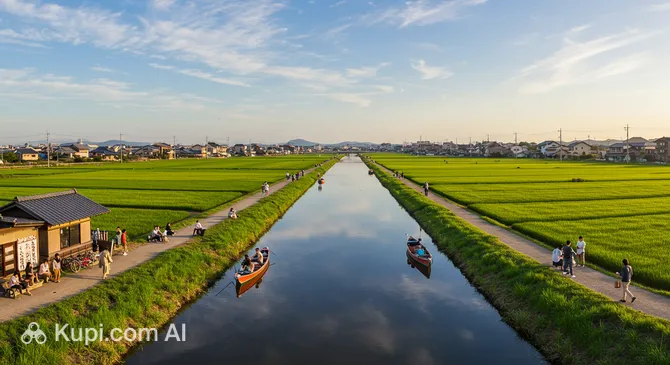
Iwanuma. Illustration.
Source: Kupi.com AI

Iwanuma attracts travelers looking not only for famous tourist routes but also for the chance to experience the true Japanese heartland. The city is famous for its rice fields and fresh seafood, serving as an important center for regional agriculture. Other attractions include the opportunity for leisurely strolls through cozy streets, visiting local temples, experiencing colorful festivals, and tasting the freshest Japanese cuisine straight from farmers' markets.

If you want to experience the hospitality of the locals, learn more about traditions, and enjoy nature away from the tourist crowds, Iwanuma will be a pleasant discovery for you. It is a place where everyone will find something to their liking, whether they are nature lovers, culture enthusiasts, or foodies.

You can find more interesting facts on the Iwanuma city history page.

Weather Overview

In Iwanuma, the weather changes significantly depending on the season. Summer, especially in July and August, is warm here, with average temperatures ranging from 23.8-25.0°C and the highest amount of precipitation (up to 6 mm, with 19-21 rainy days). The winter months, January and February, are characterized by cool weather with average temperatures around 0.8-1.8°C; precipitation is at its minimum during this time (about 2 mm), though days with some precipitation remain frequent (11-15 days). Overall, expect a warm summer with regular rain and cool winters where, although precipitation is not heavy, it occurs quite often. For a more detailed forecast and to study the city's climatic features, you can visit the Iwanuma Climate page.

Average monthly temperature

Average monthly precipitation

Interesting Facts

In addition to its scenic views and traditional landmarks, Iwanuma holds many curious details and stories that give the city a special charm. Here are some interesting facts to help you see this corner of Japan from a new perspective:

  • The city boasts a rich history dating back to the Edo period. In ancient times, important trade routes connecting northern and southern Japan passed through Iwanuma, fostering the prosperity of crafts and the formation of unique local traditions.

  • There is a local legend about a mysterious temple built in honor of the spirit of the Abukuma River, which flows nearby. It is said that the waters of this river are remarkably pure, and bathing in them brings luck and prosperity to those who perform the ritual.

  • Every August, Iwanuma is transformed during the annual lantern festival. Hundreds of paper lanterns decorate the streets, creating a truly magical atmosphere and attracting guests from all over the region to one of the most colorful summer celebrations in Miyagi.

  • Iwanuma is the birthplace of several renowned masters of Japanese ceramics and calligraphy, whose works are exhibited in museums both in Japan and abroad. Craft traditions are carefully preserved here, and travelers can even try their hand at special workshops.

How to Get There

There are several ways to reach Iwanuma in Miyagi Prefecture; however, the most convenient option for most tourists is flying into one of the nearest airports followed by ground transport.

The main and closest airport to Iwanuma is Sendai Airport (IATA: SDJ). This major international airport is located in Sendai, just about 5.7 km from Iwanuma. A taxi ride from the airport to central Iwanuma takes approximately 25-35 minutes. Bus routes and rail connections from Sendai are also available.

Another option is Yamagata Airport (IATA: GAJ), which serves the city of Yamagata. It is located about 55 km from Iwanuma. The trip by car or taxi from there to Iwanuma takes about 1 hour 40 minutes to 2 hours. This is a regional airport that can be convenient for domestic flights.

You may also consider Fukushima Airport (IATA: FKS), located in Fukushima, approximately 105 km from Iwanuma. The travel time by car from this airport is about 2.5-3 hours. This is another regional airport offering domestic flights.

For your convenience, here is a summary of the main airports used to reach Iwanuma:

AirportPassenger trafficDistance
Sendai Airport3.5 mln6 km
Junmachi Airport223 11155 km
Fukushima Airport250 000105 km
Shonai Airport364 815123 km
Hanamaki Airport739 123149 km

While there are no international-class railway stations directly in Iwanuma, the city is well-connected by rail to major transport hubs like Sendai. From Sendai, you can easily reach Iwanuma via local trains. It is recommended to check schedules and routes at the arrival stations or on Japanese railway websites.

Additionally, Iwanuma can be reached by car using Japan's well-developed highway network. If you are traveling in a rental car, a GPS navigator will help you navigate the area easily.

Main Attractions

Iwanuma, nestled in Miyagi Prefecture in northern Japan, offers travelers a unique combination of spiritual heritage and scenic nature. Despite its modest size, the city is home to several remarkable sites that will leave you with vivid impressions and a deeper understanding of Japanese culture.

One of the most significant sites in Iwanuma is the Takekoma Inari Shrine. This is one of Japan's three major Inari shrines, dedicated to the deity of rice, agriculture, and prosperity. The shrine attracts many pilgrims and tourists with its majestic architecture, traditional red torii gates, and peaceful atmosphere. Visiting the shrine, especially during one of its colorful festivals, allows you to connect with the country's ancient traditions and spiritual life.

Another iconic spot is the Kanahebisui Shrine, also known as the "Golden Snake Shrine." It is dedicated to a snake deity believed by locals to bring good fortune in financial matters and protect against misfortune. The shrine is famous for its beautiful wisterias that bloom in spring, creating a truly magical sight. This location is perfect for those seeking tranquility and wishing to enjoy the beauty of a traditional Japanese garden.

For nature lovers and those seeking quiet outdoor relaxation, Iwanuma Kaihin Ryokuchi Park (Iwanuma Seaside Green Park) is an excellent choice. Located along the Pacific coast, this park offers picturesque views, fresh sea breezes, and well-maintained green spaces. It is a great place for leisurely walks, a picnic with family or friends, or simply enjoying the beauty of the seascapes and escaping the city bustle.

Local Cuisine

The gastronomy of Iwanuma is a true reflection of the local nature's bounty, where the freshest seafood and rice grown in the region's fertile fields take center stage. The city's cuisine will delight lovers of authentic Japanese flavors and offers unique dishes prepared according to traditional recipes.

One must-try dish is the famous "unagi-no-kabayaki"—tender eel grilled in a sweet sauce and served with fragrant local rice. This dish is Iwanuma's culinary trademark. Another gastronomic pride is "Sendai miso," a special paste made from fermented soybeans. It is used to make a rich miso soup with seafood that is both warming and unforgettable.

As you walk around the city or visit local festivals, look out for popular street snacks. These include "onigiri"—rice balls with various fillings like seaweed or fish. In the cooler months, "yakimo" (sweet baked potato) is particularly good—a simple but very delicious treat.

Your meal will be perfectly complemented by traditional Japanese drinks. For alcoholic options, look for local sake or shochu, while among non-alcoholic choices, aromatic green tea or refreshing mugicha (barley tea) are always popular.

You can experience Iwanuma's cuisine in cozy restaurants or at bustling street markets, where locals and tourists alike enjoy freshly prepared food. Gastronomic festivals and fairs held regularly in the city, especially in spring and autumn, create a special atmosphere. At these events, farmers and fishermen present the best seasonal products and treat guests to dishes prepared according to old recipes, allowing you to fully experience the culinary wealth of the region.

Travel Tips

Planning a trip to Iwanuma? These practical tips will help you better prepare for your journey and get the most out of your stay in this charming corner of Japan, located in Miyagi Prefecture.

  1. Dress for the Season and Respect Traditions: The climate in Iwanuma features distinct seasonal changes. In summer (June–August), it is warm and humid, so choose light, breathable clothing. Winter (December–February) can be chilly, sometimes with snow, so warm clothes are essential. Spring and autumn offer comfortable temperatures. Be sure to bring comfortable walking shoes. When visiting temples, such as the famous Takekoma Inari, choose modest clothing that covers your shoulders and knees. Don't forget an adapter for electrical appliances (Japan uses Type A plugs and 100V voltage).
  2. Getting Around Town: Iwanuma is a relatively small city, so many parts can be explored on foot or by bicycle. For longer trips or connections to neighboring cities like Sendai, you can use local trains (the JR Tohoku Main Line passes through the city). Bus services also exist but may be less convenient for tourists who do not speak Japanese. Taxis are available but are a more expensive option. Car rental can be considered if you plan to actively explore Miyagi Prefecture, but note that an international driving permit is required.
  3. Financial Matters: The national currency is the Japanese Yen (JPY). Although credit cards (Visa, Mastercard) are accepted in many hotels, large shops, and restaurants, it is always useful to carry cash, especially for small establishments, markets, or when paying entrance fees at temples. ATMs that accept international cards can be found in post offices (Japan Post Bank) and 24-hour convenience stores (like 7-Eleven). Tipping is not practiced in Japan and may be seen as a misunderstanding or even impolite.
  4. Health and Safety: Japan is generally a very safe country, and Iwanuma is no exception. Pharmacies (薬局, yakkyoku) can be found in the city, but the range of medications may differ from what you're used to, and staff may not always speak English. It is recommended to carry a basic first-aid kit. Medical care for tourists is available but can be expensive, so it is highly recommended to have travel insurance. The emergency number for an ambulance is 119.
  5. Communication: The official language is Japanese. English proficiency among the local population in smaller cities like Iwanuma may be limited. Learn a few basic phrases in Japanese (e.g., "Konnichiwa" – hello, "Arigato" – thank you, "Sumimasen" – excuse me/sorry). For connectivity, you can buy a tourist SIM card or rent a pocket Wi-Fi router at the airport or online in advance. Free Wi-Fi is available in some public places and hotels.
  6. Local Etiquette: Japanese people are very polite and value respect for traditions. Greetings are usually accompanied by a bow. In public places, especially on transport, try to remain quiet and avoid loud phone conversations. It is customary to remove your shoes when entering a Japanese home, some temples, and traditional restaurants. Don't forget to say "itadakimasu" before eating and "gochisousama deshita" after.
  7. What to Avoid: Never stick your chopsticks vertically into a bowl of rice—this is associated with funeral rituals. Also, try not to eat or drink while walking on the street (though this rule is becoming less strict). Do not point at people or objects with one finger; use an open palm instead.
  8. Be Sure to Visit Takekoma Inari Shrine: Iwanuma is home to one of Japan's three major Inari shrines—Takekoma Inari Jinja. This is an important cultural and spiritual site worth visiting to better understand local culture and history. Check in advance for any festivals or events that might be taking place during your visit.

We hope these tips make your stay in Iwanuma comfortable, interesting, and unforgettable. Enjoy the hospitality of Japan and the unique atmosphere of this city!

Entertainment & Nightlife

With a population of about 44,000, Iwanuma offers a quieter and more authentic evening and nightlife experience compared to Japan's major metropolises. Here, you won't find noisy districts with neon signs for massive nightclubs, but you can immerse yourself in the cozy atmosphere of local establishments.

The core of Iwanuma's nightlife consists of traditional Japanese pubs called izakayas. These venues, such as a typical izakaya like "Taketori" or similar spots, offer a wide selection of local drinks, including sake and shochu, along with various snacks. The atmosphere in an izakaya is usually very friendly and conducive to socializing, making them hubs for locals after the workday. Some restaurants also stay open until late evening, offering dinner in a calm setting. Karaoke is another popular entertainment in Japan, and in Iwanuma, you can find places like the hypothetical "Hoshino Uta" (Song of the Stars) karaoke club to have a fun time with friends singing your favorite songs. These are examples of the typical establishments you might find to experience the local flavor.

Since Iwanuma is a small city, there are no dedicated "clubbing" streets. Evening entertainment is generally concentrated around the railway station or on central streets where most restaurants and bars are located. The atmosphere in these places is usually relaxed, with no strict dress code. Establishments typically stay open until midnight or slightly later, especially on weekends. The best time to visit is Friday or Saturday evening when locals head out to unwind.

From a practical standpoint, average prices in local venues are quite affordable. You can reach your destination in the evening on foot if you are staying in the center, or by taxi. Public transport follows a schedule, so it's wise to check the time of the last bus or train in advance if you plan to use them. Taxis can be called by phone or found at designated stands, particularly near the station.

Like most cities in Japan, Iwanuma is considered a safe place for nighttime walks. Nevertheless, it is always worth taking basic precautions, especially in less crowded areas. Stick to well-lit streets and stay aware of your surroundings.

Regarding daytime entertainment, Iwanuma offers opportunities for quiet relaxation and local culture. You can visit local temples and shrines, stroll through city parks, or explore the surroundings while enjoying the nature of Miyagi Prefecture. While the city may not have major museums or world-famous theaters, Iwanuma's charm lies in its authenticity and the chance to see everyday life in the Japanese countryside.

Parks & Museums

Iwanuma, nestled in Miyagi Prefecture, offers its guests a pleasant combination of outdoor recreation and immersion in local culture. Here, you will find both scenic green zones and places that preserve the history and traditions of the region.

Parks and Nature Areas

For nature lovers, Iwanuma and its surroundings offer several interesting options. Look toward the coastal areas: proximity to the ocean means there are scenic beaches or park zones along the coast, perfect for walking and enjoying the fresh sea air. Additionally, within the city itself, you are likely to find well-kept city parks where you can rest in the shade of trees, admire seasonal flowers like cherry blossoms in spring, or enjoy the vibrant colors of autumn leaves. Don't forget the Abukuma River valley flowing through the region; its banks offer beautiful routes for walking or cycling.

Museums and Cultural Heritage

To gain a deeper understanding of Iwanuma's culture and history, consider visiting local museums. The city likely has a local lore or history museum with exhibits telling the story of the region's past, its development, traditional crafts, and significant events, potentially including information on the 2011 Great East Japan Earthquake, as Miyagi Prefecture was heavily affected by this disaster. Small art galleries or exhibition spaces showcasing the work of local artists may also be of interest.

One of Iwanuma's main attractions that shouldn't be missed is the Takekoma Inari Shrine. This is one of the three great Inari shrines in Japan, with a rich history going back centuries. Its beautiful architecture and serene atmosphere attract many visitors and pilgrims. Beyond this, you may encounter other historical temples and shrines in and around the city, each with its own unique atmosphere.

Authentic Experiences

For a more complete immersion into local life, take a stroll through the non-tourist streets of Iwanuma. You might be lucky enough to stumble upon a small local market or a shop where you can taste regional delicacies or purchase handmade souvenirs.

Getting Around

Public transportation in Iwanuma consists mainly of rail services and bus routes, which is typical for Japanese cities of this size. Trains are a convenient way to travel both within Miyagi Prefecture and to other regions of the country. The primary rail operator is likely JR East. Buses serve local routes, connecting different city districts and railway stations.

The fare payment system in Japan is quite standardized. Rechargeable smart cards, such as Suica or Pasmo, are widely used to pay for train and bus trips and are valid in many regions across the country. These cards can be purchased and topped up at station machines or in some convenience stores. Cash payment for single trips is also possible, especially on buses (often a ticket is taken upon entry, and payment is made to the driver upon exit). Fares depend on the distance traveled. For tourists planning to travel extensively by train across the country, a Japan Rail Pass may be beneficial, though it is not typically used for local trips within Iwanuma.

Train tickets can be bought at station machines or ticket offices. When using a smart card, you must touch it to the turnstile at both the entry and exit of the station. In buses, if there is no specific card reader, payment is made to the driver upon exiting, either by card or in cash (it's advisable to have small change). Public transport usually operates from early morning until late evening, but the frequency, especially for buses, may decrease in the evenings and on weekends. It is recommended to check schedules in advance, especially if you plan to travel to outlying areas.

As an alternative to public transport, taxis are available in Iwanuma. They can be found at stands near railway stations or called by phone. The cost of a taxi ride is significantly higher than public transport. In some areas, bicycle rentals may be available, which is a great way to explore the city and its surroundings at a leisurely pace, especially in good weather. Car sharing is less common in smaller cities.

Accommodation

In the city of Iwanuma, travelers can find a variety of accommodation options to suit different preferences and budgets. The city offers traditional Japanese inns as well as more modern hotels and guest houses for a comfortable stay.

When choosing accommodation in Iwanuma, it is worth looking at areas near transport hubs, such as the railway station, which will ensure ease of movement around the city and its surroundings. Options in the central part of the city are also popular, as they provide easy access to local cafes, restaurants, and shops. While there may be few large international hotel chains here, local hotels and ryokans (traditional Japanese inns) offer an authentic experience and warm hospitality.

The price range for accommodation in Iwanuma can vary from budget-friendly options to more comfortable mid-range hotels. To guarantee availability and get the best deals, it is recommended to book your stay in advance, especially if your trip coincides with the tourist season or local holidays and festivals. You can use popular online platforms for searching and booking or contact the chosen hotels and guest houses directly.

Nearby Cities

For those looking to explore the surrounding area, Iwanuma serves as an excellent starting point for day trips to several interesting nearby locations. For example, Natori, located just 7 km away, offers the chance to relax on the coast and visit local shrines. The larger city of Sendai (18 km), the capital of Miyagi Prefecture, is known as the "City of Trees" and offers a lively atmosphere, historical sites like the Aoba Castle ruins, and diverse shopping opportunities. History buffs will find Tagajo (24 km) interesting, home to the ruins of an ancient fortress of the same name that played an important role in Japanese history.

Here are some of the closest cities you can visit:

CityPopulationDistance
Natori79 2507 km
Watari32 8468 km
Murata10 50613 km
Ogawara23 58614 km
Yamamoto11 73616 km

These and other nearby destinations provide a more complete picture of the diverse culture, history, and landscapes of Miyagi Prefecture.

Shopping & Souvenirs

Shopping in Iwanuma offers tourists the chance to immerse themselves in the atmosphere of a Japanese city and find authentic goods rather than just global brands. The city is not famous for massive shopping complexes, but you can find interesting local shops and souvenir stalls offering handmade items and traditional Japanese goods.

The main shopping spots in Iwanuma are likely concentrated along central streets and near the railway station. Here, you can find small boutiques, convenience stores, and shops selling local food products. You may also come across traditional Japanese shopping arcades (shotengai), which house small family-run shops offering unique items and a special atmosphere.

There are likely few large multi-story shopping centers in Iwanuma. Instead, shopping can be done at local supermarkets, small department stores, or specialty shops. If you are looking for a wide selection of international brands, you might consider a trip to larger cities in Miyagi Prefecture.

While Iwanuma may not be famous for large markets, it is worth looking out for local fairs or farmers' markets where you can buy fresh produce, seasonal vegetables and fruits, and crafts from local artisans. Such markets are a great way to experience the local flavor and try regional delicacies.

For souvenirs from Iwanuma and the Tohoku region in general, consider traditional Japanese crafts. These could include ceramics, textiles, wood or bamboo products, as well as local sweets (such as wagashi), high-quality green tea, or sake. Look for items that reflect the culture and nature of Miyagi Prefecture.

Shops in Iwanuma are typically open from 10:00 or 11:00 AM until 7:00 or 8:00 PM. Small private shops may have their own schedules and a closing day (often once a week). Regarding payment, cash is still widely used in Japan, especially in smaller shops and markets. However, credit cards (Visa, Mastercard) are accepted in many places, particularly in larger retail outlets and hotels. Local electronic payment systems are also popular.

Foreign tourists in Japan can take advantage of the Tax-Free shopping system. This service is available at licensed shops when purchasing goods over a certain amount (usually over 5,000 yen). To claim the tax refund, you must present your passport at the checkout. Look for "Tax Free" signs at shop entrances.

Reached the end of the page?

That means the route is fully explored