Support

Natori

About

Natori is a cozy and welcoming city picturesquely situated on the Pacific coast in Miyagi Prefecture, Japan. Located just a few kilometers south of dynamic Sendai, Natori successfully combines the tranquility of the seaside with the convenience of being close to a major metropolis. The city literally breathes the sea breeze, and its surroundings delight the eye with green hills and scenic fields.
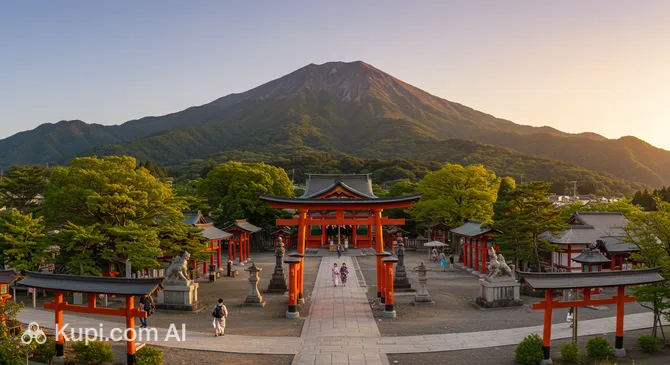
Natori. Illustration.
Source: Kupi.com AI

With a population of about 79,000 people, Natori remains an intimate and very soulful place. There is no big-city bustle here, but there is everything for a leisurely vacation: cozy streets, friendly residents, as well as clean parks and beautiful temples. Natori is also an administratively important center, playing a role in the economic and cultural life of the Tohoku region. The city's atmosphere is a rare combination of Japanese tradition and modern comfort.

For tourists, Natori is attractive for its seascapes, the opportunity to visit relaxing onsens (hot springs), and the chance to get to know the real Japanese province, which has preserved its traditions and charm. It is a wonderful place for those who want to experience a slower pace of life and discover authentic Japan without the crowds of tourists. Natori is definitely worth a visit to enjoy its unique charm and hospitality.

You can find more interesting facts on the history of Natori city page.

Weather Overview

The weather in Natori is characterized by a distinct change of seasons. Summers here are warm and humid, while winters are cool with snowfall. The average temperature in August, the hottest month, is about 25.0°C, with maximum values reaching 27.8°C. July and August are also the rainiest months, with precipitation of about 6 mm and the highest number of rainy days (19-21 days).

In winter, the temperature drops significantly. In January, the coldest month, the average temperature stays at 0.7°C, and minimum temperatures can drop to -2.5°C. Winter months such as January, February, November, and December are characterized by less precipitation (about 2 mm) but can have up to 15 snowy or rainy days. Spring and autumn offer more moderate temperatures and changeable weather. Expect a warm summer with occasional rain and cold winters with less precipitation but frequent damp days. To find out more details, you can look at the detailed Natori climate.

Average monthly temperature

Average monthly precipitation

Interesting Facts

In addition to its well-known landmarks, Natori hides many surprising stories and little-known details. This city in Miyagi Prefecture is capable of surprising even the most experienced traveler with its unique features.

  • Ancient Roots: The history of Natori dates back centuries to the Jomon period. Even today, archaeological sites and ancient burial mounds are found in the city's surroundings, testifying to the rich past of these lands.

  • Maritime Soul: The city is inextricably linked to the sea and is known as an important fishing center. Local markets are famous for the freshest seafood, and the secrets of fishing skills are passed down here from generation to generation.

  • Kite Festival: One of Natori's bright traditions is the annual spring kite festival. During this time, the sky over the city is colored with hundreds of colorful structures, attracting many spectators and participants.

  • A Treasury of Traditions and Modernity: In Natori, local customs are carefully preserved, such as traditional summer dances and colorful seasonal fairs where you can taste fresh seafood and learn about crafts. At the same time, the city offers modern leisure amenities, including places like the Natori Shopping Center.

Natori Shopping Mall. Illustration.
Source: Kupi.com AI

Traveler photos:

How to Get There

The main way to reach Natori is by air. The closest and most convenient option is Sendai Airport (SDJ), located in the neighboring city of Sendai, just 3.8 km from the center of Natori. This is a major airport serving both domestic and international flights. A trip from the airport to the center of Natori by taxi or bus will take approximately 25-30 minutes.

Another option could be Yamagata Airport (GAJ), located in the city of Yamagata, about 52.9 km from Natori. This airport is of regional significance. The drive from there to Natori by car or taxi will take about 1 hour and 40 minutes. It is also worth noting that there are other airports in the region, such as Hanamaki Airport (HNA) in Morioka and Fukushima Airport (FKS) in Fukushima, but they are located further away and may require a longer transfer to Natori.

For clarity, here is a summary of the main airports through which you can reach Natori:

AirportPassenger trafficDistance
Sendai Airport3.5 mln4 km
Junmachi Airport223 11153 km
Fukushima Airport250 000112 km
Shonai Airport364 815120 km
Hanamaki Airport739 123142 km

After arriving at one of the airports, Natori can be reached by local transport, such as buses or taxis. Given the proximity of Sendai, it is also recommended to check the possibility of using the rail connection between Sendai and Natori. For those traveling by car, Natori is accessible via the well-developed road network of Japan.

Main Attractions

The city of Natori, located in Miyagi Prefecture, offers its guests several interesting places to visit, especially if you appreciate local cuisine and comfortable shopping. Among them, several establishments stand out that can make your stay in the city more fulfilling.

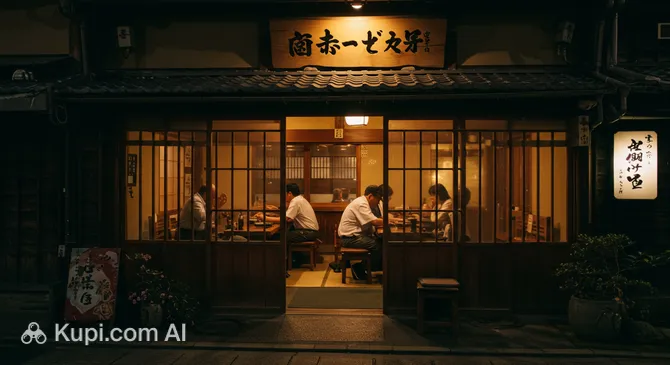
Natori offers guests a variety of culinary experiences, and one such place is the Ramen Suginoya restaurant. This establishment is popular among connoisseurs of authentic Japanese ramen. Here, you can try rich broth and fresh noodles prepared according to traditional recipes, and experience the true taste of one of the symbols of Japanese gastronomy. For many tourists, this is a great opportunity to get acquainted with a popular dish in its original environment.

Ramen Suginoya. Illustration.
Source: Kupi.com AI

Traveler photos:

If you want to continue your acquaintance with the local cuisine, pay attention to the Hachi restaurant. This place offers visitors the opportunity to enjoy Japanese dishes in a pleasant atmosphere. Such restaurants often become a discovery for tourists who want to try something new and authentic outside the standard tourist routes, offering high-quality dishes and a cozy atmosphere.

Hachi. Illustration.
Source: Kupi.com AI

Traveler photos:

For shopping lovers and those looking for a place for recreation and entertainment, the Natori Shopping Center will be an attractive destination. This modern complex combines many stores under one roof, offering clothing, electronics, souvenirs, and much more. In addition, you can find a food court with various cuisines and relaxation areas, making it a convenient place to spend a few hours, whether buying gifts or just having a good time.

Local Cuisine

The gastronomic scene in Natori is a true pleasure for foodies, especially those who appreciate the freshest gifts of the sea. The city is rightfully proud of its culinary traditions, which are based on fresh seafood. At coastal markets and in restaurants, you should definitely try oysters, scallops, sea urchins, and shrimp. Local sushi and sashimi are prepared from freshly caught fish, ensuring an indescribably fresh taste.

Among other iconic dishes that shouldn't be missed in Natori are miso soup with seafood and seasonal vegetables, as well as aromatic grilled eel (unagi), which is often served here with rice and original homemade sauces. Another interesting local specialty is rice cakes filled with sea kale and seaweed. These dishes reflect the wealth of local water resources and culinary ingenuity.

The food culture in Natori is diverse. Locals and tourists enjoy meals both in traditional restaurants offering a wide choice of dishes, such as Hachi, and at lively street stalls, especially popular in the summer, where you can taste grilled seafood. The city also frequently hosts gastronomic festivals where you can try delicacies of the Tohoku region, including smoked fish and pickled vegetables. Don't forget the farmers' markets, which sell fresh vegetables, fruits, and authentic Japanese sauces and sweets.

As for drinks, an integral part of a meal in Natori is local sake, which perfectly complements seafood dishes. Besides sake, you can find various non-alcoholic drinks at markets and festivals, including those made from seasonal fruits. This allows everyone to find something to their taste and refresh themselves while exploring the city.

Overall, Natori's gastronomy attracts tourists with its freshness, authenticity, and strong emphasis on seafood. Signature dishes such as the freshest oysters and scallops, rich miso soup with seafood, and tender grilled eel leave unforgettable impressions and are an important part of a journey to this corner of Japan.

Travel Tips

Planning a trip to Natori? Wonderful! To ensure your journey through this corner of Japan goes smoothly and leaves only pleasant impressions, we have prepared some practical tips. They will help you better navigate and enjoy every moment.

  1. Clothing and Essentials: The climate in Natori is temperate, with four distinct seasons. In summer (June-August) it can be hot and humid, so choose light, breathable clothing. In spring (March-May) and autumn (September-November), the weather is pleasant, but evenings can be cool – a light jacket or sweater will be useful. In winter (December-February), snowfall is possible, so warm clothes, a hat, and gloves are mandatory. Comfortable shoes are your best friend, as you will have to walk a lot. When visiting temples and other religious sites, besides the mandatory removal of shoes before entering (usually indicated by a special shelf), it is recommended to choose more modest clothing that covers shoulders and knees. Don't forget an adapter for electrical appliances (in Japan, Type A and B sockets are used, voltage is 100V).
  2. Transport: It is convenient to get around Natori and its surroundings by public transport. The backbone is local trains and buses. Schedules are usually followed very precisely. Taxis are available but can be more expensive. If you plan to actively explore Miyagi Prefecture, you might consider renting a car, but keep in mind that traffic in Japan is left-handed, and parking may be paid. Apps like Google Maps or Japan Travel by Navitime are excellent for navigation.
  3. Finances: The local currency is the Japanese Yen (JPY). Credit and debit cards are accepted in many hotels, large stores, and restaurants; however, small establishments and markets may prefer cash. We recommend always having some cash with you. ATMs where you can withdraw cash from international cards are usually located in post offices (Japan Post Bank) and 7-Eleven stores. An estimated daily budget per person (excluding accommodation and major tours) can range from 7,000 to 15,000 yen, depending on your plans for food, transport, and small purchases. Tipping in Japan is not accepted and may be perceived as impolite.
  4. Health and Safety: Natori, and Japan as a whole, is considered a very safe place. However, standard precautions still apply: keep an eye on your belongings in crowded places. Pharmacies (薬, kusuri) are easy to find, but many medications are sold by prescription, and pharmacists do not always speak English. It is recommended to have a basic first aid kit and medical insurance. In case of emergency assistance, call 119 (ambulance and fire service) or 110 (police).
  5. Communication: The official language is Japanese. The level of English proficiency among the local population can vary; in tourist spots, staff more often speak English. Learn a few basic phrases in Japanese (e.g., "konnichiwa" – hello, "arigato" – thank you, "sumimasen" – excuse me/sorry), it is always appreciated. For constant internet access, it is convenient to rent a pocket Wi-Fi router or buy a local SIM card. Free Wi-Fi is available in many hotels, cafes, and at stations.
  6. Local Etiquette: Japanese people are very polite and value respect for their traditions. Greetings are usually accompanied by a bow. In public places, especially in transport, it is customary to speak quietly and not disturb others. Remove your shoes before entering homes, some temples, and traditional restaurants (usually indicated by a special shoe shelf).
  7. What to Avoid: Try not to eat or drink while walking on the street; it is considered impolite. Also, avoid loud phone conversations on public transport. It is strictly forbidden to stick chopsticks vertically into rice – this is associated with funeral rituals.
  8. Additional Tip: Natori and its surroundings, including the Yuriage district, were heavily affected by the 2011 earthquake and tsunami. Visiting memorial sites or talking to local residents on this topic requires tact and respect. Also, be sure to try the freshest seafood at local markets – it is one of the gastronomic highlights of the region.

We hope these tips help you feel more confident and get the most out of your trip to Natori. We wish you an unforgettable journey!

Entertainment & Nightlife

Evening Natori offers its guests a more peaceful and cozy format of entertainment compared to major metropolises. Here, the focus shifts from noisy night clubs to a pleasant pastime in restaurants, local bars, and izakayas, where you can enjoy delicious food and socializing.

While Natori may not have dedicated districts with a vibrant nightlife centered around clubs, evening entertainment here revolves around gastronomy and leisurely walks. Lovers of Japanese cuisine will appreciate the local establishments. For example, for dinner or a late snack, you can drop by Ramen Suginoya, known for its aromatic and hearty soups, or visit the Hachi restaurant, which offers a variety of local dishes. These places are great for experiencing the authentic atmosphere of the city.

The atmosphere in evening Natori is mostly relaxed and friendly. Establishments generally stay open until late evening, but not around the clock. There is no special dress code in most restaurants and bars; casual clothing is welcome. The main crowd consists of local residents and tourists seeking a quiet rest. The best time to visit evening establishments is from 7:00 PM to 10:00 PM. Prices in Natori restaurants and bars can be described as moderate.

In terms of safety, Natori is considered a fairly quiet city. Walking in the evening along central and well-lit streets is generally safe. If you need to get to your hotel or another area late at night, it is recommended to use taxi services. They can be called by phone or through special apps; sometimes the staff of an establishment can help call a car.

During the day, Natori also offers various leisure options. Guests of the city can explore local temples, enjoy nature in city parks, or dedicate time to shopping. For example, you can visit the Natori Shopping Center, which features a wide range of goods and services. Although the city may not have major theaters or world-class amusement parks, its cultural sites and natural beauties are capable of providing pleasant experiences.

Parks & Museums

The city of Natori invites its guests to enjoy both peaceful green spots and to get acquainted with the rich cultural heritage of the region. There are interesting places here for both nature lovers and history buffs wishing to understand this corner of Japan more deeply.

Among Natori's green areas, Jusan-zuka Park stands out, serving as a popular recreational spot for locals and offering a pleasant atmosphere for walking and enjoying nature. Another significant park is Kitakama Central Park, providing space for active recreation and family picnics. Special attention should be paid to the Yuriage coastal area, which, after restoration, attracts visitors with its scenic views and the opportunity to feel a connection with the sea. This area is also a symbol of the region's resilience and rebirth, offering places for quiet walks and contemplation.

For those interested in history and culture, the main place to visit is the Natori City History and Folklore Museum. The museum's exhibitions detail the region's past, its traditions, archaeological finds, and the daily lives of local residents. This is a wonderful opportunity to better understand the uniqueness of Natori. Antiquity lovers will find it interesting to visit the Medeshima Kofun Group – ancient burial mounds that testify to the rich history of this land and allow you to touch the distant past of Japan.

To fully experience the atmosphere of Natori, take a look at the Yuriage Port Morning Market, where you can not only purchase fresh seafood and local delicacies but also observe the daily life of the townspeople. Also, don't miss the chance to walk through the quiet streets of the city, away from the main tourist routes, to discover its hidden charming corners and perhaps small local temples, each with its own story.

Getting Around

When planning your travels around Natori, you will find that the city's main transport system is well-integrated and quite convenient for tourists. Trains play a key role in the transport network, especially the JR East lines, including the Tohoku line, as well as the important Sendai Airport Access Line, since Sendai Airport (SDJ) itself is located directly in Natori. These trains provide fast connections both within the city and with neighboring settlements, including Sendai.

In addition to rail transport, Natori has a bus network. Buses serve routes that may not be covered by trains, connecting different city districts and railway stations. This is a good option for reaching more remote corners or specific attractions.

The payment system in Natori, as in many parts of Japan, is convenient thanks to the use of rechargeable IC cards such as Suica or Pasmo. These cards can be purchased at major stations and used to pay for travel on trains and buses by simply touching the card to the reader at the turnstile or on the bus. There is also always the option to buy single tickets at vending machines at stations or directly from the bus driver (it is advisable to have small change). Fare depends on the distance. Specialized tourist passes for Natori itself may not be as common, but it's worth checking locally, especially if frequent trips to Sendai and its surroundings are planned.

Practical tips for tourists: train tickets are usually bought before boarding at vending machines at stations. Pay attention to the schedule, especially if you plan to travel early in the morning or late in the evening. Transport in Japan is very punctual. For buses, boarding is often through the back or middle door, and exit is through the front door, where payment or IC card validation is made. Public transport operating hours are usually from early morning (about 5-6 AM) until late evening (around midnight), but it's always better to check the current schedule for a specific route.

If public transport doesn't suit you, alternative ways to get around are available in Natori. Taxis can be found at railway stations and other busy places, however, keep in mind that this is a more expensive option. For short distances or more detailed exploration of the surroundings, renting a bicycle might be suitable if such a service is available in your area of stay. Car sharing is less common for short-term tourist trips compared to major metropolises, but renting a car can be an option if you plan to actively explore Miyagi Prefecture.

Accommodation

When planning a trip to Natori, you will find a variety of accommodation options to suit different preferences and budgets. The city offers both modern hotels and more traditional Japanese guesthouses, allowing travelers to choose the style of relaxation that suits them best.

In Natori, you can find housing for every taste: from budget options, such as guesthouses or small hotels, to more comfortable mid-range hotels. While luxury resorts may be less common than in major tourist centers, quality hotels with a good level of service are present here. You might also consider renting apartments if you prefer more independence.

When choosing a place to stay in Natori, look for areas with convenient access to transport hubs, such as railway stations, or the attractions you plan to visit. Central areas or places near major transport arteries usually offer more options and amenities for tourists. Unfortunately, there are no specific examples of hotels in Natori in the provided data, but you can easily find current offers on popular online booking platforms.

A general tip for booking accommodation in Natori, as in most popular tourist destinations in Japan, is to do it in advance, especially if your trip falls during peak season (e.g., cherry blossom season or autumn holidays). Accommodation prices can range from budget to medium and high, depending on the type of housing and its location. The most common booking methods are online platforms such as Booking.com, Agoda, Expedia, or Japanese equivalents, as well as direct booking through hotel websites.

Nearby Cities

For those looking to explore the surrounding area, Natori serves as an excellent starting point for day trips to several interesting nearby locations:

CityPopulationDistance
Iwanuma44 3407 km
Sendai1 061 17711 km
Watari32 84615 km
Murata10 50616 km
Tagajo61 93717 km

These nearby destinations provide insight into the diverse culture and landscapes of the region. Each of these cities offers its own unique attractions, from historical sites to modern entertainment, making them a wonderful addition to your trip to Natori.

Shopping & Souvenirs

Shopping in Natori offers a pleasant mix of modern conveniences and the chance to find unique local goods. While the city is not a major shopping metropolis, you can find everything you need here, as well as interesting souvenirs to remember your trip to Japan.

Main shopping spots in Natori are generally concentrated around the railway station and on the city's central streets. Here you will find both small private shops and chain supermarkets. There are no specialized famous shopping streets in the city, but a walk through the center will allow you to discover local stalls.

For more concentrated shopping, visit the Natori Shopping Center. Under one roof, you'll find various stores for clothing, electronics, household goods, as well as cafes and restaurants where you can grab a snack after shopping. This is a popular spot among both locals and visitors to the city.

While Natori may not have large tourist markets like in big cities, you can find small local markets, especially those specializing in fresh products. Miyagi Prefecture is famous for its seafood, so look out for fish stalls where you can find the freshest seafood. You may also come across pop-up markets with farm products or handmade crafts.

As souvenirs from Natori and Miyagi Prefecture, you can bring home local delicacies such as sasakamaboko (grilled fish cakes), zunda mochi (rice cakes with edamame paste), or items made by local artisans. Traditional Japanese souvenirs are also popular: ceramics, textiles, fans, and various sweets.

Most shops in Natori, including shopping centers, usually operate from 10:00 or 11:00 AM until 8:00 or 9:00 PM. Small private shops may have their own individual schedules. Japanese yen in cash is accepted everywhere. Credit cards are also widely used in shopping centers and large stores, but in smaller establishments, it is better to have cash with you.

Foreign tourists in Japan can take advantage of the Tax-Free system when making purchases over a certain amount in participating stores. Usually, these are stores with a corresponding "Japan Tax-free Shop" sign. You will need your passport to process the tax refund. Check the conditions directly in the stores.

Reached the end of the page?

That means the route is fully explored