Support

Shiogama

About

Shiogama is a charming coastal city located in Miyagi Prefecture, in northeastern Japan. It is nestled on the shores of the picturesque Matsushima Bay, famous for its views of hundreds of pine-covered islets and considered one of Japan's three most scenic views. Shiogama is known for its busy port, one of Japan's most important fishing centers, and serves as a starting point for fascinating boat trips around the bay.
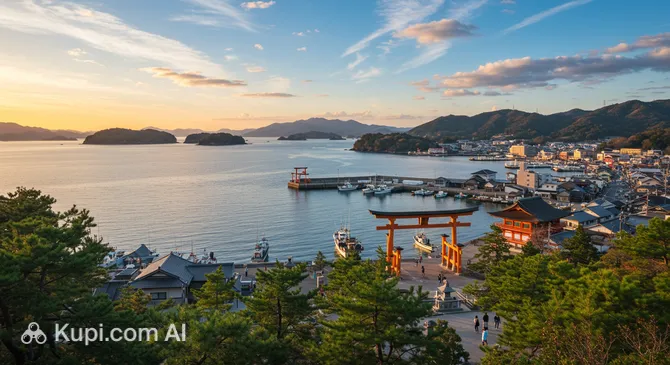
Shiogama. Illustration.
Source: Kupi.com AI

With a population of about 52,000 people, Shiogama is a compact but very colorful city. It has a unique atmosphere of maritime coziness, where the scents of fresh seafood mix with the spirit of traditional Japanese culture and ancient shrines. The city plays an important role in the region's economy thanks to its developed fishing industry and tourism, attracting travelers seeking an authentic experience away from the bustle of megacities.

For tourists, Shiogama offers many discoveries. Be sure to visit the famous fish markets, where you can taste the freshest seafood, and stop by one of the many cozy sushi restaurants. No less interesting are the ancient Shinto shrines, which give the city a special historical depth. Of course, you cannot miss the opportunity to take a sea cruise around Matsushima Bay to fully enjoy its natural beauty.

Shiogama is a place that enchants with its authenticity, the hospitality of its residents, and a harmonious blend of nature and culture. This city is ideal for leisurely strolls, gastronomic adventures, and getting to know the real, non-tourist Japan.

More interesting facts can be found on the Shiogama city history page.
Weather Overview

The climate in Shiogama is characterized by warm, humid summers and cool winters. In the hottest months, July and August, the average air temperature is +24.0°C and +25.3°C respectively, while the highest amount of precipitation (up to 6 mm) and up to 20 rainy days are observed. In winter, for example, in January, the average temperature drops to +1.5°C, and the amount of precipitation decreases to 2 mm, although the possibility of snow or rain remains (about 14 days with precipitation in January, 9 in February). Expect warm summers with occasional rain and cold, dry winters. To get more detailed information about weather conditions, we recommend visiting the Shiogama climate page.

Average monthly temperature

Average monthly precipitation

Interesting Facts

In addition to its well-known attractions, Shiogama hides many amazing details and stories that make this city in Japan truly unique. Here are just a few interesting facts that will help you look at Shiogama from a new perspective:

Shiogama Shrine. Illustration.
Source: Kupi.com AI

Traveler photos:

  • Shiogama unofficially holds the title of the "sushi capital" of Japan due to the highest concentration of sushi restaurants per capita in the country. Local establishments like Sushi Shiogama-ko or Sushi Tetsu are famous for their incredibly fresh seafood and the skill of their chefs.

  • The city is home to one of Asia's largest fish markets. Its highlight is the ability to assemble your own "kaisendon" (a bowl of rice topped with seafood): you buy a rice base and then choose any fresh seafood you like directly from the stalls of more than 140 shops.

  • The famous Shiogama Shrine, whose history dates back over 1,200 years, not only impresses with its antiquity but also keeps the secrets of traditional salt production. The city owes its name, which translates as "Salt Harbor," to this industry. There are 202 stone steps leading to the main building of the shrine, and the ascent is considered a kind of pilgrimage.

  • Popular cruises across the picturesque Matsushima Bay, one of the three most famous landscapes in Japan, start from the port of Shiogama. Travelers can enjoy views of hundreds of pine-covered islands and unusually shaped rocks, praised by the great poet Matsuo Basho.

How to Get There

There are several ways to get to the charming city of Shiogama, located in Miyagi Prefecture. For most tourists, especially those arriving from afar, the most convenient option will be a flight to one of the nearest airports followed by ground transfer.

The main and most convenient airport for a trip to Shiogama is Sendai Airport (IATA: SDJ). It is located in Sendai, about 21.5 km southwest of Shiogama. This is a major international airport serving many domestic and international flights. A taxi ride from Sendai Airport to the center of Shiogama will take approximately 45-60 minutes, depending on the traffic situation. Also, Shiogama can be easily reached from Sendai by train or bus.

Another option is Junmachi Airport (IATA: GAJ), also known as Yamagata Airport. It is located in Yamagata, at a distance of about 58 km from Shiogama. This is a smaller airport serving mainly domestic flights. The journey by car or taxi from here to Shiogama will take approximately 1.5-2 hours. From Yamagata, you can also consider public transport options with transfers.

For travelers looking for more flight options, more distant airports can also be considered. For example, Hanamaki Airport (IATA: HNA) in Morioka (about 124 km) or Shonai Airport (IATA: SYO) in Sakata (about 121 km). These airports may offer additional flights, but it should be noted that the transfer to Shiogama will take significantly longer and will require more careful route planning.

Upon arrival at any of the mentioned airports, you can reach Shiogama using taxi services, renting a car, or choosing public transport. The railway connection in Japan is very well developed, and trains are often a convenient way to travel between cities. Bus routes are also available. We recommend studying the schedule and possible routes from the chosen airport to Shiogama in advance.

For clarity, here is a summary of the main airports that can be used for a trip to Shiogama:

AirportPassenger trafficDistance
Sendai Airport3.5 mln21 km
Junmachi Airport223 11158 km
Shonai Airport364 815121 km
Hanamaki Airport739 123124 km
Fukushima Airport250 000131 km

Main Attractions

The city of Shiogama, nestled in Miyagi Prefecture, attracts travelers with its rich historical heritage, picturesque seascapes, and, of course, the freshest seafood. If you are planning a trip, here are some key attractions that will make your acquaintance with Shiogama unforgettable.

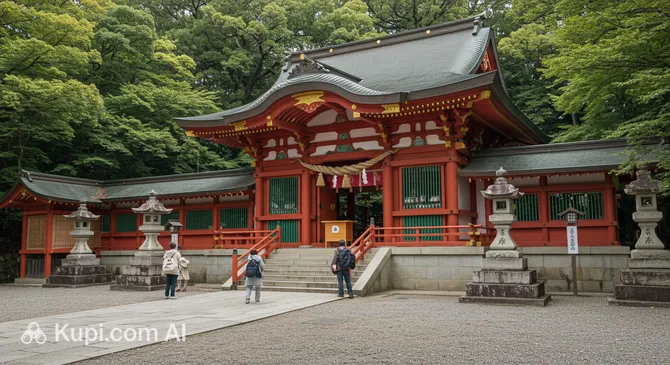
One of the main shrines not only of the city but of the entire Tohoku region is the Shiogama Shrine. This ancient Shinto shrine, dedicated to the patron deities of seafaring and salt production, impresses with its majestic architecture and peaceful atmosphere. Climbing the famous stone staircase of 202 steps, you will be rewarded not only with the opportunity to touch history but also with magnificent views of Matsushima Bay.

Shiogama Shrine. Illustration.
Source: Kupi.com AI

Traveler photos:

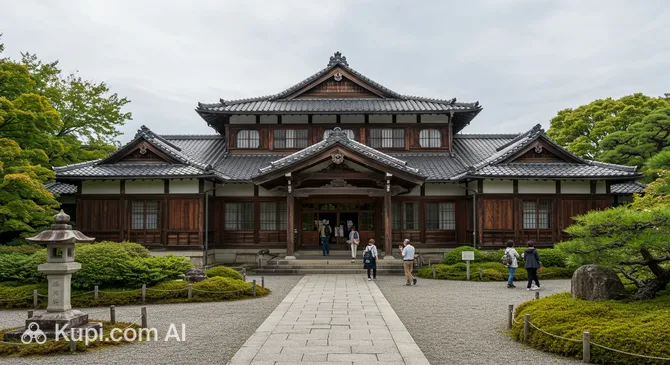
For those who want to gain a deeper understanding of the history and culture of this region, the Tohoku History Museum is a must-visit. It houses unique exhibits telling the story of the region's development from ancient times to the present day. Archaeological finds, household items, works of art, and historical documents will help you form a complete picture of the past of this amazing part of Japan.

Tohoku History Museum. Illustration.
Source: Kupi.com AI

Traveler photos:

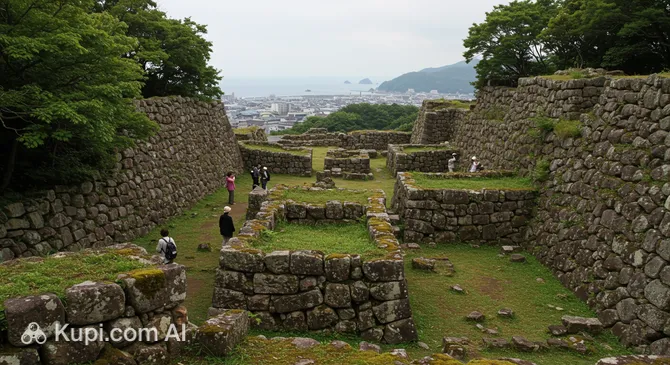
History buffs will be interested in exploring the Taga Castle Ruins. This is the site where an important administrative and military center of ancient Japan (Nara and Heian periods) was once located. Walking among the remains of the fortress walls and building foundations, you can feel the breath of history. Nearby is a small museum that will complement your impressions with a story about the significance of Taga Castle.

Taga Castle Ruins. Illustration.
Source: Kupi.com AI

Traveler photos:

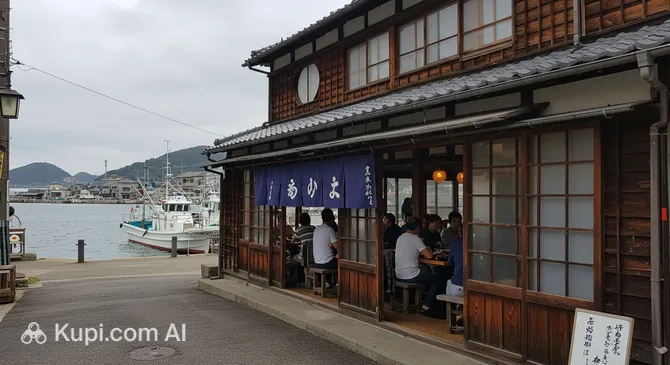
Shiogama is famous throughout Japan for its fresh seafood, so a gastronomic experience here is an integral part of the journey. To enjoy masterfully prepared sushi and sashimi from the morning catch, visit one of the many restaurants. For example, Sushi Shiogama-ko is well-deservedly popular with both locals and tourists, offering authentic tastes of local cuisine.

Shiogama Port Sushi. Illustration.
Source: Kupi.com AI

Traveler photos:

Local Cuisine

Shiogama is a true paradise for seafood connoisseurs and lovers of authentic Japanese cuisine. The city is rightfully proud of its gastronomic traditions, based on the freshest gifts of the sea. A key dish that is definitely worth trying is sushi made from a special variety of rice called Sasanishiki, which is considered one of the best in the region. This gives the local sushi a unique taste and texture.

Be sure to taste dishes made from fresh sea urchins, oysters, scallops and, of course, the tuna for which Shiogama is so famous. Another popular dish is donburi — a large bowl of rice with various seafood toppings, which you can often choose yourself right at the fish market. Also, at street markets and in small cozy establishments, you will be offered grilled eel, rich seafood soups, and unique snacks made from seaweed and roe.

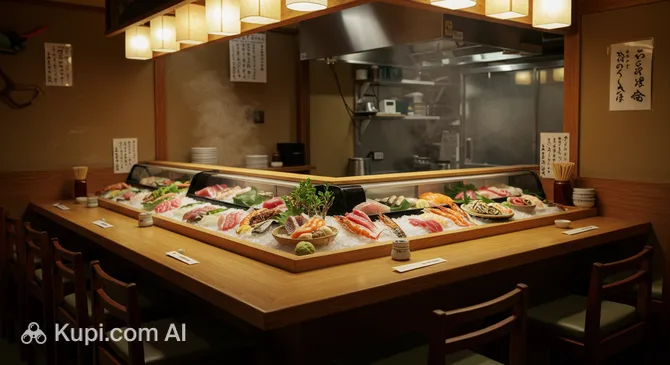
The food culture in Shiogama is closely tied to the sea. Locals and tourists alike love to start the day with breakfast at the fish market, where they can enjoy fresh oysters, rolls, and miso soup. Numerous sushi restaurants, such as Sushi Shiogama-ko or Sushi Tetsu, offer both traditional sets and original interpretations of Japanese dishes. The city is also known for its gastronomic festivals, where you can try delicacies straight from the grill and watch masterclasses from the best sushi chefs.

Sushi Tetsu. Illustration.
Source: Kupi.com AI

Traveler photos:

As for drinks, locals are particularly proud of their sake, which perfectly complements the taste of seafood. Fragrant Japanese tea is also popular. The gastronomic scene of Shiogama is a real adventure full of discoveries, where the freshness of ingredients and the skill of chefs create unforgettable experiences for every gourmet.

Travel Tips

Welcome to Shiogama! To ensure your trip to this charming port city in Miyagi Prefecture goes smoothly and leaves only pleasant impressions, we have prepared a few practical tips.

  1. Clothing and Essentials: Prepare for the season and walking

    In Shiogama, as in all of Japan, there are four distinct seasons. In summer, it is warm and humid here, so bring light, breathable clothing. In winter, it can be chilly, especially near the water, so warm clothes, including a jacket, hat, and gloves, will come in handy. Spring and autumn will please you with moderate weather, ideal for layered clothing. Be sure to bring comfortable shoes for walking around the city and visiting temples, such as the famous Shiogama Shrine. Don't forget an adapter for electrical appliances (Japan uses Type A and B sockets). When visiting Shiogama Shrine or other religious sites, choose modest clothing that covers shoulders and knees.

  2. Transport: Convenience on rails and roads

    It is convenient to get around Shiogama and its surroundings by JR trains, especially the Senseki Line, which connects the city with Sendai. Local buses are also available. Taxis are present but are a more expensive option; you can use apps like JapanTaxi or Go. Car rental for moving around the city itself is unlikely to be needed, given the efficiency of public transport and possible parking difficulties. If you plan trips outside the city by car, an international driving permit will be required.

  3. Finances: Yen, cards, and tipping

    The official currency is the Japanese yen (JPY). While credit and debit cards are accepted in many hotels, restaurants, and large shops in Shiogama, it is always useful to have cash with you for small stalls, markets (such as the famous Shiogama fish market), and some temples. You can exchange currency at the airport upon arrival in Japan or at banks. ATMs that accept international cards are most often found in 7-Eleven stores (7-Bank) and at the post office (Japan Post Bank). Tipping in Japan is not practiced, as high-quality service is considered the norm.

  4. Health and Safety: Peace of mind during your journey

    Shiogama, like Japan in general, is a very safe place for tourists. Observe usual precautions. Pharmacies ("drugstores") are easy to find, but staff do not always speak English, so have a basic set of medicines with you or use a translator. For serious medical assistance, tourists are recommended to have travel insurance. In emergencies, you can contact large hospitals or check with hotel staff.

  5. Communication: Language, connectivity, and useful apps

    The main language is Japanese. In Shiogama's tourist spots and hotels, staff may speak English, but knowing a few basic phrases in Japanese (e.g., "konnichiwa" – hello, "arigato" – thank you, "sumimasen" – excuse me) will significantly ease communication and be appreciated by the locals. For constant internet access, consider buying a local SIM card (sold at airports and major electronics stores) or renting a pocket Wi-Fi. Free Wi-Fi is available in some hotels, cafes, and public places. Useful apps: Google Maps for navigation, HyperDia or Jorudan for train schedules.

  6. Local Etiquette: Respect for traditions

    Japanese people highly value politeness. When greeting, you can give a slight bow. In public places, especially on transport, try not to make noise or talk loudly on the phone. Remove your shoes when entering homes, some temples, and traditional restaurants (this is usually indicated by a special shoe shelf). When visiting Shiogama Shrine, follow the established rules, such as washing your hands and mouth at the chozuya fountain before entering.

  7. What to Avoid: Cultural nuances

    Never stick chopsticks vertically into rice – this is associated with funeral rituals. Also, try not to blow your nose loudly in public; it's better to go to a restroom. It is not common to eat and drink while walking down the street, except in special zones at festivals or near vending machines.

  8. Special Tip for Shiogama: Taste of the sea and spirituality

    Shiogama is famous for its seafood! Be sure to visit the local fish market (Shiogama Fish Market) and try the freshest sushi and sashimi – this is the city's calling card. It's also worth spending time at the main Shiogama-jinja shrine, one of the most important in the Tohoku region, and learning about its connection to salt production. If time permits, consider a sea trip around the picturesque Matsushima Bay, which is very close by.

We hope these tips help you better prepare for your trip and enjoy every moment in Shiogama – a city with rich maritime traditions, ancient shrines, and hospitable residents. Enjoy your trip!

Entertainment & Nightlife

Shiogama, as a well-known port city, offers its guests quiet and authentic evening entertainment rather than the noisy club life of megacities. Nightlife here centers around high-quality gastronomy and cozy local establishments where you can enjoy the freshest seafood and pleasant company.

The main focus of evening entertainment in Shiogama is on restaurants and traditional Japanese drinking establishments – izakayas. The city is especially famous for its sushi restaurants, many of which are open until late evening. This is a great opportunity to try local delicacies in a relaxed setting. For example, you can visit famous places such as Sushi Shiogama-ko or Sushi Tetsu, which are renowned for their craftsmanship and the freshness of their ingredients. The atmosphere in such places is usually hospitable and conducive to a leisurely dinner. Some small bars and izakayas can be found in the areas adjacent to the port or the railway station. Both locals and tourists gather here.

Shiogama Port Sushi. Illustration.
Source: Kupi.com AI

Traveler photos:

While Shiogama does not boast an abundance of nightclubs or large concert venues, the evening can be spent enjoying a quiet walk along the lit streets or visiting local bars where you can try sake or Japanese beer. Usually, establishments are open until 10:00 PM – 11:00 PM, but some bars may stay open longer, especially on weekends. There is generally no special dress code; neat casual style is appreciated.

Sushi Tetsu. Illustration.
Source: Kupi.com AI

Traveler photos:

In terms of practical tips, the best time to visit restaurants is early evening to guarantee a table. Average prices for dinner with drinks can vary but generally remain affordable. Getting around the city at night is most convenient by taxi, as public transport may run less frequently. Shiogama is considered a fairly safe city, however, as everywhere, it is worth taking usual precautions during night walks. You can call a taxi by asking the restaurant or hotel staff.

During the day, Shiogama offers many cultural and historical attractions. You can visit the majestic Shiogama Shrine or the neighboring Shivahiko Shrine, learn more about the region at the Tohoku History Museum, or take a walk in the picturesque Kasenuma Park. History lovers may also be interested in the Taga Castle Ruins, located nearby.

Parks & Museums

Shiogama, a city with a rich maritime history and cultural traditions, offers travelers both peaceful green corners for relaxation and significant heritage sites that tell of its past.

Key Parks and Green Spaces

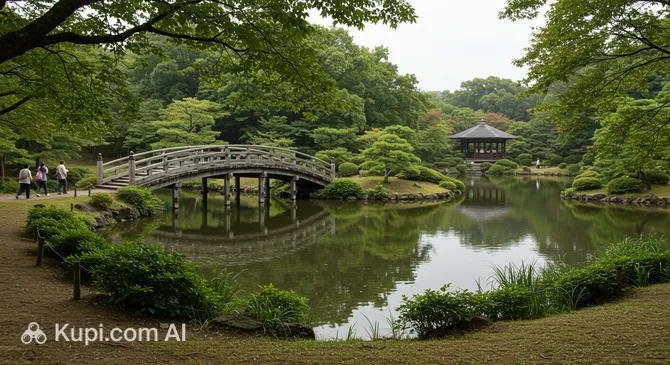
One of the wonderful places to enjoy nature in Shiogama is Kasenuma Park. This spacious park attracts visitors with its picturesque landscapes, walking opportunities, and seasonal blooms. It serves as an excellent place for family vacations, picnics, or just a quiet time outdoors. The areas around the city's main shrines are also rich in greenery, offering quiet spots for contemplation.

Kasenuma Park. Illustration.
Source: Kupi.com AI

Traveler photos:

Museums and Historical Immersion

For those interested in a deep study of the history of the Tohoku region, a visit to the Tohoku History Museum is highly recommended. Its halls present exhibits spanning various eras, from antiquity to more recent periods, and tell the story of the culture, daily life, and key events of this part of Japan. This is a great opportunity to enrich your knowledge and better understand the local context.

Tohoku History Museum. Illustration.
Source: Kupi.com AI

Traveler photos:

Historical and Architectural Landmarks

Shiogama is famous for its ancient shrines, which are the heart of its cultural heritage. The majestic Shiogama Shrine is one of the most revered in Japan, known for its stunning architecture, centuries-old history, and beautiful views from its grounds. It attracts many pilgrims and tourists wishing to experience the spiritual traditions of the country.

Shiogama Shrine. Illustration.
Source: Kupi.com AI

Traveler photos:

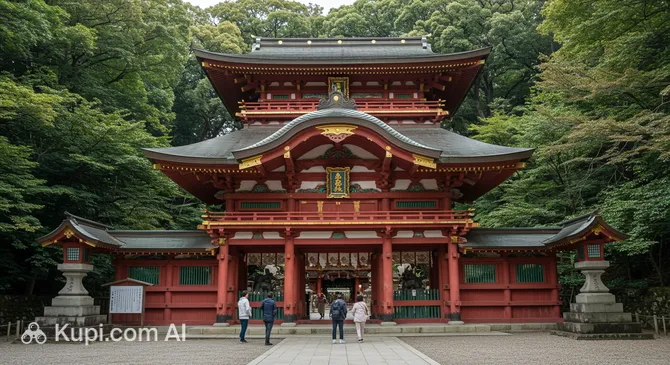
Nearby is the Shivahiko Shrine, another important spiritual site often visited in conjunction with Shiogama Shrine. Together they form a significant religious and cultural ensemble surrounded by tranquility and natural beauty.

Shiwahiko Shrine. Illustration.
Source: Kupi.com AI

Traveler photos:

The Taga Castle Ruins, located in the vicinity, also hold historical value. This archaeological site testifies to an ancient administrative center that played an important role in the region's history. Visiting the ruins allows you to imagine the scale and significance of this ancient fortification.

Taga Castle Ruins. Illustration.
Source: Kupi.com AI

Traveler photos:

Authentic Experiences and Insider Tips

To get a more complete picture of Shiogama, do not limit yourself only to official attractions. Walk along the busy port embankment, watch the daily life of local fishermen, or stop by the fish market to feel the true atmosphere of this seaside city. Also, by exploring the trails around the shrines, you may discover secluded spots ideal for quiet contemplation and enjoying nature.

Getting Around

Public transport in Shiogama is mainly represented by railway connections and buses, which allows for convenient travel both within the city and to neighboring settlements, including Sendai. The city is served by East Japan Railway (JR East) lines, in particular, the Senseki Line, which is key for moving around the region.

JR trains will likely be the primary mode of transport for tourists. Train tickets can be purchased from machines at stations or at ticket offices. For frequent trips or for traveling around Japan in general, it is worth considering purchasing cards like Suica or Pasmo – these are rechargeable smart cards accepted on most railway lines and buses across the country, including the Tohoku region where Shiogama is located. Payment by card is made by tapping it against the turnstile at the entrance and exit of the station. The fare depends on the distance. Buses also run through the city, connecting railway stations with various districts and attractions. Bus schedules and routes can be checked at stops or on transport company websites.

Tourists are advised to plan their routes in advance, especially if the trip involves transfers. Information in English is usually available at stations, but having an offline map or a schedule app will be useful. Public transport hours are generally from early morning to late evening, but can vary depending on the line and day of the week. Night services are usually absent.

As an alternative to public transport in Shiogama, you can use taxis. Taxi stands are usually located near railway stations and major tourist sites. Taxis in Japan are a relatively expensive mode of transport but comfortable, especially for trips with luggage or late at night. Bicycle rental can be a good option for exploring the central part of the city and coastal areas, especially in good weather. Information about rental points can be found at tourist information centers. Car sharing in small cities like Shiogama is less common than in megacities.

Accommodation

When planning a trip to Shiogama, you will find various accommodation options to suit different preferences and budgets. The city offers a choice ranging from traditional Japanese inns (ryokans) and cozy guesthouses (minshuku) to modern hotels of various comfort levels. This allows every traveler to find the best option for their stay in this charming corner of Japan.

When choosing a place to stay in Shiogama, you should pay attention to areas located near major transport hubs, such as the railway station, which will provide easy access to other parts of the city and its surroundings. Accommodation options near key attractions, such as the Shiogama Shrine or the Tohoku History Museum, are also popular, allowing you to be in the heart of the city's cultural life.

Accommodation prices in Shiogama vary depending on the type of accommodation, its location, and the level of amenities provided. You can find both more budget-friendly options and mid-range hotels. It is most convenient to book accommodation through popular online platforms or directly on hotel websites. To guarantee the best choice and prices, especially during the peak tourist season or local festivals, it is recommended to take care of booking in advance.

Nearby Cities

For those who want to explore the surrounding area, Shiogama serves as an excellent starting point for day trips to several interesting nearby locations.

Among them, Sendai, the largest city in the Tohoku region and its administrative center, particularly stands out. Only 14 kilometers from Shiogama, Sendai offers a rich cultural program, many shops, restaurants, and attractions such as the Zuihoden Mausoleum and the ruins of Aoba Castle, making it a great choice for an eventful day trip. Also worth noting is Tagajo, located just 3 kilometers away. This city has deep historical roots; it was once an important administrative and military center of ancient Japan, and today visitors can explore the Taga Castle ruins, touching centuries of the region's history.

CityPopulationDistance
Tagajo61 9373 km
Shichigahama17 7933 km
Rifu35 5214 km
Matsushima13 1518 km
Sendai1 061 17714 km

These nearby destinations provide an insight into the diverse culture and landscapes of the region.

Shopping & Souvenirs

Shiogama, being a famous port city in Miyagi Prefecture, offers unique shopping opportunities, especially for lovers of fresh seafood and local delicacies. The city is not famous for huge shopping centers like the megacities, but here you can find authentic goods and souvenirs reflecting the maritime spirit and culture of the region.

The main shopping spots in Shiogama are concentrated near the port and around the major shrines. Although there may not be dedicated "shopping streets" in the European sense, you will find many small shops, stalls, and fish markets offering both the fresh catch and processed seafood. A walk along the embankment or the streets leading to the Shiogama Shrine will reveal interesting places to shop.

Large modern shopping malls are not a characteristic feature of Shiogama. Instead, shoppers can turn their attention to local department stores or small shopping arcades where daily goods, clothing, and local products are presented. The main emphasis in shopping here is on freshness and local production rather than global brands.

The crown jewel for shopping in Shiogama is undoubtedly the Shiogama Wholesale Fish Market. This is one of the largest and most famous fish markets in the Tohoku region. Here you can not only buy the freshest seafood, including the famous tuna, but also try it on the spot – many stalls offer to cook the purchased fish or seafood. Also at the market, you can find dried and salted sea delicacies, which make excellent gastronomic souvenirs.

As souvenirs from Shiogama, it is worth bringing back, first of all, products related to the sea: dried fish, seaweed, canned seafood. Local sake is also popular, as Miyagi Prefecture is famous for its breweries. Don't forget to stop by the souvenir shops at Shiogama Shrine or Shivahiko Shrine, where you can purchase traditional Japanese amulets (omamori) and other items with shrine symbols.

Shops in Shiogama are usually open from 10:00–11:00 AM to 7:00–8:00 PM. The fish market starts its work very early in the morning. Cash is accepted (especially at markets and in small shops), as well as credit cards in most stores and restaurants. It is recommended to have some Japanese yen in cash with you.

For foreign tourists in Japan, a Tax Free system is in place. In stores that support this system (they usually have a corresponding sign), you can arrange a consumer tax refund when buying over a certain amount. Don't forget to bring your passport to complete the paperwork.

Reached the end of the page?

That means the route is fully explored