Support

Osaki

About

The city of Osaki, located in Miyagi Prefecture, is a charming corner of Japan that offers travelers a chance to experience a more peaceful and authentic side of the country. With a population of about 127,000 people, Osaki retains its coziness and charm, inviting guests to make new discoveries and learn about the rich local culture and nature.
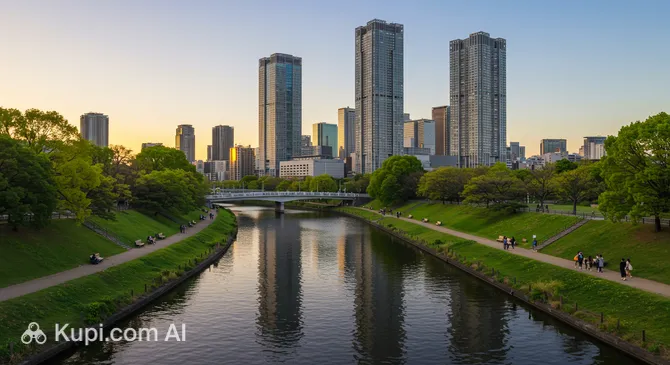
Osaki. Illustration.
Source: Kupi.com AI

In contrast to the hustle and bustle of major metropolises, Osaki attracts visitors with its steady atmosphere and hospitality. The city is known as the gateway to famous hot springs, such as Naruko Onsen, where you can relax and rejuvenate. Another hallmark of the region is the traditional wooden Naruko Kokeshi dolls—charming handmade crafts that preserve the warmth of the artisans' hands. Nature lovers will appreciate the picturesque Naruko Gorge, which is especially beautiful during the autumn foliage season.

Visitors to Osaki can enjoy not only thermal springs and natural beauty but also immerse themselves in the world of local crafts. Strolling through the city and its surroundings will allow you to fully experience the peaceful atmosphere of this region, discover the unique culinary traditions of Miyagi Prefecture, and feel the breath of local history far from standard tourist routes.

If you are looking for authentic experiences, want to relax your soul and body, get acquainted with traditional Japanese art, and see another side of the Land of the Rising Sun away from the tourist crowds, Osaki is an excellent choice. This city is ideal for those who value tranquility, genuine hospitality, and the opportunity to enjoy the beauty of northern Japan.

You can find more interesting facts on the Osaki city history page

Weather Overview

The weather in Osaki is characterized by significant seasonal changes. Winters here are quite cold, with average temperatures in January around -0.2°C, often dropping to -3.3°C. Summers, by contrast, are warm: in August, the average temperature reaches 24.6°C, with maximums up to 27.6°C. Precipitation is distributed relatively evenly throughout the year, but with a slight increase in the summer months, with about 6 mm falling in July and August, while August is also the month with the highest number of rainy days (21 days). In general, expect a warm summer with occasional rain and cold, dry winters.

To learn more about temperature records, number of sunny days, and other climatic features, visit the Osaki Climate page.

Average monthly temperature

Average monthly precipitation

Interesting Facts

Osaki is a hidden gem of Miyagi Prefecture, where ancient traditions and pristine nature intertwine harmoniously. This city offers travelers a unique experience, far from the hustle and bustle of megacities, allowing them to touch the authentic culture of the Tohoku region.

  • Kingdom of Hot Springs: The Naruko Onsen area is famous for its incredible variety of thermal waters: most of the medicinal spring types existing in Japan can be found here. In autumn, the picturesque Naruko Gorge is painted in the fiery colors of maple leaves, creating one of the most breathtaking landscapes in the country.

  • Singing Dolls: The city is considered the birthplace of the famous wooden Naruko-kokeshi dolls. Local craftsmen have a special secret: the doll's head is attached to the body in such a way that when turned, it makes a characteristic squeaking sound, which has become a hallmark of the local craft.

  • Refuge for Migratory Birds: The Kabukuri-numa wetlands are of international importance and are protected by the Ramsar Convention. In winter, tens of thousands of wild geese gather here, creating an incredible spectacle during the morning takeoff of a huge flock.

  • Living Agricultural Heritage: The fertile lands of Osaki are recognized by the Globally Important Agricultural Heritage Systems (GIAHS). Local residents have maintained a unique irrigation system for centuries, allowing them to grow exceptional quality rice and produce magnificent sake, known far beyond the region.

How to Get There

When planning a trip to the city of Osaki, located in Miyagi Prefecture, it is worth thinking through the route in advance. The most popular and often fastest way to get to Osaki for many tourists is by air. Although Osaki itself does not have its own airport, there are several air hubs nearby from which you can easily continue your journey to your destination.

The key airport of the region is Sendai Airport (SDJ). It is located in the city of Sendai, approximately 48.7 km from the center of Osaki. It is a major transport hub serving both domestic and some international flights. A taxi or bus ride from Sendai Airport to Osaki usually takes about 1 hour and 30 minutes.

Another option is Junmachi Airport (GAJ), which is located in the city of Yamagata, at a distance of approximately 54.2 km from Osaki. This airport is smaller and focused mainly on domestic Japanese airlines. The road from Junmachi Airport to Osaki by car or public transport will take approximately 1 hour and 40 minutes.

For clarity, here is a summary of the airports convenient for reaching Osaki:

AirportPassenger trafficDistance
Sendai Airport3.5 mln49 km
Junmachi Airport223 11154 km
Hanamaki Airport739 12396 km
Shonai Airport364 815105 km
Akita Airport1.8 mln132 km

In addition to air travel, Osaki can also be reached by ground transport. Japan is known for its excellent railway system, including the famous Shinkansen high-speed trains. It is recommended to check the routes and train schedules to the nearest railway stations to Osaki. You can also consider renting a car, which will give you the opportunity to enjoy the country's picturesque landscapes and travel at your own pace.

Main Attractions

The city of Osaki, nestled in Miyagi Prefecture, Japan, offers its guests a unique combination of picturesque natural landscapes and a rich cultural heritage. If you are planning a trip, here are some key attractions that will make your journey unforgettable:

One of the most breathtaking natural attractions is Naruko Gorge. It is especially famous for its beauty in the autumn period, when the slopes are covered in crimson and gold foliage, creating truly magical landscapes. A walk across the famous Ofukazawa Bridge or along one of the many trails will give you unforgettable impressions and allow you to enjoy the splendor of nature.

To get a deeper look at the local culture, be sure to visit the Naruko Kokeshi Museum. These traditional Japanese wooden dolls are a symbol of the region. The museum features an extensive collection of kokeshi, tells the history of their creation, and also hosts workshops where anyone can try their hand at painting a doll. This is an engaging activity for the whole family.

After an active day of exploration, there is nothing better than relaxing in one of the springs of Naruko Onsen Village. This resort area is famous for its healing waters of various compositions. Many ryokans (traditional Japanese inns) offer outdoor baths (rotenburo), where you can enjoy hot water and beautiful views, restoring your strength and peace of mind.

Do not miss the Osaki Hachiman-gu Shrine, an important spiritual center of the city. This ancient Shinto shrine attracts visitors with its traditional architecture and calm, peaceful atmosphere. Visiting the shrine allows you to touch the history and religious traditions of Osaki, as well as enjoy the silence away from the city noise.

Local Cuisine

When planning a gastronomic journey to the city of Osaki (大崎市) in Miyagi Prefecture, it is important not to confuse it with its much more famous namesake — the metropolis of Osaka (大阪市) in the Kansai region. It is the latter that is famous as "Japan's kitchen" and is the birthplace of famous street food dishes such as takoyaki (octopus dough balls), okonomiyaki (savory multi-layered pancakes), and kushikatsu (various deep-fried skewered foods), as well as bustling food markets like Kuromon Ichiba. The cuisine of Osaki in Miyagi Prefecture offers a completely different, more peaceful and authentic experience, deeply connected to the agricultural traditions of the northern Tohoku region and its seasonal gifts.

One of the main culinary symbols of Miyagi Prefecture, which you should definitely try while in Osaki, is zunda mochi (ずんだ餅). These are delicate rice cakes (mochi) covered in a bright green, slightly sweet paste made from young edamame soybeans. This dessert or snack perfectly reflects the simplicity and naturalness of the local cuisine. Another famous delicacy of the region is Sendai beef (仙台牛). Although its production is centered around the city of Sendai, high-quality meat of this breed can also be found in Osaki restaurants, where it is served as steaks, shabu-shabu, or as part of other exquisite dishes.

A special place in Osaki's cuisine is held by dishes characteristic of the Naruko Onsen area, famous for its hot springs and part of the city. Here you can taste Iwanakesoba (岩魚懸そば) — buckwheat soba noodles with charcoal-grilled river char (iwana) placed right on the noodles. This dish perfectly demonstrates the use of fresh local ingredients. Also popular in the region are dishes made from fresh mountain vegetables (sansai) and mushrooms, especially in the autumn season. Although Osaki is somewhat removed from the coast, you can sometimes find excellent seafood for which Miyagi Prefecture is famous, such as oysters or scallops delivered from coastal areas, in local establishments.

As for drinks, sake goes perfectly with local dishes. Miyagi Prefecture is famous for its sake breweries, producing this traditional Japanese drink from local rice and pure water. In Osaki and its surroundings, you can find many interesting varieties, which will be a great opportunity to get acquainted with regional variations. Of course, traditional Japanese green tea is always available, accompanying almost any meal, as well as various local non-alcoholic drinks, including lemonades based on local fruits.

The food culture in Osaki (Miyagi Prefecture) encourages a slow enjoyment of food, unlike the hustle and bustle and dynamics of the Osaka City gastronomic scene. The main places where you can get acquainted with local cuisine are small family restaurants (shokudo), as well as traditional Japanese ryokan inns, especially in resort areas like Naruko Onsen. Ryokans often serve kaiseki ryori multi-course dinners, consisting of many skillfully prepared small dishes from seasonal products that reflect the culinary art of the region. A trip to Osaki will offer the chance to discover a calmer and more refined side of Japanese gastronomy, based on respect for nature, freshness of ingredients, and the centuries-old traditions of northern Japan.

Travel Tips

Planning a trip to the city of Osaki? This charming corner of Japan, located in Miyagi Prefecture, is ready to surprise you with its originality. To ensure your trip to Osaki goes smoothly and leaves only pleasant impressions, we have prepared some practical tips.

  1. Clothing and Essentials: The climate in Miyagi Prefecture is characterized by the change of four seasons. In summer (June-August) it can be hot and humid, so bring light clothing. Winters (December-February) can be cold and snowy, especially in mountainous areas, so warm layered clothing, a hat, and gloves are mandatory. Comfortable shoes are your best friend, as you will likely be walking a lot while exploring the city and its surroundings. Don't forget an adapter for electrical appliances (Japan uses Type A sockets). If you plan to visit temples or onsens (hot springs), bring modest clothing for temples and a small towel for the onsen.

  2. Transport: The main public transport in Osaki and Miyagi Prefecture are JR (Japan Railways) trains and local buses. For convenience, you can purchase a rechargeable transport card like Suica or Pasmo (make sure they are valid in the Tohoku region, or consider buying a local card if one exists). Taxis are available but can be expensive. If you plan to actively explore the natural beauty of Miyagi Prefecture, renting a car can be a good option, but remember left-hand traffic and the need to have an international driving permit.

  3. Finances: The local currency is the Japanese Yen (JPY). Although credit cards are accepted in hotels and major stores, Japan is still a country where cash plays a large role, especially in small towns, local restaurants, and when paying entrance fees to some attractions. It is recommended to always have some cash with you. Money can be exchanged at the airport or banks. ATMs that accept international cards can most often be found in 7-Eleven branches (Seven Bank) and post offices (Japan Post Bank). Tipping is not customary in Japan and may be perceived as impolite.

  4. Health and Safety: Pharmacies (marked as "薬" or "Drug Store") are in the city, but not all may be open 24/7, and staff do not always speak English. Bring a basic first aid kit with you. If you need medical assistance, check with your hotel or through a tourist information center about clinics that accept foreigners. Travel insurance is highly recommended. Osaki, like Japan as a whole, is a very safe place. Observe standard precautions: keep an eye on your belongings, especially on transport.

  5. Communication: The official language is Japanese. The level of English proficiency among the local population may be low, especially outside tourist centers. Learn a few basic phrases: "Konnichiwa" (Hello), "Arigato" (Thank you), "Sumimasen" (Excuse me/Sorry). To access the internet, you can purchase a local SIM card, rent a pocket Wi-Fi router, or use free Wi-Fi in hotels and some public places. Offline maps and translator apps will be useful.

  6. Local Etiquette: Japanese people highly value politeness and respect for rules. A greeting is usually accompanied by a slight bow. In public places, especially on transport, try to speak quietly and not disturb others. Remove your shoes when entering residential homes, some temples, traditional restaurants, and ryokans (Japanese-style inns). It is not customary to eat while walking on the street (except in designated areas at festivals).

  7. What to Avoid: Try not to point at people with your finger — it is considered rude. Do not stick chopsticks vertically into a bowl of rice, as this is associated with funeral rituals. Also avoid blowing your nose loudly in public; it's better to go to the restroom or do it as inconspicuously as possible.

  8. Special Feature of Osaki (Miyagi): The city of Osaki is known for its Naruko Onsen district — one of the most popular hot spring resorts in the Tohoku region. Don't miss the opportunity to relax in the healing waters and enjoy the traditional atmosphere. Also, Miyagi Prefecture is famous for its rice and sake — be sure to try the local delicacies.

We hope these tips will help you better prepare for your trip to Osaki and fully enjoy the hospitality and beauty of Miyagi Prefecture. We wish you an unforgettable journey and bright discoveries in this corner of Japan!

Entertainment & Nightlife

Evening Osaki, located in Miyagi Prefecture, offers travelers a completely different experience than the noisy nightlife of megacities. Here you won't find rows of glittering nightclubs or concert venues operating until dawn. Instead, the city immerses you in the cozy and authentic atmosphere of the Japanese province, where evening entertainment is centered around traditional establishments, perfect for relaxing after a day exploring the famous local onsens or learning about the art of Kokeshi doll making.

The main spots for evening leisure in Osaki are traditional Japanese pubs – izakaya – and small local restaurants. This is a great opportunity to try regional cuisine and enjoy sake or shochu in a relaxed, welcoming setting. While we cannot provide specific names of establishments due to the lack of an updated list for this city, such places can usually be found around the city's main railway station, such as Furukawa Station, or in the Naruko Onsen resort area if you are staying there. The atmosphere in such places encourages communication, with conversation and delicious food being valued over loud music.

When planning an evening in Osaki, consider a few practical points. Most establishments, including izakaya and restaurants, typically open around 5:00 PM - 6:00 PM and may close earlier than in large cities, often around 10:00 PM or 11:00 PM, especially on weekdays. The dress code is generally very democratic and casual – the main thing is that you are comfortable. Prices in local establishments are usually moderate. Public transport may run less frequently in the evening, so it's worth checking the schedule in advance or being prepared to use a taxi. The city of Osaki is considered quite safe, and walking along the lit central streets is usually comfortable, although standard precautions should always be taken.

While the nightlife in Osaki leans toward quiet relaxation, the daytime is also full of interesting opportunities. You can dedicate it to wellness treatments in the famous Naruko hot springs, attend workshops on making traditional Kokeshi dolls, explore local temples, and enjoy the natural beauty of the region. Sometimes the city hosts seasonal festivals or fairs that can continue into the evening hours, adding a special flavor to your stay and smoothly transitioning into a peaceful evening at one of the local restaurants.

Parks & Museums

Osaki offers travelers a harmonious blend of majestic natural landscapes and a rich cultural heritage, which is carefully preserved in local museums and historical estates. The city and its surroundings are ideal for those who want to enjoy the silence of the Japanese province and learn more about the traditions of the Tohoku region.

The main natural gem of the region is considered to be Naruko Gorge. This is a picturesque canyon about 100 meters deep, which is particularly beautiful during the "momiji" season, when the slopes are covered in a bright carpet of red and gold leaves. Tourists can walk along the Ofukazawa trail, enjoying views of the cliffs and the rushing river below. Another important natural area is the Kabukuri-numa wetlands. This place is of international importance for ecotourism: here you can observe thousands of migratory birds in their natural habitat, which gives a feeling of complete unity with the nature of Japan.

To get acquainted with the unique culture of the region, it is definitely worth visiting the Japan Kokeshi Museum. Osaki, and particularly the Naruko area, is the birthplace of these famous wooden dolls. The museum houses an impressive collection of thousands of exhibits demonstrating various painting styles from all over the country. Visitors can not only learn the history of the toy but also try themselves in the role of a craftsman by painting their own doll as a souvenir.

From a historical and architectural point of view, Yubikan—a former school for the children of the Date clan samurai—is of great interest. This is the oldest school building of its type in the country, having preserved the atmosphere of the Edo period. The complex includes not only educational premises with thatched roofs but also a magnificent landscape garden with a pond, which is considered one of the most beautiful in the prefecture. A walk here allows you to mentally transport yourself to the era of feudal lords and warriors.

If you are looking for unusual experiences, head to Lake Katanuma. This volcanic crater lake is known for its high acidity, which is why there are no fish in it, but the water has the amazing property of changing color from emerald green to sky blue depending on the weather and lighting.

Getting Around

Public transport in the city of Osaki (Miyagi Prefecture) allows for fairly convenient travel both within the city and to its surrounding areas. The backbone of the transport system is formed by JR East (East Japan Railway Company) trains, which connect various districts and provide access to neighboring towns. Intra-city transport is also actively carried out by local bus routes, which cover areas not reached by railway lines.

The fare payment system in Osaki is standard for many Japanese cities. For JR train trips, single tickets are purchased from machines at stations, the price of which depends on the distance; short trips usually start from a few hundred yen. The exact price can always be seen on the fare charts above the ticket machines or checked on the official websites of the carriers, such as JR East. Rechargeable smart cards, such as Suica or Pasmo, are also widely used and convenient, operating throughout most of Japan and usable on both trains and buses. On buses, payment is usually made in cash (it is advisable to have small change) upon boarding or exiting, or also using IC cards. Information about special tourist passes, if available, is best clarified on-site at stations or in tourist information centers. To plan routes and check schedules, tourists often use popular apps like Google Maps or Japan Travel by Navitime, which are well-integrated with the Japanese transport system. There may not be specialized ticket-buying apps specifically for Osaki (Miyagi Prefecture), as payment by IC cards and via machines is predominant.

Train tickets can be purchased from machines at railway stations, many of which have an interface in English. To use an IC card, simply touch it to the reader on the turnstile when entering and exiting the station or when boarding/exiting the bus. Paper tickets are usually inserted into a special slot on the turnstile. Public transport in Osaki starts running early in the morning and ends late in the evening; however, the frequency and time of the last service can vary, so it is recommended to always check the current schedule, especially if you plan to travel in the evening.

In addition to public transport, other ways of getting around are available in Osaki. Taxis can be found at railway stations and other busy points in the city; this is a more comfortable but also more expensive option. For a leisurely exploration of the city and its picturesque surroundings, you can consider bicycle rental. Rental points may be available in the city, offering bicycles for several hours or for the whole day, which is an excellent way to explore local attractions at your own pace.

Accommodation

When planning a trip to Osaki, you can select accommodation that matches your preferences and budget. The city offers a variety of lodging options: from comfortable hotels and cozy guesthouses to apartments and traditional Japanese inns (ryokans). There are suitable options here for both business travelers and tourists wishing to explore the Miyagi region.

When choosing a place to stay in Osaki, it is worth paying attention to the central areas, from which it is easy to reach major attractions and transport hubs. A location near the railway station can be particularly convenient for those planning trips to the surroundings or arriving in the city by train.

In Osaki, you will find both modern hotels offering a full range of services for a comfortable city holiday and authentic ryokans where you can truly experience Japanese hospitality and traditions. The choice of a specific type of accommodation will depend on your individual preferences, travel goals, and expected level of comfort.

It is recommended to book accommodation in Osaki in advance, especially if your trip coincides with popular tourist seasons, festival times, or major local events. The price range varies: you can find both budget options and medium- and high-class hotels. Booking is convenient through well-known online platforms or, if possible, directly on the official websites of the hotels.

Nearby Cities

For those who want to explore the surrounding area, Osaki serves as an excellent starting point for day trips to several interesting nearby places:

CityPopulationDistance
Furukawa22 5851 km
Wakuya15 17715 km
Taiwa28 30717 km
Kurihara63 68918 km
Tomiya51 85920 km

These nearby destinations offer wonderful opportunities to experience the diverse culture and scenic landscapes of the region around Osaki. For example, Sendai, the largest city in the Tohoku region and often called the "City of Trees," attracts tourists with its green avenues, historical heritage including the ruins of Aoba Castle, and its famous summer Tanabata festival. If you are looking for a more secluded nature getaway, Kurihara, located very close by, offers picturesque landscapes and a chance to experience the rural side of Japan. Each such trip will enrich your journey with new discoveries.

Shopping & Souvenirs

Osaki offers its guests pleasant shopping opportunities, where you can find both modern goods and unique items reflecting the culture of the Miyagi region. Although the city is not comparable to the huge shopping centers of megacities, here you can purchase everything you need and discover authentic Japanese goods.

The main shopping areas in Osaki are usually located along the city's central streets and near railway stations. Strolling through these areas, you will find many shops of various types: from small souvenir shops and clothing boutiques to electronics and daily necessities stores. This is a great opportunity not only for shopping but also for getting to know the daily life of the city.

As for large shopping centers, there may be complexes in Osaki or its immediate vicinity offering a wide selection of goods under one roof. In such malls, you can often find stores of famous brands, food courts, and sometimes entertainment areas. It is better to check the location and opening hours of such centers locally or using tourist maps.

Markets in Japanese cities are always a special immersion into the local atmosphere. Local markets may operate in or near Osaki, selling fresh seasonal produce, seafood, and regional delicacies. Visiting such a market is a chance to try real local food and purchase unique edible souvenirs.

When planning to bring something back as a souvenir from Osaki, pay attention to the traditional souvenirs of Miyagi Prefecture. Kokeshi dolls—painted wooden dolls that are one of the symbols of the Tohoku region—are particularly popular. It is also worth considering local sweets, such as zunda mochi (rice cakes with a paste made from young edamame soybeans), high-quality local rice, sake, or ceramic items. In souvenir shops, you will also find textiles with traditional patterns and other handmade crafts.

Most shops in Osaki typically operate from 10:00 AM or 11:00 AM to 7:00 PM or 8:00 PM. Large shopping centers may have longer opening hours. Cash in Japanese yen remains the most universal means of payment for purchases, especially in small shops and markets. However, credit cards are accepted in shopping centers, department stores, and many tourist-oriented locations. Contactless payments and payment using transport IC cards are also gaining popularity.

Foreign tourists can take advantage of the Tax-Free return system in Japan. Look for shops with the "Japan Tax-Free Shop" sign. When purchasing goods for an amount exceeding the established minimum (usually around 5,000 yen) in one store in one day, you can apply for a tax refund. To do this, you must present your passport at the checkout or at a special Tax-Free counter. Remember that goods purchased under this system must generally be taken out of the country unopened.

Reached the end of the page?

That means the route is fully explored