Support

Kesennuma

About

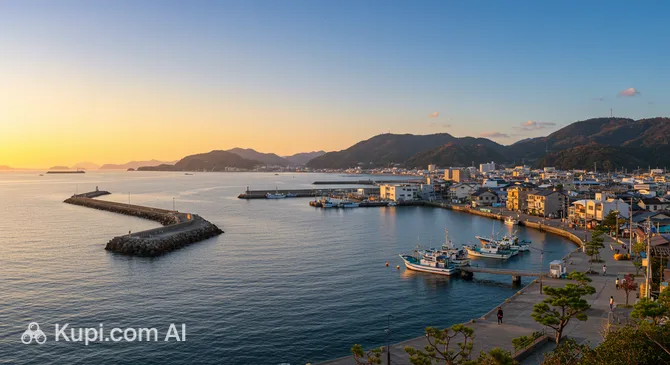
Kesennuma is a picturesque port city located on the Sanriku coast in Miyagi Prefecture, in northeastern Japan. The city covers an area of 333.38 km² and stretches along the rugged Pacific coastline, which has historically defined its close ties to the sea and the fishing industry.

The population of Kesennuma is approximately 67,856 people. The city is one of the country's largest fishing ports, especially famous for its specialization in processing bonito (skipjack tuna) and swordfish. It is not only an important economic center for the region but also a place with a rich maritime culture.

Kesennuma. Illustration.
Source: Kupi.com AI

The atmosphere of Kesennuma is unique: it harmoniously combines the traditions of an old fishing town with the features of a modern tourist destination. Despite the significant damage caused by the 2011 tsunami, the city has actively recovered and today offers visitors unique tourist sites, including museums, and, of course, the opportunity to enjoy the freshest seafood. Tourists are attracted by Kesennuma's authenticity, the natural beauty of the Sanriku coast, and the chance to immerse themselves in the region's rich maritime culture.

A visit to Kesennuma is a wonderful opportunity to get to know the real Japan away from the noisy metropolises, enjoy its maritime traditions, and the hospitality of the local residents. This city will leave you with the warmest impressions.

You can find more interesting facts on the Kesennuma city history page.

Weather Overview

The weather in Kesennuma is characterized by distinct seasons. The warmest months are July and August, when the average air temperature is 22.8°C and 24.1°C respectively, with maximum values reaching 25-26°C. These months also see the highest amount of precipitation (6 mm) and rainy days (17-20 days). Winter, by contrast, is cool: in January, the average temperature drops to 1.0°C (minimum -1.5°C), and in February it is 1.7°C. Precipitation in winter is moderate, about 2 mm per month.

Spring and autumn are transitional seasons with gradual changes in temperature. In March, the average temperature is 5.6°C, gradually rising to 14.7°C in May. In autumn, September is still quite warm (average 20.8°C), but by November the temperature drops to 8.8°C. Overall, expect warm, humid summers and cool winters with a moderate amount of precipitation throughout the year. To learn more, study the detailed Kesennuma climate.

Average monthly temperature

Average monthly precipitation

Interesting Facts

Kesennuma, a city with a rich maritime history, holds many surprising features that make it a truly unique place on the map of Japan. Besides picturesque landscapes, it is ready to surprise travelers with its unusual attractions and cultural traditions.

  • Kesennuma is home to the one-of-a-kind Shark Museum, where you can see realistic, life-sized models of these fearsome marine predators. This exhibition allows visitors to fully appreciate the power and diversity of shark species, making the museum one of the most unusual points of interest not only in the city but in the entire country.

  • The city boasts another unique attraction – the Ice Aquarium. Here, more than 450 species of marine life are presented frozen in blocks of ice. This is an absolutely unique concept that is found nowhere else in the world and attracts those looking for truly unusual museum experiences.

  • Kesennuma is widely known as one of Japan's largest ports specializing in the processing of bonito (skipjack tuna) and swordfish. This has shaped the city's special fishing culture, where local residents proudly preserve centuries-old fishing traditions, passing them down from generation to generation. This cultural trait is clearly visible in city festivals and everyday life.

  • The city has demonstrated incredible resilience and strength of spirit. After the devastating 2011 tsunami, Kesennuma not only managed to recover but also turned this difficult process into an opportunity for renewal and the active development of tourism infrastructure. Today, it serves as an inspiring example of rebirth and adaptation.

How to Get There

Getting to the picturesque city of Kesennuma, located in Miyagi Prefecture in northeastern Japan, is possible in several ways. Since Kesennuma itself does not have its own airport, the most common option for tourists, especially those arriving from afar, is to fly to one of the regional airports followed by a ground transfer.

One of the closest options is Hanamaki Airport (IATA: HNA). It is located in Morioka, approximately 69 km northwest of Kesennuma. This regional airport serves a significant number of passengers. The trip from Hanamaki Airport to Kesennuma by car or bus will take approximately 2 hours, depending on traffic conditions and the chosen route.

Another major transport hub convenient for a trip to Kesennuma is Sendai Airport (IATA: SDJ). It is located in the city of Sendai, at a distance of about 102.5 km southwest of Kesennuma. Sendai Airport is a very large airport handling many domestic and some international flights. The transfer from here to Kesennuma will take approximately 2 hours 50 minutes to 3 hours by car. This is a popular choice for many travelers due to the large number of flights and developed infrastructure.

For your convenience, below is summary information on the main airports that can be used for travel to Kesennuma:

AirportPassenger trafficDistance
Hanamaki Airport739 12369 km
Sendai Airport3.5 mln103 km
Junmachi Airport223 111118 km
Akita Airport1.8 mln141 km
Shonai Airport364 815155 km

Regarding rail connections, although Kesennuma itself may not have a major station serving long-distance Shinkansen trains, the Tohoku region is well-connected by railways. Travelers often take the train to major hub stations like Sendai and then continue to Kesennuma via local trains or buses. It is recommended to check routes and schedules in advance on the official websites of Japanese railway companies, such as JR East.

Additionally, Kesennuma can be reached by road. Renting a car can provide more flexibility for exploring the region. There are also intercity bus routes connecting Kesennuma with other cities in Miyagi Prefecture and neighboring regions. Before traveling, it is worth checking the current schedules and routes of local and regional transport.

Main Attractions

Kesennuma, a picturesque port city in Miyagi Prefecture, offers travelers a unique combination of natural beauty, cultural heritage, and the opportunity to experience local life, especially as it relates to the sea. Everyone will find something interesting here, from art galleries to breathtaking landscapes.

One of the city's iconic landmarks is the Rias Ark Museum of Art. This museum not only presents works of art but also plays an important role in documenting the history of the region, including the events of the Great East Japan Earthquake of 2011. Visitors can gain a deeper understanding of the culture and resilience of the local residents, as well as see works by contemporary artists. This place is thought-provoking and leaves a strong impression.

Nature lovers should definitely visit Kesennuma Oshima Island, which is connected to the mainland by a picturesque bridge. The island is famous for its beautiful beaches, such as Kodanohama, and numerous hiking trails that offer magnificent views of the bay. It is an ideal place for a relaxing break, picnics, and enjoying untouched nature.

For those who want to see Kesennuma from a bird's-eye view, a climb to Mount Anba is recommended. From its summit, a panoramic view of the city, the port, and the surrounding waters opens up. It is especially beautiful here at sunrise or sunset. The mountain is also home to small shrines, adding an atmosphere of tranquility to this location.

It is impossible to imagine a visit to Kesennuma without experiencing its greatest pride – seafood. The city is one of Japan's leading fishing ports. A visit to the local fish market (if open to tourists) or one of the many restaurants will give you the chance to try the freshest gifts of the sea, such as Pacific saury (sanma) and skipjack tuna (katsuo), prepared according to traditional recipes. This is a true gastronomic experience that will introduce you to the culinary traditions of the region.

Local Cuisine

The culinary scene in Kesennuma is inextricably linked to the sea, as the city is famous for its incredibly fresh seafood. A true feast of taste awaits travelers here, where the gifts of the ocean take center stage. A special place in the local cuisine is held by dishes made from bonito (skipjack tuna) and swordfish – species that the port of Kesennuma specializes in processing. Sashimi and sushi from these fish, prepared according to traditional recipes, are considered true delicacies and are a must-try.

One of the city's main signature dishes that you should definitely try is "kaisen-don". This is an appetizing rice bowl generously topped with a variety of the freshest seafood, caught just a few hours ago. Local chefs take pride in their ability to serve this dish in all its glory, demonstrating the exceptional quality and freshness of the ingredients. Many restaurants also offer "kaisen-ryori" – traditional Japanese seafood dishes where the emphasis is on minimal heat treatment to preserve the natural flavor.

Food culture in Kesennuma offers a variety of options. Tourists and locals enjoy exquisite dishes in numerous restaurants and cozy cafes. The Kesennuma Fish Market deserves special attention, where you can not only purchase the freshest catch but also try authentic street food. Grilled scallops, octopus on a stick, and other marine delicacies prepared right on the spot are very popular.

In addition to the wide selection of seafood, the local cuisine includes traditional dishes from the Tohoku region. Among them, one can highlight "imoni" – a hearty stew of potatoes with meat and vegetables, as well as "hitsumabushi" – a special way of serving eel. These dishes reflect not only maritime traditions but also the rich agricultural history of the areas surrounding Kesennuma.

A meal in Kesennuma is perfectly complemented by traditional Japanese drinks. Sake or shochu are excellent accompaniments to fresh seafood, highlighting their taste. For those who prefer non-alcoholic options, there is always fragrant green tea or a variety of refreshing locally-produced drinks.

The Kesennuma culinary scene is a true paradise for lovers of the freshest seafood. The opportunity to try dishes like kaisen-don and exquisite sashimi from the local catch, combined with the lively atmosphere of the fish market and the hospitality of local establishments, makes Kesennuma an attractive destination for gastronomic tourism. Here, every gourmet will find something to their liking and discover the true taste of the Japanese coast.

Travel Tips

Planning a trip to Kesennuma? Wonderful! This cozy port city in Miyagi Prefecture will undoubtedly give you many pleasant impressions. To ensure your journey through Kesennuma is as comfortable as possible and leaves only warm memories, we have prepared a few practical tips.

  1. Clothing and Essentials: The climate in Kesennuma is temperate, with four distinct seasons. In summer (June-August), take light, breathable clothing; in spring (March-May) and autumn (September-November), layering is useful – T-shirts, sweaters, a light jacket. In winter (December-February), you won't get by without a warm jacket, hat, and gloves. Comfortable shoes are your main companion all year round, as the city and its picturesque surroundings are great for walking. Don't forget a universal adapter for electrical appliances (in Japan, types A and B sockets are used, and the voltage is 100V). When visiting temples or shrines, although there are usually no strict requirements, show respect by choosing modest clothing.

  2. Transport: It is most convenient to get around Kesennuma using local buses – study their routes in advance. Taxis are also available but can be more expensive. If you plan to explore the picturesque Sanriku coast beyond the city, consider renting a car – this will require an international driving permit, and remember that driving in Japan is on the left. In the city center, some distances can be covered on foot.

  3. Finances: The local currency is the Japanese yen (JPY, ¥). Despite the growing prevalence of bank cards, especially in hotels and large shops, cash remains an important means of payment, particularly in small establishments and at Kesennuma's markets. It's best to exchange currency at the airport upon arrival or at major banks; in smaller towns, this can be more difficult. ATMs accepting international cards can be found at Japan Post Bank branches and in 7-Eleven stores (Seven Bank). International cards from major systems (Visa, Mastercard) are accepted, but it's always better to check in advance. Tipping in Japan is not practiced and may be taken as a misunderstanding.

  4. Health and Safety: Pharmacies (薬局 - kusuriya) are available in Kesennuma, but pharmacists may not speak English, so it's useful to have a translator or written medicine names handy. It is highly recommended to take out travel medical insurance. Kesennuma, like Japan in general, is a very safe place. However, standard precautions like keeping an eye on your personal belongings never hurt. Given the geographic location, it wouldn't hurt to familiarize yourself with information on what to do in case of an earthquake or tsunami – this is usually provided in hotels.

  5. Communication: The official language is Japanese. The level of English proficiency in Kesennuma may be low, especially outside of tourist sites. Learn a few basic phrases: "konnichiwa" (hello), "arigato gozaimasu" (thank you), "sumimasen" (excuse me/sorry). For constant internet access, it is recommended to purchase a tourist SIM card or rent a pocket Wi-Fi router. Free Wi-Fi is found in hotels and some public places. A translator app on your smartphone will be very useful.

  6. Local Etiquette: Japanese people value politeness. When greeting, you can bow slightly; the depth of the bow depends on the situation. In public places, especially on transport, try to speak quietly. It is not common to eat or drink while walking. When entering a Japanese home, some temples, traditional restaurants, and ryokans (Japanese-style inns), you must remove your shoes.

  7. What to Avoid: Never stick chopsticks vertically into a bowl of rice – this is associated with funeral rituals. Also, pay attention to waste sorting rules; they take this very seriously in Japan. If in doubt, ask hotel staff.

  8. Must-Try Local Delicacies: Kesennuma is a port city famous for its freshest seafood. Don't miss the chance to enjoy the local catch, especially Pacific saury (sanma) and skipjack tuna (katsuo), at one of the many restaurants. This is an unforgettable gastronomic experience!

We hope these tips help you better prepare for your trip and fully enjoy every moment spent in Kesennuma. This city, with its rich maritime culture, picturesque nature, and hospitable residents, will surely leave you with the warmest impressions!

Entertainment & Nightlife

Evening in Kesennuma offers its guests a chance to immerse themselves in the authentic atmosphere of a Japanese port city. The nightlife here is far from the noise of big metropolises and is more conducive to relaxation, socializing, and getting to know the local culture of hospitality. You will find cozy establishments here where you can enjoy the freshest seafood and drinks in a relaxed setting.

The basis of evening entertainment in Kesennuma consists of traditional Japanese pubs – izakayas. These are wonderful places to try a variety of snacks, sake, and other drinks in the company of locals. Restaurants specializing in the seafood the region is so famous for are also popular. In Kesennuma, you won't find large nightclubs in the classic sense, but there are charming places for evening relaxation. For example, you can look for small local bars, like those occasionally mentioned by travelers such as Bar Matchbox, or visit a cozy snack bar (sunakku), where you can often chat with the welcoming owners and local regulars, or find a typical Japanese karaoke bar to have fun with friends. These establishments offer a more intimate and authentic atmosphere. Since information about small establishments, their exact names, and opening hours can change frequently, it's best to check the current list on the spot through tourist information centers or recent online reviews.

Nightlife hubs in Kesennuma are usually concentrated around the central streets, near the railway station, or in the port area where most restaurants and bars are located. The atmosphere is generally friendly and welcoming, encouraging conversation. The crowd is mostly local, but tourists are also greeted warmly. There is no special dress code in most establishments; neat casual style is appreciated.

Most izakayas and restaurants open in the afternoon and work until late evening, some until midnight or a little later, especially on Fridays and Saturdays. Prices in Kesennuma's establishments are generally moderate, allowing you to enjoy the evening without significant expense. When planning an evening out, it's worth checking the schedule of the last public transport in advance if you are relying on it. Late at night, taxis become the main mode of transportation.

Kesennuma, like most cities in Japan, is considered a safe place for night walks. Nevertheless, it's always worth observing standard precautions, especially if you are in an unfamiliar area. You can call a taxi by asking the staff at the establishment where you are relaxing, or find a designated taxi stand. Sometimes you can also hail a car right on the street in busy areas.

During the day, Kesennuma offers other types of leisure activities. Guests can explore the picturesque surroundings, visit local markets like the famous "Umi no Ichi" fish market (Kesennuma Umi no Ichi), where fresh seafood and souvenirs are sold, or learn about the culture and history of the region in small museums and memorial complexes dedicated to past events. Walks along the waterfront and through parks will also bring pleasure and allow you to get to know this coastal city better.

Parks & Museums

Kesennuma, a picturesque port city in Miyagi Prefecture, offers its guests not only magnificent seascapes but also the opportunity to touch its rich culture and history through a variety of parks and museums. Here you can find both peaceful green corners for relaxation and places that tell stories of the past and present of this resilient city.

One of the main natural attractions of Kesennuma is its coastal areas and views of the Pacific Ocean. Walks along the coast provide the opportunity to enjoy the fresh sea breeze and picturesque landscapes. Cape Ryori (Ryōri Shinsui Park) deserves special attention, known for its impressive rock formations and panoramic ocean views, which are especially beautiful at sunset. This place is ideal for nature lovers, hiking, and photography. There are also public parks in the city and its surroundings where locals and tourists can relax surrounded by greenery.

Cultural life in Kesennuma is closely linked to the sea and its history, as well as events of the recent past. A key site for understanding the city is the Kesennuma City Memorial Museum of the Great East Japan Earthquake and Tsunami. This museum plays a vital role in preserving the memory of the 2011 tragedy, showcasing the resilience of local residents and detailing the recovery process. A visit to the museum leaves a deep impression and helps one realize the scale of what happened.

For those interested in the maritime industry and local gastronomy, the Kesennuma Fish Market & Umi no Ichi Sea Market is a must-visit. Here you can not only see the amazing variety of fresh seafood the region is famous for but also learn more about fishing – the city's key industry. Restaurants often operate at the market where you can try local delicacies. The Ice Aquarium Museum may be located nearby, featuring frozen marine inhabitants – a unique sight that is particularly interesting for families with children.

In Kesennuma and its surroundings, you can find traditional Japanese temples and shrines, which are islands of tranquility and spirituality. Visiting places such as the Hayama Shrine or other local temples will allow you to get acquainted with the religious traditions of Japan and enjoy the silence and beauty of Japanese architecture, whether preserved or restored.

For an authentic experience, take a stroll through the restored areas of the city, paying attention to how Kesennuma carefully preserves its heritage while looking to the future. Stop by small local shops and restaurants serving the freshest seafood – it's the best way to get to know the true taste of Kesennuma and the hospitality of its people.

Getting Around

Getting around the city of Kesennuma and its surroundings is possible using public transport, which, although not as extensive as in major metropolises, is quite convenient for tourists. The transport system is primarily based on buses and trains.

Buses are the main mode of public transport for traveling within the city and to nearby areas. The route network covers the key points of Kesennuma. Typically, you enter the bus through the rear door, where you need to take a ticket with a stop number (if not paying with a smart card). Payment is made to the driver when exiting through the front door. The fare depends on the distance. In Japan, IC cards (such as Suica, Pasmo) are widely used and may be accepted for payment on Kesennuma buses, which significantly simplifies the process – you just tap the card against the validator when entering and exiting. However, it is recommended to have cash on hand, especially for trips on less popular routes.

Railway transport in Kesennuma is represented by JR East lines. Trains are mainly used for communication with other cities in Miyagi Prefecture and more distant regions. Within the city itself, railway stations can be convenient for accessing some areas, but for detailed movement around Kesennuma, buses will be more practical. Train tickets can be purchased at station ticket offices or vending machines. IC cards are also accepted on railway lines.

Payment System and Tickets: As mentioned, the most convenient payment method is IC cards, which can be topped up at stations or in some convenience stores. For single bus trips, payment is made in cash to the driver upon exit (it is advisable to have small change as the driver's change may be limited) or by ticket. Bus fares usually start from a few hundred yen and depend on the distance. Train tickets also depend on the distance. Special tourist passes for Kesennuma city itself may not be very common, but it's worth checking at the tourist center upon arrival, especially if frequent travel is planned.

Practical Tips: Bus and train schedules are usually strictly observed. They can be found at stops, stations, or on transport company websites (often in Japanese, but basic English information is sometimes available). Transport operating hours are usually from early morning to late evening, but on some routes, the last service may be relatively early. If in doubt, do not hesitate to ask station staff or bus drivers for help – Japanese people are generally very helpful.

Alternative modes of transportation: In Kesennuma, as elsewhere in Japan, taxis are available. This is a more expensive but comfortable way to get around, especially if you are traveling in a group or with luggage. Taxi stands are usually located near railway stations and major sites. Bicycle rental can be a good option for exploring the central part of the city and the waterfront in good weather, allowing you to move at your own pace. The availability of car-sharing should be checked locally, as its prevalence in small towns may be limited.

Accommodation

In Kesennuma, travelers will find a variety of accommodation options to suit different preferences and budgets. The city offers a choice from cozy guest houses and traditional Japanese inns (ryokans) to more familiar mid-range hotels. You can also consider apartment rentals for more independent living, which can be convenient for families or long trips.

When choosing a place to stay in Kesennuma, you should pay attention to areas located near major tourist attractions or transport hubs, such as the railway station or port areas from which excursion boats depart. Some hotels may offer picturesque views of Kesennuma Bay, which will add a special touch to your holiday.

There are several established hotels in the city. For example, if you are looking for comfortable accommodation, consider options like the Sun Marine Kesennuma Hotel Kanyo or Hotel Route Inn Kesennuma, which offer quality service. Regardless of your choice, especially during the peak tourist season or during local festivals, it is recommended to book accommodation in advance. This will help ensure the best choice and better prices.

The price range for accommodation in Kesennuma is quite wide: from budget options in guest houses to mid- and high-class offers in hotels with a full range of services. You can book accommodation through popular international online platforms (e.g., Booking.com, Agoda, Expedia) or directly on the hotel websites. Some traditional ryokans or small family hotels may prefer booking by phone or email, which should be clarified in advance.

Nearby Cities

For those looking to explore the surroundings, Kesennuma serves as an excellent starting point for day trips to several interesting nearby locations:

CityPopulationDistance
Rikuzentakata18 15314 km
Ofunato35 45223 km
Minamisanriku10 89627 km
Ichinoseki111 82439 km
Tohoku-machi16 44944 km

These nearby destinations offer a glimpse into the diverse culture and landscapes of the region, complementing the experience of visiting Kesennuma.

Shopping & Souvenirs

Kesennuma offers a unique shopping experience that is closely tied to its maritime heritage and local culture. The city is not famous for huge shopping centers like metropolises, but here you can find authentic goods, especially the freshest seafood and products by local artisans. Shopping in Kesennuma is more about searching for something special and supporting local production than chasing global brands.

The main shopping spots in Kesennuma are concentrated in the central part of the city and near the port areas. Here you will find small shops, family-run stalls, and specialized stores offering local products. A walk through these areas will allow you to dive into the city's daily life and find interesting items. Look for streets with the highest concentration of local signs – that's where the commercial life is bustling.

In Kesennuma, you are unlikely to find large multi-story shopping centers characteristic of big cities in Japan. Instead, the city offers a more localized shopping experience. Small shopping complexes or supermarkets may be found where you can purchase daily necessities, food, and some souvenirs. The main focus is on the quality of local goods rather than the scale of the retail space.

Markets hold a special place in the commercial life of Kesennuma, especially those specializing in seafood. Given that the city is a major fishing port, a visit to the local fish market is a must for many tourists. Here you can see an incredible variety of freshly caught fish and seafood and purchase them. In addition to food markets, there may be small fairs where locals sell handmade crafts and agricultural products.

From Kesennuma, it is worth bringing back souvenirs reflecting its maritime spirit and the unique culture of the Tohoku region. Primarily, these are various seafood products: dried fish, canned delicacies, and seaweed products. Products by local artisans are also popular – this could be ceramics, textiles, or small crafts. Look for goods related to the city's recovery symbols, if available. Local sake or other traditional drinks would also make an excellent gift.

Most shops in Kesennuma, as in many small towns in Japan, are typically open from 10:00 or 11:00 AM to 7:00 or 8:00 PM. Small family-run shops may have their own schedule, including a day off in the middle of the week. Regarding payment, cash is still widely used, especially at markets and in small shops. However, larger retail outlets and tourist-oriented locations increasingly accept credit cards. It is recommended to have some cash on hand.

Tourists shopping in Japan can take advantage of the Tax-Free system. In Kesennuma, as in other cities, look for shops with the corresponding "Tax-Free Shop" logo. Usually, to process a tax refund, you need to make a purchase of a certain amount (most often over 5,000 yen) in one shop in a single day and present your passport. The seller will process the necessary documents. This system applies to many goods, including souvenirs, clothing, and electronics, but not all categories (for example, food and drinks may have different conditions).
Reached the end of the page?

That means the route is fully explored