Support

Kitakami

About

Kitakami is a picturesque city nestled along the banks of the river of the same name in the heart of Iwate Prefecture, in the northern part of Honshu island in Japan. With a population of approximately 92,348 people, the city is famous for its calm and welcoming atmosphere, where modernity harmoniously blends with the spirit of antiquity. Its unique location on the border of the historical Nanbu and Date lands gives it a special cultural richness, making it a witness to the traditions of different eras.
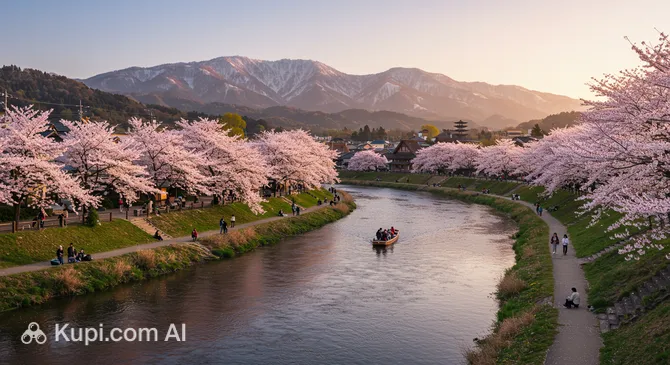
Kitakami. Illustration.
Source: Kupi.com AI

One of the main reasons to visit Kitakami, especially in spring, is the famous Tenshochi Park. Imagine more than 10,000 cherry trees blooming along the river—it is a truly magical sight that attracts thousands of travelers every year. The park is rightfully considered one of the most beautiful spots for cherry blossom viewing in the Tohoku region and offers an unforgettable experience.

Beyond the splendor of the sakura, Kitakami charms visitors with its authenticity and offers a unique opportunity to escape the hustle and bustle of major metropolises. It is a place where you can take leisurely walks and get acquainted with the traditional lifestyle and rich history of the region. If you seek to see the real Japanese countryside and experience its harmony, culture, and hospitality, Kitakami will be a pleasant and memorable discovery for you.

You can find more interesting facts on the history of Kitakami page.

Weather Overview

The weather in Kitakami has a pronounced seasonality. In summer, especially in July and August, the average air temperature is a comfortable 22-24°C. In winter, during January and February, the thermometer drops to an average of -2°C. Expect warm summers with periodic rain and cold, snowy winters in Kitakami. Precipitation occurs throughout the year, with summer and winter months potentially having more days with precipitation, though the total amount is usually moderate.

You can find more detailed information on climate conditions and monthly averages on the Kitakami Climate page.

Average monthly temperature

Average monthly precipitation

Interesting Facts

Beyond its scenic landscapes and traditional atmosphere, Kitakami holds many surprising stories and features that make it a truly unique destination. Here are just a few that might surprise even the most seasoned traveler:

  • Kitakami is part of the prestigious top three spots for cherry blossom viewing in all of northern Japan, alongside famous locations like Hirosaki Castle and the town of Kakunodate. Starting in mid-April, Tenshochi Park turns into the epicenter of a spring festival: numerous stalls with traditional treats line its paths, and a boat ride along the river, sprinkled with sakura petals, leaves a truly unforgettable impression.

  • The city is home to the unique Michinoku Folklore Village—a true open-air museum where about 30 authentic historical houses and structures from all over the Tohoku region have been carefully preserved. Visiting it is literally like traveling back in time to see how the Japanese lived in different eras and to learn about traditional crafts and lifestyles.

  • Kitakami boasts a strategic location at the junction of ancient feudal domains, which has left a deep mark on its rich cultural life and unique festivals. To this day, the traditions of folk dances and theatrical arts are carefully preserved here, and colorful festivals dedicated to the changing seasons and ancient customs are held on a grand scale.

  • The city is shrouded in many legends and tales. Locals enjoy telling mysterious stories about spirits inhabiting the rivers and forests, as well as about valiant ancient samurai who once protected these lands. Some old houses and secluded temples still maintain a special atmosphere of mystery and mysticism, attracting lovers of the unknown.

How to Get There

There are several ways to reach Kitakami, and one of the most common is by flying to one of the nearest airports. The main and closest option is Hanamaki Airport (IATA: HNA). It is located in the city of Morioka, just about 16 km from Kitakami. This regional airport sees a significant flow of passengers, and from here, you can reach the center of Kitakami by taxi or bus in approximately 40-50 minutes.

Another major airport to consider is Akita Airport (IATA: AXT). It is located in the city of Akita and also handles a significant number of flights. The distance from this airport to Kitakami is about 85 km, and a trip by car or taxi will take approximately 2 to 2.5 hours. There are various transfer options to Kitakami from both mentioned airports.

For convenience, here is a summary of the main airports from which you can reach Kitakami:

AirportPassenger trafficDistance
Hanamaki Airport739 12316 km
Akita Airport1.8 mln85 km
Junmachi Airport223 111117 km
Odate Noshiro Airport195 917119 km
Shonai Airport364 815126 km

Upon arriving at the airport, you can use taxi services, rent a car, or check the local bus schedules for your onward journey to Kitakami. Some airports may also have railway connections that allow you to reach Kitakami with transfers. It is recommended to research available transfer options in advance and book them if necessary to ensure your trip is as comfortable and well-planned as possible. It is also worth noting that Kitakami is integrated into Japan's national highway network, making travel by car a viable option as well.

Main Attractions

Kitakami, a scenic city in Iwate Prefecture, offers travelers a wide range of attractions. From magnificent natural landscapes to sites that immerse you in the history and culture of Japan, there is something here for everyone to make their trip memorable and full of impressions.

The main natural attraction and symbol of Kitakami is undoubtedly Tenshochi Park. It is especially beautiful in spring, when over ten thousand cherry trees bloom along the banks of the Kitakami River, creating a breathtaking pink tunnel. It is no surprise that Tenshochi Park is recognized as one of the top one hundred spots for cherry blossom viewing in Japan. It is an ideal place for peaceful walks, outdoor picnics, and, of course, taking stunning photographs against the backdrop of blooming sakura.

If you want to dive deeper into the mysterious world of Japanese legends and local folklore, be sure to visit Michinoku Minwa no Mura and Oni no Yakata. This unique complex, which combines a themed village and a museum dedicated to "oni" demons, allows you to immerse yourself in the atmosphere of ancient tales. Impressive masks, detailed sculptures, and interactive exhibits tell fascinating stories about mythical creatures that play an important role in the region's culture. This is a great opportunity to learn more about Japan's unique traditions.

To immerse yourself in the rich history of Kitakami and its surroundings, visit the Kitakami City Museum. The museum's exhibits cover various eras, from ancient archaeological finds indicating early settlements to household items and artworks reflecting the life and development of the region over many centuries. A visit to the museum is a fascinating journey through time that helps you better understand the cultural heritage of this part of Japan and appreciate its significance.

In addition to these key attractions, Kitakami and its surroundings hide many other interesting places, from ancient temples and shrines guarding centuries-old secrets to cozy art galleries and scenic nature trails perfect for hiking. Each of these locations can add bright colors and unforgettable moments to your journey through this charming Japanese city.

Local Cuisine

The cuisine of Kitakami is a vivid reflection of the natural riches and culinary traditions of northern Japan. The city's gastronomic scene will delight you with the freshness of local products and authentic flavors that will provide an unforgettable travel experience.

It is definitely worth trying dishes prepared from the gifts of the Kitakami River. Among them, the fragrant miso soup with local trout and delicate grilled ayu (sweetfish) stand out. Another iconic dish is koninabu, a hearty and warming soup with vegetables and meat, particularly popular during the colder months. Gastronomic explorers will appreciate home-made pickles made from rare varieties of vegetables grown on local farms, as well as dishes featuring wild vegetables and mushrooms gathered from the surrounding forests.

Street food in Kitakami is a true celebration of taste, especially during the numerous festivals. At markets and street stalls, you can taste yakisoba (fried noodles), taiyaki (fish-shaped cakes filled with sweet bean paste), and fresh onigiri with various fish and vegetable fillings. Local farmers' markets are famous for their organic products and seasonal delicacies, offering a unique opportunity to get to know the true taste of the region.

The food culture in Kitakami is closely tied to seasonality and local traditions. Locals and tourists often visit small family-run restaurants that serve dishes according to ancient recipes. Gastronomic festivals create a special atmosphere, for example, during the cherry blossom season when the riverbank turns into a lively open-air kitchen. Here, you can not only try many dishes but also participate in workshops on preparing traditional Japanese food. As for drinks, a meal is perfectly complemented by traditional Japanese sake or shochu. Among non-alcoholic options, fragrant green tea is consistently popular, and refreshing drinks based on local fruits may also be found.

Travel Tips

Welcome to Kitakami! To ensure your journey to this charming corner of Iwate Prefecture goes smoothly and leaves only pleasant impressions, we have prepared some practical tips. They will help you better navigate and enjoy your stay in Japan.

  1. Clothing and Essentials:

    The climate in Kitakami is characterized by four distinct seasons. In summer (June-August), it is warm and humid, so choose light, breathable clothing. Winters (December-February) are cold and snowy—you can't do without a warm jacket, hat, gloves, and thermal underwear. Spring and autumn offer comfortable weather, but it's best to bring a sweater or light jacket. Be sure to bring comfortable shoes, as you will be walking a lot. Don't forget an adapter for electrical appliances (Japan has 100V voltage, type A and B sockets). When visiting temples and shrines, dress modestly; be prepared to remove your shoes before entering some premises.

  2. Getting Around the City:

    The main form of public transport in Kitakami is the bus. For longer trips around Iwate Prefecture, you can use JR trains. Taxis are available but can be quite expensive; you can use apps like JapanTaxi or Go. Renting a car can be a good option if you plan to explore the natural beauty of the region, but it's not necessary for moving around the city itself. Remember that Japan has left-hand traffic, and you will need an international driving permit to rent a car.

  3. Finances:

    The local currency is the Japanese Yen (JPY, ¥). You can exchange money at banks or post offices. It is recommended to carry some cash with you, as not all small establishments accept cards. Credit and debit cards (Visa, Mastercard) are widely accepted in hotels, large stores, and restaurants. ATMs that accept international cards can be found at Japan Post Bank branches and 7-Eleven stores. Important to know: tipping is not practiced in Japan and may be seen as a misunderstanding, as excellent service is already included in the bill.

  4. Health and Safety:

    Kitakami, like Japan in general, is a very safe place. However, standard precautions never hurt: keep an eye on your belongings, especially in crowded places. Pharmacies (薬屋, kusuriya) are easy to find, but not all are open 24/7. It is recommended to have travel medical insurance. In emergencies, call 110 (police) or 119 (ambulance/fire service).

  5. Communication:

    The official language is Japanese. In tourist areas and large hotels, staff may speak English, but overall English proficiency can be limited, especially in smaller cities like Kitakami. Learn a few basic phrases: "Konnichiwa" (Hello), "Arigato" (Thank you), "Sumimasen" (Excuse me/Sorry). For communication, we recommend purchasing a tourist SIM card or renting a pocket Wi-Fi router. Free Wi-Fi is available in many hotels, cafes, and at stations.

  6. Local Etiquette:

    Japanese people value politeness very highly. Greetings are usually accompanied by a bow. In public places, especially on transport, avoid loud phone conversations. Upon entering a Japanese home, some temples, and traditional restaurants, it is customary to remove your shoes. Do not eat on the go in the street (unless it is a designated area at a festival). Always join the queue if there is one.

  7. What to Avoid:

    Never leave a tip—it is not customary. Do not stick your chopsticks vertically into your rice, as this is associated with funeral rituals. Try not to blow your nose loudly in public; it is better to go to the restroom.

  8. Kitakami Specialty:

    The city of Kitakami is famous for its Tenshochi Park, which is considered one of the best spots for cherry blossom viewing in the entire Tohoku region. If your trip falls in late April to early May, be sure to visit this park and enjoy the thousands of blooming cherry trees. Also, take note of the traditional "Oni Kenbai" dance (demon sword dance)—a vibrant manifestation of local culture.

We hope these tips make your stay in Kitakami even more comfortable and memorable. We wish you a fascinating journey and wonderful discoveries in this beautiful Japanese city!

Entertainment & Nightlife

Nightlife in Kitakami offers guests a cozy and authentic atmosphere rather than the noisy entertainment found in mega-cities. Here, you can immerse yourself in the local flavor, visit traditional establishments, and enjoy a pleasant evening in a calm setting. Most activity is concentrated around Kitakami Station and the adjacent central streets.

In the evening, Kitakami comes alive thanks to numerous izakayas (Japanese pubs), small bars, and restaurants offering local cuisine and drinks. The atmosphere in such places is usually very welcoming and friendly, attracting both locals and tourists. The dress code is generally casual, allowing you to feel comfortable. Most establishments open in the early evening and stay open until midnight or slightly later, especially on weekends.

Besides izakayas, you can find karaoke bars—a popular form of entertainment in Japan where you can have fun with friends. While Kitakami might not have large nightclubs with world-famous DJs, people here value soulful gatherings and quality conversation. To find an interesting spot, take a stroll through the illuminated streets in the city center; the signs and the sound of music will guide you. For the most up-to-date recommendations on specific bars or restaurants, we suggest asking your hotel staff or checking local online resources upon arrival, as popular spots can change.

The best time for evening walks is after 7:00 PM or 8:00 PM, when the venues begin to fill with patrons. Prices in Kitakami's bars and restaurants are generally moderate. You can return to your hotel at night by taxi, which are usually available at the station or can be called by the venue staff. The central areas of the city are considered quite safe for evening walks, though standard precautions should always be observed.

During the day, there is also plenty to do in Kitakami. The city is known for its scenic parks, perfect for walking, especially during the cherry blossom season in spring. You can visit local museums to get closer to the region's culture and history or simply enjoy the leisurely pace of the Japanese countryside. Outdoor enthusiasts can find opportunities for hiking in the surrounding areas.

Parks & Museums

Kitakami, comfortably situated in Iwate Prefecture, offers its guests a wonderful combination of picturesque natural landscapes and rich cultural heritage. This city is a real find for those who want to enjoy the tranquility of nature while immersing themselves in the history and traditions of the region.

The main natural gem of Kitakami is undoubtedly Tenshochi Park. It is famous throughout Japan as one of the best places for cherry blossom viewing. In spring, more than ten thousand cherry trees planted along the banks of the Kitakami River form a stunning two-kilometer tunnel of soft pink flowers. A walk here during the blooming period is an unforgettable sight. However, the park is charming at any time of year, offering well-kept lawns for picnics, shaded paths for walks, and opportunities for outdoor activities. Various festivals are also regularly held here, the most famous being the Kitakami Tenshochi Cherry Blossom Festival.

In addition to the famous cherry blossoms, other interesting green zones can be found within Tenshochi Park or in its immediate vicinity. For example, seasonal flower displays, such as iris or azalea exhibitions, add bright colors and attract flora lovers. Quiet paths along the river are ideal for solitary walks and bird watching, allowing you to take a break from the city bustle.

To gain a deeper understanding of the history and culture of this corner of Japan, it is worth visiting the Kitakami City Museum. Its exhibits tell the story of the region's development, starting from ancient archaeological finds and ending with household items and art from later eras. The museum provides a good idea of how people lived in this area over the centuries and what events shaped its appearance. It is an excellent place for those interested in local history and ethnography.

Not far from Tenshochi Park is another iconic site—the Michinoku Folklore Village (Michinoku Minzoku Mura). This is an impressive open-air museum where authentic historical buildings from all over Iwate Prefecture have been collected. Here, you can see old farmhouses with thatched roofs, samurai residences, and other traditional structures. Visitors can go inside, examine household items, and feel the atmosphere of bygone eras. This is a unique opportunity to travel back in time and get acquainted with the architectural heritage of the region.

For those looking for less-traveled tourist paths, we recommend paying attention to the small temples and shrines scattered around the outskirts of Kitakami. They are often hidden from the main routes but hold a special atmosphere of peace. It is also worth stopping by local markets where you can try seasonal products and observe the daily life of the citizens—this will add authentic impressions to your journey.

Getting Around

When planning your travel around Kitakami, you will find that the public transport system is quite straightforward and primarily centered on bus services and local railway lines. This is typical for Japanese cities of this size and allows for comfortable access to most interesting locations.

The main mode of public transport in Kitakami is the bus. They cover most areas of the city and its immediate surroundings. The route network is developed enough to provide access to key sites. Local trains (such as JR lines) also play an important role and can be convenient for moving between more distant parts of the city or for trips to neighboring towns. It is worth noting that there are no subways, trams, or trolleybuses in Kitakami.

The payment system for travel in Japan, and in Kitakami specifically, is quite convenient. The most popular method is using rechargeable IC cards (such as Suica, Pasmo, or other regional cards if they are accepted in Iwate Prefecture). These cards can be used on both buses and trains by simply tapping them against a reader when entering and exiting. Cash payment is also possible; on buses, you usually need to take a ticket when entering (if it is a zone-based payment system) and pay the corresponding amount to the driver when exiting. The fare amount is often displayed on an electronic board at the front of the bus. Sometimes day passes for certain zones or routes may be available—it is best to check for these at the station or tourist information center.

Tourists will find several practical points useful. IC cards can be purchased and topped up at special machines at railway stations or in some convenience stores (konbini). If you pay by cash on a bus, try to have coins with you, as the driver may not have change for large bills, although many buses have change machines. Buses and trains usually run on schedule, which can be found at stops or online. Operating hours are generally from early morning until late evening, but the frequency of service may decrease in the evening and on weekends.

As an alternative to public transport, taxis are always available in Kitakami. They can be found at stands near the railway station, large hotels, or called by phone. This is a more expensive but comfortable way to get around, especially with luggage or when traveling late at night. Bicycle rental can also be a good option for a leisurely tour of the city and its park areas, especially in good weather; rental points can sometimes be found near stations or tourist sites. Car-sharing services are less common in cities of this size compared to major metropolises.

Accommodation

The choice of accommodation in Kitakami is quite diverse and caters to both business travelers and tourists coming to admire the famous cherry blossoms or go skiing. Modern Western-style hotels predominate in the city, but more traditional accommodation options can also be found.

Most hotels are concentrated in the area around Kitakami railway station. This is the most convenient area to stay: from here, it is easy to reach Tenshochi Park, and the proximity to the station (where Shinkansen bullet trains stop) allows for quick travel around the region. You will find many "business hotels" here—compact, clean, and functional hotels offering all necessary amenities at a reasonable price. They are ideal for those planning an active holiday and using the room mainly for sleeping.

If you are looking for a more authentic experience or a relaxed holiday, it is worth looking at the outskirts of the city or neighboring resort areas, such as Hanamaki, which features traditional Japanese ryokans with hot springs. Within Kitakami itself, closer to the Geto Kogen ski resort, you can find resort-type accommodation options catering to winter sports and nature enthusiasts.

Booking Tip: Kitakami becomes incredibly popular during the cherry blossom season (usually from the second half of April to early May). During this time, as well as during "Golden Week," the demand for accommodation surges and prices rise. It is highly recommended to book your hotel several months in advance if your trip falls on these dates.

The price range in Kitakami is generally lower than in Japan's major metropolises. Budget options and business hotels are available for a moderate sum, while staying at resort hotels or ryokans with meals included will cost more. You can book a room through popular international online platforms or on the hotels' own websites.

Nearby Cities

For those who want to explore the surrounding area, Kitakami serves as an excellent starting point for day trips to several interesting nearby locations:

For example, a trip to Morioka, the capital of Iwate Prefecture, will give you the chance to walk through the picturesque ruins of Morioka Castle, which are especially beautiful during the cherry blossom season, or see the famous "Rock-Splitting Cherry Tree" (Ishiwarizakura) growing through a granite boulder. For fans of cultural events, the summer Sansa Odori festival, one of the largest dance festivals in Japan, is of great interest.

If you are seeking relaxation, then Hanamaki Onsen is the perfect choice. This resort town is famous for its numerous hot springs (onsens), where you can rest your soul and body. Nearby is Oshu, a city with a rich history where you can visit, for instance, the Esashi Fujiwara-no-Sato historical theme park, which recreates the atmosphere of the Heian period.

CityPopulationDistance
Kanegasaki15 33710 km
Oshu112 40216 km
Tohoku-machi16 44917 km
Hanamaki Onsen92 81519 km
Kitakoriyama84 00734 km

These nearby destinations offer a glimpse into the diverse culture and landscapes of the region.

Shopping & Souvenirs

Shopping in Kitakami offers a pleasant combination of modern stores and opportunities to purchase traditional Japanese goods. While the city is not a major metropolis with huge shopping districts, you can find everything you need as well as unique souvenirs reflecting the culture of the Iwate region.

The main shopping spots are concentrated in the city center, especially around the Kitakami railway station. Here, you will find various shops, from small boutiques to chain retailers. A stroll along the central streets will allow you to explore the range of local shops and larger shopping establishments.

There are several shopping centers in Kitakami where you can spend time shopping. One notable example is AEON Town Kitakami, which offers a wide selection of goods, including clothing, food, electronics, and household items. Also worth noting are department stores like Sakurano Department Store Kitakami store, where you can find quality goods and local delicacies.

While Kitakami might not have large traditional markets like some other Japanese cities, you can always find fresh local products in specialty stores or at small seasonal fairs if they are being held during your visit. Keep an eye out for shops selling products from local farmers.

As souvenirs from Kitakami and Iwate Prefecture, consider Nambu Tekki cast ironware, such as teapots or furin bells—this is a famous local craft. Traditional kokeshi dolls, local sake, and various Japanese sweets (omiyage) are also popular. If your visit coincides with the cherry blossom season, you will find many themed souvenirs, as Tenshochi Park in Kitakami is famous for its cherry trees.

Most shops in Kitakami are open from approximately 10:00-11:00 AM to 7:00-8:00 PM. Large shopping centers may have longer working hours. Regarding payment, cash is still widely used, especially in smaller shops. However, credit cards are accepted in shopping centers, department stores, and many other places. Electronic money (IC cards) may also be accepted.

For international tourists in Japan, a tax-free system is available. Look for stores with the "Japan Tax-free Shop" logo. Usually, to process a tax refund, you must make a purchase of over 5,000 yen (excluding tax) in one store within one day and present your passport at the cash desk or a special Tax-Free counter.

Reached the end of the page?

That means the route is fully explored