Support

Kakunodate

About

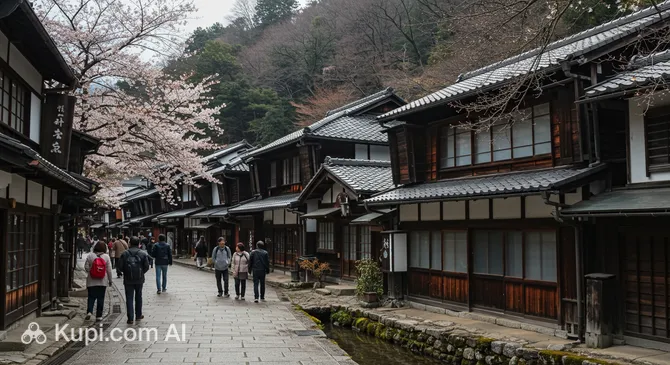
Kakunodate is a true living open-air museum, tucked away in the picturesque Akita Prefecture on the northern part of Honshu island. Stretched along the banks of the Tamagawa River among hills and forests, the town enchants visitors with its seclusion and harmony with nature. Here, a remarkable combination of austere samurai aesthetics and the delicate beauty of Japanese gardens reigns, offering travelers a unique opportunity to see Japan as it was many centuries ago.

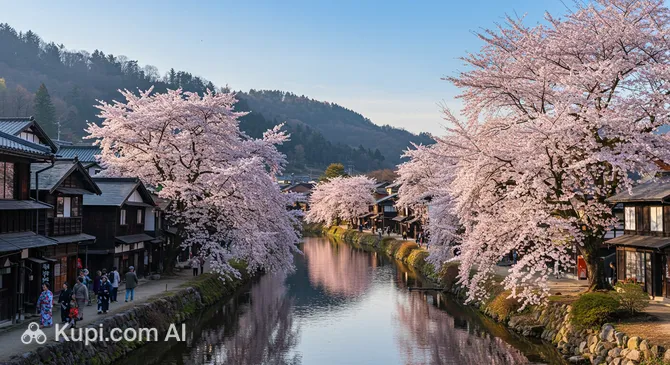
With a population of about 14,000 people, Kakunodate—part of Semboku City—retains its unique identity and charm. It is often called the "Little Kyoto of the North," a comparison that is no accident: entire neighborhoods with authentic Edo-period architecture have been perfectly preserved here, where time seems to have stood still. Cozy, stone-paved streets, high fences, and shaded alleys create an atmosphere of tranquility and dignity.
Kakunodate. Illustration.
Source: Kupi.com AI

The crown jewel of the town is undoubtedly its samurai district. Grand houses of ancient warriors still stand here, many of which are hospitably open to visitors. Within these walls, you can not only see but literally feel the spirit of old Japan: hear the creak of floorboards, inhale the scent of old wood, and touch centuries-old traditions. Kakunodate takes on a special charm in spring, when cherry blossom alleys wrap it in a soft pink cloud of blooming sakura, attracting thousands of hanami enthusiasts from all over the country.

A visit to Kakunodate is a true journey into the past that leaves lasting impressions and an irresistible desire to return. There is no metropolitan hustle here; instead, there is a peaceful silence, harmony, and an authentic Japanese soul. For lovers of history, authentic architecture, picturesque nature, and relaxing escapes, Kakunodate will be a true discovery and an unforgettable stop on your itinerary.

You can find more interesting facts on the Kakunodate city history page.
Weather Overview

The weather in Kakunodate is characterized by distinct seasons. Winters here are cold, with average temperatures in January and February around -2.2°C to -2.8°C, and frequent precipitation, mainly in the form of snow (20-25 days with precipitation). Spring brings gradual warming: in March, the average temperature rises to 2.8°C, and by May it reaches 13.8°C. Summers in Kakunodate are warm and humid; the hottest months are July and August, with average temperatures of 22.5°C and 23.7°C respectively, and a significant number of rainy days (19-21 days). In autumn, the temperature gradually decreases, from a comfortable 19.6°C in September to 6.3°C in November.

Overall, expect warm summers with occasional rain and cold, snowy winters. For more detailed information about the weather by month, including the number of sunny days and humidity, you can visit the weather in Kakunodate page.

Average monthly temperature

Average monthly precipitation

Interesting Facts

In addition to its picturesque streets and samurai estates, Kakunodate holds many fascinating secrets and little-known details that give it a special charm. Here are just a few of them:

Kakunodate Samurai District. Illustration.
Source: Kupi.com AI

Traveler photos:

  • Founded in 1620, the town of Kakunodate is notable for its clear division into two historical districts—the samurai district and the merchant district. Surprisingly, many of the original houses in these quarters are still inhabited by descendants of the first samurai and merchants, who have carefully preserved the traditions of their ancestors for six or seven generations.

  • One of the main jewels of Kakunodate is its famous weeping cherry trees (shidare-zakura). It is believed that the saplings for these trees were brought from Kyoto as a gift to emphasize the town's status as the "Little Kyoto" of the north. The petals of these cherries have a more intense color, and some trees are over 300 years old, having been designated as national natural monuments.

  • The Kakunodate Samurai District is one of the best examples of samurai architecture preserved in Japan. Here you can not only walk through ancient streets but also visit genuine samurai residences, such as the Ishiguro Samurai House, a typical middle-class warrior dwelling, or the extensive Aoyagi Samurai Manor, which now houses a museum with a rich collection of artifacts, including armor, weapons, and household items.

How to Get There

You can reach Kakunodate in several ways, and the choice of the optimal one depends on your starting point and preferences. The most common options for tourists are flights to the nearest airports followed by a transfer, or traveling via Japan's extensive railway network.

While Kakunodate does not have its own airport, several regional airports are located within accessible distance. One of the main options is Akita Airport (AXT), located in Akita City, approximately 30 km from Kakunodate. This is a fairly large airport from which you can reach Kakunodate by taxi or bus in roughly 1 hour to 1 hour 15 minutes.

Another popular choice is Hanamaki Airport (HNA), which serves Morioka City and is located about 52 km from Kakunodate. This is also a significant airport, and the trip to Kakunodate from here will take about 1 hour 35 minutes to 1 hour 50 minutes.

For some travelers, Odate-Noshiro Airport (ONJ), located in Kitaakita City, about 69 km from Kakunodate, may be convenient. This airport is smaller but may offer convenient flights depending on your route. The road to Kakunodate will take approximately 2 hours to 2 hours 15 minutes. Other airports, such as Aomori Airport (AOJ) (about 128 km from Kakunodate) and Shonai Airport (SYO) (about 110 km from Kakunodate), are at a greater distance but can also be considered alternative arrival points for Akita Prefecture.

For clarity, here is a summary of the main airports:

AirportPassenger trafficDistance
Akita Airport1.8 mln30 km
Hanamaki Airport739 12352 km
Odate Noshiro Airport195 91769 km
Shonai Airport364 815110 km
Aomori Airport1.3 mln128 km

In addition to air travel, Japan is famous for its excellent railway network. Kakunodate is also accessible by rail; specifically, Kakunodate Station is an important stop on the Akita Shinkansen line, providing convenient and fast connections to major cities like Tokyo. Traveling by Shinkansen bullet train is not only efficient but also a very comfortable way to experience the country and reach picturesque places like Kakunodate.

Main Attractions

Kakunodate is a real find for those who want to touch samurai history and experience the spirit of feudal Japan. The town carefully preserves its past, offering visitors a unique opportunity to stroll through ancient streets and peer into former warrior residences.

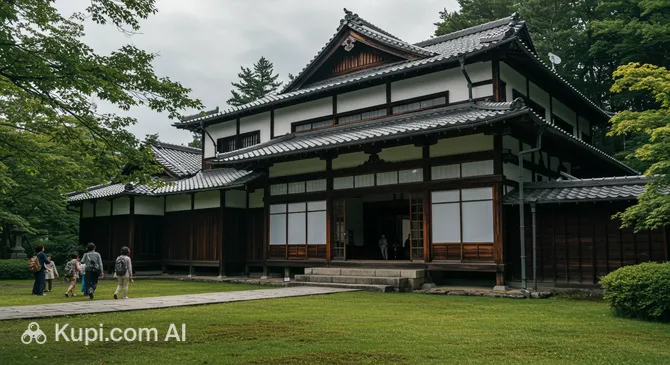
One of the main gems of the town is the Kakunodate Samurai District. This historic area consists of a street lined with former samurai houses, many of which are open to the public. Here you can see traditional architecture, manicured gardens, and feel the spirit of the past. The district is especially beautiful in spring during the cherry blossom season and in autumn when the foliage turns vibrant colors.

Kakunodate Samurai District. Illustration.
Source: Kupi.com AI

Traveler photos:

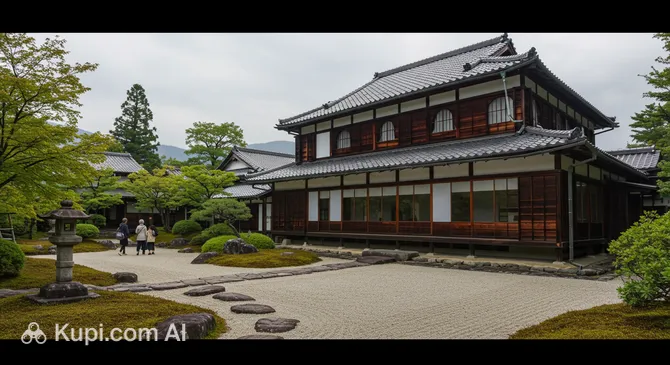
Among the many samurai residences, the Aoyagi Samurai Manor stands out. It is one of the largest and best-preserved estates, which once belonged to an influential samurai clan. Today it is a museum complex where you can see not only living quarters but also collections of weapons, armor, household items, and works of art. A walk through its extensive grounds with several buildings and a garden leaves an unforgettable impression.

Aoyagi Samurai House. Illustration.
Source: Kupi.com AI

Traveler photos:

Another iconic site not to be missed is the Ishiguro Samurai House. This residence also belonged to a high-ranking samurai family and is still partially inhabited by descendants of the original owners. Visitors can tour the main structures, appreciate the refined interiors, and learn more about the lives of the samurai class. The Ishiguro House is famous for its authenticity and perfectly preserved details.

Ishiguro Samurai House. Illustration.
Source: Kupi.com AI

Traveler photos:

These attractions in Kakunodate allow tourists to take a fascinating journey through time and touch the rich cultural heritage of Japan.

Local Cuisine

The cuisine of Kakunodate is a delightful blend of traditional Akita Prefecture flavors and unique local gastronomic finds. Travelers should definitely try kiri-tanpo—savory skewers of mashed rice, grilled over charcoal and served with a rich chicken broth and seasonal vegetables. This dish is not just food, but a symbol of home comfort, especially popular during the cold season.

Another iconic regional delicacy is Inaniwa udon. These thin, hand-stretched noodles, produced exclusively in Akita Prefecture, are famous for their elasticity and delicate flavor. They are served both hot and chilled, often with soy sauce, fresh vegetables, or seafood. In local markets and street stalls, you can discover many seasonal treats: from fresh vegetables and pickled roots to various sweets made from rice and beans, as well as fried sweet potato balls and local pastries.

Sakura no Sato. Illustration.
Source: Kupi.com AI

Traveler photos:

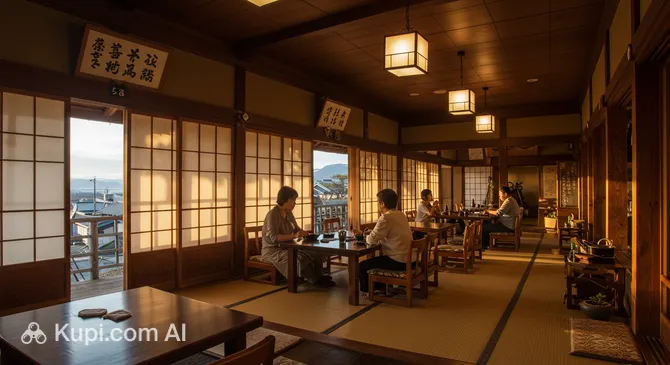
The food culture in Kakunodate is closely tied to tradition and seasonality. Locals and tourists can enjoy authentic dishes in cozy restaurants like Sakura-no Sato, explore food stalls at markets, or dive into the street food atmosphere. Gastronomic festivals add special charm to the town, held in spring during the cherry blossom season, when picnics are organized under the blooming trees, and in autumn during harvest festivals accompanied by tastings of local delicacies.

Among the drinks worth trying, local sake stands out, especially during autumn festivals. In cool weather, a cup of hot green tea, often offered at street stalls, will warm you up. Kakunodate's gastronomic scene attracts with its authenticity, the opportunity to try unique regional dishes, and its warm, welcoming atmosphere.

Travel Tips

Welcome to Kakunodate, the charming town of the samurai! To make your journey through this historic place as comfortable and enjoyable as possible, we have prepared some practical tips. They will help you better navigate and enjoy every moment in this unique corner of Japan.

  1. Clothing and Essentials:

    The climate in Kakunodate is characterized by changing seasons: summers are warm and humid, and winters are cold and snowy. We recommend dressing in layers to easily adapt to weather changes. Be sure to bring comfortable shoes for walking through the historic quarters and visiting temples. Don't forget an adapter for electrical appliances (Japan uses type A and B outlets). When visiting temples and some traditional establishments, you may be required to remove your shoes, so clean socks will also come in handy.

  2. Getting Around Town:

    Kakunodate is a small town, and its main attractions, especially the samurai district, are easy to explore on foot. For longer trips, you can use local buses. Taxis are available but can be a bit pricey. Car rental may be justified if you plan to explore the surrounding Akita Prefecture, but for Kakunodate itself, it is not a necessity.

  3. Financial Matters:

    The local currency is the Japanese Yen (JPY). It is best to exchange currency at the airport upon arrival or at major banks. In Kakunodate, exchange options may be limited. Credit cards are accepted in many hotels, restaurants, and large stores, but always have some cash on hand for small shops, local markets, and paying entry fees. ATMs that accept international cards are most commonly found in post offices (Japan Post Bank) and 7-Eleven stores. Tipping in Japan is not customary and may be perceived as impolite.

  4. Health and Safety:

    Kakunodate, like Japan in general, is a very safe place. Standard precautions, such as keeping an eye on your personal belongings, will be sufficient. Pharmacies (薬局 - kusuriya or ドラッグストア - doraggusutoa) are available in town, but 24-hour ones may not exist. It is recommended to have a basic set of medicines with you. Having travel medical insurance is highly advisable.

  5. Language and Communication:

    The official language is Japanese. English is limited, mainly in tourist spots. Learning a few basic phrases in Japanese, such as "konnichiwa" (hello), "arigato" (thank you), and "sumimasen" (excuse me/sorry), will be highly appreciated by the locals. For connectivity, consider renting a pocket Wi-Fi router or buying a tourist SIM card upon arrival in Japan.

  6. Local Etiquette:

    Japanese people value politeness and respect for tradition. A slight bow is appropriate when greeting. In public places, especially on transport and in temples, try to speak softly. Remove your shoes when entering homes, some temples, and traditional restaurants (ryokans). Do not eat while walking unless it is specific festival street food. Respect order in queues.

  7. What to Avoid:

    Try not to talk loudly on the phone in public places, especially on transport. Never stick your chopsticks vertically into your rice—this is associated with funeral rituals. Also, avoid pointing at people or objects with your finger; use an open palm instead.

  8. Special Tip for Kakunodate:

    If your trip falls in late April to early May, don't miss the chance to see the magnificent cherry blossoms, especially the weeping cherries in the samurai district—it is an unforgettable sight. Kakunodate is also famous for its cherry bark products (kaba-zaiku)—these make for an excellent authentic souvenir.

We hope these tips help you plan an unforgettable trip to Kakunodate and fully enjoy its unique atmosphere and rich history. Have a pleasant journey!

Entertainment & Nightlife

Kakunodate, famous for its beautifully preserved samurai district, offers guests a peaceful and authentic atmosphere rather than a boisterous nightlife in the traditional sense. Evenings here are suited for quiet relaxation, enjoying local cuisine, and immersing oneself in the historical setting.

The main focus of evening entertainment in Kakunodate is shifted toward gastronomy. You will find cozy restaurants here where you can sample Akita regional dishes. One such place is the Sakura-no Sato restaurant, where you can enjoy local specialties in a pleasant environment. Instead of noisy nightclubs, which are practically non-existent here, an evening can be spent in traditional Japanese drinking establishments—izakayas—where sake and various snacks are served. The atmosphere in such places is usually very welcoming and allows for interaction with locals. The nightlife is not concentrated in one single district but is rather represented by individual establishments scattered around the town.

Sakura no Sato. Illustration.
Source: Kupi.com AI

Traveler photos:

Most restaurants and izakayas operate until late evening, but not deep into the night. The dress code is generally casual and relaxed. Prices are moderate but can vary depending on the establishment. It is better to arrive at popular places early or book a table, especially on weekends.

In terms of safety, Kakunodate is a very quiet and safe town, like most small towns in Japan. Night walks along the historic streets can be very pleasant. Public transport runs less frequently at night, so it is better to rely on taxis for late travel. You can call a taxi through your hotel or find them at taxi stands.

During the day, Kakunodate offers a rich cultural program. Be sure to visit the famous Kakunodate Samurai District, where you can look into historical residences such as the Aoyagi Samurai Manor or the Ishiguro Samurai House to get a closer look at the life and history of the samurai. The town also has several small museums and craft shops where you can purchase souvenirs.

Parks & Museums

Kakunodate, often called the "Little Kyoto of the North," attracts travelers not only with its rich history but also with the remarkable harmony between its ancient architecture and picturesque green zones. The town offers a unique opportunity to immerse yourself in the samurai era while exploring both its cultural treasures and natural beauty.

Although Kakunodate does not have traditional large parks in the modern sense, the Kakunodate Samurai District itself feels like an extensive park area. Its wide streets, lined with the famous weeping cherry trees (shidare-zakura), are especially beautiful in spring during the bloom, creating impressive natural arches. Another iconic spot for nature lovers is the banks of the Hinokinai River, where a long alley of Somei Yoshino cherry trees stretches out. This is a popular place for walks and picnics, especially during the sakura season when festivals are held.

Kakunodate Samurai District. Illustration.
Source: Kupi.com AI

Traveler photos:

The main cultural attractions and, in essence, open-air museums are the beautifully preserved samurai residences. Among them, the Aoyagi Samurai Manor stands out. It is a complex of buildings representing one of the largest and most impressive estates in the district. Visitors can tour several houses, a museum with a collection of samurai armor, weapons, historical documents, and household items, as well as a small garden. This is a true immersion into the life and lifestyle of a noble samurai clan.

Aoyagi Samurai House. Illustration.
Source: Kupi.com AI

Traveler photos:

Equally significant is the Ishiguro Samurai House, belonging to one of the most influential families in Kakunodate. This residence, one of the oldest in the district, is still partially inhabited by descendants of the samurai lineage. A portion of the house is open to tourists, where you can see authentic interiors, antique furniture, and learn about the Ishiguro family history. A special feature is that it is the only manor in Kakunodate where you can step inside the main building to see its layout.

Ishiguro Samurai House. Illustration.
Source: Kupi.com AI

Traveler photos:

The entire Kakunodate Samurai District can be considered a vast historical and architectural museum. Walking through its streets with black wooden fences and majestic residence gates allows you to feel the spirit of feudal Japan. For a deeper introduction to local culture, it is worth visiting the Kakunodate Denshokan Museum, which features exhibits dedicated to traditional regional crafts, particularly cherry bark products (kaba-zaiku), as well as the history of Kakunodate.

Tip for travelers: To fully enjoy the atmosphere of the old town, visit Kakunodate on a weekday or early in the morning when there are fewer tourists. Be sure to stop by small shops selling kaba-zaiku items—it is a unique local souvenir and part of the cultural heritage.

Getting Around

Kakunodate is a charming historic town that is best explored at a leisurely pace. Due to its compact size, many attractions here are within walking distance, especially in the famous samurai district. However, for longer trips or for getting to and from the town, there are several transport options.

The main form of public transport in Kakunodate and its surroundings is local buses. They connect the railway station to various parts of the town and some tourist sites. Routes and schedules can usually be found at bus stops and at the station. Rail transport also plays a vital role: Kakunodate Station is served by JR lines, including the Akita Shinkansen, making the town easily accessible from other regions of Japan.

The payment system on buses usually involves cash directly upon boarding or exiting (depending on the type of bus, but usually, payment is made upon exiting based on the distance traveled). Some regional buses may accept universal IC transport cards (like Suica or Pasmo), but it is better to have cash ready. Fares depend on the distance. Train tickets are purchased at the station at ticket offices or vending machines.

Tourists are advised to check bus schedules in advance, as they may not run very frequently, especially in the evening. Bus tickets generally do not need to be bought in advance—payment is made to the driver. For trains, tickets can be bought before departure. Public transport usually operates from early morning until evening, but the frequency of service decreases outside peak hours.

In addition to public transport, other ways of getting around are popular in Kakunodate. Walking is the ideal option for seeing the samurai district and the Hinokinai riverbank. Many tourists prefer to rent bicycles—it is a convenient and pleasant way to explore the town and its surroundings at your own pace. Rental points can often be found near the railway station. Taxis are also available, with stands usually located at the station, though this is a more expensive way to travel.

Accommodation

In Kakunodate, travelers will find various accommodation options that allow them to immerse themselves in the atmosphere of this historic town. The main focus here is on traditional Japanese hospitality, so ryokans (traditional inns) and minshuku (family-run guesthouses) offering a unique experience are widely represented. You can also find more familiar guesthouses and small hotels suitable for different budgets.

The most popular area for staying is undoubtedly the territory near the Kakunodate Samurai District. By choosing accommodation here, you will be within walking distance of the main attractions, such as the Aoyagi Samurai Manor and the Ishiguro Samurai House, and you will be able to fully enjoy the ancient architecture and peaceful atmosphere. Staying in this part of town provides easy access to souvenir shops and local restaurants, such as Sakura-no Sato.

The price range varies from budget options in guesthouses to more expensive and authentic ryokans. It is recommended to book accommodation in advance, especially if your trip coincides with the peak tourist season, such as during the cherry blossom bloom in spring or the autumn leaves viewing. Bookings can be made through popular online platforms or, in some cases, by contacting the chosen accommodation directly.

Nearby Cities

For those who want to explore the surrounding area, Kakunodate serves as an excellent starting point for day trips to several interesting nearby locations:

CityPopulationDistance
Senboku24 51518 km
Yokote84 55631 km
Shizukuishi15 58936 km
Akita302 98443 km
Ugo13 54745 km

These nearby destinations offer insight into the diverse culture and landscapes of the region.

Shopping & Souvenirs

Shopping in Kakunodate offers a unique experience, distinct from the hustle and bustle of major metropolises. The town is famous for its traditional crafts and local products rather than large shopping malls. Here you will find many small shops and boutiques offering authentic Japanese goods, especially handmade items and souvenirs that reflect the region's rich history and culture.

The main shopping activity for tourists is concentrated in the Kakunodate Samurai District area and its adjacent streets. While strolling through this historic district, you will discover many shops selling local delicacies, souvenirs, and artisan crafts. The atmosphere of the old town makes the shopping process especially enjoyable.

Kakunodate Samurai District. Illustration.
Source: Kupi.com AI

Traveler photos:

In Kakunodate, you won't find the large modern shopping centers typical of big cities. The charm of shopping here lies in visiting small, family-owned stores and craft workshops where you can find unique items and chat with the makers.

Although there are no large permanent markets in Kakunodate that would be a tourist attraction in their own right, local fairs or seasonal markets are sometimes held where farmers and artisans sell their products. It is best to check for information about such events locally, for example, at the tourist information center.

Items worth bringing back from Kakunodate include unique cherry bark products known as "kaba-zaiku"—these can be boxes, tea canisters, trays, and other objects. Souvenirs related to samurai themes, local sake, traditional sweets, and ceramics are also popular. Shops at attractions such as the Aoyagi Samurai Manor or the Ishiguro Samurai House also carry interesting themed souvenirs.

Most shops in Kakunodate are usually open from 10:00 or 11:00 AM until 6:00 or 7:00 PM. Some small shops may have their own schedules and a day off (often Wednesday or Thursday). Credit cards are accepted in many places, especially in shops geared toward tourists, but it is always useful to have some cash on hand, especially for purchases in small shops or at occasional fairs.

Foreign tourists in Japan can take advantage of the Tax-Free shopping system when making purchases over a certain amount (usually 5,000 yen) in participating stores. You will need to present your passport to process the tax refund. Look for shops with the "Tax-Free Shopping" sign.

Reached the end of the page?

That means the route is fully explored