Support

Shizukuishi

About

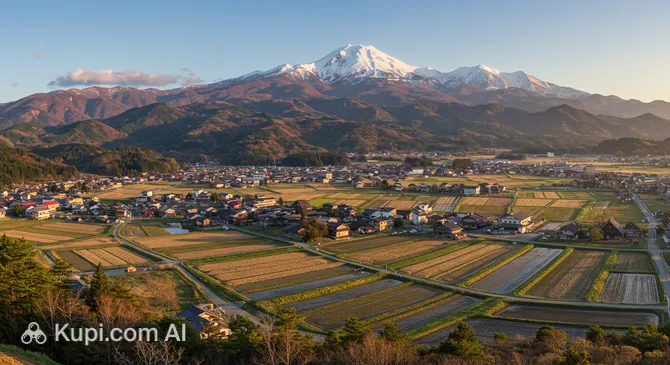
Shizukuishi is a cozy town tucked away among the picturesque mountains of northern Honshu, in Iwate Prefecture. For those drawn to both modern and traditional Japan, this place will be a true discovery. Here, against a backdrop of majestic landscapes where hills are covered with dense forests, a special atmosphere of peace and harmony with nature prevails.

Shizukuishi. Illustration.
Source: Kupi.com AI

With a population of about 15,500 people, the town retains the charm of a small community where every guest feels at home. The unique history of Shizukuishi is inextricably linked to the culture of hot springs and agriculture. The town is famous for its healing onsens, which offer relaxation in any season, and in winter, the local snow-covered slopes transform into a popular destination for skiing and outdoor enthusiasts.

The atmosphere of Shizukuishi is a harmonious blend of a slow pace of life and modern comfort. It is a place to visit to enjoy unique local cuisine, breathe the purest mountain air, and experience the sincere hospitality of the Japanese countryside, far from the noise of large metropolises.

Weather Overview

The climate in this mountain region is characterized by distinct seasonality, offering travelers different experiences depending on the time of year. Winters here are truly cold and snowy: in January, the average temperature stays around -4.5°C, and at night it can drop to -7.8°C. December and January are the "wettest" months with 23 days of precipitation, which guarantees an excellent snow cover for winter sports enthusiasts.

The summer period in the town is quite mild and comfortable, allowing for a rest from the exhausting heat typical of many other regions of the country. The warmest month is August, with an average temperature of 22.7°C and a maximum around 26°C. Expect a moderately warm summer with occasional rain and cold winters with frequent snowfall.

Spring and autumn bring a pleasant coolness: as early as May, the air warms up to a comfortable 13°C, and September pleases with figures around 18.5°C. Before your trip, we recommend checking the detailed weather in Shizukuishi to choose the right wardrobe for walks in the picturesque surroundings.

Average monthly temperature

Average monthly precipitation

Interesting Facts

Beyond its main attractions, Shizukuishi holds many fascinating features that reveal themselves only to the attentive traveler. This town wonderfully combines ancient traditions and natural splendor.

  • A natural treasure in Goshoko Park. One of the city's gems is Goshoko Large Park. It's not just a place for walking, but a true sanctuary of tranquility where ancient trees grow. Locals especially appreciate the park during seasonal changes: in spring, it's filled with the pink haze of blooming cherry blossoms, and in autumn, the alleys are painted in the fiery tones of maple leaves.

  • Center of crafts and ceramics. Historically, the region developed as agricultural, but unique crafts also flourish here. Traditions of hand-processing wood and creating ceramics are still alive in Shizukuishi. In local markets, you can purchase items made using ancient techniques, which make for memorable and authentic souvenirs.

  • Gateway to Tohoku festivals. Thanks to its proximity to the city of Morioka, Shizukuishi serves as an excellent base for visiting famous Japanese festivals. Residents actively participate in the colorful "Chagu Chagu Umakko" horse parade and the grand "Sansa Odori" dance festival, allowing guests to immerse themselves in the festive atmosphere while staying in a quieter and more cozy location.

  • Contrast of fire and ice. The town is known for its perfect combination of winter sports and relaxation. In winter, the mountain slopes attract skiers and snowboarders from all over the country, and after an active day, tourists are welcomed by the famous onsens—hot springs that allow them to warm up and recover amidst snowy landscapes.

How to Get There

When planning a trip to this picturesque corner of Iwate Prefecture, it's worth thinking through the logistics in advance. The town is located in a mountainous area, but thanks to Japan's well-developed transport system, getting here is not difficult. You can find out more about how to get to Shizukuishi to choose the most convenient route.

The most convenient air hub for travelers is Hanamaki Airport (IATA: HNA). Shizukuishi itself does not have its own airport, so flights are received in the neighboring city of Morioka, which is approximately 32.9 km away. A trip from the terminal to the center of Shizukuishi by taxi or rental car will take about 1 hour. This is a regional airport handling domestic and some international flights, making it an excellent starting point for exploring the region.

Another option could be Akita Airport (IATA: AXT), located in the city of Akita, 65 km from the destination. This is a larger transport hub with a higher passenger flow. The journey from here to Shizukuishi by car will take about 2 hours. Choosing this airport may be justified if you are planning a broader route across northern Honshu.

For convenience, here is summary information on the main airports:

AirportPassenger trafficDistance
Hanamaki Airport739 12333 km
Akita Airport1.8 mln65 km
Odate Noshiro Airport195 91775 km
Misawa613 168117 km
Aomori Airport1.3 mln118 km

Regarding rail travel, it is one of the most popular ways to reach the region. Shizukuishi has its own railway station served by the Akita Shinkansen line. This allows tourists to comfortably travel here on high-speed "Komachi" trains directly from Tokyo or the neighboring large city of Morioka. A train journey often turns out to be faster and more scenic than traveling by car, especially during the winter period.

Main Attractions

Shizukuishi offers travelers a wonderful variety of experiences: from historic farms and picturesque gardens to breathtaking ski slopes and relaxing hot springs. Everyone will find something to their liking here, whether it be active outdoor recreation or quiet contemplation of nature.

Koiwai Farm is one of the most famous attractions in the region and a true pride of Iwate Prefecture. Founded over 130 years ago, this private farm is located at the foot of the majestic Mount Iwate. Tourists come here to enjoy pastoral landscapes, taste the freshest dairy products, including the famous soft-serve ice cream, and see the famous "Lone Cherry Tree," which has become a symbol of resilience and beauty. In winter, the farm is transformed by a large-scale illumination festival, creating a fairy-tale atmosphere.

Shizukuishi Ski Resort attracts winter sports enthusiasts from all over the world with its magnificent snow and diverse trails. The resort is known for hosting the Alpine Ski World Championships, which speaks to the high quality of its infrastructure. Here you can find both challenging runs for professionals and gentle slopes for beginners. Snowcat tours are particularly popular, allowing you to watch the sunrise from the mountain peak and be the first to ride on untouched snow.

Oshuku Onsen is a historic resort village with over 450 years of history, located along a picturesque river. Legend has it that the healing properties of these waters were discovered thanks to a wounded bird healing its wings here. Today, it is an ideal place for those who want to rest their body and soul, immersing themselves in traditional Japanese bathing culture surrounded by tranquil nature.

Flower & Garden Mori no Kaze is one of the largest landscape parks in Japan, offering guests the chance to enjoy the beauty of seasonal plants. The garden is divided into several themed zones, including an English garden with roses and water cascades. This place is beautiful at any time of year, but it is especially impressive during the evening illumination, when thousands of lights turn the park into a magical world of light and flowers.

Local Cuisine

Shizukuishi's cuisine is a true mirror of local nature, where seasonality and exceptional product freshness play the leading roles. It is impossible to imagine a trip here without tasting dishes made from river trout, wild mountain herbs, and mushrooms gathered in the surrounding forests. Local chefs skillfully prepare rice with seasonal vegetables, preserving ancient recipes passed down through generations.

Among meat delicacies, the king of the table is Wagyu—high-quality marbled beef. In the town's restaurants, it is most often offered as grilled steaks or in a warming sukiyaki dish. Another gastronomic hallmark of the region is Morioka Reimen. These are chewy noodles in a rich cold broth, served with kimchi, meat, and slices of seasonal fruit, creating a unique balance of spicy and refreshing flavors.

Dairy products hold a special place in the diet, thanks to the proximity of the famous Koiwai Farms. Tourists should definitely try the local milk, homemade cheeses, and legendary soft-serve ice cream. In the cold season, the food culture shifts toward hot dishes: nabe—thick, hearty soups with meat and vegetables served boiling directly in clay pots—are extremely popular.

The town's gastronomic life thrives not only in restaurants but also at morning farmers' markets, where you can buy homemade pickles and traditional Japanese sweets. Regarding drinks, pay attention to the local sake, famous for its smoothness due to the pure mountain water, as well as local craft beer. If you're lucky, you might catch one of the culinary festivals where locals hold true feasts in honor of the harvest.

Travel Tips

A trip to Shizukuishi is an immersion into the authentic atmosphere of the Japanese countryside, which requires a bit of preparation for maximum comfort. To ensure your trip to this picturesque corner, where Japan can be found in its pristine form, goes perfectly, we have compiled a list of the most important practical recommendations.

  1. Clothing and gear. The climate here dictates its own rules: winters in Iwate are snowy and cold, so a high-quality down jacket, thermal underwear, and, most importantly, non-slip footwear are mandatory. In summer, the weather is mild, but it can get chilly in the mountains in the evenings, so a windbreaker won't hurt. If you plan to visit onsens, it's convenient to have a small face towel with you, as some public baths do not provide them for free.

  2. Transport issues. While the town can be reached by train, for exploring the surroundings, such as Koiwai Farm or remote hot springs, renting a car is highly recommended. Public transport (buses) runs infrequently, and schedules may not match your plans. If you don't drive, install taxi-calling apps (e.g., JapanTaxi or GO) in advance, as catching a car on the street in rural areas is difficult.

  3. Finances and cash. Despite the country's high-tech nature, in rural areas like Shizukuishi, the "Cash is King" culture is still strong. Many small restaurants, souvenir shops, and bus ticket machines only accept Japanese yen. Be sure to withdraw cash in advance. ATMs that accept international cards are easiest to find in 24-hour convenience stores (konbini), such as 7-Eleven. Important: Tipping is not practiced in Japan and may confuse the staff.

  4. Health and safety. Shizukuishi is an exceptionally safe place with low crime rates. However, if you plan to hike in the mountains, remember the wildlife: bears live in the forests of Iwate, so it is recommended to buy a special "bear bell" (kuma-suzu). There are drugstores here, but they are rarely open 24/7, so it's better to bring a basic set of medicines with you.

  5. Communication and internet. English is not widely spoken in this region. Locals are very friendly and will try to help, but for full communication, you will need a translation app (Google Translate or DeepL) with an offline Japanese pack downloaded. Free Wi-Fi is available in hotels and at major stations, but for navigating the town, it is better to rent a Pocket Wi-Fi or buy a tourist SIM card at the arrival airport.

  6. Local etiquette. The main rule is to always remove your shoes when entering a house, a traditional inn (ryokan), or some temples; this will be indicated by a change in floor level or the presence of slippers at the entrance. Strict rules apply in onsens: you must wash thoroughly before entering the communal bath, and swimsuits are prohibited. If you have tattoos, check in advance if you will be allowed in, or cover them with a special patch.

  7. What to avoid. Categorically avoid loud phone conversations on public transport and in restaurants—it is considered very impolite. Also, do not try to open taxi doors yourself: in Japan, they are automatic, and you might accidentally break the mechanism or hit a passerby.

  8. Time planning. Life in Shizukuishi slows down quite early. Unlike Tokyo, many restaurants and shops here close as early as 06:00–07:00 PM, especially in the winter season. Plan your dinner in advance or book it at your hotel so you don't go hungry after a busy day.

Following these simple rules will help you easily blend into the measured pace of life in Shizukuishi and avoid awkward situations. Locals appreciate respect for their traditions and will respond with sincere hospitality that will make your trip unforgettable.

Entertainment & Nightlife

Entertainment and nightlife in Shizukuishi are a far cry from the neon lights of Tokyo or Osaka. You won't find noisy night clubs with DJs or red-light districts here. Evening leisure in this town is about immersing yourself in the authentic Japanese culture of "nomikai" (traditional gatherings with alcohol), relaxing in resort bars, and contemplating nature at night. This is a place for those seeking soul-stirring conversation, delicious food, and tranquility.

The center of the town's evening life is the area around Shizukuishi Station. This is where small local bars and izakayas—Japanese gastropubs—are concentrated. The atmosphere in these establishments is very casual and warm. Locals come here after work to drink beer or sake and order various small "tsumami" snacks. There is no dress code: everyone is welcome if they are ready to respect local traditions.

If you want to spend an evening in Shizukuishi, consider the following formats and establishments:

  • Local Izakayas near the station. Take a walk through the streets south of the station. You will see establishments with red "akachochin" lanterns at the entrance. Inside, a cozy, sometimes slightly cramped setting awaits, often with tatami seating. It's worth trying yakitori (chicken skewers) and local sake from Iwate Prefecture. The average check is 3,000–5,000 yen per person. This is the best way to interact with locals, even if you don't know the language—gestures and a smile work flawlessly here.

  • Night skiing and bars at the Prince resort. For those who prefer a more European style of recreation, the Shizukuishi Prince Hotel area becomes the center of attraction. During the winter season, "night skiing" (nighter) is available—lit slopes stay open until evening, creating a very special atmosphere. After skiing, you can relax in the hotel bar, which serves cocktails and whiskey. This is a safe and comfortable option for foreign tourists, where staff often speak English.

  • Winter illuminations at Koiwai Farm. While not a nightclub, this is perhaps the most popular evening entertainment in the region. From late November to January, the famous farm turns into a glowing fairy tale. Thousands of lights decorate the grounds, and stalls sell mulled wine and food. It is an ideal place for an evening stroll, serving as a local alternative to entertainment centers.

Practical tips for evening outings:

Life in the town settles down early. Most restaurants take their last orders around 8:30 PM–9:00 PM, and bars may stay open until midnight, but rarely later. A crucial nuance is transport. There are no night buses, and catching a taxi on the street is almost impossible. Be sure to ask the restaurant to call a car for you, or save the numbers of local taxi services in advance. Also, remember that the level of safety here is very high: you can safely walk the streets at any time, but be careful on unlit roads due to the possibility of wild animals emerging.

Regarding daytime entertainment, Shizukuishi offers a cultural program that perfectly complements evening rest. It's worth visiting the Shizukuishi Craft Village, where you can not only buy souvenirs but also try your hand at pottery or weaving. History buffs will enjoy the Omiyojin History Museum, which tells the story of the local peasants' way of life. For family vacations, the spacious parks at the foot of Mount Iwate are ideal, often hosting daytime festivals and picnics.

Parks & Museums

The cultural and natural landscape of Shizukuishi is inextricably linked to the environment: here, parks seamlessly blend into dense forests, and museums tell stories not of palace intrigue, but of how local residents have learned for centuries to live in harmony with the harsh climate. The town's green zones are not just places for walking, but true showcases of the change of seasons that Japan is so proud of.

Goshoko Wide Area Park is a vast recreational area stretching along the shores of the lake of the same name, formed by a dam. This is a favorite place for family vacations, divided into several themed zones, including "Family Land" with playgrounds and barbecue areas. Tourists are primarily drawn to the park for its scenery: in spring, cherry blossom alleys are planted, creating a pink tunnel, and a majestic bridge spans the lake, offering panoramic views of Mount Iwate reflecting in the water.

For those who want to better understand the region's nature, the Amihari Visitor Center is open. Located at the foot of the mountains, it serves as an educational hub for travelers. Inside are exhibits dedicated to volcanic activity, geology, and the unique ecosystem of the Towada-Hachimantai National Park. Here you can learn how local hot springs were formed and see specimens of the flora and fauna inhabiting the surrounding forests.

The famous Amihari Nature Trails begin from the visitor center. These routes pass through ancient beech forests and marshlands, offering an experience of total immersion in the wild. In summer, you can see the blooming of rare alpine plants, and in autumn, the slopes are painted in bright crimson and gold tones. Walking along the wooden boardwalks among steaming fumaroles allows you to see the "breath" of the volcanic earth with your own eyes.

Among cultural institutions, the Shizukuishi History and Ethnography Museum holds a key place. The museum's collection is unique because it focuses on preserving the region's traditional architectural forms—"Nambu Magariya." These are characteristic L-shaped farmhouses where the living quarters and the stable were under one roof, allowing farmers to care for valuable animals during snowy winters. Visitors can enter real historic buildings, see items from peasants' daily lives, and feel the atmosphere of old Japan.

Insider tip: If you find yourself in Shizukuishi in the spring, be sure to visit the small wetlands around the town to see the blooming of mizubasho (Asian skunk cabbage). These snow-white flowers, blooming immediately after the snow melts, are the unofficial symbol of the arrival of warmth in the Tohoku region, and contemplating them is a special ritual for local nature lovers.

Getting Around

The transport system in Shizukuishi has its own unique features due to the town's location in a mountainous area. The main transport hub is Shizukuishi Station. A surprising feature of this small town is that the "Komachi" shinkansen high-speed trains on the Akita line stop here. This makes the town easily accessible for travelers, allowing them to reach it with comfort and high speed even from distant metropolises.

For getting around within the region, buses are the main type of public transport, although their network is not as dense as in large cities. Routes connect the station with key tourist locations, such as the Oshuku hot springs or Koiwai Farm. It is important for tourists to remember that intervals can be long—an hour or more—and the last trips often depart quite early, around 06:00–07:00 PM. Therefore, studying the schedule in advance is a critically important part of planning.

The fare payment system on local buses differs from that in the capital and may seem unfamiliar. Entry is through the back door. Upon entering, you must take a ticket (seiriken) from a special machine, which indicates the boarding zone number. Payment is made when exiting through the front door: the number on the driver's display will show the fare for your zone. Cash is accepted for payment, so it is highly recommended to have small coins and 1,000 yen bills (there is a change machine on the bus, but it does not accept large bills).

Transport IC cards (such as Suica or Pasmo) are accepted at the railway station for payment on regular trains, but their use on local rural buses may be limited. Special tickets or a valid JR Pass are required for the Shinkansen, which covers the trip to Shizukuishi Station. Train tickets can be purchased at vending machines or ticket offices at the station.

Given the sparse bus schedule, many tourists prefer alternative ways to get around. Taxis can always be found at the stand in front of the station; this is a reliable way to get to a hotel or onsen if you have arrived with luggage. However, the most convenient way to explore the picturesque surroundings is car rental. Rental points are located near the station, and having a car will give you complete freedom of movement, allowing you to visit remote mountain corners where public transport does not go.

Separate mention should be made of service shuttles. Large hotels and ski resorts (for example, Shizukuishi Prince Hotel) often provide free shuttle buses for their guests, running between the station and the hotel. Be sure to check for such a service when booking your accommodation—it will help save significantly on taxis and simplify logistics.

Accommodation

Accommodation in Shizukuishi is not just a search for a place to sleep, but an opportunity to touch the traditional culture of omotenashi hospitality. Unlike large metropolises with their standard business hotels, the area is dominated by atmospheric ryokans (traditional Japanese inns) and resort complexes focused on relaxation and contemplating nature. The range of accommodation varies from cozy family-run guesthouses (minshuku) to luxury hotels with their own hot springs and mountain views.

When choosing a place to stay, you should focus on the purpose of your visit. The most popular and atmospheric area for tourists is Oshuku Onsen. This historic hot spring village is located along the river and offers a wide selection of ryokans, from budget to high-end. Staying here allows you to enjoy healing baths without leaving the hotel grounds. For winter sports and outdoor enthusiasts, the ideal choice would be the area at the foot of Mount Iwate, where large resort hotels with direct access to ski slopes are located.

Special attention should be paid to the type of meal plan when booking. Since Shizukuishi is a rural area where restaurants close quite early, it is highly recommended to choose a "half-board" (dinner and breakfast) rate. Dinner at a local ryokan is usually an exquisite kaiseki-style meal prepared from the freshest seasonal products of Iwate Prefecture, which is a gastronomic adventure in itself.

Booking tips and prices:

  • Seasonality: The highest demand is observed during the ski season (January-February), as well as during "Golden Week" (early May) and the Obon festival (mid-August). It is better to book accommodation for these dates 3–4 months in advance.

  • Price Range:
    Budget (6,000 – 10,000 yen): Small minshukus or guesthouses without meals.
    Mid-range (12,000 – 25,000 yen): Standard hotels and ryokans with dinner and breakfast included.
    Luxury (from 30,000 yen and up): Rooms with private outdoor hot springs (rotenburo) and premium service.

  • Booking Methods: Large hotels are available on popular international platforms. However, for booking authentic small ryokans, it is sometimes better to use Japanese services (which often have English versions) or contact them directly if you speak the language.

Nearby Cities

For those looking to explore the surroundings, Shizukuishi serves as an excellent starting point for day trips to several interesting nearby locations. Thanks to its convenient location, you can easily reach the cultural and historical centers of the Tohoku region.

Just 16 km away is Morioka, the administrative center of Iwate Prefecture. This is a city with a rich history, where the ruins of an ancient castle and Meiji-era red-brick buildings have been preserved. Morioka is also known as the gastronomic capital of the region, where you must try the "three great noodles": wanko-soba, jajamen, and cold reimen.

Those seeking a relaxing holiday should visit Hanamaki Onsen. This famous hot spring resort offers not only healing baths but also a cultural program: it features a magnificent rose garden and a museum dedicated to the beloved Japanese children's author Kenji Miyazawa. It is an ideal place to recharge surrounded by nature.

If you are ready for a slightly longer trip, head to the city of Akita, located on the coast of the Sea of Japan. It is famous for its festival traditions, particularly the renowned Kanto Lantern Festival, as well as its art and history museums. A trip here will allow you to see completely different landscapes and experience the coastal culture of northern Japan.

CityPopulationDistance
Takizawa56 05010 km
Morioka290 55316 km
Yahaba27 63818 km
Kitakoriyama84 00720 km
Senboku24 51521 km

These nearby destinations provide an insight into the diverse culture and landscapes of the region.

Shopping & Souvenirs

Shopping in the town of Shizukuishi is an opportunity to touch the authentic culture of the Japanese countryside. Do not look for multi-story fashion boutiques or galleries of global brands here; instead, the region offers unique locally-produced goods, handicrafts, and high-quality gastronomic souvenirs. Purchases here become an extension of the journey: every item holds the warmth of local craftsmen's hands or the taste of Iwate Prefecture's generous nature.

The center of attraction for tourists wishing to buy something special is Michi-no-Eki Shizukuishi Anekko. This is not just a roadside station, but a true Japanese-style shopping complex. There are shops offering fresh vegetables and fruits grown by local farmers, as well as a wide range of regional souvenirs. Strolling through the shopping aisles, you can find everything from fresh wasabi to rare varieties of local sake. The complex is conveniently located on the road leading to neighboring Akita Prefecture and often serves as a stop for travelers.

If you need to purchase basic necessities, groceries, or clothing, it is worth visiting Aeon Super Center Shizukuishi. This is a large supermarket and shopping center where locals do their daily shopping. It features a wide selection of Japanese cosmetics, household goods, and food at affordable prices. For more extensive shopping, tourists usually head to the neighboring city of Morioka, where the huge AEON Mall Morioka is located, just a 15-20 minute drive from the Shizukuishi border.

Special attention should be paid to the famous Shizukuishi Light Truck Market (Keitora Ichi). This is a unique event that usually takes place in the town center during the warm season (from May to November) on the first Sunday of the month. The main shopping street is closed to traffic, and dozens of small farm trucks (kei-trucks) line up, transforming into stalls. Here you can buy fresh seafood, mountain vegetables, homemade pickles, and handmade items directly from the producers, immersing yourself in the noisy and friendly atmosphere of a rural market.

As souvenirs from Shizukuishi, you should definitely bring back products from the famous Koiwai Farm. Their butter, cheeses, and cookies in beautiful tin cans are known throughout Japan. The region is also famous for traditional crafts: look for wood products, ceramics, and textiles dyed with natural dyes, which can be found in the Shizukuishi Craft Village. Alcohol connoisseurs will enjoy the local sake and craft beer brewed with the purest mountain water.

Most shops in the town operate from 09:00 or 10:00 AM and close quite early—around 06:00–07:00 PM. Supermarkets may stay open longer, until 09:00 or 10:00 PM. Regarding payment, large centers (such as Aeon) and hotel gift shops accept credit cards without any issues. However, at markets, small shops, and at the Michi-no-Eki station, cash (yen) remains the primary and sometimes only method of payment. We recommend always having a supply of bills and coins with you.

The Tax-Free system (consumption tax refund for tourists) is available in a limited number of places. You can process a tax refund at large Aeon stores or in big souvenir shops at popular tourist sites like Koiwai Farm, provided you spend over 5,000 yen. Look for the "Japan Tax-Free Shop" sticker at the entrance and don't forget to bring your passport, as it will be required for the procedure.
Reached the end of the page?

That means the route is fully explored