Support

Ichinoseki

About

Ichinoseki is a charming city nestled in Iwate Prefecture, in the northeastern part of Japan's main island, Honshu. It is a wonderful destination for exploring the lesser-known but equally fascinating corners of Japan, offering travelers a unique blend of natural beauty and cultural heritage.

With a population of about 112,000, Ichinoseki maintains a peaceful and steady atmosphere typical of the Japanese countryside. The city streets are full of cozy charm, and the local people are known for their hospitality and commitment to preserving their rich culture. It is not just an administrative center, but a place where ancient traditions and modern conveniences harmoniously intertwine.
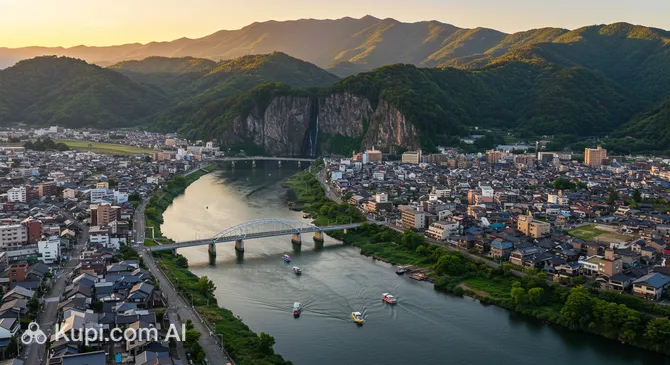
Ichinoseki. Illustration.
Source: Kupi.com AI

The main charm of Ichinoseki lies in its stunning nature and the opportunity to experience authentic Japanese life. The city is surrounded by picturesque mountains, pristine rivers, and dense forests. Nearby, you can explore national parks with impressive volcanic landscapes and relax in healing hot springs (onsens). Local natural wonders are particularly popular, such as Geibikei Gorge, known for its scenic cliffs, and Genbikei Gorge with its unique "flying dango."

Ichinoseki will be a true discovery for those seeking an authentic experience and wishing to see the Land of the Rising Sun away from busy tourist routes. It is the perfect place to enjoy leisurely walks, get acquainted with centuries-old traditions, and discover hidden gems of the Japanese hinterland. Visit Ichinoseki to feel its unique atmosphere and harmony with nature!

You can find more interesting facts on the history of Ichinoseki page.

Weather Overview

The weather in Ichinoseki is characterized by a distinct change of seasons. Summer, especially in July and August, is warm here, with average temperatures around 23-24°C and maximum values reaching 26-27°C. During this period, the highest amount of precipitation falls, up to 6 mm, and there are up to 22 rainy days per month. Winters, conversely, are cold: in January, the average temperature drops below zero (-0.4°C), and minimum temperatures can reach -3.5°C. Precipitation in winter is less abundant (about 2 mm) but distributed over 16-17 days, which often means snowfall. Spring and autumn are transitional seasons with moderate temperatures and rainfall.

Overall, expect a warm and humid summer with frequent rain, and cold winters with regular but usually not heavy precipitation, often in the form of snow. For a more detailed forecast and monthly information, you can visit the Ichinoseki Climate page.

Average monthly temperature

Average monthly precipitation

Interesting Facts

In addition to its picturesque landscapes and rich history, Ichinoseki hides many surprising details and lesser-known stories that make it even more attractive to curious travelers. Here are just a few interesting facts about this corner of Japan:

  • Near Ichinoseki, in the famous Hiraizumi—which was once the spiritual and cultural center of the region and is today a UNESCO World Heritage site—foundations of ancient 12th-century buildings were discovered during construction in 1998. This find opened another page in the rich history of these lands.

  • The city's surroundings are famous for the Kurikoma Quasi-National Park. In autumn, its mountain slopes burst into incredible fiery colors of foliage, creating breathtaking landscapes that attract nature lovers from all over Japan.

  • In Ichinoseki and its vicinity, ancient customs are carefully preserved, many of which are related to agriculture and natural cycles. Local festivals dedicated to the harvest or arts are often accompanied by ancient rituals, and folklore is alive with legends of mountain and forest spirits.

  • Ichinoseki is known as the birthplace of talented traditional craftspeople and artists. Their unique products and works of art not only decorate local galleries but are also highly valued at exhibitions throughout Japan, celebrating the city's rich cultural heritage.

How to Get There

Getting to the city of Ichinoseki, located in the picturesque Iwate Prefecture in Japan, is possible in several ways. For most international and many domestic tourists, the most convenient option will be a flight to one of the regional airports followed by a ground transfer.

The closest airport to Ichinoseki is Hanamaki Airport (HNA), also known as Iwate-Hanamaki Airport. It is located in the city of Morioka, about 55 km north of Ichinoseki. This regional airport serves mainly domestic flights. A trip from Hanamaki Airport to the center of Ichinoseki by taxi or bus will take approximately 1.5-2 hours.

Another important transport hub is Sendai Airport (SDJ), located in the city of Sendai, about 90 km south of Ichinoseki. This is a larger airport with significant passenger traffic, serving many domestic and some international destinations, making it a convenient option for many travelers. The journey from Sendai Airport to Ichinoseki will take about 2.5-3 hours by car or using public transport, including trains.

In addition to flying, Ichinoseki can be reached by train, including the high-speed Shinkansen, to the nearest major railway hubs, from where you should continue the journey on local lines or buses. Traveling by car is also possible thanks to Japan's well-developed road network.

For clarity, here is summary information on the main airports from which you can reach Ichinoseki:

AirportPassenger trafficDistance
Hanamaki Airport739 12355 km
Junmachi Airport223 11188 km
Sendai Airport3.5 mln90 km
Akita Airport1.8 mln109 km
Shonai Airport364 815117 km

Main Attractions

Ichinoseki, a city with a rich history and picturesque nature located in Iwate Prefecture, offers travelers many interesting places to visit. If you are planning a trip here, there are several key attractions that are definitely worth including in your itinerary.

One of the main natural gems is Genbikei Gorge. This stunningly beautiful place, designated as a National Monument of Nature, is famous for the emerald waters of the Iwai River flowing among uniquely shaped rocks. Tourists are particularly drawn to the local attraction known as "kako-dango" or "flying dango": you can order traditional Japanese rice dumplings (dango), and they will be delivered to you in a basket via a rope from the opposite bank. This is not only delicious but also a lot of fun, adding a unique touch to your walk along the gorge.

Equally famous is Geibikei Gorge, which is also a National Monument of Nature. Unlike the turbulent Genbikei, the Satetsu River here flows calmly between majestic limestone cliffs reaching up to a hundred meters in height. Visitors can enjoy a leisurely ride on a traditional flat-bottomed boat, steered by a boatman using a long pole. Often, the boatmen perform local folk songs, creating a special, peaceful atmosphere. There is also a local belief: if you throw a "luck stone" into a small hole in the cliff, your wish will come true.

For those interested in history, an important stop is a visit to the Ichinoseki Castle ruins. Once, a castle belonging to the powerful Date clan stood on this site. Although little remains of the original buildings, the castle grounds have been converted into a park offering beautiful panoramic views of the city. It is an excellent place for a quiet stroll and immersion into the region's feudal past.

The city's cultural heritage is represented, in part, by the Stone and Kenji Miyazawa Museum. This unique museum is dedicated not only to the region's geology, showcasing a rich collection of minerals and fossils, but also to the life and work of Kenji Miyazawa—a famous Japanese poet and writer who was born in Iwate Prefecture and drew inspiration from its nature. The museum will be of interest to both science enthusiasts and lovers of Japanese literature.

Local Cuisine

The gastronomic world of Ichinoseki is a true discovery for lovers of authentic Japanese cuisine based on the freshest gifts of local nature. Culinary traditions are carefully preserved here, and dishes are prepared using rice, vegetables, mushrooms, and fish caught in pristine mountain rivers, giving them a special, unique taste.

Be sure to try soba—buckwheat noodles that are prepared in Ichinoseki according to ancient recipes and served in various styles. A unique gastronomic experience will be tasting dishes made from wild plants and mushrooms gathered in the surrounding forests. Especially in spring and autumn, you can taste delicacies that are rarely found in large cities. Also, pay attention to seasonal vegetable dishes that reflect the region's agricultural bounty.

Among drinks, a special place is held by local sake, known for its mild taste and delicate aroma. You can try it in the city's cozy sake bars. Those with a sweet tooth will enjoy traditional Japanese desserts, often made from rice and sweet bean paste anko.

Food culture in Ichinoseki is closely linked to local products and traditions. At farmers' markets, you can always find fresh vegetables, fruits, homemade pickles, and sweets. Locals and tourists alike love visiting restaurants specializing in regional cuisine. The city is known for its gastronomic festivals, where you can not only enjoy a variety of dishes but also participate in workshops, immersing yourself in an atmosphere of celebration and hospitality.

Travel Tips

Planning a trip to picturesque Ichinoseki? These practical tips will help you better prepare for your journey and get the most out of your stay in this wonderful corner of Japan.

  1. Seasonal Clothing and Useful Items: The climate in Ichinoseki is characterized by distinct seasons. In summer (June-August), bring light, breathable clothing and a raincoat, as rain is possible. In winter (December-February), you will need a warm jacket, hat, gloves, and a scarf, as well as waterproof shoes, especially if you plan to go out into nature. Spring and autumn are wonderful times to visit; dress in layers. It is extremely important to bring comfortable walking shoes, as there are many natural beauties in the vicinity. Don't forget a universal adapter (type A and B sockets are used in Japan, voltage is 100V). When visiting temples and shrines, choose modest clothing that covers shoulders and knees, and be prepared to remove your shoes at the entrance.
  2. Getting Around the City and Surroundings: In Ichinoseki, the main public transport is local buses. Ichinoseki Railway Station is a major transport hub served by JR East lines, including the Shinkansen (high-speed train), which is convenient for traveling to other cities. Taxis are available, especially at the station, but can be expensive for long trips. For exploring natural attractions like Genbikei and Geibikei Gorges, renting a car can be a good option. Remember that an international driving permit is required for this, and traffic in Japan is on the left.
  3. Money Matters: The official currency is the Japanese Yen (JPY, ¥). It is recommended to carry some cash, as not all small establishments and shops accept cards. You can exchange currency at the airport upon arrival in Japan or at banks in major cities. In Ichinoseki, ATMs accepting international cards can be found in post offices (Japan Post Bank) and 7-Eleven convenience stores. Credit cards (Visa, Mastercard) are widely accepted in hotels, large shops, and restaurants. It is important to know that tipping is not practiced in Japan and may be perceived as an insult.
  4. Health and Safety: Japan is one of the safest countries in the world, and Ichinoseki is no exception. The crime rate is very low. Pharmacies ("kusuriya" or "drugstore") are easy to find, but pharmacists do not always speak English. It is recommended to have travel medical insurance. In case of emergency medical assistance, call 119. Observe usual precautions, especially regarding personal belongings.
  5. Language and Communication: The official language is Japanese. The level of English proficiency among the local population may be limited, especially outside of tourist sites. Learn a few basic Japanese phrases like "konnichiwa" (hello), "arigato" (thank you), "sumimasen" (excuse me/sorry)—this will be highly appreciated. For ease of navigation and communication, consider purchasing a local SIM card or renting a pocket Wi-Fi device upon arrival in Japan. Google Maps and Google Translate apps will be useful.
  6. Local Etiquette: Japanese people are very polite and value respect for tradition. Greetings are usually accompanied by a slight bow. Avoid loud conversations in public places, especially on transport and in temples. Remove your shoes when entering homes, some temples, and traditional restaurants (usually there is a special place for this). Do not eat or drink on the go in the street. It is customary to take your trash with you to the nearest bin (sometimes they can be hard to find).
  7. What to Avoid: Try not to point at people or objects with one finger—use an open palm. It is strictly forbidden to stick chopsticks vertically into a bowl of rice, as this is associated with funeral rituals. It is also not customary to pass food from chopsticks to chopsticks.
  8. Local Highlight: Ichinoseki is famous for its picturesque gorges. Be sure to visit Genbikei Gorge, known for its "flying dango" (mochi), and Geibikei Gorge, where you can take a peaceful boat ride along the river. This is a great way to experience the nature of Iwate Prefecture. Also, find out about local festivals if your trip coincides with any of them.

We hope these tips make your journey to Ichinoseki as comfortable and filled with pleasant experiences as possible. Enjoy the beauty of nature, the unique culture, and the hospitality of the local residents!

Entertainment & Nightlife

Ichinoseki, a cozy city in Iwate Prefecture, offers its guests not only picturesque landscapes during the day but also opportunities for a pleasant evening. While the nightlife here is not as bustling as in Japan's major metropolises, it possesses its own authentic charm and offers an immersion into the local atmosphere.

The main concentration of evening establishments is traditionally found around the central Ichinoseki railway station. Here, you will find many traditional Japanese pubs—izakaya, which are the heart of local evening life. These are excellent places to relax after a busy day, try a variety of local dishes, sake, and other drinks in a relaxed setting. Karaoke bars are also popular evening entertainment, where you can have fun with friends singing your favorite songs. Some small bars may offer more modern music and cocktails.

Strolling through the streets near the station, you will likely discover venues with a typically Japanese flavor. For example, you might come across a cozy izakaya with a name like "Sakura" or "Tanuki," serving excellent local sake and various snacks. For singing enthusiasts, there is always a karaoke bar, perhaps under a sign like "Ichinoseki Singing Star" or "Night Melody." You might also find small, more secluded bars, such as a hypothetical "Moonlight Bar," offering a quiet atmosphere. It is important to understand that these are illustrative examples, and the best discoveries are often made spontaneously by exploring the city yourself, as information about small local venues often changes and is not always available in online directories.

The atmosphere in Ichinoseki's nightlife spots is generally very friendly and welcoming. The crowd is mostly local, providing a great chance to get closer to Japanese culture and interact with residents. Most izakayas open in the evening and stay open until late at night, while karaoke and some bars may remain open until the early morning, especially on weekends. There is usually no specific dress code; casual, comfortable clothing is perfectly appropriate.

When planning your evening leisure, keep in mind that the peak activity in bars and izakayas usually occurs after 7:00 PM or 8:00 PM. Prices in Ichinoseki establishments are generally more affordable compared to Japan's large cities. You can get around the city center at night, especially near the station, on foot if your accommodation is nearby. For longer trips, it is better to use a taxi. They can be found at stands near the station or requested through your hotel staff.

Ichinoseki is considered a very safe city, but standard nighttime precautions are never out of place. Try to stick to well-lit streets and use official taxi services. Information on calling a taxi can usually be obtained at your hotel's reception.

During the day, Ichinoseki and its surroundings offer many other entertainments. You can visit local museums to learn more about the history and culture of the region, walk through picturesque parks, or explore the natural beauty for which Iwate Prefecture is famous. For instance, the famous Geibikei and Genbikei Gorges are located near the city, offering unforgettable boat trips and breathtaking views.

Parks & Museums

The city of Ichinoseki and its surroundings offer travelers wonderful opportunities for both outdoor recreation and immersion in the region's cultural heritage. Here you will find picturesque gorges, well-maintained parks, and interesting museums that tell the story of the history and traditions of this part of Japan.

Among the natural beauties, two famous gorges stand out. Genbikei Gorge is known for its impressive rock formations polished by the swift waters of the Iwai River and is a popular spot for walks, especially during the cherry blossom season or autumn leaf fall. Equally attractive is Geibikei Gorge, where you can enjoy a peaceful boat ride along high limestone cliffs while admiring the serene landscapes. For a more tranquil rest within the city limits, Tsuriyama Park is ideal, where locals and tourists can relax amidst greenery and enjoy seasonal events.

To get a closer look at the history and culture of Ichinoseki, it is worth visiting several notable museums. The Ichinoseki City Museum offers a deep dive into the region's past, starting from ancient times, presenting archaeological finds, household items, and artworks related to the city's history. Special attention should be given to the Stone and Kenji Miyazawa Museum. This unique museum is dedicated to the work of the famous Japanese poet and writer Kenji Miyazawa, who drew inspiration from the nature and geology of the region. Here you can see collections of minerals and fossils, as well as exhibits telling the story of Miyazawa's life and his connection to the world of stones. The museum will be of interest to both literature fans and those interested in natural sciences. Small museums dedicated to local crafts or other famous personalities can also be found in the region.

In addition to parks and museums, Ichinoseki and its vicinity are rich in historical sites. You may discover ruins of ancient castles, old temples, and shrines that are silent witnesses to centuries of history. A walk through such places will allow you to feel the spirit of the past more deeply.

For an authentic experience, visit local markets where you can try fresh produce and regional delicacies. And if you are looking for solitude, explore the lesser-known hiking trails around the gorges—this is a great way to enjoy nature away from the tourist bustle.

Getting Around

Public transport in Ichinoseki is primarily represented by buses and railway services, which also play an important role in getting around the city and its surroundings. The city is a significant transport hub through which Shinkansen lines pass; however, for traveling within Ichinoseki itself, tourists will most often rely on bus routes.

The main type of urban transport is buses. They connect various city districts, the railway station, and main attractions. Fare payment in buses is usually made in cash directly to the driver upon exiting. Often, a ticket with a stop number is taken upon boarding, and the cost of the trip is determined by a fare table visible at the front of the bus. Transport IC cards (e.g., Suica, Pasmo) are widespread in Japan and may also be accepted on Ichinoseki buses, which greatly simplifies payment. It is recommended to check the possibility of using a specific card on-site or to carry small-denomination cash.

Railway lines operated by JR East, including local trains, can also be useful for moving between certain areas of Ichinoseki or for trips to nearby towns. Train tickets are purchased at machines in stations or at ticket offices. The cost depends on the distance. For frequent travel on certain routes, passes may exist, but for tourists, single tickets or using IC cards are usually more advantageous.

Practical tips for tourists: bus fares are paid upon exiting, while train fares are paid before boarding. Timetables are usually posted at stops and stations but may be primarily in Japanese. Apps with timetables or route planners (e.g., Google Maps, Japan Travel Navitime) can be very helpful. Buses and trains start running early in the morning and usually end service by midnight; however, the frequency of trips may decrease in the evening and on weekends.

As an alternative to public transport, taxis are available in Ichinoseki. They can be found at stands near the railway station or called by phone. Taxis in Japan are a comfortable but more expensive way to travel. In some tourist zones or at major hotels, bicycle rental may be available, which is a great way for a leisurely exploration of the city and its picturesque surroundings, especially in good weather.

Accommodation

In Ichinoseki, travelers will find a variety of accommodation options to suit different preferences and budgets. The city offers a choice ranging from budget guesthouses and traditional Japanese inns (ryokans), where you can immerse yourself deeper in local culture, to more familiar mid-range hotels. For those who prefer more independence and space, especially during family trips or long stays, apartment rental options are available.

When choosing a place to stay in Ichinoseki, it is recommended to look at areas near transport hubs, such as the railway station, which will ensure ease of movement both around the city and for trips within Iwate Prefecture. Options near major attractions are also convenient. Various types of hotels can be found in the city, from well-known chains to cozy local inns, many of which offer a good level of service and comfort. Information on specific hotels, their location, and availability is best checked on specialized online booking platforms.

When planning a trip, especially during popular seasons such as the cherry blossom time in spring or for autumn foliage viewing, it is worth booking accommodation in advance. This not only guarantees availability but often allows you to secure better rates. The price range in Ichinoseki varies: you can find both budget options and mid-range hotels or more exquisite rooms in traditional ryokans offering a unique experience. The most common booking methods are using popular international and Japanese online platforms, as well as direct booking through official hotel websites.

Nearby Cities

For those who want to explore the surrounding area, Ichinoseki serves as an excellent starting point for day trips to several interesting nearby locations:

CityPopulationDistance
Tohoku-machi16 44922 km
Oshu112 40223 km
Kurihara63 68924 km
Kanegasaki15 33729 km
Kitakami92 34839 km

These nearby destinations offer insight into the region's diverse culture and landscapes, complementing the experience of visiting Ichinoseki.

Shopping & Souvenirs

Shopping in Ichinoseki may not compare to Japan's mega-cities, but here too, you can find interesting goods and souvenirs that will serve as a pleasant reminder of your trip. The city offers both traditional Japanese products and modern goods, with an emphasis often placed on local products and crafts from Iwate Prefecture.

The main shopping spots are generally concentrated around Ichinoseki Station. Here you will find small shops, souvenir stalls, and possibly a few department stores or shopping arcades where you can buy daily necessities, clothing, and local delicacies. Walking along the streets adjacent to the station will allow you to discover local shops with a unique assortment.

While Ichinoseki may not have the giant shopping malls characteristic of major cities, you will likely find several general stores or small shopping complexes offering a variety of goods—from clothing and cosmetics to electronics and household items. Such places are convenient for one-stop shopping.

If you are lucky enough to be in the city on the right day, pay attention to local markets. Morning markets (asaichi) are popular in Japan, where farmers sell fresh vegetables, fruits, as well as local products and preserves. This is an excellent opportunity to get to know the region's gastronomic specialties and purchase something delicious and authentic.

Regarding souvenirs, Ichinoseki and Iwate Prefecture are famous for several unique items. Be sure to look for products made of Nambu Tekki (cast ironware); although the main centers of its production are further north, souvenirs can be found here too. Ichinoseki is particularly known for its mochi culture (rice cakes)—there are many varieties here and even entire ritual mochi meals. Various types of mochi, local sweets, and sake from regional producers make excellent gastronomic souvenirs. Handmade crafts and goods related to natural attractions like Geibikei and Genbikei Gorges are also popular.

Most shops in Ichinoseki are typically open from 10:00 AM or 11:00 AM to 7:00 PM or 8:00 PM. Small private shops may have their own more flexible schedules. As for payment, cash is still widely used, especially in small shops and markets. However, larger outlets and department stores generally accept credit cards. Electronic money (IC cards), popular in Japan, may also be accepted.

For international tourists in Japan, a Tax Free system is available. In shops marked with the corresponding logo, you can apply for a consumption tax refund when purchasing goods over a certain amount (usually over 5,000 yen). You will need your passport for this. Do not hesitate to ask shop assistants about duty-free shopping possibilities.

Reached the end of the page?

That means the route is fully explored