Support

Oshu

About

Oshu is a wonderfully cozy city located in the northeast of Honshu island, in Iwate Prefecture, Japan. It charms visitors with its location in a picturesque valley, surrounded by rolling hills and endless rice fields. Here, nature harmoniously interweaves with the urban environment, creating a unique atmosphere of tranquility and fresh air.
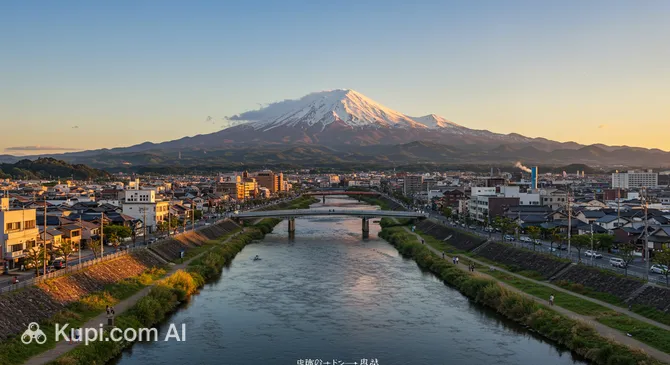
Oshu. Illustration.
Source: Kupi.com AI

With a population of about 112,000 people, Oshu is one of the significant cities in the region. It was formed relatively recently, in 2006, as a result of the merger of several historical settlements, each of which has preserved its unique traditions and character. Today, Oshu serves as an important cultural and economic center for the surrounding areas, offering a harmonious blend of past and present.

Oshu attracts travelers with the opportunity to experience authentic Japanese culture. Here, you can see traditional Japanese houses with elegant tiled roofs, stroll through well-kept gardens, and visit ancient temples that hold centuries-old secrets. The city is also known for its vibrant festivals and workshops where you can get acquainted with local crafts and arts.

If you dream of immersing yourself in the atmosphere of the real Japanese countryside, enjoying the beauty of nature, trying unique local dishes, and discovering little-known pages of the country's history, Oshu will be a true revelation for you. This city will give you sincere hospitality and unforgettable impressions, far from the hustle and bustle of big metropolises.

More interesting facts can be found on the history of Oshu page.

Weather Overview

The climate in Oshu is characterized by clearly defined seasons. Summer, especially in July and August, is warm: the average temperature ranges from +22.8°C to +23.8°C, and the maximum can reach +26°C to +27°C. These months see the highest amount of precipitation (about 6 mm) with up to 19-20 days of rain. Winters in Oshu are cold, with average temperatures in January and February ranging from -1.6°C to -0.8°C and minimum values dropping to -4.6°C. Winter precipitation is about 3 mm per month, with the number of days with precipitation reaching 14-18.

In general, when planning a trip, expect Oshu to have a warm summer with occasional rain and cold winters with frequent precipitation. Spring and autumn offer more moderate weather conditions. For detailed information on weather by month, including the number of sunny days and humidity, we recommend checking the Oshu Climate page.

Average monthly temperature

Average monthly precipitation

Interesting Facts

In addition to its picturesque landscapes and rich history, the city of Oshu holds many surprising details and little-known stories that make it truly unique. Here are just a few of them:

  • Oshu is famous for its "Mizusawa-nuri" lacquerware masters, a tradition passed down from generation to generation. Every year, a craft festival is held here where guests can not only watch the creation of these masterpieces but also try their hand as an apprentice.

  • Unique rural customs are still alive in Oshu, one of which is the springtime "Onigiri-matsuri" festival dedicated to rice balls. Local legend has it that the largest onigiri in the region, weighing over 30 kilograms, was once prepared here!

  • Although Oshu is known as the birthplace of the writer Matsumoto Seicho, not everyone knows that the city has also given the world several sumo and judo champions. In honor of their achievements, Oshu even established its own sports museum.

  • The famous Mizusawa-Ganjoji Temple, founded as far back as the 8th century, was not just a place of pilgrimage. It is believed that it also served as a place of spiritual comfort for warriors before important and long-distance campaigns.

How to Get There

The most convenient way to reach Oshu is by air, using one of the several airports located in the region. Although Oshu does not have its own airport, nearby air hubs provide good connections to other parts of Japan and other countries.

The closest and one of the most convenient options is Hanamaki Airport (IATA: HNA), also known as Iwate-Hanamaki Airport. It is located in the city of Morioka, approximately 32 km from the center of Oshu. This major airport serves many domestic flights. The journey from Hanamaki Airport to Oshu by taxi or bus will take approximately 1 hour to 1 hour 15 minutes.

For travelers arriving on international flights or looking for more flight options, Sendai Airport (IATA: SDJ) is an important transportation hub. It is located in the city of Sendai, approximately 113 km from Oshu. This is a very large airport with a wide choice of domestic and international destinations. The journey to Oshu from Sendai Airport will take about 3 hours by car or using a combination of train and bus, depending on the chosen route.

It is also worth considering Akita Airport (IATA: AXT), located in the city of Akita, approximately 95 km northwest of Oshu. This major airport primarily serves domestic flights. The travel time to Oshu will be about 2 hours 30 minutes to 2 hours 45 minutes by car.

For clarity, here is a summary of the main airports through which you can reach Oshu:

AirportPassenger trafficDistance
Hanamaki Airport739 12332 km
Akita Airport1.8 mln95 km
Junmachi Airport223 111105 km
Sendai Airport3.5 mln113 km
Shonai Airport364 815123 km

Since Oshu does not have its own long-distance railway station, the main way to reach the city is by using road transport from the nearest airports or major railway hubs in neighboring cities. After arriving at one of the mentioned airports, the further journey to Oshu can be continued by rental car, which will also provide the freedom to explore the picturesque Iwate Prefecture. Alternatively, you can use taxi services or local bus lines that connect the airports with the region's settlements. It is recommended to check schedules and transfer options in advance, especially if you plan to use public transport.

Main Attractions

The city of Oshu, located in Iwate Prefecture, offers travelers a unique combination of historical monuments, cultural sites, and scientific achievements. Here, everyone will find something interesting, from ancient temples to modern observatories.

One of the main gems of Oshu is the historical theme park Esashi Fujiwara no Sato. This is a large-scale reconstruction of a city from the Heian period (794-1185), allowing visitors to literally step into the atmosphere of ancient Japan. Here, you can see recreated government buildings, aristocratic residences, and samurai estates. The park is often used as a filming location for historical movies and TV series, which adds to its authenticity and appeal for history and Japanese culture buffs.

For those interested in Japanese history and prominent figures, the Goto Shinpei Memorial Museum is worth a visit. Goto Shinpei was an influential statesman of the Meiji era who made a significant contribution to the country's development. The museum tells the story of his life and work, presenting documents, photographs, and personal belongings. It is a great opportunity to learn more about the man whose ideas and reforms influenced modern Japan.

Lovers of antiquity and spiritual sites will be interested in Kuroishi-dera Temple. This ancient Buddhist temple has a rich history and is known for hosting one of the most unusual festivals in Japan – the Somin-sai, which attracts many participants and spectators. A visit to the temple provides an opportunity to touch centuries-old traditions and feel the peace of this sacred place.

An unusual and educational place to visit is the Mizusawa VERA Observatory, part of the National Astronomical Observatory of Japan. Advanced research in the field of radio astronomy is conducted here. Although access to research areas may be limited, there are often visitor information centers where you can learn about the observatory's work and achievements in space exploration. This place will be especially interesting for those who are fond of science and astronomy.

Local Cuisine

The gastronomy of Oshu is a true immersion into the world of authentic Japanese flavors, where simplicity meets sophistication. The basis of many dishes is the famous local "Hitomebore" rice, grown in the fertile flooded fields around the city. This rice is distinguished by its special sweetness and delicate texture, making it ideal for preparing traditional onigiri (rice balls with filling), as well as side dishes for seasonal vegetables and fish.

You must try "Mizusawa udon" – thick wheat noodles that are the pride of the region. They are served both hot and cold, and the secret of their unique taste lies in the use of the purest spring water and an ancient dough-kneading technique passed down from generation to generation. You can enjoy this dish in cozy family restaurants where an atmosphere of hospitality prevails.

In addition to rice and udon, Oshu's cuisine is rich in other delicacies. Don't miss the chance to taste the freshest trout, skillfully prepared pickled vegetables, and unusual treats made from bamboo. Local farmers' markets always offer seasonal produce, and street vendors provide fragrant fried snacks and sweet buns filled with bean paste. Dishes made from wild mushrooms gathered in the surrounding forests are also particularly popular.

As for drinks, your meal will be perfectly complemented by traditional Japanese green tea. Those looking for something stronger can turn their attention to local sake, which, like many other products here, is of high quality thanks to pure water and centuries-old production traditions.

Food culture in Oshu is closely linked to nature and the changing seasons. Locals and tourists prefer to dine in small restaurants specializing in traditional cuisine, as well as visit lively markets and street stalls for a quick and tasty snack. Gastronomic festivals are another bright feature of the city. In autumn, the new rice harvest festival is celebrated loudly here, and in winter, people warm up at the festival of hot soups and noodles. These events are a great opportunity not only to try authentic dishes but also to participate in cooking workshops.

Travel Tips

Planning a trip to the charming city of Oshu? To ensure your journey through this interesting corner of Japan goes smoothly and leaves only the most pleasant impressions, we have prepared some practical tips for you.

  1. Clothing and Essentials: The climate in Oshu, as in all of Iwate Prefecture, is temperate with four distinct seasons. In summer (June-August), it is warm and humid, so bring light clothing, but don't forget an umbrella or raincoat. In winter (December-February), it can be cold and snowy – dress in layers; you'll need a hat, gloves, and waterproof shoes. Spring and autumn offer mild weather. A key point is comfortable walking shoes, as exploring the city and its surroundings on foot is very pleasant. Don't forget an adapter for electrical appliances (Japan uses type A, 100V). When visiting temples and shrines, choose modest clothing that covers shoulders and knees, and be prepared to remove your shoes.

  2. Transportation in Oshu: The main form of public transport in Oshu will likely be buses. Local trains may be used for moving between city districts or traveling to neighboring settlements. Taxis are available but can be an expensive convenience; check for calling apps upon arrival. Renting a car may be justified if you plan to actively explore the scenic Iwate Prefecture, but for moving within the city itself, it is not always convenient due to a potential lack of parking and left-hand traffic (an international driving permit will be required).

  3. Finances and Payments: The local currency is the Japanese yen (JPY, ¥). You can exchange money at banks or post offices, but it's better to have some yen on arrival. Credit cards (Visa, Mastercard) are accepted in hotels, large shops, and some restaurants; however, cash is still very important, especially in smaller establishments, temples, and when buying souvenirs. Look for 7-Eleven (Seven Bank) or Japan Post Bank ATMs – they usually accept international cards. Tipping in Japan is not practiced; quality service is included in the bill.

  4. Health and Safety: Japan is one of the safest countries in the world, and Oshu is no exception. The crime rate here is very low. Drugstores are easy to find, but not all are open 24/7. Be sure to take out travel medical insurance before your trip. If necessary, contact local clinics; the staff may not always speak English, so a translator app is useful.

  5. Language and Connectivity: The official language is Japanese. English proficiency among the local population may be limited, especially outside tourist zones. Learn a few basic phrases: "Konnichiwa" (Hello), "Arigato gozaimasu" (Thank you), "Sumimasen" (Excuse me/I'm sorry). For constant internet access, consider buying a tourist SIM card (available at the airport or pre-order) or renting a portable Wi-Fi router. Free Wi-Fi is often available in hotels and some public places. Apps like Google Maps and Google Translate will be your indispensable helpers.

  6. Local Etiquette and Communication: Japanese people are very polite and value respectful behavior. A bow (o-jigi) is used more often than a handshake. In public places, especially on transport, try to speak quietly and not disturb others. You must remove your shoes when entering many temples, traditional restaurants, and private homes. Show patience and respect for local customs – this will help build rapport and avoid awkward situations.

  7. What to Avoid: Never leave a tip – it may be perceived as an insult. Avoid blowing your nose loudly in public; if necessary, go to a restroom. It's also important to remember that chopsticks should not be stuck vertically into a bowl of rice, as this is associated with funeral rites.

  8. Oshu's Special Feature: The city of Oshu and its surroundings are rich in history. Don't miss the chance to visit sites associated with the Oshu Fujiwara clan or explore the nearby UNESCO World Heritage sites in Hiraizumi. The region is also famous for its nature and local delicacies, such as Maesawa beef. Inquire about local festivals (matsuri) – your trip might coincide with one of them!

We hope these tips help you better prepare for your trip to Oshu and enjoy every moment of your stay in this amazing corner of Japan. Have a pleasant and unforgettable journey!

Entertainment & Nightlife

In the evening, Oshu reveals a very special side to its guests, offering a chance to immerse themselves in the authentic atmosphere of the Japanese province, far from the bustle of metropolises. Nightlife here flows at a measured pace, emphasizing local traditions and cozy establishments where you can truly relax.

The core of evening entertainment in Oshu consists of traditional Japanese pubs – izakaya. These are ideal places to enjoy local sake or beer paired with a variety of snacks in a relaxed, welcoming setting. Most of these establishments stay open until midnight, and sometimes later, and a strict dress code is rare – the main priority is the comfort of the visitors. The crowd in an izakaya is usually mixed: local residents relaxing after a workday and curious tourists. In addition to izakayas, you can find small bars with a unique atmosphere and, of course, popular karaoke clubs for a fun time with friends. Although Oshu is not famous for boisterous nightclubs like the big cities, you will find plenty of opportunities for a pleasant evening here.

The main centers of Oshu's evening life are usually concentrated around railway stations, for example, near Mizusawa-Esashi Station, as well as on the main shopping streets. This is where you will find the highest concentration of bars, restaurants, and izakayas open late. The atmosphere in these areas is generally very welcoming and safe. To catch the lively atmosphere and guarantee a table at popular izakayas or restaurants, especially on weekends, it is best to arrive around 7:00 PM – 8:00 PM. Bars usually fill up a bit later. The average check in local establishments is quite moderate, allowing you to enjoy the evening without significant expense.

Japan is known for its high level of safety, and Oshu is no exception. Night walks along the well-lit central streets of the city are generally completely safe and comfortable. If you need transportation late at night, a taxi is the most convenient option. You can call a car by phone, through specialized apps (if available in the region), or find them at taxi stands often located near stations. Keep in mind that public transport in Oshu usually stops running before midnight.

While Oshu does not position itself as a hub for the club industry, the city offers many soul-soothing spots for evening leisure. To find a place to your liking, we recommend strolling through the busy streets in the evening, paying attention to signs that look appealing, or asking your hotel staff for advice. Often, the most authentic and memorable experiences are provided by small family-run bars and izakayas that might not have loud advertising but are famous for their atmosphere and quality.

In the daytime, Oshu also won't let you get bored. Guests can dedicate time to exploring the rich history and culture of the region by visiting local museums. Picturesque parks are perfect for leisurely strolls, while historical landmarks tell the story of the area's past. Although Oshu may not have large theme parks, the natural beauty and cultural heritage of Iwate Prefecture, where the city is located, more than compensate for this, offering many options for interesting daytime leisure.

Parks & Museums

Oshu is a city where you can harmoniously combine outdoor relaxation with immersion in local culture. Here you will find picturesque parks for leisurely strolls and interesting museums that tell the story of the region's history and art.

For nature lovers, Oshu offers several wonderful spots. A prime example is the Esashi Fujiwara no Sato historical park. Although it is a theme park recreating the atmosphere of the Heian era with its magnificent architecture, it also offers extensive grounds for walking and historical immersion in the fresh air. In addition, traditional Japanese gardens can be found in and around the city, which are especially beautiful in spring during the cherry blossoms or in autumn when the maples turn crimson.

The cultural heritage of Oshu and Iwate Prefecture is carefully preserved in local museums and historical sites. To gain a deeper understanding of the region's history and its prominent figures, it is worth visiting the Goto Shinpei Memorial Museum, dedicated to the life and work of this influential statesman born in Oshu. Another significant place for experiencing spiritual culture is the ancient Kuroishi-dera Temple, known for its rich history and beautiful architecture. The city may also have other local history museums or art galleries showcasing regional art and crafts.

While walking around Oshu, look out for historical buildings and architectural details that can tell the story of the city's past. Visiting local temples and shrines, like the aforementioned Kuroishi-dera Temple, will allow you to experience a unique atmosphere of tranquility and gain a deeper understanding of Japan's spiritual traditions. These places are not only beautiful but are also an important part of the city's identity.

For an authentic experience of Oshu, we suggest exploring beyond the popular tourist spots. Peek into a local market to see the variety of fresh produce and observe the daily life of the townspeople. You might find a small family cafe serving traditional regional dishes, which would be a delightful gastronomic discovery.

Getting Around

The main ways to get around Oshu and the surrounding areas are buses and local railway lines. The bus network is well-developed, covering most urban areas and connecting key points. For longer distances, such as to other parts of Iwate Prefecture or neighboring cities, it is most convenient to use trains. While Oshu may not have a wide range of specialized tourist passes, the rechargeable IC cards common in Japan are a very convenient means of payment. It is also recommended to check for regional transport apps that can help with route planning and schedule tracking.

The main form of urban transport in Oshu remains buses. Boarding is usually through the rear or middle door where, when paying cash using the zone system, you take a ticket with your boarding stop number (整理券 - seiriken). Payment is made to the driver when exiting through the front door. The amount corresponding to your ticket number is typically displayed on an electronic board above the driver. When using a rechargeable IC card, you must tap it on the reader both when entering and exiting.

The fare system in Oshu is fairly standard for the region. You can pay with cash directly on the bus – it's advisable to have small bills and coins, as drivers may not always be able to provide change for large banknotes. It is much more convenient to use rechargeable transport IC cards (such as the widespread Suica, Pasmo, or their regional counterparts), which allow for quick payment. These cards can usually be purchased and topped up at railway stations or in special machines. The fare usually depends on the distance.

Buses in Oshu usually start running early in the morning and end late in the evening. However, schedules can vary depending on the route and the day of the week (weekdays, weekends, or holidays). It is recommended to check the departure time of the last bus in advance, especially if you plan evening trips. Schedule information can be found at bus stops or on the websites of local transport companies.

As an alternative to public transport, taxis are always available in Oshu. They can be found at special stands near stations, large hotels, or called by phone. Taxis offer a higher level of comfort and speed but are a more expensive option. For leisurely strolls through the city center or park areas, you might consider renting a bike if such a service is available – it's a great way to get to know Oshu better.

Accommodation

In the city of Oshu, tourists are offered a wide range of accommodation options to suit various tastes and budgets. Here you can find traditional Japanese inns – ryokans, offering a unique cultural experience, as well as modern hotels with a standard set of amenities. Guesthouses and potentially apartment rentals are also available for a more independent stay.

When choosing a place to stay in Oshu, it is worth paying attention to areas with good transport accessibility, which will make moving around the city and its surroundings easier. It is also convenient to stay near major tourist attractions or transport hubs if you plan on active trips around the region.

Specific accommodation options in Oshu to consider include, for example, the Oshu Central Hotel, which offers comfortable conditions, or Mizusawa Ryokan, where you can get a deeper look at Japanese hospitality traditions. Of course, these are just examples, and there are many other hotels and guesthouses in the city that meet various requests and preferences.

When planning a trip to Oshu, especially during peak tourist seasons such as the cherry blossom period in spring or the momiji autumn leaf viewing, it is highly recommended to book accommodation in advance. This will help ensure a better selection and more favorable prices, as well as avoid difficulties in finding available rooms upon arrival.

The price range for accommodation in Oshu varies: you can find budget options suitable for thrifty travelers, as well as mid-range hotels or more luxurious offers in ryokans. You can book accommodation through popular international and Japanese online booking platforms, and often directly on the official websites of the hotels or ryokans.

Nearby Cities

For those looking to explore the surrounding area, Oshu serves as an excellent starting point for day trips to several interesting nearby locations:

CityPopulationDistance
Tohoku-machi16 4491 km
Kanegasaki15 3376 km
Kitakami92 34816 km
Ichinoseki111 82423 km
Hanamaki Onsen92 81535 km

These nearby destinations offer a glimpse into the diverse culture and landscapes of the region.

Shopping & Souvenirs

Shopping in Oshu is more about immersing yourself in the local flavor and searching for authentic goods than chasing global brands. The city and Iwate Prefecture are famous for traditional crafts, especially Nambu tekki cast ironware, as well as high-quality food products and sake. Here you will find small specialized shops, stalls with local delicacies, and souvenirs that convey the spirit of northern Japan.

The main shopping points in Oshu are generally concentrated around railway stations, such as Mizusawa, or along the city's central streets. These may be traditional shopping arcades (shotengai), home to small family-run shops offering a variety of goods – from clothing and household items to fresh produce and local sweets. Searching for unique items here can be a fun adventure.

Large modern shopping malls, common in metropolises, are less frequent in Oshu. However, you can find mid-sized department stores or shopping complexes offering a good selection of everyday goods, clothing, and groceries. Sometimes these centers are located near major transport hubs or central streets.

While Oshu may not boast huge markets like big cities, you can find small local markets, especially those specializing in fresh farm produce. Visiting such a market is a great opportunity to try seasonal vegetables, fruits, and other local delicacies. Occasionally, fairs or seasonal markets may be held in the city where artisans present their products.

You should bring back unique souvenirs from Oshu and Iwate Prefecture. An absolute hit are Nambu tekki items – cast iron teapots, furin wind chimes, pans, and other cookware known for their quality and durability. Also look for local sake, traditional Japanese sweets (wagashi), and handmade wood and ceramic items. Don't forget cute Japanese souvenirs – from keychains to textile products with local motifs.

Most shops in Oshu are usually open from 10:00 AM or 11:00 AM until 7:00 PM or 8:00 PM. Small private shops may have their own individual schedules. Large stores and department stores may stay open a bit longer. Regarding payment, cash (Japanese yen) is still widely used, especially in small shops and markets. Credit cards (Visa, Mastercard) are accepted in most department stores, chain stores, and tourist sites, but it's always useful to have some cash on hand.

Tourists in Japan can take advantage of the consumption tax refund system (Tax Free). Look for shops with the corresponding "Japan Tax-free Shop" logo. Usually, to qualify for a tax refund, you need to make a purchase of a certain amount (most often over 5,000 yen) in one shop in one day and present your passport. The refund is processed directly in the shop or at a special service point.

Reached the end of the page?

That means the route is fully explored