Support

Yokote

About

Yokote is a cozy city in the north of Honshu Island, located in Akita Prefecture within the Tohoku region. It is nestled at the foot of the Ou Mountains, the longest mountain range in the country, and lies on the banks of a picturesque river. This location grants the city stunning natural views and clean air, making it attractive for nature lovers. It is here that Japan reveals its traditional and tranquil side to travelers, far from the neon lights of bustling metropolises.

With a population of over 84,000, Yokote is a medium-sized city with a special atmosphere of hospitality. Although it is not the prefectural capital, its cultural significance to the region cannot be overstated. The rich history of Yokote has left its mark on the architecture and local customs, allowing guests to immerse themselves in an atmosphere of antiquity and learn more about the samurai heritage.

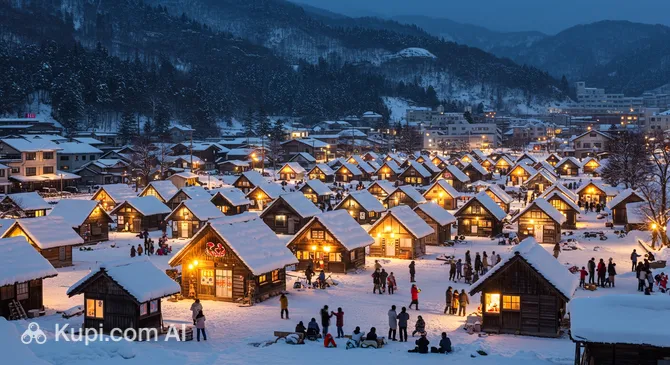
Yokote. Illustration.
Source: Kupi.com AI

The main magnet for tourists is the unique Kamakura winter snow hut festival. This is a mesmerizing sight where hundreds of snow huts are illuminated from within by the soft light of candles, creating a true winter fairy tale. Additionally, the city is famous for its historic Yokote Castle, which offers panoramic views of the surroundings, and excellent opportunities for hiking along mountain trails.

A visit to Yokote is a great opportunity to enjoy the famous local cuisine, explore the natural beauty of the Tohoku region, and experience the authentic spirit of the Japanese countryside.

Weather Overview

The climate in Yokote is characterized by four distinct seasons, each of which gives the city a special charm. Winters here are quite harsh and snowy, typical of Akita Prefecture: in January, the average temperature drops to -1.9°C, and frosts can reach -4.8°C. This time of year is marked by high humidity, with precipitation falling for 25–26 days a month, creating the region's famous snowscapes.

Spring arrives gradually: while in March the air warms to only 3.9°C, by May a comfortable temperature of around 14.4°C is established. Summer in the city is warm but not exhaustively hot. The warmest month is August, with an average of 24.3°C and highs around 27.6°C. When planning your trip, it is worth checking what the weather in Yokote is expected to be like, as rain is common even in summer.

Autumn delights with a mild transition from heat to cold: September retains summer warmth with an average of 20.1°C, but by November the temperature falls to 7.1°C. Expect warm summers with occasional rain and cold, humid winters. Precipitation falls fairly evenly throughout the year, so an umbrella will be a useful accessory on any trip.

Average monthly temperature

Average monthly precipitation

Interesting Facts

Beyond its main attractions, Yokote holds many fascinating secrets and deep traditions that reveal themselves only to the most curious travelers. This city can surprise you not only with its winter landscapes but also with its rich intangible heritage.

  • Snow hospitality with a history. The famous Kamakura festival is not just about building snow figures; it is an ancient ritual with a 450-year history. Inside the cozy snow igloo huts, locals treat passersby to sweets and warm rice wine while offering prayers to the water deity. This event transforms the city into a fairy-tale space where the winter cold yields to the warmth of human connection.

  • The Watchtower Castle. Yokote Castle, built in the 16th century by the Onodera clan, played a key role in the region's defense for a long time. Although the original structure suffered during historical events that reshaped the political map of Japan, today its reconstructed tower serves as a magnificent observation deck. From here, a panorama opens up that allows you to appreciate the strategic importance of this site in the past.

  • The Mysticism of Mount Su. Local folklore is filled with legends about the spirits of the Su Mountains. According to tradition, ancient inhabitants performed special rituals and festivals to appease these spirits and protect their lands from natural disasters. This mystical element adds a special, mysterious atmosphere to a journey through the city's outskirts.

  • Mastery of Generations. Yokote is famous for its craft traditions, which are carefully passed down from father to son. Local masters have reached great heights in woodworking and textiles, as well as in the art of Japanese gardening, creating unique products and landscapes that reflect the soul of the region.

How to Get There

When planning a trip to this picturesque corner of the Tohoku region, it is worth thinking about logistics in advance, as the city is located in the heart of Honshu Island. You can find more about how to get to Yokote on a dedicated page, and below we will look at the main air and land routes.

Yokote does not have its own airport, so travelers typically use the air gateways of neighboring cities. The most convenient and closest option is Akita Airport (IATA: AXT), located in the city of Akita. It is approximately 45 km from Yokote. The journey from there by taxi or bus takes about 90 minutes. This is a major regional hub that receives many flights.

Another popular alternative is Hanamaki Airport (IATA: HNA), which, according to administrative divisions, belongs to the Morioka transportation hub. The distance to Yokote is about 51 km, and the travel time by car is approximately 1 hour and 40 minutes. This airport is also convenient for those traveling through the eastern part of the region.

For clarity, here is a summary of the main airports through which you can reach the region:

AirportPassenger trafficDistance
Akita Airport1.8 mln45 km
Hanamaki Airport739 12351 km
Shonai Airport364 81587 km
Odate Noshiro Airport195 91799 km
Junmachi Airport223 111102 km

As for rail transport, Yokote enjoys good connections with other parts of the country thanks to the Japan Railways (JR) network. The main railway artery is Yokote Station, served by the Ou Main Line and the Kitakami Line. It is worth noting that the Shinkansen high-speed trains do not stop directly in the city itself. Travelers often take the Komachi Shinkansen to the nearby Omagari Station (in Daisen City) and then transfer to a local train that delivers them to Yokote in just 20–30 minutes.

Main Attractions

Yokote's attractions go far beyond winter activities, offering guests a rich cultural program at any time of year. The city and its surroundings are rich in historical monuments, unique museums, and theme parks that reveal the soul of the Japanese heartland.

Dominating the city skyline is Yokote Castle, located on a hill in the park of the same name. The modern building is a reconstruction of a Momoyama-period fortress, built on the site of ancient ruins. Inside the tower is a museum exhibition, but most tourists come here for the observation deck on the top floor. It offers breathtaking views of the Yokote Valley and the Ou Mountain Range. It is especially picturesque in spring during the cherry blossom season, when the park turns into a sea of pink.

You can learn about the region's main winter tradition without waiting for the snow at the Kamakura Hall (Kamakura-kan). This unique pavilion is located near the city hall and maintains a constant internal temperature of -10°C. Real snow igloo-style dwellings are preserved year-round in a special ice room, allowing visitors to experience the atmosphere of the famous festival even in the height of summer. It is an ideal place for unusual photos and for getting acquainted with local folklore.

Fans of modern art and comics should head to the historic Masuda district, home to the Masuda Manga Museum. This is the first institution in the country entirely dedicated to manga culture, featuring a huge collection of original drawings by famous authors. The Masuda district itself is also worth attention: it is famous for its traditional merchant houses with internal "uchigura" warehouses, which impress with luxurious decorations hidden behind modest facades.

For family vacations and an introduction to regional crafts, Akita Furusato Village (Akita Furusato Mura) is an excellent choice. This extensive theme park brings together the best examples of folk art and features a planetarium and a museum of optical illusions. Here you can not only buy handmade souvenirs but also try the authentic local cuisine that Japan is so proud of.

Local Cuisine

Yokote's culinary scene is a harmonious blend of northern traditions and a love for fresh, seasonal products. The cuisine here is characterized by simplicity and richness of flavor, making it ideal for the harsh climate of this region of Japan. Travelers should prepare for hearty dishes that not only satisfy hunger but also warm the body and soul on cold days.

The main culinary specialty that is a must-try is "Yokote Soba". These buckwheat noodles have deep roots in the city's culture. They are traditionally served in a hot, rich broth with generous additions of local vegetables and seafood. This combination of ingredients makes the dish a true savior from winter frosts. The menus of local restaurants are also rich in dishes made from the freshest fish and premium rice, the quality of which is very highly valued in Akita Prefecture.

The food culture in the city is closely tied to the seasons. Locals and tourists often visit farmers' markets where you can find fresh fruits, vegetables, and homemade preserves. Street food in Yokote is famous for its accessibility and authenticity, turning a simple walk into a gastronomic adventure. The winter period adds a special charm to dining: during the festival, guests in the kamakura snow huts are treated to hot tea and traditional sweets, creating an atmosphere of warmth and comfort amidst the snowdrifts.

As for drinks, the region, rich in rice fields and clean water, is famous for its sake. Local rice wine has a smooth taste and perfectly complements a seafood dinner. For those who prefer non-alcoholic options, high-quality green tea is always available, which is customarily drunk hot here while enjoying the quiet rhythm of provincial life.

Travel Tips

Getting ready for a trip to picturesque Akita Prefecture? To ensure your visit to Yokote is as comfortable and carefree as possible, we have gathered a list of useful recommendations to help you plan the perfect itinerary and avoid common beginner mistakes.

  1. Clothing and Seasonality. Yokote is famous for its snowy winters, so for a trip between December and March, it is essential to bring high, waterproof boots with non-slip soles and quality thermal underwear. In summer, it is warm but humid—lightweight "breathable" clothing and a raincoat will be useful. If you plan to visit temples, avoid overly revealing outfits.
  2. Transport. Public transport in the city is not as well-developed as in large metropolises. Buses run infrequently, and there is no subway. For freedom of movement, especially if you want to visit the surrounding areas, it is best to rent a car. Alternatively, use taxis (which can be called via hotel reception) or bicycles during the warmer months.
  3. Finances. The official currency is the yen (JPY). Keep in mind that Japan, especially in the provinces, remains a cash-heavy country. Many traditional restaurants and souvenir shops in Yokote do not accept cards. You can withdraw cash from international cards at ATMs in 24-hour convenience stores like 7-Eleven or Lawson. A daily budget (for food and small expenses) starts from 5,000 yen.
  4. Health and Safety. The city is very safe, but keep natural features in mind. Bears live in the forested areas around the city, so it is recommended to wear a special bear bell when hiking. Drugstores are available in the center, but they rarely stay open 24/7, so it is better to have a basic first-aid kit with you.
  5. Communication and Language. Not many people in Yokote know English. Download an offline translator (such as Google Translate) on your phone in advance—it will be your main helper. It is highly recommended to purchase a SIM card or a pocket Wi-Fi router immediately upon arrival at a major airport, as it will be difficult to find a sales office for tourists in the city itself.
  6. Local Etiquette. Japanese people are extremely polite and value personal space. You must remove your shoes when entering traditional homes, ryokans (inns), and some restaurants. In public places, try to speak quietly, and on transport, switch your phone to silent mode and refrain from talking on your mobile.
  7. What to Avoid. Never leave a tip. In Japan, this is not customary and can put the staff in an awkward position—they will likely return the money to you, thinking you forgot it. Also, you should not eat while walking; it is better to stop or find a bench to enjoy your purchased street food.
  8. Gastronomic Tip. Yokote is known nationwide for its signature dish—Yokote Yakisoba (fried noodles). Look for establishments with an orange flag hanging over the entrance—this is a sign that they serve authentic noodles with a fried egg and fukujinzuke pickles.

Following these simple rules will help you easily find common ground with local residents and feel confident in any situation. May your journey to Yokote be filled only with pleasant discoveries and the warmth of Japanese hospitality!

Entertainment & Nightlife

The nightlife in Yokote is worlds apart from the neon madness of Tokyo or Osaka. Here you won't find noisy nightclubs with world-class DJs or massive discos. Evening leisure in this city is an immersion into the authentic atmosphere of the Japanese province, where comfort, heartfelt conversations, and delicious local food reign supreme. Most activity winds down quite early, so midnight adventure seekers should plan their evening in advance.

The epicenter of evening life is the area around Yokote Station, especially near the East Exit. This is where small bars and restaurants cluster, coming to life after sunset. Walking through the narrow streets, look for the red "akachochin" lanterns—a sure sign that a traditional izakaya is operating inside. This is the Japanese equivalent of a gastropub, where locals gather after work to drink beer or sake and snack on various small dishes.

So-called "snack bars" (sunakku) are particularly popular in Yokote. These are small establishments often run by a hostess called a "mama-san." Here, you pay a fixed cover charge for entry and unlimited alcohol for a certain amount of time, with karaoke serving as the main entertainment. This is a great chance to see how real Japanese people relax, though knowing at least a few phrases in Japanese or having an online translator handy is recommended when visiting such places.

If you are looking for specific places for dinner that transitions into an evening hangout, look for establishments serving the famous Yokote Yakisoba. Many of them stay open late and offer not just noodles but also an excellent selection of drinks. The atmosphere in such places is democratic, and there is no dress code—casual style is appropriate everywhere. The crowd consists mainly of locals and the occasional tourist, guaranteeing a calm and safe environment.

Practical tips for evening strolls:

  • Transport: Trains and buses in the province stop running quite early, often around 10:00–11:00 PM. If you stay out late, the only way to get back to your hotel will be a taxi. They can be found at the station stand or requested through the bar staff.
  • Safety: Yokote, like all of Japan, is exceptionally safe. You can walk the streets at night without worry. However, keep in mind that the streets can be quite dark and deserted.
  • Money: Be sure to carry cash in yen. Small bars and family restaurants often do not accept bank cards. An average bill at an izakaya will be between 3,000 and 5,000 yen per person.

During the day, the city offers quieter but no less interesting entertainment. Culture lovers should visit the Masuda Manga Museum, which houses an impressive collection of original drawings, or stroll through the historic park at Yokote Castle. You can also stop by the Akita Furusato Village theme park to get acquainted with the region's crafts before heading out for an evening promenade.

Parks & Museums

Yokote's green spaces and exhibition venues are a harmonious blend of natural beauty and deep respect for tradition, where ancient landscapes sit alongside unique modern collections. The city offers travelers not only picturesque spots for outdoor strolls but also world-class museums that reveal the soul of the Akita region through art and folklore.

One of the most iconic places for a walk is Yokote Park (Yokote Park), located on the hill where a feudal castle once stood. Today, it houses a reconstruction of the castle tower, which serves as a magnificent observation deck. In spring, the park is transformed, smothered in the pink foam of blooming cherry blossoms, and in autumn, the hillsides are painted in the crimson tones of maple leaves. It is the perfect place to enjoy a panorama of the city and the Ou Mountain Range, breathing in the fresh air and feeling the connection to samurai history.

Flower lovers should definitely visit Asamai Park (Asamai Park), which is famous for its magnificent iris garden. In early summer, usually in late June and early July, the famous Iris Festival (Ayame Matsuri) takes place here. During this time, hundreds of thousands of flowers of dozens of different varieties bloom, turning the park into a living carpet of purple, white, and blue hues. A stroll along the park's well-maintained paths brings peace and allows for stunning photographs.

Among the city's cultural institutions, the Masuda Manga Museum (Masuda Manga Museum) stands out. It is the first museum in the country entirely dedicated to the art of comics and the preservation of original drawings—"genga." It is located in the historic Masuda district, known for its traditional warehouses. The museum's collection houses hundreds of thousands of original works by famous authors, and the interiors, including the famous "Manga Cafe" and walls with autographs, immerse visitors in the fantastic world of Japanese pop culture.

For connoisseurs of classic and contemporary art, the doors of the Akita Museum of Modern Art (Akita Museum of Modern Art) are open. It is located within the "Akita Furusato Village" theme park and impresses with its architecture. The exhibition focuses on the work of artists associated with Akita Prefecture, as well as temporary world-class exhibitions. Spacious halls and skillful lighting allow for detailed viewing of paintings and sculptures that reflect the rich inner world of local creators.

A unique cultural site is the Kamakura Hall (Kamakura-kan), where winter lasts all year. Real snow igloo huts, a symbol of the city, are preserved in a special chamber at -10°C. This allows tourists who arrive in the warm season to touch the magic of the winter festival and learn more about the traditions of worshipping water deities without waiting for snowfall.

If you want a truly authentic experience, visit the historic Masuda quarter not just for the manga museum, but also to see the internal warehouses known as "uchigura." These luxurious storehouses, hidden inside ordinary-looking houses, were a sign of the wealth of local merchants. Many of them are open to the public and function as small galleries or cafes where you can enjoy a cup of tea in the atmosphere of the Edo period.
Getting Around

The transportation system in Yokote differs significantly from bustling metropolises: there is no subway or extensive tram network. The city moves at a calm pace, and the main hub for travelers is Yokote Station. It serves the JR Ou Main Line and Kitakami Line, connecting the city with neighboring regions. Trains are the most reliable way to arrive or depart; however, they are less suitable for moving within the city and its outskirts since the stations are spaced significantly apart.

The primary mode of public transport within the city is the bus, operated by the Ugo Kotsu company. The route network covers the main tourist locations, including the castle district and the historic Masuda quarter. However, tourists should take the schedule into account: services can be infrequent, sometimes with intervals of an hour or more. Buses run strictly on schedule, so it is better to plan your trips in advance by checking the schedules at stops or the tourist information center at the station.

The fare payment system on local buses may seem unusual to newcomers. You enter through the rear door, where you must take a paper ticket (seiriken) from a special machine. The ticket indicates the boarding zone number. When exiting through the front door, you match this number with the electronic display above the driver, which shows the current fare. Payment is made in cash into the machine next to the driver. It is important to have small change, as it is difficult to break large bills on the bus, and transport IC cards (Suica or Pasmo) may not be accepted on many local routes.

Given the scattered nature of the attractions, the most convenient option for tourists is a taxi or car rental. A taxi stand is located right outside the exit of Yokote Station, and drivers generally know the locations of the main hotels and tourist sites. This is an excellent choice for short trips, such as to the castle park, if you do not want to walk uphill.

For those who want to explore the region with maximum comfort and independence, car-sharing or a classic car rental is the best solution. Rental offices are located near the railway station. Having a car will allow you to easily reach outlying places like the Manga Museum in Masuda or the Akita Furusato Village without being tied to the rare buses. During the warm season (from April to November), you can also rent a bicycle at the tourist center near the station—this is a budget-friendly and pleasant way to see the central part of the city.

Accommodation

Staying in Yokote is an opportunity to immerse yourself in the calm rhythm of the Japanese countryside. You won't find massive skyscrapers of international luxury hotel chains here. Instead, the city offers cozy and functional options: from classic business hotels to traditional Japanese inns—ryokans. Most accommodations are oriented toward comfort and practicality, and prices here are generally noticeably lower than in Tokyo or Kyoto.

From a logistics perspective, the most convenient area to stay is the vicinity of Yokote Station. This is where modern Western-style hotels are concentrated, ideal for those traveling by train and planning active trips around the region. Staying here provides quick access to the bus terminal, restaurants, and shops. If your goal is relaxation and cultural immersion, consider hotels and ryokans located a bit further from the center, closer to the natural areas and hot springs for which Akita Prefecture is famous.

When planning your trip, it is critical to consider seasonality. Yokote is a relatively quiet city most of the year, and finding a room is usually not an issue. However, in mid-February, when the famous Kamakura snow hut festival takes place, the situation changes dramatically. During these days, the city is packed with tourists from all over the world, so it is highly recommended to book accommodation for the festival dates 3–4 months, or sometimes even six months, in advance.

The price range varies from budget to mid-range. A night in a standard business hotel is quite affordable, while staying in a ryokan with an included traditional "kaiseki" dinner and onsen access will cost more but will provide unique memories. For booking, you can use popular international online aggregators, as most of the city's larger hotels are represented there. However, remember that small family-run guesthouses often only accept cash, so have a supply of yen on hand when checking in.

Nearby Cities

For those who want to explore the surrounding area, Yokote serves as an excellent starting point for day trips to several interesting nearby locations. The city's convenient location makes it easy to reach the key tourist centers of the Tohoku region, each boasting its own unique character.

Just an hour's drive away is Akita—the administrative center of the prefecture and a major port city on the coast of the Sea of Japan. It is worth heading here to stroll through Senshu Park, laid out on the site of an ancient feudal castle, and to visit the Akita Museum of Art, which houses a famous painting by Tsuguharu Fujita. The city is also famous for its summer festivals and rich traditions.

For lovers of relaxation and natural beauty, Hanamaki Onsen is an ideal choice. This is a famous hot spring resort located in the neighboring prefecture. Here, you can not only enjoy healing baths with a view of the mountains but also visit sites related to the life and work of the beloved Japanese fairytale writer Kenji Miyazawa.

Gourmets should definitely visit the city of Morioka. The capital of Iwate Prefecture is known nationwide for its "Three Great Noodles": Wanko Soba, Jajamen, and Reimen. In addition to gastronomic discoveries, the city offers a chance to see the ruins of Morioka Castle and the unique Ishiwari-zakura cherry tree, which grows directly out of a split granite boulder.

CityPopulationDistance
Ugo13 54718 km
Kakunodate14 13831 km
Yurihonjo73 84045 km
Senboku24 51545 km
Hanamaki Onsen92 81546 km

These nearby destinations provide insight into the diverse culture and landscapes of the region, making your journey through northern Japan even more rewarding.

Shopping & Souvenirs

Shopping in Yokote is primarily a journey into the world of authentic flavors and traditional crafts of the Tohoku region. You won't find districts filled with luxury boutiques or endless rows of fashion brands typical of Tokyo here. Instead, the city offers cozy shops with local products, farmers' stores with the freshest vegetables and fruits, and souvenir departments where you can buy handmade items. It is an ideal place for those seeking unique gastronomic souvenirs and wanting to support local producers.

The city's main commercial life is concentrated in two zones. The first is the area around Yokote Station, home to small shops and the convenient Yokote East complex. Here you can find everything needed for your journey as well as gifts before departure. The second zone of activity stretches along National Route 13. This is typical Japanese provincial "roadside" commerce with large chain stores for electronics and clothing, and supermarkets, which are most conveniently reached by car.

The largest and most popular shopping center in the city is Aeon Super Center Yokote Minami. This is a massive hypermarket that sells literally everything: from food and cosmetics to clothing and household goods. Tourists often stop here to buy Japanese sweets (Kit-Kats with unusual flavors, mochi) at favorable prices, as well as high-quality Japanese cosmetics in the pharmacy department. The complex offers clear navigation and a familiar level of service.

For more colorful shopping, head to the local markets and tourist complexes. The shopping area in the Akita Furusato Village (Akita Furusato Mura) theme park deserves special attention. This is perhaps the best place in the city to buy souvenirs. Under one roof, you'll find goods from all over Akita Prefecture: from famous lacquerware to sake and sweets. Also popular are the "Michi-no-Eki" roadside stations (for example, Michi-no-Eki Jumonji), where farmers sell seasonal fruits and vegetables straight from the garden.

When choosing what to bring back from Yokote, look for the region's culinary brands. The biggest hit is iburi-gakko (smoked pickled daikon), which has a unique smoky aroma and crunchy texture. It is the perfect snack for rice or drinks. You should also buy kits for making Yokote Yakisoba at home to treat friends to the famous noodles. In autumn and winter, local apples and grapes, famous for their sweetness, make wonderful gifts. For alcohol connoisseurs, a bottle of local sake, made from premium rice and the purest water, is a must-purchase.

Shops in Yokote usually open around 10:00 AM and stay open until 8:00 PM or 9:00 PM. Only konbini (convenience stores like Lawson or 7-Eleven) are open 24/7. Regarding payment, Japan is gradually moving toward cashless transactions, but in the provinces, cash still plays a major role. Cards are accepted without problems in large supermarkets and shopping centers, but in small souvenir shops, markets, or traditional candy stores, you may be asked for cash yen.

The Tax-Free system (tax refund for tourists) is available in large chain stores like Aeon and in some large drugstores. Look for the special logo with a cherry blossom and the words "Japan. Tax-free Shop" at the entrance or checkout. To use the service, you must have your passport with an entry stamp and make a purchase over 5,000 yen (excluding tax) in one store on a single day.

Reached the end of the page?

That means the route is fully explored