Support

Tsuruoka

About

Tsuruoka is a true gem of northern Japan, nestled along the Sea of Japan coast in Yamagata Prefecture. Surrounded by picturesque mountains and the fertile Shonai plains, the city offers a unique atmosphere of peace and harmony with nature. Thanks to its unique location, Tsuruoka serves as a gateway to the sacred Dewa Sanzan—three peaks that have long been revered as a major site for spiritual pilgrimage.
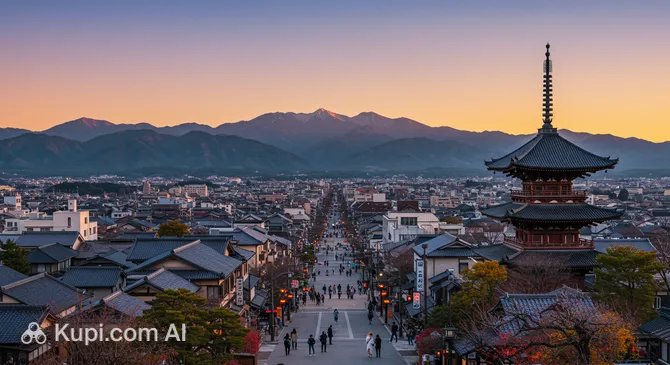
Tsuruoka. Illustration.
Source: Kupi.com AI

With a population of approximately 121,000 people, Tsuruoka is the second-largest city in Yamagata Prefecture, yet it maintains a remarkably calm and steady pace of life. Narrow streets, historic wooden houses, traditional shops, and scenic parks invite visitors to take leisurely strolls. The city takes great pride in its rich history, closely tied to the powerful Sakai clan, and its heritage as a castle town is still evident in its architecture and layout.

The main charm of Tsuruoka lies in its harmonious blend of ancient traditions and natural beauty. Here, you can immerse yourself in the atmosphere of old Japan, visit art and photography museums, enjoy healing hot springs, or go hiking in the mountains. Tsuruoka is an ideal destination for those seeking inspiration, tranquility, and authentic Japanese hospitality, offering travelers truly unforgettable experiences.

You can find more interesting facts on the history of Tsuruoka page.
Weather Overview

The weather in Tsuruoka is characterized by a distinct change of seasons. Summer, especially in July and August, is quite warm with average temperatures around 23-25°C, but it is also humid with frequent rain. Winter, from December to February, is cold, with average temperatures hovering around 0-3°C and frequent precipitation, which often falls as snow during this period. Spring and autumn are transitional seasons with moderate temperatures and rainfall. Expect warm summers with occasional rain and cold, snowy winters.

To plan your trip in the best possible way, we recommend reviewing more detailed information: Climate in Tsuruoka.

Average monthly temperature

Average monthly precipitation

Interesting Facts

In addition to its famous landmarks, the city of Tsuruoka holds many surprising stories and unique features. Here are just a few that will help you see this Japanese city from a new perspective:

Tsuruoka Park. Illustration.
Source: Kupi.com AI

Traveler photos:

  • Tsuruoka is one of the few cities in Japan designated as a "UNESCO City of Gastronomy." The city earned this prestigious title for its dedication to preserving unique culinary traditions and its active use of local farm products, offering foodies a truly unique taste experience.

  • The city is inextricably linked to the mystical Dewa Sanzan mountains (Haguro, Gassan, and Yudono). These three sacred peaks are symbols of rebirth and the journey of life in the Shinto tradition, and ancient rituals and festivals involving yamabushi—mountain ascetics—are still held here today.

  • Tsuruoka is home to Japan's first photography museum dedicated to the prominent master Ken Domon. Its extensive collection houses over 70,000 works capturing post-war Japan and the daily lives of its people, making the museum a significant cultural center.

  • Near Tsuruoka, there is a picturesque legend about Maru Pond. Lore says its water is so crystal clear and has such a deep emerald hue that it possesses healing powers, drawing those in search of peace and miracles.

How to Get There

When planning a trip to the charming city of Tsuruoka in Yamagata Prefecture, travelers can choose from several transport options. The most common way to reach Tsuruoka, especially for international tourists, is by flying to one of the nearest major airports followed by a transfer. It is also worth considering rail travel within Japan, known for its efficiency, although there may not be direct international rail links to Tsuruoka.

Primary air access to Tsuruoka is provided through several regional and international airports. The closest option is Shonai Airport (SYO), located in the city of Sakata, just 10 km from Tsuruoka. This is a small but convenient regional airport from which you can reach central Tsuruoka by taxi or bus in about 30-40 minutes. It is ideal for those traveling within Japan on domestic flights.

Another accessible airport is Junmachi Airport (GAJ), located in Yamagata City, approximately 59 km from Tsuruoka. The trip from this small airport to Tsuruoka takes about 1 hour 45 minutes to 2 hours. It also primarily serves domestic routes.

For travelers arriving on international flights or looking for a wider selection of destinations, Sendai Airport (SDJ) is a good choice. This major international airport is located in Sendai, about 115 km from Tsuruoka. The journey from there to Tsuruoka will take roughly 3 to 3.5 hours, but the flight options and connection convenience can compensate for the longer transfer.

For clarity, here is a summary of the main airports used to reach Tsuruoka:

AirportPassenger trafficDistance
Shonai Airport364 81510 km
Junmachi Airport223 11159 km
Akita Airport1.8 mln104 km
Niigata Airport1.1 mln106 km
Sendai Airport3.5 mln115 km

Main Attractions

Tsuruoka, located in Yamagata Prefecture, offers its guests a chance to explore a rich cultural heritage and breathtaking nature. Among the city's many interesting sites, several attractions stand out as must-visit locations.

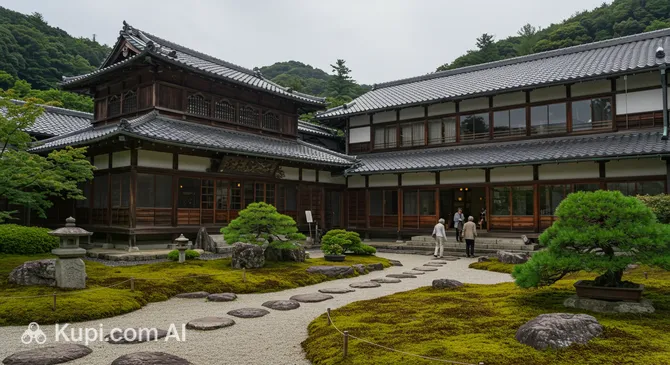
One of the city's key cultural hubs is the Chido Museum. This museum complex is the former residence of the Sakai clan, who once ruled the Shonai region. Visitors can explore historical buildings, including samurai quarters and armories, and view a collection of artifacts detailing the region's history and daily life. The museum is particularly fascinating for those interested in Japanese history and traditional architecture.

Chido Museum. Illustration.
Source: Kupi.com AI

Traveler photos:

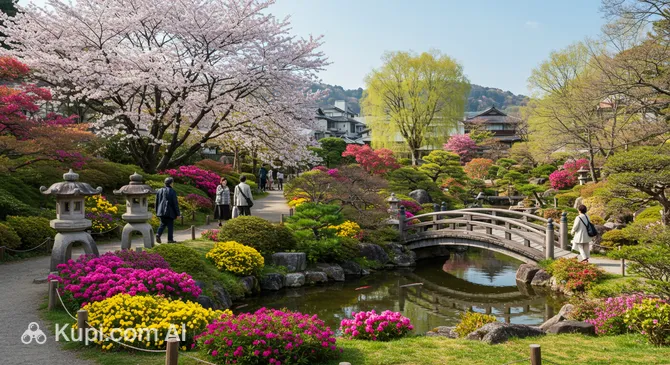
For nature lovers and those seeking peaceful walks, Tsuruoka Park is an ideal destination. This expansive park was established on the site of the former Tsurugaoka Castle. Today, it is a popular recreation spot for locals and tourists alike, becoming especially beautiful during the cherry blossom season. The park preserves remains of the castle moats and walls and houses various cultural sites, including shrines. It is a perfect place to escape the city bustle and enjoy the beauty of a Japanese garden.

Tsuruoka Park. Illustration.
Source: Kupi.com AI

Traveler photos:

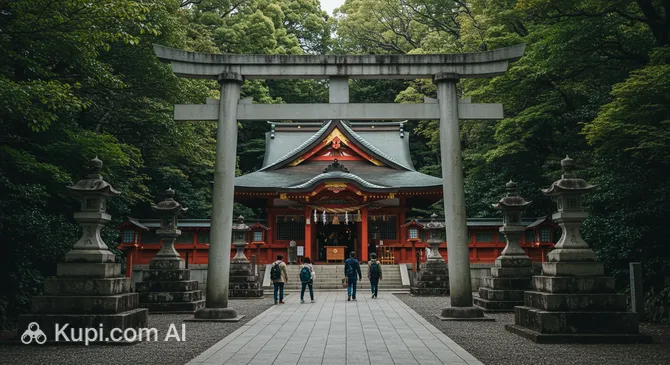
Located near the park is the Shōnai Shrine, dedicated to the ancestors of the Sakai clan. This important Shinto shrine attracts visitors with its serene atmosphere and beautiful architecture. It serves as a center for many local festivals and religious ceremonies, providing a deeper look into Japan's spiritual life. A visit to the shrine offers an opportunity to connect with traditional Japanese beliefs.

Shonai Shrine. Illustration.
Source: Kupi.com AI

Traveler photos:

These attractions represent just a portion of what Tsuruoka has to offer. The city is also famous for its cuisine, especially seafood, making gastronomic discoveries a wonderful addition to your cultural program. For instance, you can visit Kintaro Sushi Shinsai Branch to sample local delicacies.

Local Cuisine

Tsuruoka is a true paradise for foodies looking to experience authentic Japanese cuisine. Culinary traditions here are carefully preserved and passed down through generations. The foundation of local cooking is based on the gifts of nature: wild mountain greens known as sansai, fresh vegetables grown on the fertile Shonai plains, and, of course, the famous "Shonai-mai" rice.

Be sure to try the traditional imoni soup—a hearty and aromatic dish made from taro and beef that will warm you up in any weather. Thanks to its proximity to the Sea of Japan, you can always enjoy dishes made with the freshest fish and seafood in Tsuruoka. This could be exquisite sashimi or simply grilled fish, which is often sold at street stalls. Don't miss the chance to taste dishes featuring wild mountain greens, which give them a unique local flavor.

When it comes to drinks, the local sake made from Shonai-mai rice is a must-mention. The Oyama district is particularly famous for this, being home to four renowned sake breweries. If your trip falls in February, don't miss the new rice wine festival, where you can enjoy free tastings of fresh brews. Among non-alcoholic options, various herbal teas and juices made from local fruits are popular.

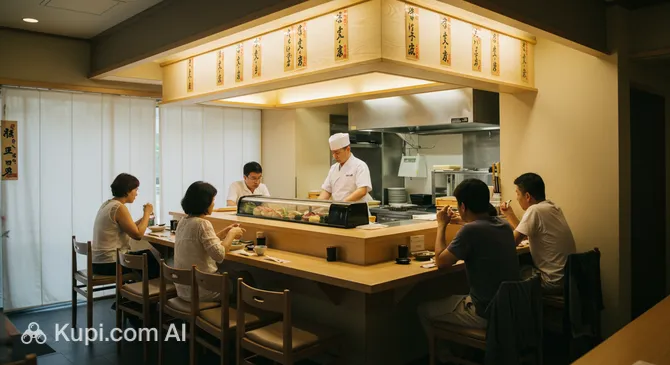
The food culture in Tsuruoka is closely tied to respect for seasonal products. Locals and tourists alike enjoy visiting farmers' markets, where you can buy not only fresh fruits and vegetables but also homemade pickles, sweets, and other delicacies. Street food is also popular—here you can find seaweed snacks and vegetable pancakes. For a deeper introduction to local cuisine, head to the restaurants, many of which specialize in traditional dishes. For example, you can visit Kintaro Sushi Shinsai Branch to appreciate the skill of local sushi chefs. The city regularly hosts gastronomic festivals where you can sample various dishes and even participate in masterclasses. In Tsuruoka, food is not just about satisfying hunger; it is a vital part of the cultural heritage and lifestyle.

Kintaro Sushi Shinsai Branch. Illustration.
Source: Kupi.com AI

Traveler photos:

Travel Tips

Planning a trip to the charming city of Tsuruoka? These practical tips will help you better prepare for your journey and get the most out of your stay in this scenic corner of Yamagata Prefecture in Japan.

  1. Clothing and Essentials: The climate in Tsuruoka features four distinct seasons. Summers can be hot and humid, so choose light clothing. Winters are cold and snowy—don't forget warm clothes, a hat, and gloves. Spring and autumn offer comfortable temperatures, but layering your clothes is a good idea. Be sure to bring comfortable shoes for walking. Don't forget an adapter for electrical appliances (Japan uses type A and B sockets). When visiting temples and shrines, dress modestly, covering your shoulders and knees.
  2. Transport: The most convenient way to get around Tsuruoka is by local bus. For longer trips across Yamagata Prefecture, such as to the Dewa Sanzan mountains, you can use trains or consider renting a car if you have an international driving permit. Taxis are available but can be expensive. Ask your hotel about calling one or use apps if they are popular in the region.
  3. Finance: The local currency is the Japanese Yen (JPY). Credit cards are accepted in many hotels, large stores, and restaurants, but cash remains very important, especially in smaller establishments and at markets. ATMs that accept international cards are most commonly found in 7-Eleven, Lawson, and at post offices. Tipping is not customary in Japan and may even be seen as impolite.
  4. Health and Safety: Pharmacies (look for the 薬 - "kusuri" sign) can be found in the city, but not all are open 24/7. For serious medical issues, go to a hospital; it is advisable to have travel insurance. Tsuruoka, and Japan as a whole, is a very safe place. However, always take basic precautions: watch your belongings and stay alert in crowded areas.
  5. Communication: The official language is Japanese. English may be spoken at tourist information centers and some hotels, but overall proficiency is limited. Learn a few basic Japanese phrases, such as "Konnichiwa" (Hello), "Arigato" (Thank you), and "Sumimasen" (Excuse me/I'm sorry). For constant internet access, consider buying a local SIM card or renting a pocket Wi-Fi router. Free Wi-Fi is available in many hotels and some public places.
  6. Local Etiquette: Japanese people are very polite. Greetings are usually accompanied by a slight bow. In public transport, it is customary to remain quiet and not talk on the phone. Remove your shoes before entering Japanese homes, some temples, and traditional restaurants (there is usually a designated area for this).
  7. What to Avoid: Try not to eat while walking on the street, as it is considered somewhat impolite (except at festivals or in designated areas). Never stick your chopsticks vertically into a bowl of rice—this is associated with funeral rituals. Also, avoid loud conversations, especially on the phone, in public places like trains and buses.
  8. Extra Tip: Tsuruoka is closely linked to the Dewa Sanzan—three sacred mountains that are a major center for Shugendo mountain asceticism. If you have time, definitely consider visiting them. The city is also known for its unique culinary tradition of "Shojin Ryori"—exquisite vegetarian cuisine of Buddhist monks, which is well worth trying.

We hope these tips help you plan an unforgettable trip to Tsuruoka. Enjoy the hospitality, culture, and beauty of this amazing Japanese city!

Entertainment & Nightlife

Tsuruoka offers its guests various options for evening and night-time leisure, though it does not match the scale of major metropolises. Nightlife here is primarily centered around cozy bars, traditional izakayas, and restaurants where you can enjoy local food and drinks in a relaxed setting. Most activity occurs in the city center, particularly near the train station and surrounding streets.

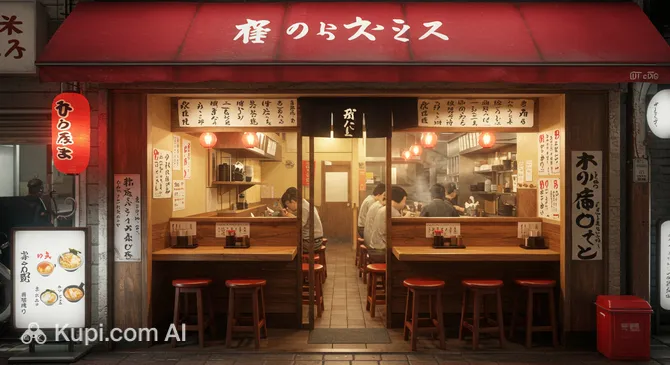
The atmosphere in Tsuruoka's evening establishments is typically welcoming and friendly. Small venues prevail, offering a chance to interact with locals and fellow travelers. The dress code is generally casual, unless you are visiting a particularly formal restaurant. Many bars and restaurants stay open until late evening, and some operate past midnight, especially on weekends. If you are looking for dinner, consider Kintaro Sushi Shinsai Branch for fresh seafood or Chuka Soba Koyai, a restaurant famous for its noodles.

Chuka Soba Koyai. Illustration.
Source: Kupi.com AI

Traveler photos:

When planning an evening out, it is best to head to central areas after 7:00 or 8:00 PM when venues begin to fill up. Average prices in Tsuruoka's bars and restaurants are quite reasonable but can vary depending on the level of the establishment. You can get around the city at night by taxi, which is easy to call or find at stands near the station. Central districts are considered safe for nighttime walks, though standard precautions should always be taken.

During the day, Tsuruoka also provides interesting leisure options. Visitors can tour historical sites like the Shōnai Shrine or immerse themselves in culture at the Chido Museum. For quiet relaxation and outdoor walks, Tsuruoka Park is a perfect choice to enjoy the beauty of nature.

Chido Museum. Illustration.
Source: Kupi.com AI

Traveler photos:

While Tsuruoka may lack the loud nightclubs found in larger cities, you will find an authentic Japanese provincial atmosphere, high-quality food, and the opportunity to spend a pleasant evening in a calm environment.

Parks & Museums

The city of Tsuruoka offers its guests wonderful opportunities for both outdoor recreation and exploring a rich cultural and historical heritage. Here, you will find well-kept parks, educational museums, and significant historical sites that reflect the spirit of this corner of Japan.

Among the city's green spaces, Tsuruoka Park stands out. This expansive park, spread across the site of the former Tsurugaoka Castle, is a favorite recreation spot for both residents and tourists. It is famous for its scenic ponds, ancient trees, and, of course, the breathtaking cherry blossoms in spring. Tsuruoka Park is not only an oasis of tranquility but also a center of cultural life where local festivals are frequently held.

Tsuruoka Park. Illustration.
Source: Kupi.com AI

Traveler photos:

A key location for immersing yourself in the region's history is the Chido Museum. This unique museum complex includes several beautifully preserved historical buildings, including the former residence of the influential Sakai clan. The museum's exhibits detail samurai culture and the traditional life and crafts of Shonai Province. Visitors can see authentic armor, weapons, and works of art, making a visit to the Chido Museum truly engaging.

Chido Museum. Illustration.
Source: Kupi.com AI

Traveler photos:

An important addition to your cultural program is a visit to the Shōnai Shrine. This revered Shinto shrine, located within Tsuruoka Park, is dedicated to the ancestors of the Sakai clan, who ruled these lands for centuries. Shōnai Shrine impresses with its traditional architecture and serene atmosphere, serving as a fine example of Japanese craftsmanship. It allows visitors to connect with the country's spiritual traditions and enjoy silence and harmony.

Shonai Shrine. Illustration.
Source: Kupi.com AI

Traveler photos:

To truly feel the authentic atmosphere of Tsuruoka, we recommend taking a leisurely walk through the streets adjacent to the main attractions. Sometimes the most interesting discoveries—small local shops, cozy cafes, or lesser-known temples—wait just around the corner. Keep an eye out for local markets where you can try fresh products and observe the daily life of the townspeople.

Getting Around

Getting around Tsuruoka and its surroundings is quite convenient thanks to a well-developed public transport system where buses play the leading role. Trains are also available for longer trips, along with alternative modes of transport.

Buses are the main form of public transport in Tsuruoka. The local bus company, likely Shonai Kotsu, operates numerous routes connecting various parts of the city, the train station, and popular tourist sites. Buses run on a schedule, which can usually be found at stops (mostly in Japanese, but route numbers and key locations are often duplicated). You typically enter the bus through the rear door and take a ticket with a zone number (if it’s a zoned fare system) or simply enter if it's a flat fare. Payment is made upon exiting through the front door, next to the driver.

Rail transport in Tsuruoka is represented by the JR Uetsu Main Line. Tsuruoka Station is a major transport hub. Trains are convenient for trips to neighboring cities and regions, and can also be used to move between some outlying districts if they are situated along the rail line.

Payment System: Cash is most commonly used for bus fares. It is recommended to carry small coins, as the driver may not have change for large bills, although some buses have change machines. In Japan, IC transport cards (such as Suica and Pasmo) are widely used, but their acceptance on local bus lines in Tsuruoka should be confirmed—not all regional companies support them. IC cards are generally accepted on JR trains. Day passes for buses are sometimes available and can be beneficial for active tourists—information on these is best obtained at the bus station or a tourist information center.

Practical Tips for Tourists: Train tickets can be purchased at station vending machines or ticket counters. For buses, pay in cash to the driver when exiting. If you took a ticket upon entry, show it to the driver so they can tell you the amount due. Schedules, especially for buses, may be less frequent in the evenings and on weekends. Plan your trips in advance. Tourist information centers, often located near train stations, can provide route maps and up-to-date transport information.

Alternative Transport: Taxis are available in Tsuruoka. They can be found at station stands or called by phone. This is a more expensive but comfortable way to travel, especially if you have luggage or are in a group. For exploring the city center and nearby attractions, consider bicycle rental—it is a popular and pleasant way to get to know Japanese cities. Rental points are often located near tourist spots or train stations.

Accommodation

When planning a trip to Tsuruoka, you will find a variety of accommodation options to suit different preferences and budgets. The city offers everything from traditional Japanese inns (ryokans) and guesthouses (minshuku) to more familiar hotels and modern apartments available for short-term rent.

For tourists who want to be in the center of the action, the areas near Tsuruoka Station are convenient, as they provide easy access to transport and major attractions like Tsuruoka Park or the Chido Museum. Some hotels may be located in quieter neighborhoods, offering a peaceful retreat and immersion into the local atmosphere.

While specific famous hotels were not listed in the available data, Tsuruoka offers both economical options for budget travelers and mid-range hotels with a good set of amenities. For those seeking a unique experience, consider staying at a ryokan, where you can enjoy traditional Japanese hospitality, an onsen (hot spring, if available), and local cuisine.

Booking Tip: It is recommended to book your accommodation in advance, especially if your trip coincides with peak tourist seasons (such as cherry blossom season or autumn festivals). This will help ensure the best choice and prices. The price range varies from budget options to more expensive offerings depending on the type of accommodation and level of comfort. Most hotels and apartments can be booked through popular online platforms or directly via the hotel websites.

Nearby Cities

For those looking to explore the surrounding area, Tsuruoka serves as an excellent starting point for day trips to several interesting nearby locations:

CityPopulationDistance
Sakata99 23521 km
Yuza12 89533 km
Shinjo34 28442 km
Obanazawa14 76052 km
Nikaho22 98153 km

Among the closest cities, Sakata and Yamagata are particularly noteworthy. Sakata, located just 21 km away, is a charming port city with a rich merchant history; here, the historic Sankyo-Soko warehouses and the Homma Museum of Art are well worth a visit. The prefectural capital, Yamagata City, situated about 69 km from Tsuruoka, attracts visitors with the famous Yamadera (Rishakuji) mountain temple, offering stunning views, as well as opportunities to discover local crafts and festivals.

These nearby destinations provide a glimpse into the region's diverse culture and landscapes, with each offering its own unique attractions and experiences. A trip to any of these cities will enrich your journey through Japan.

Shopping & Souvenirs

Tsuruoka offers tourists pleasant shopping opportunities, combining modern stores with places where you can find traditional Japanese goods and local delicacies. While the city isn't globally famous for highly specialized goods, you can purchase high-quality local products and souvenirs that reflect the culture of the Yamagata region.

The main shopping areas in Tsuruoka, as in many Japanese cities, are often concentrated around the train station and on central streets. Here, you can find department stores, small boutiques, clothing shops, electronics, and daily necessities. Walking through these areas will allow you to soak up the local atmosphere and find interesting items.

While Tsuruoka might not have the massive mega-malls found in Tokyo, there are certainly medium-sized shopping centers or department stores offering a wide range of goods—from clothing and cosmetics to food and souvenirs. These centers are often located near transport hubs, making them easily accessible for tourists.

For those looking for fresh local produce and a closer look at the region's culinary culture, local markets are worth checking out. Even if Tsuruoka doesn't have large tourist-oriented markets, small food markets can offer seasonal fruits, vegetables, seafood, and local specialties. These are great places to buy edible souvenirs.

As souvenirs from Tsuruoka and Yamagata Prefecture, consider local delicacies such as sake (the region is famous for its rice and clean water), traditional sweets, and rice-based products. Items made by local artisans—such as ceramics, textiles, or wooden crafts—are also popular. Don't forget to browse the gift shops at major attractions like the Chido Museum or Shōnai Shrine, where you can often find unique keepsakes.

Shops in Tsuruoka typically operate from 10:00 or 11:00 AM until 7:00 or 8:00 PM. Larger shopping centers may have longer hours. Credit cards are widely accepted, especially in large stores and hotels. However, at small markets or in little family-run shops, it is preferable to carry cash (Japanese yen).

For international tourists in Japan, a Tax-Free system is available. Look for stores with the "Japan Tax-free Shop" logo. Usually, to claim a tax refund, you must spend a certain amount (most often over 5,000 yen) in a single store on the same day and present your passport. Terms may vary slightly, so check directly in the shop.

Reached the end of the page?

That means the route is fully explored