Support

Shibata

About

Shibata is a cozy city located in Niigata Prefecture, Japan. It stretches across scenic plains near the coast of the Sea of Japan, approximately 40 kilometers north of Niigata City, the region's administrative center. Surrounded by rice fields, rivers, and green hills, Shibata offers a unique atmosphere of comfort and tranquility. With a population of about 94,000 people, the city retains the charm of a provincial Japanese settlement, where tradition and modernity blend harmoniously.
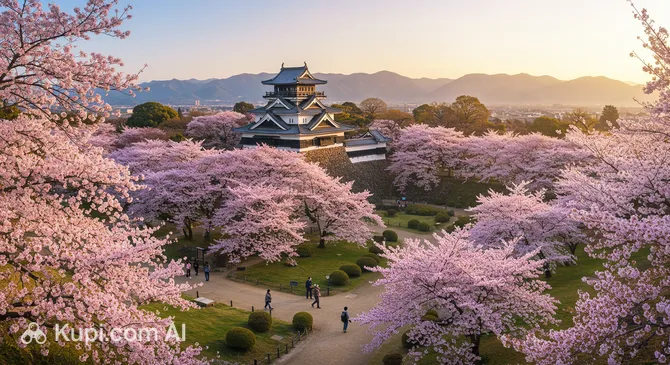
Shibata. Illustration.
Source: Kupi.com AI

The city is famous for its rich historical heritage and the atmosphere of old Japanese quarters, where a stroll can make you feel like a time traveler. In the surroundings of Shibata, you will find picturesque natural spots and hot springs offering excellent opportunities for outdoor recreation. Shibata serves an important administrative function and is one of the cultural centers of Niigata Prefecture, where you can feel the true spirit of the country: a leisurely pace of life and friendly residents.

Shibata is an excellent choice for those who appreciate history, nature, and gastronomic discoveries, as well as for travelers wishing to take a break from the hustle and bustle of megacities and immerse themselves in the atmosphere of traditional Japanese life. This city offers a unique combination of authentic culture, scenic landscapes, and a warm welcome. Come to Shibata to discover a corner of peace, beauty, and amazing experiences.

You can find more interesting facts on the history of Shibata page.

Weather Overview

The weather in Shibata is characterized by noticeable seasonal changes. Summers here are warm: the average temperature in July is 24.7°C, and in August it rises to 26.1°C, with maximum values reaching 29.2°C. Winters are cold, with the average January temperature around 1.0°C and minimum values dropping to -1.3°C. Precipitation occurs year-round, but July stands out with the highest rainfall (10 mm), and December and January have the highest number of days with precipitation (28 days).

In general, expect warm and humid summers with a peak of rainfall in July, and cold winters with frequent precipitation, especially in December and January. To get a more detailed idea of the weather conditions, you can study the climate of Shibata.

Average monthly temperature

Average monthly precipitation

Interesting Facts

In addition to its main attractions like the famous castle, the city of Shibata in Japan holds many curious details and stories that make it truly special. Here are some interesting facts to help you see Shibata from a new perspective:

  • A castle with an "unconventional" main tower: Although Shibata Castle is among the Top 100 Castles of Japan, its three-story tower, while not designed as a traditional donjon (the castle's main defensive keep), actually performed all its key functions. This feature makes it architecturally noteworthy.

  • Legacy of the Mizoguchi Clan: The history of Shibata and its castle is closely intertwined with the Mizoguchi clan. This influential family ruled here for a long time, leaving a significant mark on the culture and lore of the region. Many local legends are dedicated to this samurai clan.

  • Officially recognized treasures: The Omotemon Front Gate and the old Ninomaru corner tower of Shibata Castle have a special status—they are officially recognized as Important Cultural Properties of Japan. This emphasizes their high historical and architectural value.

  • An inspirational city: Shibata is known not only for its rich history but also as the birthplace of several prominent Japanese artists and writers. It is believed that the picturesque local landscapes and the city's peaceful atmosphere served as a source of inspiration for their work.

  • Year-round floral extravaganza and festivals: Shibata is famous as one of the most "floral" cities in Niigata Prefecture. In spring, the city is literally immersed in blooming gardens, and in summer, numerous fairs and festivals take place, dedicated not only to the harvest but also to traditional crafts, creating an atmosphere of celebration and hospitality almost all year round.

How to Get There

You can reach the city of Shibata, located in Niigata Prefecture, Japan, in several ways, primarily through regional airports. Since Shibata itself does not have its own major airport, travelers should look toward the nearest air gateways.

The primary and most convenient option for arriving in Shibata is Niigata Airport (KIJ). It is located in Niigata City, just 18.2 km from Shibata. A taxi ride or a local bus to the center of Shibata will take approximately 45-50 minutes. This airport serves both domestic and some international flights, being an important transport hub for the region.

Another significant airport to consider is Sendai Airport (SDJ), located in the city of Sendai. Although it is further away, approximately 141 km from Shibata, it is a large airport with a wide choice of flights. The journey by car or taxi from Sendai Airport to Shibata will take about 3.5-4 hours. Given the distance, it is also sensible to consider using the rail link from Sendai to stations closer to Shibata and then continuing the journey by local transport.

For convenience, here is a summary of the main airports used to reach Shibata:

AirportPassenger trafficDistance
Niigata Airport1.1 mln18 km
Shonai Airport364 815104 km
Junmachi Airport223 111105 km
Fukushima Airport250 000126 km
Sendai Airport3.5 mln141 km

Regarding rail connections, Japan is famous for its excellently developed railway network, including the famous Shinkansen high-speed trains. Although specific data on railway stations directly in Shibata or their direct connections are not provided in this overview, it is highly likely that Shibata or its nearest settlements can be comfortably reached by train from the country's major cities. We recommend checking current schedules and routes on the official websites of Japanese railway companies or directly at the stations upon arrival in Japan.

Main Attractions

Shibata, a charming city in Niigata Prefecture, offers its guests several interesting sites that allow for an immersion into the history and culture of the region. One of the city's main gems is undoubtedly Shibata Castle. This historical castle, partially reconstructed, impresses with its unique three-story Sumi Yagura corner tower and its characteristic "namako-kabe" walls, which literally translates to "sea cucumber walls." Visitors can stroll through the castle grounds, admire its architecture, and imagine the lives of the samurai who once lived within these walls. It is a great place to touch the rich history of Japan.

Adjacent to the castle lies the magnificent Shimizuen Garden, recognized as a national monument and a place of scenic beauty. This traditional Japanese garden, which once belonged to the powerful Shibata clan, enchants visitors with its serenity and harmony. Here, you can enjoy a leisurely walk around a picturesque pond, admire old tea houses, and the beauty of nature that changes its colors depending on the season. Shimizuen Garden is an ideal place for peaceful relaxation and contemplation.

To better understand the feudal past of Shibata, it is worth visiting the Ashigaru Nagaya complex. These are carefully reconstructed longhouses where ashigaru—foot soldiers and lower-ranking samurai—once lived. The exhibition inside the houses provides a glimpse into the humble daily lives of these warriors and helps to better understand the social structure of medieval Japan. A visit to Ashigaru Nagaya perfectly complements the impressions of Shibata Castle, painting a more complete picture of life in the city during that time.

As Shibata is located in Niigata Prefecture, known throughout Japan for its excellent sake, connoisseurs of this traditional drink will find it interesting to visit the Ichishima Sake Brewery. This is one of the oldest and most respected breweries in the region, where you can not only learn about the intricacies of the sake production process passed down through generations but, in some cases, also taste different varieties of this noble beverage. It is a wonderful opportunity to get acquainted with an important part of the local culture and gastronomic heritage.

Local Cuisine

The gastronomic scene in Shibata is a true reflection of the wealth of local natural gifts, where the main roles are played by the freshest seafood from the Sea of Japan and premium rice grown in the region's fertile fields. Travelers should definitely try the classic sushi and sashimi made from freshly caught fish, as well as crab and oyster delicacies, which are famous for their unsurpassed taste.

Among the signature dishes that shouldn't be missed is the traditional buckwheat noodle dish "Nobori-soba," served with seasonal vegetables and aromatic soy sauce. Seafood lovers will also enjoy "kakifurai"—juicy oysters in a crispy breading—and "kamameshi"—aromatic rice cooked in clay pots with seafood and vegetables according to ancient recipes passed down through generations.

Speaking of drinks, Shibata is rightfully proud of its excellent sake. It is produced using pure spring water and local rice, which gives the drink a special, mild taste. During your trip, you can attend sake tastings to get to know this traditional drink more deeply. Of course, one should not forget the traditional green tea, which perfectly complements any meal or warms you up on a cool day, especially when paired with local Japanese sweets.

The food culture in Shibata is diverse: from cozy city restaurants where ancient recipes are carefully preserved to small local eateries offering authentic dishes. Farmer's markets hold a special place, where you can buy fresh vegetables, fruits, and unique local sweets. In summer, you can refresh yourself with ice cream in unusual flavors, and the gastronomic festivals that periodically take place in the city become a real treat for gourmets, allowing you to try the best of what Shibata's culinary scene offers.

Travel Tips

Planning a trip to the charming city of Shibata? These practical tips will help you better prepare for your journey and get the most enjoyment out of your stay in this cozy corner of Niigata Prefecture in Japan.

  1. Clothing for the season and useful extras: The climate in Shibata, as in all of Niigata Prefecture, is characterized by hot and humid summers, snowy winters, and pleasant weather in spring and autumn. Choose clothing according to the season: light items for summer, warm layered clothing and waterproof shoes for winter. Comfortable shoes are your main companion for walks around the city and its surroundings. Don't forget a universal adapter for electrical appliances (Japan uses type A and B sockets, 100V). When visiting temples and shrines, it is better to opt for modest clothing that covers shoulders and knees, although a strict dress code is not found everywhere.
  2. Getting around the city: Shibata is a relatively small city, so many parts of it can be explored on foot. For longer trips, use local buses. For travel within Niigata Prefecture or to other cities in Japan, trains are convenient. Taxis are available, but it is a more expensive option. Renting a car may be justified if you plan to actively explore the region; an international driver's license will be required, and remember that driving in Japan is on the left.
  3. Financial matters: The official currency is the Japanese Yen (JPY). Currency can be exchanged at airports or major banks; it is recommended to have some cash on arrival. Credit and debit cards are accepted in many hotels, large shops, and restaurants, but in smaller establishments and markets, cash is preferred. International cards (Visa, Mastercard) usually work at Japan Post Bank ATMs and 7-Eleven convenience stores. Tipping is not customary in Japan, as good service is considered the norm.
  4. Health and safety: Japan in general and Shibata in particular are very safe places. Nevertheless, always follow basic precautions. Pharmacies (look for the sign "薬" - kusuri) are available in the city, but staff may not always speak English. It is recommended to have a basic first-aid kit with you. Be sure to take out travel medical insurance before your trip. In emergencies, call 110 (police) or 119 (ambulance/fire service).
  5. Language and communication: The official language is Japanese. The level of English proficiency among the local population can be limited, especially outside of tourist sites. Learn a few basic phrases in Japanese: "konnichiwa" (hello), "arigato" (thank you), "sumimasen" (excuse me/sorry). For communication, you can purchase a local SIM card or rent a pocket Wi-Fi router. Free Wi-Fi is available in some hotels, cafes, and public places. Translation apps and navigators like Google Maps will be useful.
  6. Local etiquette: Japanese people value politeness and respect for traditions. Greetings are usually accompanied by a bow; the degree of the bow depends on the situation. In public places, especially on transport, try to speak quietly. Remove your shoes when entering homes, some temples, and traditional restaurants. There are certain rules for using chopsticks (for example, do not stick them vertically into rice).
  7. What to avoid: Try not to talk loudly on the phone in public transport—it is considered bad manners. It is not common to eat and drink while walking on the street, especially in crowded places or on transport. Also, avoid pointing at people or objects with one finger—it's better to use an open palm.
  8. Local highlight: Shibata is known for its historical castle and the beautiful Shimizuen Garden. If your trip falls in June or July, try to visit the famous Iris Festival (Ayame Matsuri)—it is a truly colorful sight. And since you are in Niigata Prefecture, famous for its rice and sake, be sure to try the local varieties of these products.

We hope these tips make your trip to Shibata even more comfortable and memorable. We wish you pleasant discoveries in this beautiful corner of Japan!

Entertainment & Nightlife

The evening and nightlife in Shibata offer cozy and authentic experiences rather than the loud parties of large megacities. This is a great opportunity to immerse yourself in the local atmosphere, relax after a busy day, and experience the hospitality of Japan in a more relaxed setting. With a population of about 94,000, the city lends itself to a leisurely evening leisure.

The main venues for evening entertainment in Shibata are traditional Japanese pubs called izakayas, where you can enjoy local cuisine, sake, and beer in the company of friends or colleagues. You will also find small bars with a variety of drinks and perhaps karaoke establishments, which are popular throughout the country. A concentration of such places can be found near the Shibata railway station and on the adjacent shopping streets, which come alive as evening falls.

The atmosphere in Shibata's evening establishments is generally very friendly and relaxed. The crowd here is mostly local, which adds authenticity to your experience. Most izakayas and bars are open until late in the evening, often until midnight or slightly later, especially on weekends. No special dress code is usually required; neatness and comfort are appreciated. It is a great place to socialize, try something new, and feel like part of the local community.

Prices in Shibata's establishments are generally more affordable than in Japan's major tourist centers. The best time to visit an izakaya is early evening to secure a table, while bars tend to fill up closer to night. For traveling late at night, the main option is a taxi. They can be found at the station or called by phone through your hotel. Make sure you have the address of your accommodation written in Japanese, just in case.

Shibata, like most cities in Japan, is considered a very safe place to walk even after dark. Nevertheless, it is always worth taking standard precautions: keep an eye on your belongings and be aware of your surroundings, especially if you are heading into less-lit areas alone.

Instead of loud nightclubs, in Shibata, you will find charm in more intimate formats. For example, an evening can be spent in one of the many traditional izakayas serving local specialties and drinks. Another option is to stop by a small local bar for a drink in a quiet setting. Karaoke venues are also popular for having a fun time with friends. These types of establishments are concentrated mainly around the station and on the central streets, and they form the city's nightly face.

During the day, Shibata also offers interesting leisure options. Guests of the city can visit local temples and shrines, stroll through city parks such as Shiroyama Park, or learn about the region's culture in small museums. This allows for a complete impression of the city, combining daytime exploration with evening relaxation.

Parks & Museums

Shibata, nestled in Niigata Prefecture, invites travelers to enjoy a harmonious blend of scenic green zones and rich cultural heritage. The city offers both tranquil corners of nature for relaxation and fascinating museums and historical sites that tell stories of its past and traditions.

One of the main ornaments of Shibata is undoubtedly the Shimizuen Garden (清水園). This traditional Japanese garden, with a history rooted in the Edo period, is a magnificent example of landscape art with picturesque ponds, winding paths, and carefully selected plants that change their appearance depending on the season. A walk here will provide a sense of tranquility and allow you to touch refined Japanese aesthetics. Another popular spot for outdoor recreation is the park surrounding Shibata Castle. Although the castle itself is a prominent historical landmark, the adjacent territory is perfect for leisurely walks and admiring seasonal flowers, especially the lush cherry blossoms in spring.

The central historical gem of the city is the majestic Shibata Castle (新発田城). It is one of the few castles in Japan that boasts a unique triple-yagura tower and original gates preserved from ancient times. Visiting the castle is a true immersion into the samurai past of the region. Not far from the castle walls, you can find Ashigaru Nagaya (足軽長屋)—carefully reconstructed longhouses where foot samurai once lived. The exhibition gives a vivid idea of their daily life. To delve even deeper into the history and culture of Shibata, it is worth visiting the Memorial Museum of the Former Prefecture Governor's Residence (旧県知事公舎記念館), also known as Bukeyashiki. This is a beautifully preserved samurai residence where visitors can see authentic traditional interiors and valuable historical artifacts.

For a more authentic experience of Shibata, we suggest walking through the old streets of the city, where you can still find traditional Japanese houses and small, cozy temples that preserve the atmosphere of the past. Don't miss the chance to visit local markets as well: it's a great opportunity to try the freshest products of the Niigata region, which is famous for its excellent rice and sake.

Getting Around

Getting around Shibata and its surroundings can be done in several ways, although the city does not have an extensive metro system like large megacities. The core of public transport here consists of buses and railway lines operated by JR East, which connect Shibata with other cities in Niigata Prefecture and larger transport hubs.

For paying fares on buses and trains, the most convenient option is rechargeable IC cards, such as Suica or Pasmo, which are accepted in many regions of Japan. These cards can be purchased and topped up at machines at railway stations or in some convenience stores. Cash payment is also possible directly on the bus (exact change is often required as the driver may not have change) or by purchasing train tickets at ticket offices and machines at stations. Fares usually depend on the distance.

Tourists planning to use buses should note the following: boarding is often through the back or middle door, where you need to take a ticket with a stop number (if the system does not involve a flat fee). Payment is made upon exiting through the front door, next to the driver. A screen at the front of the cabin displays the fare based on your ticket number. Bus schedules can be found at stops and on the websites of transport companies. Public transport usually operates from early morning to late evening, but frequency may decrease in the evening hours and on weekends.

As an alternative to public transport, taxis are available in Shibata. They can be found at stands near railway stations or called by phone. This is a more expensive but comfortable way to travel, especially if you are traveling with luggage or in a group. For fans of active recreation and leisurely city walks, bicycle rentals may be suitable if such a service is available at local rental points or hotels. Car sharing in cities of this size is less common than in major megacities.

Accommodation

When planning a trip to Shibata, you will find a fairly wide selection of accommodation options capable of satisfying various requests and budgets. The city features modern business hotels, convenient for short stops and business trips, as well as more traditional Japanese inns—ryokans—where you can have an authentic experience. Guest houses and, in some cases, short-term apartment rentals can also be found. The range includes both budget offers and mid-range hotels, and in nearby resort areas, potentially higher-end options as well.

For maximum convenience during your stay in Shibata, it is recommended to choose accommodation in central areas or near main transport hubs, such as the railway station. Staying in such places will facilitate access to Japanese attractions, restaurants, and shops. Areas located near scenic spots or cultural sites are also popular if they are your primary reason for visiting.

While the specific list of hotels depends on your dates and preferences, there are noteworthy options to be found in Shibata and its surroundings. If you are looking for a resort-style holiday with hot springs, it is worth paying attention to nearby famous resort areas such as Tsukioka Onsen. We recommend checking current offers at the time of planning your trip to find the most suitable option.

To guarantee the best options and prices, especially during the peak tourist season or during local festivals, we strongly advise booking your accommodation in advance. The price range in Shibata can vary from quite affordable budget hotels and guesthouses to more comfortable mid-range hotels and specialized resort hotels. Most accommodation options are available for booking through popular international online platforms as well as directly through the hotels' websites.

Nearby Cities

For those who want to explore the surroundings, Shibata serves as an excellent starting point for day trips to several interesting nearby locations:

Among them, Niigata, the prefecture's capital, stands out, delighting travelers with diverse museums and picturesque parks. No less interesting is Sanjo, known as a center of traditional crafts, where you can get acquainted with unique local products. And Nagaoka attracts tourists with its famous fireworks festival, offering an unforgettable spectacle.

CityPopulationDistance
Seiro13 8235 km
Tainai28 00414 km
Agano40 38215 km
Niigata790 64623 km
Gosen47 26226 km

These nearby destinations allow you to get an idea of the region's diverse culture and landscapes.

Shopping & Souvenirs

While Shibata may not be a primary destination for shopping in Japan, the city offers pleasant opportunities for purchases, especially if you are looking for local goods and want to experience the atmosphere of the Japanese countryside. Here you can find both traditional products and everyday items.

The main shopping areas in Shibata are generally concentrated around the railway station and on the city's central streets. Here you will find small independent shops, stalls with local food and souvenirs, as well as some chain stores. Strolling through these areas will allow you to get acquainted with the local selection and perhaps find something unique.

There may be small shopping centers or department stores in Shibata offering a variety of goods—from clothing and accessories to food and household items. They are convenient for comprehensive shopping, although they do not compare in scale to the huge malls of megacities.

Regarding markets, Japanese cities often feature local morning markets where farmers sell fresh vegetables, fruits, and other products. Check if there are such markets in Shibata—it is a great way to try the seasonal delicacies of the Niigata region and see the daily life of the locals. Sometimes you can also find simple souvenirs or handmade items at such markets.

From Shibata and Niigata Prefecture as a whole, it is worth bringing back traditional Japanese souvenirs. Pay special attention to local sake, as Niigata is famous for its rice and the production of this beverage. Rice products are also popular, such as rice crackers (senbei) or mochi sweets. You can also look for other local craft products if they are produced in the region.

Shops in Shibata usually operate from 10:00 or 11:00 AM to 7:00 or 8:00 PM. Small family-run shops may have more flexible schedules or a day off in the middle of the week. As for payment, cash is still widely used, especially in small shops and markets. However, larger retail outlets and department stores generally accept credit cards. Japanese electronic cards like Suica or Pasmo may also be accepted.

For foreign tourists in Japan, a Tax-Free system is available for purchases over a certain amount in participating shops. Look for the "Tax-Free Shop" sign. You will need to present your passport to process the refund. Usually, this is done directly in the store at the time of payment or in a special department.

Reached the end of the page?

That means the route is fully explored