Support

Uonuma

About

Uonuma is a charming city nestled in Niigata Prefecture, in the northern part of Honshu Island. It is a true corner of the Japanese countryside, hidden among majestic mountains and picturesque valleys. This is a place where you can take a break from the noise of megacities and enjoy the tranquility and traditional way of life.

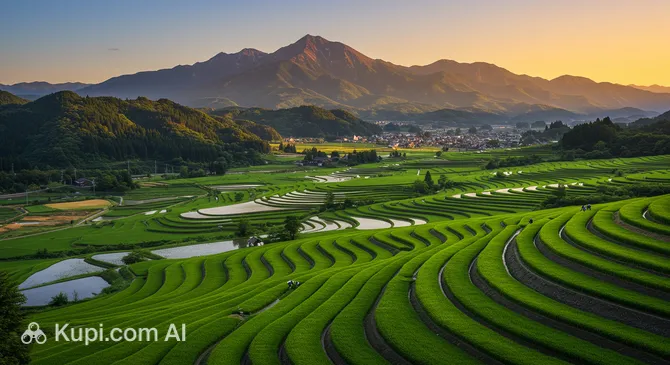
With a population of about 34,000 people, Uonuma maintains an atmosphere of coziness and friendliness. The city is famous for its stunning nature: crystal-clear rivers, dense forests, and endless rice fields, which are especially beautiful during the harvest season. The landscapes here change with every season, offering guests snow-covered expanses in winter, a riot of cherry blossoms in spring, lush greenery in summer, and the vibrant colors of autumn leaves.

Uonuma. Illustration.
Source: Kupi.com AI

The main appeal of Uonuma lies in its harmonious combination of untouched nature and the rich cultural heritage of Japan. Travelers will find ancient Buddhist temples, authentic ryokans (traditional inns), healing hot springs, and interesting open-air art objects. Getting to Uonuma is quite easy: thanks to Urasa Station, you can arrive here by the Shinkansen high-speed train from Tokyo in just a couple of hours, making the city accessible for short trips.

Visiting Uonuma is a wonderful opportunity to immerse yourself in the authentic atmosphere of the Japanese province, where every corner breathes history and locals greet guests with sincere warmth. If you are looking for peace, picturesque landscapes, and an introduction to traditional culture, Uonuma will be a true discovery for you and will provide unforgettable impressions.

You can find more interesting facts on the Uonuma City history page.

Weather Overview

The climate in Uonuma is characterized by a distinct change of seasons and a significant amount of precipitation throughout the year. Summer, especially in July and August, is quite warm: average air temperatures hover around 24-25°C, while maximum values can reach 28-29°C. Winters in Uonuma are cold and snowy. For example, in January, the average temperature is about -0.7°C, with minimums dropping to -3.9°C, and December and January see the highest number of precipitation days (26-27 days).

Overall, Uonuma is characterized by warm and humid summers, and cold and snowy winters. Spring and autumn are transitional seasons with moderate temperatures and also significant precipitation. For a more detailed look at weather conditions, you can view the information on the Uonuma climate page.

Average monthly temperature

Average monthly precipitation

Interesting Facts

In addition to picturesque landscapes and a rich culture, Uonuma holds many amazing stories and features that make this city truly unique. Here are just a few interesting facts you might not have known:

  • Uonuma is part of the famous Echigo-Tsumari art project—one of the world's largest open-air contemporary art festivals. Every three years, the entire region is transformed, and artworks appear not only in galleries but also among rice fields and in abandoned buildings, telling the stories of local residents.

  • In the city's surroundings, hidden among the mountains, are unique Buddhist temples such as Saifuku-ji. This temple is particularly famous for its magnificent ceiling carvings and paintings, which art connoisseurs sometimes compare to the works of Michelangelo, making it a hidden gem of Japanese temple art.

  • Uonuma and its surroundings are known for some of the heaviest snowfalls in all of Japan. In winter, the snow cover here can reach several meters, turning the region into a true paradise for winter sports enthusiasts and creating incredibly beautiful snow-covered landscapes.

  • The city is often called the "land of rice and sake." The local Koshihikari rice variety is considered one of the best in Japan and is highly valued throughout the country. Thanks to pure water and a special climate, exquisite sake is also produced here, which regularly wins awards at national competitions.

How to Get There

The most convenient way to reach Uonuma, located in Niigata Prefecture, Japan, is through regional airports, followed by a train or bus ride to the city itself. Uonuma does not have its own airport, so travelers should consider the nearest aviation hubs.

One of the main options is Niigata Airport (KIJ). It is located in Niigata City, approximately 82 kilometers northwest of Uonuma. This is a fairly large regional airport serving both domestic and some international flights. A trip from Niigata Airport to Uonuma by car or public transport (e.g., a combination of bus and train via Niigata City) will take approximately 2–2.5 hours.

Another airport to consider is Fukushima Airport (FKS). It is located in Fukushima City, about 130 kilometers from Uonuma. Although this airport has less passenger traffic, it may be convenient depending on your initial point of departure and route. The journey from Fukushima Airport to Uonuma takes about 3.5–4 hours.

After arriving at one of these or other nearby airports, it is recommended to use Japan's highly developed railway system, including Shinkansen high-speed trains (if applicable to part of the route) and local lines, or intercity buses for the onward journey to Uonuma. When planning your trip, it is worth checking schedules and optimal routes from your chosen airport to Uonuma in advance.

For clarity, here is summary information for some of the airports through which you can reach Uonuma:

AirportPassenger trafficDistance
Niigata Airport1.1 mln82 km
Fukushima Airport250 000130 km
Matsumoto Airport112 618150 km
Toyama Airport736 740171 km
Ibaraki Airport776 063174 km

Main Attractions

Uonuma, located in the picturesque Niigata Prefecture, offers its guests diverse opportunities for relaxation and an introduction to Japanese culture. The city and its surroundings are rich in both natural beauty and historical monuments. Here are several key attractions that will make your trip to Uonuma unforgettable.

One of the main natural gems of the region is Lake Okutadami, surrounded by majestic mountains. This is one of Japan's largest reservoirs, formed by the impressive Okutadami Dam. Tourists come here to enjoy scenic cruises on the lake, which are especially beautiful in autumn when the mountain slopes are painted in vibrant colors. In winter, the lake's surroundings turn into a real snowy fairy tale, attracting lovers of winter landscapes.

For those interested in traditional Japanese architecture and history, a visit to the Meguroke Residence is a must. This beautifully preserved house-museum, once belonging to an influential village headman's family, is recognized as an Important Cultural Property of Japan. Touring the residence allows you to immerse yourself in the atmosphere of past centuries and see the authentic interiors and household items of wealthy Japanese families.

Urasa Bishamon-do Temple is a significant spiritual site known far beyond Uonuma. The temple is dedicated to Bishamonten, one of the seven gods of luck in Japanese mythology, and attracts pilgrims and tourists year-round. The temple gained particular fame for its unique and spectacular festival, "Hadaka Oshiai Matsuri" (the "Naked Pushing Festival"), which takes place in early March and gathers many participants and spectators.

The Uonuma region, like all of Niigata Prefecture, is famous for its high-quality rice and, consequently, excellent sake. Not far from the city rises Mount Hakkaisan, which gave its name to one of the most famous sake brands in Japan. Visiting local sake breweries, such as Hakkaisan Brewery or Tamagawa Sake Brewery (located right in Uonuma), will allow you not only to learn more about the intricacies of producing this traditional drink but also to taste its various types. Additionally, the slopes of Mount Hakkaisan offer excellent hiking trails and opportunities to enjoy nature.

Local Cuisine

Uonuma's gastronomy is a true delight for connoisseurs of simple yet masterfully prepared food made from the freshest local ingredients. The region's main pride is the famous Koshihikari rice variety, grown on picturesque terraces. Due to its special sweetness and texture, it serves as the base for magnificent onigiri (rice balls), sushi, and many other traditional Japanese dishes that take on a unique flavor here.

An integral part of Uonuma's gastronomic culture is the local sake. Produced from pure mountain water and high-quality Koshihikari rice, it is distinguished by its surprising smoothness and rich aroma. Many of the city's sake breweries hospitably open their doors to visitors, offering fascinating tours and tastings where you can not only try different varieties of this noble drink but also learn about the intricacies of its production. In addition to sake, look out for local non-alcoholic drinks, often made from rice or local fruits.

Among other delicacies that are a must-try in Uonuma are dishes made from fresh river fish, such as ayu and iwana. Seasonal vegetables and wild mountain herbs (sansai), especially popular in the spring, add unique notes to local dishes. To experience the full wealth of local products, visit the farmers' markets—here you will find everything from fragrant mountain mushrooms and homemade pickles to traditional rice-based sweets.

The food culture in Uonuma is diverse. Locals and tourists can enjoy a meal in cozy restaurants offering traditional cuisine or sample street food, especially during the numerous festivals. At these open-air events, appetizing yakisoba (fried noodles) and fresh mochi (rice cakes) are prepared, and a variety of traditional sweets are served. Gastronomic events, such as those held during the harvest festival, provide a magnificent opportunity to taste the best that the city's culinary scene has to offer.

Travel Tips

Welcome to Uonuma! To ensure your journey to this picturesque corner of Niigata Prefecture goes smoothly and leaves only pleasant memories, we have prepared some practical tips.

  1. Seasonal Clothing and Useful Items: Uonuma's climate, like all of Niigata Prefecture, is characterized by clearly defined seasons. In winter, there is a lot of snow, so warm layered clothing, waterproof outerwear, and boots are essential. In summer, the weather is warm and humid; light natural fabrics are suitable. Don't forget comfortable walking shoes, sunscreen, and a hat in summer. Japan uses type A and B sockets (100V), so bring a universal adapter.
  2. Getting Around: In Uonuma, the main form of public transport will likely be buses. To explore the Niigata Prefecture surroundings in more detail, especially if you plan to visit natural attractions or ski resorts in winter, renting a car may be convenient. Taxis are also available but can be expensive for long trips. Check bus schedules in advance, as intervals can be long, especially in rural areas.
  3. Financial Matters: The official currency of Japan is the Japanese Yen (JPY). Credit cards are accepted in many hotels, large shops, and restaurants, but having cash is highly recommended, especially for smaller establishments, markets, and in rural areas. You can withdraw cash with international cards from ATMs at post offices (Japan Post Bank) and 7-Eleven convenience stores. Tipping in Japan is not customary—good service is already included in the bill.
  4. Health and Safety: Japan is one of the safest countries in the world, and Uonuma is no exception. Pharmacies (薬局 - kusuriya) can be found in the city, but the range of medications may differ from what you're used to, and English-speaking staff aren't always available. It's recommended to carry a basic set of medications. Medical assistance for tourists is available but can be expensive, so travel insurance is mandatory. Tap water is safe to drink throughout the country.
  5. Language and Communication: The official language is Japanese. In Uonuma, being a smaller city, English proficiency may be low, especially among the older generation. Learn a few basic Japanese phrases: "Konnichiwa" (hello), "Arigato" (thank you), "Sumimasen" (excuse me/sorry). For ease of communication, consider buying a local SIM card or renting a portable Wi-Fi router. Free Wi-Fi is available in some hotels and public places but is not universal.
  6. Local Etiquette: Japanese people are very polite and value respect for tradition. Greetings are usually accompanied by a bow. In public places, especially on transport, try to speak quietly. Remove your shoes before entering homes, temples, and some traditional restaurants or inns (ryokans). It is not customary to eat while walking on the street (except for special areas at festivals).
  7. What to Avoid: Try not to speak loudly on the phone in public transport. Never stick your chopsticks vertically into a bowl of rice—this is associated with funeral rituals. Also, avoid pointing at people with your finger; it's better to use an open palm.
  8. Appreciate Niigata's Natural Gifts: Uonuma is in a region famous for its Koshihikari rice and high-quality sake. Be sure to try local culinary delights. In winter, Niigata Prefecture turns into a paradise for winter sports enthusiasts, and in warmer weather, you can enjoy beautiful natural landscapes and hot springs (onsens).

We hope these tips help you better prepare for your trip and get the most out of your stay in Uonuma. We wish you an unforgettable journey through Japan!

Entertainment & Nightlife

In the evening, Uonuma offers its guests a calm and authentic atmosphere, far from the hustle and bustle of big cities. The nightlife here is focused not so much on loud clubs as on cozy local establishments where you can enjoy traditional cuisine and drinks in a relaxed setting. Main evening activities revolve around restaurants, traditional Japanese pubs (izakayas), and small bars where you can try the famous local sake that Niigata Prefecture is renowned for.

While you are unlikely to find large nightclubs or entire districts buzzing with life until morning in Uonuma, the city offers its own charms for those seeking a more intimate experience. The atmosphere in local establishments is usually very friendly and welcoming. The crowd here is predominantly local, providing a great opportunity to immerse yourself in real Japanese culture. Most such places are open until late evening, but not necessarily until dawn. There is usually no specific dress code; neat casual style is welcomed.

Among the places to spend an evening, it's worth looking into traditional izakayas, which offer a wide selection of snacks and drinks, or restaurants serving local cuisine. Since specific data on establishments in Uonuma was not provided, we cannot recommend specific names with links, but we suggest exploring options on the spot or asking locals for advice to find a place you like and experience the local flavor.

When planning your evening, it's best to aim for the time between 19:00 and 23:00. Prices in Uonuma's establishments are generally more affordable than in the major tourist centers of Japan. Moving around the city at night is most convenient by taxi, which can be called by phone or found at stands in the central part of the city. Walking is also possible, especially if your accommodation and chosen venue are close to each other. Uonuma, like most cities in Japan, is considered a safe place, but usual precautions should always be observed.

During the day, Uonuma also offers leisure options. Guests can visit local museums to learn more about the region's history and culture, stroll through parks, or explore the surroundings rich in natural beauty. Although the city is not famous for large entertainment centers, its charm lies in tranquility, traditions, and the opportunity to enjoy the authentic Japanese countryside.

Parks & Museums

Uonuma, snugly located in the picturesque Niigata Prefecture, offers its guests a harmonious blend of peaceful green zones for nature retreats and interesting cultural sites for exploring local heritage. This city, surrounded by mountains and famous for its rice, is capable of providing both tranquility and educational discoveries.

For nature lovers, Uonuma and its surroundings offer wonderful places for walking and relaxation. One such spot is Koide Park, which features well-kept leisure spaces, playgrounds, and opportunities to admire nature's seasonal changes, especially the cherry blossoms in spring. Additionally, the vast natural area around Lake Okutadami and its namesake dam attracts those who appreciate majestic landscapes and outdoor activities, including boat trips and hiking trails through scenic surroundings.

The cultural life of Uonuma provides an opportunity to deeper understand its history and traditions. A key location for this is the Uonuma City Historical Museum. Here, visitors can explore exhibits dedicated to the region's history, archaeological finds, agricultural development—specifically the traditions of growing the famous Uonuma rice—and local crafts. Another significant cultural site is the Meguro Residence, a beautifully preserved ancient farmhouse of a wealthy family. Visiting this estate allows you to plunge into the atmosphere of the past and learn about the lifestyle and architecture of this region of Japan.

Uonuma's historical and spiritual heritage is also reflected in its ancient temples. Of particular note is Saifukuji Temple, famous for its magnificent and intricate wooden sculptures by master Ishikawa Uncho, who is sometimes called the "Michelangelo of Echigo." These detailed carved panels decorating the temple are a true treasure of Japanese art and attract many visitors. Touring the temple is a great way to connect with the spiritual culture of Japan and appreciate the skill of traditional craftsmen.

To get a truly authentic experience from your stay in Uonuma, visit the local markets. There you can get acquainted with the region's diverse produce, including the famous rice, fresh vegetables, and other local delicacies. Furthermore, don't miss the chance to visit small family-run restaurants that aren't always marked in tourist guides to try the real home cooking of this corner of Japan.

Getting Around

When planning your movement around Uonuma, keep in mind that it is a small city, and the public transport system reflects this. Your primary modes of transport will likely be local buses, which connect various city districts and can take you to the nearest railway stations. If there is a railway station in or near Uonuma, trains will be your choice for trips to other cities in the prefecture and beyond.

The fare payment system in Japanese buses is usually quite simple. Often, payment is made in cash when exiting the bus; the amount depends on the distance traveled. In some regions of Japan, rechargeable transport cards (such as Suica or Pasmo) are common, but their acceptance in small cities like Uonuma should be confirmed on the spot—not all local bus companies may support them. Information about fares and payment methods is best obtained at bus stops, at a tourist information center if one exists, or directly from the driver.

Bus tickets generally do not need to be purchased in advance—you either take a small slip when entering (if it's a zoned system) or simply pay the driver when exiting. Buses usually run according to a schedule, which can be found at the stops. Note that in small cities, frequency may be low, especially in the evenings and on weekends. If you plan to use trains, tickets are purchased at stations from vending machines or ticket counters.

As an alternative to public transport in Uonuma, taxi services are always available. This is a more expensive but comfortable way to move around, especially if you are traveling with luggage or a group. For short distances and exploring the city in good weather, you could consider renting a bicycle if such a service is available. For exploring the surrounding areas and greater freedom of movement, think about renting a car, especially if you plan to visit remote natural attractions in the region.

Accommodation

When planning a trip to Uonuma, you will be able to find a suitable accommodation option that meets your preferences and budget. The city offers a fairly wide range of housing: from budget-friendly options like hostels and guest houses, ideal for travelers on a tight budget, to mid-range hotels and more comfortable inns. For those looking for more space, privacy, or a home-like setting, apartment rental options may also be available.

When choosing a place to stay in Uonuma, consider its location. Areas near major transport hubs or potential points of interest can be particularly convenient for exploring the city and its surroundings. Although specific data on well-known hotels was not provided in this request, various hotels offering different levels of service and comfort to satisfy the needs of different traveler categories can generally be found in the city.

It is highly recommended to book your accommodation in advance, especially if your trip to Uonuma coincides with the peak tourist season, national holidays, or periods of popular local festivals. Early booking not only guarantees availability but also often allows you to secure better prices. Most hotels and other types of accommodation in Uonuma can be found and booked through popular international and Japanese online booking platforms, or in some cases, by contacting the chosen hotel or guest house directly.

Nearby Cities

For those who want to explore the surrounding area, Uonuma serves as an excellent starting point for day trips to several interesting nearby locations:

CityPopulationDistance
Ojiya33 72917 km
Minamiuonuma54 82020 km
Tokamachi49 47221 km
Nagaoka265 86826 km
Mitsuke39 02434 km

These nearby destinations provide insight into the region's diverse culture and landscapes.

Shopping & Souvenirs

General Overview of Shopping in Uonuma

Uonuma, nestled in Niigata Prefecture—known for its superior rice and famous sake—offers travelers a unique shopping experience centered on authentic local products and traditional handicrafts. Instead of bustling shopping centers with global brands, here you will find charming family-run shops and specialty stores. The city is particularly proud of its "Koshihikari" rice variety, a wide selection of sake from local producers, and unique handmade souvenirs reflecting the region's culture.

Main Shopping Districts and Streets

In Uonuma, shopping life is concentrated mainly along the city's central streets and in the immediate vicinity of railway stations. This is where small shops offering local delicacies, souvenirs, and daily necessities are located. Rather than large shopping districts as in megacities, shopping in Uonuma is more of a leisurely stroll visiting individual interesting shops and stores, each with its own character.

Shopping Centers

You are unlikely to find giant multi-story malls in Uonuma. However, the city has department stores and small shopping complexes where you can purchase groceries, clothing, and essential items. These shops are usually located in busy parts of the city or near transport hubs. Looking for major international brands here isn't worthwhile; the focus is on goods for local residents and Japanese brands.

Markets

While Uonuma is not famous for large city markets in the traditional sense, you can find seasonal farmers' fairs here, especially during the harvest season. At these fairs, locals and farmers offer the freshest vegetables, fruits, famous newly harvested rice, and other regional products. This is a great opportunity to try and buy authentic gifts from Niigata Prefecture and chat with the local people.

What to bring from Uonuma: Best Souvenirs

When planning what to bring back from Uonuma, look out for the following items that reflect the spirit of this region of Japan:

Sake: Niigata Prefecture is one of the leading sake-producing regions. In Uonuma, you will find many local breweries offering unique varieties of this drink. It can be classic sake or more rare types.

Koshihikari Rice: This rice variety grown in the region is famous for its taste and quality throughout Japan. A small package makes an excellent and useful souvenir.

Rice-based Products: Various rice crackers (senbei), sweet mochi cakes, and miso paste—all make great gastronomic souvenirs that prolong the taste impressions of your trip.

Local Sweets: Try traditional Japanese sweets, wagashi, made using seasonal local ingredients such as chestnuts or adzuki beans.

Local Handicrafts: Look for ceramics, textiles, wood, or bamboo products created by local craftsmen. Such items will be a beautiful and authentic reminder of your trip to Uonuma.

Store Hours and Payment Methods

Most shops in Uonuma are open to visitors daily, usually from 10:00 or 11:00 AM to 6:00 or 7:00 PM. Small family-run shops may have individual schedules and one day off per week, often Wednesday or Thursday. Some grocery stores may open earlier.

Regarding payment, cash (Japanese yen) is still the preferred method, especially in small shops, markets, and some restaurants. Larger stores, department stores, and tourist areas accept credit cards (Visa, Mastercard). Contactless payment systems and payment using IC cards (such as Suica or Pasmo) are also becoming increasingly common if you have them.

Tax-Free Opportunities for Tourists

Foreign tourists in Japan can take advantage of the tax refund system (Tax-Free Shopping). This service is available at stores with the "Japan Tax-Free Shop" sign when making purchases over 5,000 yen (excluding tax) on a single receipt within one day for certain categories of goods (e.g., general goods or consumables). To process the tax refund, you will need to present your passport. The refund procedure is usually carried out directly at the store when paying for the goods or at a special service counter within the same store.
Reached the end of the page?

That means the route is fully explored