Support

Minamiuonuma

About

Minamiuonuma is a picturesque city nestled in the southern part of Niigata Prefecture, at the foot of majestic mountains. Located in the heart of the Japanese Alps, it offers breathtaking landscapes throughout the year: from the delicate green of spring and emerald summer rice fields to fiery autumn colors and snow-covered winter expanses.
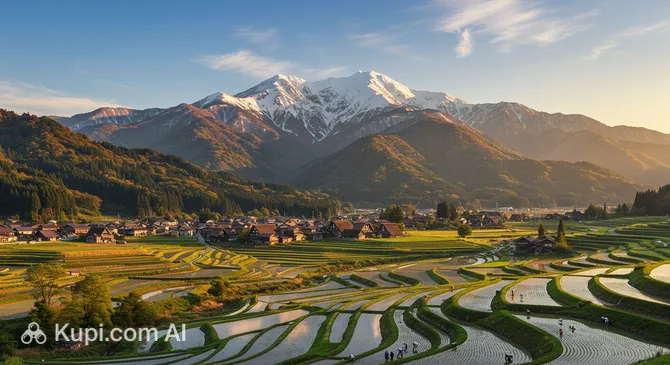
Minamiuonuma. Illustration.
Source: Kupi.com AI

With a population of about 55,000 people, Minamiuonuma maintains an ideal balance between size and coziness. Founded in 2004 through the merger of several towns, the city is today an important cultural center of the region. The atmosphere here is a harmony of nature, traditional hospitality, and the slow pace of life characteristic of Japan.

Minamiuonuma is famous for its excellent ski resorts, which attract winter sports enthusiasts. No less famous are the local hot springs (onsens), where you can relax while admiring the mountain scenery. The city is also the birthplace of the famous Koshihikari rice and is known for its colorful festivals that introduce visitors to rich local traditions.

If you are looking for authentic experiences and want to take a break from the noise of megacities, Minamiuonuma will be a real discovery for you. This city offers a unique combination of active recreation, cultural immersion, and the peaceful beauty of nature. Come and enjoy the hospitality and charm of this corner of Japan!

You can find more interesting facts on the history of Minamiuonuma page.

Weather Overview

The weather in Minamiuonuma is characterized by significant seasonal changes. Winters here are cold, with an average January temperature of about -1.3°C, total precipitation of 7 mm, and 26 rainy (or snowy) days. February is also cold, with an average temperature of -0.4°C. Spring brings gradual warming: in March, the average temperature rises to 4.1°C, and by May, it reaches 15.3°C, while precipitation remains moderate.

Summer in Minamiuonuma is warm and humid. July and August are the warmest months, with average temperatures of 23.4°C and 24.7°C respectively. July also sees the highest amount of precipitation (10 mm) and up to 24 rainy days. In autumn, temperatures gradually decrease: in September, the average is 20.7°C, dropping to 7.7°C by November. December brings the cold back with an average temperature of 1.0°C and an increase in precipitation days. In general, expect cold, snowy winters and warm, humid summers with frequent rain. For more detailed information, please see the data on the climate of Minamiuonuma.

Average monthly temperature

Average monthly precipitation

Interesting Facts

Beyond its picturesque landscapes and hospitality, Minamiuonuma holds many surprising stories and features that make this city truly unique. Here are just a few:

  • Minamiuonuma is home to the famous Naeba Ski Resort, which not only offers excellent slopes but also regularly serves as a venue for prestigious international winter competitions and colorful snow festivals, attracting athletes and spectators from all over the world.

  • Minamiuonuma is considered the birthplace of one of the most valuable and delicious varieties of rice in Japan—Koshihikari. Its exceptional sweetness and delicate texture have made it a benchmark for quality. In honor of the harvest, vibrant festivals and tastings are held annually, and local farmers are happy to provide tours of their fields.

  • The mountainous terrain around Minamiuonuma hides true gems of ancient architecture—Saifuku-ji and Eirin-ji temples. These sanctuaries preserve unique old paintings and intricate carvings, offering visitors a rare opportunity to immerse themselves in a peaceful atmosphere away from popular tourist routes.

  • Surprisingly, Minamiuonuma keeps the memory of gold rush times alive! In the city's ancient mines, you can still try your hand at being a prospector. If luck is on your side, you might pan for a real grain of gold to keep as a souvenir—this exciting activity is especially popular with families and history buffs.

How to Get There

There are several ways to reach Minamiuonuma, located in Niigata Prefecture. The most popular and convenient method for most tourists, especially those arriving from abroad or other regions of Japan, is by rail combined with a flight to the country's major international airports.

Most international travelers arrive at Narita International Airport (NRT) or Haneda International Airport (HND) in Tokyo. From the capital, you can quickly and comfortably reach Minamiuonuma by the Shinkansen bullet train (Joetsu Shinkansen line). Trains stop at stations located directly within the Minamiuonuma city limits, such as Echigo-Yuzawa—a popular hub for accessing ski resorts—and Urasa. The trip from Tokyo to Echigo-Yuzawa station takes approximately 70–90 minutes. From these stations, you can easily reach your final destination in Minamiuonuma by local train, bus, or taxi.

For those considering domestic flights within Japan or arriving from certain neighboring regions, some regional airports can also serve as entry points, though they will require additional transfers to reach Minamiuonuma:

One such option is Niigata Airport (KIJ). This major regional airport is located in Niigata City, about 101 km north of Minamiuonuma. From Niigata Airport, you can reach Minamiuonuma by public transport (e.g., a bus to Niigata Station, then a train) or by taxi; the total travel time can be around 2.5–3 hours.

Another option is Matsumoto Airport (MMJ), located in Matsumoto City, approximately 131 km southwest of Minamiuonuma. This is a small airport, and the journey from there to Minamiuonuma by car or public transport takes about 3.5–4 hours.

For your convenience, here is a summary of the nearest regional airports:

AirportPassenger trafficDistance
Niigata Airport1.1 mln101 km
Matsumoto Airport112 618131 km
Fukushima Airport250 000139 km
Toyama Airport736 740158 km
Ibaraki Airport776 063169 km

Traveling by car is also possible. Minamiuonuma is connected to Japan's main expressway network, making a car trip a convenient option, especially if you plan to explore the region's scenic surroundings and visit multiple locations.

Main Attractions

Minamiuonuma, located in the scenic Niigata Prefecture, offers travelers a unique blend of natural beauty, cultural heritage, and outdoor adventure. While a detailed interactive list of attractions with specific link and image data is not currently provided, we can highlight several key areas that make Minamiuonuma attractive to tourists.

First and foremost, the Uonuma region, of which Minamiuonuma is a part, is world-famous for its high-quality "Koshihikari" rice and, consequently, its superb sake. A visit to one of the local sake breweries, such as the renowned Hakkaisan Brewery, is an unforgettable experience. Here, you can not only learn about the intricacies of producing this traditional Japanese beverage but also sample various varieties, experiencing the true taste of the region.

For winter sports enthusiasts, Minamiuonuma is a true paradise. The city is surrounded by mountains with several ski resorts located on their slopes. One of the most popular is Maiko Snow Resort, which offers a variety of trails for both beginners and experienced skiers and snowboarders. Beyond the skiing, the resorts often provide magnificent views of the surrounding snowy landscapes and high-quality facilities for relaxation.

Those seeking peace and a connection to Japan's spiritual culture should visit Untoan Temple. This ancient Zen Buddhist temple has a rich history and is known for its serene atmosphere, beautiful old architecture, and a garden that is especially stunning throughout the seasons. A visit to the temple allows you to step away from the hustle and bustle and immerse yourself in reflection.

Furthermore, the natural landscapes of Minamiuonuma are an attraction in themselves. Picturesque mountains and emerald rice fields that change their appearance depending on the season create ideal conditions for hiking, photography, and simply enjoying untouched nature.

Local Cuisine

The gastronomic heart of Minamiuonuma beats to the rhythm of the famous Koshihikari rice. This variety, known for its flawless taste and texture, is the foundation of many dishes—from simple and hearty onigiri to exquisite sushi. Local restaurants take pride in offering guests dishes made from freshly cooked rice that literally melts in your mouth, leaving an unforgettable impression.

Beyond rice, the cuisine of Minamiuonuma is rich in nature's bounty. Seasonal vegetables, mushrooms, and fresh river fish are widely used here. Be sure to try traditional miso soup with mountain vegetables, fragrant grilled trout, or delicacies made from young bamboo shoots. These dishes reflect the region's close connection to the surrounding nature and centuries-old culinary traditions.

Street markets and festivals add a special charm to the local gastronomy. Here you can taste yukata-mochi—sweet rice cakes filled with red bean paste—as well as enjoy the freshest vegetables, fruits, and handmade sweets. Local farmers are also famous for their aromatic honey and high-quality green tea. Gastronomic festivals, such as the autumn rice harvest celebration or the winter snow festival with hot treats, offer a unique opportunity to immerse yourself in the food culture of Minamiuonuma.

When it comes to drinks, the local sake must be mentioned. It is produced using the region's purest spring water, which gives it a distinctively soft taste. Sake tasting is an essential part of getting to know Minamiuonuma's culinary culture. Locals and tourists typically enjoy their meals in cozy restaurants specializing in traditional cuisine, as well as at lively markets and during festivals, where you can try authentic dishes in an informal setting.

The culinary scene of Minamiuonuma is a harmonious blend of centuries-old traditions, the freshest seasonal products, and, of course, the unsurpassed Koshihikari rice. By trying signature dishes like tender onigiri, fragrant miso soup with wild plants, or sweet yukata-mochi, you will discover the true taste of this amazing corner of Japan. Simplicity, ingredient quality, and a deep connection to nature are highly valued here, making every dish truly special.

Travel Tips

Welcome to Minamiuonuma! To make your trip to this charming corner of Niigata Prefecture as comfortable and memorable as possible, we have prepared some practical tips. We hope they help you navigate better and enjoy every moment of your stay.

  1. Clothing and Useful Items: The weather in Minamiuonuma, as in all of Niigata Prefecture, has distinct seasons. In winter, it snows heavily, so warm waterproof clothing, winter shoes, a hat, and gloves are essential. Summer is warm and humid—choose light, breathable clothing. Spring and autumn weather can be changeable, so dress in layers. Comfortable shoes are your best friend for walking and exploring the surroundings. Don't forget an adapter for electrical appliances (Japan uses Type A and B sockets, 100V voltage). When visiting temples and shrines, choose modest clothing that covers shoulders and knees.

  2. Getting Around Town: Public transport in Minamiuonuma consists of local trains (e.g., the JR Joetsu Line) and buses. For more flexible exploration of the region, especially if you plan to visit ski resorts or remote natural sites, renting a car can be convenient. Remember that Japan has left-hand traffic, and an international driving permit is required for rentals. In winter, winter tires or chains are mandatory on the roads. Taxis are available but can be quite expensive.

  3. Financial Matters: The official currency is the Japanese Yen (JPY). It is recommended to carry enough cash, as not all small shops, restaurants, and guesthouses accept credit cards, especially in rural areas. You can exchange currency at airports, major banks, or the post office (Japan Post Bank). ATMs that accept international cards can most often be found at 7-Eleven branches and post offices. Large hotels and shops usually accept Visa and Mastercard. Tipping is not practiced in Japan and may be seen as a misunderstanding.

  4. Health and Safety: Japan is one of the safest countries in the world, and Minamiuonuma is no exception. The crime rate here is very low. Pharmacies (薬, "kusuri" or "drugstore") are easy to find, but not all staff speak English, and not all are open 24/7. Having travel insurance is highly recommended to cover potential medical expenses. In case of need, contact local clinics or hospitals. Stay informed about the weather forecast, especially in winter (heavy snow) or during typhoon season (summer-autumn).

  5. Communication and Connectivity: The primary language is Japanese. English proficiency among the local population may be limited, especially outside tourist sites. Learn a few basic phrases: "konnichiwa" (hello), "arigato" (thank you), "sumimasen" (excuse me/sorry). For connectivity, consider renting a pocket Wi-Fi router or buying a local SIM card. Free Wi-Fi is available in some hotels and public places. Translation apps and navigation maps like Google Maps will be useful.

  6. Local Etiquette: Japanese people highly value politeness and respect for tradition. Greetings are usually accompanied by a bow. In public places, especially on transport, try to keep noise levels down and avoid talking loudly on the phone. It is customary to remove your shoes before entering private homes, some temples, traditional restaurants, and ryokans (Japanese-style inns). When using chopsticks (hashi), do not stick them vertically into rice and do not pass food from chopsticks to chopsticks.

  7. What to Avoid: To avoid offending locals and awkward situations, try not to eat or drink while walking (except in designated areas or at street food festivals). Do not litter—street cleanliness in Japan is maintained by everyone. As mentioned, do not leave tips. Also, avoid pointing at people or objects with one finger—it's better to use an open palm.

  8. Special Advice for Minamiuonuma: This region is famous for its Koshihikari rice, considered one of the best in Japan. Be sure to try local dishes prepared with this rice! Also, Niigata Prefecture is known for its sake—don't miss the chance to taste local varieties. If you visit in winter, Minamiuonuma and its surroundings offer excellent opportunities for skiing and snowboarding. For full immersion in Japanese culture, visit a local onsen (hot spring), having first familiarized yourself with the rules of conduct.

We hope these tips make your journey to Minamiuonuma even more pleasant and fulfilling. We wish you an unforgettable experience exploring this beautiful region of Japan!

Entertainment & Nightlife

In the evenings, Minamiuonuma offers its guests a cozy and authentic atmosphere for relaxation rather than the loud parties typical of large metropolises. After a full day exploring the natural beauty of Niigata Prefecture, you can enjoy a pleasant time in local establishments, immersing yourself in a calm and welcoming environment.

The core of evening life here consists of traditional Japanese pubs called izakaya. These are wonderful places to enjoy local dishes, Niigata's famous sake, and beer. In an izakaya, you can expect drinks like local beer or sake to cost around 500–800 yen, while small snacks (tsumami) range from 400 to 1,000 yen. A dinner with several drinks per person can cost on average 3,000 to 5,000 yen, which is typical for such establishments in small Japanese towns. These venues are usually located near main railway stations, such as Muikamachi or Urasa, as well as along central streets, and can often be identified by their characteristic red lanterns (akachochin). Another popular option for an evening in small Japanese towns is the "sunakku" (スナック)—small bars, often with karaoke, where the hostess creates a special, almost home-like atmosphere. For a city the size of Minamiuonuma, it is difficult to single out two or three specific bars or clubs with an established reputation outside the region; the most authentic experiences are usually found in these local spots popular with residents. It is best to ask for information about them locally.

The atmosphere in such places is usually very friendly and conducive to conversation. There is generally no dress code—comfort and simplicity are valued. Most izakayas and restaurants are open until late evening, around 10:00 PM–11:00 PM. Some small bars and "sunakku" may stay open until midnight or slightly later, especially on weekends. You are unlikely to find loud nightclubs open until morning in Minamiuonuma, as is common in many small Japanese towns. Large concert venues or bustling night markets are also not typical for this city, but it is always worth checking local listings for seasonal events or festivals that might offer evening entertainment.

For getting around in the evening, you can use taxis, which usually wait for passengers at stations or can be ordered by phone. Walking through the central areas of the city at night is generally safe, as Japan has a low crime rate. However, it is always wise to take standard precautions. To find the best current izakayas or bars, we strongly recommend asking your hotel staff or the local tourist information center for advice—they can point you to currently popular spots.

During the day, Minamiuonuma and its surroundings offer many options for active and cultural leisure. In winter, it is a popular destination for skiing thanks to heavy snowfall. In warmer months, you can enjoy hiking along scenic mountain trails, attend local festivals, explore small temples, or relax in the onsens (hot springs) for which the region is famous. While the city may not have large theaters or world-class theme parks, its charm lies in its magnificent nature, rich local culture, and traditional Japanese hospitality.

Parks & Museums

Minamiuonuma is a city where you can enjoy both the tranquility of nature and the local culture and history. There are interesting places for those who appreciate green spaces and for those who seek new knowledge in museums.

Nature lovers will appreciate the picturesque corners of Minamiuonuma. While specific parks may not be as widely known as those in major cities, there are surely gems to be found here. You can expect well-maintained city gardens where it is pleasant to stroll at any time of year, enjoying the changing scenery. Given its location in Niigata Prefecture, known for its natural beauty, park areas along rivers or at the foot of mountains are likely available, offering opportunities for light walks and picnics. Such places are ideal for a break from the city bustle and for contemplating Japanese nature.

To learn about the cultural heritage of Minamiuonuma, look to the local museums. Often, Japanese cities have local history museums that detail the region's history, development, traditions, and the daily life of residents. You might find a museum in Minamiuonuma dedicated to unique aspects of Niigata Prefecture, such as sake production, the cultivation of famous "Koshihikari" rice, or the characteristics of living in a snowy region. Visiting such places helps deepen your understanding of the city's character and soul.

In addition to parks and museums, you may encounter other interesting sites in and around Minamiuonuma. Look for local temples and shrines, which are often not only spiritual centers but also examples of traditional architecture holding centuries of history. Strolling through the city's old streets can also provide interesting discoveries and impressions.

For a more authentic experience, try visiting a local market if one is available, where you can see the region's fresh produce and observe the daily life of the townspeople. Sometimes the most memorable moments of a trip are hidden in such off-the-beaten-path places, away from the main tourist routes.

Getting Around

Public transportation in Minamiuonuma is primarily represented by rail services and bus routes that connect various areas of the city and its surroundings, including popular ski resorts and onsens. Given the city's size and location, the public transport system is oriented toward both the needs of residents and tourists arriving for outdoor activities.

The main railway arteries are the JR East lines, including the Joetsu Line. Trains provide connections to larger cities and neighboring prefectures. Local buses serve routes within the city and to nearby settlements. Bus schedules may not be as frequent as in large metropolises, so it is recommended to check departure times in advance, especially if you plan to travel to remote areas or in the evening.

For paying fares on trains and buses, it is convenient to use rechargeable transport IC cards (such as Suica, Pasmo, or other regional equivalents), which are accepted on many routes. Simply tap the card against the reader at the entrance and exit. You can also purchase single tickets from machines at stations or directly from the bus driver (it is advisable to have small change). Fare prices depend on the distance. Specialized tourist passes may not be available within Minamiuonuma itself, but it is worth checking for regional passes if you plan to travel extensively within the prefecture.

Train tickets can be bought at ticket offices or machines at railway stations. On buses, payment is usually made when exiting (or entering, depending on the system). It is important to keep your ticket until the end of the trip if you purchased a single one. Public transport operating hours can vary: trains usually run from early morning to late evening, while bus services may end earlier, especially on less popular routes.

As an alternative to public transport in Minamiuonuma, you can use taxi services. Taxi stands are usually located at railway stations and major hotels. This is a more expensive but comfortable way to get around, especially with luggage or for groups. For more freedom of movement, particularly if you plan to explore the surrounding natural beauty or numerous ski slopes, you might consider renting a car. Bicycle rentals may be available at some tourist points or hotels, which is a great option for leisurely city rides during the warmer months.

A feature of the region's transport system is its adaptation to tourist seasons. For example, during the winter period, additional shuttle buses may be launched from railway stations to ski resorts such as Gala Yuzawa (which can be reached directly by Shinkansen to the station of the same name), Ishiuchi Maruyama, or Joetsu Kokusai. Traveling on local trains through scenic valleys can be a pleasant part of your journey in its own right.

Accommodation

In Minamiuonuma, a city renowned for its ski resorts and picturesque nature, tourists will find a variety of accommodation options to suit every taste and budget. The city offers everything from traditional Japanese ryokans to modern hotels, guesthouses (minshuku), and rental apartments. Many options cater to winter sports enthusiasts, providing easy access to the slopes and appropriate infrastructure.

The most popular areas to stay are those located in the immediate vicinity of major ski complexes, such as Gala Yuzawa (though technically in a neighboring town, many hotels in Minamiuonuma serve its visitors), Ishiuchi Maruyama, and Maiko Snow Resort. Places near railway stations are also convenient, such as Echigo-Yuzawa Station (Shinkansen), which is a major transport hub for many resorts in the region, including those in Minamiuonuma. The choice of area depends on your plans: proximity to the slopes, transport accessibility, or a secluded atmosphere.

The price range for accommodation in Minamiuonuma varies from budget-friendly options like hostels or small guesthouses to mid-range hotels and more luxurious resort complexes with a full range of services, including onsens (hot springs). It is recommended to book accommodation in advance, especially if your trip coincides with the peak ski season (typically December to March) or Japanese national holidays. For searching and booking, it is convenient to use popular online platforms or contact hotels directly.

Nearby Cities

For those looking to explore the surrounding area, Minamiuonuma serves as an excellent starting point for day trips to several interesting nearby locations:

For instance, Nagaoka attracts travelers with its famous fireworks festivals and historical sites. In Joetsu, you can visit the majestic Takada Castle and enjoy the beauty of the parks, especially during the cherry blossom season. Meanwhile, Kashiwazaki offers scenic views of the Sea of Japan coast and opportunities for a relaxing getaway.

CityPopulationDistance
Tokamachi49 47213 km
Yuzawa41 60115 km
Uonuma34 11220 km
Ojiya33 72929 km
Nagaoka265 86842 km

These nearby destinations provide a glimpse into the diverse culture and landscapes of the region.

Shopping & Souvenirs

Shopping in Minamiuonuma is primarily an opportunity to discover authentic local products and crafts for which this region of Japan is famous. While the city is not positioned as a major center for fashion or electronics, it offers unique goods reflecting its rich culture and natural gifts, most notably the famous Koshihikari rice and high-quality sake.

The main shopping areas in Minamiuonuma are typically located near railway stations such as Muikamachi or Urasa, as well as along the city's central streets. Here, you can find small family-run shops, stalls offering local delicacies, and souvenir shops. The atmosphere here is calmer and more conducive to leisurely shopping than in bustling megacities.

There may be few large modern shopping malls in Minamiuonuma. Instead, the focus is on convenience stores and specialized shops where you can purchase locally produced items. This allows for a deeper immersion into the local culture and the chance to find truly unique items.

While there may not be large, permanent markets in the traditional sense in Minamiuonuma, tourists should look out for seasonal fairs or local farmers' markets if they are held during your visit. These are great places to buy fresh produce, including vegetables, fruits, and, of course, the famous local rice directly from the producers.

When planning to bring home souvenirs from Minamiuonuma, look for Koshihikari rice—the pride of Niigata Prefecture. Local sake, produced from pure water and premium rice, is also very popular. Don't forget about traditional Japanese snacks, pickles (tsukemono), and items made by local artisans. If your trip falls during the winter season, souvenirs related to skiing will be relevant, as the region is famous for its resorts.

Most shops in Minamiuonuma generally operate from 10:00 AM or 11:00 AM to 7:00 PM or 8:00 PM. Small private shops may have individual operating hours. Regarding payment methods, cash remains an important means of payment, especially in small shops and markets. Credit cards are accepted in larger retail outlets, hotels, and some tourist sites. In some places, Japanese transport IC cards (such as Suica or Pasmo) may also be accepted.

International tourists in Japan can take advantage of the tax refund system (Tax Free) at stores marked with the "Japan Tax-Free Shop" sign. This usually requires a purchase of a certain amount (most often over 5,000 yen excluding tax) and the presentation of a passport at the checkout or a special counter. It is recommended to check the terms and procedures for a tax refund directly at the stores.

Reached the end of the page?

That means the route is fully explored