Support

Tokamachi

About

Tokamachi is a picturesque city nestled among the hills and valleys of Niigata Prefecture on the west side of Honshu island. It is surrounded by endless rice fields terraced down to the valleys and majestic mountain landscapes that are beautiful in any season. The city is located in the heart of one of the most beautiful gorges in Japan, making it a true find for nature lovers and photo enthusiasts.

With a population of about 49,000 people, Tokamachi maintains an atmosphere of comfort and leisure, combining the traditions of the Japanese countryside with modern conveniences. It is an administrative center known for its hospitality and calm, peaceful atmosphere. Here, it is easy to feel like a part of local life—whether at a bustling market, in cozy small cafes, or during colorful traditional festivals.
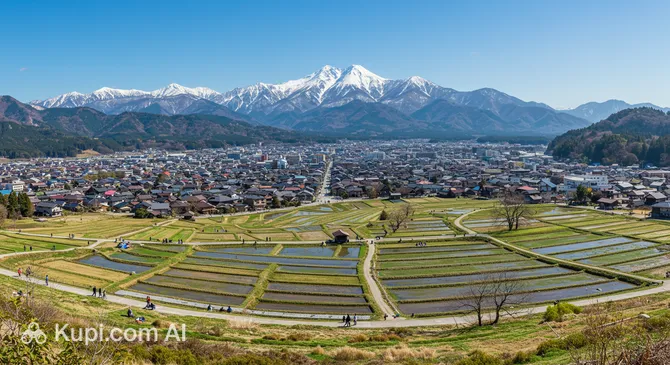
Tokamachi. Illustration.
Source: Kupi.com AI

Tokamachi is the ideal destination for those who want to see the real Japan away from the noisy metropolises. The city is particularly famous for its festivals, such as the renowned Tokamachi Snow Festival, as well as its stunning natural landscapes, including the picturesque Hoshitoge terraced rice fields. Furthermore, it hosts one of the world's largest international art events—the Echigo-Tsumari Art Triennale, attracting guests from all over the country and the world. Here, you can find inspiration, enjoy leisurely walks, and discover traditional Japanese arts and crafts.

If you are looking for an authentic experience that combines natural beauty, rich cultural heritage, and local hospitality, Tokamachi will be an unforgettable discovery for you. This city invites you to immerse yourself in its peaceful atmosphere and enjoy every moment of your journey.

You can find more interesting facts on the Tokamachi city history page
Weather Overview

The weather in Tokamachi is characterized by noticeable seasonal fluctuations. Expect warm summers with frequent precipitation, with average temperatures in August reaching 25.4°C, and cold, snowy winters, where in January the thermometer averages -0.4°C. The highest amount of rainfall occurs in July (about 9 mm) and December (about 8 mm), while winter months like January and December feature the highest number of days with precipitation (up to 26 days). To better plan your trip, you can learn more about the climate of Tokamachi.

Average monthly temperature

Average monthly precipitation

Interesting Facts

Tokamachi is not just a picturesque corner of Japan; it is a city full of amazing discoveries and little-known stories. Here are just a few facts that will reveal its unique character:

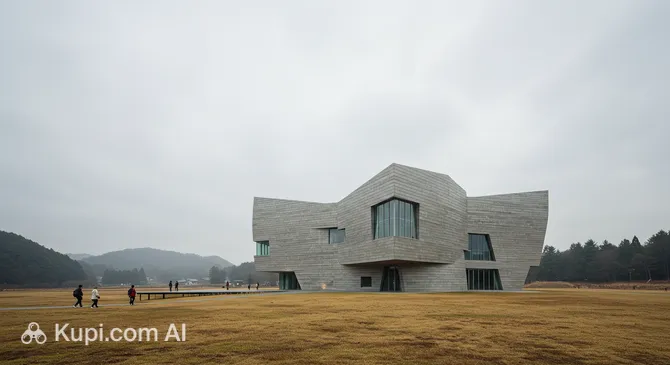
Echigo-Tsumari Satoyama Museum of Contemporary Art, MonET. Illustration.
Source: Kupi.com AI

Traveler photos:

  • Every three years, Tokamachi and its surroundings transform into one of the world's largest open-air art exhibitions—the Echigo-Tsumari Triennale. Works of art can be found here in the most unexpected places: among rice fields, in forests, and even in abandoned schools. One of the central locations of this art festival is the Echigo-Tsumari Museum of Contemporary Art, MonET.

  • The famous Tokamachi Snow Festival (Tokamachi Yuki Matsuri) is one of the oldest and most authentic in Japan. It originated not so much as a tourist event, but as a way for local residents to come together and brighten up the long, snowy winters by creating impressive snow sculptures and works of art from snow.

  • In the vicinity of Tokamachi are some of the most photogenic rice terraces in Japan, such as Hoshitoge. These terraces, especially when filled with water, reflect the sky, creating a "water mirror" effect and truly magical landscapes that change depending on the season and time of day.

  • The Echigo region, of which Tokamachi is a part, is considered the birthplace of the famous Japanese koi fish (Nishikigoi). It was here, thanks to the efforts of local breeders, that these bright decorative fish were developed, becoming a symbol of luck and prosperity not only in Japan but throughout the world.

How to Get There

The city of Tokamachi does not have its own airport, so air travel here requires landing at one of the nearest regional airports. From these airports, Tokamachi can be reached by ground transport, such as a car or bus.

The most convenient option for many travelers is often Niigata Airport (KIJ). It is located in Niigata City, approximately 97.4 km north of Tokamachi. This is a fairly large regional airport serving both domestic and some international flights. The trip from the airport to Tokamachi by car or bus usually takes about 2.5-3 hours.

You can also consider flying into Matsumoto Airport (MMJ), located in Matsumoto City, about 130 km from Tokamachi (travel time about 3.5-4 hours), or Toyama Airport (TOY) in Toyama City, at a distance of about 150 km (travel time approximately 4-4.5 hours). These airports mainly focus on domestic transport and may be convenient depending on your route through Japan.

After arriving at any of these airports, Tokamachi can be reached by a rental car, allowing you to enjoy the scenic landscapes of Niigata Prefecture at your own pace. Alternatively, bus routes are available. It is also worth checking for rail connections from the airport cities to Tokamachi or nearby stations, as rail transport in Japan is highly developed. For those traveling across the country by car, Tokamachi is accessible via a network of high-quality roads.

For your convenience, below is summary information on the main airports used to reach Tokamachi:

AirportPassenger trafficDistance
Niigata Airport1.1 mln97 km
Matsumoto Airport112 618130 km
Fukushima Airport250 000149 km
Toyama Airport736 740150 km
Noto Airport207 427160 km

Main Attractions

Tokamachi, nestled in Niigata Prefecture, attracts travelers with its unique blend of contemporary art, rich history, and distinctive culture. The city is especially well-known for the international Echigo-Tsumari Art Triennale and its picturesque snowy landscapes in winter, but its permanent attractions are also sure to surprise and provide unforgettable experiences.

One of the main cultural points of interest is the Echigo-Tsumari Museum of Contemporary Art, MonET. This is not just a gallery, but a key venue of the famous art triennale, showcasing impressive works by Japanese and international artists. Many installations are seamlessly integrated into the surrounding natural landscape, creating a unique dialogue between art and nature. A visit to MonET is an opportunity to experience contemporary art and see how it transforms space.

Echigo-Tsumari Satoyama Museum of Contemporary Art, MonET. Illustration.
Source: Kupi.com AI

Traveler photos:

To gain a deeper understanding of the history and traditions of this region, it is worth visiting the Tokamachi City Museum. The museum's collection covers a wide period: from ancient Jomon era artifacts found during archaeological excavations to everyday objects, crafts, and artworks that tell the story of life and culture in the "snow country," as this region of Japan is often called. This is an excellent place to get acquainted with the unique heritage of Tokamachi.

Tokamachi City Museum. Illustration.
Source: Kupi.com AI

Traveler photos:

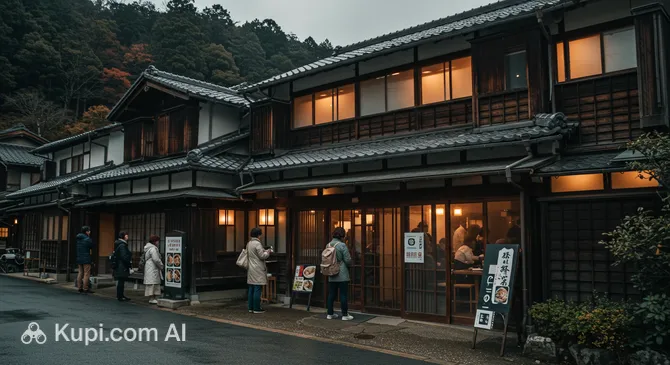
In addition to artistic and historical sites, Tokamachi offers gastronomic delights. The Soba-no Sato Abuzaka restaurant is a wonderful place to experience local cuisine, particularly the traditional buckwheat soba noodles, which are a hallmark of the region. Here, you can enjoy authentic dishes made from the freshest local ingredients in a cozy atmosphere.

Soba no Sato Abuzaka. Illustration.
Source: Kupi.com AI

Traveler photos:

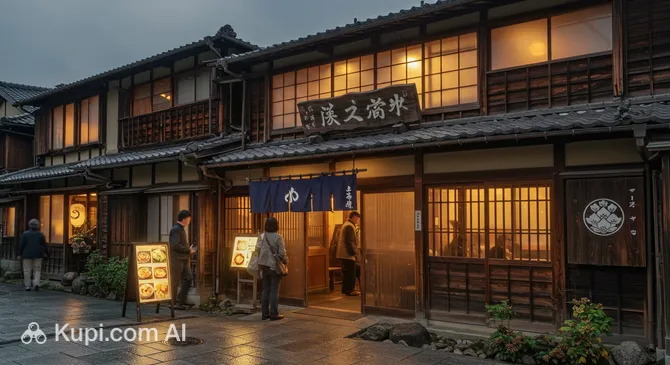
Another notable establishment where you can taste the famous soba noodles and other local dishes is Kojimaya Honten. This restaurant also carefully preserves the culinary traditions of the Echigo-Tsumari region, offering guests delicious and satisfying meals. Visiting such places is not just an opportunity to satisfy your hunger, but also an important part of cultural immersion into life in Tokamachi.

Kojimaya Honten. Illustration.
Source: Kupi.com AI

Traveler photos:

Local Cuisine

The gastronomy of Tokamachi is a true immersion into the authentic flavors of Japan, where the freshest local products play the lead role. The hallmark of the region is undoubtedly the rice grown on the famous Kamou terraces. Thanks to pure mountain water and a unique microclimate, this rice is considered among the best in the country. Be sure to try traditional onigiri (rice balls with filling), aromatic rice porridges, and, of course, exquisite sushi prepared with local rice.

A special place in Tokamachi's cuisine is held by soba—buckwheat noodles, which are prepared here according to ancient recipes. This dish, simple in appearance, reveals the full depth of flavor of high-quality ingredients. In spring, it is worth tasting dishes made from sansai (wild mountain vegetables); in summer—fresh fish from mountain rivers; and in winter, hearty soups and hot dishes will warm you up. The region is also famous for its mushrooms and vegetables. As for drinks, besides traditional Japanese tea, you should pay attention to local sake, as rice is the base of this drink, and the quality here is superb.

Food culture in Tokamachi is closely linked to nature and the change of seasons. Locals and tourists can enjoy culinary delights in both cozy restaurants and bustling street markets. Farmers' markets are a special pleasure; here you can buy the freshest products straight from the garden and try homemade treats: pickled vegetables, rice flour sweets, and seasonal fruits. To taste real local soba, stop by establishments such as Soba-no Sato Abuzaka. Also worth mentioning is the Kojimaya Honten restaurant, where you can get acquainted with other local dishes.

For gourmets, Tokamachi offers a unique experience: here you can not only enjoy the taste but also learn about the origin of the products. Gastronomic festivals held regularly in the city turn into a true celebration of flavor, where local chefs demonstrate their mastery. A trip to Tokamachi is a chance to discover the pure, natural flavors of the Japanese countryside and the hospitality of its residents.

Travel Tips

Welcome to Tokamachi! To ensure your journey to this unique corner of Japan, known for its art and snowy winters, goes smoothly and leaves only pleasant impressions, we have prepared some practical tips.

  1. Clothing and Essentials:

    The climate in Tokamachi is continental, with hot summers and very snowy winters. In summer (June-August), bring light, breathable clothing, but don't forget a raincoat, especially in early summer (the "tsuyu" rainy season). In spring (April-May) and autumn (September-November), the weather is changeable, so layering is your best friend: T-shirts, sweaters, and a light jacket. In winter (December-March), prepare for heavy snowfall: a warm waterproof jacket, trousers, hat, gloves, scarf, and waterproof winter boots with good grip are essential. Comfortable walking shoes are a must at any time of year, as you will likely be walking a lot to see art objects or natural beauties. Don't forget an adapter for electrical appliances (Japan uses Type A and B sockets, 100V voltage) and a portable charger. When visiting temples and shrines, choose modest clothing; remove your shoes before entering rooms with tatami mats.

  2. Transport around the city and surroundings:

    In Tokamachi itself, you can get around on foot or by local buses, but their schedule may not be very frequent. The city is served by the JR Iiyama and Hokuetsu Express Hokuhoku railway lines. To explore the Echigo-Tsumari art space, whose objects are scattered over a large area, renting a car is highly recommended. This will give you maximum freedom of movement. An international driving permit is required. In winter, roads can be snowy, so take this into account when planning. Taxis are available but can be expensive for long trips. In the warmer months, renting a bicycle is a good option for exploring the city center.

  3. Finances:

    The local currency is the Japanese yen (JPY, ¥). It is recommended to carry sufficient cash, as not all small establishments, especially in rural areas, accept credit cards. You can exchange currency at the airport upon arrival or at banks in major cities; exchange options in Tokamachi may be limited. ATMs that accept international cards are most often found in Japan Post Bank branches (post office) and in 7-Eleven stores (Seven Bank). Credit cards (Visa, Mastercard) are accepted in hotels, large stores, and some restaurants. Check with your bank for terms of card use abroad and possible fees. Tipping is not practiced in Japan and may cause confusion. An approximate daily budget (excluding accommodation) is from 7,000 to 15,000 yen, depending on your plans.

  4. Health and Safety:

    Tokamachi, like Japan in general, is a very safe place. The crime rate is low. Nevertheless, observe standard precautions. Pharmacies ("kusuri" 薬) exist, but staff do not always speak English. Bring necessary medications with you. Medical care for tourists is available but can be expensive, so it is highly recommended to have travel insurance. If necessary, hotel staff can help find a doctor. In winter, be careful on slippery roads and sidewalks.

  5. Communication:

    The official language is Japanese. The level of English proficiency among the local population may not be high, especially outside tourist sites. Learn a few basic phrases: "konnichiwa" (hello), "arigato" (thank you), "sumimasen" (excuse me/sorry). For connectivity, it is recommended to purchase a tourist SIM card or rent a pocket Wi-Fi router—this is very convenient for navigation and searching for information. Free Wi-Fi is available in some hotels and public places, but do not rely on it completely. Useful apps: Google Maps, Japan Travel by Navitime (for route planning), GuruNavi or Tabelog (for finding restaurants, often in Japanese but with pictures).

  6. Local Etiquette:

    Japanese people value politeness and respect. Greetings are accompanied by a slight bow. In public places, especially on transport, avoid loud conversations. It is not customary to eat or drink on the go. Remove your shoes when entering homes, traditional restaurants (where you sit on tatami), temples, and ryokans (traditional inns). There are certain rules for using chopsticks (for example, do not stick them vertically into rice). If you plan to visit an onsen (hot spring), be sure to wash thoroughly in the shower area before entering the communal bath.

  7. What to Avoid:

    Do not point at people or objects with one finger—this is considered rude; use a gesture with your entire palm. Japan has very strict trash sorting rules. Pay attention to the markings on containers. If you cannot find a bin, carry your trash with you until you find a suitable place to dispose of it.

  8. Feature of Tokamachi:

    Tokamachi is internationally famous for the Echigo-Tsumari Art Triennale—one of the world's largest open-air contemporary art festivals. Many installations are permanent and available for visiting year-round as part of the "Echigo-Tsumari Art Field." If your visit coincides with the triennale (every three years) or other seasonal art events, be sure to include them in your program. Additionally, Tokamachi is one of the snowiest regions in Japan. If you are here in winter, do not miss the chance to see the famous Tokamachi Snow Festival in February with its giant snow sculptures.

We hope these tips help you better prepare for your trip and get the most out of getting to know Tokamachi—a city where contemporary art meets deep traditions and stunning nature. Have a pleasant journey!

Entertainment & Nightlife

Evening Tokamachi offers its guests a cozy and authentic atmosphere, distinct from the noisy nightlife of large metropolises. Here, you won't find massive night clubs operating until dawn, but you can enjoy a pleasant evening in traditional Japanese establishments, sampling local cuisine and drinks in a quiet setting.

The foundation of evening entertainment in Tokamachi consists of local restaurants and izakayas (Japanese pubs), where you can not only eat well but also interact with local residents. Many of them offer a wide selection of sake and other Japanese drinks. Although there are no dedicated "nightlife districts" in the city, most worthy establishments are concentrated in the central part of the city, near major transport hubs. The atmosphere in such places is usually very welcoming and relaxed. There is no formal dress code; neatness and respect for local traditions are valued.

For dinner, you might consider establishments such as Soba-no Sato Abuzaka, known for its soba noodles, or Kojimaya Honten, which offers local cuisine. It is recommended to check opening hours in advance, especially on weekdays, as many establishments may close earlier than in larger cities. Prices in Tokamachi restaurants and bars are generally moderate.

In terms of safety, Tokamachi, like most cities in Japan, is a very safe place for evening and night walks. However, basic precautions should always be observed. For transportation late at night, you can use taxi services, which are easy to find at stations or order by phone through your hotel.

During the day, Tokamachi offers cultural entertainment. Visitors can visit the Echigo-Tsumari Museum of Contemporary Art, MonET, which is part of the famous Echigo-Tsumari Art Triennale, or stop by the Tokamachi City Museum to learn more about the history and culture of the region. These locations offer an interesting contrast to the quiet evenings.

Parks & Museums

Tokamachi, nestled comfortably in Niigata Prefecture, offers its guests a harmonious blend of picturesque natural landscapes and interesting cultural sites, allowing for a deeper immersion into the history and art of this unique region of Japan.

While there may not be extensive city parks in the traditional sense within Tokamachi itself, its entire territory and surroundings are part of the famous open-air art space—Echigo-Tsumari. This is a region where art is closely intertwined with nature. Travelers can enjoy walks through the picturesque countryside, admiring terraced rice fields, wooded hills, and artworks integrated into the landscape. In winter, these areas transform into a true snowy fairytale, offering peaceful views and opportunities for winter activities.

For lovers of art and history, Tokamachi has several notable places in store. One of the main cultural centers is the Echigo-Tsumari Museum of Contemporary Art, MonET. This museum serves as the core for the world-famous Echigo-Tsumari Art Triennale festival, showcasing works by contemporary artists from around the globe. Exhibitions often interact with the surrounding nature and architecture, offering visitors a fresh perspective on modern art.

To gain a deeper understanding of local history and culture, a visit to the Tokamachi City Museum is worthwhile. It houses exhibits telling the story of the region's rich past, starting from ancient times. Particular attention is paid to Jomon period artifacts, including the famous "flame-style pottery" (kaen-doki), which is recognized as a National Treasure. The museum details the lifestyle, traditions, and crafts of local residents over the centuries.

In addition to museums, the architectural character of Tokamachi and its surroundings is interesting in itself. Here you can find traditional Japanese "kominka" houses, whose construction is adapted to the harsh snowy winters of the region. A stroll through rural areas will allow you to see how ancient buildings and modern art objects blend harmoniously.

If you are looking for authentic experiences, look into local craft workshops where you can not only see the process of creating traditional products but also try your hand at a craft. Also, do not miss the opportunity to visit small but very atmospheric Shinto shrines and Buddhist temples scattered across the picturesque hills and valleys around the city—they provide moments of silence and solitude.

Getting Around

When planning your travel around Tokamachi, it is worth noting that this is a small city, and the public transport system is appropriate to its size. The main methods of movement are local buses and trains, which connect various areas of the city and nearby settlements. There are no subways, trams, or trolleybuses in Tokamachi.

The bus network is an important part of the Tokamachi transport system. Routes cover key points in the city, including the railway station, public institutions, and tourist sites. Bus fares are usually paid in cash upon exiting, with the amount depending on the distance. IC cards (such as Suica or Pasmo) are also widely used in Japan and can be used for payment in many regions, likely including buses in Tokamachi, which is more convenient than paying cash every time. It is recommended to check the possibility of using a specific IC card on local routes upon arrival.

Railway communication plays a key role for longer-distance travel and connections with other cities in Niigata Prefecture and Japan as a whole. Tokamachi Station is served by several lines, including the JR Iiyama Line and the Hokuhoku Line. Train tickets are purchased at station ticket offices or vending machines. Train schedules, especially on less busy lines, may not be very frequent, so it is recommended to plan trips in advance.

For tourists, it is practical to carry cash, especially for bus fares if IC cards are not accepted or if you don't have one. Information on bus routes and schedules can usually be found at stops or at the railway station. Public transport operating hours may be limited, especially in the evenings and on weekends, so this should also be taken into account when planning.

As an alternative to public transport, taxis are available in Tokamachi. They can be found at stands near the railway station or called by phone. This is a more expensive but comfortable way to get around, especially if you are traveling with luggage or in a group. To explore the surroundings and for greater flexibility, you might consider renting a car, especially if you plan to visit the scattered art installations of the Echigo-Tsumari region for which Tokamachi is famous. During the warmer months, bicycle rentals may be available for short trips around the city.

Accommodation

When planning a trip to Tokamachi, you will find a variety of accommodation options to suit different preferences and budgets. The city offers a choice ranging from more economical guest houses and traditional Japanese inns (ryokans) to comfortable hotels and rental apartments. This range allows you to find housing for both a short stopover and a longer immersion into the atmosphere of the region.

When choosing a place to stay in Tokamachi, you should pay attention to areas that provide convenient access to major attractions, such as the Echigo-Tsumari Museum of Contemporary Art, MonET or the Tokamachi City Museum, as well as transport hubs. Staying in the central part or near public transport stops will make your movements around the city and its surroundings more comfortable.

The price range for accommodation in Tokamachi varies: you can find both budget options and middle- and high-class offers with an expanded range of services. Booking accommodation is most convenient through popular international and local online platforms or directly on hotel websites. To guarantee the best choice and most favorable prices, it is recommended to book in advance, especially if your trip coincides with the peak tourist season or major local events and festivals.

Nearby Cities

For those who wish to explore the surrounding area, Tokamachi serves as an excellent starting point for day trips to several interesting nearby locations:

CityPopulationDistance
Minamiuonuma54 82013 km
Uonuma34 11221 km
Ojiya33 72921 km
Yuzawa41 60122 km
Kashiwazaki81 02732 km

These nearby destinations provide insight into the diverse culture and landscapes of the region, offering both major urban centers and more secluded spots to experience Niigata Prefecture and its environs.

Shopping & Souvenirs

Tokamachi may not be a giant commercial metropolis, but it offers its guests a charming and authentic shopping experience, especially for those interested in traditional Japanese crafts and local specialties. The city is particularly famous for its high-quality textile products, a manufacturing tradition deeply woven into its cultural fabric. In addition to textiles, visitors can find unique local food products and handmade items here.

Although Tokamachi may not have extensive, dedicated shopping avenues like larger cities, you will find a concentration of local shops and businesses in the central part of the city, likely around the main railway station and along the main streets leading from it. It is in these areas that you will find small, family-run shops offering a glimpse into local life and trade.

Large modern shopping malls are not a major feature of Tokamachi's retail scene. Instead, expect to find small local department stores or covered shopping arcades (shotengai), which are common in Japanese cities and offer a variety of goods, from daily necessities to local products. They provide a more intimate shopping experience.

While Tokamachi is not famous for large, bustling daily markets like some major cities, it is worth inquiring about seasonal or local farmers' markets (asaichi). These can be great places to find fresh regional produce, homemade pickles, and other local delicacies directly from the producers. Such markets offer an authentic taste of the region's bounty.

The undisputed star among souvenirs from Tokamachi is its exquisite textile products, particularly "Tokamachi Akashi Chijimi"—a fine silk crepe fabric often used for kimonos and other high-quality clothing. Look for items made from this fabric, such as scarves, accessories, or even small fabric panels. Other excellent souvenirs include local sake from Niigata Prefecture, known for its premium rice wine, Koshihikari rice products, one of the most famous rice varieties in Japan, as well as artisanal crafts, perhaps ceramics or woodwork reflecting local artistic traditions.

Most shops in Tokamachi typically open around 10:00 or 11:00 AM and close between 6:00 and 7:00 PM. Small family businesses may have more flexible schedules or be closed one day a week. Major credit cards (Visa, Mastercard) are generally accepted in department stores and many established shops. However, it is always helpful to carry some cash, especially for purchases in smaller shops, at local markets, or for transport fares.

Tourists visiting Japan can often take advantage of the tax-free service (tax refund) for purchases exceeding a certain threshold (usually 5,000 yen) at participating stores. Look for the "Japan Tax-Free Shop" logo. To process the tax refund, you will need to present your passport at the time of purchase. Not all shops provide this service, so it is best to check in advance, especially in smaller establishments.

Reached the end of the page?

That means the route is fully explored