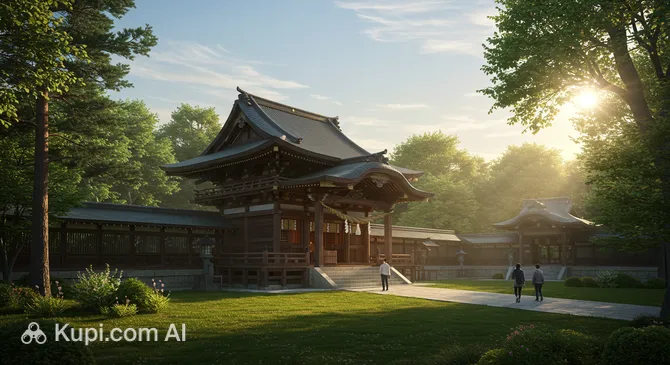
Yonezawa is a charming city nestled among the picturesque valleys and mountain ranges of Yamagata Prefecture, on the island of Honshu, in Japan. It is located in the heart of the Tohoku region, famous for its pristine nature, pure air, and authentic Japanese atmosphere. The city is surrounded by emerald rice fields, dense forests, and healing thermal springs, making it an attractive destination for those who appreciate peaceful relaxation and harmony with nature.
With a population of approximately 80,795, Yonezawa retains the charm of a small town while offering a developed infrastructure and a rich cultural heritage. The atmosphere here is imbued with tranquility and hospitality, reflecting the traditional Japanese way of life. It is a place where you can take a break from the hustle and bustle of megacities and immerse yourself in a measured pace.
Yonezawa. Illustration.
Source: Kupi.com AI
Among Yonezawa's main draws are its famous onsen hot springs, where you can relax and recharge after a busy day. Guests will also find well-maintained streets with historic buildings and cozy ryokans — traditional Japanese inns offering a unique experience of immersion in local culture. Yonezawa is also known for its historical heritage associated with the powerful Uesugi clan.
Yonezawa is a city where history harmoniously intertwines with modernity, and local residents cordially share their traditions with guests. Visit this amazing corner to truly feel the spirit of Japan and discover its unhurried, contemplative side.
The weather in Yonezawa is characterized by clearly defined seasons. Winters here are cold, with average January temperatures around -2.4°C (minimum values can reach -5.2°C) and a significant number of days with precipitation, which often means snowfall (for example, 25 days with precipitation in January). Summer, by contrast, is warm and humid, with average temperatures in August, the hottest month, around 23.7°C (maximum temperatures can rise to 27.1°C) and also with frequent rain (21–22 rainy days in July–August). Overall, warm summers with periodic rain and cold, snowy winters are typical for Yonezawa. Spring and autumn are pleasant transitional seasons with moderate temperatures. To get a more detailed idea of the weather conditions, you can check the detailed information on the Yonezawa climate.
Average monthly temperature
Average monthly precipitation
Interesting Facts
In addition to its main attractions, Yonezawa holds many fascinating secrets and little-known stories. Here are just a few reasons why this city in Yamagata Prefecture deserves your attention:
Yonezawa Castle Ruins. Illustration.
Source: Kupi.com AI
Traveler photos:
Yonezawa is famous not only for its nature but also for its amazing paddy art. Every summer, local artists create massive pictures using different colored varieties of rice — a true feast for the eyes and a unique event for tourists. These "rice canvases" attract the attention of both residents and guests from all over Japan.
The Uesugi clan — one of the most influential samurai families of the Sengoku period — occupies a special place in Yonezawa's history. The spirit of that era is still alive in the Yonezawa Castle ruins and the exhibits of the Uesugi Museum, while annual festivals and battle reenactments draw thousands of spectators.
The city is known for its thermal springs. Onsen districts, such as Onogawa, are considered some of the best in the region. Here, you can not only relax in hot baths but also experience traditional Japanese bathing culture, which has been a part of local life for centuries.
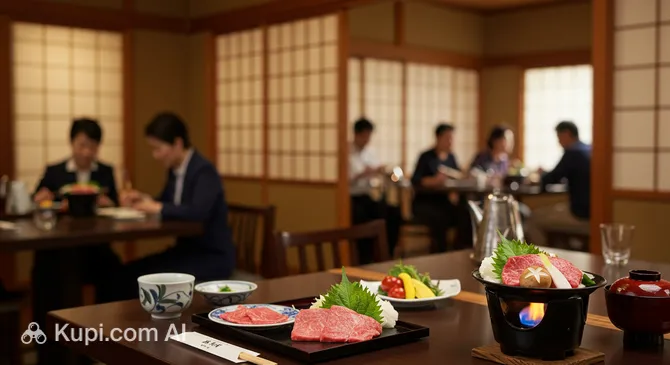
Among Yonezawa's culinary delights, the famous Yonezawa marbled beef, recognized as one of the best in Japan, holds a special place. You can experience this delicacy at, for example, the Yonezawa Beef Restaurant Kongokaku.
How to Get There
Reaching the city of Yonezawa can be done in several ways, primarily through regional airports located in neighboring cities. There is no large airport in Yonezawa itself, so travelers should consider the following air gateways to arrive in the region.
The closest to Yonezawa is Junmachi Airport (GAJ), located in the city of Yamagata, approximately 59 km away. This is a small regional airport from which you can reach Yonezawa by taxi or regional transport in about 1 hour and 50 minutes. Despite its size, it can be convenient for some domestic flights within Japan.
A larger and more frequently used option is Sendai Airport (SDJ), located in the city of Sendai, at a distance of about 74 km from Yonezawa. This is an international airport with significantly higher passenger traffic, offering more flights both domestically and internationally. The trip from Sendai Airport to Yonezawa takes approximately 2 hours and 10 minutes by car.
Another significant airport in the region is Niigata Airport (KIJ), located in the city of Niigata, approximately 88 km from Yonezawa. This airport also serves international and domestic flights, providing another entry point for travelers headed to Yonezawa. The road to Yonezawa from here may take about 2 hours and 30 minutes.
For clarity, here is a summary of the main airports through which you can reach Yonezawa:
After arriving at one of these airports, Yonezawa can be reached by public transport (such as buses or trains from the nearest major hubs) or by taxi. It is recommended to check schedules and available transfer options in advance, especially if you plan to use the rail network, as Japan is famous for its advanced and efficient train network, which can offer convenient connections from the cities where the airports are located.
Main Attractions
Yonezawa, a city with a rich history and cultural traditions, offers travelers many interesting places to visit. Among them, several key attractions stand out, allowing for a deeper understanding of the spirit of this Japanese city.
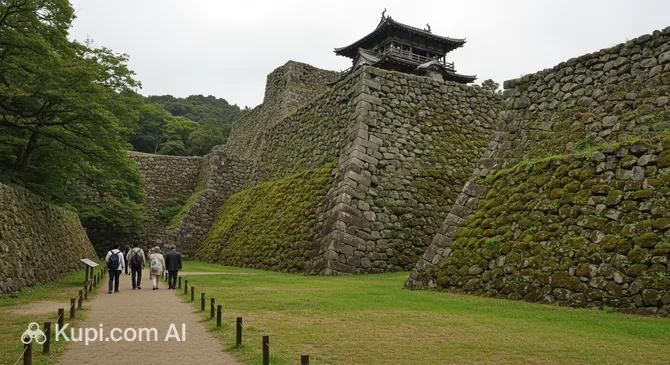
One of the main historical gems of Yonezawa is the Yonezawa Castle Ruins. Once, this was the powerful residence of the Uesugi clan, which played an important role in the history of the region. Today, visitors can stroll through the former castle grounds, see the remnants of the fortifications, and imagine its former grandeur. This place is particularly popular in spring during the cherry blossom season, when the surrounding Matsugasaki Park is transformed, creating a magical atmosphere.
Yonezawa Castle Ruins. Illustration.
Source: Kupi.com AI
Traveler photos:
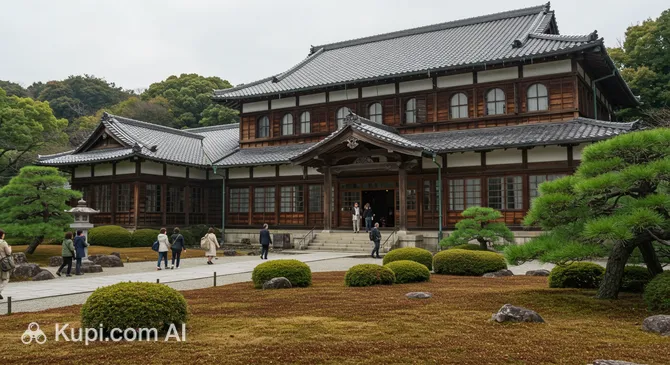
To dive deeper into the history of the Uesugi clan and the region, it is worth visiting the Yonezawa City Uesugi Museum. Its exhibition features valuable artifacts, including armor, weapons, household items, and artworks associated with this famous samurai family. The museum offers a fascinating journey into the past and allows for a better understanding of Yonezawa's rich cultural heritage.
Yonezawa City Uesugi Museum. Illustration.
Source: Kupi.com AI
Traveler photos:
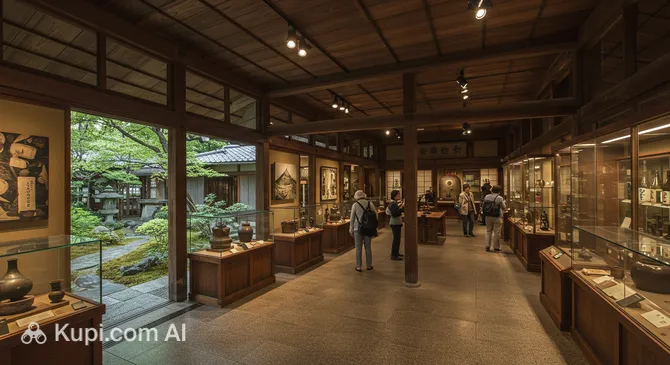
Lovers of Japanese traditions and beverages will certainly enjoy the Toko Sake Museum. This is not just a museum, but a working sake brewery with a centuries-old history, founded in 1597. Here you can learn about the sake production process, see ancient equipment, and, of course, taste various types of this famous drink. This is an excellent opportunity to touch one of the symbols of Japanese culture and purchase unique souvenirs.
Toko Sake Museum. Illustration.
Source: Kupi.com AI
Traveler photos:
Yonezawa is famous throughout Japan for its high-quality beef, and one of the best places to taste it is the Yonezawa Beef Restaurant Kongokaku. They serve a variety of dishes made from the famous "Yonezawa-gyu" marbled beef, prepared according to traditional recipes, including steaks, shabu-shabu, and sukiyaki. A visit to this restaurant is a true gastronomic adventure and an opportunity to appreciate one of Yamagata Prefecture's main delicacies.
Kongokaku Yonezawa Beef Restaurant. Illustration.
Source: Kupi.com AI
Traveler photos:
Local Cuisine
The gastronomic scene in Yonezawa is a true treasure for gourmets, and its crown jewel is undoubtedly the famous "Yonezawa-gyu" beef. This meat, one of the most prestigious and expensive in Japan, is famous for its incredible marbling, tender texture, and rich flavor. Locals and visitors can enjoy it in various forms: from classic steaks and fragrant sukiyaki to exquisite raw beef sashimi. To fully appreciate this delicacy, many head to specialized establishments, such as the Yonezawa Beef Restaurant Kongokaku, where dishes from this renowned meat are masterfully prepared.
Kongokaku Yonezawa Beef Restaurant. Illustration.
Source: Kupi.com AI
Traveler photos:
Another culinary symbol of Yonezawa is the hearty "imoni" soup. This traditional dish is made with taro, pieces of beef (often the same "Yonezawa-gyu"), and seasonal vegetables. Cooking "imoni" outdoors in large cauldrons during the autumn "Imoni-kai" festival is particularly popular. This event gathers many people on riverbanks, creating an atmosphere of shared celebration and culinary unity. It is also worth paying attention to local noodles and carp dishes, which also hold an important place in regional cuisine.
Speaking of beverages, Yonezawa, like many regions of Japan, is proud of its sake. Local sake breweries produce various types of this traditional rice wine using the purest water from mountain springs and selected rice. To learn about the history and production process of this drink, you can visit the Toko Sake Museum. In addition to alcoholic beverages, green tea and other traditional Japanese non-alcoholic drinks are, of course, popular here.
Toko Sake Museum. Illustration.
Source: Kupi.com AI
Traveler photos:
Food culture in Yonezawa is diverse. Residents and tourists can choose between cozy restaurants specializing in beef or traditional cuisine and lively local markets. At the markets, you can find the freshest vegetables and fruits grown in the fertile lands of the Yonezawa Valley, as well as try various street foods: for example, fragrant skewered snacks, traditional Japanese mochi sweets, and seasonal treats. Throughout the year, the city hosts various gastronomic festivals where you can not only taste local delicacies but also dive deeper into the region's culinary traditions.
Travel Tips
Welcome to Yonezawa! To make your trip to this historic city in Yamagata Prefecture as comfortable and memorable as possible, we have prepared some practical tips. They will help you find your way around and enjoy every moment of your stay.
Clothing and Essentials: The climate in Yonezawa is characterized by four distinct seasons. In summer (June–August), it is warm and humid, so choose light, breathable clothing. Winters (December–February) are cold and snowy—you will need warm layered clothing, waterproof outerwear and shoes, a hat, gloves, and a scarf. Spring and autumn offer mild weather, perfect for light jackets and sweaters. Comfortable walking shoes are a must at any time of year. Don't forget an adapter for electrical appliances (type A and B sockets are used in Japan, voltage is 100V). When visiting shrines, such as Uesugi-jinja, try to dress modestly; usually, covering your shoulders and knees is sufficient. Always remove your shoes before entering shrine buildings and traditional rooms with tatami mats.
City Transport: Yonezawa is a relatively small city. The main form of public transport is buses, which connect key districts and attractions. The JR Yonezawa railway station serves as an important transport hub, with the Yamagata Shinkansen line passing through it. Taxis are available, especially at the station, but can be expensive. To call one, you can ask at the hotel reception. Renting a car can be useful if you plan to explore the surroundings of Yamagata Prefecture, but for moving within the city itself, it is not necessary; an international driving permit is required, and traffic is on the left. Many central attractions are within walking distance.
Finances: The local currency is the Japanese Yen (JPY, ¥). It is recommended to exchange some cash in advance or upon arrival at major airports. In Yonezawa, banks may offer currency exchange, but their hours are limited. Credit and debit cards (Visa, Mastercard) are being accepted more widely, especially in hotels, large stores, and restaurants. However, small establishments and local markets may prefer cash, so always have some on hand. ATMs that accept international cards can be found in post offices (Japan Post Bank) and 7-Eleven stores (Seven Bank). Tipping in Japan is not practiced—excellent service is considered the standard.
Health and Safety: Yonezawa, like most of Japan, is a very safe city with low crime rates. Pharmacies (ドラッグストア — "doraggusutoa") sell over-the-counter medicines; look for the character 薬 (kusuri - medicine). Pharmacists do not always speak English. Travel insurance covering medical expenses is highly recommended. In case of serious problems, contact a hospital; hotel staff can assist with this. Follow standard precautions: watch your belongings and be aware of earthquake instructions.
Communication: The official language is Japanese. English is not very widely spoken among the local population, but staff at hotels and major tourist sites may speak it. Learn a few basic phrases: "Konnichiwa" (Hello), "Arigato" (Thank you), "Sumimasen" (Excuse me). For internet access, consider buying a tourist SIM card or renting a pocket Wi-Fi device at the airport. Free Wi-Fi may be available in hotels, some cafes, and at Yonezawa station. Google Maps and Google Translate apps will be useful.
Local Etiquette: Greetings are usually accompanied by a slight bow. In public places, especially on transport, it is customary to speak quietly. Avoid eating and drinking while walking. Remove your shoes when entering homes, temples, some traditional restaurants, and ryokans. When using chopsticks (hashi), do not stick them vertically into rice or pass food from chopsticks to chopsticks.
What to Avoid: Try not to talk loudly on the phone in public places, especially on trains and buses—Japanese people value peace and quiet. Also, it is not customary to leave trash on the street; carry it with you until the nearest trash can (which may not be at every step).
Special Tip for Yonezawa: Be sure to try the famous Yonezawa-gyu beef (米沢牛)—it is one of Japan's top three beef brands. Many restaurants in the city specialize in its preparation. And if your visit falls in late April or early May, try to catch the Uesugi Festival (上杉まつり)—a colorful event with parades and battle reenactments in honor of the daimyo Uesugi Kenshin.
We hope these tips make your journey to Yonezawa even more pleasant and fulfilling. Enjoy the unique atmosphere of this city, its rich history, and the hospitality of the local people!
Entertainment & Nightlife
Evening Yonezawa offers its guests a cozy and authentic atmosphere, distinct from the noisy nightlife of megacities. Here, you won't find massive nightclubs operating until dawn, but you can enjoy a pleasant evening in traditional Japanese establishments, sampling local cuisine and drinks.
The main evening activity is concentrated in the central part of the city and around the Yonezawa railway station. Here, you can find many izakayas (Japanese pubs), small bars, and restaurants serving the famous local beef and sake. The atmosphere in such places is usually very welcoming and relaxed, attracting mostly locals and tourists who wish to get acquainted with the local culture. Most bars and izakayas are open until midnight or slightly later, especially on weekends. There is usually no specific dress code; casual, comfortable clothing is perfectly fine.
One of the places where you can have an excellent dinner is the Yonezawa Beef Restaurant Kongokaku, known for its dishes made from high-quality local beef. This is a wonderful option for those who want to combine a gastronomic experience with evening relaxation. Another interesting spot related to local drinks is the Toko Sake Museum. Although it is a museum, learning about production and sake tasting can be a great start to the evening or a pleasant addition to it.
Kongokaku Yonezawa Beef Restaurant. Illustration.
Source: Kupi.com AI
Traveler photos:
Regarding practical tips, it is best to head out for evening entertainment after 7:00–8:00 PM. The average bill in Yonezawa's izakayas and bars is moderate, especially compared to Japan's major cities. Moving around the city at night is easy by taxi; they are readily available at the station or can be called by your restaurant or hotel. The city is considered very safe, so night walks along illuminated central streets are quite comfortable.
Toko Sake Museum. Illustration.
Source: Kupi.com AI
Traveler photos:
During the day, Yonezawa also offers interesting leisure options. You can visit historical sites such as the Yonezawa Castle ruins or immerse yourself in the region's history at the Yonezawa City Uesugi Museum. For peaceful strolls, Matsugasaki Park is ideal, especially beautiful during the cherry blossom season.
Parks & Museums
The city of Yonezawa offers its guests a harmonious blend of peaceful green spaces for relaxation and rich cultural sites that allow for a deep immersion into the history and traditions of this Japanese region. Everyone will find something to their liking here, whether it's a quiet walk in a park or an educational museum visit.
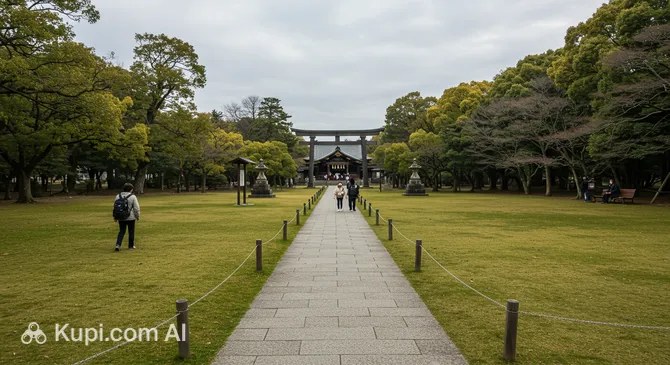
One of the city's main green oases is Matsugasaki Park. This picturesque park is laid out on the site where Yonezawa Castle once stood. Today, it is a favorite spot for locals and tourists for walks, picnics, and admiring nature, especially beautiful in spring during the cherry blossom season and in autumn when the foliage turns vibrant colors. The park also houses the Uesugi Shrine, dedicated to Uesugi Kenshin.
Matsugasaki Park. Illustration.
Source: Kupi.com AI
Traveler photos:
Directly connected to the park, the Yonezawa Castle Ruins serve as a silent reminder of the city's rich feudal past. Although little remains of the castle itself, the site is steeped in history and allows one to imagine the former greatness of the Uesugi clan that ruled these lands. A walk through the ruins is an opportunity to touch the past.
Yonezawa Castle Ruins. Illustration.
Source: Kupi.com AI
Traveler photos:
For those interested in samurai culture and regional history, the Yonezawa City Uesugi Museum is a must-visit. Its collection includes valuable artifacts related to the powerful Uesugi clan, including armor, weapons, historical documents, and art pieces. The museum offers a deep dive into the lives and era of these famous warriors.
Yonezawa City Uesugi Museum. Illustration.
Source: Kupi.com AI
Traveler photos:
Another interesting cultural attraction is the Toko Sake Museum (Sake Museum Toko no Sakagura). Here, visitors can learn about centuries-old sake production traditions, see ancient equipment, and learn about the intricacies of this complex process. The museum belongs to one of the oldest sake breweries in the region, and often you can taste and purchase local products here.
Toko Sake Museum. Illustration.
Source: Kupi.com AI
Traveler photos:
In addition to these key locations, Yonezawa hides other charming corners. Don't hesitate to peek into small local temples or craft shops to fully feel the authentic atmosphere of the city and perhaps find unique souvenirs.
Getting Around
When planning your travel around Yonezawa, keep in mind that this is a city where buses play the primary role in the public transport system. They connect key city districts, the railway station, and main attractions. There are no metro or tram lines in Yonezawa, which is typical for cities of this size in Japan.
The bus network is the main way of moving around for many residents and tourists. Routes and schedules are usually available at main stops and at Yonezawa railway station. In buses, it is generally customary to enter through the rear door (where you take a ticket if the payment system is distance-based) and exit through the front, paying the fare to the driver upon exit. If a flat fare applies, payment may be made upon entry.
The payment system for buses in Yonezawa likely involves paying in cash directly to the driver. It is recommended to have small coins with you, as changing large bills can be difficult. In some regions of Japan, rechargeable transport IC cards (such as Suica or Pasmo) are common, which simplify fare payment. It's worth checking locally if such cards are accepted on local buses or if regional equivalents exist. Sometimes day passes or tourist passes may be available, allowing you to save on frequent trips—information about these is best obtained at the tourist information center or the station.
Practical tips for tourists:
Always carry some cash in small bills and coins to pay for fares.
Check the schedule in advance, especially if you plan to travel early in the morning or late in the evening, as bus frequency may decrease.
Stop names are usually announced in Japanese, and sometimes duplicated in English on electronic displays inside the cabin. If you're unsure, it's better to show the driver the name of your desired stop in Japanese (for example, in a guidebook or on a map).
Bus tickets are obtained directly inside the bus upon boarding (as a ticket) or paid for upon exiting.
Alternative ways to move around Yonezawa include taxis. Taxi stands are usually located at the railway station and near major hotels. This is a more expensive but comfortable and fast way to get to your destination, especially if you are traveling with luggage or in a group. Also, given the city's size, many central areas and attractions are quite accessible for walking. In warmer months, you might consider renting a bicycle if such a service is available—this is a great way to explore the city at a leisurely pace.
There are generally no unique or historical types of transport highlighted in Yonezawa, such as funiculars or a special metro. The city's transport system is functional and focused on the everyday needs of its residents.
Accommodation
In Yonezawa, travelers will find a variety of accommodation options to suit different preferences and budgets. The city offers a choice ranging from traditional Japanese inns (ryokans) to modern hotels, as well as more economical options for tourists.
The typical range of available housing in Yonezawa includes budget guesthouses and hostels, comfortable mid-range hotels, and the possibility of renting apartments for those seeking more privacy and home comfort. While luxury resorts may not be as widely represented, it is quite possible to find high-quality hotels with good service. For convenience in sightseeing, such as the Yonezawa Castle Ruins or the Yonezawa City Uesugi Museum, it is recommended to choose accommodation in the central part of the city or near main transport hubs.
Although there are no specific hotels or resort inns in the provided list of attractions, rest assured that you will be able to find various types of hotels in Yonezawa. These can range from modern hotels catering to business travelers and tourists to traditional ryokans offering a unique experience of immersion in Japanese culture.
Booking tip: It is recommended to book accommodation in advance, especially if your trip is planned for the peak tourist season, such as during the cherry blossom season or major local festivals. Early booking not only guarantees availability but often allows you to secure better prices.
The price range for accommodation in Yonezawa varies from budget to mid-range and, in some cases, higher-end offerings. You can book your stay through popular international online platforms such as Booking.com or Agoda, as well as directly through hotel websites or by contacting local travel agencies.
Nearby Cities
For those who want to explore the surroundings, Yonezawa serves as an excellent starting point for day trips to several interesting nearby locations.
Among the closest cities, Fukushima attracts visitors with the picturesque Hanamiyama Park, especially beautiful during the cherry blossom season, as well as the chance to experience local culture and historical sites. Yamagata, the capital of the prefecture of the same name, is known for its impressive Yamadera mountain temple (Risshaku-ji), which offers breathtaking views, and its numerous hot springs (onsens). A trip to Aizuwakamatsu allows you to immerse yourself in Japan's samurai past by visiting the famous Tsuruga Castle (Aizu-Wakamatsu) and historical samurai residences like Aizu Bukeyashiki.
These nearby destinations provide a glimpse into the diverse culture and landscapes of the Tohoku region.
Shopping & Souvenirs
While Yonezawa may not compare to Japan's major megacities in terms of shopping scale, the city offers unique opportunities to purchase authentic local goods. It is famous for traditional crafts such as Yonezawa-ori textiles, excellent sake, and, of course, the renowned Yonezawa beef. Here, you'll find cozy specialty shops and stalls rather than giant shopping complexes.
The main shopping spots in Yonezawa are generally concentrated in the central part of the city, as well as near the JR Yonezawa railway station. Stroll through the main streets, and you will find many small shops offering both everyday items and local delicacies and souvenirs. There are no specific major shopping streets similar to Ginza in Tokyo, but the charm of local shopping lies precisely in these small, often family-run, establishments.
In Yonezawa, you are unlikely to find the massive modern shopping malls typical of big cities. Instead, shopping can be done in local department stores or small shopping arcades that feature various goods—from clothing to food. Some shops may be located near tourist attractions, offering a convenient opportunity to combine sightseeing with shopping.
While Yonezawa may not have permanent large markets like some other Japanese cities, it's worth keeping an eye out for seasonal fairs or morning markets where local farmers and artisans sell their produce. This is a great opportunity to buy fresh local products, flowers, and unique handmade items. Information about such events is best obtained locally or at tourist information centers.
It's worth bringing something special back from Yonezawa that reflects the spirit of this region. Look out for:
Yonezawa-ori Textiles: These are high-quality silk fabrics known throughout Japan. You can find the fabrics themselves as well as finished products—kimonos, scarves, ties, and small accessories.
Local Sake: Yamagata Prefecture is famous for its sake, and Yonezawa is no exception. Visit the Toko Sake Museum, where you can not only learn about the drink's production but also purchase your favorite varieties. This is an excellent gift for connoisseurs.
Toko Sake Museum. Illustration.
Source: Kupi.com AI
Traveler photos:
Yonezawa Beef: While fresh meat is difficult to bring back, you can find shelf-stable products based on it, such as curry or canned goods. It's also a reason to visit one of the local restaurants specializing in this delicacy, such as the Yonezawa Beef Restaurant Kongokaku.
Sasano-bori Wood Carvings: These are traditional carved figurines, most often depicting hawks. A very authentic souvenir.
Local Sweets and Products: Look for confectionery using local ingredients like apples or rice, as well as pickles and other Yamagata Prefecture delicacies.
Most shops in Yonezawa are usually open from 10:00 or 11:00 AM to 7:00 or 8:00 PM. Small family-run stalls may have their own more flexible schedules. Large stores and department stores generally accept credit cards (Visa, Mastercard, JCB). However, in small shops or at markets, it is preferable to have cash (Japanese yen) on hand.
Tourists in Japan can take advantage of the Tax-Free system when making purchases over a certain amount at participating stores. Look for the "Tax-Free Shop" sign. Usually, to process the tax refund, you need to present your passport, and the total purchase amount in one store in one day must exceed the set minimum (most often 5,000 yen excluding tax). Conditions may vary slightly, so check the details directly at the store.