Support

Nihonmatsu

About

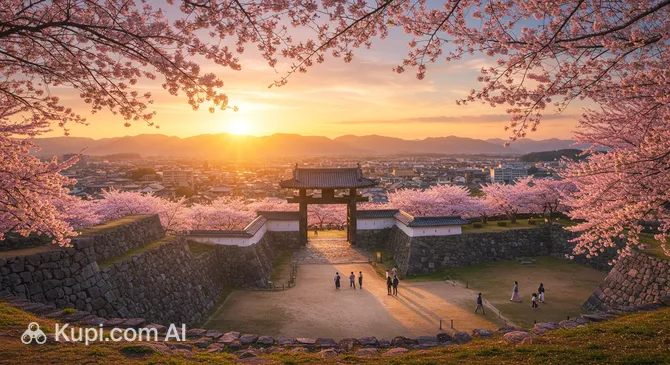
Nihonmatsu is a cozy and picturesque town nestled at the foot of the mountains in Fukushima Prefecture. Located in the northern part of the main island of Honshu, this city is perfect for those who want to see the authentic, non-touristy side of Japan. Surrounded by green hills and natural parks, it offers travelers a sense of complete harmony with the world.

Nihonmatsu. Illustration.
Source: Kupi.com AI

With a population of just over 54,000, the city maintains an intimate atmosphere and the genuine friendliness of its residents. There is no deafening bustle of megacities here, but everything for a comfortable stay is present: cozy hotels, historical districts, and colorful craft shops. It is an excellent starting point for exploring the region, where modern amenities blend seamlessly with a traditional lifestyle.

The main reason to visit these places is their authenticity. The rich history of Nihonmatsu allows guests to immerse themselves in the atmosphere of the samurai era by exploring ancient castles and participating in traditional festivals. The city is beautiful in any season: in spring, you can admire the delicate cherry blossoms, and in autumn, the vibrant colors of maple trees against mountain landscapes.

Nihonmatsu exudes a special sense of peace. The city is literally designed for slow walks, contemplating nature, and leisurely conversations over a cup of tea. It is an ideal destination to relax, forget about daily worries, and feel like a welcome guest in the heart of the Japanese countryside.

Weather Overview

The climate in this region features distinct seasonality, offering tourists various conditions for relaxation depending on the time of year. Winter is quite cool here: in January, the average temperature is about -1.3°C, and night frosts can reach -4.6°C, so warm clothing is definitely required for comfortable walks.

With the arrival of summer, the air warms up significantly, reaching comfortable average values of about +24.2°C in August, although maximum temperatures can rise higher. However, it should be noted that the summer season is often humid: for example, up to 21 rainy days are recorded in July. Expect a warm summer with periodic precipitation and cool winters when snow or rain is not uncommon.

Spring and autumn generally provide milder conditions, ideal for sightseeing. To know exactly what to pack, we recommend checking the weather in Nihonmatsu expected during your visit in advance.

Average monthly temperature

Average monthly precipitation

Interesting Facts

In addition to its famous landscapes, Nihonmatsu holds many fascinating stories and traditions. This city reveals a new side to those ready to look deeper into its cultural heritage and discover secrets hidden behind ancient walls.

  • Nihonmatsu Castle, also known as Kasumigajo, is a symbol of resilience. Although the main part of the fortress was damaged in the 19th century, the surviving stone walls and gates still make a strong impression. This place is shrouded in legends of the heroic defense by local samurai, and sculptures within the park commemorate the dramatic events of the past.

  • In autumn, the city becomes the capital of a unique art—creating chrysanthemum dolls. During the annual festival, masters create complex life-size figures where thousands of fresh flowers serve as the "fabric" for clothing. This spectacle turns Nihonmatsu into a blooming open-air museum and is considered one of the most colorful events in all of Japan.

  • The city's ancient craft traditions are still alive today. Here you can find descendants of old lineages who continue to manufacture traditional weapons and elements of samurai armor. Visiting such workshops allows you to see the forging and assembly process, which has remained practically unchanged for centuries.

  • The local thermal springs (onsens) feature a particularly intimate atmosphere. These are old bathhouses, often located in picturesque mountain settings that are not always listed in major guidebooks. They offer an authentic Japanese relaxation experience, allowing you to unwind in healing water far from the hustle and bustle.

How to Get There

When planning a trip to this region, it is important to think through the logistics in advance. The city has good transport accessibility, allowing you to combine various modes of transport. You can study all ways to get to Nihonmatsu in more detail on a separate page, and below we will look at the main options for arrival via air hubs and rail links.

The most convenient option for those who prefer air travel is Fukushima Airport (FKS). It is important to note that it is located not in Nihonmatsu itself, but in the neighboring city of Fukushima, about 39.7 km away. This is a small regional airport that accepts domestic flights. The journey from the terminal to the center of Nihonmatsu by taxi or bus will take approximately 1 hour and 20 minutes.

If you are looking for more international or long-distance flight options, you should consider Sendai Airport (SDJ). This is a major transport hub located in the city of Sendai, about 75 km from your destination. Thanks to its developed infrastructure, getting from here to Nihonmatsu is quite comfortable: a car trip will take just over 2 hours.

For clarity, here is summary information on the main airports located in relative proximity:

AirportPassenger trafficDistance
Fukushima Airport250 00040 km
Sendai Airport3.5 mln75 km
Junmachi Airport223 11192 km
Niigata Airport1.1 mln123 km
Shonai Airport364 815147 km

The railway network in Japan is excellently developed, and a train trip is often the fastest and most scenic way to reach your destination. Although there is no Shinkansen (high-speed train) station in Nihonmatsu, the city is served by Nihonmatsu Station on the JR Tohoku Main Line. Travelers usually take the high-speed train to major hub stations like Koriyama or Fukushima and then transfer to a local train that takes them directly to the city center.

Main Attractions

The attractions of Nihonmatsu harmoniously combine the rich historical heritage of the samurai era and magnificent natural landscapes. Travelers here have the opportunity not only to touch ancient legends but also to enjoy the beauty of the Japanese mountains and healing springs. Here are a few places that should definitely be included in your itinerary.

The heart of the city is rightfully considered Kasumigajo Park, located on the site of the Nihonmatsu Castle ruins. This site is included in the list of the country's 100 best castles and is famous for its picturesque views. In spring, the park is shrouded in clouds of cherry blossoms, attracting thousands of photographers, and in autumn, it hosts the famous chrysanthemum doll exhibition. A walk along the preserved stone walls and the restored Minowa-mon gate allows you to feel the grandeur of a bygone era.

For those seeking solitude and wellness, Dake Onsen is the perfect destination. This historic hot spring resort is located on the slopes of Mt. Adatara. The local water is known for its high acidity and healing properties. The atmosphere of the resort, with its narrow streets and traditional ryokan inns, transports guests to the nostalgic Japan of the last century, offering peace and relaxation after a busy day.

Outdoor enthusiasts and those seeking panoramic views should head to Mt. Adatara. It is one of Japan's 100 famous mountains and is popular among hikers. You can reach the top not only on foot but also via a ropeway that operates year-round. From the summit, a breathtaking view of the surroundings opens up, especially impressive in the autumn period when the slopes turn vibrant red and gold.

An interesting cultural site is Adatigahara Furusato-mura, a theme park that recreates the atmosphere of an old Japanese village. Here you can see traditional thatched-roof houses, beautiful gardens, and learn about the local legend of the demon Onibaba. This is a great place for a family walk where you can get acquainted with the life of ancestors and purchase unique souvenirs from local craftsmen.

Local Cuisine

Nihonmatsu's gastronomy is a fascinating dive into the authentic world of Japanese flavors, where seasonality and exceptional freshness of products are prioritized. The city's culinary scene relies on local nature: rice from nearby fields, mountain greens, and fresh vegetables. One of the local culinary signatures is a rich miso soup. Here it is prepared according to special recipes with the addition of aromatic mountain mushrooms and seasonal vegetables. This dish has a robust flavor and is very warming, making it an ideal choice for lunch on a cool day.

Those with a sweet tooth should definitely try the local wagashi—traditional Japanese desserts served with tea. In Nihonmatsu, they are often prepared using delicate adzuki bean paste and seasonal fruits. A special charm is added to local confectionery during the famous Chrysanthemum Festival season: during this time, exquisite sweets shaped like these flowers appear on the shelves, looking like tiny works of art.

A special place in the region's culture is occupied by drinks. Nihonmatsu is famous for its sake, the high quality of which is achieved through the use of crystal-clear spring water and select varieties of rice. Local sake is characterized by its smoothness and subtle aroma. Travelers can not only enjoy the drink in restaurants but also visit historic breweries, many of which are open for tours and tastings, allowing you to learn the secrets of ancient craftsmanship.

To experience the everyday food culture, head to the city market or take a stroll along the lively streets. These are the best places to try popular street food: hot yakitori (chicken skewers) and hearty onigiri (rice balls with filling). Throughout the year, gastronomic festivals are often held in the city, where farmers and local chefs present their best products, creating an atmosphere of celebration and hospitality.

Travel Tips

Welcome to Nihonmatsu! To make your trip to this colorful and peaceful corner of Fukushima Prefecture as comfortable as possible, we have prepared a list of important practical recommendations that will help you easily navigate the local culture and lifestyle.

  1. Clothing and Seasonality. The climate here has distinct seasons. In winter (especially January-February), you will need a warm, windproof jacket and thermal underwear, as snowfall is possible. In summer, choose light clothing made from natural fabrics due to the humidity. Since Nihonmatsu is a city with hilly terrain and castle ruins, be sure to bring comfortable shoes for long walks.

  2. Transport. The city center is compact enough to explore on foot, but for trips to remote attractions like Dake Onsen or the foot of Mt. Adatara, public transport is not very frequent. The most convenient option is renting a car or using a taxi. If you plan to use buses, download the schedule in advance or check it at the station, as services may end early in the evening.

  3. Finances. The official currency is the Japanese yen. Unlike Tokyo, in small towns like Nihonmatsu, many family restaurants, souvenir shops, and ticket offices may only accept cash. Always carry a supply of banknotes and coins. You can withdraw money from international cards at ATMs in convenience stores (e.g., 7-Eleven). Tipping is not customary in Japan—good service is considered the norm here.

  4. Communication and Language. In the countryside, English proficiency is lower than in major cities. We strongly recommend installing a translation app on your smartphone (such as Google Translate or DeepL) that works offline. It's better to get a SIM card or pocket Wi-Fi router in advance at your arrival airport, as it will be difficult to find tourist sales points in the city itself.

  5. Local Etiquette. Japanese people value politeness highly. Greet locals with a slight bow rather than a handshake. When entering traditional places (ryokans, temples, fitting rooms in shops, and even some restaurants), be sure to remove your shoes. Follow the signs: if you see slippers at the entrance, it means you cannot go further in street shoes.

  6. Health and Safety. Nihonmatsu is an exceptionally safe city where you can walk peacefully at any time of day. Tap water is clean and safe to drink. However, in summer, don't forget insect repellent if you are heading to mountain areas or parks.

  7. What to Avoid. Never stick your chopsticks vertically into your rice—this resembles a funeral ritual and shocks locals. Also, try not to speak loudly on public transport and avoid eating while walking—it is considered bad manners.

  8. Useful Lifehack. If you plan to visit local hot springs (onsens), remember the main rule: before entering the shared bath, you must wash yourself thoroughly with soap under the shower. You should enter the water only when clean and without any soap residue. If you have tattoos, check in advance if the chosen onsen allows them, or cover them with a special patch.

Following these simple rules will help you show respect for local traditions and receive sincere hospitality from the residents of Nihonmatsu. Enjoy the tranquility, natural beauty, and unique atmosphere of the true Japanese countryside!

Entertainment & Nightlife

Nightlife in Nihonmatsu is strikingly different from the noisy parties of Tokyo or Osaka. Here you won't find neon skyscrapers or massive dance clubs open until dawn. Instead, the city offers an immersion into the atmosphere of the authentic Japanese countryside, where evening leisure consists of heartfelt conversations, delicious food, and, of course, the famous local sake. This is the place for those looking for "izakaya-hopping" in its most traditional form.

The center of evening activity is the area around Nihonmatsu Station. It is here, in a labyrinth of narrow streets, that the red lanterns (akachochin) light up, inviting travelers to stop by. The main format of establishments here is the izakaya (Japanese gastropub). These are small, often family-run bars serving yakitori (chicken skewers), sashimi, and seasonal snacks. The atmosphere in such places is very warm and informal: it is customary to talk loudly, clink glasses, and share dishes with friends.

Special attention should be paid to establishments specializing in local alcohol. Nihonmatsu is famous for its sake breweries, such as Daishichi and Okunomatsu. Local bars offer tasting sets that are impossible to find outside the prefecture. If you want to feel like a local, look for signs with the words "Snack Bar". This is a unique cultural phenomenon: small bars with a "mama-san" hostess, where guests sing karaoke, drink whiskey, and talk about life. The dress code everywhere is very relaxed; casual style is appropriate in any establishment.

Practical tips for night walks:

  • Opening hours: Most restaurant kitchens close around 10:00 PM – 11:00 PM, although bars may stay open until midnight or slightly later. It's best to arrive by 7:00 PM to catch the liveliest time.
  • Prices and payment: An average check in an izakaya will be 3,000–5,000 yen. Remember that small bars rarely accept cards—be sure to have cash with you.
  • Transport: Night buses do not run here. If your hotel is far from the station (for example, in the Dake Onsen area), arrange for a taxi or transfer in advance, as catching a car on the street at night can be problematic.

In terms of safety, Nihonmatsu is an ideal city. The crime rate here is near zero, and night walks are perfectly safe even for solo travelers. However, the streets can be quite dark, so it is best to stick to lit routes. If you need to call a taxi, the staff at any establishment will help you—just ask for "takushi."

While the city's nightlife has its charm, don't forget the daytime entertainment that sets the tone for the whole trip. During the day, Nihonmatsu invites you to visit historical museums, walk through the castle ruins, or head to the Tohoku Safari Park located nearby. The contrast between quiet daytime nature walks and cozy evenings in warm bars creates a perfect balance for a vacation in this region.

Parks & Museums

Nihonmatsu offers travelers an amazing blend of natural beauty and deep cultural context. The green zones here are not just places for walks, but living backdrops that preserve the memory of the samurai past, while the city's museums carefully preserve art and legends, making history tangible for every guest.

Parks and Natural Areas

The absolute gem of the city is Kasumigajo Park, laid out on the site of the ruins of an ancient feudal castle. This site is officially recognized as one of the top 100 places for cherry blossom viewing in the country. In spring, more than 2,500 cherry trees transform the park into a pink cloud, fully justifying its name "Mist Castle." Tourists should visit this place not only for the flowers but also for atmospheric walks among ancient stone walls and restored gates, where nature has harmoniously reclaimed historical fortifications.

For lovers of grand landscapes, the Mt. Adatara area is a must-visit. This is not just a mountain, but an entire natural complex with many trekking routes of varying difficulty. Taking the ropeway up, you will find yourself in a world of alpine flora and breathtaking panoramas. It is especially beautiful here in autumn when the slopes are painted in fiery shades of red and gold, creating the famous "koyo" (autumn leaves) that photographers from all over Japan come to see.

Museums and Cultural Sites

A special place in the city's cultural life is occupied by the Chieko Memorial Museum. It is located in the house where Chieko Takamura was born—a famous artist and muse to the poet Kotaro Takamura. The museum's exhibition allows a glimpse into the life of a wealthy Meiji-era sake-producing family and showcases Chieko's stunning paper works (kiri-e). For tourists, this is a unique chance to touch a touching and tragic love story that has become a classic of Japanese literature, and to see authentic 19th-century interiors.

Another iconic site is Adatigahara Furusato-mura—a cultural theme park that functions as an open-air museum. Here, traditional thatched-roof rural houses are recreated, and a magnificent garden is laid out. However, the main highlight is the site's connection to the chilling legend of Onibaba (the demoness). Visitors can learn about the region's folklore and see places associated with this myth, which adds a mystical touch to the visit.

Other Places of Interest

If you are traveling with family, look into Tohoku Safari Park. This is one of the few zoos in the region where you can observe animals from a car window or a special bus. Rare white lions and other exotic animals live here, creating an interesting contrast with the city's traditional Japanese atmosphere.

Insider Tip

Take the time to find the site known as Kurozuka (Black Mound) on the grounds of Kanze-ji Temple. This is a small but atmospheric location closely linked to local legends. There are rarely crowds of tourists here, and you can experience the mystical side of old Japan in silence, hidden from the eyes of ordinary passersby.

Getting Around

The public transport system in Nihonmatsu is reliable but has its peculiarities characteristic of small Japanese cities. There is no metro or tram system, and the primary means of transportation for both locals and tourists are JR company trains and route buses. The city is quite compact, but for visiting remote natural attractions like hot springs or mountains, you will need to plan your route carefully or use alternative modes of transport.

The main transport hub is Nihonmatsu Station, served by the JR Tōhoku Main Line. Trains run regularly, connecting the city with major transfer hubs—Fukushima to the north and Koriyama to the south. This is the fastest way to reach the city center from other regions. The station is equipped with ticket gates that accept popular transport IC cards (Suica, Pasmo, and their equivalents), making train travel as simple and convenient as possible.

Bus service is provided by the Fukushima Kotsu company. Buses run from the railway station to key tourist spots, including the Dake Onsen resort, the foot of Mt. Adatara, and Kasumigajo Park. However, be aware that intervals between buses can be long—from 30 minutes to an hour or more—and the last trips often leave quite early, around 6:00 PM – 7:00 PM. Always check the current schedule at bus stops or the tourist information center next to the station.

The process of paying for bus fare might be unfamiliar to newcomers. Entry is through the rear door. Upon entering, you must take a ticket (seiriken) from a special machine—it will indicate your boarding zone number. Passengers exit through the front door. Payment is made to the driver in cash: the cost is calculated by an electronic board above the driver's cabin, matching your ticket number with the current price. Buses have change machines that accept 1,000 yen bills and coins, but large banknotes cannot be changed.

For greater freedom of movement, many travelers prefer taxis or renting a car. A taxi stand is located right outside the station exit. This is a convenient, though not cheap, option for trips to remote temples or the safari park. Taxi-hailing apps (like Uber or GO) may work inconsistently here or have long waits, so it is more reliable to take a car from the stand or ask hotel staff to call one.

If you plan an active holiday, consider renting a car. This is the most efficient way to explore the surroundings of Nihonmatsu without being dependent on bus schedules. Rental points are located mainly in neighboring major cities (Koriyama or Fukushima), so it is best to rent a car immediately upon arrival at the Shinkansen station. Also, during the tourist season, bicycle rentals are sometimes available near the station, which is perfect for exploring the historical streets of the city center.

Accommodation

Choosing accommodation in Nihonmatsu is a dilemma between the practicality of the city center and the atmospheric relaxation in the mountains. The city offers tourists two completely different lodging experiences: functional business hotels for those planning active trips around the region, and traditional ryokans (Japanese inns) at hot springs for those wishing to relax and recharge.

The most popular area among travelers is Dake Onsen. This historic resort village is located at the foot of Mt. Adatara, a 20–30 minute drive from the city center. Here you'll find hotels that offer not just a place to sleep, but a complete cultural experience: bathing in healing acidic water, kaiseki-style dinners, and sleeping on tatami. This is the ideal choice for those who want to immerse themselves in the authentic atmosphere of old Japan and enjoy the silence of nature.

The second option is to stay in the city center, within walking distance of Nihonmatsu Railway Station. Small family-run hotels and Western-style hotels predominate here. This area is convenient for logistics: it's easy to reach the castle park and convenient for taking the train to nearby major cities. This is a great choice for those traveling on a budget or planning an early departure.

When planning a trip, it is important to consider seasonality. During the famous Chrysanthemum Doll Festival (October–November) and the cherry blossom season (April), the demand for housing rises sharply. We strongly recommend booking rooms 2–3 months before the intended visit date, as the number of rooms in the city is limited and the best options are taken very quickly.

The price range varies depending on the type of accommodation. A night in a simple city hotel without meals will be budget-friendly, while staying in a ryokan with dinner and breakfast included will fall into the medium or high price segment. Major hotels are available on international online platforms; however, booking places in small traditional inns sometimes requires using local Japanese websites or assistance from a tourist information center.

Nearby Cities

For those who want to explore the surroundings, Nihonmatsu serves as an excellent starting point for day trips to several interesting nearby locations. The city's convenient location makes it easy to reach key cultural and natural attractions of the prefecture.

One of the most popular destinations is Aizuwakamatsu, known as the "samurai city." Here, travelers can visit the majestic Tsuruga Castle, walk through historical streets, and get acquainted with the deep traditions of the Aizu region. It is an ideal place to immerse yourself in Japanese history. Very close by is the administrative center of the prefecture—Fukushima. This city is famous for its orchards, where you can pick peaches and pears, as well as the magnificent Hanamiyama Park, which turns into a sea of flowers in spring.

For lovers of a more urban atmosphere, Koriyama is a large commercial hub of the region. The city offers great shopping opportunities and is also known for its Big-i high-rise building with a planetarium, offering panoramic views of the area.

CityPopulationDistance
Motomiya30 2539 km
Kawamata12 53717 km
Miharu17 31917 km
Fukushima284 28220 km
Tamura35 04220 km

These nearby destinations allow you to get a sense of the diverse culture and landscapes of the region, making your trip even more rich and memorable.

Shopping & Souvenirs

General Overview

Shopping in Nihonmatsu is not about chasing the latest collections from global brands, but a leisurely acquaintance with local traditions and crafts. The city doesn't boast the massive shopping complexes typical of metropolises, but it is here that you can find unique authentic goods that are hard to find in other regions. The main emphasis is on gastronomic souvenirs, folk crafts, and products from local farmers, making the shopping process part of a cultural immersion into life in the Japanese countryside.

Main Shopping Districts and Streets

The main shopping activity is concentrated around Nihonmatsu Railway Station. The streets here retain the charm of the retro Showa period atmosphere. Strolling through the central blocks, you will find small family-run shops, clothing boutiques, bookstores, and confectioneries that have been in the same spot for generations. It is an ideal place for quiet walks, where shop owners are always happy to exchange a few words with travelers.

Shopping Centers

Instead of typical Western malls, "Michi-no-Eki" (roadside stations) serve as the main shopping venues for tourists here. The most famous is the Michi-no-Eki Adachi complex. This is a large center located on both sides of the national highway, where souvenir departments, restaurants, and shops with locally produced goods are gathered under one roof. You can buy everything here: from fresh vegetables to exquisite gift sets. For daily needs, chain supermarkets such as York Benimaru operate in the city, where you can purchase groceries and essential goods.

Markets

There are few classic open-air bazaars in the city, but their function is successfully performed by direct-sale farmers' markets (chokubaijo), often located at the same Michi-no-Eki stations or large supermarkets. Here, local farmers offer seasonal fruits (peaches, pears, apples), vegetables, and homemade preserves. The products are exceptionally fresh and priced lower than in regular stores. Visiting such a market is a great chance to taste the true flavor of Fukushima Prefecture.

Souvenirs

Nihonmatsu is famous for several categories of goods that make excellent trip reminders:

  • Sake. The city is home to nationwide-renowned sake breweries such as "Daishichi" and "Okunomatsu." A bottle of local premium sake is the most popular gift from this region.
  • Wagashi (Japanese sweets). Be sure to look for traditional desserts, especially those made for the Chrysanthemum Festival or shaped like these flowers. Sweets using adzuki paste are also popular.
  • Wood Products. The region is historically known for the production of "Nihonmatsu tansu" furniture. While buying a chest of drawers is problematic for a tourist, craftsmen often offer small wooden crafts and boxes made with the same technique.
  • Adatigahara Symbolism. Souvenirs related to the legend of the Onibaba demoness (masks, keychains, cookies) can be found in the Adatigahara Furusato-mura tourist complex.

Opening Hours and Payment

Most shops in Nihonmatsu open around 9:00–10:00 AM and close at 6:00–7:00 PM. Supermarkets and konbini (convenience stores) work longer or 24/7. It is important to remember that Japan, especially in the countryside, remains a cash-based society. Although large supermarkets and the Michi-no-Eki station accept cards, in small souvenir shops, old confectioneries, and small restaurants, payment is often possible only in cash yen.

Tax Free

The tax-free refund system is rare in Nihonmatsu and is available mainly in large chain drugstores or big supermarkets aimed at a wide range of customers. In small local shops and craft stores, it is generally impossible to process a tax refund, so when planning major purchases, you should check for the "Tax Free" sticker at the entrance in advance.
Reached the end of the page?

That means the route is fully explored