Support

Shiroishi

About

Shiroishi is a charming town nestled in Miyagi Prefecture, in the heart of the Tohoku region on the northeastern part of Japan's main island, Honshu. The city lies at the foot of the picturesque Zao Mountains, with the Shiroishi River flowing through it, lending the area a special freshness and harmony. This destination is perfect for travelers seeking a balance between natural beauty, rich history, and the steady pace of life in provincial Japan.

With a population of approximately 32,570 people, Shiroishi maintains a wonderfully intimate and friendly atmosphere. Despite its modest size, the city plays an important role as a historical and cultural center of its district. Here, the spirit of old Japan is palpable, harmoniously blending with modern infrastructure to ensure a comfortable stay for tourists.
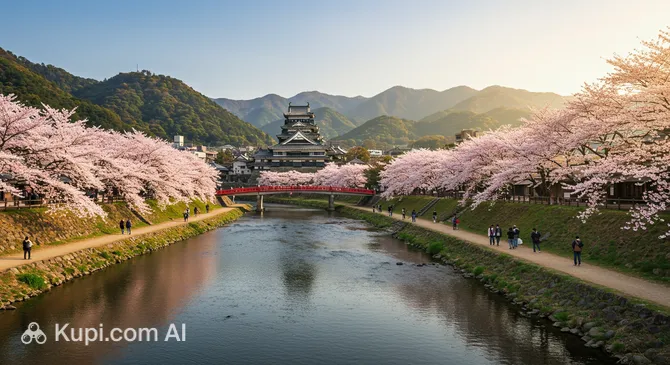
Shiroishi. Illustration.
Source: Kupi.com AI

Shiroishi is famous for its exceptional tranquility: there is no hustle and bustle of megacities here, but rather cozy streets, historic buildings, and breathtaking landscapes. The city seems designed for leisurely strolls, discovering authentic Japanese traditions, and enjoying nature. Tourists particularly appreciate the chance to see the cherry blossoms in spring or admire the fiery colors of autumn against the backdrop of the majestic Zao Mountains.

If you dream of breathing clean mountain air, touching real Japanese culture away from the tourist crowds, and discovering the country's hidden corners, Shiroishi will be a true revelation for you. It is a city where you will want to return for peace, inspiration, and unforgettable impressions.

You can find more interesting facts on the history of Shiroishi page.

Weather Overview

The weather in Shiroishi is characterized by noticeable seasonal changes. Summer, especially July and August, is warm here, with average temperatures around 23-24.5°C and maximum values reaching 27.6°C. This period also sees the highest rainfall (up to 6 mm per month) and the most rainy days (up to 21). Winters are cold, with the average January temperature at -0.7°C, and minimums can drop to -3.9°C. Precipitation in winter is less abundant (2-3 mm), but the number of days with precipitation remains significant (about 18), often as snow. Overall, Shiroishi is characterized by warm summers with occasional rain and cold winters with frequent snowfall. You can learn more about the city's climatic conditions on the Shiroishi climate page.

Average monthly temperature

Average monthly precipitation

Interesting Facts

In addition to its well-known landmarks, Shiroishi hides many curious details and stories that make it even more attractive to travelers. Ready to learn some surprising facts about this corner of Japan?

  • A Castle with Interactive History: The city's main pride, Shiroishi-jo Castle, is more than just a beautiful ancient structure. It was an important citadel of the Katakura clan, loyal vassals of the legendary general Date Masamune. Today, visitors can not only enjoy panoramic views from its towers but also try on real samurai armor, immersing themselves in the atmosphere of feudal Japan.

  • Mystical Fox Festival: Shiroishi is known for its unusual and colorful Fox Festival (Kitsune no Gyoretsu). During this celebration, the streets fill with people in fox costumes — animals that are considered magical creatures and bringers of good luck in Japanese mythology. This vibrant spectacle with music and dancing is deeply rooted in local traditions.

  • Symbol of Nobility – White Horses: The city is closely linked to the image of white horses (Shiro-uma). These graceful animals were historically used for solemn ceremonies and were considered symbols of purity and nobility. An image of a white horse even adorns the official emblem of Shiroishi, highlighting the city's unique heritage.

  • Home of a History Keeper: The famous writer and historian Katakura Kazuma hailed from Shiroishi. He dedicated his life to studying and popularizing the region's history and samurai culture, and his works remain an important source of knowledge for everyone interested in the past of Japan.

How to Get There

There are several ways to reach Shiroishi, but for many tourists, flying is the most convenient option. The nearest and largest available airport is Sendai Airport (IATA: SDJ). It is located in the city of Sendai, approximately 30 km from Shiroishi. This is an international airport with significant passenger traffic, from which you can reach Shiroishi by taxi or bus in about 1 hour to 1 hour 15 minutes.

Another option is flying into Yamagata Airport (IATA: GAJ), located in the city of Yamagata, about 50 km from Shiroishi. The journey from there to the city center takes roughly 1 hour 30 minutes to 1 hour 45 minutes. You might also consider Fukushima Airport (IATA: FKS), located in the city of Fukushima, about 88 km from Shiroishi. The trip from this airport takes about 2 hours 30 minutes. Both of these airports are smaller and primarily serve domestic flights.

In addition to air travel, you can reach Shiroishi by land. Japan is famous for its excellently developed railway network, including the renowned Shinkansen high-speed trains. Major nearby railway hubs, such as Sendai Station, have good connections to Shiroishi via local trains or buses. Furthermore, there is an extensive network of intercity buses offering comfortable and often more budget-friendly travel options throughout the Tohoku region.

For clarity, here is a summary of the main airports through which you can reach Shiroishi:

AirportPassenger trafficDistance
Sendai Airport3.5 mln30 km
Junmachi Airport223 11150 km
Fukushima Airport250 00088 km
Shonai Airport364 815116 km
Niigata Airport1.1 mln132 km

Main Attractions

Shiroishi, a cozy city in Miyagi Prefecture, offers tourists several interesting spots to touch upon the history and culture of Japan. Despite its size, it is rich in attractions that will leave a pleasant impression.

The city's main historical gem is Shiroishi Castle (Shiroishi-jō). This is a carefully restored residence of the Katakura clan, who served the famous Date Masamune. Visitors can climb the main tower for a panoramic view of the city and explore internal exhibits dedicated to the castle's history and samurai life. A walk through the castle grounds transports you back to the era of feudal Japan.

Near the castle lies Bukeyashiki — the former residence of a high-ranking samurai from the Katakura clan (Katakura Kojuuro Yashiki). This beautifully preserved house offers a glimpse into the daily life of the samurai, featuring traditional interiors, household items, and a small but well-kept garden. A visit to Bukeyashiki provides an excellent understanding of the lifestyle of warriors of the past.

For those interested in traditional Japanese crafts, the Yajiro Kokeshi Village is a must-see. This place is dedicated to kokeshi — charming wooden dolls that are one of the symbols of the Tohoku region. Here, you can not only see a rich collection of dolls from various styles and eras but also observe the manufacturing process and even try your hand at painting your own kokeshi at a special workshop.

Although the Miyagi Zao Fox Village is not located in the very center of Shiroishi, but rather at the foot of the Zao Mountains, it is one of the most popular and unique attractions in the region, drawing visitors from all over the world. Here, over a hundred foxes of several species live freely in a large enclosed area. Guests can walk among them, feed them (following the rules), and photograph these curious and photogenic animals. This place offers unforgettable emotions and will especially appeal to nature lovers.

Local Cuisine

The culinary scene in Shiroishi is a true discovery for fans of authentic Japanese cuisine, where the main star is undoubtedly Shiroishi Umen. These special noodles, with a history spanning over 400 years, are famous for their incredibly delicate texture and a unique preparation method that uses no oil. Legend has it that umen was created as a dietary dish, but today it is served everywhere — both hot and cold, with various broths and sauces, allowing you to fully enjoy its flavor.

In addition to the famous noodles, Shiroishi's cuisine will delight gourmets with dishes made from the freshest local products. Be sure to try delicacies made from mountain vegetables and fish caught in the region's crystal-clear rivers. The city's gastronomic calendar is closely tied to the seasons: in spring, dishes are made with young greens; in summer, refreshing soups are served; and autumn is the time for mushrooms and chestnuts. This allows tourists to discover new facets of taste every time they visit.

Speaking of drinks, one cannot fail to mention the local sake. This rice wine, produced using ancient techniques at local breweries, is of high quality and perfectly complements both noodle dishes and fish delicacies. Among non-alcoholic beverages, besides traditional Japanese tea, it is worth paying attention to the variety of local lemonades and juices. Those with a sweet tooth should try traditional Japanese desserts, such as mochi filled with red bean paste — a delicate and delicious treat.

The dining culture in Shiroishi involves both visiting cozy restaurants specializing in umen and other local dishes, and exploring products at local markets. The general character of the city's food scene can be described as a commitment to tradition, the use of fresh seasonal ingredients, and a deep respect for the history of local recipes. Culinary festivals and fairs add a special flavor to the city's gastronomic life. These are excellent opportunities not only to try various treats but also to meet local artisans and even participate in workshops on cooking traditional Japanese dishes, making the gastronomic experience in Shiroishi truly unforgettable.

Travel Tips

Welcome to the charming city of Shiroishi! To make your journey through this corner of Japan as comfortable and memorable as possible, we have prepared some practical tips. They will help you navigate the area better and avoid possible inconveniences.

  1. Clothing and Essentials:

    The climate in Shiroishi, as in all of Japan, has distinct seasonality. Summers (June-August) are hot and humid, so choose light, breathable clothing. Winters (December-February) can be cold with possible snow – don't forget warm clothes. Spring and autumn offer mild weather. A key element of your wardrobe is comfortable shoes, as you will be walking a lot. Don't forget a universal adapter (Japan uses type A and B sockets). When visiting temples and shrines, it is customary to dress modestly, although there is usually no strict dress code for tourists.

  2. Getting Around the City:

    Shiroishi is a relatively small city, so you can get around on foot or by local buses. For longer trips around Miyagi Prefecture or to other cities, trains are convenient – Shiroishi Railway Station is an important transport hub. Taxis are available but can be quite expensive. Car rental is possible, but note that driving in Japan requires an international driving permit, and traffic is on the left.

  3. Finances:

    The local currency is the Japanese Yen (JPY). It's best to exchange money at the airport upon arrival or at banks in larger cities. In Shiroishi, as in most Japanese cities, credit cards are accepted in many hotels, restaurants, and shops, but it is always useful to have some cash on hand, especially for smaller establishments, markets, or temples. ATMs accepting international cards can be found at post offices (Japan Post Bank) and 7-Eleven stores. Tipping is not practiced in Japan and may be perceived as impolite. An approximate daily budget (excluding accommodation) can range from 7,000 to 15,000 yen.

  4. Health and Safety:

    Japan is one of the safest countries in the world, and Shiroishi is no exception. Nevertheless, observe standard precautions: watch your belongings and be attentive in crowded places. Pharmacies (look for the "薬" or "kusuri" sign) are available in the city, but 24-hour ones may be rare; for a wider selection or specialized help, it's better to head to larger cities. Dial 119 for emergency medical assistance. It is recommended to have travel insurance covering medical expenses.

  5. Communication:

    The official language is Japanese. In Shiroishi, as in other small Japanese cities, the level of English proficiency among the local population may not be high. Learn a few basic phrases: "konnichiwa" (hello), "arigato" (thank you), "sumimasen" (excuse me/sorry). This will significantly ease your communication. SIM cards for tourists can be purchased at airports or major electronics stores. Wi-Fi is available in many hotels, some cafes, and public places. Useful apps: Google Maps (for navigation), HyperDia (for train schedules), and Google Translate.

  6. Local Etiquette:

    Japanese people are very polite and value respect for traditions. Greetings are usually accompanied by a bow. In public places, especially on transport, try not to make noise or speak loudly on the phone. It is customary to remove your shoes when entering a Japanese home, some temples, and traditional restaurants (ryokans). Attention to detail and respectful behavior will be highly appreciated.

  7. What to Avoid:

    Firstly, never stick your chopsticks vertically into a bowl of rice – this is associated with funeral rituals. Secondly, it is not customary to eat while walking on the street (except at festivals or in special zones). It is also important to remember the strict waste sorting system in Japan; pay attention to the signs on trash cans.

  8. Extra Tip:

    Shiroishi is known for its magnificent Shiroishi Castle, which is a reconstructed replica of the historical fortress. Be sure to visit it! The city is also famous for "Shiroishi Umen" noodles – short, thin noodles that you should definitely try at one of the local restaurants. Find out if any local festivals or holidays are happening during your visit – it's a great way to dive deeper into the region's culture.

We hope these tips help you plan an unforgettable trip to Shiroishi and enjoy every moment of your stay in this unique Japanese city. Have a pleasant trip!

Entertainment & Nightlife

Evening Shiroishi offers its guests the chance to immerse themselves in the cozy and authentic atmosphere of the Japanese countryside. Unlike busy metropolises, the nightlife here is calmer and centered around traditional leisure spots where you can enjoy your time after a full day of exploration.

The core of evening entertainment in Shiroishi consists of local izakaya (traditional Japanese pub-restaurants), small bars, and restaurants serving local cuisine and drinks like sake and shochu. While there are no specific names of major clubs in our data for Shiroishi, you can expect to find these traditional izakaya and perhaps some karaoke bars, especially around the railway station. The atmosphere in such establishments is usually very welcoming and friendly, ideal for relaxing and chatting with locals or fellow travelers.

Most evening venues are generally concentrated near Shiroishi Station and its adjacent central streets. This is where you have the best chance of finding open restaurants and bars. Evening life typically picks up after 6:00 PM or 7:00 PM, and many izakaya and bars stay open until midnight or slightly later, especially on weekends. There is usually no specific dress code; neat casual style is perfectly appropriate.

To get around the city in the evening, you can use taxis, which usually wait for passengers at the station, or take a walk if your accommodation is near the center. Shiroishi, like most cities in Japan, is considered safe for evening strolls, though it is always wise to observe standard precautions. Prices in local establishments are generally moderate, making evening leisure accessible for most tourists.

During the day, Shiroishi also offers interesting options for leisure. The city has a rich history associated with the Katakura samurai clan, so visiting sites like Shiroishi Castle can be a fascinating experience. Additionally, you can stroll through city parks or visit local museums to gain a deeper understanding of the culture and traditions of this region of Japan.

Parks & Museums

The cultural and natural landscape of Shiroishi offers travelers a harmonious blend of peaceful green zones and deep historical traditions. Here, you can enjoy leisurely strolls under the canopy of trees and then immerse yourself in the study of local crafts and samurai heritage in the city's museums.

Among the natural attractions, Masuoka Park holds a special place. Located around Shiroishi Castle, this park is a favorite relaxation spot for locals and tourists alike, especially in the spring. More than 300 cherry trees are planted here, which transform the area into a pink cloud during the sakura blooming season. It is an ideal location for picnics, photoshoots, and quiet contemplation of nature against the backdrop of majestic architecture.

For lovers of wilder nature, Mizubasho Forest (Mizubasho-no-Mori) is of great interest. This natural park is famous for its picturesque wetlands. In late March and early April, thousands of snow-white mizubasho flowers (Asian skunk cabbage) bloom here. The park features convenient wooden boardwalks that allow you to walk among the blooming meadows without disturbing the ecosystem, enjoying the birdsong in the silence of the forest.

The cultural program should start at the Yajiro Kokeshi Village. This is not just a workshop, but a real museum complex dedicated to the region's famous wooden dolls. The exhibition hall presents an impressive collection of dolls of various styles and eras, telling the story of this craft. Visitors can see unique exhibits, learn about the masters of the past, and understand why these simple toys became an important cultural symbol of the region.

Another important site is the Shiroishi Castle History Museum. It is located in the immediate vicinity of the main tower and offers a deep dive into the history of the Katakura clan. The exhibition includes authentic samurai armor, weapons, ancient maps, and household items from the feudal era. Modern technologies, including 3D films, help bring historical events to life and make the visit interesting even for those who are not experts in Japanese history.

As an insider tip, we recommend visiting Kamasaki Onsen, located on the outskirts of the city. This is one of the oldest hot springs in the region, surrounded by thick forests. Locals call it "medicinal soup" for the healing properties of its water. A walk to the ancient wooden ryokans in this area will give you a sense of traveling back in time and allow you to see the untouched beauty of Japanese nature.

Getting Around

Getting around Shiroishi is quite convenient, although the public transport system is not as extensive as in Japan's major metropolises. The main modes of transport for tourists and locals are local trains (including JR lines) and buses. The city is compact, and many interesting places can be reached on foot, especially in the central area.

The main railway artery is the JR Tohoku Line, passing through Shiroishi Station. There is also Shiroishi-Zaō Station for Shinkansen high-speed trains, but it is located somewhat away from the city center and is used more for intercity travel. Local trains and buses connect various districts of Shiroishi and its surroundings. Bus routes usually start from the railway stations and cover parts of the city not reached by train.

For paying fares on trains and buses throughout Japan, rechargeable IC cards such as Suica, Pasmo, or ICOCA are widely used. They will likely be accepted in Shiroishi as well. This is the most convenient method, as you don't need to buy a ticket every time. Single-trip tickets can also be purchased from machines at stations or directly from the bus driver (it's advisable to have small change). Fares depend on the distance. Long-term passes are usually aimed at local residents, so an IC card is the optimal choice for tourists.

Train tickets are bought at stations from machines or ticket offices. When using an IC card, you must tap it against the turnstile at the entrance and exit of the station. On buses, the IC card is tapped against the reader upon boarding (and sometimes upon exiting, depending on the payment system) or paid in cash to the driver. Public transport usually operates from early morning until late evening, but you should check the schedules for specific routes, especially if you plan to travel to less central areas or on weekends when intervals between services may be longer.

Alternative ways to get around Shiroishi and its surroundings include taxis, which can be found at stations or called by phone. This is a more expensive but comfortable option. For exploring Miyagi Prefecture and nearby natural attractions like the Zao Mountains, you might consider renting a car. Within the city itself, for leisurely strolls and sightseeing, bicycle rentals may be convenient if the service is available.

Accommodation

When planning a trip to Shiroishi, you can choose from several types of accommodation to suit different budgets and preferences. The city offers traditional Japanese inns, such as ryokans (classic inns with tatami floors and communal baths) and minshuku (family-run guesthouses), as well as more standard Western-style hotels. While the selection of luxury resorts may be limited, cozy and authentic lodging options are easy to find here.

For convenience in getting around and visiting attractions like Shiroishi Castle, it is recommended to choose accommodation in the central part of the city or near Shiroishi Station. This will allow for easy access to key points and exploration of the surroundings. Many travelers prefer staying in ryokans to dive deeper into Japanese culture and enjoy traditional hospitality.

To guarantee the best choice and prices, especially during peak tourist season or local festivals, it is wise to book your accommodation in advance. Prices vary from budget to mid-range depending on the type of accommodation and level of comfort. You can find and book a suitable option through popular online travel platforms or by contacting the chosen hotel or guesthouse directly.

Nearby Cities

For those looking to explore the surrounding area, Shiroishi serves as an excellent starting point for day trips to several interesting nearby locations:

CityPopulationDistance
Zao11 36011 km
Ogawara23 58611 km
Kakuda27 84814 km
Marumori12 25116 km
Murata10 50616 km

These nearby destinations provide insight into the diverse culture and landscapes of the region. Each of these cities offers its own unique attractions, from historical castles and temples to modern shopping districts and natural parks, making them wonderful additions to your trip to Shiroishi.

Shopping & Souvenirs

Shopping in Shiroishi is more about discovering local commerce and traditional goods than chasing global brands. The city is not a major shopping hub, but you can find authentic Japanese products and souvenirs that will serve as a pleasant reminder of your trip to Japan.

The main shopping spots in Shiroishi are usually concentrated in the city center, especially near railway stations like JR Shiroishi Station or Shiroishi-Zao Station (for Shinkansen high-speed trains). Here, you can find small shops offering everyday items, local food products, and souvenirs. You may also encounter traditional Japanese shopping arcades — "shotengai" — where family-run stalls are located.

Large multi-story shopping malls typical of big cities are unlikely to be found in Shiroishi. Instead, you may find small local department stores or supermarkets that sell clothing, household goods, and sometimes souvenirs alongside food products.

Specialized markets, such as large food or flea markets, are not a characteristic feature of Shiroishi. However, as in many regions of Japan, seasonal fairs or small morning markets may be held from time to time, where local farmers sell fresh vegetables, fruits, and other products. It is best to check for information on such events locally, for example, at a tourist information center.

For souvenirs from Shiroishi and Miyagi Prefecture, look for traditional Japanese crafts. Kokeshi wooden dolls are particularly popular in the Tohoku region and make an excellent authentic gift. You can also look for local ceramics, textiles, original sweets (wagashi), or locally produced items like sake or miso. Classic Japanese souvenirs such as fans, chopsticks, washi paper products, and green tea are also good choices.

Most shops in Shiroishi are usually open from 10:00 or 11:00 AM to 6:00 or 7:00 PM. Small family-owned shops may have their own schedules. Regarding payment, credit cards are accepted in larger stores and supermarkets. However, in small shops and at markets (if any are found), it is preferable to have cash in Japanese Yen (JPY). ATMs for withdrawing cash can usually be found at post offices or 7-Eleven convenience stores.

For foreign tourists in Japan, a consumption tax refund system (Tax Free) is available. Look for shops with the "Japan Tax-free Shop" logo. Generally, to qualify for a tax refund, you must make a purchase of over 5,000 yen (excluding tax) in one shop in one day and present your passport at the counter. The refund procedure may vary: the tax may be deducted immediately at the time of purchase, or it may be returned at a special counter in the store or at the airport before departure.

Reached the end of the page?

That means the route is fully explored