Support

Kitakata

About

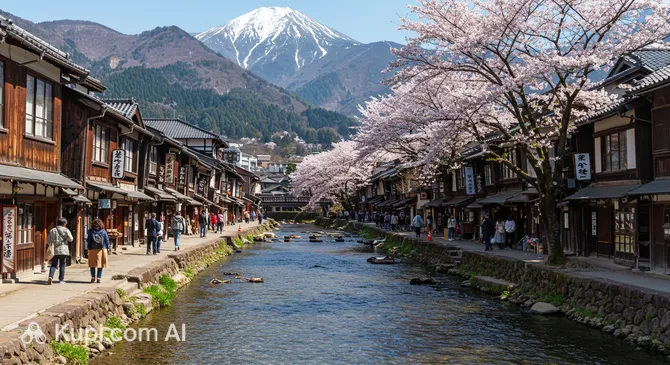
Kitakata is a true corner of provincial harmony, nestled in Fukushima Prefecture on the northern part of Honshu island in Japan. The city is enveloped in a special atmosphere of security and peace, offering travelers the chance to experience authentic Japanese life far from the hustle and bustle of megacities. Here, the past and present intertwine harmoniously, creating a unique space for inspiration and relaxation.

Located in a picturesque valley, Kitakata is surrounded by majestic mountains, and its surroundings are famous for crystal-clear lakes and emerald rice fields. With a population of about 45,590 people, the city maintains an intimate character while remaining an important cultural center of the region. A calm rhythm of life prevails here, and the streets, where traditional Japanese houses stand alongside modern buildings, are perfect for leisurely strolls.

Kitakata. Illustration.
Source: Kupi.com AI

Kitakata attracts tourists with the opportunity to immerse themselves in traditional Japanese daily life, enjoy magnificent nature, and, of course, discover the local gastronomic treasures for which this region is famous. Visiting ancient shops and interacting with hospitable locals will leave unforgettable impressions.

If you are looking for a place to get to know the real Japan without the tourist crowds, Kitakata will be a true discovery for you. This charming city will surely give you warm memories and a desire to return again.

You can find more interesting facts on the history of Kitakata page.

Weather Overview

The climate in Kitakata is characterized by notable seasonal changes. Summers here are warm, with average temperatures in July and August reaching 22-24°C, and maximums up to 27°C. Winters are cold, with average temperatures in January and February around -1°C to -2°C, and minimums dropping to -5°C. Precipitation is distributed throughout the year, with the highest number of wet days in winter and summer, although total precipitation is moderate.

Expect a warm summer with occasional rain and cold, snowy winters. For a more detailed forecast and monthly information, you can visit the weather in Kitakata page.

Average monthly temperature

Average monthly precipitation

Interesting Facts

Beyond its well-known charms, Kitakata holds many amazing stories and facts that make this city even more attractive to curious travelers. Here are just a few of them:

  • Kitakata is rightfully considered one of the capitals of Japanese ramen noodles. There are more than a hundred ramen restaurants in the city, and local noodle recipes are carefully passed down from generation to generation. There is even an entire "Ramen Street" where you can taste dozens of variations of this popular dish, each with its own unique history and preparation nuances, including famous establishments like Kitakata Ramen Kiichi.

  • The city is famous for its historic kura warehouses. More than four thousand such structures have been preserved in Kitakata, many of which were built during the Edo period. These characteristic black-and-white buildings with massive clay walls were once used to store sake, rice, and soy sauce, and today many of them have been converted into charming museums, art galleries, and cozy cafes.

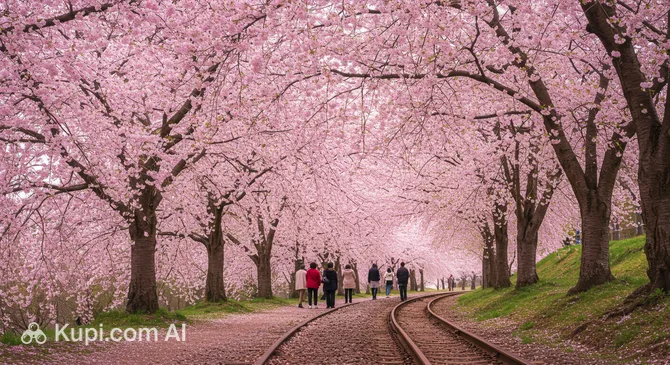
  • Kitakata is famous for its vibrant spring festivals, especially the cherry blossom festival. At this time, the entire valley, including the picturesque Nichyu Line Weeping Cherry Blossom Road, is enveloped in a delicate pink cloud of cherry blossoms. Locals and visitors gather for picnics under the blooming trees, enjoying traditional treats and cultural performances.

  • Among the famous natives of Kitakata is the outstanding artist Kitagawa Utamaro. He is one of the most famous masters of Japanese ukiyo-e woodblock prints, whose exquisite works today grace the collections of leading museums worldwide and continue to inspire modern artists.

Nicchu Line Weeping Cherry Tree Avenue. Illustration.
Source: Kupi.com AI

Traveler photos:

How to Get There

The most convenient way to reach the city of Kitakata, located in Fukushima Prefecture, is by air, using one of the regional airports. Although Kitakata itself does not have its own airport, several air hubs are located within a reasonable distance, providing connections to other parts of Japan.

One of the main options is Sendai Airport (IATA: SDJ), located in the city of Sendai. This is a major airport located approximately 106.5 km from Kitakata. Given its significance and the number of flights, it can be a convenient point of arrival. A trip from the airport to Kitakata by car or public transport will take roughly 3 hours.

Closer to Kitakata is Niigata Airport (IATA: KIJ) in the city of Niigata, at a distance of about 74.5 km. This is a medium-sized airport that also offers good connections. The journey from here to the center of Kitakata will take approximately 2 – 2.5 hours.

The closest option is Fukushima Airport (IATA: FKS), located in the city of Fukushima, just 68.1 km from Kitakata. Although it is a small airport, its proximity makes it an attractive choice, especially for those who value minimal transfer time. The journey to Kitakata from here will take about 2 hours.

For clarity, here is summary information on the main airports from which you can reach Kitakata:

AirportPassenger trafficDistance
Fukushima Airport250 00068 km
Niigata Airport1.1 mln75 km
Junmachi Airport223 11195 km
Sendai Airport3.5 mln107 km
Shonai Airport364 815129 km

After arriving at one of these airports, the further journey to Kitakata can be continued by rental car, taxi, or by using local bus lines. It is also worth considering the use of Japan's rail transport, which is famous for its efficiency; you may need to reach the nearest major railway station from the airport and then continue to Kitakata. It is recommended to check current schedules and routes in advance.

Main Attractions

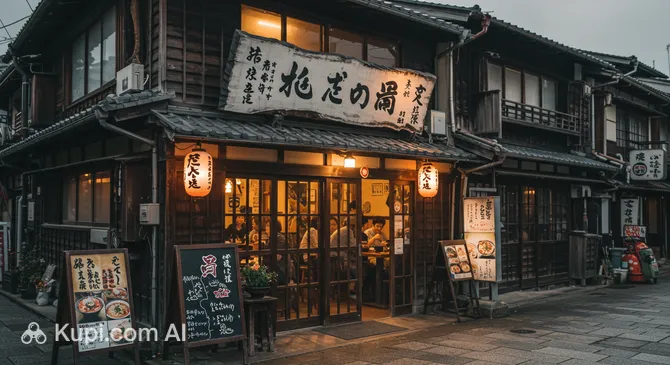
Kitakata is a city that charms not only with its culinary delights but also with its rich cultural heritage. One of the main gastronomic attractions is undoubtedly the restaurant Kitakata Ramen Kiichi. Here, you can enjoy the authentic taste of the famous local ramen, which features wide, flat, and slightly wavy noodles, as well as a rich soy sauce-based broth. Traditionally, the dish is served with tender slices of "chashu" pork, "menma" marinated bamboo shoots, and fresh green onions. A visit to this restaurant is a wonderful opportunity to experience the culinary traditions of Kitakata.

Kitakata Ramen Kiichi. Illustration.
Source: Kupi.com AI

Traveler photos:

For lovers of natural beauty and peaceful walks, the Nichyu Line Weeping Cherry Blossom Road is a real treat. This incredibly picturesque spot is especially transformed in spring, when about a thousand weeping cherry trees (shidare-zakura) bloom with delicate pink flowers, creating an impressive flowering corridor. The path stretches for 3 kilometers along the former Nichyu railway line, which adds a special atmosphere and historical charm. It is an ideal place for leisurely walks, photo shoots, and admiring the cherry blossoms—one of the main symbols of Japan.

Nicchu Line Weeping Cherry Tree Avenue. Illustration.
Source: Kupi.com AI

Traveler photos:

Kitakata is also known as the "City of Storehouses" due to its numerous historic kura (蔵) warehouses. These traditional Japanese buildings with thick plastered walls and tiled roofs were built to protect goods and valuables from fires. Many of them are over a hundred years old and stand as a testament to the city's former prosperity as an important trading center. Today, many kura are perfectly preserved and have been carefully transformed into museums, art galleries, cozy shops, restaurants, and even private homes. A walk through the streets where these unique warehouses are located allows you to immerse yourself in the atmosphere of old Japan and appreciate their distinctive architecture, which is the pride of the city.

In addition to ramen, Kitakata is famous for its high-quality sake. There are several historic breweries in the city, many of which hospitably open their doors to visitors. One striking example is the Yamatogawa Shuzo Hokkata Fudokan (Yamatogawa Sake Brewery Museum), where you can not only learn in detail about the history and intricacies of the production process of this traditional Japanese drink but also taste various types of local sake. Visiting one of these breweries is an excellent way to get acquainted with another important part of the culture and crafts of Kitakata and to purchase authentic souvenirs.

Local Cuisine

The gastronomic scene of Kitakata is a true immersion into the authentic tastes of Japan, where traditions are carefully preserved and passed down from generation to generation. The city is rightfully proud of its culinary delights, which attract gourmets from all over the world.

The hallmark of Kitakata is undoubtedly the famous Kitakata Ramen. It is not just a dish, but an entire culture. It is distinguished by its special, transparent yet surprisingly rich soy broth, thick, slightly wavy hand-made noodles, and generous slices of tender "chashu" pork. It is believed that here in Kitakata, ramen acquires its most authentic taste, and the secrets of its preparation are carefully kept by masters and passed down only through inheritance. Trying authentic Kitakata ramen means touching the soul of the city.

In addition to ramen, it is definitely worth paying attention to local pickles—tsukemono. Special varieties of vegetables are grown in Kitakata, which are then marinated according to ancient recipes. Particularly good are the pickled daikon radish and cucumbers, which perfectly complement main dishes or serve as a wonderful standalone snack. Their crunchy texture and piquant taste leave no one indifferent.

Among drinks, local sake holds a special place. Thanks to the purest water from mountain springs, it possesses remarkable softness and a delicate aroma. Many sake breweries in Kitakata have centuries of history. In the city's farmers' markets, you can also find the freshest seasonal fruits, homemade sweets, and other local delicacies that reflect the richness of this region.

Kitakata Ramen Kiichi. Illustration.
Source: Kupi.com AI

Traveler photos:

Locals and tourists enjoy meals in numerous cozy restaurants specializing in ramen and traditional Japanese eateries. One of these iconic places where you can taste excellent ramen is Kitakata Ramen Kiichi. Kitakata is also known for its gastronomic festivals, where you can not only try the best dishes of the region but also participate in ramen-making masterclasses and learn about the secrets of fermentation.

If you are looking for a place where culinary traditions are alive and every taste tells a story, Kitakata will be your unforgettable gastronomic discovery in Japan.

Travel Tips

Welcome to Kitakata! To ensure your trip to this charming city in Fukushima Prefecture goes smoothly and leaves only pleasant impressions, we have prepared some practical tips.

  1. Clothing and Essentials:

    The climate in Kitakata features four distinct seasons. In summer (June-August), it is warm and humid, so bring light clothing but don't forget a raincoat. Winter (December-February) can be cold with snow—dress in layers and choose waterproof outerwear. Spring and autumn are mild, ideal for layered clothing. Be sure to bring comfortable walking shoes, a universal adapter (type A and B sockets are used in Japan, voltage 100V), and a portable power bank. When visiting shrines and temples, dress respectfully; usually covering shoulders and knees is sufficient, and don't forget to remove your shoes before entering temple buildings or traditional houses and restaurants.

  2. Transport in the City:

    Kitakata is a relatively small city, and its central part, especially the district of ancient kura warehouses, is pleasant to explore on foot. To move around the city and surroundings, you can use local buses; check their schedule in advance, as intervals can be longer than in megacities. There are no subways or trams in Kitakata. Taxis are available but are a more expensive way to travel. Renting a car may be worthwhile if you plan to explore Fukushima Prefecture more widely—an international driving permit is required, and remember that traffic in Japan is on the left.

  3. Finance: Currency, Cards, and Tipping:

    The local currency is the Japanese Yen (JPY, ¥). It is recommended to exchange some money before arriving in Japan or at major airports. Banks in Kitakata may offer currency exchange, but their hours can be limited. Credit cards are increasingly accepted, especially in hotels, large shops, and restaurants. However, small establishments and local markets may prefer cash, so always have some cash with you. ATMs accepting international cards can usually be found in post offices (Japan Post Bank) and 7-Eleven convenience stores (Seven Bank). An approximate daily budget (excluding accommodation) is from 7,000 to 15,000 yen per person. Tipping is not customary in Japan—excellent service is considered the norm.

  4. Health and Safety:

    Pharmacies (薬屋, kusuriya) exist in Kitakata, but staff may not always speak English, so it is useful to have a translation app or write down your symptoms. Not all pharmacies are open 24/7. If medical assistance is needed, hotel staff can help find an English-speaking doctor or clinic. It is highly recommended to have travel insurance. Kitakata, like Japan in general, is a very safe place with a low crime rate. Nevertheless, take usual precautions: keep an eye on your belongings and be attentive, especially after dark.

  5. Communication: Language and Connection:

    The official language is Japanese. English is not very common among the local population, except for staff in hotels and tourist information centers. Learn a few basic phrases: "Konnichiwa" (Hello/Good day), "Arigato" (Thank you), "Sumimasen" (Excuse me/Sorry). For connection, we recommend purchasing a tourist SIM card or a portable Wi-Fi router upon arrival in Japan (for example, at the airport). Free Wi-Fi is found in some cafes, at stations, and in public places, but do not rely on it completely. Useful apps: Google Maps, Google Translate, HyperDia (for train schedules).

  6. Local Etiquette and Customs:

    In Japan, politeness and respect are valued. A greeting is a slight bow; handshakes are not as common. In public places, especially on transport, it is customary to speak quietly and not eat while walking. Wait patiently in queues. It is considered impolite to point at something with one finger—use your whole palm. When entering a house or some traditional restaurants and temples, you must remove your shoes.

  7. What to Avoid:

    Firstly, never stick your chopsticks vertically into rice—this is associated with funeral rituals. Secondly, avoid loud mobile phone conversations on public transport and other quiet public areas; this is considered a sign of disrespect to others.

  8. Special Tip for Kitakata:

    Kitakata is famous for its unique ramen—Kitakata ramen. It is distinguished by a thick broth based on pork and soy sauce, and thick, slightly wavy noodles. Be sure to try this dish in one of the many local restaurants! Interestingly, many of them open very early, as locals love to eat ramen for breakfast (a phenomenon called "asa-raa," or "morning ramen"). Also, don't miss the chance to walk through the historic district with its ancient kura warehouses, many of which are now converted into charming shops, cafes, and small museums—it is a true hallmark of the city.

We hope these tips help you better prepare for your trip and fully enjoy the hospitality, unique atmosphere, and delicious cuisine of the city of Kitakata!

Entertainment & Nightlife

Evening and nightlife in Kitakata offer travelers the chance to immerse themselves in the authentic atmosphere of a Japanese city, which differs markedly from the bustle of megacities. Here, the emphasis shifts from loud entertainment to a more relaxed and cozy holiday, allowing for a deeper feel of the local flavor.

The main evening activity in Kitakata is concentrated around traditional Japanese pubs—izakayas, small local bars, and, of course, restaurants where you can try the famous local ramen. Such establishments are usually located on the streets adjacent to the Kitakata railway station or along the city's main commercial arteries, where life bustles during the day. The atmosphere in them is generally very hospitable and friendly, conducive to conversation. The dress code in most places is casual, so formal clothing is not required.

One of the popular places where you can spend a pleasant evening and enjoy local cuisine is the Kitakata Ramen Kiichi restaurant, famous for its ramen. In addition to it, you will find other numerous izakayas and cozy small bars in the city, typical for Japanese towns of this size, offering local drinks and snacks in an authentic setting. Most establishments in Kitakata operate until late evening, but not as long as in large cities—expect them to be open until around 22:00-23:00. It is important to note that Kitakata is not the place where you will find large nightclubs with dancing until morning, loud concert venues, or busy night markets. Entertainment here is more intimate and focused on quiet relaxation.

Kitakata Ramen Kiichi. Illustration.
Source: Kupi.com AI

Traveler photos:

Regarding practical tips for evening leisure, the best time to visit establishments is in the early evening. Prices in local bars and restaurants are usually moderate. You can move around the city at night on foot if your accommodation is near the central areas, or by taxi. Japan as a whole is a very safe country, and Kitakata is no exception, so night walks along lit streets usually do not cause concern. If you need a taxi, you can ask for one to be called at a restaurant or hotel, or find one at special stands.

During the day, there is also plenty to do in Kitakata, although the city does not abound in large entertainment centers. Here you can find charming places for walks and getting to know the local culture. For example, if your trip falls during the spring blossom period, you should visit the Nichyu Line Weeping Cherry Blossom Road. You can also explore local parks or small museums to better understand the history and traditions of this region of Japan.

Parks & Museums

Kitakata, a cozy city in Fukushima Prefecture, offers its guests a charming blend of natural beauty and cultural heritage. Here you can enjoy both the tranquility of picturesque green areas and immerse yourself in the rich history and art presented in local museums and architectural ensembles.

One of the main natural gems of Kitakata is the Nichyu Line Weeping Cherry Blossom Road. This incredibly scenic spot is especially popular in spring during the cherry blossom season, when about a thousand trees are covered in delicate pink flowers, creating a truly magical scene. Walking along the path is a wonderful opportunity to enjoy the beauty of Japanese nature and take memorable photos. This place is perfect for peaceful relaxation and contemplation.

Another pleasant place for outdoor recreation is Oshikirigawa Park. Located along the river, this park offers well-maintained green spaces and walking paths and often becomes a resting spot for locals. Depending on the season, you can enjoy the blooming of various plants here, which adds to its charm. It is a great place for a leisurely walk or a picnic away from the city bustle.

The cultural heritage of Kitakata is clearly manifested in its unique architecture and museums. The city is famous for its traditional "kura" storehouse buildings. To get a closer look at this feature, it's worth visiting the Kura no Sato Museum. This is a kind of open-air museum village where various types of historical warehouses have been collected and restored. Visitors can peek inside, see household items, and learn about life and trade in Kitakata in past eras.

For art lovers, the Kitakata City Art Museum will be of interest. Its exhibition features works by local artists and craftsmen, as well as pieces related to the history and culture of the region. The museum regularly holds thematic exhibitions, allowing for a deeper understanding of the artistic traditions of Fukushima Prefecture.

Another unique aspect of local culture can be explored at the Yamatogawa Sake Brewery Museum. Located on the grounds of one of the city's oldest breweries, this museum introduces the traditional process of sake production, the history of the brewery, and the role of this drink in Japanese culture. Often you can see ancient equipment here and learn about the secrets of the brewers' craft.

The historic center of Kitakata, known as "Kura-no-machi" (town of warehouses), is an open-air attraction in itself. A walk through its streets with characteristic buildings featuring thick plastered walls and tiled roofs is a journey back in time, allowing you to imagine what the city was like during its heyday as a commercial center. Many of these "kura" are carefully restored today and house shops, restaurants, and small private galleries.

For a more authentic experience of Kitakata, we recommend checking out local markets, where you can find fresh farm products and items from local artisans. It is also worth paying attention to small family businesses that may be involved in traditional crafts and sometimes offer tours or tastings, complementing the cultural experience from visiting museums.
Getting Around

When planning a trip to Kitakata, you can count on a fairly convenient public transport system that will help you explore this charming city and its surroundings. The transport network here, as in many Japanese cities of this size, primarily consists of buses and trains.

Buses are the main form of public transport within Kitakata, connecting key areas, attractions, and the railway station. Routes are usually clearly marked, and schedules are generally followed. Both city buses and buses connecting Kitakata with nearby settlements may operate in the city. Trains, mainly Japan Railways (JR) lines, play an important role for travel between cities and for arriving in Kitakata. The central railway station is an important transport hub.

The fare payment system in Kitakata will likely be familiar to those who have traveled through Japan. The main payment method is cash (often requiring exact change or using the change machine near the driver in buses) or using refillable IC cards such as Suica or Pasmo, if they are accepted in this region (it is recommended to clarify on the spot). Train tickets are purchased at vending machines at stations or at ticket offices. Bus fares usually depend on the distance and start from a few hundred yen. For trains, the price also varies depending on the destination.

Tourists should pay attention to several practical points. Bus fares are often paid upon entry or exit, depending on the system. IC cards must be tapped on the validator when entering and exiting. Timetables can be found at stops and stations, as well as online. Public transport usually operates from early morning until late evening, but the frequency of trips may decrease in the evening and on weekends.

In addition to public transport, alternative ways of getting around are available in Kitakata. Taxis can be found at the railway station and other busy spots in the city; this is a convenient, though more expensive, option. For a leisurely exploration of the city and its picturesque surroundings, bicycle rental is a great choice—bicycles can be rented at several points. If you plan to explore the prefecture more extensively, you might consider renting a car.

Accommodation

In the city of Kitakata, travelers will find a variety of accommodation options to suit different preferences and budgets. The choice of housing ranges from budget-friendly options, such as guesthouses and traditional Japanese ryokan inns, to more comfortable mid-range hotels. Apartment rental options are also available, which can be convenient for families or long stays.

When choosing a place to stay in Kitakata, you should pay attention to areas located near main attractions or transport hubs, which will ensure convenience in moving around the city and its surroundings. Although specific popular hotels are not listed in the available data, tourists can easily find suitable options through well-known online booking platforms or by contacting local tourist information centers.

As for the price range, you can find both budget and more expensive options in Kitakata. It is recommended to book accommodation in advance, especially if your trip falls during the peak tourist season or during local festivals, to ensure the best choice and prices. The main booking methods are popular international and Japanese online services, as well as direct booking through hotel websites, if available.

Nearby Cities

For those who want to explore the surrounding area, Kitakata serves as an excellent starting point for day trips to several interesting nearby locations:

Just 19 kilometers from Kitakata is Aizuwakamatsu, a city with a rich samurai history. The main attraction here is the magnificent Tsuruga Castle, known for its distinctive red roof tiles and its important role in the region's history. Visitors can also explore old samurai residences, such as Aizu Bukeyashiki, and learn more about traditional crafts, such as lacquerware production. This is an ideal place to immerse yourself in Japan's feudal past.

A little further away, about 37 kilometers, is Yonezawa, a city closely associated with the powerful Uesugi clan. Be sure to visit Uesugi Shrine, dedicated to the famous daimyo Uesugi Kenshin, and the adjacent museum, which houses historical artifacts of the clan. Yonezawa is also famous for its superb "Yonezawa beef," so foodies can enjoy local culinary delights during a day trip.

CityPopulationDistance
Aizubange14 90611 km
Aizuwakamatsu117 92419 km
Aizumisato19 07822 km
Inawashiro13 40323 km
Yonezawa80 79537 km

These nearby destinations provide an insight into the diverse culture and landscapes of the region.

Shopping & Souvenirs

Shopping in Kitakata is a pleasant addition to exploring this charming city in Japan, famous for its ramen and traditional "kura" storehouses. You won't find giant shopping malls here, but you can purchase authentic local goods and souvenirs that will remind you of your trip. The city is especially famous for products related to its gastronomic pride—Kitakata ramen—as well as high-quality local sake.

The main shopping opportunities in Kitakata are concentrated in the central part of the city, as well as on the streets where historic "kura" buildings have been preserved. Many of these ancient warehouses are now converted into small shops, craft stores, and cafes. As you walk through the city, pay attention to the shop windows—that's where you can find the most interesting and unique items. There are few specialized shopping streets like in major megacities; shopping here is more intimate and measured.

There are virtually no large modern shopping centers in Kitakata. The city carefully preserves its traditional atmosphere, so the focus is on small private shops, family businesses, and stalls offering locally produced goods. This allows tourists to immerse themselves deeper into the local culture and find truly unique items.

While there may not be large organized markets in the conventional sense in Kitakata, you can find small shops selling fresh local produce or seasonal fairs where farmers and craftsmen offer their products. Look for shops specializing in ramen ingredients, local pickles, or fresh vegetables and fruits from Fukushima Prefecture.

As souvenirs from Kitakata, it is worth bringing back:

  • Kitakata Ramen Sets: Many restaurants and specialized shops sell packaged ramen (noodles and broth) that can easily be prepared at home. It's a great way to share the taste of the city with friends and family.
  • Local Sake: Fukushima Prefecture, where Kitakata is located, is famous for producing high-quality sake. You can find many varieties from local breweries in the city.
  • Traditional Crafts: Look for ceramics, textiles, wooden items, or lacquerware (the Aizu region, to which Kitakata historically belongs, is famous for its lacquer).
  • Souvenirs featuring "kura": Postcards, magnets, and small models of the famous warehouses will be a pleasant reminder of the city.

Many ramen restaurants, such as Kitakata Ramen Kiichi, in addition to dining in, may offer packaged ramen to take away as a souvenir.

Most shops in Kitakata are typically open from 10:00 or 11:00 AM to 6:00 or 7:00 PM. Small family shops may have individual operating hours. Regarding payment, most shops, especially those catering to tourists, accept credit cards. However, it is always useful to have some cash in Japanese Yen, especially for purchases in small shops or if you plan to visit local markets or fairs.

For foreign tourists in Japan, a Tax-Free refund system is available. Look for the corresponding logo (usually "Japan Tax-free Shop") in stores. As a rule, to qualify for a refund, you need to make a purchase of over 5,000 yen (excluding tax) in one shop in one day and present your passport at the checkout. The seller will process the necessary documents, and the tax refund can be received either immediately at the shop or at a special point at the airport when leaving the country.

Reached the end of the page?

That means the route is fully explored