Support

Nasu

About

Nasu is a charming resort town located in northern Tochigi Prefecture, in a picturesque area where nature and the centuries-old traditions of Japan merge harmoniously. The town stretches at the foot of the majestic Nasu mountain range, famous for its volcanoes, dense forests, and crystal-clear mountain air. The Naka River originates here, and the surroundings attract visitors with an abundance of greenery, offering a long-awaited peace and respite from the bustle of the city.
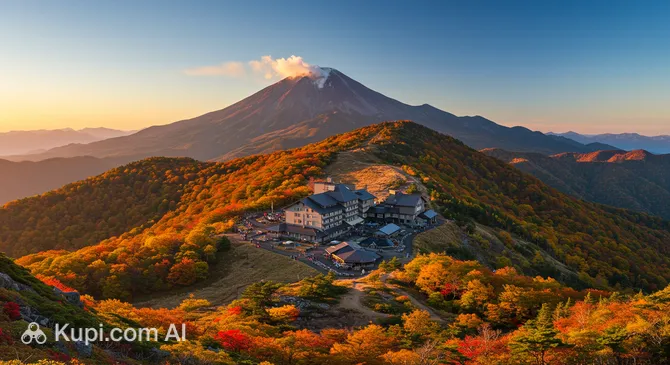
Nasu. Illustration.
Source: Kupi.com AI

With a population of about 23,435 people, Nasu maintains a cozy, intimate atmosphere where every guest feels truly welcome. The town holds an important place in the Kanto region as a popular nature reserve and resort destination. Thanks to its convenient location, Nasu can be reached from Tokyo in just a couple of hours by train, making it an ideal place for short weekend trips.

The crown jewel of Nasu, attracting travelers from all over the country, is its famous hot springs (onsens). Resorts such as Nasu Onsen and Shiobara Onsen offer not only relaxation in healing waters but also magnificent views of the surrounding mountains and forests. In winter, Nasu turns into a popular destination for lovers of skiing and snowboarding, while in summer it beckons fans of hiking and eco-tourism along scenic trails.

The atmosphere of Nasu is permeated with tranquility, harmony, and the unique charm of the Japanese countryside. It is a place where you can forget about everyday worries, immerse yourself in the contemplation of pristine nature, get acquainted with unique local traditions, and enjoy a slow, measured pace of life. A visit to Nasu will give you unforgettable impressions and a boost of energy.

You can find more interesting facts on the history of Nasu page.
Weather Overview

The weather in Nasu has a pronounced seasonal character. Summers here are warm and characterized by high humidity, while winters are cold and often snowy. In the hottest months, July and August, the average temperature is about 23-24°C, reaching highs of up to 28°C. This is also the period with the most precipitation. In winter, especially in January and February, the average temperature stays around 0°C, with nightly lows down to -3.6°C, and frequent, though not very heavy, snowfalls.

When planning your trip, expect a warm summer with frequent rains and a cold winter with regular snowfalls. For more detailed weather information and to plan your trip in the best possible way, check the Nasu climate.

Average monthly temperature

Average monthly precipitation

Interesting Facts

In addition to its picturesque landscapes and hot springs, Nasu is full of many amazing stories and unique features that make it a truly special place. Here are just a few interesting facts about this corner of Japan:

  • Samurai Heritage: In the Middle Ages, Nasu was the domain of the influential samurai clan of the same name. Their legacy is still felt in the town today, especially during local festivals, where colorful historical reenactments recreating scenes from the past can often be seen.

  • Mystical "Killing Stone": One of the most intriguing and slightly eerie attractions in Nasu is Sessho-seki, or the "Killing Stone." According to an ancient legend, this volcanic stone is permeated with poisonous gases and is associated with the spirit of the powerful nine-tailed fox shapeshifter Tamamo-no-Mae. It is believed that the stone kills all living things that touch it. This place, shrouded in mysticism, is even mentioned in the famous travel diary of the great poet Matsuo Basho, "The Narrow Road to the Deep North."

  • Equestrian Traditions: Nasu is known for its long traditions of horse breeding. Even today, horses are actively bred here, and various competitions and spectacular shows dedicated to these graceful animals are held, adding a special flavor to the local culture.

  • Natural Wealth: The surroundings of Nasu are famous for their natural beauty. Here you can find many picturesque waterfalls, explore fascinating hiking trails, and enjoy views of some of the most beautiful forests in the Kanto region, which are home to rare bird species and unique plants.

How to Get There

There are several ways to get to the picturesque town of Nasu, located in Tochigi Prefecture; however, the most common for international and long-distance domestic travelers is by air followed by a transfer by ground transport. There are several airports located in the vicinity of Nasu from which you can continue your journey to the town.

The closest to Nasu is Fukushima Airport (IATA: FKS), located in the city of Fukushima, about 36 km away. It is a small regional airport from where Nasu can be reached by taxi or bus in about 1 hour and 15 minutes. This option can be convenient if you find a suitable flight directly to Fukushima.

For most international travelers, the main point of arrival in Japan is Narita International Airport (IATA: NRT). It is located in Tokyo, at a distance of about 141 km from Nasu. Narita is a major international hub with a huge number of flights from all over the world. From Narita Airport, Nasu can be reached in several ways: by a rented car (the trip will take about 2.5-3 hours depending on traffic), or by first taking an express train (for example, the Narita Express to Tokyo or Ueno) and then transferring to a Shinkansen to the major station closest to Nasu (for example, Nasushiobara), from where local buses or taxis run to the Nasu resort itself. The total travel time using trains can be about 2.5-3.5 hours.

Another option is Ibaraki Airport (IATA: IBR), located in the city of Ibaraki, about 97 km from Nasu. This is a small airport serving mainly domestic and some international low-cost flights. From here, Nasu can be reached by car or taxi in about 2 hours and 45 minutes, or by using a bus service to the nearest train stations and then by train.

For clarity, here is summary information on the main airports from which you can reach Nasu:

AirportPassenger trafficDistance
Fukushima Airport250 00036 km
Ibaraki Airport776 06397 km
Niigata Airport1.1 mln136 km
Narita International Airport40.8 mln141 km
Sendai Airport3.5 mln143 km

After arriving at one of the airports, you can use Japan's well-developed public transport system for further travel to Nasu. Shinkansen high-speed trains are an excellent option for moving between major cities. The closest Shinkansen station to Nasu is Nasu-Shiobara. From there, local buses and taxis run to various hotels and attractions in the Nasu region. Renting a car is also a popular option, giving more freedom of movement around the picturesque surroundings of Nasu. It is recommended to check train and bus schedules in advance, especially if you are planning a trip during peak season.

Main Attractions

Nasu, located in Tochigi Prefecture, offers travelers a charming blend of natural beauty, cultural sites, and recreational opportunities. This resort town is famous for its hot springs, picturesque mountain landscapes, and a variety of entertainment for the whole family. Here are several key attractions worth visiting in Nasu.

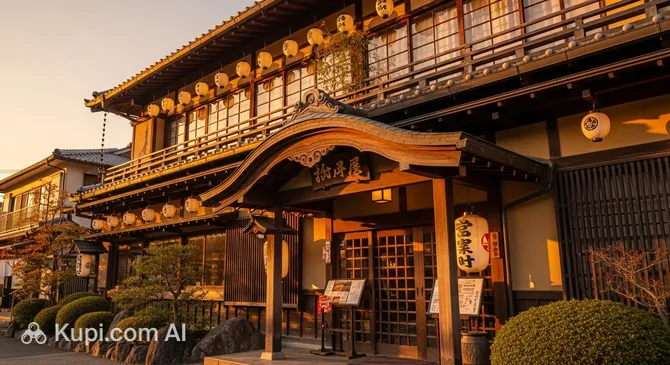
One of the interesting places to get acquainted with local cuisine is the Choji-ya restaurant. Here, guests can enjoy traditional regional dishes in a cozy atmosphere. Visiting this restaurant is a great opportunity to try authentic tastes of Japanese cuisine prepared from fresh local products. This place is popular with both tourists and locals looking for quality food.

Choujiya. Illustration.
Source: Kupi.com AI

Traveler photos:

For nature lovers and family holidays, a visit to Nasu Animal Kingdom is highly recommended. This extensive zoo and theme park allows visitors not only to see but also to interact with many animals, including alpacas, capybaras, and rare birds. Exciting animal shows are held here, and spacious enclosures create a feeling of closeness to nature. It is a wonderful place to spend the whole day, especially if you are traveling with children.

A unique and mystical place is Sessho-seki, or the "Killing Stone." This volcanic zone is known for its sulfur springs and mineral-stained rocks. Legend has it that the stone holds the spirit of an evil nine-tailed fox. The surroundings of Sessho-seki impress with their stark beauty and unusual atmosphere, reminiscent of the region's volcanic activity. A walk here will leave an unforgettable impression on fans of mysterious stories and natural phenomena.

Of course, a trip to Nasu would not be complete without visiting its famous hot springs (Nasu Onsen). This resort area has many onsens with more than a thousand years of history. The waters of local springs are rich in minerals and have healing properties. Many ryokans (traditional Japanese inns) and public baths offer guests the opportunity to relax in outdoor hot tubs while enjoying views of the surrounding mountains. It is the perfect way to relax body and soul.

Local Cuisine

The gastronomy of Nasu is a real pleasure for foodies, as the region is famous for its freshest products and unique flavors. The basis of the local cuisine is vegetables and mushrooms grown on fertile mountain slopes, as well as high-quality meat and dairy products.

The famous Nasu beef is definitely worth trying. This incredibly juicy and tender meat is masterfully prepared by local chefs in the form of steaks, the traditional sukiyaki dish, or even flavorful yakitori skewers. Another feature of the region is dairy products: do not deny yourself the pleasure of tasting creamy ice cream, yogurts, and cheeses, which can often be purchased directly from local farms or markets. Sometimes horse meat dishes prepared according to traditional recipes can also be found on restaurant menus.

Choujiya. Illustration.
Source: Kupi.com AI

Traveler photos:

You can immerse yourself in the local culinary atmosphere in numerous restaurants, for example, in Choji-ya, where you will be offered authentic dishes. It is also worth visiting local markets and fairs. Here you will find fresh vegetables, pickles, seasonal fruits, and the famous Japanese sweet potato. Street food also deserves attention, especially during the cool season when hot soups and traditional Japanese snacks are popular.

As for drinks, in addition to traditional green tea, it is worth paying attention to local sake, which perfectly complements many dishes. Gastronomic festivals are also regularly held in Nasu, where you can not only try a variety of delicacies but also get acquainted with local culinary traditions. The Nasu gastronomic scene offers a unique combination of fresh ingredients and centuries-old traditions, making every dish unforgettable.

Travel Tips

Welcome to Nasu! To ensure your trip to this charming corner of Tochigi Prefecture, known for its natural beauty and hot springs, goes smoothly and leaves only pleasant impressions, we have prepared some practical tips.

  1. Clothing and Essentials:

    The climate in Nasu is characterized by four distinct seasons: warm and humid summers, cold and snowy winters (especially in mountainous areas), and mild and pleasant springs and autumns. The key point is layering your clothing. Be sure to bring comfortable shoes for walking on nature trails. Don't forget a raincoat, especially if your trip is planned during the rainy season (usually June-July). To visit onsens (hot springs), you won't need a swimsuit, as bathing is usually separate and without clothes. Useful accessories include a power adapter (Type A, as in the USA/Canada) and a portable charger. In summer, bring sunscreen and insect repellent. When visiting temples and shrines, choose modest clothing that covers shoulders and knees.

  2. Transport around Nasu:

    Nasu is a resort area, and attractions can be quite spread out. Public transport is represented by local buses (for example, Tobu Bus) that connect major points and the Nasu-Shiobara Shinkansen station, but they do not run frequently. Taxis are available but can be expensive for long trips. Car rental is highly recommended for maximum flexibility, especially if you plan to actively explore the surroundings or stay away from the main tourist centers. An international driving permit is required; traffic in Japan is left-handed. Check for seasonal tourist buses, such as the "Kyu-bi Fox Bus," running along popular routes.

  3. Finances:

    The local currency is the Japanese yen (JPY, ¥). It is better to exchange some cash before arrival or at major airports, as options for exchange in Nasu itself may be few (possibly in large hotels or post offices). Credit cards are increasingly accepted, especially in hotels, large restaurants, and tourist spots. However, always have some cash with you, as small establishments and some types of transport may only accept it. Visa and Mastercard international cards are the most common; check with your bank for international transaction fees. ATMs that accept international cards can usually be found at post offices (Japan Post Bank) and 7-Eleven convenience stores (Seven Bank). An approximate daily budget (excluding accommodation) is 7,000-15,000 yen per person. Tipping is not customary in Japan.

  4. Health and Safety:

    Pharmacies (kusuriya, 薬屋) are easy to find and sell over-the-counter medicines. Staff may not speak English. In case of serious health problems, hotel staff can help find an English-speaking doctor. Travel insurance with medical coverage is mandatory. Nasu, like most of Japan, is a very safe place with low crime rates. Follow normal precautions and be mindful of wildlife during hikes (encounters with bears or monkeys are possible).

  5. Communication:

    The main language is Japanese. English proficiency is limited outside of major tourist sites and hotels. Useful phrases: "Konnichiwa" (Hello), "Arigato gozaimasu" (Thank you), "Sumimasen" (Excuse me/Sorry). We recommend purchasing a tourist SIM card or a portable Wi-Fi device at the airport or online in advance. Free Wi-Fi is available in some tourist spots, hotels, and cafes, but do not rely on it everywhere. Useful apps: Google Maps, Japan Travel by Navitime.

  6. Local Etiquette:

    A slight bow is common when greeting. Handshakes are not typical. In public places, especially on transport, speak quietly. Avoid eating and drinking while walking. Wait patiently in lines. Before entering a house, some traditional restaurants, temples, and ryokans (traditional inns), take off your shoes. Pay special attention to etiquette in onsens: wash thoroughly before entering the communal bath, do not wear swimsuits, and do not put your towel in the water.

  7. What to Avoid:

    Try not to behave noisily or provocatively in public places, especially on transport or in quiet nature spots. It is also important not to leave trash behind; take it with you or throw it in specially designated bins, which, by the way, may not be many. Japan values cleanliness very much.

  8. Extra Tip for Nasu:

    Nasu is famous for the diversity of its onsens. Consider purchasing an "onsen tegata" (湯めぐり手形) – a special pass that may entitle you to visit several hot springs at a discounted price. Also, be sure to try local dairy products: the Nasu region is known for its farms, delicious soft-serve ice cream, and cheeses.

We hope these tips help you plan an unforgettable trip to Nasu, full of discoveries and pleasant moments in one of the most beautiful regions of Japan. Enjoy every moment!

Entertainment & Nightlife

In the evening, Nasu offers its guests an atmosphere of peace and comfort, different from the noisy nightlife of megacities. Here you will not find districts with neon club signs open until dawn, but you can enjoy a pleasant evening in a calmer setting, focusing on delicious food and socializing.

The main focus of evening leisure in Nasu is shifted toward gastronomy. Numerous restaurants and traditional Japanese taverns (izakaya) invite you to taste local cuisine. Among them, for example, is the restaurant Choji-ya, offering authentic dishes in a traditional style. Also in the city, you can find cozy izakaya, such as "Kazahana" (風花), or small bars like "Bar Bamboo," where you can enjoy local drinks and snacks in a relaxed atmosphere. The price level for dinner and drinks in Nasu can generally be characterized as moderate, although in high-end establishments or those oriented toward tourists, it may be slightly above average.

Choujiya. Illustration.
Source: Kupi.com AI

Traveler photos:

If we talk about bars and clubs in the usual sense, the choice in Nasu will be limited. The resort is more oriented toward family holidays and unity with nature. Nevertheless, some hotels may offer lounge bars to their guests where they can have a cocktail. Small local bars serving sake and beer can also be found, but they are usually designed for the local crowd and close not too late. The atmosphere in such establishments is usually very friendly and relaxed, without a strict dress code.

When planning an evening in Nasu, keep in mind that many establishments, especially small family restaurants, may close earlier than in large cities, usually around 21:00-22:00. For traveling at night, a taxi is the most convenient option. Public transport runs less frequently in the evening, so it is worth planning your route in advance or asking for a car to be called at your hotel reception.

Nasu, like most cities in Japan, is a very safe place. Evening walks along illuminated streets usually do not cause any concern. However, standard precautions, of course, will not be superfluous.

During the day, Nasu offers plenty of options for active and educational recreation. You can visit popular theme parks such as Nasu Highland Park or interact with animals at Nasu Animal Kingdom. Art lovers will appreciate the Nasu Stained Glass Museum or the Trick Art Museum. And, of course, do not forget about the famous hot springs (onsens) – the hallmark of the region, where you can perfectly relax after a busy day.

Overall, evening Nasu is an ideal place for those looking for peace, quality dining, and the opportunity to take a break from the city bustle. Although there is no boisterous nightlife, the town charms with its hospitable atmosphere and the opportunity to enjoy the slow passage of time.

Parks & Museums

Nasu is a charming corner of Japan where lush natural landscapes blend harmoniously with a rich cultural heritage, offering tourists both a peaceful getaway in nature and a fascinating immersion into the world of art and history.

Among the green treasures of Nasu, the Heisei-no-mori Forest stands out in particular. This extensive forest area, once part of the Imperial Villa, is today open to the public and invites you to enjoy untouched nature, walk along scenic trails, and observe local flora and fauna. Another must-visit place for nature lovers is Nasu Flower World. This huge flower park amazes the imagination with carpets of seasonal flowers, creating incredible panoramic views, especially against the backdrop of the Nasu mountains. For those looking for something unusual, it is worth visiting the Sessho-seki volcanic zone, or the "Killing Stone." This place is shrouded in legends and impresses with its sulfur springs and harsh landscapes, offering a unique experience of contact with the forces of nature.

The cultural life of Nasu is no less rich. One of the most vibrant museums is the Nasu Stained Glass Museum. Located in a building reminiscent of an English manor, it houses an impressive collection of antique stained glass brought from Europe. The atmosphere here is truly magical, especially when sunlight plays on the colored glass. No less interesting is the Nasu Music Box Museum, where you can hear the enchanting melodies of antique and modern music boxes and automata. This place transports visitors to another era and gives a sense of a fairy tale. Contemporary art lovers should check out the Fujishiro Seiji Museum, dedicated to the works of a famous Japanese artist who creates amazing pictures from colored tracing paper and light – the so-called shadow paintings (kiri-e).

In addition to large parks and museums, Nasu is famous for its numerous onsens (hot springs), a visit to which will be a wonderful addition to the cultural program and allow you to deeper experience Japanese traditions. It is also worth paying attention to the small craft workshops and galleries scattered around the town, where you can find unique souvenirs and get acquainted with the work of local masters.

Getting Around

The main way to travel around Nasu and its picturesque surroundings is by bus. Regular bus routes connect key points, such as railway stations (for example, Nasu-Shiobara Station, where Shinkansen express trains arrive, and from where you can reach the Nasu resort itself), with the main tourist areas, hotels, onsens, and attractions. During the tourist season, special shuttles or excursion buses oriented toward city guests may also run.

The bus fare payment system in Nasu is quite standard for Japan. As a rule, you can pay with cash directly upon exiting the bus (it is recommended to carry small coins, as the driver may not always have enough change). A more convenient option is reloadable IC transport cards, such as Suica or Pasmo. These cards can be purchased and topped up at major railway stations throughout the country. In some cases, especially for tourist buses, day passes may be offered, which can be purchased at tourist information centers or directly from the driver. For route planning and checking schedules in Nasu, as in all of Japan, mobile apps such as Japan Travel by Navitime or Google Maps will be very useful. It is best to check exact fares directly on-site, on the official websites of transport companies, or at tourist information centers, as they can vary depending on the route and season. Approximately, the cost of a bus ride within the resort area can start from a few hundred yen.

Tourists planning to use public transport in Nasu should pay attention to the schedule. Buses here do not run as often as in megacities, especially in the off-season or on less popular routes. Current schedules are usually available at bus stops, on the websites of local transport companies, in the mobile apps mentioned above, or at tourist information offices. In most buses, entry is through the back door, where you need to take a ticket (if the system involves zone-based payment), and exit is through the front, paying the driver or tapping your IC card against the validator. Transport operating hours usually cover the daytime, from early morning to evening; night routes are generally absent.

In addition to buses, other methods of transportation are available in Nasu. Taxis can be found at railway stations and major hotels, but this will be a more expensive option. For those who want to explore the region with maximum freedom and visit remote natural beauties, renting a car is a great solution. In some resort areas and hotels, bicycle rentals may be offered, which is ideal for leisurely rides around the neighborhood.

One of the notable transport features of Nasu, closely related to its tourist appeal, is the Nasu Ropeway. It takes visitors up the slopes of Mount Nasu, offering magnificent panoramic views and numerous hiking trails. Although it is more of a tourist attraction than a daily means of transportation, for many travelers, the ropeway becomes an important part of getting to know the region.

Accommodation

In Nasu, a wide choice of accommodation options is available to tourists, capable of satisfying various preferences and budgets. Here you can find cozy guesthouses and traditional ryokans, as well as modern hotels. Many travelers also consider renting apartments or cottages, especially for long stays or family holidays.

When choosing accommodation, it is worth paying attention to areas located near main attractions or transport hubs, which will ensure convenience of moving around the city and its surroundings. Some hotels and ryokans offer picturesque views of the surrounding nature, which is especially valued by guests looking for a relaxing holiday.

It is recommended to book accommodation in advance, especially if your trip falls during the peak tourist season or public holidays. This will help ensure availability and possibly get better rates. The most common booking methods are popular online platforms, as well as direct contact with hotels.

The price range for accommodation in Nasu varies from budget options to more expensive offers in high-end hotels and ryokans with full board and hot springs (onsens). Regardless of the chosen option, you will be able to find a comfortable place to relax after a busy day of exploring the town.

Nearby Cities

For those who want to explore the surrounding area, Nasu serves as an excellent starting point for day trips to several interesting nearby places. Among them, the following stand out in particular:

  • Nikko – a place of pilgrimage for connoisseurs of Japanese culture and nature. The city is famous for its magnificent shrines and temples listed as UNESCO World Heritage sites, such as Toshogu. In addition, the surroundings of Nikko impress with picturesque landscapes, including Lake Chuzenji and the impressive Kegon Falls.
  • Aizuwakamatsu – a city with a rich samurai history, known for its majestic Tsuruga Castle, which was one of the last samurai strongholds. Visitors can immerse themselves in the region's history, explore samurai residences, and get acquainted with traditional crafts.
  • Nasushiobara, located right next to Nasu, attracts with its numerous hot springs (onsens), where you can relax and regain strength. This area also offers beautiful natural landscapes, valleys, and gorges, ideal for hiking and enjoying the fresh air.

For more detailed planning, below is information on some cities in the vicinity of Nasu that may be interesting to visit:

CityPopulationDistance
Nasushiobara115 6029 km
Nishigo20 50814 km
Otawara72 92319 km
Tanagura13 26423 km
Hanawa28 92927 km

These nearby destinations provide a glimpse into the region's diverse culture and landscapes, complementing the experience of staying in Nasu.

Shopping & Souvenirs

Nasu, known as a popular mountain resort in Tochigi Prefecture, offers its guests shopping opportunities focused primarily on local products, souvenirs, and goods related to nature and recreation. You won't find huge shopping districts here like in major cities, but you can enjoy buying unique items reflecting the spirit of this region of Japan.

The main shopping outlets in Nasu are usually concentrated along the main roads leading to popular tourist sites such as onsens (hot springs), museums, and natural parks. Shops can also be found in the railway station area or in small commercial zones. These can be individual souvenir shops or stores specializing in local delicacies.

Large modern shopping centers are not a characteristic feature of Nasu. Instead, you can find small complexes of shops or outlet formats located in the wider Nasu Kogen region. Such places offer goods from various brands, often at discounts, as well as products from local manufacturers.

Although Nasu is not famous for large traditional markets, you can find farm stalls or so-called "michi-no-eki" (roadside stations) selling fresh local vegetables, fruits, dairy products (the region is known for its cheese and milk), jams, honey, and other delicacies. This is a great place to buy gastronomic souvenirs.

As souvenirs from Nasu, it is worth bringing local cheeses and dairy products, locally produced sake, ceramics, wood products, as well as goods related to onsens – bath salts, towels, and cosmetics based on mineral water. Souvenirs with images of animals living in the Nasu mountains or with symbols of local attractions are also popular.

Most shops in Nasu operate from approximately 10:00-11:00 to 18:00-19:00. Some souvenir shops at tourist sites may have more flexible hours. Both cash (Japanese yen) and credit cards are accepted for payment, especially in larger stores and tourist areas. However, in small private shops, preference may be given to cash.

For foreign tourists in Japan, there is a Tax-Free system. When making purchases of a certain amount in stores participating in this program (look for the corresponding "Tax-Free Shop" sign), you can apply for a consumption tax refund. You will need your passport for this.

Reached the end of the page?

That means the route is fully explored