Support

Nasushiobara

About

Nasushiobara is a true gateway to a world of pristine nature and tranquil serenity, a city nestled in Tochigi Prefecture on Honshu Island. Covering an area of nearly 600 square kilometers, it is surrounded by picturesque hills, dense forests, and the famous thermal springs that have made this corner of Japan a magnet for seekers of secluded relaxation and eco-tourism.

Thanks to its location in the northeast of the Kanto region, Nasushiobara is famous for its crystal-clear air, mild climate, and breathtaking views of majestic mountain ranges. The city's population is about 115,000, allowing it to harmoniously combine the measured pace of provincial life with the developed infrastructure of a modern settlement. Although Nasushiobara was officially founded in 2005, its surroundings have been known to travelers and pilgrims for many centuries.
Nasushiobara. Illustration.
Source: Kupi.com AI

One of the city's main highlights is its onsen—traditional Japanese hot springs offering perfect relaxation after long walks through nearby national parks and scenic hiking trails. An atmosphere of harmony with nature reigns everywhere here, from the cozy streets to the hospitality of the locals. The city provides many opportunities for outdoor activities, whether it's hiking, cycling, or simply contemplating the seasonal landscapes.

Nasushiobara is a wonderful place for those seeking the perfect balance between exciting adventure and total peace. By visiting this city, you can fully experience authentic Japanese culture, enjoy the beauty of nature, and discover a completely different Japan, far from the hustle and bustle of megacities.

You can find more interesting facts on the Nasushiobara history page.
Weather Overview

The weather in Nasushiobara is characterized by warm summers with occasional rain and cool, drier winters. The average temperature in the hottest month, August, is 24.5°C (reaching up to 27.9°C), and this is also one of the wettest periods, with 6 mm of precipitation and approximately 23 rainy days. January is the coldest month with an average temperature of 0.7°C (dropping to -2.9°C), while the amount of precipitation is significantly lower (2 mm) and the number of rainy days decreases to about 12. For more detailed monthly weather information, visit the Nasushiobara climate page.

Average monthly temperature

Average monthly precipitation

Interesting Facts

Beyond its picturesque landscapes and hot springs, Nasushiobara holds many surprising stories and features that make it a truly unique place. Here are just a few interesting facts about this charming corner of Japan:

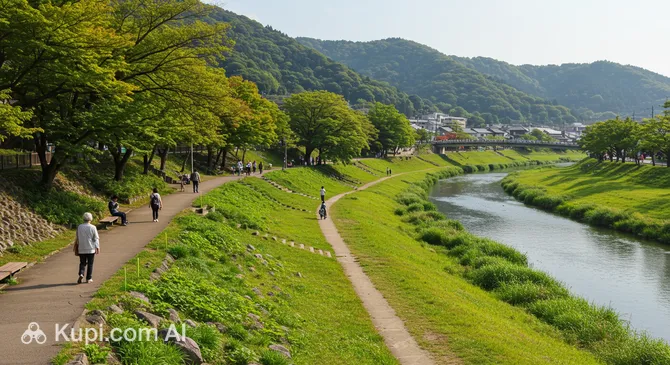
Nakagawa Riverside Park. Illustration.
Source: Kupi.com AI

Traveler photos:

  • Nasushiobara is known as one of the major centers for onsen tourism in the Kanto region. There are dozens of thermal resorts here, many of which were popular as far back as the Edo period with Japanese aristocrats and poets. According to legend, the city's hot springs helped samurai recover their strength after battles.

  • The city symbols are the rhododendron flower (Rhododendron quinquefolium) and the pine tree, highlighting its natural beauty and rich flora. It is especially beautiful here in spring: slopes and parks, such as Nakatogawa Riverside Park, are buried in blooming bushes and trees, attracting photographers and botany enthusiasts from all over Japan.

  • Nasushiobara is the birthplace and a place of inspiration for many Japanese artists and writers. The city often hosts art festivals, exhibitions, and traditional craft workshops, making it attractive not only for tourists but also for creative individuals.

  • Old roads and bridges used by pilgrims and merchants in ancient times have been preserved in the city's surroundings. Some of these routes have become popular trails for hiking and cycling today, and in the forests, you can encounter rare birds and even Japanese macaques.

How to Get There

When planning a trip to Nasushiobara, a charming city in Tochigi Prefecture, it's worth thinking about your route in advance. The main way to get here for most international and many domestic tourists is by flying to one of the regional airports, followed by a ground transport transfer.

The closest airport to Nasushiobara is Fukushima Airport (FKS). It is located in the city of Fukushima, about 45 km from the center of Nasushiobara. This is a small regional airport, and a trip from here to your hotel in Nasushiobara by taxi or bus will take about 1.5 hours. This option can be convenient if you find a suitable flight directly to Fukushima.

The main international hub for many travelers heading to Japan is Narita International Airport (NRT), located in Tokyo. Despite being at a significant distance—about 136 km from Nasushiobara—it is often chosen due to the large number of international flights. From Narita, you can reach Nasushiobara in approximately 3.5-4 hours using a combination of trains and/or buses, or by booking a direct transfer.

Another airport to consider is Ibaraki Airport (IBR). It is located in the city of Ibaraki, approximately 93 km from Nasushiobara. This airport serves both domestic and some international flights, primarily by low-cost carriers. The journey from Ibaraki Airport to Nasushiobara takes about 2.5-3 hours.

For convenience, here is a summary of the main airports from which you can reach Nasushiobara:

AirportPassenger trafficDistance
Fukushima Airport250 00045 km
Ibaraki Airport776 06393 km
Narita International Airport40.8 mln136 km
Niigata Airport1.1 mln137 km
Sendai Airport3.5 mln152 km

After arriving at any of these airports, you can use Japan Railways (if applicable from the airport city), intercity buses, or rent a car for the onward journey to Nasushiobara. We recommend checking public transport schedules and routes in advance or booking a transfer.

Main Attractions

Nasushiobara, comfortably located in Tochigi Prefecture, offers its guests several interesting places that help you get to know this corner of Japan better. Here you can enjoy both natural beauty and local culture.

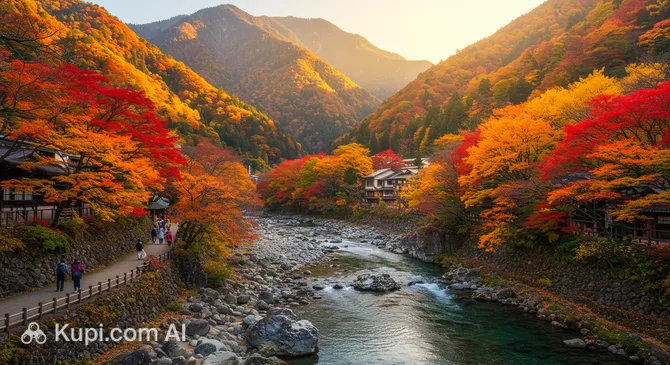
One attractive spot for walks and outdoor relaxation is Nakatogawa Riverside Park. This is a wonderful place to escape the city bustle, enjoy picturesque views, and perhaps have a small picnic. The park is especially beautiful in different seasons, offering visitors a peaceful atmosphere.

Nakagawa Riverside Park. Illustration.
Source: Kupi.com AI

Traveler photos:

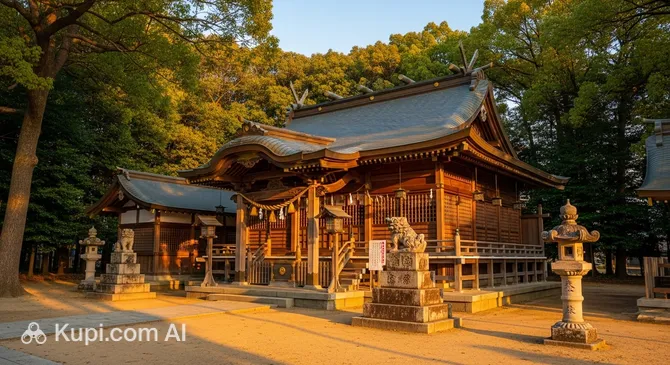
For those interested in Japan's spiritual culture, Kuroiso Shrine is worth a visit. This place is steeped in history and tradition, offering guests a chance to touch upon local beliefs and admire the architecture of a Shinto shrine. Visiting the shrine is a great way to gain a deeper understanding of the region's cultural heritage.

Kuroiso Shrine. Illustration.
Source: Kupi.com AI

Traveler photos:

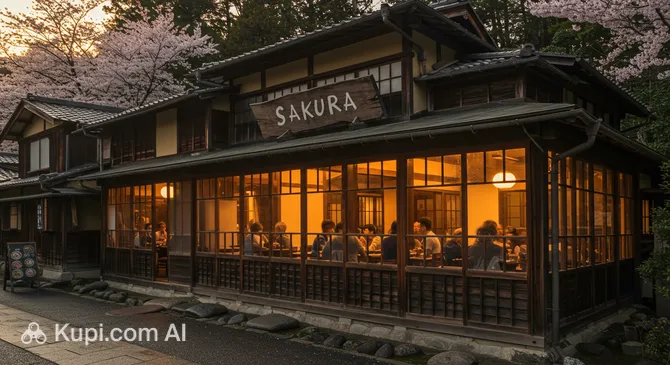
If you wish to get acquainted with local cuisine, pay attention to the Sakura restaurant. While it is a dining establishment, it can become part of your cultural experience by offering traditional dishes or local specialties. Visiting such places always adds vibrant impressions to a trip.

Sakura. Illustration.
Source: Kupi.com AI

Traveler photos:

Local Cuisine

The gastronomy of Nasushiobara is a true reflection of the bounty of local nature. The city's cuisine is famous for using the freshest seasonal vegetables, high-quality dairy products, meat, and, of course, river fish dishes. Travelers here can expect to encounter authentic flavors based on local ingredients.

One of the main culinary treasures of the region is considered to be Nasu beef. This meat is known for its incredible tenderness and rich flavor. You can try it in various ways: from classic steaks to traditional Japanese dishes such as sukiyaki (a hot pot dish) or shabu-shabu (thinly sliced meat boiled in broth). Another local specialty is onsen-tamago, eggs boiled in hot spring water, which gives them a unique texture. It is also worth trying the fresh trout, often grilled over charcoal.

Nasushiobara is proud of its dairy farms, whose products are considered among the best in Japan. Be sure to try the local milk, yogurts, and ice cream. Cheese produced here using original recipes that skillfully combine Japanese and European cheesemaking traditions deserves special attention. This is a great opportunity to discover new facets of Japanese gastronomy.

Speaking of drinks, in Nasushiobara, as throughout Japan, you will find traditional options. Among alcoholic beverages, sake and shochu are popular. Among non-alcoholic drinks, green tea is always available, and local juices and lemonades based on seasonal fruits and berries can also be found. Don't miss the chance to try something local.

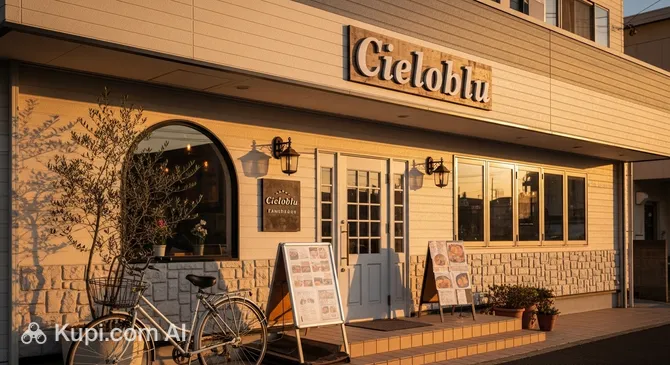
The food culture in Nasushiobara is diverse. Locals and tourists can enjoy a meal in cozy restaurants offering Nasu beef dishes and other specialties. For example, you can visit Sakura or Cieloblu to appreciate the local cuisine. Additionally, seasonal vegetables, mushroom dishes, and root crops can always be found at street markets and small cafes. Throughout the year, the city hosts culinary festivals where farmers and chefs present their best products and dishes, offering guests a unique gastronomic experience.

Cieloblu. Illustration.
Source: Kupi.com AI

Traveler photos:

The gastronomic scene of Nasushiobara attracts with its authenticity and focus on quality local products. It is an ideal place for those who want to get acquainted with real Japanese cuisine that goes beyond standard tourist offerings and discover new, memorable flavors.

Travel Tips

Welcome to Nasushiobara! To ensure your trip to this charming corner of Tochigi Prefecture goes as smoothly and pleasantly as possible, we have prepared some practical tips to help you better navigate and enjoy every moment.

  1. Clothing and Essentials: The climate in Nasushiobara, as in all of Japan, has four distinct seasons. In summer (June-August), it is hot and humid, so bring light, breathable clothing. Spring (March-May) and autumn (September-November) delight with moderate temperatures—T-shirts, sweaters, and a light jacket are perfect. In winter (December-February), it can be cold and snow is possible, so warm jackets, hats, gloves, and scarves are mandatory. Comfortable shoes are extremely important, as you will be walking a lot, especially if you plan to explore the region's natural beauty. Don't forget an adapter for electronics (Japan uses Type A, two flat pins) and a power bank. When visiting temples and shrines, choose modest clothing that covers shoulders and knees.

  2. Transport: To move around the city of Nasushiobara itself and its picturesque surroundings, especially for visiting the numerous onsens and natural attractions, the most convenient option will be renting a car. Public transport is represented by local buses, but their routes and schedules may not always be convenient for tourists. Nasushiobara Railway Station is an important transport hub (the Shinkansen stops here), but for local travel, a car will provide more freedom. Taxis are available but can be expensive for long trips. Taxi apps such as "Go" or "JapanTaxi" can be useful.

  3. Finances: The local currency is the Japanese yen (JPY). Although credit cards are accepted in many hotels, large stores, and restaurants, cash still plays an important role, especially in small establishments, at markets, and for paying entrance fees to some attractions. You can exchange currency at airports or banks. ATMs that accept international cards are most often found in 7-Eleven stores (Seven Bank) and at post offices (Japan Post Bank). Tipping is not practiced in Japan. A rough daily budget (excluding accommodation) can range from 5,000 to 10,000 JPY.

  4. Health and Safety: Nasushiobara, like Japan in general, is considered a very safe place. Follow standard precautions: watch your belongings, especially in crowded areas. Pharmacies (薬, kusuri) are easy to find, but pharmacists may not always speak English. It is better to have a list of necessary medications with international names. 24-hour pharmacies are rare. If you need medical assistance, contact your hotel reception for a clinic recommendation. It is recommended to have travel insurance.

  5. Communication: The official language is Japanese. English proficiency among the local population may be limited, especially outside tourist areas. Learn a few basic phrases in Japanese: "Konnichiwa" (Hello), "Arigato" (Thank you), "Sumimasen" (Excuse me). This will be highly appreciated. For internet access, consider buying a local SIM card or renting a pocket Wi-Fi router. Free Wi-Fi is often available in hotels and some cafes.

  6. Local Etiquette: Bowing is a traditional form of greeting. A slight nod of the head is appropriate. In public places, especially on transport, try to speak quietly. When visiting onsens (hot springs) for which Nasushiobara is famous, be sure to familiarize yourself with the rules: you must wash thoroughly in the designated area before entering the communal bath. Usually, you enter an onsen completely naked.

  7. What to Avoid: Do not stick your chopsticks vertically into rice—this is associated with funeral rituals. Do not blow your nose loudly in public; if necessary, go to the restroom. Try not to eat on the go in the street unless it is in designated areas (e.g., food festivals).

  8. Extra Tip: Onsen Magic and Nature: Nasushiobara is primarily a resort with hot springs (onsens) and magnificent nature. Be sure to set aside time to visit one of the many onsens to relax. Also, explore natural beauties such as the Momijidani Suspension Bridge area or the Numappara Marsh. Many traditional inns (ryokans) offer their own onsens. Check the rules for visiting an onsen if you have tattoos, as entry to some public baths may be restricted.

We hope these tips help you better prepare for your trip and fully enjoy the hospitality and unique atmosphere of Nasushiobara. We wish you an unforgettable journey and vivid impressions!

Entertainment & Nightlife

Evening in Nasushiobara offers its guests a cozy and quiet atmosphere, ideal for a relaxing break after a busy day. Although the city is not famous for the wild 24-hour parties found in Japan's megacities, you can find pleasant places to spend the evening, enjoy delicious food, and experience local hospitality.

Main evening life in Nasushiobara is concentrated around restaurants and traditional Japanese pubs—izakaya—where you can try local dishes and drinks. Fans of Japanese cuisine should check out establishments like Sakura or Cieloblu, where you can have a pleasant dinner in a calm setting. While there are few specialized nightclubs here, some bars and restaurants stay open until late evening, offering guests drinks and light snacks. Most activity is usually seen in the city center and near the railway stations.

The atmosphere in Nasushiobara's evening venues is predominantly relaxed and friendly. The crowd is usually local, but tourists can always count on a warm welcome. There is no specific dress code in most places; neat casual style is welcomed. Most restaurants and izakayas start accepting guests from early evening and operate until 22:00-23:00, while some bars may stay open a bit longer, especially on weekends.

When planning your evening leisure, it's better to arrive at popular places early, especially on Friday and Saturday. Prices in Nasushiobara's establishments are generally moderate, making dinner or evening gatherings quite affordable. For moving around the city at night, it's most convenient to use a taxi, as public transport may run less frequently. You can order a taxi through your hotel reception or find one at designated stands.

Nasushiobara, like most cities in Japan, is considered a very safe place. Evening walks along the well-lit central streets usually cause no concern. Nevertheless, it's always worth taking basic precautions and keeping an eye on your belongings.

During the day, Nasushiobara also offers various leisure options. Guests can visit local temples, such as Kuroiso Shrine, walk through picturesque parks like Nakatogawa Riverside Park, or explore the natural beauty of the Tochigi region. The city may also have small museums and galleries that introduce local culture and history.

Thus, Nasushiobara offers a balanced getaway where quiet evening entertainment harmoniously combines with interesting daytime activities, allowing guests to enjoy the authentic atmosphere of the Japanese province.

Parks & Museums

Nasushiobara invites its guests to enjoy the harmony of nature in picturesque parks and touch upon its cultural heritage through its historical corners. The city offers pleasant opportunities for outdoor recreation and getting to know local traditions, although it is not famous for a large number of major museums, compensating for this with natural charm and historical shrines.

Among the green zones of Nasushiobara, Nakatogawa Riverside Park particularly stands out. This scenic spot along the river is ideal for quiet relaxation, picnics, and enjoying nature. Here you can walk along well-kept paths, admiring the river views and breathing the fresh air. The park is especially beautiful during the cherry blossom season or the autumn change of leaves.

Nakagawa Riverside Park. Illustration.
Source: Kupi.com AI

Traveler photos:

While this is the main developed park, the entire region around Nasushiobara is famous for its natural beauty. Numerous forest trails and hills typical of Tochigi Prefecture provide excellent opportunities for hiking and observing the changing seasons. These natural areas allow you to truly feel the tranquility of the Japanese province.

Regarding cultural institutions, the focus in Nasushiobara is on historical monuments and places of spiritual significance. A key site is Kuroiso Shrine. This ancient Shinto shrine is a beautiful example of Japanese religious architecture and an important place for understanding local traditions and spiritual life. Visiting the shrine will bring peace and introduce you to the region's history.

Kuroiso Shrine. Illustration.
Source: Kupi.com AI

Traveler photos:

For those interested in art and history more broadly, it is worth paying attention to cultural events and festivals that periodically take place in the city and reflect the rich heritage of Tochigi Prefecture. While there are few large museums in the city itself, getting to know local crafts and traditions is possible through such events or by visiting small themed exhibitions if they are being held.

For an authentic experience in Nasushiobara, we recommend exploring lesser-known trails in the surrounding forests or visiting small local temples that may not be in popular guidebooks but hold their own unique atmosphere. Also, look out for local markets where you can try seasonal products and see the daily life of the townspeople.

Getting Around

Public transport in Nasushiobara consists mainly of bus routes that connect various city districts, railway stations, and tourist sites. For traveling longer distances and to neighboring settlements, it is convenient to use Japan Railways (JR East) trains. The key station is Nasushiobara, served by both high-speed Shinkansen trains (for intercity travel) and local Utsunomiya Line trains (part of the Tohoku Main Line), providing connections to other cities in the prefecture. There is no metro or tram system in the city itself, but the existing bus network and rail connections allow for fairly comfortable movement.

The most convenient way to pay for travel on buses and trains is using Japanese transport IC cards, such as Suica or Pasmo. These can be purchased and topped up at special machines at railway stations, including Nasushiobara Station, as well as in some convenience stores. These cards significantly simplify the payment process—you just need to tap the card against the reader when entering and exiting. Of course, fares can also be paid in cash, especially on buses. In this case, it is recommended to have coins or small bills with you, as the driver may not always be able to provide change for large banknotes. Train fares depend on the distance, and buses often use a zone system: when entering, you take a ticket with the stop number (整理券 - seiriken), and when exiting, you pay the amount shown on the electronic display opposite your ticket number.

Train tickets are purchased at station machines or ticket offices. When using an IC card, tap it at the turnstile at the entrance and exit of the station. On buses, if you are using an IC card, tap it against the reader when entering (usually at the back or middle door) and definitely when exiting (at the front door next to the driver). If paying in cash, take the aforementioned seiriken ticket when entering. When exiting, drop the exact amount along with the ticket into the fare box next to the driver. Public transport in Nasushiobara usually starts early in the morning (around 5:00-6:00) and ends late in the evening (around 22:00-23:00). Schedules can vary depending on the route, day of the week (weekdays/weekends), and season, so it is always useful to check in advance, for example, at stations or online.

In addition to public transport, other ways of moving around are available in Nasushiobara. Taxis can be found at stands at Nasushiobara railway station, major hotels, and other key points in the city, or called by phone. This is a comfortable, though more expensive, option, especially for short trips. For those who prefer greater freedom of movement, especially when planning trips to hot springs (onsens) or natural attractions in the surroundings, renting a car is a good option. Rental points can be found in the city or at larger transport hubs in the region. Also, in some tourist areas or near hotels, bicycle rentals may be available, which is an excellent choice for a leisurely exploration of the city and its picturesque surroundings in good weather.

Accommodation

Nasushiobara offers a variety of accommodation options capable of satisfying the needs of diverse travelers. Here you will find both traditional Japanese ryokans, especially popular in hot spring areas, and Western-style hotels more familiar to international tourists. Guest houses (minshuku) and, in some cases, apartments for short-term rent are also available.

When choosing a place to stay in Nasushiobara, it's worth looking at areas located near onsens (hot springs), for example, in the famous Shiobara Onsen-kyo resort area. These places offer not only the chance to enjoy therapeutic baths but also to immerse yourself in the atmosphere of Japanese hospitality and contemplate picturesque natural landscapes. Staying near main transport hubs or natural attractions can also be convenient, making it easier to explore the city and its surroundings.

To guarantee yourself the best option, especially if your trip falls during the peak season (such as cherry blossom time, the autumn leaf-viewing period, or national holidays), it is recommended to book accommodation in advance. This is particularly relevant for popular ryokans and hotels with good reviews, which can be booked up quickly.

The price range for housing in Nasushiobara varies from relatively budget-friendly options in guest houses to more luxurious offers in spa hotels and high-end ryokans with full board. You can book your stay through popular international and Japanese online booking platforms, directly on official hotel websites, or, in some cases, by contacting local tourist information centers.

Nearby Cities

For those who want to explore the surroundings, Nasushiobara serves as an excellent starting point for day trips to several interesting nearby locations.

Just 10 km from Nasushiobara is Otawara. This city offers a quieter immersion into local culture. Here you can stroll through quiet streets, visit local temples and shops, and feel the authentic atmosphere of a small Japanese town.

About 27 km from Nasushiobara is the small town of Nakagawa. This is a good option for those who want to see a calmer, more rural side of Japan, and enjoy nature and local flavor away from busy tourist routes.

Nikko, located about 41 km away, is the jewel of the region, famous for its magnificent shrines and temples listed as UNESCO World Heritage sites, such as the Toshogu Shrine. Additionally, the city charms with picturesque natural landscapes, including Lake Chuzenji and Kegon Falls, offering unforgettable experiences for history and nature lovers.

CityPopulationDistance
Nasu23 4359 km
Otawara72 92310 km
Yaita31 14520 km
Nishigo20 50822 km
Nakagawa50 18627 km

These nearby destinations, including other cities in the table, allow you to get an idea of the diverse culture and landscapes of Tochigi Prefecture.

Shopping & Souvenirs

Nasushiobara, a charming city in Tochigi Prefecture, may not be a major shopping destination in Japan like Tokyo or Osaka, but it offers its own unique shopping opportunities, especially if you are looking for local products and souvenirs. Here you will find a mix of small traditional shops and modern conveniences reflecting the local flavor.

Main shopping areas in Nasushiobara are generally concentrated around railway stations, such as Nasushiobara or Kuroiso, as well as along the city's main streets. Here you can discover small family-run shops, stalls with local delicacies and handicrafts, as well as some chain stores. A walk through these areas will allow you to feel the atmosphere of the city and find something special.

While there may not be massive multi-story shopping malls in Nasushiobara typical of megacities, you can find small shopping complexes or department stores offering a variety of goods—from clothing and accessories to household items and food. Such places are often located near transport hubs for the convenience of shoppers.

Special attention should be paid to local markets if any are held during your visit. Farmers' markets can offer fresh seasonal products from the Tochigi region, such as the famous strawberries, vegetables, and dairy products from the Nasu area. Craft fairs or flea markets may occasionally be organized, where you can find unique handmade items and antiques.

As souvenirs from Nasushiobara and the Tochigi region, consider local delicacies: confectionery using strawberries, local sake or beer, dairy products (cheeses, yogurts), as well as traditional pickles. Since Nasushiobara is in a region known for its onsens (hot springs), popular souvenirs can include bath salts, cosmetics based on mineral water, or themed towels and accessories. Also, keep an eye out for works by local artisans if you come across them.

Most shops in Nasushiobara are usually open from 10:00 or 11:00 AM to 7:00 or 8:00 PM. Small private shops may have their own schedule and a day off (often once a week). Regarding payment, cash is still widely used, especially in small shops and markets. Credit cards are accepted in most major stores, department stores, and tourist spots. Japanese transport IC cards (such as Suica or Pasmo) may also be accepted for payment at some outlets.

For foreign tourists in Japan, a tax-free system is available. Look for stores with the "Tax-Free Shopping" logo. Usually, to process a tax refund, you must make a purchase of a certain amount (most often over 5,000 yen) in one store on one day and present your passport at the checkout or a special service counter. Keep your receipts and purchased goods in their unopened packaging until you leave the country.

Reached the end of the page?

That means the route is fully explored