Support

Kitaibaraki

About

Kitaibaraki is a charming small city nestled on the eastern coast of Honshu Island, in Ibaraki Prefecture, Japan. It is located approximately 130 kilometers northeast of bustling Tokyo, making it an attractive destination for those seeking a peaceful getaway near the capital.
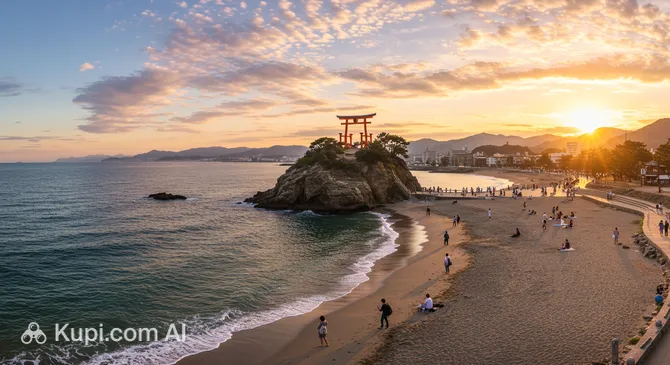
Kitaibaraki. Illustration.
Source: Kupi.com AI

The city stretches along the picturesque Pacific coast, offering visitors magnificent seascapes. With a population of about 41,352 people, Kitaibaraki maintains the atmosphere of a small Japanese town while playing an important cultural and industrial role in its region.

The atmosphere of Kitaibaraki is a harmonious blend of traditional Japanese provincial charm and modern conveniences. Here, you will find a peaceful rhythm of life that stands in stark contrast to the dynamic pace of megacities. Among the city's attractive features are its beautiful beaches and the opportunity to see authentic Japan away from the beaten tourist paths. Guests can enjoy local cuisine and immerse themselves in the leisurely life of the Japanese countryside.

If you dream of experiencing the real Japan, its hospitable residents, and its calm atmosphere, Kitaibaraki will be a pleasant discovery for you. This city offers a unique experience for those who appreciate natural beauty and cultural immersion.

You can find more interesting facts on the Kitaibaraki city history page.

Weather Overview

The weather in Kitaibaraki is characterized by noticeable seasonal changes. Expect warm, humid summers and cool, relatively dry winters. The average annual temperature fluctuates over a wide range, offering diverse weather conditions throughout the year.

The summer months, especially July and August, are the warmest, with average temperatures around 24-25°C and maximums reaching 27-28°C. During this period, the highest amount of precipitation and rainy days are also observed. Winter, from December to February, brings cool temperatures: averages drop to 2-4°C, and nighttime temperatures can be around zero or even lower. Winter precipitation is minimal, and the number of rainy days decreases significantly. Spring and autumn are transitional seasons with moderate temperatures and changeable weather.

For a more detailed look at the monthly weather conditions, including average temperatures, precipitation amounts, and the number of rainy days, you can visit the Kitaibaraki climate and weather page.

Average monthly temperature

Average monthly precipitation

Interesting Facts

Kitaibaraki may not be as widely known as Japan's metropolises, but this city on the Pacific coast holds many interesting features that pull back the curtain on its distinctive culture and history. Here are a few little-known facts to help you get to know this corner of Ibaraki Prefecture better:

  • A modern name with a recent history: The city received its current name, Kitaibaraki, only in 2004. This was the result of a merger of several small settlements—a common practice in Japan's administrative reforms at the beginning of the 21st century.

  • A quiet harbor of agricultural traditions: Located in Ibaraki Prefecture, known for its fertile lands and production of high-quality rice and melons, Kitaibaraki carefully preserves its agricultural heritage. Many local residents are still engaged in farming and fishing, continuing centuries-old traditions.

  • Unique shrines instead of famous names: While Kitaibaraki cannot boast of temples comparable in fame to those in Kyoto, it has its own unique shrines. These places reflect local beliefs and often serve as centers for traditional festivals that bring together both townspeople and guests from neighboring regions.

  • Maritime heritage passed through generations: Thanks to its location by the Pacific Ocean, Kitaibaraki has historically been an important fishing center. The skills and knowledge of maritime traditions are passed down here from father to son, which is reflected in the local culture, cuisine, and annual festivals dedicated to the sea.

How to Get There

There are several ways to reach Kitaibaraki, mainly through regional and international airports located some distance away. Kitaibaraki itself does not have its own airport, so travelers will need to use ground transportation from the nearest aviation hubs in Japan.

One of the closest options is Fukushima Airport (FKS), located in Fukushima city, approximately 55 km from Kitaibaraki. This is a small regional airport from which you can reach the city by taxi or rental car in about 1 hour and 45 minutes. Another relatively close airport is Ibaraki Airport (IBR), located in Ibaraki City (in the prefecture of the same name), about 75 km away. The trip from here to Kitaibaraki takes about 2 hours and 15 minutes. While it is also a small airport, it can be convenient for some domestic flights.

For international travelers, the main point of arrival will likely be Narita International Airport (NRT). This major international hub is located near Tokyo, about 120 km from Kitaibaraki. Despite the greater distance, there are well-developed transport links from Narita, including trains and buses, to various parts of Ibaraki Prefecture, from where you can continue to Kitaibaraki. A direct trip by taxi or car to the city can take over 3 hours. You can also consider Haneda Airport (HND) in Tokyo, which is another massive international hub, but it is further away, at approximately 164 km from Kitaibaraki.

For clarity, here is a summary of the main airports used to reach Kitaibaraki:

AirportPassenger trafficDistance
Fukushima Airport250 00055 km
Ibaraki Airport776 06375 km
Narita International Airport40.8 mln120 km
Sendai Airport3.5 mln149 km
Haneda Airport85.7 mln164 km

Main Attractions

Kitaibaraki, a charming city in Ibaraki Prefecture, invites travelers to discover a harmonious fusion of rich cultural heritage and stunning natural beauty. This city is home to several iconic landmarks whose visits will provide unforgettable experiences and allow for a deeper appreciation of Japanese art and history.

One of the city's main cultural centers is the Tenshin Memorial Museum of Art. It is dedicated to Okakura Kakuzo (Tenshin), a prominent philosopher and art figure of the Meiji era, as well as the artists of the Japan Art Academy who worked under his guidance. Here, you can not only see their remarkable works and trace the development of Japanese art but also enjoy breathtaking views of the Pacific Ocean from the museum grounds. This place is a must-visit for anyone who values Japanese culture and art.

A visit to Kitaibaraki would be incomplete without a walk along the picturesque Izura Coast. This rocky coastline, known for its dramatic landscapes, has inspired artists and poets for centuries. The jewel of the coast is Rokkakudo—the famous hexagonal pavilion built by Okakura Tenshin right on one of the cliffs. This iconic site, created for contemplation and meditation, symbolizes the unity of man and nature and stands as a testament to resilience, as the pavilion was restored after being destroyed. A walk here provides a sense of peace and inspiration.

To gain a deeper understanding of the Japanese soul through poetry and music, be sure to visit the Ujo Noguchi Memorial Museum. Ujo Noguchi is one of Japan's most beloved songwriters, whose touching children's songs and poems have become an integral part of the national culture. At the museum, you will learn about his life and work, see manuscripts and personal belongings, and discover the stories behind his famous creations. This is a unique opportunity to connect with the country's lyrical heritage.

Local Cuisine

The cuisine of Kitaibaraki is a true reflection of its seaside location and the rich agricultural traditions of Ibaraki Prefecture. A gastronomic journey here promises an introduction to the freshest gifts of the Pacific Ocean and authentic Japanese flavors. The main pride of local culinary art is undoubtedly seafood. Tourists should definitely try sashimi made from freshly caught fish and a variety of sushi prepared according to classic recipes using the freshest ingredients.

The foundation of many dishes in Kitaibaraki is the excellent rice for which Ibaraki Prefecture is famous. Be sure to try onigiri—appetizing rice balls with various fillings, often including local seafood or seasonal vegetables. Another iconic dish is donburi, which is a bowl of rice with various toppings. Seafood versions are particularly popular, allowing you to fully appreciate the ocean's bounty. These dishes are simple, satisfying, and perfectly convey the essence of local gastronomy.

Dining culture in Kitaibaraki is closely linked to seasonality. Locals and tourists can enjoy unique flavors at seasonal food festivals, which are often timed to coincide with harvests or major fishing seasons. This is a wonderful opportunity to try rare delicacies and learn about culinary traditions. Additionally, fresh seasonal products can always be found at local markets, as well as traditional Japanese sweets and snacks whose recipes have been passed down through generations. The city's restaurants also offer a wide selection of dishes, from traditional to more modern interpretations.

An integral part of Kitaibaraki's gastronomic culture is its beverages, particularly tea traditions. In the city and its surroundings, you can find cozy tea houses where you will be offered fragrant traditional Japanese green tea. It is often served with seasonal sweets, turning tea time into a true ritual. This is not only a chance to enjoy the taste but also to immerse yourself in an atmosphere of tranquility and Japanese hospitality.

Travel Tips

Planning a trip to the charming city of Kitaibaraki? To ensure your journey through this corner of Japan goes smoothly and leaves only pleasant impressions, we have prepared some practical tips.

  1. Clothing and Essentials: The climate in Kitaibaraki, like in all of Japan, depends on the season. In summer, choose light clothing, and in winter, warm, layered outfits. Be sure to bring comfortable walking shoes, as exploring the city on foot is a delight. Don't forget an adapter for electrical appliances (voltage in Japan is 100V, types A and B sockets) and perhaps a small raincoat or umbrella, especially in spring and autumn.

  2. Getting Around: For travel within Kitaibaraki, buses will likely be the main form of public transport. Research their routes in advance. Taxis are available but can be quite expensive. If you plan to explore the surroundings of Ibaraki Prefecture, you might consider renting a car, but this will require an international driving permit and knowledge of local traffic rules (left-hand drive).

  3. Finances and Payments: The official currency is the Japanese Yen (JPY). Despite the growing popularity of bank cards, cash remains very important, especially in small shops, cafes, and when visiting local markets in Kitaibaraki. International cards are usually accepted in large hotels and some chain stores. ATMs that dispense cash from foreign cards can be found in post offices (Japan Post Bank) and convenience stores like 7-Eleven. Tipping in Japan is not customary and may be perceived as impolite.

  4. Health and Safety: Japan is one of the safest countries in the world, and Kitaibaraki is no exception. Pharmacies (look for the 薬 sign) are everywhere, but pharmacists do not always speak English, so it is useful to have a list of necessary medications with international names. Tap water is safe to drink. It is highly recommended to take out travel medical insurance before your trip.

  5. Language and Communication: The official language is Japanese. In Kitaibaraki, as in most small Japanese cities, English proficiency may be low. Learn a few basic Japanese phrases, such as "konnichiwa" (hello), "arigato" (thank you), and "sumimasen" (excuse me/sorry). This will significantly facilitate communication and be appreciated by the locals. For convenience in navigation and staying connected, consider buying a local SIM card or renting a portable Wi-Fi router.

  6. Local Etiquette and Traditions: Japanese people highly value politeness and respect for traditions. It is customary to bow when greeting and saying goodbye. In public places, especially on transport, try to speak quietly. Remove your shoes before entering homes and some temples or traditional restaurants. Showing respect for local customs will make your stay more pleasant.

  7. What to Avoid: Try not to eat or drink while walking on the street; it is not very common. On public transport, refrain from loud phone conversations. You should absolutely not stick chopsticks vertically into a bowl of rice, as this is associated with funeral rituals. It is also not customary to point at people or objects with a finger—use an open palm instead.

  8. Additional Tip: Kitaibaraki is located in Ibaraki Prefecture, known for its nature and agricultural products. Don't miss the chance to try local delicacies and, if time permits, explore the region's natural beauty. Shops usually work until 7:00-8:00 PM, but small family-run stores may close earlier.

We hope these tips help you better prepare for your trip and enjoy every moment of your stay in Kitaibaraki. We wish you an unforgettable experience traveling through Japan!

Entertainment & Nightlife

Evening and nighttime in Kitaibaraki offers travelers the chance to immerse themselves in the authentic atmosphere of Japanese provincial life, which is noticeably different from the hustle and bustle of major cities. While the city of about 40,000 people is not famous for an abundance of loud nightclubs or districts that operate until dawn, you can find cozy spots for a pleasant time after sunset, meet locals, and experience the genuine flavor of Japan.

The core of evening entertainment in Kitaibaraki usually consists of traditional Japanese drinking establishments—izakayas. These are wonderful places to try local sake, shochu, or beer paired with a variety of snacks. The atmosphere in such venues is typically very welcoming and conducive to conversation. Small bars where locals gather are also popular, as are, of course, karaoke bars—a favorite pastime in Japan for groups of all ages. Some restaurants also remain open into the evening hours, offering dinner in a calm setting.

Finding specific, widely known nightlife spots in Kitaibaraki that appear in major tourist guides can be challenging. This is because the nightlife here is more local in nature. However, this doesn't mean there is a lack of choice, but rather provides a chance for independent discovery. To find a suitable place, we recommend walking along the city's central streets or near the railway station. Look for signs: search for the characters 居酒屋 (izakaya) for traditional drinking spots or カラオケ (karaoke) for karaoke bars. Sometimes small bars might have signs like "スナック" (snack—a type of small bar with light snacks) or carry simple local names. Instead of looking for big names, notice where the locals head in the evening, or don't hesitate to ask your hotel staff for advice—they can often recommend reliable spots. Establishments are usually open until late evening, though not always until morning as is common in big cities. The dress code in most places is casual and informal. The best time to visit is after 7:00 or 8:00 PM.

Prices for food and drinks in Kitaibaraki's evening establishments are generally moderate, making evening relaxation affordable. However, it is always useful to have cash on hand, as not all small venues may accept credit cards. In terms of safety, Kitaibaraki, like most cities in Japan, is a safe place for evening walks. Nonetheless, it's always worth observing standard precautions. If you need a taxi late at night, you can call one (check local taxi numbers at your hotel) or find them at designated ranks, such as near the station.

During the day, Kitaibaraki also offers its own forms of entertainment, though they differ from the dynamics of nightlife. You can explore local parks, perfect for leisurely strolls, visit small museums dedicated to the region's history or culture, or simply enjoy the calm flow of city life while getting to know its daily routines. The charm of a small town lies in its tranquility and the opportunity to see a different, less touristy side of Japan.

Parks & Museums

Kitaibaraki, cozily situated on the coast of Ibaraki Prefecture, offers its guests a harmonious blend of picturesque natural landscapes and rich cultural heritage. Here, you can enjoy peaceful walks in the fresh air and immerse yourself in the world of art and history, discovering unique corners of this Japanese city.

One of the city's main natural gems is the Izura Coast, famous for its rocky cliffs, whimsical pine trees, and inspiring sea views. This place is inextricably linked with the name of the prominent philosopher and art historian Okakura Tenshin, who drew inspiration here. A walk along the shore provides unforgettable impressions, and an iconic spot here is Rokkakudo—a hexagonal pavilion built by Okakura right by the water, which has become a symbol of this picturesque area. It was restored after being destroyed by the 2011 tsunami and continues to attract visitors with its unique architecture and history.

For art lovers, the Tenshin Memorial Museum of Art, Ibaraki is a must-visit. The museum is dedicated to the life and work of Okakura Tenshin, as well as Japanese art of the Meiji era. Works by Tenshin himself, as well as his followers and students, including famous artists such as Yokoyama Taikan and Shimomura Kanzan, are presented here. The museum's exhibition allows for a deeper understanding of Okakura's contribution to the development of Japanese art and his quest for a synthesis of Eastern and Western cultures.

Another important cultural center of the city is the Ujo Noguchi Memorial Museum, dedicated to the life and work of the famous Japanese songwriter Ujo Noguchi, author of many popular children's songs. The museum is located near his childhood home and introduces visitors to his biography, manuscripts, and personal belongings. This is a wonderful opportunity to touch the Japanese poetic tradition and learn more about the man whose songs are known and loved by many generations of Japanese people.

To experience the authentic atmosphere of Kitaibaraki, don't limit yourself to only the well-known sights. Take a stroll down less busy streets or find time to contemplate the seascape from one of the many viewpoints along the coast—this will allow you to discover the charm of this coastal city from a new perspective.

Getting Around

Public transport in Kitaibaraki is mainly represented by bus routes and rail services. Buses provide movement within the city and connect it with surrounding areas, while Japan Railways (JR) trains play a key role for longer-distance travel and connections with other cities in Ibaraki Prefecture and beyond.

The most convenient way to pay for travel is using rechargeable smart cards, such as Suica or Pasmo, which are accepted on both trains and most buses. These cards can be purchased and topped up at machines in railway stations or in some convenience stores. There is also always the option to pay for travel in cash directly on the bus (often exact change is required) or buy a single train ticket at a ticket office or machine at the station.

Train tickets are purchased before boarding at stations. In buses, payment is usually made upon boarding or exiting—follow the signs. Smart cards are validated by tapping the card against a reader. Public transport usually starts operating early in the morning and finishes closer to midnight; however, schedules, especially for buses, can vary, so it is recommended to check departure times in advance, especially on weekends and holidays.

As an alternative to public transport, taxi services are always available in Kitaibaraki. They can be found at ranks near railway stations or called by phone. For a more independent exploration of Ibaraki Prefecture, you might consider renting a car. In some areas, bicycle rentals may be available, which is a great way for leisurely rides through the city and its picturesque surroundings.

Accommodation

When planning a trip to Kitaibaraki, you will find that the city offers a variety of accommodation options to suit different preferences and budgets. Cozy guesthouses and traditional Japanese inns—ryokans—predominate here, allowing for a deeper immersion into the local culture and way of life. Additionally, standard middle-class hotels and rental apartments are available. It is important to note that major international hotel chains may not be as widely represented in Kitaibaraki, which gives the choice of lodging a special local flavor.

When choosing a place to stay in Kitaibaraki, look for areas with convenient access to major transport hubs, such as the railway station, as well as the attractions that interest you. Even though Kitaibaraki is not a major metropolis, a well-thought-out choice of location will help you save time on travel and make your stay more comfortable.

It is recommended to book accommodation in advance, especially if your trip coincides with peak tourist seasons, such as the cherry blossom period, autumn foliage viewing, or Japanese national holidays. Early booking not only guarantees availability but often allows you to choose the best options in terms of price and quality.

The price range for accommodation in Kitaibaraki is quite wide: from budget options to mid-level hotels with a full range of services. Most hotels and guesthouses can be easily booked through popular international and Japanese online platforms. In some cases, direct booking through official hotel websites or by phone is also possible.

Nearby Cities

For those who want to explore the surrounding area, Kitaibaraki serves as an excellent starting point for day trips to several interesting nearby locations:

CityPopulationDistance
Takahagi27 25110 km
Hitachi172 70924 km
Iwaki336 11130 km
Hitachiota47 58635 km
Hanawa28 92935 km

These nearby destinations offer insight into the diverse culture and landscapes of the region. For example, Iwaki, located just 30 km away, offers both coastal beauty and interesting museums. Hitachi, even closer at 24 km, is famous for its seaside park and industrial history. A bit further, in Mito (54 km), you can visit Kairaku-en, one of Japan's three great gardens, which is especially beautiful during the plum blossom season. Each of these trips will provide new experiences and complement your journey through Japan.

Shopping & Souvenirs

Shopping in Kitaibaraki offers more of an introduction to local goods and souvenirs than massive trips to giant shopping malls. Being a coastal city, it can delight you with unique finds related to the sea, as well as products from local artisans. It's a great place for those looking for authentic Japanese goods and a calm atmosphere for shopping.

The main shopping points in Kitaibaraki are likely concentrated along the city's central streets and in areas adjacent to transport hubs. Here, you can find small private shops offering a variety of goods—from food to clothing and household items. A walk along such streets can be a pleasant part of your journey in itself.

In a city the size of Kitaibaraki, there may not be large multi-story shopping complexes typical of megacities. However, you will certainly be able to find supermarkets or small department stores where you can purchase essentials, groceries, as well as some local specialties and souvenirs.

Special attention should be paid to local markets, if any are available. Given Kitaibaraki's location on the coast, there may be interesting fish markets selling the freshest seafood. You might also encounter farmers' markets with seasonal vegetables and fruits from local producers. Visiting such a market is not just shopping, but an opportunity to touch the daily life of the city.

As souvenirs from Kitaibaraki, you can bring back products related to the sea—for example, processed shells, items with nautical symbols, or local seafood delicacies. It is also worth paying attention to traditional Japanese goods: ceramics, textiles, local sweets (such as wagashi), or sake from Ibaraki Prefecture. Small handcrafted items will also serve as a great reminder of your trip.

Most shops in Japan, including Kitaibaraki, are usually open from 10:00 or 11:00 AM and work until 7:00 or 8:00 PM. Supermarkets may have longer operating hours. The primary currency is the Japanese Yen (JPY). Credit cards are widely accepted in most shops, especially chain stores. However, in small shops and at markets, cash may be preferred, so it is always useful to have some on hand.

Foreign tourists in Japan can take advantage of the tax-free system when making purchases over a certain amount at participating stores. Look for the "Japan Tax-Free Shop" sign. To process a tax refund, you will need to present your passport at the checkout. This is a good opportunity to save on purchases of souvenirs and other goods.

Reached the end of the page?

That means the route is fully explored