Support

Hachimantai

About

Hachimantai is a true gem of northern Japan, nestled comfortably on the border of Iwate and Akita prefectures. The city lies at the foot of Mount Hachimantai, which is part of the famous Towada-Hachimantai National Park. This place seems created for lovers of picturesque landscapes: dense forests, crystal-clear lakes, and thermal springs await you here, while the peaks offer breathtaking views of the surrounding mountains and valleys.

With a population of about 23,742, Hachimantai retains the charm of a small Japanese town where modernity harmoniously intertwines with tradition. Administratively, the city is part of Iwate Prefecture and is known as one of the key centers for ecotourism in the Tohoku region. Despite its compact size, Hachimantai is famous for its hospitality and calm atmosphere, where every guest feels at home.
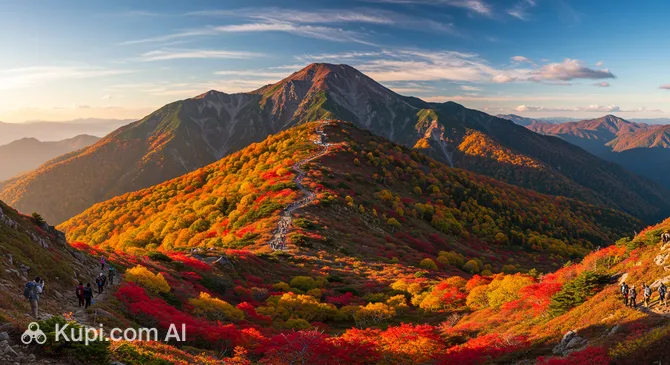
Hachimantai. Illustration.
Source: Kupi.com AI

What makes Hachimantai truly special is its unique combination of natural beauty and cultural traditions. The main attractions here are, of course, nature itself: from walking along the scenic trails of the national park to relaxing swims in hot springs (onsens). The city is particularly popular among outdoor enthusiasts: excellent ski resorts operate here in winter, while numerous hiking and cycling trails are laid out in summer.

A visit to Hachimantai is an opportunity to touch the real Japan, where nature and culture go hand in hand. Every season here is beautiful in its own way: cherry blossoms bloom in spring, the city is buried in greenery in summer, it shimmers with gold and crimson in autumn, and turns into a snowy fairy tale in winter. Hachimantai is the perfect place for those seeking inspiration, solitude, and new experiences away from the hustle and bustle of the city.

You can find more interesting facts on the Hachimantai city history page

Weather Overview

The weather in Hachimantai is characterized by distinct seasons. Summer here is warm, with average temperatures in August reaching 22.5°C, with frequent but usually not heavy rains, such as in July when there are about 20 days with precipitation. Winters are cold and snowy, with average January temperatures around -5.1°C, also with a high number of precipitation days (up to 20 days in January and December). Overall, expect a warm summer with occasional precipitation and cold, snowy winters. Learn more about the city's climatic features on the Hachimantai Climate page.

Average monthly temperature

Average monthly precipitation

Interesting Facts

In addition to picturesque landscapes and famous ski resorts, Hachimantai hides many amazing features that make it a truly unique place in Japan. Here are just a few of them:

  • One of the local hot springs, Tamagawa Onsen, is famous for having the most acidic water in all of Japan – its pH is about 1. This feature not only makes it a unique natural site but also attracts the attention of researchers and tourists interested in rare natural phenomena.

  • Within the territory of Towada-Hachimantai National Park, which borders the city, there are mysterious marshes and peat bogs. These places are shrouded in ancient local legends and lore, adding a mystical aura to walks along the park's virgin trails.

  • Mount Hachimantai, which gave the city its name, is not just beautiful – it is officially included in the prestigious list of the "100 Famous Mountains of Japan." This recognition highlights its cultural and natural significance, attracting connoisseurs of mountain landscapes and unique alpine plants.

How to Get There

When planning a trip to Hachimantai, it is important to think through your route. The most convenient way to reach this picturesque corner of Japan is by flying to one of the nearby airports. Although there is no airport in Hachimantai itself, several regional air hubs are within a reasonable distance and offer good connections to other parts of the country.

The nearest convenient option is Hanamaki Airport (HNA), located in Morioka city, about 54 km from Hachimantai. This is a fairly large regional airport, and a taxi or bus ride to Hachimantai takes about 1 hour and 40 minutes.

Another option is Odate-Noshiro Airport (ONJ), located in Kitaakita city, approximately 69 km from Hachimantai. This is a small airport from where you can reach the center of Hachimantai in about 2 hours.

You can also consider Akita Airport (AXT), located in the city of the same name, Akita, about 82 km from Hachimantai. This is a large airport serving a significant number of flights. The journey to Hachimantai from here takes approximately 2 hours and 20 minutes.

For clarity, here is a summary of the main airports that may be convenient for a trip to Hachimantai:

AirportPassenger trafficDistance
Hanamaki Airport739 12354 km
Odate Noshiro Airport195 91769 km
Akita Airport1.8 mln82 km
Misawa613 16891 km
Aomori Airport1.3 mln98 km

Main Attractions

Hachimantai, located in Iwate Prefecture, primarily attracts travelers with its magnificent nature, volcanic landscapes, and opportunities for active recreation all year round. This region is famous for its picturesque mountains, healing hot springs, and excellent ski slopes, offering unforgettable experiences for every guest.

One of the main jewels is Mount Hachimantai itself, a majestic part of the Towada-Hachimantai National Park. This vast volcanic plateau offers numerous hiking trails passing through alpine plants, colorful marshes, and breathtaking landscapes, which are especially beautiful in autumn when the mountain slopes are painted in bright crimson and gold tones. You can reach the peaks and enjoy panoramic views along the famous scenic road, the Hachimantai Aspite Line, which in spring amazes the imagination with its high snow corridors reaching several meters in height.

A unique natural phenomenon that is certainly worth seeing is Kagaminuma Pond, which has received the poetic name "Dragon Eye". Between late May and early June, when the snow on the summit of Mount Hachimantai begins to melt, the water in this pond takes on an amazing shape and deep blue color, resembling the mystical eye of a dragon. This ephemeral spectacle attracts photographers and nature lovers from all over the world, striving to capture its beauty.

In winter, Hachimantai turns into a true paradise for winter sports enthusiasts. Several world-class ski resorts are located here, offering slopes of varying difficulty for both beginners and experienced skiers and snowboarders. The region is famous for its abundant and high-quality snow, often called "aspirin powder" for its lightness and fluffiness, which makes skiing particularly enjoyable. Among the popular resorts are Appi Kogen, one of the largest in Japan, as well as the Shimokura and Panorama resorts, located directly in Hachimantai.

After a busy day in the fresh air, whether it's hiking in the mountains or skiing, there's nothing better than relaxing in one of Hachimantai's many onsens (hot springs). Due to the region's volcanic activity, you can find springs with water of various mineral compositions possessing healing properties. Many traditional Japanese inns (ryokans) and hotels offer both open-air (rotenburo) and indoor baths, allowing guests to immerse themselves in an atmosphere of tranquility and enjoy centuries-old Japanese bathing traditions. Notable onsens include Matsukawa Onsen and Toshichi Onsen, famous for their authentic atmosphere and picturesque views.

Local Cuisine

The gastronomy of Hachimantai is a true discovery for connoisseurs of authentic Japanese cuisine based on the freshest local products. The city and its surroundings are famous for the gifts of nature, so many dishes are centered around fish and seafood from the purest lakes and rivers, as well as seasonal vegetables and mushrooms gathered in the local forests.

One of the main gastronomic treasures of the region is rightfully considered Maesawa beef. This marbled beef, known for its incredible tenderness and flavor, is served in local restaurants as steaks, used for preparing sukiyaki, and even sushi. Another dish that is certainly worth trying in Hachimantai is nyumen, which consists of thin wheat noodles in a fragrant, warming broth, often with the addition of local vegetables and mushrooms.

In addition to exquisite restaurant dishes, Hachimantai offers more casual but no less delicious options. At local markets and street stalls, you can taste yaki-onigiri (grilled rice balls with various fillings) or simply enjoy the freshness of vegetables and fruits grown on nearby farms. During the season, fairs and farmers' festivals are often held here, where you can not only taste but also purchase local delicacies.

For those with a sweet tooth, Hachimantai offers traditional Japanese wagashi desserts, skillfully made from rice flour and azuki bean paste, as well as original treats with the addition of local berries and fruits. For drinks, of course, you should try various types of green tea, which perfectly complements any meal. Local sake and other traditional Japanese alcoholic beverages can also be found in the region, and for non-alcoholic refreshment – juices from local fruits or other soft drinks.

Dining culture in Hachimantai is diverse: from cozy restaurants specializing in Maesawa beef dishes to lively markets and street kiosks offering quick and hearty snacks. Be sure to stop by local cafes and teahouses to enjoy desserts and tea in a peaceful setting. The city's gastronomic scene emphasizes the quality of ingredients and the preservation of traditional recipes, making every dish truly special and attractive to tourists.

Travel Tips

Welcome to Hachimantai, a charming corner of Japan known for its magnificent natural landscapes and peaceful atmosphere! To make your journey through this beautiful region as comfortable and memorable as possible, we have prepared a few practical tips.

  1. Clothing and essentials:

    The climate in Hachimantai is temperate, with warm summers and snowy cold winters, especially in the mountains. Always bring comfortable shoes, as you will definitely want to explore the nature trails. In summer (June-August), light clothing, sunscreen, and a hat will come in handy. In spring and autumn, dress in layers. In winter (November-March), warm waterproof clothing, a hat, gloves, and snow boots are essential. Don't forget a power adapter (type A) and a portable charger. When visiting temples or shrines, choose modest clothing that covers shoulders and knees.

  2. Transport around the city and surroundings:

    For moving around Hachimantai itself and, more importantly, for exploring the Towada-Hachimantai National Park, the best option would be renting a car. This will give you freedom and flexibility. Ensure you have an international driving permit. In winter, the car must be equipped with winter tires. Public transport is represented by buses, but their routes and schedules can be limited, especially for accessing natural attractions. Taxis are available but can be expensive for long trips.

  3. Finances: all about money:

    The local currency is the Japanese Yen (JPY, ¥). Although credit cards (Visa, Mastercard) are accepted in hotels and large stores, cash remains the preferred method of payment in many small establishments, local shops, and for some types of transport. It is recommended to exchange money in advance or withdraw cash from Japan Post Bank or Seven Bank ATMs (in 7-Eleven stores), which usually accept international cards. In Japan, tipping is not practiced and may be perceived as impolite.

  4. Health and safety:

    Hachimantai, and Japan as a whole, is a very safe place. Drugstores sell over-the-counter medications, but staff do not always speak English. It is recommended to have travel insurance. When planning mountain hikes, take precautions: check the weather forecast, inform others of your route, have suitable equipment, and be aware of potential encounters with wild animals (follow local recommendations).

  5. Communication and internet:

    The official language is Japanese. English proficiency may be limited, especially outside tourist sites. Learn a few basic phrases: "Konnichiwa" (Hello), "Arigato gozaimasu" (Thank you), "Sumimasen" (Excuse me). For stable internet access, it is recommended to buy a tourist SIM card or rent a pocket Wi-Fi router at the airport upon arrival in Japan. Google Maps and Google Translate apps will be useful.

  6. Local etiquette: how to behave:

    Japanese people highly value politeness and respect. A slight bow is the traditional greeting. In public places, especially on transport, try to speak quietly. Remove your shoes before entering homes, ryokans (traditional inns), some temples, and restaurants. Exercise patience and tact in communication.

  7. What to avoid:

    To avoid offending locals and embarrassing situations, try not to blow your nose loudly in public – it is considered impolite. Also, never stick your chopsticks vertically into a bowl of rice, as this is associated with funeral rituals. Avoid pointing your finger at people; use an open palm instead.

  8. Special tip for Hachimantai:

    Be sure to take the opportunity to visit the local onsens (hot springs). This is an integral part of Japanese culture and a wonderful way to relax after an active day in nature. Also, Hachimantai is famous for its seasonal beauty: in spring, you can catch the impressive "snow corridors" (Yuki-no-Otani) when roads are cleared of multi-meter snowdrifts, and in autumn, the mountains are painted in incredible foliage colors (koyo).

We hope these tips help you better prepare for your trip and fully enjoy the unique nature and hospitality of Hachimantai. We wish you an unforgettable experience!

Entertainment & Nightlife

Evening Hachimantai offers its guests a predominantly quiet and authentic experience, which differs from the buzzing nightlife of large metropolises. Here you are unlikely to find large nightclubs or entire districts dedicated to entertainment until dawn. Instead, the city invites you to enjoy the cozy atmosphere of local establishments and the hospitality of the residents. Nightlife here is not concentrated on specific streets but rather scattered in the form of small, cozy places.

The core of evening entertainment in Hachimantai consists of traditional Japanese pubs – izakaya. In these, you can not only enjoy delicious local cuisine but also try a variety of drinks, including sake and shochu, in a very relaxed and friendly atmosphere. Small restaurants and bars are also popular, some of which may be located within hotels. The atmosphere in such places is usually very welcoming, favoring quiet conversation. The crowd here is typically mixed – tourists and locals alike enjoying the evening.

While Hachimantai is not known for a wide selection of major nightclubs or internationally famous bars featured in tourist catalogs, the city offers authentic spots for evening leisure. Currently, we do not have information on specific bars or nightclubs from the attractions list for Hachimantai that are suitable for detailed mention. To find establishments that stay open late and have a good reputation, it is best to ask your hotel staff for advice or check current online reviews upon arrival. Such an approach often helps in discovering truly local and cozy corners.

When planning your evening leisure, keep in mind that many establishments in Hachimantai may close earlier than in large cities, especially on weekdays. The dress code in most places is quite casual; everyday style is perfectly appropriate. Prices are generally moderate. If your chosen establishment is near your hotel, you can take a stroll there. Otherwise, you can use taxi services. It is recommended to find out the number of a local taxi service in advance or ask the reception at your hotel to call a car. Hachimantai itself, like many small towns in Japan, is considered a safe place, but standard precautions, especially after dark, are always a good idea.

During the day, Hachimantai and its picturesque surroundings offer many options for active and cultural recreation. You can explore the region's stunning natural beauty, including the famous mountain routes and lakes of Towada-Hachimantai National Park, visit local hot springs (onsens) for total relaxation, go trekking in the warmer months, or enjoy skiing and snowboarding in winter. While there may not be large museums or theaters, the charm of Hachimantai lies in its unique nature and the opportunity to experience a calmer and more peaceful side of life in Japan.

Parks & Museums

Hachimantai, located in scenic Iwate Prefecture, offers its guests a unique combination of magnificent natural landscapes and opportunities to get acquainted with local culture. The city and its surroundings are rich in both peaceful green zones and interesting cultural heritage sites that deserve travelers' attention.

The main natural gem of the region is undoubtedly Towada-Hachimantai National Park. This vast protected area is famous for its impressive volcanic landscapes, including the famous Mount Hachimantai, numerous high-altitude marshes, crystal-clear lakes, and, of course, healing hot springs (onsens). For outdoor enthusiasts, many hiking trails of varying difficulty are laid out here, allowing you to fully enjoy the beauty of wild nature. In spring, Kagami-numa Pond, known as the "Dragon Eye," is particularly popular with tourists and photographers due to its unique appearance during the snowmelt. The Hachimantai Plateau itself, being part of the national park, attracts visitors with its alpine meadows, which are especially beautiful during the summer blooming period and the autumn riot of colors. It is an ideal place for leisurely walks and hiking.

For those interested in the history and culture of the Hachimantai region, there are also noteworthy places. One of the key sites telling the story of this land's past is the Matsuo Mine Museum. The museum's exhibits are dedicated to the history of what was once the largest sulfur mine in the East, which played an important role in the region's economy. Visitors can learn about the hard work of miners and extraction technologies, immersing themselves in Hachimantai's industrial past. Additionally, small art galleries and craft workshops can be found in and around the city, featuring works by local artisans and introducing the traditional crafts of Iwate Prefecture.

While Hachimantai is better known for its natural wonders, you can also encounter small but charming Shinto shrines and Buddhist temples here. These secluded places, often hidden among forests or on mountain slopes, offer an opportunity to touch the spiritual life of the locals, enjoy the silence, and reflect away from busy tourist routes. Visiting such shrines allows for a deeper understanding of Japanese traditions and cultural foundations.

To get a truly authentic experience during your stay in Hachimantai, do not limit yourself only to the most famous attractions. Explore less popular but equally scenic hiking trails in the national park or visit one of the many local onsens (hot springs). Many of them offer open-air baths (rotenburo), which provide magnificent views of the surrounding nature, allowing you to relax body and soul after a busy day.

Getting Around

When planning your travel around Hachimantai and its scenic surroundings, it is worth noting that the public transport system here is adapted to the needs of both residents and tourists seeking to enjoy nature. The core of the transport network consists of buses, which connect key points of the city and popular tourist sites, including the national park.

Buses are the main form of public transport in Hachimantai. There are both regular city routes and special tourist buses, especially during peak season, running to mountain trails, onsens, and observation decks. Schedules may not be as frequent as in large metropolises, so it is recommended to check them in advance at bus stops or tourist information centers. There is no metro, trams, or trolleybuses in Hachimantai, which is typical for towns of this size located in mountainous areas. For longer trips to other settlements in the region, railway lines passing through nearby stations may be available.

The fare payment system on buses usually involves paying cash directly to the driver upon boarding or exiting, depending on the type of bus. Often, upon boarding, you need to take a ticket with a stop number, and upon exiting, pay the amount corresponding to your distance. In Japan, prepaid transport cards (IC cards) such as Suica or Pasmo are widespread. In Hachimantai, they are accepted on some bus routes and at railway stations if any are included in your route. However, it is always useful to have cash, especially for trips on small local buses. Sometimes day or multi-day passes for specific zones or tourist routes are available – it's best to check information about them on the spot.

Practical tips for tourists: bus tickets, if not paying cash to the driver, can be purchased at bus stations or tourist centers. Validation of IC cards occurs by tapping the card on the reader when boarding and exiting. Pay attention to transport operating hours: the last buses may depart quite early, especially during the off-season. Route planners available online or as mobile apps can help in plotting the optimal path.

As an alternative to public transport in Hachimantai, you can consider taxis, which are convenient for short trips or trips with luggage but can be quite expensive. To explore the region's vast natural areas, many tourists prefer to rent a car, which gives greater freedom of movement. Bicycle rental may be available in some areas, offering a pleasant way to see the surroundings in good weather, especially around lakes or along specially equipped paths.

One of the features of the region's transport system can be seasonal routes, such as buses running along the famous Hachimantai Aspite Line panoramic road (open from spring to autumn), which offers breathtaking views. Also, in mountainous areas like Hachimantai, cable cars may be used to access some peaks or observation decks, which are attractions in themselves.

Accommodation

In the city of Hachimantai and its surroundings, travelers will find a wide selection of accommodation options to suit various preferences and budgets – from economical guest houses to comfortable hotels and luxurious resort complexes. Both modern hotels and traditional Japanese inns – ryokans – are represented here, offering a unique experience of immersion in local culture, as well as apartments for self-catering stays.

Particularly popular are hotels and resorts located near ski slopes and picturesque natural areas, such as the Towada-Hachimantai National Park. Accommodation in these areas provides easy access to outdoor activities, thermal springs (onsens), and hiking trails. In the central part of Hachimantai, you can also find convenient options if you plan to explore the city and its immediate surroundings.

The choice of a specific hotel or ryokan depends on your plans and preferences. Many establishments offer various amenities, from spa centers and restaurants serving local cuisine to equipment rentals for active recreation. We recommend exploring offers on popular online booking platforms, where you can read reviews from other travelers, view photos, and compare prices.

To guarantee the best accommodation option, especially during the peak tourist season (for example, in winter for skiing or in autumn during the period of admiring vibrant fall colors), it is worth booking your stay in advance. Booking is available through well-known international and local travel websites, as well as directly on the websites of many hotels and ryokans.

Nearby Cities

For those who want to explore the surrounding area, Hachimantai serves as an excellent starting point for day trips to several interesting nearby locations. For example, you can head to Morioka, the capital of Iwate Prefecture, to see the ruins of an ancient castle and the unique Ishiwarizakura cherry tree, growing right out of a split boulder. Another wonderful option is a trip to Hanamaki Onsen, known for its healing hot springs, where you can perfectly relax and rejuvenate. For a more complete view of available destinations, check out the table below, which lists some of the nearest cities:

CityPopulationDistance
Takizawa56 05020 km
Morioka290 55324 km
Shizukuishi15 58926 km
Yahaba27 63834 km
Kitakoriyama84 00736 km

These nearby destinations provide insight into the diverse culture and landscapes of the region, complementing the experience of visiting Hachimantai.

Shopping & Souvenirs

Shopping in Hachimantai offers more of an introduction to local products and crafts than a pursuit of global brands. The city and its surroundings are famous for the gifts of nature, so the main focus should be on unique goods reflecting the culture and traditions of the Iwate region. Here you will find small shops and stores offering authentic products and delicacies.

In Hachimantai, there are no clearly defined large shopping streets as in metropolises. Shops are generally scattered throughout the city, often found near tourist sites, hotels, or transport hubs such as railway stations. Small retail outlets may also be located in onsen areas, offering goods for vacationers.

Large modern shopping centers are not a characteristic feature of Hachimantai. Instead, shoppers will find small local stores and perhaps small department stores where essentials, food, and souvenirs can be found. For more extensive shopping, you will likely have to travel to larger cities in Iwate Prefecture.

While Hachimantai may not have large and well-known markets, it is worth paying attention to seasonal fairs or small local farmers' markets if any are held during your visit. Here you can purchase fresh local products such as vegetables, mushrooms, or homemade preserves. Information about such events is best checked on-site, for example, in tourist information centers.

From Hachimantai and Iwate Prefecture, unique souvenirs are worth bringing home. Pay attention to local delicacies: products made from wild plants (sansai), honey, traditional sweets, or buckwheat products. Items from local artisans, such as ceramics or textiles with traditional patterns, are also popular. If you are visiting an onsen region, bath products such as salts, mineral water-based soaps, or towels with local symbols make good souvenirs. Don't forget about local sake or other traditional drinks.

Most small shops in Hachimantai are typically open from 10:00 or 11:00 AM to 6:00 or 7:00 PM. Some shops may have a closing day in the middle of the week. In Japan, credit cards are becoming more widely accepted, but in small private shops or at markets, it is preferable to have cash. ATMs for withdrawing cash are usually available in post offices (Japan Post Bank) and convenience stores (konbini) such as 7-Eleven.

Tourists in Japan can take advantage of the tax refund system (Tax Free) when making purchases over a certain amount (usually over 5,000 yen excluding tax) in stores participating in this program. Look for the "Japan Tax-Free Shop" logo. To process a tax refund, you must present your passport at the checkout. Conditions may vary, so check the details directly in the store. This is a great opportunity to save on souvenirs and other purchases.

Reached the end of the page?

That means the route is fully explored