Support

Hachinohe

About

Hachinohe is a picturesque city nestled on the Pacific coast in Aomori Prefecture, at the northern tip of Honshu Island in Japan. Its geographic location makes it an ideal destination for exploring the rugged and beautiful nature of the Tohoku region, where fresh sea air, spacious beaches, and endless ocean views await you.

Hachinohe has a population of approximately 223,000 people, making it one of the significant cities in the region. The city serves as an important administrative, cultural, and industrial hub, with a thriving fishing industry and enterprises related to the sea and traditional crafts. The atmosphere of Hachinohe is surprisingly harmonious: modernity blends seamlessly with centuries-old traditions, offering guests both contemporary amenities and authentic neighborhoods filled with cozy bars and shops.
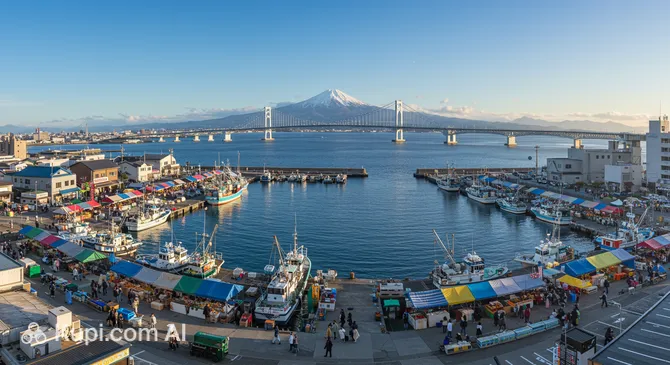
Hachinohe. Illustration.
Source: Kupi.com AI

Hachinohe attracts travelers with its unique nature and the opportunity to taste the freshest seafood for which this port city is famous. Immersion in local customs and exploring traditional crafts will provide an unforgettable experience. This is a place where you can feel the genuine spirit of the Tohoku region, far from the bustle of the megacities.

If you want to discover an unexplored side of Japan and enjoy the beauty of northern nature and the hospitality of the locals, Hachinohe is an excellent choice for your journey. Every corner of this city holds its own stories and is ready to share them with you.

You can find more interesting facts on the Hachinohe city history page.
Weather Overview

In Hachinohe, the weather changes significantly depending on the season. Winters here are quite cold: the average January temperature is about -1.7°C, with lows dropping to -4.4°C and highs reaching 1.1°C. Spring brings gradual warming, and by May, the average temperature reaches a comfortable 14.3°C.

Summer in Hachinohe is warm. The hottest month is August, with an average temperature of 23.6°C (low 20.8°C, high 26.3°C). In autumn, the temperature gradually decreases, averaging 7.5°C in November. Precipitation is distributed throughout the year, but the highest amount, about 6 mm, falls in August, which is also the month with the most rainy days (19 days). Overall, expect a warm summer with occasional rain and cold winters with light precipitation. You can find more detailed information on the Hachinohe Climate page.

Average monthly temperature

Average monthly precipitation

Interesting Facts

Beyond its main tourist routes, Hachinohe hides many intriguing details and little-known stories. This city, at first glance a typical port center, is ready to surprise anyone who wants to get to know it better.

  • The city's name itself, Hachinohe, has deep historical roots and translates to "Eighth House." This name is linked to an ancient land division system practiced during the samurai era, when the city already played an important role as a trading port and a strategic point for fishermen and merchants.

  • Hachinohe is famous for its unique festivals. The summer Enbuta festival stands out particularly, during which the city streets are transformed: they are filled with dancers in bright traditional costumes, while giant, richly decorated platforms known as nebuta are paraded through the city to the sounds of drums and flutes.

  • The city has preserved charming old quarters with atmospheric streets. Here, you can discover tiny traditional bars called yatai. These establishments are a true gastronomic paradise for those looking for authentic Japanese cuisine and a chance to touch the local culture.

  • Hachinohe has given Japan not only famous athletes and artists but is also the birthplace of a special type of ramen. This local delicacy is highly valued by gourmets and is considered one of the best in the country, attracting connoisseurs from all over.

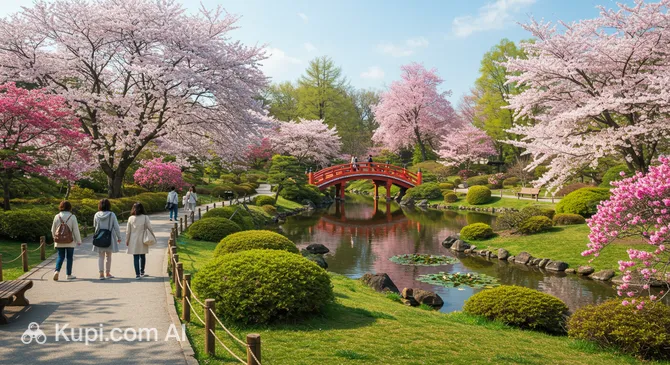
Niida Park. Illustration.
Source: Kupi.com AI

Traveler photos:

How to Get There

There are several ways to reach the city of Hachinohe, located in Aomori Prefecture; however, air travel is the most convenient for many tourists. While Hachinohe itself does not have its own major passenger airport, there are several airports nearby from which you can reach the city relatively easily.

The nearest option is Misawa Airport (IATA: MSJ), which is located in the city of Misawa, about 23.5 km from the center of Hachinohe. This is a small regional airport. A taxi or bus ride from here to Hachinohe takes approximately 50-60 minutes. Despite its size, it can be convenient for certain domestic flights.

A larger and more frequently used option is Aomori Airport (IATA: AOJ). It is located in the city of Aomori, at a distance of about 72 km from Hachinohe. This airport serves a significantly larger number of flights, including some international ones. The journey to Hachinohe by car or express bus takes about 2 – 2.5 hours.

Another significant airport in the region is Hanamaki Airport (IATA: HNA), also known as Iwate-Hanamaki Airport. It is located near the city of Morioka, about 124 km south of Hachinohe. This is a fairly large airport, and the trip from it to Hachinohe can take about 3 – 3.5 hours by ground transportation, including trains or buses.

For clarity, here is a summary of the main airports that can be used for a trip to Hachinohe:

AirportPassenger trafficDistance
Misawa613 16824 km
Aomori Airport1.3 mln72 km
Odate Noshiro Airport195 917101 km
Hanamaki Airport739 123124 km
Akita Airport1.8 mln147 km

In addition to air travel, Hachinohe is excellently connected to other cities in Japan by rail. The city is home to the important Hachinohe Station, which is one of the key stops on the Tohoku Shinkansen high-speed rail line. This allows for fast and comfortable travel to Hachinohe from Tokyo and other major centers in the country. We recommend checking current schedules and purchasing tickets in advance, especially during peak seasons.

Traveling by car is also possible, especially if you plan to explore the picturesque Aomori Prefecture and its surroundings. Japan has an excellent road infrastructure, including expressways. However, keep in mind that some roads may be tolled, and remember the specifics of left-hand traffic.

Main Attractions

Hachinohe, a charming port city in northern Japan, offers its guests a variety of attractions, from picturesque natural spots to unique cultural sites. Here, everyone will find something interesting, whether it's a relaxing break in nature or an immersion into the region's rich history.

One of the popular places for walks and recreation is Niita Park. This expansive park is perfect for family time, picnics, and enjoying the changing seasons. You can find playgrounds for children, walking paths, and spacious green areas where it's pleasant to relax and take a break from the city's hustle and bustle. The park is especially beautiful in spring during the cherry blossom season and in autumn when the foliage turns vibrant colors.

Kabushima Island and the Kabushima-jinja Shrine located on it are not to be missed. This place is unique as it is home to thousands of black-tailed gulls that come here to nest from March to August. A walk around the island among these birds (which locals consider messengers of the goddess of luck) will leave an unforgettable impression. The shrine itself, dedicated to the goddess Benzaiten, the patroness of fishermen and the arts, was restored after a fire and once again delights visitors with its beauty.

Nature lovers should definitely visit the Tanesashi Coast, which is part of the Sanriku Fukko National Park. This is a picturesque coastline with diverse landscapes: from green meadows sloping down to the sea to rocky cliffs and sandy beaches. Hiking trails are laid out here, offering breathtaking views of the Pacific Ocean. The Tanesashi Coast is an ideal place for hiking, nature observation, and simple, peaceful contemplation of the seascape.

For those interested in ancient history, the Korekawa Jomon Kan (Archaeological Museum) will be a true discovery. The museum is dedicated to the culture of the Jomon period (approx. 14,000 – 300 BC) and presents artifacts found at the Korekawa site, a recognized National Historic Site. Among the exhibits, the "Gassho Dogu" (Praying Figurine), a National Treasure of Japan, particularly stands out. A visit to the museum allows you to touch the distant past of the region and learn about the lives of ancient people.

Local Cuisine

The gastronomy of Hachinohe is a true immersion into the world of the freshest seafood and unique local recipes that make this city a magnet for foodies. The culinary scene here is characterized by authenticity and pride in local products, offering guests unforgettable taste experiences.

The main pride of Hachinohe is, without a doubt, its seafood. Local fish markets are famous for the incredible variety and freshness of their catch. Be sure to try the delicate sushi and sashimi made from freshly caught fish. It is also worth trying the fresh oysters, sea urchins, and scallops, whose flavor is revealed to the fullest here.

Among the signature dishes that cannot be missed, Hachinohe ramen stands out. This noodle soup features a light yet surprisingly rich broth and a special noodle texture. It is often served in the cozy eateries of the famous Miroku Yokocho district. Another hallmark of the city is Senbei-jiru, a traditional and hearty soup with crunchy rice crackers that will warm you in any weather and introduce you to the true taste of the region.

In addition to these iconic dishes, oden is popular in Hachinohe—an assortment of various ingredients simmered in a flavorful broth, which can be found in bars and at street markets. The food culture in the city is very diverse: locals and tourists enjoy meals at lively fish markets, in small restaurants specializing in ramen, or in the atmospheric izakayas of the Miroku Yokocho district, which comes alive in the evenings. The city also regularly hosts gastronomic festivals where you can discover seasonal delicacies and participate in culinary masterclasses.

As for drinks, a meal in Hachinohe is perfectly complemented by traditional Japanese sake, which may be represented by local varieties, or refreshing green tea. Bars also offer a variety of Japanese drinks, including beer and shochu.

A visit to Hachinohe is a unique opportunity to enjoy authentic Japanese cuisine, where the main focus is on the freshness of ingredients and the preservation of traditional recipes. Gastronomic discoveries await at every turn, promising bright and delicious memories of your trip.

Travel Tips

Welcome to Hachinohe! To ensure your journey to this charming port city in Aomori Prefecture goes as smoothly and pleasantly as possible, we have prepared some practical tips to help you better navigate and enjoy every moment.

  1. Clothing and Essentials:

    The climate in Hachinohe features four distinct seasons. In summer (June-August), it is warm and humid, so choose light, breathable clothing. Winters (December-February) are cold, often with snow—pack warm layered clothing, including a jacket, hat, gloves, and a scarf. Spring and autumn offer mild weather, perfect for walking in a light jacket or sweater. Comfortable shoes are your best friend, as you will be doing a lot of walking while exploring markets and the picturesque coastline. Don't forget a universal power adapter (in Japan, Type A and B plugs are used, and the voltage is 100V) and a portable charger. When visiting temples and shrines, dress modestly, avoiding overly revealing clothing.

  2. Transportation in Hachinohe:

    The main public transport in the city is buses, which connect most areas and attractions. Schedules may be in Japanese, so it’s useful to have a translation app handy or to check your route in advance. Taxis are available but can be quite expensive; apps like JapanTaxi can simplify calling a car. Renting a car might be justified if you plan to explore the surrounding Aomori Prefecture, but for getting around Hachinohe itself, it isn't always necessary due to potential parking challenges. An international driving permit is required for rental.

  3. Finances and Payments:

    The local currency is the Japanese Yen (JPY, ¥). You can exchange money at airports, major banks, or post offices (Japan Post Bank). Credit and debit cards (Visa, Mastercard) are accepted in many hotels, department stores, and restaurants; however, small establishments, local markets like the Mutsuminato Morning Market, or taxis often prefer cash. Ensure your card will work in Japan and always carry a supply of cash. ATMs that accept international cards can be found in 24-hour 7-Eleven stores (Seven Bank ATMs), at post offices, and in some banks. A rough daily budget (excluding accommodation) can be 7,000-15,000 yen per person. Tipping in Japan, including Hachinohe, is not practiced and may be seen as a misunderstanding.

  4. Health and Safety:

    Pharmacies (薬局 - kusuri-ya or ドラッグストア - doraggusutoa) are easy to find, but pharmacists most often speak only Japanese. Large chains may have English-speaking staff. 24-hour pharmacies are rare. If medical assistance is needed, head to major hospitals; information on clinics that work with foreigners can be obtained at your hotel or a tourist information center. Travel insurance is highly recommended. Hachinohe, like most cities in Japan, is a very safe city. Nonetheless, follow standard precautions: keep an eye on your belongings, especially in crowded places, and avoid walking alone in poorly lit or deserted areas late at night.

  5. Communication:

    The official language is Japanese. English proficiency among the local population can be limited, especially outside tourist zones and major hotels. However, staff at tourist information centers are usually ready to help in English. Learn a few basic Japanese phrases: "Konnichiwa" (Hello/Good day), "Arigato" (Thank you), "Sumimasen" (Excuse me/I'm sorry). For connectivity, you can purchase a tourist SIM card or rent a pocket Wi-Fi router at the airport or online in advance. Free Wi-Fi is available in many hotels, cafes, and some public spaces. Apps like Google Maps, Google Translate, and local restaurant guides (e.g., Gurunavi or Tabelog) can be very helpful.

  6. Local Etiquette and Customs:

    When greeting, Japanese people bow; the depth of the bow depends on the situation. For tourists, a slight nod of the head is usually sufficient. In public places, especially on transport, try not to talk loudly on the phone or be noisy. It is customary to remove your outdoor shoes when entering a Japanese home, some traditional restaurants, temples, and inns (ryokans). Eating and drinking while walking on the street is considered impolite, except in special zones at festivals or markets. When using chopsticks (hashi), do not stick them vertically into rice (this is associated with funeral rituals) and do not pass food directly from your chopsticks to someone else's.

  7. What to Avoid:

    Do not tip: As mentioned, this is not part of Japanese culture and may cause embarrassment. The service charge is already included in the bill. Do not litter: Japanese people are very fastidious about cleanliness. Trash cans on the streets may be few, so carry a small bag for trash to dispose of later at your hotel or in a designated area.

  8. Additional Tip: Markets and Local Delicacies:

    Be sure to visit one of Hachinohe's famous morning markets, such as the Tatehana Wharf Morning Market, which is one of the largest in Japan and runs on Sundays from March to December. Arrive early to enjoy the freshest seafood, local produce, and the unique atmosphere. Don't miss the chance to try local culinary specialties such as ichigo-ni (sea urchin and abalone soup) or senbei-jiru (hearty soup with wheat crackers).

We hope these tips help you better prepare for your trip and get the most out of your stay in Hachinohe. This city, with its hospitable residents, rich history, and unique culture, awaits you!

Entertainment & Nightlife

Hachinohe, a port city in northern Honshu, offers its guests a cozy and authentic nightlife that is quite different from megacities like Tokyo. You won't find giant nightclubs here, but you can immerse yourself in the atmosphere of traditional Japanese drinking establishments and chat with the locals. Evenings in Hachinohe are a time for delicious food, good sake, and heartfelt conversations.

The main nighttime activity is concentrated in the central districts of the city, especially on Muikamachi (六日町) and Yokamachi (八日町) streets, as well as in the famous yokocho (alleyways). The crown jewel of Hachinohe's nightlife is undoubtedly Miroku Yokocho (みろく横丁). This is an entire block of about 26 small open-air restaurants and bars (yatai), each offering its signature local dishes and drinks. The atmosphere here is incredibly friendly and lively, especially in the evenings and on weekends.

Typical establishments in Hachinohe include izakaya (traditional Japanese pubs), small bars where you can try local sake and shochu, and "snacks" (スナックバー)—small karaoke bars with a hostess who creates a homey atmosphere. The crowd is mostly local, but tourists are welcomed warmly. The dress code is generally casual and informal. Most establishments open in the early evening (around 17:00-18:00) and stay open until midnight or until the last customer, especially on Fridays and Saturdays.

To fully enjoy Hachinohe's nightlife, it's best to head to the popular areas after 19:00, when locals finish work. Prices in most places are moderate, especially compared to the capital. You can get back to your hotel at night by taxi, which are easily found in the city center. If you plan to use public transport, check the schedules for the last trains and buses in advance.

Hachinohe is considered a safe city, and nighttime walks along the central, well-lit streets usually cause no concern. Nevertheless, it is always worth taking basic precautions. You can call a taxi by asking the staff at an establishment or by finding a taxi stand.

While the provided list of attractions doesn't include specific bars or clubs to link to, you will easily find many unique establishments while exploring the mentioned areas, especially the yokocho alleys. The main thing is to be open to new experiences and the local flavor.

During the day, Hachinohe also offers interesting leisure options. You can visit local museums to get a closer look at the culture of the Aomori region or stroll through the lively fish markets where you can sample the freshest seafood. For quiet relaxation in nature and leisurely walks, Niita Park is perfect, where you can enjoy the silence and beauty of Japanese landscapes.

Niida Park. Illustration.
Source: Kupi.com AI

Traveler photos:

Parks & Museums

Hachinohe is a city where natural beauty and a rich cultural heritage blend harmoniously, offering guests both peaceful green spots for relaxation and educational museums that reveal the history and culture of the region.

Among the city's green zones, Niita Park holds a special place. It is a popular spot for leisurely walks, picnics, and admiring the seasonal changes of nature, offering residents and tourists a breath of fresh air within the city limits. Another natural gem in the Hachinohe area is the Tanesashi Coast, which is part of the Sanriku Fukko National Park. It is famous for its unique landscapes, where meadows with wildflowers slope directly down to the ocean, and rocky cliffs create dramatic views. This is a wonderful place for hiking and enjoying untouched nature. Also worth noting is Hachinohe Park, which offers various recreational opportunities, including a botanical garden, a small zoo, and playgrounds for children.

For those interested in history and culture, Hachinohe offers several interesting museums. The Hachinohe City Museum will introduce you to the rich past of the region, its traditions, crafts, and the daily lives of local residents through various exhibits. Be sure to visit the Korekawa Archaeological Institution, which houses unique artifacts from the Jomon period found during excavations in the area. Among the exhibits are the famous "Gassho Dogu" (praying figurines), which are a national treasure. The city's modern cultural life is reflected in the Hachinohe Portal Museum "hacchi", which serves not only as an exhibition space but also as a hub for various events, workshops, and meetings.

Speaking of historical monuments, the Kushihiki Hachimangu Shrine must be mentioned. This is one of the oldest and most revered Shinto shrines in northern Japan, founded, according to legend, many centuries ago. The shrine impresses with its traditional architecture and peaceful atmosphere, serving as an important center of spiritual life in the city.

If you want to feel the authentic atmosphere of Hachinohe and get to know local life, stop by the Mutsuminato Morning Market. This is not just a place where you can buy the freshest seafood and local delicacies, but also a vibrant cultural space where you can have breakfast with dishes prepared right before your eyes and chat with friendly vendors.

Getting Around

When planning a trip to Hachinohe, it is important to think in advance about how you will get around the city. Public transport here is mainly represented by buses and trains, which allow you to reach most interesting places quite comfortably.

The main form of public transport in Hachinohe is buses. The city is served by several bus companies, including Hachinohe City Bus and Nanbu Bus. The route network is quite extensive and covers both central areas and suburbs. Buses run on a schedule that can be found at stops or on the transport companies' websites. There is also rail service in Hachinohe. Hachinohe Station is a major transport hub through which JR East lines pass, including the Tohoku Shinkansen (high-speed train) and the Aoimori Railway line. Local trains can be convenient for trips to neighboring towns or outlying areas.

The fare payment system in Hachinohe is fairly standard for Japan. You can pay your fare in cash directly on the bus (upon exiting; usually you need to take a ticket with a zone number when entering) or at railway stations. The approximate cost of a single trip by bus or local train within the city is usually 170-300 yen depending on the distance. A more convenient option for tourists is rechargeable transport IC cards, such as Suica or Pasmo. These cards are accepted on most rail lines and many buses, helping you avoid the need to buy a ticket every time and carry small change. For several trips, you can top up the card with, for example, 1,000-2,000 yen. Cards can be purchased and topped up at machines in railway stations or in some shops. Day passes for buses are sometimes available, which can cost around 600-800 yen and be economical if you plan many trips in one day—it's best to check for information on these locally.

Tourists are recommended to familiarize themselves with the routes and schedules of the necessary buses or trains in advance. Information can often be found in English at major stations or tourist information centers. When using the bus, pay attention to the route number and direction. Entry to the bus is usually through the back or middle door, and exit is through the front door, next to the driver, where payment is made. Public transport usually operates from early morning until late evening, but frequency may decrease in the evening hours and on weekends.

Besides public transport, other ways of getting around are available in Hachinohe. Taxis can be found at special stands near stations and major hotels or called by phone. This is a more expensive but comfortable option, especially for trips with luggage or at night. For more freedom of movement, you could consider renting a car, especially if you plan to explore the city's surroundings. In some areas, bicycle rental may be available, which is a great way for leisurely rides and sightseeing in good weather.

Accommodation

In Hachinohe, travelers can find a variety of accommodation options to suit different preferences and budgets. The city offers a choice from economical options like guesthouses and hostels to more comfortable mid-range hotels. Apartments and houses for short-term rent are also available, which can be convenient for families or those planning a longer stay.

When choosing a place to stay in Hachinohe, it is worth looking at areas with good transport accessibility, such as those near Hachinohe Station, or those providing easy access to the city's main attractions and business centers. Although no specific hotel examples are provided in the data, a wide range of hotel services is represented in the city.

The price range for housing in Hachinohe varies from budget to mid-range and above, depending on the category and location of the property. It is recommended to book accommodation in advance, especially if your trip coincides with the popular tourist season or during major local festivals and events. The most common booking methods are through international and Japanese online platforms, as well as direct contact with hotels.

Nearby Cities

For those who want to explore the surrounding area, Hachinohe serves as an excellent starting point for day trips to several interesting nearby locations.

Among the closest options for short trips is Misawa, located just 22 km from Hachinohe, where you can enjoy nature by Lake Ogawara or visit the Aviation & Science Museum. Nearby is Towada (26 km), which attracts tourists with its famous Lake Towada and the picturesque Oirase Gorge. For a deeper immersion into the culture and history of the Aomori Prefecture region, consider a trip to Aomori (71 km), the prefectural capital known for its Nebuta festival and the ancient Sannai-Maruyama site.

CityPopulationDistance
Nanbu16 44910 km
Oirase24 40712 km
Hashikami13 17613 km
Gonohe15 76116 km
Rokunohe10 47318 km

These nearby destinations offer a glimpse into the diverse culture and landscapes of the region.

Shopping & Souvenirs

Shopping in Hachinohe offers tourists a chance to discover local products and crafts that reflect the city's coastal character and the culture of the Tohoku region. Although Hachinohe is not a giant metropolis with massive shopping districts, you can find interesting goods and souvenirs here, especially those related to the sea and local traditions.

Major shopping opportunities are concentrated in the central part of the city, particularly in areas adjacent to railway stations such as Hachinohe Station and Hon-Hachinohe Station. Here, you can find department stores, small specialty shops, and shopping arcades. A stroll along the main streets will reveal shops selling everything from clothing to local delicacies.

Hachinohe has several shopping centers and department stores where you can make various purchases. They are often located near transport hubs. For example, the "Pia Do" shopping center is popular, offering a wide range of goods, including clothing, food, household items, and souvenirs. You can also find other shopping complexes in the city with a variety of goods.

The markets of Hachinohe deserve special attention as they are a vital part of city life. The most famous is the Tatehana Wharf Morning Market, one of the largest morning markets in Japan. It operates only on Sundays and offers an incredible variety of fresh seafood, local vegetables, fruits, prepared food, and much more. It's a great place to try local specialties and experience the authentic atmosphere. The Mutsuminato Market is also popular, known as "Hachinohe's kitchen," where you can have breakfast with the freshest seafood.

As souvenirs from Hachinohe, it is worth bringing back seafood products (dried squid, scallops, canned goods), local sake, traditional sweets such as "Nambu Senbei" (rice crackers, sometimes with nuts or seafood), or local handicrafts like "Yawata-uma" wooden toys (stylized horses). You can also find ceramics and textiles with local motifs.

Most shops in Hachinohe operate from approximately 10:00-11:00 to 19:00-20:00. Large shopping centers may have longer hours. The morning markets, naturally, open very early and close by noon. Both cash (especially at markets and small shops) and credit cards (at most department stores and chain stores) are accepted. It is recommended to carry some cash with you.

For foreign tourists in Japan, a tax refund system (Tax Free) is available. Look for shops with the "Japan Tax-free Shop" sign. When purchasing over a certain amount (usually over 5,000 yen) in one shop in one day, you can get a consumption tax refund. You will need your passport for this. Check the conditions directly at the shops.

Reached the end of the page?

That means the route is fully explored