Support

Hirosaki

About

Hirosaki is a charming city with a rich history, located in Aomori Prefecture on the northern part of Honshu, Japan's main island. With a population of approximately 335,000, the city is famous for its well-preserved samurai architecture, picturesque parks, and the unique atmosphere of an ancient castle town. Hirosaki attracts travelers with the opportunity to experience traditional Japanese culture and enjoy the beauty of nature in any season.
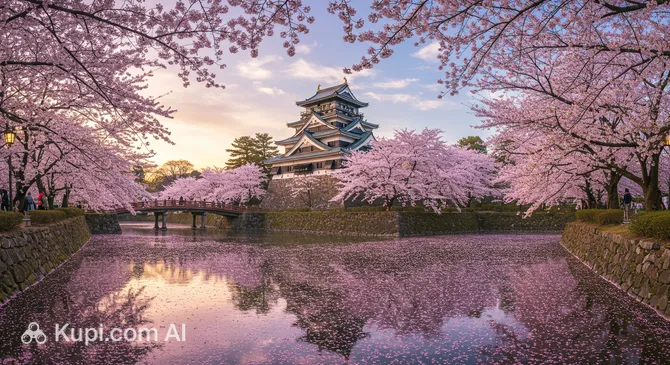
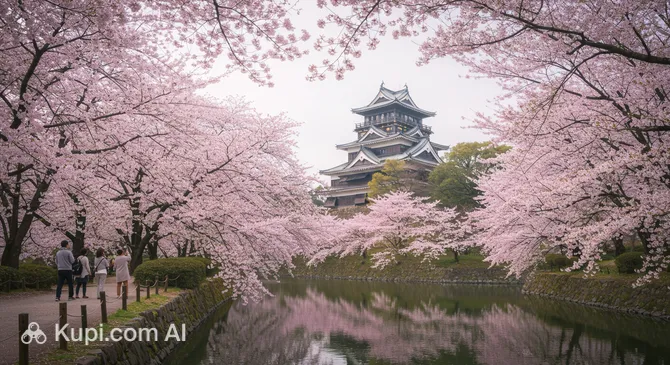
Hirosaki. Illustration.
Source: Kupi.com AI

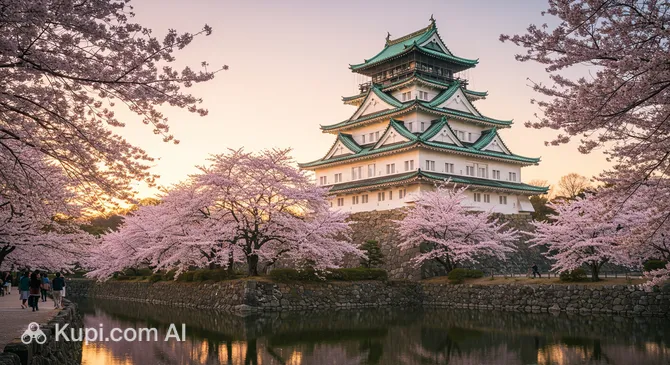
The crown jewel of Hirosaki is undoubtedly Hirosaki Castle—one of the few original castles in the country that has survived to this day. The surrounding park is especially beautiful in spring, when more than 2,600 cherry trees burst into bloom, making it one of Japan's most famous spots for sakura viewing. The annual Hirosaki Cherry Blossom Festival attracts hundreds of thousands of visitors. Additionally, the city is known as a center for apple cultivation, and in autumn, you can enjoy the harvest and various products made from local fruit.

The climate in Hirosaki is characterized by four distinct seasons, each giving the city a special charm: from the delicate pink of spring blossoms and lush summer greenery to the crimson of autumn leaves and the peaceful snow-covered landscapes of winter. Hirosaki is an excellent destination for those who want to explore less-trodden corners of Japan, immerse themselves in its history, and enjoy a relaxed pace of life. Don't miss the chance to discover this amazing city!

You can find more interesting facts on the history of Hirosaki page.
Weather Overview

In Hirosaki, you can expect weather with a characteristic change of seasons. Summer, spanning from June to August, is warm here: the average temperature ranges from 17.9°C to 23.6°C, and maximum figures can rise to 26.4°C in August. The winter period, from December to February, is characterized by cold weather: average temperatures drop below zero (from -2.1°C in January to -0.4°C in December), and minimums can reach -4.2°C. Precipitation in the form of rain or snow occurs throughout the year, with the highest amounts in August (7 mm) and December (6 mm). In winter, especially in January and December, there is a significant number of snowy days. Overall, expect warm summers with occasional rainfall and cold, snowy winters. You can learn more about the weather conditions on the Hirosaki climate page.

Average monthly temperature

Average monthly precipitation

Interesting Facts

In addition to its famous cherry orchards and majestic castle, Hirosaki holds many surprising stories and little-known details that make it even more attractive to curious travelers. Ready to learn a few secrets of this charming city?

Hirosaki Castle. Illustration.
Source: Kupi.com AI

Traveler photos:

  • A castle on "wheels": Did you know that in 2015, the main tower of Hirosaki Castle was moved 70 meters in its entirety? This was done to carry out restoration work on the stone foundation, and the entire process took about three months. This is a very rare occurrence in the history of Japanese architecture!

  • Apple capital with a twist: Hirosaki is not just the largest producer of apples in Japan. The city boasts an incredible variety of sorts, and about 80 different types are grown in Hirosaki Apple Park! There are even apple trees here that "talk" and tell visitors about themselves.

  • Fans instead of warriors: The famous summer Neputa Festival in Hirosaki differs from its more famous "sibling" in Aomori. Instead of giant three-dimensional figures of warriors, huge, brightly painted fan-shaped lantern floats depicting scenes from Chinese and Japanese legends are paraded through the streets. Some of them can be seen year-round at the Tsugaru Neputa Village.

  • Long-lived Sakura: Hirosaki Park is home to some of the oldest Somei Yoshino cherry trees in Japan, planted as far back as 1882. Thanks to a special pruning method developed by local specialists, these trees continue to bloom profusely despite their venerable age.

How to Get There

There are several ways to reach the charming city of Hirosaki, located in Aomori Prefecture on the northern part of Honshu island in Japan. The most common option for international and many domestic tourists is a flight to one of the regional airports followed by a transfer. It is also worth considering a journey by high-speed Shinkansen trains to Shin-Aomori Station, from where Hirosaki can be reached by local train or bus—a popular way to travel around the country.

The nearest and most convenient air hub for a trip to Hirosaki is Aomori Airport (IATA: AOJ). It is located in the city of Aomori, just 24.1 km from the center of Hirosaki. This is a major airport that accepts many domestic flights as well as some international ones, making it a popular choice for travelers. A trip from Aomori Airport to Hirosaki by taxi or bus usually takes about one hour.

Another option is Odate-Noshiro Airport (IATA: ONJ), which is located in the city of Kitaakita, approximately 46.3 km south of Hirosaki. This is a small regional airport serving mainly domestic Japanese routes. The journey from Odate-Noshiro Airport to Hirosaki by car or public transport will take approximately one and a half hours.

You can also consider flying into Misawa Airport (IATA: MSJ), located in the city of the same name, Misawa, at a distance of about 77.3 km from Hirosaki. This airport also belongs to the category of small airports and is mainly used for domestic flights. Travel time to Hirosaki will be approximately 2 hours 15 minutes.

For clarity, here is summary information on the main airports through which you can reach Hirosaki:

AirportPassenger trafficDistance
Aomori Airport1.3 mln24 km
Odate Noshiro Airport195 91746 km
Misawa613 16877 km
Akita Airport1.8 mln112 km
Hakodate Airport1.8 mln133 km

Main Attractions

The city of Hirosaki, located in the scenic Aomori Prefecture, is rich in history and culture, offering travelers many fascinating places to explore. Here, everyone will find something to their liking, from ancient castles to modern museums and unique theme parks.

One of the city's main highlights is undoubtedly Hirosaki Castle. This is one of the few original castles in Japan that has been preserved to this day. Its three-story main tower (tenshukaku) and extensive fortifications are impressive in their architecture. The castle is especially beautiful in spring during the cherry blossom season, when thousands of trees around it turn delicate shades of pink, creating a truly magical atmosphere. Visiting the castle is an opportunity to touch the history of the Tsugaru region and enjoy magnificent views.

Hirosaki Castle. Illustration.
Source: Kupi.com AI

Traveler photos:

Inseparable from the castle is the magnificent Hirosaki Park, which surrounds it. This vast park is famous throughout Japan for its more than 2,600 cherry trees of various varieties. In spring, the famous cherry blossom festival is held here, attracting visitors from all over the world. The park is beautiful at any time of year: in summer, you can find shade under the trees; in autumn, admire the crimson foliage; and in winter, enjoy the snow lantern festival. It is an ideal place for leisurely walks and outdoor relaxation.

Hirosaki Park. Illustration.
Source: Kupi.com AI

Traveler photos:

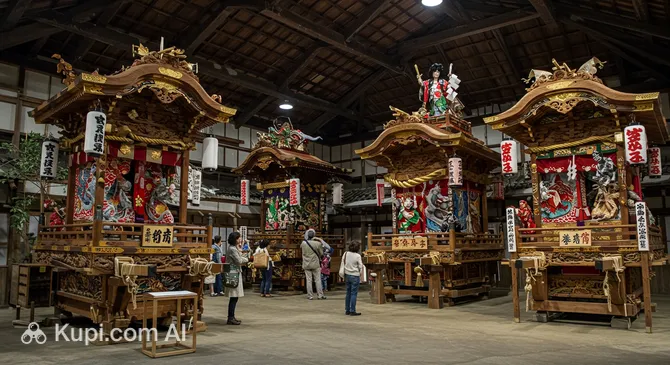
To dive deeper into the local culture, it is worth visiting the Tsugaru Neputa Village. This is a cultural complex dedicated to the famous summer Neputa Festival, during which huge, brightly painted fan-shaped lantern floats depicting warriors and mythical heroes are paraded through the city streets. In the village, you can see these impressive platforms year-round, learn about the festival's history, listen to traditional Tsugaru-jamisen music, and even try your hand at local crafts.

Tsugaru Neputa Village. Illustration.
Source: Kupi.com AI

Traveler photos:

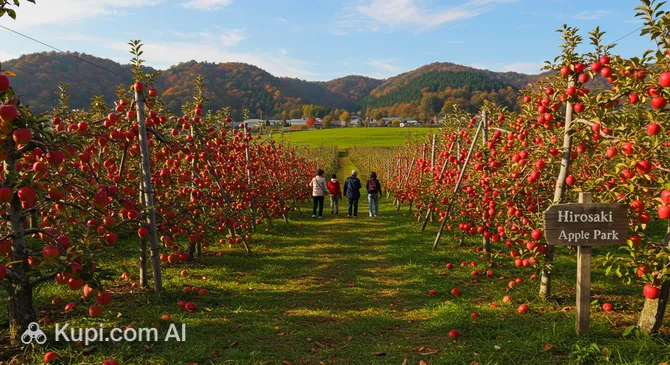
Hirosaki is known as the apple capital of Japan, and Hirosaki Apple Park is the best place to get acquainted with this side of the city. About 80 varieties of apple trees grow here. Visitors can learn many interesting facts about apple cultivation, taste fresh fruit, and various products made from them—from juices and cider to pies and ice cream. During the harvest season (usually from August to November), you can even pick apples yourself. This is a unique experience for the whole family and a chance to enjoy the taste of real Japanese apples.

Hirosaki Apple Park. Illustration.
Source: Kupi.com AI

Traveler photos:

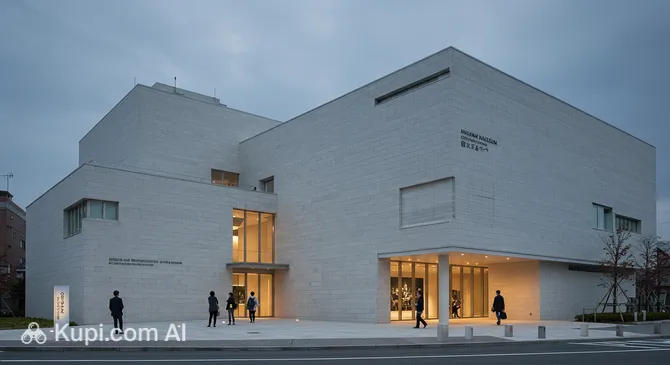
For art lovers, the Hirosaki Museum of Contemporary Art is a must-visit. It is housed in a striking red-brick building—a former brewery from the early 20th century that was carefully restored and adapted for museum needs. The museum presents works by both Japanese and international contemporary artists, and the exhibitions often reflect local character and history. It is a wonderful place to discover current trends in art and appreciate the harmonious blend of historical architecture and modern creativity.

Hirosaki Museum of Contemporary Art. Illustration.
Source: Kupi.com AI

Traveler photos:

Local Cuisine

The gastronomic scene of Hirosaki is a true immersion into the flavors of the Tsugaru region, where traditions meet the rich harvest of local lands. The city, which rightfully bears the title of the apple capital of Japan, offers unique culinary experiences, the main star of which is, of course, the famous Hirosaki apple. But the local cuisine is not limited to this juicy fruit, surprising with a variety of dishes and drinks.

It is definitely worth trying local specialties that reflect the culinary soul of Aomori. One such dish is Tsugaru ramen (津軽ラーメン), often prepared with a rich broth made from niboshi (dried small sardines), which gives it a uniquely deep flavor. Another iconic dish is iga-menchi (いがめんち), which are patties or fritters made from minced squid and vegetables, fried until crispy—a popular local snack. For those who want to warm up and try something very homemade, kenosiru (けの汁) is perfect—a thick vegetable soup-stew, a traditional dish of the Tsugaru region, especially popular in the cold season.

Of course, speaking of Hirosaki's cuisine, it is impossible not to mention apples. They are used here in all sorts of variations: from fresh, juicy fruits of dozens of varieties to delicious apple pies, tartlets, jams, and preserves. You will find cold-pressed apple juice, refreshing cider (both alcoholic and non-alcoholic), and even apple curry! Many of the city's cafes and pastry shops take pride in their signature apple desserts. For example, the cozy Cafe at Hirosaki Park can be a pleasant place to taste local sweets.

Among drinks, in addition to apple juice and cider, you should pay attention to the local sake (jizake). Aomori Prefecture is famous for its high-quality rice and pure water, which is the basis for producing excellent sake with various flavor profiles. For a non-alcoholic choice, besides apple drinks, traditional Japanese teas are always available.

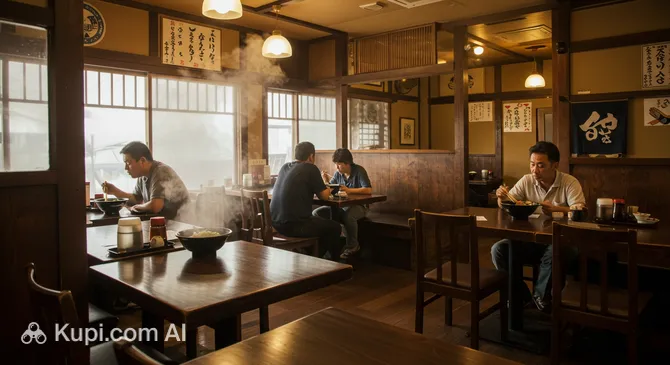
The dining culture in Hirosaki involves visiting various establishments. Locals and tourists can enjoy authentic dishes in small family restaurants, specialized ramen shops, or cozy cafes. To try local noodles, you can visit Takahashi Chuka Soba, known for its approach to preparing this dish. Overall, the atmosphere in Hirosaki's establishments is very welcoming, with an emphasis on the freshness and quality of local products.

Takahashi Chuka Soba. Illustration.
Source: Kupi.com AI

Traveler photos:

Hirosaki's gastronomic scene is a harmonious combination of nature's gifts, centuries-old traditions, and love for its land. Trying local dishes means not just satisfying hunger, but touching the culture and history of this charming city, taking away unforgettable taste impressions.

Travel Tips

Planning a trip to charming Hirosaki, known for its magnificent cherry blossoms, ancient castle, and the rich culture of the Tsugaru region in Japan? To ensure your journey goes smoothly and leaves only the most pleasant impressions, we have prepared some practical tips to help you navigate this unique city.

  1. Clothing and Essentials: Preparing for Seasons and Cultural Norms
    The climate in Hirosaki is well-defined: snowy winters (December-March) require very warm clothing, including a hat, gloves, and waterproof shoes. Spring (April-May) delights with cherry blossoms; dress in layers (light jacket, sweater). Summer (June-August) can be hot and humid—choose light, breathable clothing. Autumn (September-November) is comfortable, ideal for jackets and sweaters. Always bring comfortable shoes, as there will be a lot of walking. Don't forget an adapter for electrical appliances (in Japan, the voltage is 100V, and sockets are types A and B). When visiting temples and shrines, choose modest clothing that covers shoulders and knees; be prepared to remove your shoes before entering some premises.

  2. Transport around Hirosaki: Moving through the City and Surroundings
    The main public transport in Hirosaki is buses, including convenient tourist routes like the Dotemachi Loop Bus, which covers the main attractions. JR Hirosaki Railway Station is an important hub for travel around the region. There is no subway or tram in the city. Taxis are available but can be expensive for long distances. Renting a car can be useful for exploring Aomori Prefecture, but take note of left-hand traffic and the need for an international driving permit; parking in the city itself may be limited.

  3. Finances and Payments: Japanese Yen and Payment Features
    The local currency is the Japanese yen (JPY, ¥). You can exchange currency at banks, the post office (Japan Post Bank), or at the airport. Credit cards (Visa, Mastercard) are accepted in hotels, large stores, and many restaurants, but cash remains very important, especially in small establishments, temples, markets, and for paying fares on some buses. Look for ATMs that accept international cards at Japan Post Bank branches and 7-Eleven stores (Seven Bank). Tipping is not practiced in Japan and may be perceived as a misunderstanding.

  4. Health and Safety: Taking Care of Yourself while Traveling
    Hirosaki, like Japan as a whole, is a very safe city with a low crime rate. However, standard precautions (watching your belongings in crowded places) are always wise. Drugstores sell over-the-counter medicines, but staff may not always speak English. Be sure to get travel medical insurance before your trip. In emergencies, you can go to large hospitals where English-speaking staff may be available.

  5. Language and Communication: Finding Common Ground with Locals
    The official language is Japanese. In tourist areas, hotels, and information centers, staff may speak English, but outside of these, English proficiency is less common. Learn a few basic phrases: "Konnichiwa" (Hello), "Arigato gozaimasu" (Thank you very much), "Sumimasen" (Excuse me/Sorry). For convenience, consider renting a pocket Wi-Fi or buying a tourist SIM card. Free Wi-Fi is available in many hotels, cafes, and at stations.

  6. Local Etiquette and Traditions: Respecting Japanese Culture
    Japanese people value politeness and respect. Greet people with a slight bow. In public places, especially on transport, try to speak quietly and not disturb others. It is customary to remove shoes before entering homes, temples, and traditional restaurants (ryokans). Do not point at people with your finger. If you are offered help or a treat, accept it with gratitude.

  7. What to Avoid: Small but Important Details
    To avoid offending locals and awkward situations, try not to stick your chopsticks vertically into your rice (this is associated with funeral rituals). Also, avoid blowing your nose loudly in public—it's better to go to the restroom. Do not try to skip the line—Japanese people are very disciplined about this.

  8. Hirosaki Specialties: Apples, Sakura, and Festivals
    Hirosaki is the apple capital of Japan! Be sure to try local apples, apple pies, and cider. Visit Hirosaki Apple Park, especially during the harvest season. If your trip falls at the end of April – beginning of May, don't miss the famous Cherry Blossom Festival in Hirosaki Park—it is an unforgettable sight. And in early August, the city comes alive with the colorful Hirosaki Neputa festival featuring giant glowing platforms; at other times of the year, they can be seen at the Tsugaru Neputa Village.

We hope these tips help you better prepare for your trip to Hirosaki and fully enjoy its unique atmosphere, rich history, and the hospitality of the local residents. We wish you an unforgettable journey through this beautiful corner of Japan!

Entertainment & Nightlife

While Hirosaki is better known for its historical heritage and cherry blossoms, the city offers its guests and residents various opportunities for relaxation and entertainment when evening falls. The nightlife here might not be as bustling as in Japan's megacities, but it possesses its own cozy and authentic charm, allowing for a deeper immersion into the local atmosphere.

The main concentration of evening and night venues in Hirosaki is traditionally found in the area around JR Hirosaki station, as well as in the district known as Kajimachi. This is where you can find many bars, restaurants, and karaoke clubs where locals and tourists spend their evenings. The atmosphere in these areas is lively, especially on weekends, but generally remains quite calm and friendly.

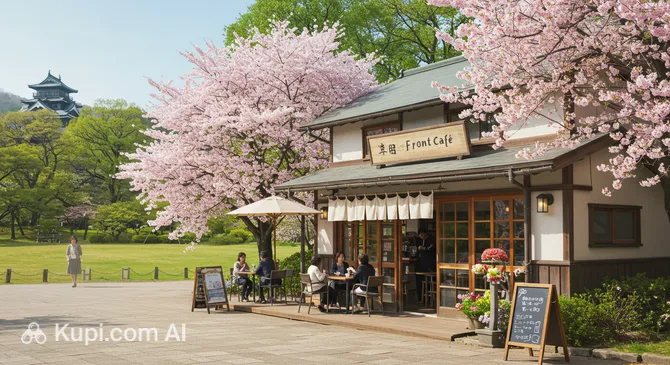
The choice of nighttime entertainment in Hirosaki includes traditional Japanese izakaya—cozy drinking establishments where you can not only drink sake or beer but also order various snacks. Small bars with different themes and music, sometimes with live performances, are also popular. Of course, you can't miss karaoke—a favorite pastime for Japanese people of all ages. Many restaurants offering both local and international cuisine are open for dinner until late. For example, you could consider Cafe at Hirosaki Park for a pleasant evening snack in a cozy setting or stop by Takahashi Chuka Soba to try local noodles if they are open late. As for nightclubs with dance music, there are few in Hirosaki, and they are usually small and oriented towards local youth. Night markets in the classic sense are not common here, but during festivals, the city streets come alive with various treats and entertainment.

Hirosaki Park Front Café. Illustration.
Source: Kupi.com AI

Traveler photos:

The crowd in Hirosaki's night spots is mostly local, which creates an authentic atmosphere. The dress code is generally casual, unless it's a particularly trendy bar. Most establishments start coming to life after 7:00 PM – 8:00 PM and work until midnight or until the last customer, especially on Fridays and Saturdays. Average prices for drinks and food are moderate, comparable to other regional cities in Japan. Moving around the city at night is most convenient by taxi, as public transport runs less frequently or stops working. Check the schedule of the last buses or trains in advance if you plan to use them.

Hirosaki, like most cities in Japan, is a very safe place for nighttime walks. Main entertainment areas are well-lit. Nevertheless, it is always worth taking basic precautions, especially if you are in an unfamiliar place alone. You can call a taxi by asking the venue staff or using special apps if available.

During the day, Hirosaki offers many cultural and educational activities. Guests can visit the magnificent Hirosaki Castle and the adjacent Hirosaki Park, explore the exhibitions at the Hirosaki Museum of Contemporary Art, stroll through the picturesque Hirosaki Apple Park, or learn about traditions at the Tsugaru Neputa Village. These attractions provide a complete impression of the city's rich history and culture.

Parks & Museums

Hirosaki is not only a city with a rich history and a famous castle but also a place where you can enjoy beautiful green zones and immerse yourself in the world of art and culture. The city offers visitors well-kept parks, unique gardens, and interesting museums, each telling its part of the history of Hirosaki and the Tsugaru region.

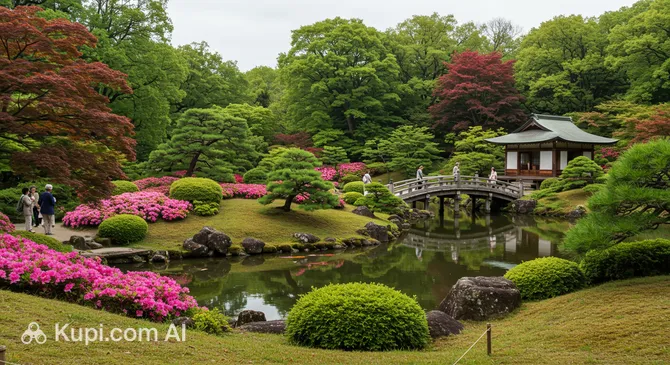
The heart of the city's green spaces is undoubtedly Hirosaki Park, spread around the castle of the same name. It is famous throughout Japan for its thousands of cherry trees, which turn it into a fairytale place in spring. However, the park is beautiful at any time of year, offering coolness in summer and a riot of colors in autumn. It is an ideal place for leisurely walks and admiring nature. Another "green" gem is Hirosaki Apple Park, where you can not only walk among the apple orchards but also learn all about the cultivation of the city's symbol—apples—and taste them. For lovers of traditional Japanese landscape art, the Fujita Memorial Garden is a must-visit. This picturesque garden with a pond, pavilions, and carefully selected plants offers a peaceful atmosphere and magnificent views, especially during the azalea blooming period and autumn foliage.

Hirosaki Park. Illustration.
Source: Kupi.com AI

Traveler photos:

Hirosaki Apple Park. Illustration.
Source: Kupi.com AI

Traveler photos:

Fujita Memorial Garden. Illustration.
Source: Kupi.com AI

Traveler photos:

To get acquainted with the cultural heritage and art of Hirosaki, it is worth visiting several key museums. The Hirosaki Museum of Contemporary Art, located in a historical red-brick building, offers a look at the work of both Japanese and international artists. Its exhibitions often resonate with local identity and history. No less fascinating will be a visit to the Tsugaru Neputa Village. This is not just a museum, but a whole cultural complex where you can see the giant colorful lantern floats of the famous Neputa festival year-round, listen to traditional Tsugaru-jamisen music, and even try your hand at local crafts, making it especially interesting for tourists seeking an interactive experience.

Hirosaki Museum of Contemporary Art. Illustration.
Source: Kupi.com AI

Traveler photos:

Tsugaru Neputa Village. Illustration.
Source: Kupi.com AI

Traveler photos:

Speaking of cultural heritage, one cannot fail to mention historical and architectural landmarks. Central among them is Hirosaki Castle, the symbol of the city and one of the few surviving original castles in Japan. Its grounds, which are part of the park, include not only the main tower but also other historical structures such as gates and watchtowers, immersing visitors in the atmosphere of feudal Japan. Another significant historical site is Saisho-in Temple, known for its beautiful five-story pagoda, which is considered one of the northernmost in Japan. This temple offers a calm atmosphere for reflection and an introduction to Buddhist architecture.

Hirosaki Castle. Illustration.
Source: Kupi.com AI

Traveler photos:

Saisho-in Temple

For a deeper immersion into the city's atmosphere, don't limit yourself to only the most famous sights. Explore the less busy streets of the old town, where you can find small temples or traditional houses. Also, don't miss the opportunity to enjoy the seasonal beauty of Hirosaki parks not only during the cherry blossoms but also during the vibrant autumn foliage or the snowy winter transformation—each season reveals the city from a new, unique side.

Getting Around

Getting around Hirosaki is quite convenient, especially if you plan to visit the main tourist spots. The city is quite compact, and many attractions in the center are within walking distance of each other. However, for longer trips or to save time, you can use the local public transport system, the basis of which is buses.

The main type of public transport in Hirosaki is buses. The main operator is Konan Bus (弘南バス). For tourists, the Dotemachi Loop Bus (土手町循環100円バス) is particularly convenient—this is a circular route running through the city center and covering most popular attractions, including Hirosaki Castle, the Apple Park, and Tsugaru Neputa Village. The fare for this bus is usually fixed at 100 yen, making it a very economical option. There are no subways, trams, or trolleybuses in Hirosaki.

The payment system for buses in Hirosaki is quite simple. On most routes, including the tourist Dotemachi Loop Bus, payment is made in cash upon boarding or exiting (usually upon exiting, to the driver). It is recommended to have small coins with you, as the driver may not always be able to give change for large bills. Also, nationwide Japanese transport IC cards such as Suica, Pasmo, ICOCA, and others are usually accepted on Konan Bus. If you have such a card, you can simply tap it against the validator when boarding and exiting (if required for zone-based fare calculation) or only when exiting (if the fare is fixed). Specialized tourist passes for all types of transport, except perhaps for some temporary promotions, are not usually available in Hirosaki, but the 100-yen bus itself is a great deal.

Here are some practical tips for tourists: you do not need to buy tickets for regular bus routes in advance—payment is made directly on the bus. When entering the bus (usually through the rear or middle door) on some routes, you must take a numbered paper ticket (整理券 - seiri-ken) if it is a zone-based payment system. A display at the front of the bus will show the fare for each stop number. Upon exiting through the front door, you pay the amount corresponding to the number on your ticket, or just a fixed amount if it's a flat-fare route. Don't forget to press the stop signal button (located on handrails and walls) in advance so the driver knows you need to get off. Buses usually run on schedule, which can be found at stops (often only in Japanese) or on the bus company's website. Transport hours are generally from early morning until evening; on weekends and holidays, frequency may decrease.

As an alternative to buses, you can use taxi services in Hirosaki. They are available at the railway station, major hotels, and attractions, or they can be called by phone. Taxis offer greater comfort but are a more expensive way to get around. For fans of active recreation and independent walks, especially in the warm season, bicycle rental can be an excellent option. Bicycle rental points can be found, for example, near tourist information centers or the railway station. This is a wonderful way to explore the parks and picturesque surroundings of the city at your own pace. Car sharing is not as widespread in Hirosaki as in major megacities. For trips to neighboring cities and regions, the main transport hub is the JR Hirosaki railway station.

Accommodation

In the city of Hirosaki, travelers will find various accommodation options to suit different preferences and budgets. The choice ranges from modern hotels to traditional Japanese inns, allowing every guest to find the perfect place to rest and explore this charming corner of Japan.

The typical range of housing in Hirosaki includes hotels of various classes—from functional business hotels to more comfortable tourist hotels. For those who want to dive deeper into Japanese culture, a great choice would be ryokans (traditional Japanese inns) and minshuku (family-run guesthouses), offering an authentic experience with tatami mats, futons, and local cuisine. You can also find more budget-friendly options such as hostels or guesthouses with shared facilities, and possibly short-term rental apartments, although the latter may be less common compared to larger cities.

As for areas to stay, the vicinity of the JR Hirosaki railway station is considered most convenient for tourists. Many hotels, restaurants, and shops are concentrated here, and it provides easy access to public transport for trips around the city and beyond. Another popular area is the territory adjacent to Hirosaki Park and Hirosaki Castle. Staying here will put you in close proximity to the main attractions and allow you to enjoy beautiful views, especially during the cherry blossom season.

The price range for accommodation in Hirosaki can be broadly divided into budget, mid-range, and higher-end. Budget options typically offer basic amenities, while mid-range hotels and ryokans provide more comfort and a wider range of services. There are few world-class luxury resorts in the city itself; the focus is on high-quality and hospitable service within traditional and modern Japanese standards. It is recommended to book accommodation in advance, especially if your trip coincides with peak tourist seasons such as the cherry blossom festival (late April – early May) or the Hirosaki Neputa Festival (early August), when demand for rooms increases significantly.

Booking a stay in Hirosaki can be done in several ways. The most common are popular international and Japanese online platforms for booking hotels and apartments. You can also book directly through the official websites of hotels or ryokans. In some cases, information and booking assistance can be provided at tourist information centers.

Nearby Cities

For those who want to explore the surrounding area, Hirosaki serves as an excellent starting point for day trips to several interesting nearby locations:

For example, you can take a short trip to Goshogawara, located just 23 km away, to see the impressive Tachineputa festival platforms and visit the museum of writer Osamu Dazai. Another popular destination is Aomori, the prefecture's capital, which attracts tourists with its famous Nebuta festival, contemporary art, and the freshest seafood. For a more complete view of the options, here is a list of some nearby cities suitable for day visits:

CityPopulationDistance
Fujisaki14 4787 km
Hirakawa30 3269 km
Itayanagi12 68110 km
Kuroishi31 60412 km
Tsuruta30 76017 km

These nearby destinations allow for a broader understanding of the diverse culture, history, and natural landscapes of the Tohoku region in Japan, complementing the experience of visiting Hirosaki itself.

Shopping & Souvenirs

Shopping in Hirosaki is a pleasant addition to exploring its rich culture and history. The city, known as the apple capital of Japan, offers unique local goods and souvenirs that will serve as a wonderful reminder of your trip. There are no giant shopping malls here like in Tokyo, but there are charming local shops, department stores, and stalls where you can find something special.

The main place for shopping in Hirosaki is considered to be Dotemachi street and the adjacent quarters in the city center. Various shops are concentrated here, from department stores and clothing boutiques to souvenir shops and confectioneries offering local delicacies. It is also worth paying attention to the shops in the area of the JR Hirosaki railway station, where you can find basic necessities and souvenirs.

In Hirosaki, there are several department stores and shopping centers where you can find a wider range of goods. For example, the Sakurano Department Store Hirosaki offers clothing, cosmetics, household goods, and food. Also popular is the Hirosaki Applease (Hiroro) shopping complex located next to the station, which besides shops has a cinema and restaurants. These are good places to search for both local and international brands.

Although Hirosaki is not famous for large markets in the traditional sense, like the fish markets in coastal cities, you can find fresh local products here, especially apples in season, in specialized shops or small farmer stalls. Sometimes seasonal fairs or events are held where local producers present their products. For authentic souvenirs and handmade items, it is better to go to specialized shops or tourist centers.

The main souvenirs from Hirosaki are, of course, apples and all sorts of products made from them: juices, cider, jams, pies, candies, and even cosmetics. Be sure to check out the shops at Hirosaki Apple Park. It is also worth paying attention to traditional crafts of the Tsugaru region: Tsugaru-nuri (lacquerware with a unique pattern), Kogin-zashi (traditional embroidery), and Tsugaru Vidro glassware. At the Tsugaru Neputa Village, you can purchase souvenirs related to the famous Neputa festival.

Most shops in Hirosaki are usually open from 10:00 or 11:00 AM until 7:00 or 8:00 PM. Department stores may stay open a little longer. Regarding payment, credit cards (Visa, Mastercard, JCB) are accepted in large stores and department stores. However, in small shops, especially those selling traditional goods, or at small markets, cash is preferred. It is always useful to have some Japanese yen with you.

For international tourists in Japan, there is a consumption tax refund system (Tax Free Shopping). Many large stores and department stores in Hirosaki participate in this program. Look for the corresponding "Tax Free" signs and check the conditions (usually purchases for a certain amount in one store within one day). You will need your passport to process the tax refund. This is a great opportunity to save on purchases of souvenirs and other goods.

Reached the end of the page?

That means the route is fully explored