Support

Senboku

About

Semboku is a picturesque corner of Japan, nestled in the eastern part of Akita Prefecture at the scenic crossroads of mountains, lakes, and dense forests. The city was formed in 2005 through the merger of three settlements: Kakunodate, Tazawako, and Nishiki. Today, Semboku covers an impressive area of over 1,000 square kilometers, with a population of about 24,500, giving the place a particularly cozy and unhurried atmosphere.

The natural jewel of Semboku is undoubtedly Lake Tazawa—the deepest lake in the country, reaching an impressive depth of 423 meters. Surrounded by the Akita-Komagatake and Hachimantai mountains, the lake and its surroundings offer breathtaking scenery and a sense of complete harmony with nature. It is an ideal destination for those seeking solitude and inspiration away from the urban bustle.
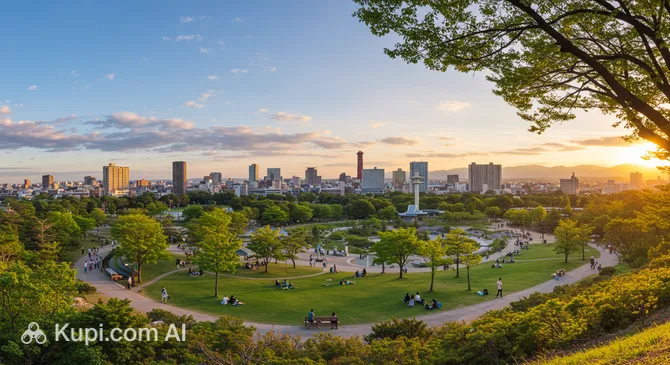
Senboku. Illustration.
Source: Kupi.com AI

In addition to the lake, Semboku is famous for its hot springs — onsens. Nyuto Onsen is particularly popular, consisting of a complex of secluded springs hidden among mountains and forests. This location attracts those wishing not only to relax their bodies but also to experience the spirit of old Japan. The city is also known for the Kakunodate district, often called "Little Kyoto" for its beautifully preserved samurai houses.

If you are looking for an authentic Japanese experience, rich history, vibrant traditions, and local hospitality, Semboku will be a true discovery and provide unforgettable memories.

You can find more interesting facts on the history of Semboku page.
Weather Overview

In Semboku, there is a distinct change of seasons. Summer, especially in July and August, is warm here, with average temperatures around 21-23°C and regular rainfall, with the number of rainy days reaching 19-21 per month. Winters, conversely, are cold: from December to February, the average temperature stays in the range of approximately -3.6°C to -1.5°C, with frequent snowfall. December and January stand out for having the highest number of days with precipitation—up to 24-26 days per month—although the total amount of precipitation in millimeters remains moderate.

To better plan your trip and choose suitable clothing, you can read more detailed information about the climate and weather in Semboku.

Average monthly temperature

Average monthly precipitation

Interesting Facts

In addition to its picturesque landscapes and famous tourist routes, Semboku holds many surprising stories and unique features that not all travelers are aware of. Here are just a few interesting facts about this charming corner of Japan:

  • The city of Semboku boasts Lake Tazawa—not only Japan's deepest lake but also a place shrouded in ancient legend. According to legend, a beauty named Tatsuko was transformed into a dragon to save the lake from drying up. This story lives on in the tales of locals and even inspires festivals.

  • Semboku is home to a unique district of samurai residences known as Kakunodate. It is often called "Little Kyoto" for its authentic atmosphere. Here, you can stroll through ancient streets and visit the homes of hereditary warriors, where antique furniture, armor, and weapons are carefully preserved. This place is especially scenic in spring when the streets turn into a blooming tunnel of cherry blossoms.

  • The city is famous for its Nyuto Onsen hot springs. These "secret" baths, hidden in the mountains, have for centuries attracted samurai and poets seeking restoration. Remarkably, some of these onsens still operate without electricity, lit only by the flicker of candles, which creates a unique atmosphere of solitude and mysticism.

  • Semboku is the birthplace of the traditional craft of kabazaiku—the sophisticated art of making various items from cherry tree bark. Local masters use this material to create stunningly beautiful boxes, tea accessories, and elegant jewelry that are highly valued not only throughout Japan but also abroad.

How to Get There

The most convenient way to reach Semboku, located in the scenic Akita Prefecture, is by air via one of several regional airports. Although Semboku does not have its own airport, nearby air hubs provide good connections with other parts of Japan and make it easy to plan a trip to this part of the country.

One of the main options for arrival is Akita Airport (AXT), located in the city of Akita. This is a major airport situated approximately 45 km southwest of Semboku's center. A trip by car, taxi, or bus from the airport to Semboku usually takes between 1 hour 20 minutes and 1 hour 40 minutes, depending on road conditions. Akita Airport serves many domestic flights, making it a convenient arrival point for travelers.

Another significant airport in the region is Hanamaki Airport (HNA), also known as Iwate-Hanamaki Airport. It is located in the city of Hanamaki (neighboring Iwate Prefecture), about 46 km east of Semboku. This airport is also an important transport hub, and the journey from there to Semboku will take roughly 1 hour 30 minutes to 1 hour 50 minutes. The choice between these two airports often depends on your point of departure and flight availability.

In addition to these two, other options are worth considering. For example, Aomori Airport (AOJ), located in the city of Aomori about 115 km to the north, is a large airport with a good selection of connecting flights. Closer, though with less passenger traffic and potentially fewer flights, is Odate-Noshiro Airport (ONJ) in the city of Kitaakita, approximately 62.5 km north of Semboku. When planning your trip, it is recommended to compare flights and transport options from each airport.

For clarity, here is summary information on the main airports serving Semboku:

AirportPassenger trafficDistance
Akita Airport1.8 mln45 km
Hanamaki Airport739 12346 km
Odate Noshiro Airport195 91763 km
Aomori Airport1.3 mln115 km
Misawa613 168124 km

Regarding rail connections, a trip to Semboku will likely involve using Shinkansen high-speed trains or other lines to the nearest major railway stations (such as Akita or Morioka), and from there continuing by local train, bus, or taxi. Japan has an advanced railway network, so this option is also comfortable. It is recommended to check routes and schedules in advance on Japanese railway websites or tourist information portals. Traveling by rental car can also be an excellent option, especially if you plan to explore the scenic surroundings of Akita Prefecture and Lake Tazawa, located directly in Semboku.

Main Attractions

The city of Semboku and its surroundings are rich in unique attractions that combine natural beauty with a profound historical heritage. Here are a few places that are definitely worth a visit:

Kakunodate Samurai District is perhaps the most famous attraction in Semboku. This beautifully preserved area transports visitors back to the days of feudal Japan. Here, you can stroll along streets lined with ancient samurai houses (buke-yashiki), many of which are open to the public. The district is especially beautiful in spring when hundreds of weeping cherry trees frame the streets and gardens, creating a truly magical atmosphere.

Lake Tazawa is Japan's deepest lake, renowned for its incredible sapphire water. Its depth reaches 423 meters. On the lakeshore stands the famous golden statue of a girl named Tatsuko, the heroine of a local legend, which adds a mystical flair to the location. The lake attracts tourists with its natural beauty, opportunities for boat trips, cycling around the perimeter, and a peaceful atmosphere perfect for a break from the city.

For those seeking an authentic Japanese hot spring experience, Nyuto Onsen will be a true revelation. This is a group of traditional ryokans with onsens located in a secluded mountainous area at the foot of Mount Nyuto. Each spring here has its own unique history and water composition, offering different therapeutic effects. Soaking in hot baths against a backdrop of pristine nature is an unforgettable experience of relaxation and healing.

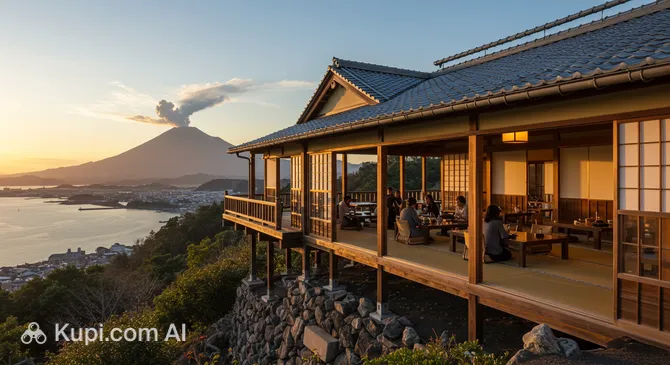
If you are traveling along the region's scenic roads, look out for the Sengan Pass Tea House. This cozy establishment, categorized as a restaurant, is a place where you can rest and enjoy a cup of traditional tea or light snacks while admiring the views from the pass. Such tea houses are common on tourist routes in Japan, offering travelers a chance to catch their breath and enjoy a moment of tranquility.

Sengan Pass Teahouse. Illustration.
Source: Kupi.com AI

Traveler photos:

Local Cuisine

Semboku is a true discovery for foodies seeking the authentic flavors of the Japanese countryside. Local gastronomy is rich in unique dishes reflecting the region's natural bounty and centuries-old culinary traditions. A trip here promises an unforgettable immersion into a world of rich aromas and original recipes.

The culinary star of Semboku is undoubtedly kiri-tanpo. This hearty and fragrant dish consists of pounded rice cylinders that are first grilled over charcoal until golden brown and then served in a rich broth with chicken, mushrooms, and seasonal vegetables. Kiri-tanpo is considered a symbol of autumn in Akita Prefecture and is a must-try for every traveler wishing to experience the region's true taste.

For those who appreciate more unusual flavors, Semboku offers inonishiku—wild boar stew prepared according to ancient hunting recipes. This dish is especially popular in winter when people crave something hearty and warming. Additionally, at local farmers' markets, you can find the freshest mountain herbs, wild plants, home-made pickles, and various sweets made from rice and azuki beans.

No introduction to the cuisine of Semboku would be complete without tasting the local sake. This traditional drink here is distinguished by its particularly smooth taste and perfectly complements the regional dishes. The best place to buy fresh products and local sake is at the colorful farmers' markets, where you can not only purchase delicacies but also chat with the producers.

Dining culture in Semboku is closely linked to seasonality and tradition. Locals and tourists often enjoy meals in cozy little restaurants specializing in regional cuisine. Gastronomic festivals held in spring and autumn hold a special place. At these fairs, you can try seasonal delicacies, participate in workshops on making kiri-tanpo, and, of course, taste various types of sake. One place where you can touch upon local traditions and enjoy tea or a meal with a beautiful view is the Sengan Pass Tea House.

Travel Tips

Welcome to Semboku! To make your trip to this charming corner of Japan as comfortable and fulfilling as possible, we have prepared some practical tips. They will help you navigate better and enjoy all the beauty and unique experiences Semboku has to offer.

  1. Clothing and Essentials:

    The climate in Semboku, located in Akita Prefecture, is characterized by four distinct seasons. In winter (December-February) it is cold and snowy, so bring warm layered clothing, waterproof outerwear, a hat, gloves, and warm shoes. In spring (March-May) and autumn (September-November) the weather is mild; light jackets and sweaters are ideal. Summer (June-August) is warm and humid; choose light, breathable clothing. Be sure to bring comfortable shoes for walking, especially if you plan to visit the Nyuto onsens or the Kakunodate samurai district. Don't forget an adapter for electrical appliances (Japan uses Type A and B sockets, voltage 100V). When visiting temples and shrines, there is no strict dress code, but show respect by covering shoulders and knees; also, be prepared to remove your shoes at the entrance.

  2. Transport around Semboku:

    Semboku is a fairly large area that includes famous spots like Lake Tazawa, the Nyuto onsens, and the historic town of Kakunodate. Public transport is provided by local buses, but their routes and schedules may not always be convenient for tourists wanting to cover all attractions. The region is served by the JR Tazawako Line (Tazawako, Kakunodate stations) and the scenic Akita Nairiku Line. The most convenient way to get around, especially for exploring natural beauty and remote onsens, is car rental. For this, you will need an international driving permit. Traffic in Japan is on the left. Taxis are available at stations but can be expensive for long trips.

  3. Finances: Currency and Payments:

    The local currency is the Japanese Yen (JPY, ¥). It is recommended to exchange some cash in advance or upon arrival at major airports. In Semboku, currency exchange opportunities may be limited. Credit cards (Visa, Mastercard) are accepted in many hotels, large shops, and tourist sites; however, cash is still very important, especially in small restaurants, local stalls, traditional ryokans, and for paying fares on some buses. International cards can be used to withdraw cash at ATMs in post offices (Japan Post Bank) and convenience stores (e.g., 7-Eleven). Tipping in Japan is not practiced and may cause confusion.

  4. Health and Safety:

    Semboku, like Japan in general, is a very safe place for tourists. The crime rate is low. Pharmacies (look for the sign "薬" - kusuri) are available, but staff may not speak English, so a translator app is useful. Some basic medicines are sold in konbini (convenience stores). In case medical assistance is needed, ask your hotel for information on the nearest clinic or hospital. Be sure to get travel insurance with good coverage. Follow standard precautions, especially when walking in nature (for example, insects may be encountered in forest areas).

  5. Communication and Connectivity:

    The primary language is Japanese. The level of English proficiency among the local population may be limited, especially outside tourist centers and major hotels. Learn a few basic phrases: "konnichiwa" (hello), "arigato gozaimasu" (thank you), "sumimasen" (excuse me/sorry). For internet access, it is recommended to purchase a travel SIM card or rent a pocket Wi-Fi router at the airport. Free Wi-Fi is available in some hotels, cafes, and tourist information centers. Apps like Google Maps for navigation and Google Translate will be useful.

  6. Local Etiquette and Customs:

    Japanese people value politeness and respect. Greetings are usually accompanied by a slight bow. In public places, especially on transport and in onsens, try to speak quietly. Remove your shoes before entering homes, temples, traditional ryokans, and some restaurants (slippers are usually provided). One of the most important rules concerns visiting onsens (hot springs), for which the Nyuto area in Semboku is famous: wash thoroughly before entering the communal bath, do not put your towel in the water, and do not use swimsuits.

  7. What to Avoid:

    First, never stick your chopsticks vertically into a bowl of rice—this is associated with funeral rituals and is considered a bad omen. Second, avoid loud conversations and boisterous behavior in public places, especially on transport or in temples, as this may be perceived as disrespectful to those around you.

  8. Special Tip for Semboku:

    Do not miss the chance to immerse yourself in the unique onsen culture in the Nyuto Onsen area. These hot springs, located in a scenic mountainous area, offer an authentic experience with centuries of history. Each onsen has its own character and medicinal water properties. This is a wonderful opportunity to relax and touch an important part of Japanese culture.

We hope these tips help you plan an unforgettable journey to Semboku. This region offers an amazing combination of natural beauty, rich history, and hospitality. We wish you vivid impressions and a pleasant stay!

Entertainment & Nightlife

Semboku, located in Akita Prefecture, offers its guests a quiet and authentic evening experience rather than a boisterous nightlife with numerous noisy clubs. Nevertheless, you can find cozy spots here to enjoy an evening and get acquainted with the local atmosphere.

Evening entertainment in Semboku is mainly centered around restaurants where you can enjoy local cuisine and small traditional Japanese drinking establishments known as izakayas. These are the places where locals gather to relax after a day's work. The atmosphere is usually very welcoming and relaxed. You are unlikely to find large nightclubs with loud music and dancing until dawn here, but you will be able to enjoy conversation and delicious food in a calm setting.

One interesting place for dinner could be the Sengan Pass Tea House, where you can grab a bite and enjoy the views if you visit during daylight or early evening. Although it is a restaurant, it provides insight into local hospitality.

Main points of evening activity generally concentrate around railway stations or on the central streets of the towns within the Semboku municipality. Operating hours for most establishments are limited, and they may close earlier than in large metropolises. There is usually no special dress code; casual, comfortable clothing is appropriate.

Practical Tips:

  • The best time to visit local restaurants and bars is early evening.
  • Average prices can vary, but generally, they are more affordable than in Japan's major tourist centers.
  • Public transport may run less frequently or stop entirely at night, so it's worth considering a taxi or a way back to your hotel in advance. Ask your hotel reception how to call a taxi.
  • In terms of safety, Semboku, like most small towns in Japan, is considered quite safe. However, it's always wise to take standard precautions, especially after dark.

While nightlife in Semboku is not its main attraction, the city offers many daytime activities. Guests can explore the region's natural beauty, visit local museums dedicated to history and culture, or enjoy the hot springs (onsens) for which Akita Prefecture is famous. While there may not be amusement parks in the traditional sense, the natural parks and scenic routes more than compensate for this.

Parks & Museums

Semboku invites travelers to enjoy both magnificent natural landscapes and a rich cultural heritage, offering a unique combination of peaceful green zones and informative museums.

One of the main natural jewels of Semboku is Lake Tazawa, Japan's deepest lake. Its crystal-clear waters, surrounded by picturesque mountains, create a serene atmosphere. Here, you can not only admire the famous golden statue of Tatsuko but also take a boat trip or simply relax on the shore. Another place worth visiting for nature lovers is Dakigaeri Gorge. It is especially beautiful in autumn when the slopes are painted in vibrant colors, and the scenic trails along the river are perfect for hiking.

The heart of cultural life in Semboku is undoubtedly the historic Kakunodate district, often referred to as "Little Kyoto." This district is a real open-air museum, famous for its beautifully preserved samurai residences. Walking through its streets, lined with ancient houses and cherry blossoms in spring, feels like stepping back in time. Many of these houses, such as the Aoyagi Samurai Manor Museum and the Ishiguro Samurai House, are open to visitors and offer a glimpse into the daily life and history of the samurai. Another interesting spot in Kakunodate is the Museum of Traditional Cherry Bark Crafts (Kakunodate Kaba Zaiku Denshokan), which displays unique items by local artisans demonstrating the region's centuries-old traditions.

For a deeper immersion into the local atmosphere, visit one of the small temples in Kakunodate, often hidden from the main tourist paths, or explore the lesser-known hiking trails around Lake Tazawa, which offer spectacular views. Also, pay attention to local festivals if your trip coincides with them—they are a great opportunity to see the authentic culture of Semboku.

Getting Around

When planning a trip to Semboku, it is important to think ahead about how you will get around, as the city covers a significant territory with several key tourist zones. Public transport here consists mainly of buses and trains that will help you reach your points of interest.

The main form of public transport for moving between Semboku's districts, such as Kakunodate, Lake Tazawa, and the railway stations, is the bus. The route network is quite developed, connecting major attractions and settlements. Pay attention to the schedule, as the frequency of trips can vary depending on the season and time of day. Usually, payment is made in cash to the driver upon exiting; sometimes you need to take a numbered ticket (整理券 - seiriken) when entering to determine the fare based on the zone.

Rail transport plays an important role both for arriving in Semboku and for some movements within the region. JR lines pass through the city, including stops for the Shinkansen high-speed train at Tazawako and Kakunodate stations. Additionally, the scenic local Akita Nairiku Line (Akita Nairiku Jukan Tetsudo) runs here, which is a tourist attraction in its own right, offering beautiful views of the countryside. Tickets for JR trains can be purchased at station ticket offices or machines. National IC cards (such as Suica, Pasmo) may be valid for Shinkansen and some other JR lines, but local buses and the Akita Nairiku Line most often only accept cash.

Regarding the payment system, it is recommended to have cash on hand for buses, preferably small bills and coins. For JR trains, tickets are bought before boarding. If you plan to travel extensively on JR trains in the region or across the country, consider purchasing a Japan Rail Pass (if applicable to your route and status). Specialized city travel cards specifically for Semboku covering all modes of transport may not exist, so plan on paying for each trip separately.

Practical tips for tourists: Always check the current transport schedule, especially if planning trips to less popular areas or in the evening. Schedules are usually available at stations and sometimes online (often in Japanese). Buy train tickets in advance, especially for the Shinkansen during peak season. At bus stops, information may also be primarily in Japanese, but route numbers and key destinations are often duplicated in English.

Among alternative ways to get around, taxis are available in Semboku and can be found at railway stations or ordered by phone. This is a convenient, though more expensive, option. In tourist areas such as the surroundings of Lake Tazawa or the Kakunodate samurai district, bicycle rental is popular. Renting a bike will allow you to explore the area at your own pace and enjoy nature. Car rental is also possible if you plan to actively explore Akita Prefecture, but note that an international driving permit will be required.

Accommodation

In Semboku, travelers will find a variety of accommodation options to suit different preferences and budgets. You can stay in traditional Japanese inns—ryokans—offering a unique cultural experience, or in more familiar Western-style hotels. Guesthouses (minshuku) are also popular, and for those seeking more independence, it is possible to rent apartments or holiday homes, especially when traveling as a family or group.

When choosing a place to stay in Semboku, look for areas that provide convenient access to the city's main attractions and its surroundings, such as Lake Tazawa or the historical Kakunodate district. Proximity to transport hubs is also important if you plan to move actively around the Akita region. Many accommodation options offer a peaceful atmosphere and beautiful views, which are highly valued in this picturesque corner of Japan.

When planning a trip to Semboku, especially during popular tourist seasons like the cherry blossom period or autumn foliage season, it is highly recommended to book accommodation well in advance. This not only guarantees availability but often allows you to find better deals. The main booking methods include well-known international and Japanese online platforms, as well as direct booking through the official websites of hotels and ryokans.

The price range for accommodation in Semboku is quite broad: from budget-friendly options in guesthouses and small hotels to more expensive and refined offerings in high-class ryokans, which may include meals and access to onsens (hot springs) if available at the property. Thus, every traveler can find an option that fits their taste and financial capabilities.

Nearby Cities

For those who want to explore the surrounding area, Semboku serves as an excellent starting point for day trips to several interesting nearby locations:

CityPopulationDistance
Kakunodate14 13818 km
Shizukuishi15 58921 km
Takizawa56 05030 km
Yahaba27 63837 km
Morioka290 55337 km

These nearby destinations provide insight into the diverse culture and landscapes of the region, offering interesting options for short trips from Semboku.

Shopping & Souvenirs

Shopping in Semboku offers a unique opportunity to immerse yourself in the world of local crafts and traditional Japanese goods, rather than a race for global brands. The city and its surroundings are famous for handmade items and high-quality local products, making shopping here particularly authentic.

Primary shopping opportunities are concentrated in tourist areas, especially in the historic Kakunodate samurai district, which is part of Semboku city. Here, you will find many small shops and stalls offering traditional items, souvenirs, and local delicacies. It is also worth checking out the shops near railway stations and popular tourist sites like Lake Tazawa.

There are few large modern shopping malls in the conventional sense in Semboku, as the city is more focused on preserving traditions and local culture. Instead, you can find small department stores or shopping rows selling everyday goods and products from local farmers and artisans.

While there may not be large organized markets, seasonal fairs or small market squares can be found in Semboku and its surroundings, where farmers sell fresh vegetables, fruits, and other local products. This is a great chance to try and buy seasonal specialties from Akita Prefecture.

Unique souvenirs are worth bringing back from Semboku. A special pride of the region is kaba-zaiku—items made from cherry tree bark, such as boxes, tea canisters, and trays. This is a traditional craft of the Kakunodate area. Also popular are local sake, ceramic items, textiles with traditional patterns, and various sweets based on local ingredients, such as Akita Komachi rice.

Most shops in Semboku are typically open from 10:00 to 18:00 or 19:00. Small private shops may have their own schedule and a day off (often once a week). In tourist zones, shops may stay open longer, especially during peak season. Japanese yen (cash) is accepted for payment. Credit cards are becoming more common, especially in hotels and larger stores, but it is better to have cash with you in small shops and markets.

For international tourists, a Tax Free system operates in Japan. Look for stores with the "Japan Tax-free Shop" logo. When purchasing over a certain amount (usually 5,000 yen excluding tax) and presenting your passport, you can receive a consumption tax refund. This service is available in many souvenir shops and some department stores.

Reached the end of the page?

That means the route is fully explored