Support

Kurihara

About

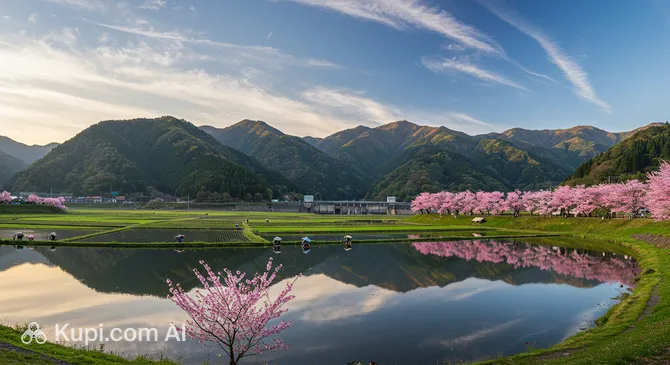
Kurihara is a picturesque and cozy city located in Miyagi Prefecture, in the northeastern part of Honshu Island. This place is perfect for those who want to see what authentic rural Japan is like, far from the bustling metropolises and neon lights. The city is nestled among green hills, dense forests, and spacious rice fields, creating a sense of complete harmony with nature.

Kurihara. Illustration.
Source: Kupi.com AI

Occupying a vast territory of over 800 square kilometers, Kurihara is one of the largest municipalities in the region by area. At the same time, the city's population is about 63,000 people, which allows it to maintain an atmosphere of peace and tranquility. Proximity to the major center of Sendai (only about 60 km away) makes the city a convenient starting point for traveling around the Tohoku region, combining accessible infrastructure with seclusion.

The famous Lakes Izunuma and Uchinuma bring special renown to the region. These are the largest wetlands in this part of the country, attracting ornithologists and nature lovers from all over the world, especially during the migratory bird seasons. Walking along scenic trails and wildlife watching are the hallmarks of this area.

The city carefully preserves its traditions and cultural heritage. The rich history of Kurihara is reflected in ancient temples and shrines that are harmoniously integrated into the surrounding landscape. Here, you can not only enjoy the views but also immerse yourself in the authentic atmosphere of the Japanese heartland, where life flows at its own special pace.

Kurihara will be a wonderful discovery for travelers seeking peace and new experiences. It is an ideal destination to take a break from the hustle and bustle, get acquainted with local hospitality, and see the beauty of Japanese nature with your own eyes.

Weather Overview

The climate in this region is characterized by distinct seasonality, allowing travelers to enjoy diverse landscapes throughout the year. When planning a trip, it should be noted that the weather in Kurihara dictates its own rules for choosing a wardrobe. In general, expect warm summers with frequent rain and cold, relatively dry winters.

The winter period here is quite cool. In January and February, the average temperature stays around 0°C — 1.5°C, and at night the air can cool down to -2.8°C. Although the volume of precipitation at this time is small, the number of wet days in January and December can reach 16, creating a characteristic winter atmosphere.

Summer brings warmth and high humidity. The hottest month is August, when the average temperature is about 24.9°C and maximum values reach 28°C. However, travelers should be prepared for precipitation: summer is the rainiest season, and in August, up to 21 days with precipitation are recorded.

Spring and early autumn are considered comfortable times to visit. Already in May, the air warms up to an average of 15.7°C, and September retains a pleasant warmth with figures around 21°C, before a gradual cooling begins in October.

Average monthly temperature

Average monthly precipitation

Interesting Facts

Beyond its main attractions, Kurihara holds many fascinating secrets and cultural features that reveal themselves only to the most attentive travelers. The city will surprise you with the close connection of its residents to nature and their careful attitude toward ancient traditions.

  • The unique Sekaiyachi Native Flower Trail is laid out in the city's surroundings. This route passes through picturesque wetlands where rare plant species grow. The area also serves as an important stopover for thousands of migratory birds, including swans and cranes, making it ideal for wildlife watching.

  • Fans of the mystical will be interested to know that local folklore is rich in legends about nature spirits and forest guardians. These legends are passed down from generation to generation, giving walks along forest trails a special mysterious atmosphere.

  • Here you can find secluded corners for spiritual practices, such as the ancient Zenkoji Temple. Unlike popular tourist spots, silence and peace reign here, allowing you to feel the spirit of old Japan.

  • The Sakuradasan Shrine is famous for its spring festivals, which are an important part of community life. During the holidays, you can see traditional rituals, performances by folk groups, and get acquainted with unique local crafts.

How to Get There

When planning a trip to this picturesque corner of Miyagi Prefecture, it is important to think through the logistics in advance. The city is located deep in the Tohoku region, and although it seems secluded, getting here is not difficult thanks to Japan's developed transport network. You can find out more about how to get to Kurihara by studying all available routes, and below we will look at the main air gateways welcoming travelers.

Since Kurihara itself does not have its own airport, tourists usually fly into neighboring major cities. The most popular and convenient option is Sendai Airport (IATA: SDJ). It is located in the city of Sendai, which is about 66.2 km from Kurihara. This is the region's main aviation hub with high passenger traffic, receiving many domestic and some international flights. The journey from here by taxi or bus will take approximately 120 minutes.

An alternative option could be Hanamaki Airport (IATA: HNA), serving the city of Morioka and surrounding areas. It is located about 78.2 km from Kurihara. This is a more compact, regional airport, which often means fewer queues and a calmer atmosphere. A trip by road from this air hub to the destination will take about 137 minutes.

For clarity, here is a summary of the main airports located relatively close to the city:

AirportPassenger trafficDistance
Sendai Airport3.5 mln66 km
Junmachi Airport223 11167 km
Hanamaki Airport739 12378 km
Shonai Airport364 815108 km
Akita Airport1.8 mln120 km

In addition to air travel, rail communication plays an important role in the region's transport accessibility. Japan is famous for its high-speed trains, and Kurihara is no exception. The city is served by Kurikoma-Kogen Station on the Tohoku Shinkansen line, which allows you to quickly and comfortably reach here from both Tokyo and the northern regions of Honshu Island. A train journey often becomes a pleasant experience in itself.

Main Attractions

A trip to Kurihara is an opportunity to touch the majestic nature of the Tohoku region and learn about the area's rich industrial past. The city offers tourists various routes: from mountain climbs to educational excursions into the depths of the earth. Here, everyone will find something to their liking, whether it's contemplating landscapes or studying history.

Mount Kurikoma. This peak is often called one of the most beautiful in the country, especially during the autumn period. In October, the mountain slopes are painted in vibrant red, orange, and yellow colors, creating a landscape known among Japanese as the "Divine Carpet." For tourists, there are hiking trails of varying difficulty, allowing them to enjoy panoramic views of the surroundings. In summer, the mountain attracts hiking enthusiasts with its fresh air and rich alpine flora.

Hosokura Mine Park Museum. A unique theme park created on the site of a former lead and zinc mine, the history of which dates back over a thousand years. Visitors can descend into real underground tunnels about 777 meters long, where the atmosphere of miners' work has been recreated. The exposition clearly demonstrates the history of mining, and the coolness of the underground provides pleasant relief on hot summer days. This place allows you to literally immerse yourself in the history of the region's industrial development.

Lake Izunuma. Although this place is famous as a sanctuary for migratory birds, it deserves special attention in summer thanks to the lotus blossoms. During the warm months, the lake's surface is covered with thousands of huge pink flowers, creating a mesmerizing sight. Tourists can take small boat rides directly among the blooming plants. Such a trip allows for incredible photos and a feeling of complete peace away from the city bustle.

Local Cuisine

The cuisine of Kurihara is a real gift for foodies wishing to experience the authentic tastes of Japan far from tourist clichés. At the heart of the local gastronomy is the principle of exceptional freshness: dishes are prepared from products grown in the vast rice fields and fertile valleys of Miyagi Prefecture, as well as from the treasures of nearby forests and bodies of water.

The main delicacy for which many come to this region is the famous Wagyu marbled beef. In local restaurants and cozy family establishments, it is prepared with special skill. Travelers should try this meat in traditional dishes such as sukiyaki or shabu-shabu, where the thinnest slices of beef reveal their delicate flavor. Gourmands also highly value local vegetables and mushrooms, which become the basis for flavorful soups and stewed appetizers.

Since the region is famous for its rice, desserts based on it occupy a special place on the menu. Be sure to try mochi — soft rice cakes made here with great love. Another popular treat is sweets with the addition of adzuki beans. These treats can be found both in specialized confectioneries and at the stalls of street vendors offering homemade food.

A gastronomic journey would be incomplete without tasting the drinks. Kurihara is proud of its sake, made from local rice; this drink is often served at dinner as the perfect complement to main courses. For those who prefer non-alcoholic options, local green tea grown on the hillsides will be a real discovery — its deep taste and aroma accompany many meals and tea ceremonies.

To immerse yourself in the city's atmosphere, it's worth visiting the farmers' markets. These are magnets for both locals and tourists: here you can buy fresh fruit, try street food, and find unique homemade preserves. In addition, gastronomic festivals are regularly held in Kurihara, where you can not only taste the prefecture's best dishes but also participate in culinary masterclasses.

Travel Tips

A trip to Kurihara will give you a unique experience of getting to know the Japanese heartland, but it requires slightly different preparation than a visit to major metropolises. To ensure your trip goes smoothly and leaves only pleasant memories, we have prepared a list of important practical recommendations to help you feel confident.

  1. Clothing and Seasonality. Since the climate here features humid summers and cool winters, dress in layers. For summer walks to the lakes, be sure to bring a light raincoat and insect repellent. If you plan to hike Mount Kurikoma, sturdy trekking shoes are necessary. Also, keep in mind that when visiting temples, you often need to take off your shoes, so choose shoes that are easy to remove and carry clean socks with you.

  2. Transport Logistics. Although Kurikoma-Kogen station can be reached by high-speed train, car rental is practically a necessity for moving within the city and surroundings. Public transport (buses) is infrequent and does not cover all natural attractions. Taxi apps may be unstable here, so it is better to arrange a transfer in advance or rent a car right at the station.

  3. Finances and Cash. Unlike Tokyo, in rural areas like Kurihara, many small restaurants and souvenir shops accept cash only (Japanese yen). Be sure to withdraw money in advance. ATMs that accept international cards can most often be found in 24-hour convenience stores (combini), such as 7-Eleven. Tipping is not customary in Japan; it may even embarrass the staff.

  4. Safety and Health. Kurihara is a very safe city, and you can walk peacefully at any time. However, when heading into forested areas or mountains, remember the wildlife (including bears in remote areas) — it is recommended to carry a special bell. Drug stores are in the city center, but they rarely operate 24/7, so it's better to bring a basic set of medicines with you.

  5. Communication and Internet. English is not widely spoken here, so download offline maps and a translator app to your smartphone in advance. Free Wi-Fi is available at stations and in some hotels, but for comfortable travel, it is highly recommended to rent a Pocket Wi-Fi or buy a tourist SIM card at your arrival airport, as it will be difficult to find them in the city itself.

  6. Local Etiquette. Japanese people highly value politeness and silence. In public places, try to speak quietly and do not talk on the phone in transport. Greet locals with a slight bow. Important to remember: never stick your chopsticks vertically into rice — this is a funeral ritual.

  7. What to Avoid. Do not attempt to enter hot springs (onsens) without first washing in the shower area — this is a serious violation of hygiene rules. Also, avoid walking in outdoor shoes on tatami (straw mats) in traditional inns or temples.

  8. Useful Tip. Keep in mind that life in the province winds down early. Many restaurants and shops may close as early as 18:00–19:00, especially on weekdays. Plan your dinner in advance so you don't go hungry after a busy day in nature.

By following these simple rules, you can easily find common ground with local residents and enjoy the peace of this amazing region. Kurihara reveals itself to those who respect its traditions and pace of life, giving incredible beauty and warmth in return.

Entertainment & Nightlife

Nightlife in Kurihara differs significantly from the noisy entertainment of Tokyo or Osaka. Here you won't find neon districts with multi-story nightclubs open until dawn. Instead, the city offers an immersion into the authentic atmosphere of provincial Japan, where evening leisure is primarily about heartfelt conversation, delicious food, and local flavor. Evening comes early here, and most establishments focus on creating comfort for small groups.

The center of evening life is rightfully considered the Tsukidate district. It is here, along the main streets and in the back alleys, that most of the establishments where locals relax after work are concentrated. The main format of entertainment is izakaya (traditional Japanese pubs), serving drinks and a variety of snacks. Also popular in the city are "snack bars" — small establishments with karaoke where the hostess (mama-san) keeps the conversation going with guests. This is a great chance to see the non-tourist life of the country from the inside.

If you want to spend the evening in a pleasant atmosphere, we recommend paying attention to the following establishments:

Sawazen (澤膳). This is a popular spot in the Tsukidate district, known for its excellent balance between a restaurant and an izakaya. Here you can try high-quality local cuisine, including fresh seafood and meat delicacies, accompanied by a good selection of sake. The interior is conducive to a quiet dinner, and the quality of service consistently receives high marks from visitors.

ZEST. If you are looking for something more like a classic bar, then this establishment would be an excellent choice. ZEST is known for its relaxed atmosphere where you can have a beer or a cocktail. It is one of the few places in the city that might remind you of a Western bar, but with Japanese hospitality. Both locals and the city's rare foreign guests often drop by here.

Izakaya Iwai (居酒屋 祝い). A classic izakaya with a lively and friendly atmosphere. This is an ideal place to try yakitori (chicken skewers) and other traditional snacks over a glass of cold beer. The crowd here is simple and open, allowing you to feel the real rhythm of life in Kurihara.

When planning an evening out, consider a few important practical points:

Transport and Safety. Public transport in Kurihara stops running quite early. If you plan to stay out late, the only way to get back to your hotel will be by taxi. We recommend writing down the numbers of local taxi services in advance or asking the restaurant staff to call a car for you. The city is absolutely safe for night walks, but the streets can be deserted and poorly lit outside the center of Tsukidate.

Payment and Etiquette. Most small bars and izakayas accept cash only. Be sure to take care of having enough bills in advance. The dress code in Kurihara's establishments is democratic; casual style will be appropriate everywhere. Remember that tipping is not customary — excellent service is already included in the bill.

"Daiko" Service. If you have rented a car, under no circumstances should you drive after consuming alcohol — the rules are very strict. Instead, use the popular "daiko" service, where two drivers arrive in one car: one drives you in your car, and the second follows behind. This is standard practice for this region.

As for daytime entertainment, Kurihara offers a rich program for nature and culture lovers. You can visit the Mount Kurikoma Geopark for breathtaking views, take a walk in the historic Sanno Park, or head to the Hosokura Mine Museum. In winter and autumn, these places are especially beautiful, offering a contrast to the cozy evenings in local establishments.
Parks & Museums

Kurihara's cultural landscape and green areas offer travelers an ideal balance between educational leisure and nature contemplation. The city, where provincial Japan reveals itself in all its glory, is rich not only in famous tourist spots but also in well-maintained parks and museums telling the story of the region's life in harmony with the water and mountain elements.

Semine Rindo Park. This place is a must-visit for flora lovers, especially during the spring period. The park is famous for its incredible collection of azaleas — over 160,000 bushes are planted here. In May, the hills are painted in bright pink and red tones, creating a stunning backdrop for photos. For tourists, this is an opportunity to see one of the most massive floral landscapes in Miyagi Prefecture and enjoy a leisurely walk along the well-kept paths.

Hanayama Lake Nature Park. Located around the Hanayama Dam, this park is a popular spot for outdoor recreation. Here you can have a picnic overlooking the calm water surface or go camping. In spring, cherry blossoms decorate the lake's shores, and in autumn — the fiery colors of maples. This place attracts travelers with its silence and the opportunity to take a break from digital noise surrounded by mountains.

Kurikoma Sanroku Geopark Visitor Center. This modern information and museum center serves as a gateway to understanding the geology and nature of the region. The exhibits tell the story of Mount Kurikoma's formation, the consequences of earthquakes, and the area's unique ecosystem. For tourists, this is a great chance to learn the scientific background of the landscapes they admire while hiking and to understand how the forces of the earth have shaped the lives of local communities.

Izunuma-Uchinuma Sanctuary Center. While Lake Izunuma itself is a place for bird watching in their natural habitat, this center is its "brain" and museum. It features dioramas, interactive exhibits, and detailed information on the migration routes of swans and geese. Powerful telescopes are installed on the second floor, allowing you to see the lake's feathered inhabitants in detail without disturbing them. This place makes ornithology accessible and interesting even for those who have never been into it before.

Shogo Shiratori Literature Museum. A small but atmospheric memorial museum dedicated to the famous Japanese poet and writer, a native of these parts. The exhibition immerses you in the world of early 20th-century Japanese literature. Visiting this place allows you to touch the intellectual history of the city and see how local landscapes inspired the creators of the past.

For those looking for hidden gems, we suggest paying attention to the small historical shrines scattered across the hillsides around the city. They are often not marked in major guidebooks, but that is where you can find old stone lanterns covered in moss and feel the mystical atmosphere of antiquity in complete solitude.

Getting Around

The public transport system in Kurihara has its own characteristics typical of spacious and sparsely populated provincial regions. Here you will not find subways, trams, or trolleybuses. The main transport load falls on bus routes and rail communication; however, it's worth considering that the schedule is drawn up with the needs of local residents in mind rather than tourists, and service intervals can be significant.

The railway serves as the main way to arrive in the city and move between its remote areas. The key transport hub is Kurikoma-Kogen Station, which receives Shinkansen high-speed trains. In addition, the regular JR Tohoku Main Line passes through the city's territory (Semine, Ishikoshi stations). This is a convenient and punctual mode of transport, but it covers only a small part of the municipality's vast territory.

For movement within the city, a network of municipal buses called Kurihara Citizen Bus operates. Routes connect railway stations with main residential areas, hospitals, and some tourist sites, such as Mount Kurikoma (in season) or the administrative center. Buses do not run frequently: on some lines, there may be only a few trips a day. Boarding is usually through the back door, and exiting is through the front.

The payment system on local buses might seem unusual. When boarding, you must take a ticket (seiriken) from the machine by the door; the number on it corresponds to the boarding zone. The fare is displayed on an electronic board above the driver and depends on the distance. Payment is made only in cash when exiting: coins and the ticket should be dropped into the transparent box next to the driver. Transport IC cards (Suica, Pasmo), popular in metropolises, most often do not work on Kurihara's local buses, so always have small change (100 and 500 yen coins) and 1,000 yen bills for change with you.

Given the long distances between attractions, the most convenient alternative to public transport is car rental. Rental points are located right at Kurikoma-Kogen station. This will give you freedom of movement and allow you to reach scenic mountain roads and lakes where buses do not go. You will need a valid international driving permit to rent.

Taxis are a reliable but fairly expensive way to get around. Cars always wait for passengers at stands near railway stations. Catching a taxi by hailing it on the street in rural areas is practically impossible, so it's better to order a car through the hotel administrator or by phone. Taxi apps here may work unstably or not find available cars at all.

For local excursions, especially in the Lake Izunuma area, bicycle rental is available during the warmer months. This is an excellent way to leisurely see the natural beauty, but a bicycle is not suitable for trips to the mountainous part of the city due to the challenging terrain and long distances.

Accommodation

The choice of accommodation in Kurihara reflects the calm and measured pace of life in this region. Here you won't find huge chain resorts or luxury five-star skyscrapers. Instead, the city offers travelers the comfort and authenticity of provincial Japan: from functional business hotels to traditional inns with hot springs tucked away in forested mountains.

For those who value logical convenience and plan to actively move around the region, the Kurikoma-Kogen Station area is the best choice. Modern Western-style hotels are concentrated here, offering clean and compact rooms with all necessary amenities. This is a strategically advantageous location: you are within walking distance of the Shinkansen high-speed trains and car rental points, making this area an ideal base for day trips.

If your goal is complete immersion in the atmosphere and relaxation, it's worth looking at the areas at the foot of Mount Kurikoma and around the Hanayama hot springs. This is where ryokans are located — traditional inns where you can sleep on futons spread out on tatami mats and enjoy healing waters in the hotel's own onsens. Staying in such places often includes an exquisite dinner made from local seasonal products, which is an experience in itself.

Booking Tips. Kurihara is a popular destination for domestic tourism, especially during the "momiji" season (October), when the mountain slopes turn crimson. During this period, as well as during the May holidays, it is necessary to book accommodation several months in advance. Keep in mind that many small family-run guesthouses (minshuku) may not be represented on global international platforms, so it's worth looking into local options or contacting tourist centers.

The price range in the city varies from budget to mid-range. A night in a business hotel will be relatively inexpensive, while staying in a ryokan with full board will cost more, but justifies itself with the level of service. Important to remember: when choosing accommodation far from the city center (for example, in the mountains), it is highly recommended to book a rate with dinner and breakfast included, as finding an open restaurant nearby in the evening can be problematic.

Nearby Cities

For those who want to explore the surrounding area, Kurihara serves as an excellent starting point for day trips to several interesting nearby places. Just an hour's drive away is the major city of Sendai — the administrative and cultural center of the region, known for its festivals and historical samurai heritage. Nature and hot spring lovers should look towards Osaki, where they can enjoy a relaxing break, while Ichinoseki will attract those who want to see picturesque gorges and ancient temples.

CityPopulationDistance
Osaki127 13518 km
Furukawa22 58518 km
Wakuya15 17723 km
Ichinoseki111 82424 km
Taiwa28 30735 km

These nearby destinations provide an insight into the diverse culture and landscapes of the region.

Shopping & Souvenirs

Shopping in Kurihara is not a hunt for global brands, but an opportunity to touch the real life of the Japanese heartland. The city does not abound with huge malls but offers tourists a unique experience of buying local goods. Here, in the heart of an agricultural region, the emphasis is on the freshest farm products, traditional crafts, and exclusive drinks. Shopping here will be a continuation of your acquaintance with the culture that Japan carefully preserves: calm, measured, and full of respect for nature.

The city does not have one distinct pedestrian shopping street familiar to European tourists. Main commercial life is concentrated along the main transport arteries, particularly along National Route 4. Traveling along this road, you will encounter large supermarkets, electronics stores, pharmacies, and bookstores. It's also worth dropping by the Tsukidate district, where small family shops with a special, nostalgic atmosphere have been preserved.

For those looking for a comfortable and familiar shopping format, the main attraction is the Aeon Super Center Kurihara Shiwahime. This is a large-scale shopping complex combining a grocery hypermarket, clothing stores, household goods, and cosmetics under one roof. Here you can find everything you need for your trip, as well as purchase popular Japanese sweets in gift packaging. The presence of a large parking lot makes it a convenient stop for car travelers.

Special attention should be paid to local markets and so-called "Michi-no-Eki" — roadside stations that serve as a showcase for the region. Be sure to visit the Kinkonkan (Kannari) station. This is not just a resting place for drivers, but a real farmers' market selling freshly picked vegetables, fruits, and local delicacies. This is exactly where you can find unique goods that are not supplied to large chains and chat with local residents.

When choosing what to bring back from your trip, pay attention to gastronomic souvenirs:

  • Sake. Kurihara is famous for its sake breweries, such as Hagino Shuzo. A bottle of local premium drink will make a prestigious and tasty gift.
  • Rice sweets. The region is known for its rice, so they make excellent mochi (rice cakes) and senbei (crackers) here.
  • Local pickles. Traditional Japanese tsukemono, prepared according to homemade recipes, will surprise you with their rich flavor.

When planning your shopping, keep in mind that the pace of life here differs from the capital. Large shopping centers usually operate until 21:00, but small private shops and souvenir stalls often close as early as 18:00 or 19:00. As for payment, supermarkets and combini (convenience stores) accept cards, but in small shops and markets, cash (yen) remains the primary, and sometimes the only, means of payment.

The possibility of Tax Free shopping in Kurihara is limited. This service is provided mainly by large chain stores (for example, Aeon or large pharmacy chains) for purchases over 5,000 yen. Be sure to look for the Tax Free sticker at the entrance and have your passport with you, as this option is generally unavailable in small local shops.

Reached the end of the page?

That means the route is fully explored