Support

Ueda

About

Ueda is a true gem of Nagano Prefecture, nestled comfortably in a picturesque valley surrounded by verdant mountains. The city lies on the banks of the Chikuma River, the longest in Japan, which gives it a special atmosphere of tranquility and harmony with nature. Thanks to its location, Ueda is an excellent starting point for traveling through the central part of the country, as well as for getting to know the authentic Japanese countryside.

Ueda. Illustration.
Source: Kupi.com AI

With a population of about 153,000 people, Ueda maintains a surprising balance between the measured pace of a small town and the infrastructure of a modern center. It is an important administrative and cultural hub of the region, famous for its rich history dating back to the Sengoku period (Era of Warring States). There is no hustle and bustle of megacities here, but instead its own unique rhythm and a special, almost family-like atmosphere.

The main highlight of Ueda is its castle past. The city is famous for its majestic Ueda Castle, picturesque parks, and the deeply rooted traditions of the Sanada clan, which still come to life in local culture and annual festivals. Tourists will find not only historical monuments but also relaxing hot springs (onsens), magnificent surroundings for hiking and cycling, and cozy streets with atmospheric cafes and shops where unique souvenirs can be found.

Ueda is a must-visit for everyone seeking authentic Japanese culture, those who love history and nature, and those who want to take a break from noisy tourist routes. The city welcomes guests with sincere hospitality, a variety of attractions, and a unique opportunity to touch the true soul of the Land of the Rising Sun.

You can find more interesting facts on the Ueda city history page.

Weather Overview

The weather in Ueda is characterized by distinct seasonal changes. Summer here is warm, with the hottest month being August, which has an average temperature of about 23.1°C (maximum temperatures can reach 26.9°C). July is the month with the highest precipitation (10 mm) and the highest number of rainy days (24 days). Winters are cold, with the coldest month being January, having an average temperature of -2.3°C (minimum temperatures can drop to -5.8°C). There is little precipitation in winter, about 4 mm per month, but the number of days with precipitation (snow or rain) remains significant, such as 19 days in January.

In general, expect warm summers in Ueda with periodic but not very heavy rain, and cold winters with light precipitation but frequent days of snow or rain. Spring and autumn are transitional seasons with moderate temperatures and rainfall. For more detailed information, check the full forecast: Ueda Climate.

Average monthly temperature

Average monthly precipitation

Interesting Facts

In addition to its famous landmarks, Ueda hides many amazing stories and little-known details that make this city truly special. Ready to learn some of them?

Sanada Shrine. Illustration.
Source: Kupi.com AI

Traveler photos:

  • The Impregnable Sanada Fortress: The city of Ueda entered history thanks to its castle, built by Sanada Masayuki. This citadel became famous for twice successfully repelling attacks by the superior forces of the Tokugawa clan, securing Ueda's reputation as an impregnable bastion. Although only ruins and reconstructed towers remain of the original castle, its spirit and the history of the Sanada clan are carefully preserved, including at such an iconic site as the Sanada Shrine.

  • A Festival of Living History: Every year on April 29th, Ueda is transformed during the Sanada Clan Festival. This is not just a holiday, but a true immersion into the past with parades of warriors in samurai armor, reenactments of legendary battles, and the chance to meet descendants of the famous clan.

  • A Hero for All Time – Sanada Yukimura: The name of Sanada Yukimura, one of Japan's most revered samurai, is inextricably linked with Ueda. His bravery and military genius became the basis for countless legends, theatrical plays, and even modern anime and video games, making his legacy alive today.

  • The World Through Ueda Shoji's Lens: The city gave the world Ueda Shoji, an outstanding photographer whose surreal and avant-garde works received international acclaim. There is a photography museum in Ueda dedicated to his work, where you can see the master's unique perspective on the world.

How to Get There

There are several ways to reach the city of Ueda, located in the picturesque Nagano Prefecture in Japan; however, the most convenient for international travelers is a flight followed by a transfer via ground transportation. Ueda itself does not have its own airport, but several regional and international airports are within accessible distance.

One of the primary options for arriving in the region is Haneda Airport (IATA: HND) in Tokyo. This is one of Japan's largest airports, serving a huge number of international and domestic flights. The distance from Haneda Airport to Ueda is approximately 167 km. A trip by car or a combination of train and bus can take about 4.5 hours. From Haneda, it is easy to reach Tokyo's main railway stations, where high-speed trains (shinkansen) depart toward Nagano, making this option convenient despite the distance.

Significantly closer to Ueda is Matsumoto Airport (IATA: MMJ), located in the city of Matsumoto, only about 39 km away. This small regional airport mainly handles domestic flights. From here, you can reach Ueda by taxi or local bus in approximately 1 hour and 20 minutes. If you are planning a domestic flight within Japan, this airport could be the fastest route to Ueda.

Another alternative is Toyama Airport (IATA: TOY), located in Toyama, roughly 99 km from Ueda. This airport serves both domestic and some international flights. The journey from Toyama Airport to Ueda by car or public transport takes approximately 2 hours and 50 minutes.

For clarity, here is a summary of the main airports from which you can reach Ueda:

AirportPassenger trafficDistance
Matsumoto Airport112 61839 km
Toyama Airport736 74099 km
Noto Airport207 427152 km
Komatsu Airport1.8 mln165 km
Haneda Airport85.7 mln167 km

After arriving at one of the mentioned airports, it is recommended to use Japan's sophisticated public transport system for the onward journey to Ueda. From Tokyo (Haneda Airport) and other cities with airports, Ueda can be reached by train, including high-speed shinkansens (with potential transfers), or by intercity buses. Check the current schedule in advance and plan your route for a comfortable trip.

Main Attractions

The city of Ueda, located in Nagano Prefecture, is rich in history and culture, offering tourists several interesting places to visit. Here, everyone will find something for themselves, from ancient shrines to unique gastronomic experiences.

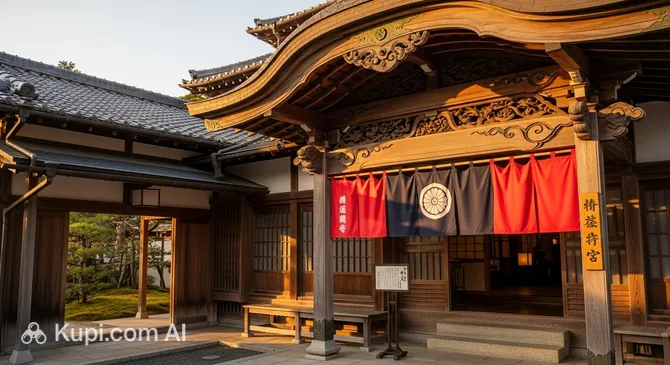
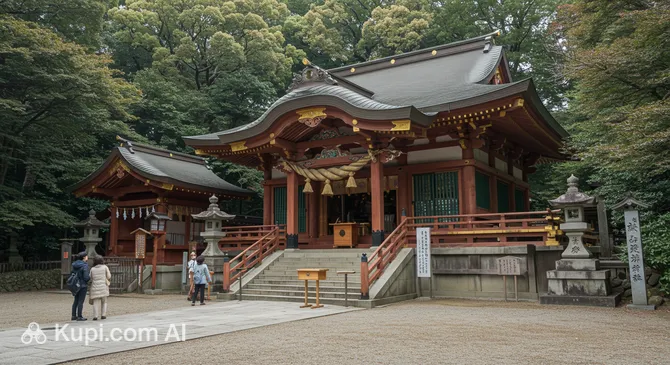
One of the key attractions is the Sanada Shrine. This site is inextricably linked to the powerful Sanada clan, which played an important role in Japanese history. The shrine attracts visitors with its historical atmosphere and beautiful architecture. It is considered a place of power and good luck, especially for those interested in samurai history.

Sanada Shrine. Illustration.
Source: Kupi.com AI

Traveler photos:

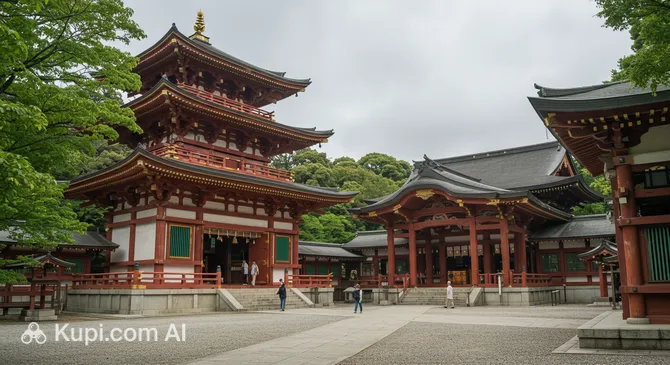
Another significant site is Shinano Kokubun-ji Temple. This ancient Buddhist temple is one of the provincial temples (kokubun-ji) founded by decree of Emperor Shomu in the 8th century. A visit to the temple allows you to touch centuries of history and the spiritual traditions of the region. A three-story pagoda, which is an important cultural property, is also located on its grounds.

Shinano Kokubun-ji. Illustration.
Source: Kupi.com AI

Traveler photos:

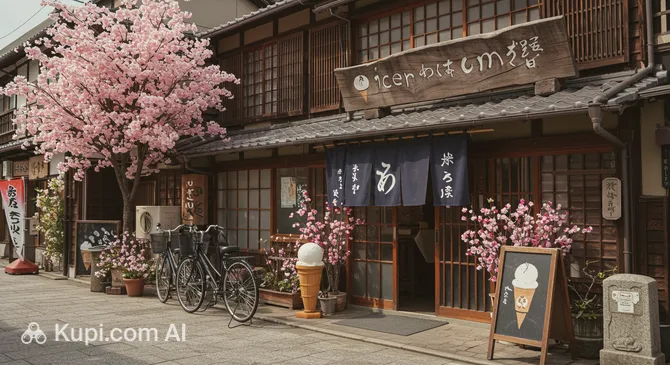
For those who want to try something unusual, it's worth stopping by the Fuji Ice Cream Shop. This establishment is known for its original ice cream, including a version with miso, which is a local specialty. It is a popular spot for both locals and tourists wanting to enjoy unique flavors and relax in a pleasant setting.

Local Cuisine

The cuisine of Ueda is a true immersion into the world of traditional Japanese flavors, with special emphasis placed on the freshness of local ingredients and centuries-old recipes. The city's gastronomic scene will delight both connoisseurs of authentic food and curious travelers seeking new taste sensations.

Ueda's main gastronomic pride is undoubtedly soba – buckwheat noodles. They are prepared here using ancient techniques and the purest mountain spring water, which gives the noodles a special flavor. Soba is served in various ways: hot in a fragrant broth or cold with a dipping sauce, often with added fresh vegetables or wild mountain greens. This dish is a must-try for every guest of the city.

Beyond soba, Ueda's kitchen is famous for dishes made from seasonal products. Depending on the time of year, you will be offered delicacies made from wild mushrooms, mountain vegetables (sansai), and fresh river fish. In autumn, dishes with chestnuts and sweet potatoes are particularly popular. Local chefs adhere to the principle of "simplicity and sophistication," striving to emphasize the natural taste of each ingredient.

Don't overlook the local desserts. Traditional Japanese sweets, such as mochi filled with sweet adzuki bean paste, prepared according to recipes passed down through generations, can be found at farmers' markets and confectioneries. As for drinks, the meal is perfectly complemented by traditional Japanese tea or local sake, known for its quality thanks to the region's clean water. You can also find refreshing drinks based on local fruits.

You can get acquainted with Ueda's culinary traditions in numerous restaurants and eateries. Many establishments specialize in soba, offering it in a wide variety of styles. One place where you can enjoy authentic Japanese cuisine is the Nisso-tei restaurant. It's also worth visiting local farmers' markets, which sell fresh produce, homemade pickles, and unique delicacies. Throughout the year, Ueda also hosts food festivals, providing an excellent opportunity to sample the full diversity of local cuisine.

Nissho-tei. Illustration.
Source: Kupi.com AI

Traveler photos:

Ueda's gastronomy is a combination of centuries-old traditions, the freshest local products, and a special attitude toward food. By trying the local dishes, you will not only satisfy your hunger but also touch the culture of this amazing corner of Japan.

Travel Tips

Welcome to Ueda! To make your journey to this historical city in Nagano Prefecture as comfortable and memorable as possible, we have prepared some practical tips to help you navigate better on site.

  1. Clothing by Season and Essentials: The climate in Ueda is continental, with distinct seasons. In summer (June-August), it is quite hot and humid, so choose light, breathable clothing. In winter (December-February), expect cold and snow – warm items, including a hat, gloves, and scarf, are mandatory. Spring and autumn delight with moderate temperatures and are perfect for walking, but the principle of layering is always relevant. A key point is comfortable footwear, as you will be walking a lot while exploring Ueda Castle, temples, and city streets. Don't forget an adapter for electrical appliances: Japan uses type A and B sockets with 100V voltage.

  2. Getting Around Town: The central part of Ueda is quite compact, and many attractions are within walking distance of each other. For longer trips, you can use local buses. Ueda Station is an important transport hub from which trains depart to other cities in Nagano Prefecture and throughout Japan. Taxis are available but can be relatively expensive. Renting a car may be justified if you plan to explore the scenic surroundings and mountainous areas of Nagano, but remember to drive on the left and that you'll need an international driving permit.

  3. Financial Matters: The official currency is the Japanese Yen (JPY). It's best to exchange currency at the airport upon arrival, at banks, or at specialized exchange offices. Credit and debit cards are widely accepted in hotels, large stores, and many restaurants; however, cash remains king, especially in small family-run establishments, temples, and local markets. ATMs that accept international cards can most often be found in 7-Eleven (Seven Bank) branches and post offices (Japan Post Bank). It's important to know that tipping in Japan is not practiced and may even cause confusion. An approximate daily budget per person (excluding accommodation and major purchases) can range from 5,000 to 10,000 yen.

  4. Health and Safety: Ueda, like Japan as a whole, is famous for its exceptional safety. The crime rate here is very low. Nevertheless, basic precautions, such as keeping an eye on personal belongings in crowded places, are always a good idea. Pharmacies (often marked with the character 薬 - kusuri) are quite common, but not all pharmacists speak English. It is recommended to have a translation app or write down the names of necessary medications in advance. If you need serious medical help, contact large hospitals; be sure to take out travel medical insurance before your trip.

  5. Language and Connectivity: The official language is Japanese. In tourist centers like Ueda Castle or major hotels, you can find English-speaking staff, but in general, the level of English proficiency among the population is not high. Learning a few simple phrases in Japanese (e.g., "konnichiwa" – hello, "arigato" – thank you, "sumimasen" – excuse me/sorry) will not only make communication easier but also show respect for the local culture. A SIM card for mobile internet can be purchased at airports or large electronics stores. Free Wi-Fi is available in many hotels, some cafes, and public areas. Offline maps and translation apps will be useful.

  6. Local Etiquette and Traditions: Japanese people are very polite and place great importance on etiquette. A greeting is usually accompanied by a bow – its depth depends on the situation and the status of the person you're speaking to. In public places, especially on transport, it is customary to keep quiet and not talk loudly on the phone. When entering Japanese homes, many temples, and traditional restaurants (ryokans), you must remove your outdoor shoes. Pay special attention to chopstick etiquette: for example, never stick chopsticks vertically into rice, as this is associated with funeral rites.

  7. Things to Avoid: In addition to the chopstick rule mentioned, try not to eat or drink while walking on the street (exceptions include special food zones or festivals). Blowing your nose in public is considered impolite – it's better to step away to a restroom. Also, it is not customary to point at people with a finger; use an open palm instead.

  8. Immerse Yourself in Samurai History: Ueda is inextricably linked with the legendary Sanada clan, famous for its valor and strategic genius. Visiting Ueda Castle is not just about viewing ancient walls, but a real touch of the rich samurai history of Japan. Try to learn a little about the Sanada clan and its role in the country's history before your visit – this will make your castle visit even more meaningful and engaging. If your trip coincides with April, don't miss the chance to see the colorful Ueda Sanada Festival (Ueda Sanada Matsuri), which reenacts historical battles.

We hope these tips help you better prepare for your trip to Ueda and fully enjoy the unique atmosphere, rich history, and culture of this remarkable Japanese city. Have a pleasant journey!

Entertainment & Nightlife

When the sun sets over the horizon of Ueda, the city offers travelers various ways to spend an evening filled with local color. While Ueda may not boast the boisterous night clubs of a metropolis, it charms with its cozy and authentic atmosphere for evening relaxation. The main nightlife here is centered around restaurants, traditional Japanese pubs (izakaya), and small bars where you can enjoy local cuisine and drinks in a calm setting.

Evening entertainment in Ueda is closely intertwined with gastronomic delights. Izakayas hold a special place – these are not just bars, but an essential part of Japanese culture. Imagine small, often family-run establishments where a variety of snacks are served to the table, perfectly paired with sake, shochu, or local beer. The atmosphere in an izakaya is usually lively but not rowdy; you can hear the laughter and conversations of locals discussing their day. It is a wonderful place to feel like part of the local community. Besides izakayas, the city features other bars with perhaps a quieter or themed setting where you can enjoy a drink alone or with a small group.

You will find many establishments offering both local delicacies and international cuisine. The atmosphere in such places is usually relaxed and welcoming, attracting both residents and tourists. Most establishments stay open until late evening, allowing for a leisurely dinner. The dress code is generally casual, unless you choose a fine-dining restaurant. Among the places where you can spend a pleasant evening over dinner, Nisso-tei is well-known for its cuisine. You can also drop by the Fuji Ice Cream Shop, which can be a pleasant end to the evening, especially in warm weather.

Fuji Ice Cream Shop. Illustration.
Source: Kupi.com AI

Traveler photos:

When planning evening activities, it is best to focus on the central areas of Ueda, where most restaurants and bars are concentrated. Popular spots are best visited in the early evening, especially on weekends when they might be busy. As for prices, they vary depending on the level of the establishment, but overall, options for any budget can be found. To get around the city at night, it is most convenient to use a taxi; they can be called by phone or found at designated taxi stands.

Ueda is considered a quite safe city, and evening walks along the well-lit central streets usually cause no concern. Nevertheless, it is always wise to observe standard precautions, especially in unfamiliar places. Keep your valuables with you and avoid poorly lit or deserted areas late at night.

During the day, Ueda offers other types of entertainment. Tourists can visit historical landmarks such as castles and temples, for example, Sanada Shrine or Shinano Kokubun-ji Temple, explore museums to dive deeper into the region's culture, or simply stroll through picturesque parks and enjoy the nature of Nagano Prefecture. Although the city lacks major amusement parks, its cultural heritage and natural beauty more than compensate, offering a rich daytime itinerary.

Parks & Museums

The city of Ueda, nestled in the picturesque Nagano Prefecture, offers its guests a wonderful blend of peaceful green oases and rich cultural heritage. Here, every traveler—whether a lover of quiet nature walks or a history buff—will find something to their liking.

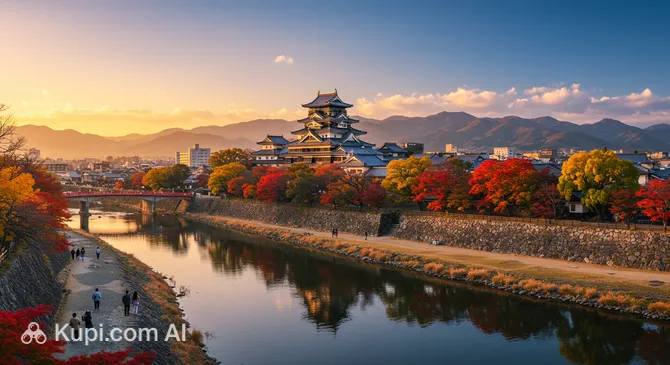
The main green jewel of Ueda is undoubtedly Ueda Castle Ruins Park. This expansive park is laid out on the site of the historic Ueda Castle, which played a key role in Japanese history, especially thanks to the valor and strategic genius of the Sanada clan. Today, it is a favorite spot for locals and tourists for leisurely strolls, picnics, and admiring the changing seasons, particularly the delightful cherry blossoms in spring. Within the park's grounds, you'll also find the historically significant Sanada Shrine, which we will discuss in more detail below.

In addition to Ueda Castle Ruins Park, the city itself and its surroundings, as part of Nagano Prefecture, offer magnificent opportunities for connecting with nature. For walks and outdoor relaxation, you can visit Shimin-no-Mori Park (Citizen's Forest), which offers forest trails and picnic areas. Lovers of grander natural landscapes and active recreation should look toward the Utsukushigahara Kogen Highlands. Although located some distance from Ueda, a trip there rewards you with panoramic views, alpine meadows, and an extensive network of hiking trails, especially charming in the summer and autumn months. Furthermore, numerous trails in the foothills of the Japanese Alps surrounding the region are suitable for both leisurely walks and more serious hiking.

Beyond natural beauty, Ueda is proud of its rich cultural and historical heritage. For those seeking a deeper understanding of the city's past, the doors of its museums are open. The Ueda City Museum, located within the grounds of Ueda Castle Park, offers fascinating exhibits dedicated to the famous Sanada clan, the turbulent Sengoku period ("Age of Warring States"), as well as traditional local crafts like sericulture, for which this region was historically famous. Art connoisseurs should visit the Ueda City Museum of Art, part of the modern Santomyuze cultural complex. Here, you can view works by local artists and temporary exhibitions covering various art forms.

Among Ueda's iconic cultural and historical sites, the Sanada Shrine stands out. This place holds immense spiritual and historical significance for the city, as it is dedicated to the legendary Sanada clan, known for their bravery and military prowess. A visit to the shrine allows you to touch Japan's samurai history and pay respects to this influential lineage. It attracts both pilgrims and tourists interested in Japanese culture.

Another historical gem of Ueda is Shinano Kokubun-ji Temple. This is one of the oldest and most significant Buddhist temples in the region. Founded in the 8th century by imperial decree as one of the provincial temples (kokubun-ji), it bears witness to centuries of history. On the temple grounds stands an impressive three-story pagoda, recognized as an important cultural property of Japan. A visit to Shinano Kokubun-ji Temple is a wonderful opportunity to immerse yourself in the country's ancient Buddhist traditions.

For those seeking authentic experiences and wanting to feel the atmosphere of old Japan, we recommend a stroll through the Yanagimachi historical district. Traditional houses, craft shops, and cozy restaurants have been preserved here. Also, don't miss the chance to check out local markets or visit smaller, lesser-known temples and shrines, which may hide their own unique stories and special charm, offering unexpected discoveries.
Getting Around

Public transport in Ueda consists mainly of railway connections and bus routes, allowing for convenient travel both within the city and to its picturesque surroundings. For tourists, this means easy access to key attractions and comfortable movement during their visit.

The city's central transport hub is Ueda Station. It serves JR East lines, including the high-speed Hokuriku Shinkansen (convenient for intercity travel to and from Ueda), as well as the local Shinano Railway line. The Shinano Railway plays a key role in the intracity and suburban transport system, connecting various parts of Ueda and nearby settlements. Japanese trains are famous for their punctuality, and Ueda is no exception – schedules are strictly followed.

The bus network in Ueda complements the rail service, providing access to areas not reached by trains. Local buses operated by companies such as Ueda Bus are a convenient way to reach certain tourist sites or simply explore the city. Route information and current schedules can usually be found at bus stops, on the official websites of transport companies, or at tourist information centers.

For fare payment, the most convenient and common method is using rechargeable electronic IC cards such as Suica, PASMO, or ICOCA. These cards are accepted on both trains and most buses – simply tap the card against the reader (validator) when entering and exiting a station or bus. Of course, single paper tickets can also be purchased. They are sold at special machines at railway stations or directly from the bus driver (in the latter case, it is advisable to have small change as change may be limited). Train fares usually depend on the distance traveled, while bus fares may be flat or zone-based.

A few practical tips: buy train tickets from station machines or, if necessary, at ticket offices. In buses, payment by IC card or cash is typically made upon entry or exit – pay attention to instructions inside the cabin. Public transport in Ueda usually begins operation early in the morning and ends late in the evening, but there is no 24-hour service. To plan routes and check schedules, it is very convenient to use online maps and specialized Japanese transport apps such as Google Maps, Jorudan, or Navitime. They provide up-to-date information and help build optimal routes considering transfers.

In addition to public transport, alternative ways of getting around are available in Ueda. You can always use taxi services, with stands easily found at the railway station and other busy points in the city; however, keep in mind that this is a more expensive option. For a leisurely tour of the central part of the city or attractions like Ueda Castle and its adjacent historical quarters, renting a bike can be an excellent choice. Rental points are often found in tourist areas and offer bikes for a few hours or the whole day. If you plan longer trips around Nagano Prefecture, you might consider renting a car.

Accommodation

In the city of Ueda, travelers will find various accommodation options to suit different preferences and budgets. The choice of housing is wide enough to satisfy both budget-conscious tourists and those seeking enhanced comfort.

Various types of accommodation are represented in Ueda: from budget guesthouses and hostels to mid-range hotels and traditional Japanese inns – ryokans, which offer a unique cultural experience. Short-term rental apartments are also available, which can be convenient for families or long stays. Business hotels offer comfortable accommodation for corporate travelers.

When choosing a place to stay, many tourists prefer areas near Ueda Station. This provides convenient access to public transport for trips around the city and its surroundings. Accommodation options near historical sites, such as the Sanada Shrine, are also popular, allowing you to easily explore the city's cultural heritage on foot.

It is recommended to book your accommodation in advance, especially if your trip is planned during peak tourist seasons, such as the cherry blossom season or the autumn foliage (momiji) period. Most accommodation options in Ueda can be found and booked through popular international online platforms or directly on hotel websites. The price range varies from quite affordable options to premium offerings in certain ryokans and hotels.

Nearby Cities

For those wishing to explore the surrounding area, Ueda serves as an excellent starting point for day trips to several interesting nearby locations:

Among them, Nagano stands out particularly, known for its majestic Zenko-ji Temple and as the host of the 1998 Winter Olympics, offering a rich cultural heritage. Matsumoto is famous for one of Japan's most beautiful and well-preserved original castles – Matsumoto Castle, which is a national treasure. And Toyota, located quite close by, can be a convenient point for getting to know a modern Japanese city and its surroundings, offering both industrial tours and green zones for relaxation.

CityPopulationDistance
Tomi29 2139 km
Sakaki13 9679 km
Komoro41 06618 km
Chikuma58 75519 km
Toyota422 10622 km

These nearby destinations provide an insight into the diverse culture and landscapes of the region. Each trip promises new discoveries and impressions, complementing your journey through Japan.

Shopping & Souvenirs

Shopping in Ueda offers tourists the opportunity to purchase both traditional Japanese goods and modern products. The city is not a major fashion or electronics hub like Tokyo or Osaka, but here you can find unique local products and souvenirs reflecting the culture and history of the Nagano region.

The main shopping spots are concentrated in the city center, especially around Ueda Station and its adjacent streets. Here, you'll find small shops, department stores, and specialty boutiques offering a variety of goods – from clothing and footwear to food items and household essentials.

Major modern Western-style shopping centers may be few in Ueda. However, you can find several department stores or shopping arcades in the city where various shops are gathered under one roof. It's also worth looking for stores belonging to chains common throughout Japan.

While Ueda is not famous for large markets like some other Japanese cities, you can encounter small local markets where farmers sell fresh seasonal produce and artisans sell their crafts. Visiting such a market can be an interesting experience and an opportunity to buy something authentic.

For souvenirs from Ueda, consider local handicrafts such as ceramics or textiles. Local delicacies are also popular, such as soba (buckwheat noodles), for which Nagano Prefecture is famous, locally produced sake, and various sweets. Given the city's historical significance, you can find souvenirs related to the Sanada clan, for example, near the Sanada Shrine.

Most shops in Ueda are typically open from 10:00 or 11:00 AM to 7:00 or 8:00 PM. Large department stores may stay open a bit longer. Regarding payment, credit cards are accepted in many shops, especially larger ones. However, it's always useful to have some cash on hand, especially for purchases in small shops or at markets.

Tourists in Japan can take advantage of the Tax Free system when purchasing goods over a certain amount in participating shops. Usually, you need to present your passport for this. Look for corresponding "Tax Free Shopping" signs in shop windows.

Reached the end of the page?

That means the route is fully explored