Support

Suwa

About

Suwa is a charming city nestled in the heart of Japan, in Nagano Prefecture. It is famous for its unique atmosphere, which combines the tranquility of provincial life with a rich cultural heritage and magnificent natural landscapes. It is a place where you can relax both soul and body, enjoying harmony and hospitality.
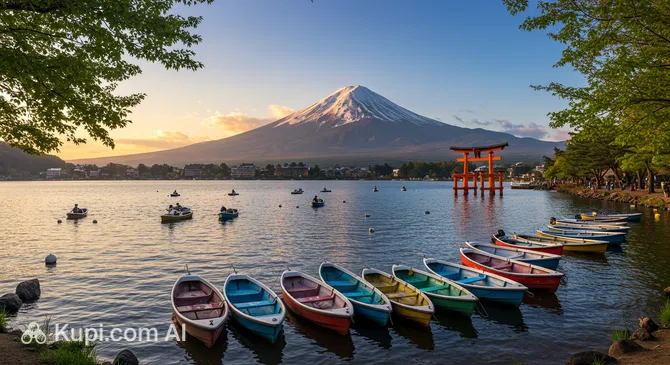
Suwa. Illustration.
Source: Kupi.com AI

The city is located on the shores of the picturesque Lake Suwa, surrounded by rolling hills and the majestic Yatsugatake mountain ranges, which gives it the special charm of an alpine resort. The population of Suwa is about 48,000 people, allowing the city to maintain a cozy and measured pace. You can get here from Tokyo in about two hours, making Suwa an attractive destination for both short weekend trips and full vacations.

Suwa attracts tourists with its rich historical heritage and is considered one of the centers of ancient Shinto culture. Here you can visit the famous Suwa Taisha temple complex, one of the oldest and most significant in the country. The city is also known for its traditional hot springs — onsens, where you can relax with a mountain view. Art lovers will appreciate the local art museums, and walks along the shore of Lake Suwa will provide unforgettable impressions and the opportunity to observe rare birds.

Suwa is an ideal place for those seeking peace, wanting to experience ancient Japanese traditions, and enjoy the beauty of nature. Come to Suwa to discover this amazing corner of Japan, which is sure to leave warm memories.

You can find more interesting facts on the history of Suwa page.
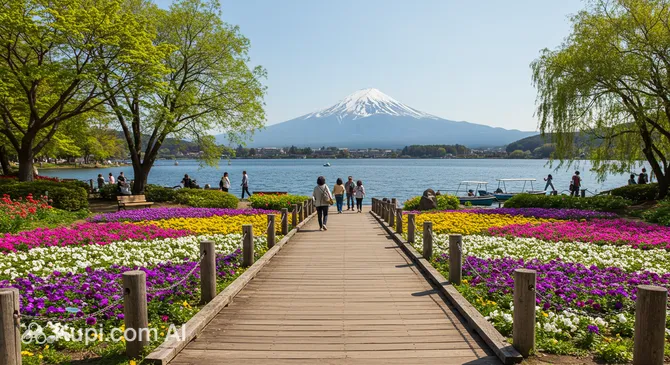
Weather Overview

The weather in Suwa has a pronounced seasonal character. In summer, especially in July and August, the average air temperature reaches 21-23°C. This period is also characterized by the highest amount of precipitation: for example, in July, it is about 9 mm, and the number of rainy days can reach 22. Winters in Suwa are cold, with average temperatures in January and February around -1°C to -2°C. Winter precipitation is not as heavy (3-4 mm per month), but the number of days with precipitation (likely as snow or light rain) is also significant — from 12 to 16 per month.

Overall, Suwa offers a warm and fairly humid summer, and a cold winter with frequent, though not very heavy, precipitation. Spring and autumn are transitional seasons with more moderate temperatures and rainfall. For a more detailed look at the weather conditions by month and to plan your trip, you can visit the Suwa Climate page.

Average monthly temperature

Average monthly precipitation

Interesting Facts

Beyond its well-known attractions, Suwa hides many amazing stories and traditions that make this city truly special. Here are just a few little-known facts that will show you Suwa from a new perspective:

Suwa Lakeside Park. Illustration.
Source: Kupi.com AI

Traveler photos:

  • The Legend of the Ice Paths: In winter, Lake Suwa becomes the stage for a unique natural phenomenon known as "Omiwatari" or "the crossing of the god." When the surface of the lake freezes, sharp temperature changes cause long, protruding ridges of ice to form. Locals believe these are the footsteps of a deity crossing the lake and perform a special Omiwatari-Shinji ritual, studying the patterns of the cracks to predict luck and harvests. This natural wonder and its associated traditions can be observed from the shores of the lake, for example, from the Lake Suwa Lakeside Park.

  • The Festival of Giant Logs: The city of Suwa is home to one of the oldest and most revered Shinto shrines in Japan — Suwa Taisha. This temple complex is famous not only for its ancient history but also for one of the most spectacular and risky festivals in the country — Onbashira. It is held only once every six years, and its climax involves many participants sliding huge logs down mountainsides, symbolizing the renewal of the shrine.

  • Fire Extravaganza Over the Lake: Every summer, Suwa hosts one of the most magnificent fireworks festivals in all of Japan. Thousands of pyrotechnic charges light up the night sky over the calm surface of Lake Suwa, creating an unforgettable spectacle that attracts visitors from all corners of the country. Many spectators choose Lake Suwa Lakeside Park for viewing, as it offers a magnificent vantage point.

How to Get There

When planning a trip to this picturesque corner of Nagano Prefecture, it is worth thinking through your route in advance. The city has good transport accessibility, and tourists can choose the best option depending on their starting point. You can find more details on how to get to Suwa, including all possible transport combinations, on our dedicated page.

There is no airport in the city of Suwa itself, so travelers usually fly into neighboring cities or major hubs and then transfer to ground transport. The closest to the city is Matsumoto Airport (MMJ), located in the city of Matsumoto. It is only 22.3 km from Suwa. This is a small regional airport that handles domestic flights. The journey from there to the center of Suwa by taxi or bus will take approximately 55 minutes.

For international tourists, Haneda Airport (HND) — the country's largest airport located in Tokyo — often serves as the main gateway. The distance to Suwa is about 160 km. Despite the distance, the huge passenger flow and its status as an international hub make it a popular choice. The journey by car or bus from the airport takes about 4 hours and 20 minutes, though many prefer to take high-speed trains from Tokyo.

You can also consider flying through Komatsu Airport (KMQ) in the city of Komatsu (about 158.5 km from Suwa) or Shizuoka Airport (FSZ) in Shizuoka (138 km), if it is convenient for your airline's route.

For clarity, here is a summary of the main airports:

AirportPassenger trafficDistance
Matsumoto Airport112 61822 km
Toyama Airport736 740107 km
Shizuoka Airport691 274138 km
Nagoya Airport735 000138 km
Komatsu Airport1.8 mln159 km

Railway communication is one of the most popular and comfortable ways to reach Suwa. The city is located on the main JR Chuo Main Line. The primary station is Kami-Suwa Station. Direct "Azusa" limited express trains from Tokyo (Shinjuku Station) arrive here regularly, with a travel time of about 2 to 2.5 hours. The train ride allows you to enjoy magnificent views of the Japanese mountains and countryside while avoiding traffic jams.

Main Attractions

Suwa, cozily situated by the lake of the same name, offers its guests several interesting places that will help them better understand the history and culture of the region, as well as enjoy picturesque views.

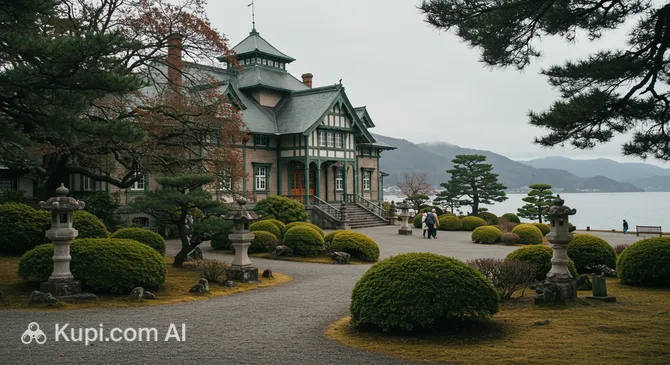
One of the city's iconic landmarks is Katakurakan. This historical building, built in the early 20th century, originally served as a public bath and recreation center. Its unique retro-style architecture and well-preserved interiors, including a large lounge hall, attract fans of history and Showa-era Japanese architecture. A visit to Katakurakan allows you to immerse yourself in the atmosphere of the past and learn more about the social life of the city.

Katakurakan. Illustration.
Source: Kupi.com AI

Traveler photos:

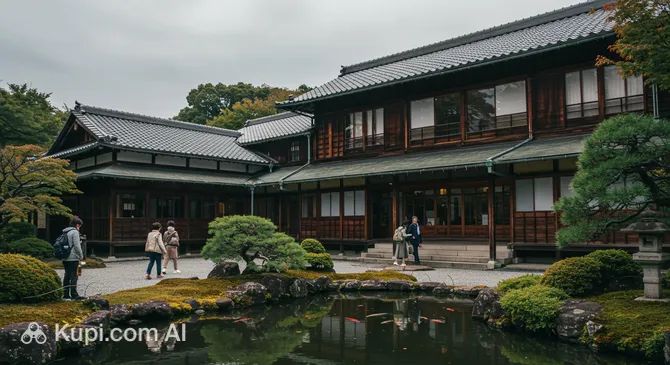
For lovers of art and crafts, the Kitazawa Museum of Art is a must-visit. Its collection features exquisite glass works, including pieces by Émile Gallé and the Daum brothers, as well as Japanese paintings. The museum offers a unique opportunity to admire masterpieces of world and Japanese art, making it attractive to a wide range of visitors.

Kitazawa Museum. Illustration.
Source: Kupi.com AI

Traveler photos:

If you want to enjoy panoramic views of Lake Suwa and the surrounding mountains, head to Tateishi Park. This park is particularly popular for its observation deck, which offers breathtaking scenery, especially at sunset. It is a wonderful spot for photographers and everyone who appreciates natural beauty and peaceful relaxation.

Tateishi Park. Illustration.
Source: Kupi.com AI

Traveler photos:

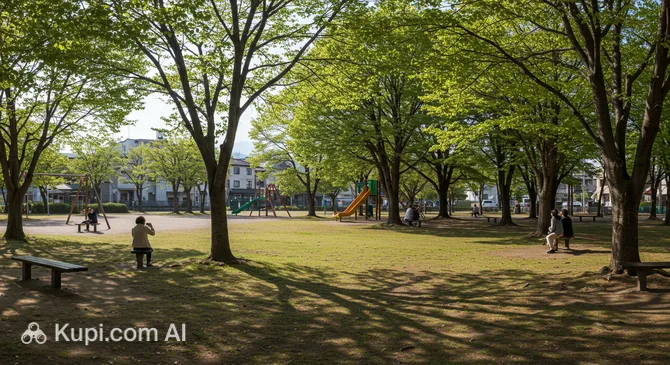
Another great place for walking and relaxation is the Lake Suwa Lakeside Park. It stretches along the coast and offers well-maintained paths, relaxation areas, and beautiful views of the water. Here you can have a picnic, watch the birds, or simply enjoy the fresh air and the tranquility of the lake. It is especially pleasant to visit during the warmer months.

Suwa Lakeside Park. Illustration.
Source: Kupi.com AI

Traveler photos:

Local Cuisine

The culinary scene in Suwa is closely intertwined with its picturesque nature and rich history. One of the main treats that is definitely worth trying is the freshest fish and crayfish from the famous Lake Suwa. They are masterfully grilled here or served in aromatic traditional Japanese soups. Local restaurants also often offer dishes made from wild duck and seasonal vegetables grown on nearby farms, highlighting a commitment to fresh and local products.

A true highlight of the local cuisine is onsen-tamago — eggs cooked in a special way in hot springs. Their incredibly delicate texture and unique taste have become a kind of trademark of the local onsens. No less worthy of attention is the buckwheat soba noodle. In Suwa, it is prepared according to ancient recipes, served with signature sauces and fresh herbs, turning a simple dish into a real gastronomic discovery.

Drink lovers will appreciate the local sake, produced in the region's numerous sake breweries. Tastings and educational tours are often organized here, and you can always buy a bottle of this unique beverage with its "lake character" in souvenir shops. Those with a sweet tooth will enjoy desserts made from local fruits such as apples and peaches, as well as traditional Japanese wagashi sweets, which perfectly complement a cup of aromatic green tea.

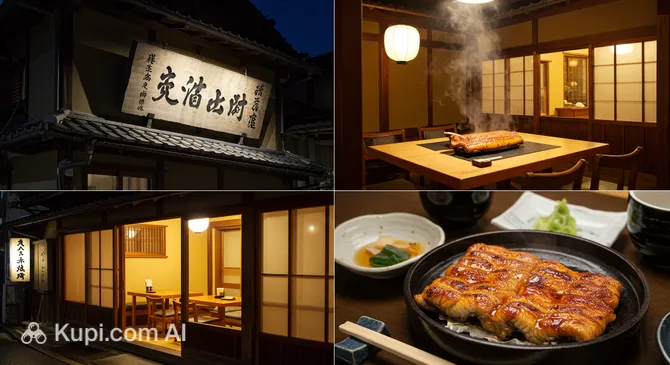
You can get acquainted with the culinary traditions of Suwa in many different places. In addition to cozy restaurants serving main local dishes, such as Maruichi Suwa, it is worth stopping by farmers' markets and street fairs. Here you will find the freshest produce, artisanal cheeses, honey, and homemade pickles. In summer and autumn, the city often hosts food festivals where local delicacies are cooked outdoors and engaging culinary workshops are held for everyone interested.

Maruichi Suwa. Illustration.
Source: Kupi.com AI

Traveler photos:

Travel Tips

Planning a trip to the charming city of Suwa? Wonderful! To ensure your journey through this corner of Japan goes smoothly and leaves only pleasant impressions, we have prepared a few practical tips.

  1. Clothing and Essentials: The climate in Suwa, as in all of Nagano Prefecture, is characterized by four distinct seasons. It is warm and humid in summer, and it can be snowy and cool in winter. Bring seasonal clothing, but it's always useful to have layers for changeable weather. Be sure to bring comfortable walking shoes. Don't forget an adapter for electrical appliances (Japan uses type A and B sockets). If you plan to visit temples, choose modest clothing that covers your shoulders and knees.
  2. Getting Around the City: Suwa is a relatively small city, so you can get around on foot or by local buses. Taxis are also available but can be more expensive. If you plan to explore the surrounding Nagano Prefecture, renting a car can be a good option, but keep in mind that driving in Japan is on the left, and an international driver's license may be required.
  3. Financial Matters: The local currency is the Japanese Yen (JPY). You can exchange money at airports, banks, or exchange offices. Credit cards are accepted in many hotels, restaurants, and large stores, but it's always useful to have some cash on hand, especially for small establishments and markets. ATMs that accept international cards can be found in post offices and 7-Eleven stores. Tipping is not customary in Japan — good service is already included in the bill.
  4. Health and Safety: Pharmacies (薬局 - yakkyoku) are easy to find, but not all of them are open 24/7, and staff may not always speak English. For tourists with serious health issues, travel insurance covering medical expenses is recommended. Suwa, and Japan in general, is considered very safe. However, standard precautions like watching your personal belongings are always a good idea.
  5. Communication: The official language is Japanese. In tourist areas and hotels, staff may speak English, but overall, its proficiency is not very high. Learn a few basic Japanese phrases (e.g., "konnichiwa" for hello, "arigato" for thank you); it's always appreciated. For connectivity, you can buy a local SIM card or rent a pocket Wi-Fi router. Free Wi-Fi is available in many hotels and some public places.
  6. Local Etiquette: Japanese people are very polite. A greeting is usually accompanied by a bow — its depth depends on the situation and the status of the person. In public places, especially on transport, try not to speak loudly on the phone. Remove your shoes when entering homes, some temples, and traditional restaurants.
  7. Things to Avoid: Try not to eat while walking in the street, as it is considered impolite. Also, avoid sticking chopsticks vertically into rice — this is associated with funeral rituals. Do not point at people with your finger; it is better to use an open palm.
  8. Additional Tip – Onsens: Nagano Prefecture is famous for its hot springs — onsens. If you have the chance, be sure to visit one in the Suwa area. It's a wonderful way to relax and experience an important part of Japanese culture. Remember the rules of conduct in an onsen: you must wash thoroughly before entering the communal bath.

We hope these tips help you better prepare for your trip and enjoy every moment of your stay in Suwa. Have a great journey!

Entertainment & Nightlife

Evening and nightlife in Suwa offer a more peaceful and authentic experience rather than the noisy parties until dawn typical of megacities. Here, you can immerse yourself in the local atmosphere, enjoy delicious food and drinks in cozy establishments centered around restaurants and traditional Japanese pubs — izakayas.

There are no large nightclubs or dedicated bustling nightlife districts in the city; however, you will find enough places for an enjoyable time after sunset. The atmosphere in such establishments is usually relaxed and friendly, gathering mostly a local crowd. The dress code is generally casual. Most restaurants and izakayas are open until late evening, usually 10:00 PM to 11:00 PM, and some may stay open longer, especially on weekends. Prices in these establishments are usually moderate.

One of the places where you can spend a pleasant evening over dinner is the Maruichi Suwa restaurant, which serves local cuisine. For a more informal setting and drinks, you should look into local izakayas — traditional Japanese pubs. They can be found while walking through the city center, for example, near the railway station or along Lake Suwa. While specific izakayas or bars, besides the mentioned restaurant, are not featured in our list of attractions, they are an integral part of the city's evening culture.

Getting back to your hotel at night in Suwa is most convenient by taxi, as public transport may stop running relatively early. Japan is generally a very safe country, and Suwa is no exception; however, it is always wise to follow standard precautions, especially if you are walking alone late at night. It is recommended to find out the number of a local taxi service in advance or ask your hotel or restaurant to call one for you.

As for daytime entertainment, Suwa offers several interesting places to visit. You can learn about the history and culture of the region by visiting the Kitazawa Museum of Art or the historical Katakurakan building. For lovers of nature and outdoor walks, Tateishi Park, with its beautiful views, and the Lake Suwa Lakeside Park, ideal for leisurely relaxation, are excellent choices.

Parks & Museums

Suwa, nestled in Nagano Prefecture, offers its guests not only picturesque views of Lake Suwa but also interesting opportunities for cultural enrichment and outdoor relaxation. The city carefully preserves its heritage and delights with an abundance of green zones, offering visitors both peaceful natural corners and educational cultural sites.

For those seeking tranquility and beautiful scenery, Suwa has several wonderful parks. One of the most popular is Lake Suwa Lakeside Park. It is an ideal place for leisurely walks, picnics, and admiring the water. You can often see locals here enjoying a jog or simply relaxing by the water. Another notable spot is Tateishi Park, famous for its panoramic views, especially at sunset. It offers a breathtaking view of the lake and surrounding mountains, making it a favorite spot for photographers and romantics.

Suwa Lakeside Park. Illustration.
Source: Kupi.com AI

Traveler photos:

The cultural life of Suwa also deserves attention. To get closer to the art and history of the region, it is worth visiting the Kitazawa Museum of Art. It attracts art lovers with its collections, which often include works by local and Japanese masters. The museum's exhibits allow for a deeper understanding of the cultural traditions of this part of Japan.

Equally interesting is Katakurakan — a historical building that is an important landmark in itself. Originally built as a public bath and recreational center in the early 20th century, it has preserved its unique Romanesque-style eclectic architecture and the atmosphere of the past. A visit to Katakurakan is an opportunity not only to admire the building but also to touch the city's history, imagining how its residents relaxed many years ago.

Katakurakan. Illustration.
Source: Kupi.com AI

Traveler photos:

For a more authentic experience, take a stroll through the less busy streets of the city that branch away from the lake. There you can find small local temples or traditional shops that don't always make it into travel guides but hold the true spirit of Suwa and allow you to better feel the daily life of this charming Japanese city.

Getting Around

Getting around the city of Suwa is quite convenient thanks to its public transport system, which, while not as extensive as in megacities, effectively serves the main areas. The primary mode of public transport here is buses.

The bus network covers most parts of Suwa and its surroundings, connecting residential areas, tourist attractions, and transport hubs. Buses run according to a schedule that can be found at stops or at tourist information centers. Typically, you board through the rear or middle door, where you take a ticket with a zone number (if the fare system depends on distance) or tap your transport card. Payment is made upon exiting through the front door, next to the driver. Bus fares usually start at 200-230 yen and increase based on distance. It is recommended to have small change, as buses do not always have machines for changing large bills. In Japan, IC cards (like Suica or Pasmo) are widely used, and there is a possibility they are accepted on local routes in Suwa, but it is best to check this locally or be prepared to pay in cash.

For traveling longer distances or to neighboring towns, you can use trains. Suwa has railway stations served by the JR company. Trains are a reliable and fast way to reach other cities in Nagano Prefecture and beyond. Train tickets can be bought at station vending machines or ticket offices. The cost of short trips on local trains usually starts at 150-200 yen. IC cards are also widely accepted for train fares.

Taxis are available in Suwa; they can be found at designated stands near stations and major hotels, or called by phone. This is a more expensive but comfortable way to travel, especially convenient for trips with luggage, at night, or if you are traveling in a group. Payment is by meter; the approximate starting cost is about 700-800 yen for the first kilometers, with further charges based on distance and time.

Among alternative ways of getting around, walking is worth considering, especially if you want to explore the city center or the areas around Lake Suwa. For more active recreation and viewing the picturesque surroundings, you can rent a bicycle; rental points may be available, especially during the tourist season. The cost of renting a bike can vary from 500-1000 yen for a few hours to 1500-2000 yen for the whole day.

Practical tips for tourists:

  • Check the bus schedule in advance, especially if you plan to travel to less central areas or in the evening, as the frequency of service may decrease.
  • Carry cash, especially coins, for paying bus fares.
  • If you plan to use public transport a lot, look into the availability of day passes or tourist cards, which can be cost-effective.
  • To plan your routes, you can use online maps or Japanese transport apps, which often provide up-to-date information.

Overall, Suwa's transport system is oriented toward the convenience of residents and guests, allowing you to reach places of interest without much difficulty.

Accommodation

When planning a trip to Suwa, you will find a variety of accommodation options to suit different preferences and budgets. The city offers budget-friendly options such as guest houses and hostels, as well as mid-range hotels. For those seeking a more authentic experience, traditional Japanese inns — ryokans — can be found in the Nagano region where Suwa is located. Apartment rental options are also available for longer stays.

When choosing a place to stay in Suwa, it is worth looking at areas near Lake Suwa, where popular spots like Lake Suwa Lakeside Park and Tateishi Park are concentrated. Staying in these parts of the city will provide not only beautiful views but also convenient access to walking areas and several attractions. Options near transport hubs can also be convenient for easy movement around the city and its surroundings.

Although specific hotels were not listed in the provided attractions list for this example, Suwa offers accommodation in various price categories — from budget to more comfortable. You can book your stay through popular online platforms, travel agencies, or by contacting the hotel directly. It is recommended to compare prices and conditions across several resources to choose the best option.

To ensure availability and get the best deals, especially if your trip falls during the peak tourist season or local festivals, it is recommended to book your accommodation in advance. Early booking also often allows you to take advantage of more favorable rates.

Nearby Cities

For those looking to explore the surroundings, Suwa serves as an excellent starting point for day trips to several interesting nearby locations:

CityPopulationDistance
Chino55 0186 km
Okaya47 4997 km
Shiojiri66 18117 km
Minowa24 88718 km
Minamiminowa15 72722 km

These nearby destinations offer a glimpse into the diverse culture and landscapes of the Japan region.

Shopping & Souvenirs

Shopping in Suwa offers tourists the chance to immerse themselves in the atmosphere of the Japanese countryside and purchase unique local goods. Unlike in megacities, the focus here shifts from large brand stores to authentic products, handmade crafts, and regional delicacies. It is an excellent place to find souvenirs with true Japanese flair and products from Nagano Prefecture.

The main shopping spots in Suwa, as in many Japanese cities of this size, are likely concentrated around the main railway station and on the adjacent central streets. Here you can find small shops offering a variety of goods — from clothing and daily necessities to local food and souvenirs. A walk through these areas will allow you to experience the local way of life.

While Suwa cannot boast giant modern shopping malls, you can find small shopping complexes or department stores, especially in the station area. These places often feature products from both local manufacturers and national Japanese brands, and may also house food courts with a variety of cuisines.

In Suwa, as throughout Japan, you can find local markets selling fresh seasonal produce grown by farmers in Nagano Prefecture. Such markets are a wonderful opportunity to try fresh vegetables, fruits, and other local delicacies. While there may not be specialized large flea or souvenir markets, small souvenir stalls are frequently found in tourist spots and near attractions.

Souvenirs reflecting the culture and nature of the region are worth bringing back from Suwa. Look for items made by local artisans, such as ceramics or textiles. Nagano Prefecture is famous for its products: be sure to try and bring back local apples, soba (buckwheat noodles), miso paste, or traditional Japanese sweets as gastronomic souvenirs. Local sake varieties are also popular. Don't forget about souvenirs related to Lake Suwa, such as themed postcards or small crafts.

Most shops in Suwa are typically open from 10:00 or 11:00 AM to 7:00 or 8:00 PM. Small family-run shops may have their own, more flexible schedules. Large stores and department stores usually work without days off, or with one floating day off per week. Credit cards are accepted in many places, especially in department stores and chain stores. However, in markets and small shops, it is preferable to have cash (Japanese yen) with you.

Tourists in Japan can take advantage of the Tax-Free system when making purchases over a certain amount in participating shops. Look for the "Tax-Free Shop" sign. Usually, a passport is required to process the tax refund. Conditions may vary, so check the details directly at the store.

Reached the end of the page?

That means the route is fully explored