Support

Kofu

About

Kofu is a cozy and picturesque city nestled in a vast valley at the foot of the majestic Mount Fuji. It is located in the heart of Yamanashi Prefecture, Japan. The city seems hidden in the stony embrace of nature, surrounded by magnificent mountains. Remarkably, more than two-thirds of Kofu's territory is occupied by the Chichibu Tama Kai National Park, making it a real gem for nature lovers and fans of breathtaking mountain landscapes.

With a population of about 187,000 people, Kofu is not only the administrative center but also an important economic, cultural, and transport hub of Yamanashi Prefecture. The city boasts a convenient location: a trip on the express train to Tokyo takes only an hour and a half, and on clear days, it offers a stunning view of Mount Fuji—the legendary symbol of the country.
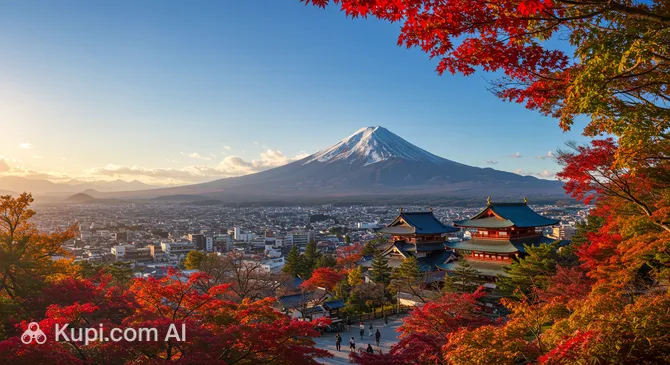
Kofu. Illustration.
Source: Kupi.com AI

Kofu's atmosphere is surprisingly multifaceted: ancient castles and modern buildings, lively shopping streets and quiet residential areas, as well as fertile orchards and vineyards, all coexist harmoniously here. The city is particularly famous for its healing hot springs (onsens), excellent local wineries, and rich traditional crafts, the history of which dates back centuries.

Kofu is an ideal destination for those seeking a harmony between natural beauty, cultural heritage, and gastronomic discoveries. Visit this charming city to fully experience its unique allure and hospitality.

You can find more interesting facts on the Kofu city history page.
Weather Overview

The weather in Kofu has clearly defined seasons. Summer, spanning from June to August, is warm here: average temperatures range from 18°C to 23°C. July and August are the warmest months, with maximum temperatures reaching 25-27°C; this period sees the highest number of rainy days, especially in August (up to 22 days), while July is the month with the maximum precipitation (9 mm). Winter, from December to February, is cold, with average temperatures from -0.1°C to 2.1°C; in January, minimum temperatures can drop to -4°C. The winter months are characterized by low precipitation, especially December. Overall, expect warm summers with periodic rain and cold, relatively dry winters. Spring and autumn are pleasant transitional seasons with moderate temperatures.

For more detailed information about the weather by month, please visit the Kofu Climate page.

Average monthly temperature

Average monthly precipitation

Interesting Facts

In addition to its scenic landscapes and famous landmarks, Kofu holds many surprising stories and curious details that make it truly unique. Here are just a few of them:

  • Historical Heart of the Samurai: The city was founded in the 16th century as a strategically important castle town of the powerful Takeda clan. It also served as a key point on the ancient Koshu Kaido postal route, which connected Edo (modern-day Tokyo) with the western regions of Japan. You can touch this rich past by exploring the Kofu Castle Ruins or the Takeda Clan Residence.

  • Capital of Crystal and Silk: Kofu is famous for its long-standing traditions in sericulture (silk production) and is a recognized center for the production of exquisite crystal and jewelry. It is believed that the fashion for crystal and gemstone jewelry spread across Japan from here. You can appreciate this craftsmanship by visiting the Gem Museum.

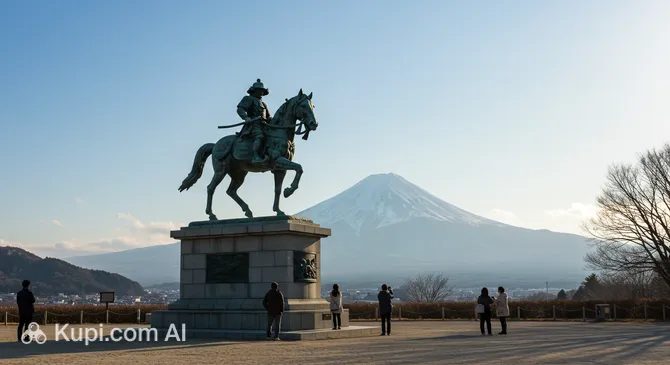
  • City of the Legendary Warlord: Kofu is inextricably linked with the name of Takeda Shingen, one of the most famous and revered samurai generals in Japanese history. He has become a true symbol of the city, and his legacy is carefully preserved. The majestic Takeda Shrine was built in his honor, and an impressive Statue of Takeda Shingen stands in the city center.

Statue of Takeda Shingen. Illustration.
Source: Kupi.com AI

Traveler photos:

How to Get There

Kofu, located in a scenic valley, is an important transport hub for the region, though the city does not have its own airport. Travelers usually arrive via the major international hubs in Tokyo or regional airports in neighboring prefectures and then continue by land. To plan the best route, we recommend checking all ways to get to the city, including trains and buses.

The nearest and most convenient airports for international tourists are those serving Greater Tokyo. There is no air hub in Kofu itself, but you can fly into Haneda Airport (HND) in Tokyo, which is about 110 km away. It is one of the busiest airports in the world. The journey from here by car or taxi takes about 3 hours, but it is more convenient to use direct limousine buses or a train with a transfer at Shinjuku, which takes about 2–2.5 hours.

Another popular option is Narita International Airport (NRT), also serving Tokyo and located 165 km from Kofu. Most international flights arrive here. The trip by taxi or rental car takes about 4–4.5 hours. For tourists, direct express buses run to Kofu Station (about 3.5–4 hours), or you can take the Narita Express train to Tokyo and then transfer to a limited express train to Kofu.

Regional airports are also worth mentioning. Matsumoto Airport (MMJ) is the closest—about 81 km from Kofu—but it handles a limited number of flights. Alternatives include Shizuoka Airport and Toyama Airport, although they are further away and require a longer transfer.

For convenience, here is a summary of the main airports:

AirportPassenger trafficDistance
Matsumoto Airport112 61881 km
Shizuoka Airport691 274102 km
Haneda Airport85.7 mln110 km
Nagoya Airport735 000156 km
Narita International Airport40.8 mln165 km

Railway connection is one of the most popular and comfortable ways to get to Kofu, especially if you are coming from Tokyo. The main railway hub is Kofu Station, located in the city center. It is served by the JR Chuo Line. The fastest way to get from Tokyo is to take the "Azusa" or "Kaiji" limited express trains from Shinjuku Station. The travel time is only about 1.5 hours, and the train windows often offer beautiful mountain views.

In addition to trains, Kofu is easily accessible by intercity buses that depart from the major Busta Shinjuku bus terminal in Tokyo, as well as from other major cities in Japan, such as Osaka, Kyoto, and Nagoya. Buses arrive at the terminal near the south exit of Kofu Station. If you are traveling by car, the main highway leading to the city is the Chuo Expressway.

Main Attractions

Kofu, a city with a rich history and culture, offers travelers many interesting places to visit. Several key attractions stand out, allowing for a deeper exploration of the heritage of this region of Japan.

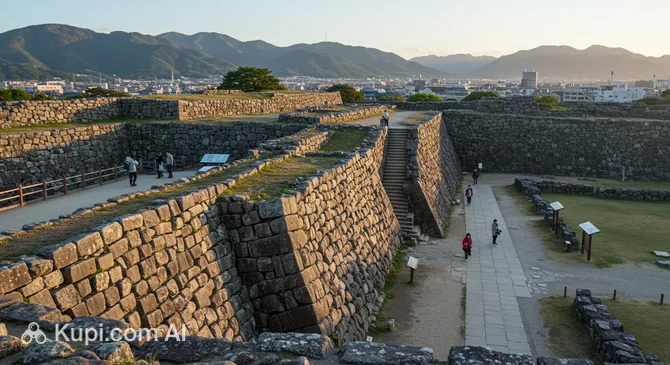
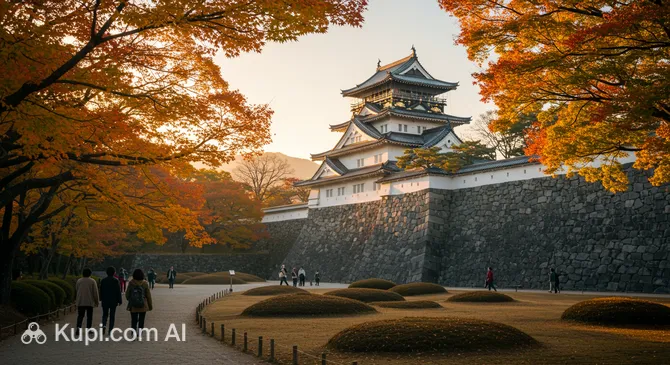
One of the main symbols of the city is the Kofu Castle Ruins. It was once a powerful citadel and the residence of the famous Takeda clan. Although mostly stone walls, moats, and some restored elements remain of the original structures, the site is steeped in history. A walk through the castle grounds, also known as Maizuru Park, allows visitors to imagine its former grandeur and enjoy beautiful views of the city, especially during the cherry blossom season.

Kofu Castle Ruins. Illustration.
Source: Kupi.com AI

Traveler photos:

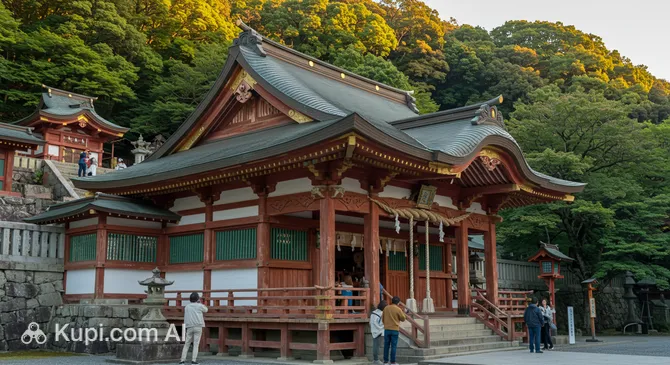
Near the castle ruins is the Takeda Shrine, dedicated to Takeda Shingen, one of the most revered military leaders in Japanese history. The shrine was built on the site of his former residence, Tsutsujigasaki. This beautiful and peaceful place attracts not only pilgrims but also tourists interested in the samurai era and traditional Japanese architecture. Here, you can see a treasure house with artifacts related to the Takeda clan.

Takeda Shrine. Illustration.
Source: Kupi.com AI

Traveler photos:

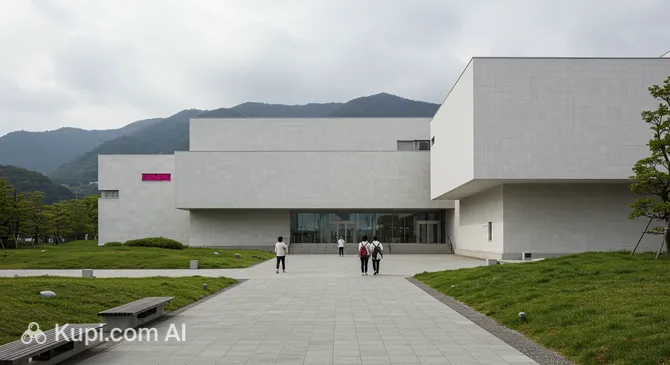
For art lovers, the Yamanashi Prefectural Museum of Art is a must-visit. It is famous for its collection of works by artists of the Barbizon school, particularly Jean-François Millet, as well as works by Japanese masters. The museum is surrounded by a scenic park where you can also see sculptures and enjoy a pleasant stroll.

Yamanashi Prefectural Museum of Art. Illustration.
Source: Kupi.com AI

Traveler photos:

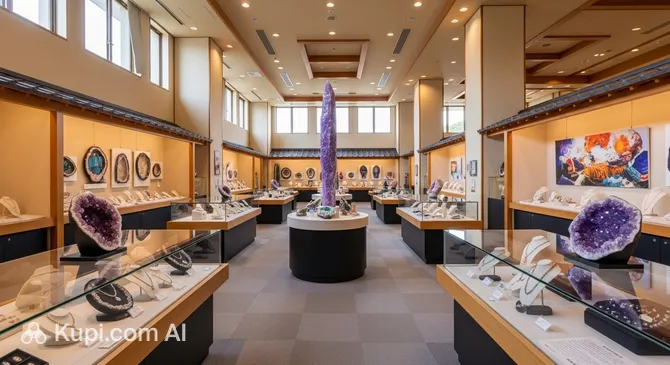
Another unique site is the Yamanashi Gem Museum. Yamanashi Prefecture, and Kofu in particular, is historically famous for gemstone processing and jewelry production. The museum presents an impressive collection of crystals, minerals, and jewelry from all over the world, showcasing the beauty and diversity of these natural treasures. It’s a great place to learn more about geology and the art of gem cutting.

Crystal Museum. Illustration.
Source: Kupi.com AI

Traveler photos:

Local Cuisine

Kofu is a true paradise for foodies traveling through Japan. The local cuisine is famous for its connection to the nature of Yamanashi Prefecture, especially the fresh fruits grown in the region's abundant orchards, and, of course, the grapes that form the basis of famous Japanese wine. The city's gastronomic scene offers a unique combination of traditional flavors and fresh local products.

One of the main dishes you must try in Kofu is "Houto". This is a hearty and warming thick noodle soup with seasonal vegetables such as pumpkin, mushrooms, and greens. Houto is often associated with home comfort and is the quintessence of provincial Japanese cuisine, perfect for cool days after exploring the surroundings.

As for drinks, Kofu and Yamanashi Prefecture are considered the birthplace of Japanese winemaking. Be sure to taste the local white wine "Koshu", known for its delicate aroma and refreshing taste. In addition to wine, you can find a variety of non-alcoholic drinks based on fresh fruits here.

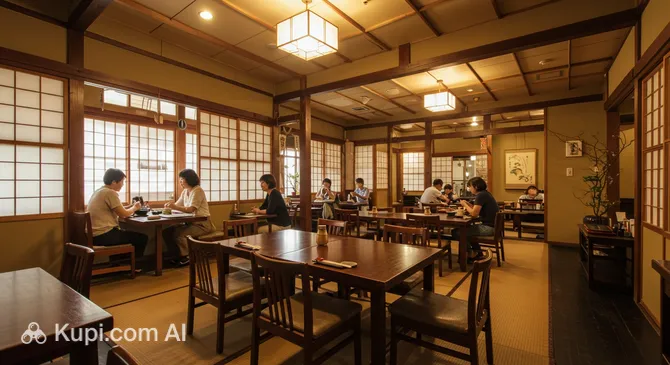
The food culture in Kofu is diverse. Locals and tourists can enjoy a meal in numerous restaurants offering both traditional dishes and modern interpretations. For example, you can visit Shoshi Kantetsu to appreciate the local cuisine. Additionally, the city has active farmers' markets where you can buy the freshest peaches, plums, grapes, and other seasonal fruits, as well as local delicacies like smoked fish or homemade miso. Street food is represented by various snacks, from onigiri rice balls to sweet pastries with fruit fillings, offering a quick and tasty way to get to know local flavors.

Shoshi Kantetsu. Illustration.
Source: Kupi.com AI

Traveler photos:

Kofu regularly hosts gastronomic festivals and wine tours, which provide a great opportunity not only to taste a variety of food and drinks but also to participate in workshops on preparing traditional treats. This makes the city an attractive destination for those seeking authentic culinary experiences.

Travel Tips

Planning a trip to Kofu, the cozy city at the foot of the Japanese Alps and capital of Yamanashi Prefecture? To ensure your journey goes smoothly and leaves only pleasant impressions, we've prepared some practical tips.

  1. Clothing and packing for the season: The climate in Kofu, located in a valley, is characterized by hot and humid summers and fairly cold but mostly sunny winters. Spring and autumn are the most comfortable times weather-wise.

    • In summer, bring light, breathable clothing.
    • In winter, you'll need warm layered clothing, including a hat, gloves, and a scarf.
    • In spring and autumn, versatile layers like T-shirts, sweaters, and light jackets are useful.
    • Comfortable shoes are extremely important, as you'll be doing a lot of walking, especially if you plan to visit temples or natural attractions.
    • Don't forget an adapter for electrical appliances (Japan uses Type A sockets, voltage is 100V).
    • In summer, sunscreen and a hat will come in handy.
    • A small hand towel (hankachi) is useful, as many public toilets do not have paper towels or hand dryers.
    • When visiting temples like Takeda Shrine or Kai Zenko-ji Temple, choose modest clothing that covers your shoulders and knees. Be prepared to remove your shoes before entering some temple rooms, as well as traditional restaurants and ryokans.

  2. Getting around the city:

    • The main form of public transport in Kofu is buses. Kofu Railway Station is a major hub for travel throughout Yamanashi Prefecture and to other regions.
    • Taxis are available but are a more expensive way to travel. Taxi apps like JapanTaxi or Go can be helpful.
    • Renting a car may be justified if you plan to actively explore the surroundings, such as the Fuji Five Lakes region or scenic mountain areas. Remember that they drive on the left and you will need an international driving permit.
    • For a leisurely exploration of the city center, you can rent a bicycle.

  3. Financial matters:

    • The local currency is the Japanese Yen (JPY, ¥).
    • You can exchange currency at banks, post offices (Japan Post Bank), and some large hotels. It is recommended to have some cash on hand upon arrival.
    • Credit and debit cards (Visa, Mastercard) are accepted in many hotels, department stores, and tourist restaurants. However, small shops, cafes, and temples often prefer cash. Be sure to check with your bank about the possibility of using your cards abroad and any potential fees.
    • ATMs that accept international cards can be found at 7-Eleven stores (Seven Bank ATMs) and at the post office (Japan Post Bank ATMs).
    • An approximate daily budget (excluding accommodation and expensive excursions) can range from 7,000 to 15,000 yen per person.
    • There is no tipping culture in Japan. An attempt to leave a tip may be seen as a misunderstanding or even an insult, as good service is considered the norm and is already included in the price.

  4. Health and Safety:

    • Pharmacies (kusuri) are easy to find, but many medications may require a prescription or differ from what you're used to. Staff don't always speak English, so it's useful to have the name of the active ingredient in Latin or Japanese.
    • For medical assistance, visit hospitals (byoin) or clinics (kurinikku). Travel medical insurance is highly recommended.
    • Emergency numbers: 119 for ambulance and fire service, 110 for police.
    • Kofu, like Japan in general, is a very safe city with a low crime rate. Nevertheless, take usual precautions: keep an eye on your belongings, especially in crowded places.

  5. Communication:

    • The official language is Japanese.
    • English proficiency is limited. It may be spoken by staff at hotels, tourist information centers, and some large stores. Knowing a few basic Japanese phrases will be very useful and appreciated by locals.
    • Useful phrases: Konnichiwa (Hello/Good afternoon), Arigato gozaimasu (Thank you very much), Sumimasen (Excuse me/I'm sorry), Hai (Yes), Iie (No), Wakarimasen (I don't understand).
    • For constant internet access, it's recommended to purchase a travel SIM card or rent a pocket Wi-Fi router. This can be done at the airport upon arrival or ordered in advance online.
    • Free Wi-Fi is available in many hotels, some cafes, at railway stations, and in tourist information centers.
    • Useful apps: Google Maps (for navigation and transport schedules), Google Translate (for translation), Japan Travel by Navitime or Jorudan (for planning routes on public transport).

  6. Local Etiquette and Traditions:

    • Greetings are usually accompanied by a slight bow (ojigi). The depth of the bow depends on the situation and the status of the person you're speaking to.
    • It's customary to remain quiet on public transport and not talk loudly on the phone.
    • It's not customary to eat or drink while walking on the street (except in designated areas or during festivals).
    • Always remove your shoes when entering Japanese homes, some temples, traditional restaurants (where you sit on tatami), and ryokans.
    • When using chopsticks (o-hashi): don't stick them vertically into rice, don't pass food with chopsticks to another person, and don't point them at anyone.
    • Waste sorting is taken very seriously in Japan. There are few street bins, so be prepared to carry your trash with you to your hotel or to a designated collection point.

  7. Things to Avoid:

    • Avoid loud conversations, especially on mobile phones, in trains, buses, and other public places. This is considered extremely impolite.
    • Don't leave tips. It's not practiced and may cause embarrassment.
    • Don't smoke in prohibited areas. Japan has strict rules regarding smoking, with many non-smoking zones, and smoking while walking is prohibited on many streets. Look for designated smoking areas.

  8. Kofu's specialty – fruit and wine: Yamanashi Prefecture, of which Kofu is the capital, is famous throughout Japan for its fruit, especially grapes, peaches, and plums, as well as its winemaking. Be sure to try seasonal fruits, visit one of the many fruit farms (especially in summer and autumn) where you can participate in harvesting ("fruit hunting"), or stop by a local winery for a tasting. This is a wonderful way to experience the local gastronomic culture.

We hope these tips help you better prepare for your trip to Kofu and enjoy every moment of your stay in this charming corner of Japan. Have a pleasant journey!

Entertainment & Nightlife

When the sun sets, Kofu offers its guests a cozy and authentic atmosphere for evening relaxation. Unlike major metropolises, the nightlife here is more intimate and centered around traditional Japanese establishments where you can unwind after a busy day.

The main center for evening entertainment in Kofu is the area around the railway station. Here, you will find many izakayas (Japanese pubs), small bars, and restaurants serving local cuisine and drinks. The atmosphere is usually friendly and welcoming, attracting both locals and tourists who want to experience the city's daily life. There are few large nightclubs in the Western sense; the focus is shifted toward a more relaxed and soulful evening.

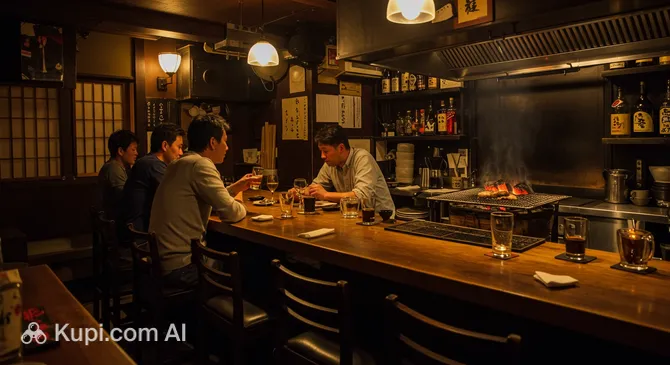
Among the places to enjoy a pleasant evening, the bar Gura Gala — Charcoal Grill Restaurant stands out, offering not only drinks but also dishes prepared over charcoal, which creates a special atmosphere. Another interesting spot is Hops and Herbs, a bar that craft beer enthusiasts and those looking for a laid-back environment will surely appreciate.

Gura Gala Charcoal-Fired Dining. Illustration.
Source: Kupi.com AI

Traveler photos:

Most establishments stay open until midnight or slightly later, especially on weekends. The dress code is generally casual and requires no special preparation. The crowd is mixed, ranging from young people to middle-aged adults. To catch the liveliest atmosphere, it's best to head out for an evening walk after 8:00 PM, especially on Fridays and Saturdays.

Hops and Herbs. Illustration.
Source: Kupi.com AI

Traveler photos:

Prices in Kofu's bars and restaurants are generally moderate. Public transport stops running relatively early, so for late returns to your hotel, it's most convenient to use a taxi. Taxi stands are usually located at Kofu Station and other busy spots. The city is considered very safe, so night walks along the well-lit central streets are not a cause for concern, though usual precautions should always be observed.

While the focus here is on nightlife, there is also plenty to do in Kofu during the day. Culture lovers can visit the Yamanashi Prefectural Museum of Art or the unique Gem Museum. For outdoor strolls, Maizuru Castle Park is perfect for enjoying nature and historical views.

Parks & Museums

Kofu, a city with a rich history and picturesque surroundings, offers its guests a harmonious blend of peaceful green zones and fascinating cultural sites. Here, you can enjoy the tranquility of traditional gardens and immerse yourself in the region's heritage at numerous museums and historical landmarks.

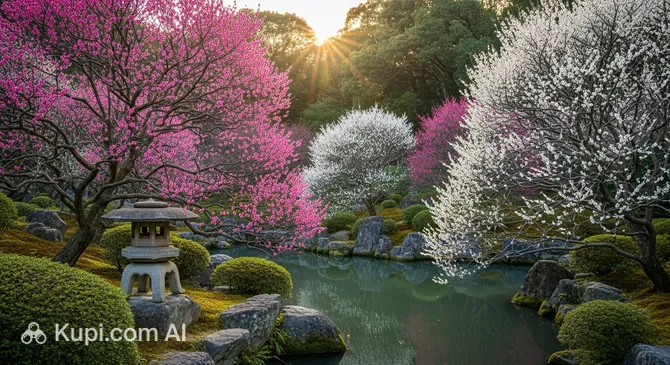
One of the most famous green spaces in the city is Maizuru Castle Park, spread around the Kofu Castle Ruins. It is a wonderful place for walks, especially during the cherry blossom season in spring, where you can touch history and enjoy nature. Another notable spot is Furoen Garden, a traditional Japanese garden that enchants with its deliberate beauty and peaceful atmosphere in any season. For a family outing, the Yamanashi Prefectural Science Center at Mt. Atago is excellent, offering not only playgrounds but also magnificent views of the surrounding area.

Maizuru Castle Park. Illustration.
Source: Kupi.com AI

Traveler photos:

Furouen Garden. Illustration.
Source: Kupi.com AI

Traveler photos:

The cultural life of Kofu is rich and diverse. Art fans should visit the Yamanashi Prefectural Museum of Art, which features works by both Japanese and Western masters, with a special focus on artists associated with Yamanashi Prefecture. A unique experience awaits at the Gem Museum, dedicated to the art of crystal processing for which the region is famous. Here, you can see stunning crystal specimens and products made from them. For the curious of all ages, the Yamanashi Prefectural Science Museum is interesting with its interactive exhibits that make science accessible and fun.

Kofu's history is closely linked to the powerful Takeda clan. Be sure to visit the Takeda Shrine, dedicated to the famous daimyo Takeda Shingen, as well as the Takeda Clan Residence (Tsutsujigasaki Mansion Ruins) to better understand the historical significance of this region. These sites are key to understanding Kofu's samurai past.

Takeda Clan Residence (Tsutsujigasaki Mansion Ruins). Illustration.
Source: Kupi.com AI

Traveler photos:

For those seeking less touristy but authentic spots, a walk to the small but picturesque Shonoki Inari Inazumi Shrine can offer moments of peace and solitude. Also, keep an eye out for local craft shops where you can find unique crystal products or traditional textiles.

Getting Around

When planning your travel around Kofu, you'll find that the public transport system is quite convenient, although it differs from that of major metropolises. The core of the transport network consists of buses, supplemented by rail connections for trips to the suburbs and other regions.

Buses are the main form of public transport in Kofu. Various routes connect the railway station with residential areas, tourist attractions, and the outskirts of the city. The main operator is Yamanashi Kotsu. Buses run on a schedule, which can be found at stops and on the carrier's website. You usually board the bus through the rear door, where you take a numbered ticket (整理券 - seiriken) or tap your transport card. Payment is made when exiting through the front door to the driver. The fare depends on the distance traveled.

The payment system for Kofu transport is quite flexible. You can pay with cash (it's recommended to have small change, as the exchange machine at the driver's seat may not accept large bills). Popular Japanese IC cards such as Suica, Pasmo, and other compatible ones are widely accepted. These rechargeable cards significantly simplify the payment process: just tap the card against the reader when boarding and exiting. You can purchase and top up IC cards at machines at major railway stations. There are few specialized tourist passes specifically for Kofu city buses, but there are sometimes regional offers that include transport to popular tourist areas outside the city.

Practical tips for tourists: Single-ride tickets when paying in cash are essentially paid for when exiting the bus. If using an IC card, make sure it has enough funds before your trip. Buses usually start running early in the morning (around 6:00–7:00 AM) and finish in the evening (9:00–11:00 PM), depending on the route. On weekends and holidays, the schedule may change. Information on routes and schedules is mostly available in Japanese, but some information in English can be found at the central Kofu station.

Alternative ways to get around in Kofu include taxis, which can be found at the station and other busy areas. This is a more expensive but comfortable way to reach your destination, especially if you are traveling with luggage or in a group. For exploring the city center and the immediate surroundings, you might consider renting a bike—there are several rental points in Kofu. Car-sharing is less common for short-term tourist needs directly within the city.

A feature of the Kofu transport system is its role as a starting point for journeys across picturesque Yamanashi Prefecture. From the Kofu bus terminal, buses depart for famous locations such as the Shosenkyo Gorge or the Fuji Five Lakes. While not internal city transport, these routes are very important for tourists planning to explore the region.

Accommodation

In Kofu, travelers will find a variety of accommodation options to suit different preferences and budgets. The city offers both modern hotels and traditional Japanese inns (ryokans), especially in areas with hot springs, as well as more budget-friendly guest houses and hostels for economical tourists.

For convenience of movement and access to main attractions, many tourists prefer staying in hotels located near Kofu Station. This area is a major transport hub and offers a good selection of restaurants, cafes, and shops. If you are looking for a more authentic Japanese experience, consider the ryokans in the Yumura Onsen area, known for its healing hot springs, where you can fully immerse yourself in the atmosphere of traditional hospitality.

The price range for accommodation in Kofu varies: you can find affordable budget options, mid-range hotels, as well as more luxurious offerings, especially among ryokans with full board and spa services. It is highly recommended to book accommodation in advance, especially if your trip coincides with peak tourist seasons (such as the cherry blossom period in spring or autumn foliage viewing) or major local festivals. For searching and booking, it is convenient to use popular online platforms or contact selected hotels or guest houses directly.

Nearby Cities

For those who want to explore the surrounding area, Kofu serves as an excellent starting point for day trips to several interesting nearby locations:

CityPopulationDistance
Kai75 3375 km
Fuefuki67 3967 km
Minami Alps69 64211 km
Nirasaki28 89612 km
Ichikawamisato14 45813 km

These nearby destinations provide insight into the diverse culture and landscapes of the region, complementing the experience of visiting Kofu.

Shopping & Souvenirs

Kofu offers guests pleasant shopping opportunities, especially if you are looking for local delicacies and unique souvenirs. The city and Yamanashi Prefecture are famous for their fruit, wine, and crystal products. Although Kofu is not a major fashion hub, you can find everything you need and bring home authentic Japanese goods.

The main shopping activity is concentrated around Kofu Station. Here and on the adjacent streets, you will find department stores, small specialty shops, souvenir stalls, and stores offering local products. A walk through this area will allow you to explore the range of goods and choose something to your liking.

There are several shopping complexes and department stores near Kofu Station where you can find clothing, cosmetics, household goods, and, of course, food. One such place is the Okajima department store, which offers a wide selection of goods. It's also worth checking the shopping areas directly within the station building, where local specialties are often sold.

While Kofu doesn't have large, world-famous markets like some Japanese metropolises, you can find small local markets or fairs, especially seasonal ones, where farmers sell the fresh fruit and vegetables Yamanashi Prefecture is so famous for. You can also find handmade crafts and traditional goods in souvenir shops and some temples.

From Kofu, it is worth bringing home local products and crafts as souvenirs. Yamanashi Prefecture is one of Japan's main wine-producing regions, so a bottle of local wine makes an excellent gift. Crystal and gemstone items are also popular, as Yamanashi is historically a center for their processing. You can visit the Gem Museum to learn more and perhaps purchase unique pieces. Don't forget traditional Japanese sweets, especially those made with local fruits like peaches and grapes, as well as souvenirs related to Takeda Shingen, the region's famous historical figure.

Crystal Museum. Illustration.
Source: Kupi.com AI

Traveler photos:

Most shops in Kofu operate from approximately 10:00–11:00 AM to 7:00–8:00 PM. Large shopping centers and department stores may have longer opening hours. Cash (Japanese Yen) is accepted everywhere, and credit cards are accepted in most stores and shopping centers. Contactless payments are also becoming increasingly common.

For international tourists in Japan, a Tax Free system is available. In shops that support this system (usually marked with a corresponding sign), you can get a refund of the consumption tax when purchasing goods over a certain amount. You will need to present your passport for this. Check the specific conditions directly in the stores.

Reached the end of the page?

That means the route is fully explored