Support

Fuji

About

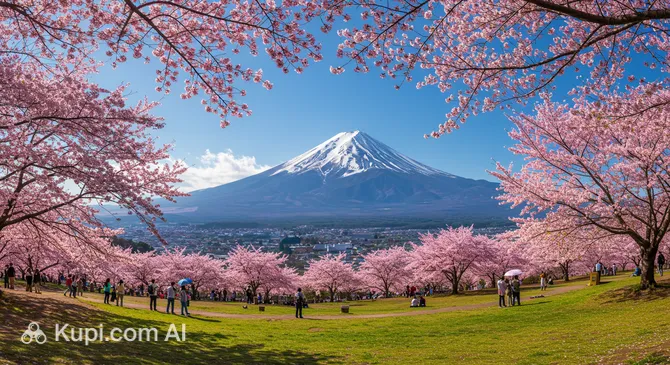
Fuji is a city that seems to have grown at the foot of Japan's most famous mountain, the majestic Mount Fuji. It attracts travelers with its unique atmosphere and breathtaking views of the sacred peak, which can be seen from almost any point in the city.

Fuji. Illustration.
Source: Kupi.com AI

Located in Shizuoka Prefecture on the southern coast of Honshu Island, Fuji has a population of about 243,000 people and is a significant industrial and cultural center of the region. The city harmoniously combines dynamic development with a careful attitude towards the surrounding nature, creating a special mood filled with respect for traditions and natural rhythms.

The main gem that attracts millions of tourists here is, of course, Mount Fuji itself, a symbol of the country and a source of inspiration. However, the city also offers many other interesting places: from cozy temples and picturesque parks to craft villages and unique museums that introduce local culture and history.

Fuji is an excellent choice for those seeking harmony between Japanese traditions and modernity, dreaming of leisurely walks, gastronomic discoveries, and, of course, unforgettable landscapes. Visit Fuji to touch the heart of Japan and take a piece of its magic with you.

You can find more interesting facts on the history of Fuji page.

Weather Overview

The weather in Fuji is characterized by clearly defined seasons. Summer, especially in July and August, is warm and quite humid: the average air temperature stays around 22-24°C, reaching maximums of about 26-27°C. These months see the highest amount of precipitation (up to 11 mm) and the greatest number of rainy days (up to 23). Winters, in contrast, are cool and relatively dry. From December to February, the average temperature is about 1-4°C, with night minimums potentially dropping below zero (-0.3°C to -2.1°C). Precipitation in the winter months is significantly lower (2-4 mm), and rainy days usually number no more than 8-11.

Spring (March-May) and autumn (September-November) in Fuji are comfortable transition periods. In spring, the temperature gradually rises from an average of 6.6°C in March to 15°C in May. In autumn, there is a gradual decrease in temperature: from 20.5°C in September to 9.2°C in November. The amount of precipitation and rainy days during these seasons is moderate, creating pleasant conditions for walking and exploring the city.

In general, expect a warm and humid summer with occasional rain and cool, drier winters. For a more detailed study of weather conditions by month, including precise data on temperatures, precipitation, and the number of sunny days, we recommend visiting the Fuji Climate page.

Average monthly temperature

Average monthly precipitation

Interesting Facts

The city of Fuji, nestled at the foot of the legendary mountain of the same name, attracts more than just visitors interested in its famous volcano. It holds many fascinating secrets and lesser-known details that make it a truly unique place for discovery.

  • In the vicinity of Fuji lies one of the famous Fuji Five Lakes—Lake Tanuki. It is here that early in the morning you can witness a breathtaking natural phenomenon known as the "upside-down reflection," where the silhouette of Mount Fuji is perfectly mirrored in the serene water surface.

  • Not far from the city is the mysterious Aokigahara Forest, which grew on hardened lava flows after an ancient eruption. This place is shrouded in many legends and is rightfully considered one of the most enigmatic spots in Japan.

  • One of the most photographed and symbolic landmarks in the region is the Chureito Pagoda. This beautiful five-story pagoda, which looks particularly spectacular against the backdrop of Mount Fuji and during the cherry blossom season, has become a true icon of the Japanese harmony between nature and architecture.

  • Ancient craft traditions are carefully preserved in Fuji and its surroundings. For example, in the folk village of Saiko Iyashi-no-Sato Nenba, you can not only see how masters create traditional thatched roofs but also try your hand at pottery or other local crafts.

  • The city is famous for its colorful flower-viewing festivals that succeed one another throughout the year. In spring, everything is immersed in delicate cherry blossom petals; in summer, the fields are covered with fragrant lavender; and in autumn, local landscapes ignite with golden and crimson colors.

How to Get There

The city of Fuji does not have its own airport, so travelers usually fly into neighboring large cities and reach their destination by land transport. The nearest regional hub is Shizuoka Airport (FSZ), located in Shizuoka City, approximately 80 km from Fuji. A taxi or bus ride from there takes about 2.5 hours.

For most international tourists, the main gateways are Tokyo's airports. Haneda Airport (HND) is closer, located about 98 km from the city of Fuji (approximately 3 hours by road). Another popular option is Narita International Airport (NRT), located 157 km away. Although the drive from there can take over 4 hours, the developed network of high-speed trains makes this route quite accessible.

For convenience, here is a summary of the main airports:

AirportPassenger trafficDistance
Shizuoka Airport691 27480 km
Haneda Airport85.7 mln98 km
Matsumoto Airport112 618115 km
Narita International Airport40.8 mln157 km
Nagoya Airport735 000164 km

Rail travel is one of the most popular and efficient ways to get to Fuji, especially if you are coming from Tokyo or Osaka. The city is served by the Shinkansen high-speed line (Shin-Fuji Station) and regular JR lines (Fuji Station). Traveling by train not only saves time but also allows you to enjoy scenic views along the way. There is also a network of intercity buses connecting Fuji with major metropolitan areas.

To plan your trip in detail and consider all route options, we recommend exploring the section on how to get to Fuji.

Main Attractions

The city of Fuji, located at the foot of the famous mountain, offers travelers not only magnificent views but also a number of interesting places to visit. Here are some of the key attractions to include in your itinerary:

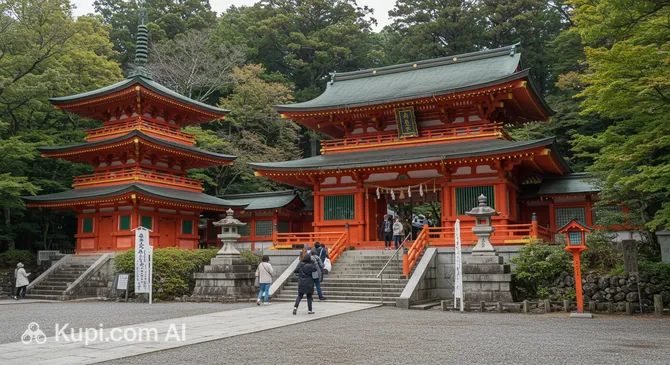
One of the city's significant shrines is the Kusushi Shrine. This revered Shinto shrine holds important spiritual significance for local residents and pilgrims. A visit to the Kusushi Shrine allows you to experience traditional Japanese culture and spirituality, enjoy a peaceful atmosphere, and perhaps learn more about local beliefs. Often, such shrines feature beautiful architecture and are harmoniously integrated into the surrounding landscape, offering visitors a quiet place for reflection.

Kusushi Shrine. Illustration.
Source: Kupi.com AI

Traveler photos:

Iwamotoyama Park is a sprawling park set on a hillside, offering some of the best views of Mount Fuji in the city. The park is especially beautiful during the plum blossom (February-March) and cherry blossom (April) seasons, attracting many photographers and nature lovers. Tourists come here for breathtaking panoramas of the sacred mountain, the chance to stroll through picturesque alleys, have a picnic, and enjoy the seasonal flowers. The park also features playgrounds and rest areas, making it an excellent spot for a family visit.

Bishamon-ten Myohoji Temple is a well-known Buddhist temple dedicated to Bishamonten, one of the Seven Lucky Gods, who is considered the patron of warriors and the guardian of the north. The temple is famous for hosting one of Japan's largest Daruma doll markets (Daruma-ichi), which takes place here annually in early January. Visiting the temple offers an opportunity to get acquainted with Japan's Buddhist traditions, see unique temple architecture, and, if you're lucky enough to be there during the festival, witness a vibrant and unique cultural event.

Obuchi Sasaba Tea Plantations offer some of the most iconic and photographed views in Japan. Neat rows of emerald tea bushes stretch out against the backdrop of the majestic Mount Fuji, creating a breathtaking landscape. This location is particularly popular in spring when the young tea leaves have their most vibrant color. Tourists are drawn by the opportunity to take stunning photos, enjoy the fresh air, and feel the harmony of Japanese nature and traditional agriculture.

Local Cuisine

The gastronomic scene of Fuji offers a unique blend of traditional Japanese flavors and fresh local products, born at the foot of the majestic mountain. One of the main dishes that is definitely worth trying is houtou—a thick and hearty soup with handmade noodles, vegetables, and sometimes meat. This simple yet incredibly aromatic dish will warm you up after a walk in the surroundings and provide true gastronomic pleasure.

In addition to houtou, Fuji's cuisine is famous for the freshest gifts of the region. In local markets and street stalls, you will find trout caught in the purest mountain rivers, and seasonal vegetables and fruits full of flavor and vitamins. Those with a sweet tooth will be delighted by a variety of desserts based on rice and beans, as well as treats infused with matcha (green tea). Special attention should be paid to unusual ice cream with the flavor of sakura or even one symbolizing Mount Fuji itself!

Speaking of drinks, one cannot fail to mention the local winemaking traditions. In the vicinity of Fuji, there are wineries producing interesting white and fruit wines from Japanese grape varieties. Tastings are often accompanied by fascinating stories about the intricacies of Japanese winemaking. Of course, you can enjoy various types of green tea everywhere, including rich matcha, which is used not only for drinks but also as an ingredient in many desserts.

To fully experience the culinary spirit of Fuji, visit the local markets where life is bustling and the freshest products are sold. Street vendors will offer you a variety of snacks and prepared dishes, allowing you to experience authentic "on-the-go" food. If your trip coincides with one of the gastronomic festivals, don't miss the chance to try seasonal delicacies, meet local culinary masters, and purchase unique edible souvenirs.

Travel Tips

Planning a trip to Fuji, the city sprawling at the foot of the majestic mountain of the same name? To ensure your journey goes smoothly and leaves only the most pleasant impressions, we have prepared some practical tips. They will help you better navigate and enjoy every moment of your stay in this amazing corner of Japan.

  1. Clothing and Essentials:

    The climate in the Fuji area is temperate, but the weather can be changeable, especially if you plan to get closer to the mountain. Always bring comfortable shoes for walking. In summer (June-August), light clothing, a hat, and sunscreen will be useful. In spring and autumn, bring a jacket or sweater. In winter, warm clothing is required. Don't forget a raincoat or umbrella in case of precipitation. For electrical appliances, you will need an adapter (Japan uses type A and B sockets, voltage is 100V). When visiting temples and shrines, dress modestly; sometimes you may be required to remove your shoes before entering.

  2. Transport in and Around the City:

    In the city of Fuji itself, it is convenient to get around by local buses. For trips to Mount Fuji and neighboring cities, there are special bus routes and rail connections (for example, Shin-Fuji Station for Shinkansens). Taxis are available but can be expensive; check for taxi-hailing apps like JapanTaxi or Go. Renting a car can be a good option for exploring the Fuji-Hakone-Izu National Park, but remember the left-hand traffic and the need to have an International Driving Permit.

  3. Finances: All About Money:

    The local currency is the Japanese yen (JPY, ¥). You can exchange money at airports, banks, or specialized exchange offices. Credit and debit cards (Visa, Mastercard) are accepted in many hotels, large shops, and restaurants, but it is always useful to have cash with you, especially for small establishments, markets, or when visiting rural areas. ATMs that accept international cards are easy to find at post offices (Japan Post Bank) and 7-Eleven stores. Tipping is not customary in Japan—good service is considered the norm.

  4. Health and Safety:

    Japan is one of the safest countries in the world, and the city of Fuji is no exception. The crime rate is low. Pharmacies (薬 "kusuriya") are easy to find, but staff do not always speak English. Basic medicines can be bought without a prescription. For serious medical assistance, ask your hotel for a clinic or hospital recommendation. Having travel insurance is mandatory. For emergencies (ambulance, fire department), call 119. If you plan to climb Mount Fuji, consider the risks associated with altitude and changeable weather.

  5. Communication: Language and Connection:

    The official language is Japanese. English is common in tourist areas, hotels, and at major transport hubs, but in general, its knowledge among the local population is limited. Learn a few basic phrases: "konnichiwa" (hello), "arigato" (thank you), "sumimasen" (excuse me/sorry). For connectivity, we recommend renting a pocket Wi-Fi router (very popular and convenient) or buying a local SIM card. Free Wi-Fi is available in many hotels, cafes, and public places. Useful apps: Google Maps, HyperDia (for train schedules), Google Translate.

  6. Local Etiquette: Respect Traditions:

    The Japanese value politeness and respect for tradition. Greetings are usually accompanied by a slight bow. Avoid loud conversations on public transport. Remove your shoes when entering homes, some temples, traditional restaurants, and ryokans (Japanese-style inns). It is not customary to eat or drink while walking on the street (except in designated areas or at food festivals). When using chopsticks, do not stick them vertically into rice and do not pass food from chopsticks to chopsticks.

  7. What to Avoid:

    Firstly, do not point your finger at people or objects—it is considered rude. Instead, use an open palm. Secondly, do not litter. Japan is famous for its cleanliness. Trash cans on the streets can be rare, so be prepared to carry your trash with you until you find a suitable place for its disposal.

  8. Special Tip for Fuji: Climbing and Views:

    If your dream is to climb Mount Fuji, remember that the official climbing season usually lasts from early July to early September. Outside this period, routes may be closed and conditions can be dangerous. Prepare thoroughly: check the forecast, take warm clothes (it's cold at the summit even in summer), water, food, and consider the need for acclimatization. If you don't plan to climb, there are many stunning observation decks around the city of Fuji and Lake Kawaguchiko offering iconic views of the sacred mountain. Find out in advance about the best spots for photos depending on the season.

We hope these tips help you better prepare for your trip to Fuji and make your journey truly unforgettable. Enjoy the beauty of Japanese nature and the hospitality of the locals!

Entertainment & Nightlife

Evening Fuji provides travelers with the opportunity to rest and relax after a busy day of sightseeing, although its nightlife is noticeably quieter than in Japan's bustling metropolises. Here, you are more likely to find a cozy and leisurely atmosphere rather than noisy districts with neon signs open until dawn.

The core of evening entertainment in Fuji consists of traditional Japanese pubs—izakaya—as well as small local bars and restaurants offering regional cuisine and a variety of drinks. This is a wonderful way to immerse yourself in an authentic atmosphere and perhaps chat with local residents. Large nightclubs with famous DJs are a rarity here; the emphasis is shifted towards more intimate and soulful relaxation. The atmosphere in such establishments is usually very welcoming and informal, with no special dress code required. Many places stay open until midnight or slightly later, especially on weekends. Popular types of establishments to look for include chain izakayas like Watami or Shirokiya, known for their diverse menus and affordable prices. It's also worth looking for small, privately-owned bars or izakayas that might be tucked away on side streets.

The highest concentration of evening venues can be expected in the areas adjacent to major transport hubs, such as Fuji Station or Shin-Fuji Station (which serves the Shinkansen high-speed trains). These areas typically host more restaurants and bars catering to both locals and tourists. An evening stroll through these streets will help you find an interesting spot for dinner or a couple of drinks.

As for practical tips, the best time to visit bars and restaurants is early evening. Average prices will vary depending on the level of the establishment but generally remain affordable. For getting around at night, a taxi is the most convenient option, as public transport may stop running relatively early. The city of Fuji, like most cities in Japan, is considered very safe, but standard precautions are always wise, especially during night walks in unfamiliar areas.

While the city of Fuji is primarily famous for its natural beauty and breathtaking views of the famous mountain, travelers can find many pleasant spots for evening leisure by exploring the central districts. Focus on izakayas and restaurants with local cuisine—it's the best way to experience the city's evening life.

During the day, Fuji offers other leisure options. You can visit local parks, enjoy nature, or explore cultural sites. For example, one such notable place is the Kusushi Shrine, which allows you to touch the history and traditions of the region.

Kusushi Shrine. Illustration.
Source: Kupi.com AI

Traveler photos:

When planning your trip, remember that Fuji is primarily a gateway to the majestic mountain and natural wonders, so evening entertainment here is more about relaxation and authenticity rather than loud clubbing.

Parks & Museums

The city of Fuji, nestled at the foot of the majestic mountain of the same name, offers its guests not only breathtaking natural landscapes but also the opportunity to experience the rich cultural heritage of Japan. Here, well-maintained green zones and places preserving the history and traditions of the region blend harmoniously, making it attractive for curious tourists.

Although the city of Fuji itself is known for its industry, its surroundings and urban spaces offer wonderful opportunities for outdoor recreation. Travelers can enjoy walks in public parks, many of which are designed to offer views of the majestic Mount Fuji—the symbol of Japan. One such place is, for example, Iwamotoyama Park, famous for its plum trees and panoramic views of the mountain. These green areas offer ideal conditions for nature contemplation, picnics, and quiet leisure, especially during the cherry blossom or ume (plum) season, as well as in autumn when the foliage turns vibrant colors. Many parks are also equipped with playgrounds and rest areas.

The cultural life of Fuji and its surroundings is equally rich. The city carefully preserves memories of the past, which can be explored through local museums and historical sites. One of the significant places for a deeper understanding of Japan's spiritual life is the Kusushi Shrine. This Shinto shrine attracts visitors with its peaceful atmosphere, traditional architecture, and beautiful grounds. It is an important site for locals and an interesting attraction for tourists wishing to learn about the country's religious traditions.

In addition to major shrines, you can find museums dedicated to local history and culture in Fuji, such as those detailing the traditional crafts of the Shizuoka region or life at the foot of the great mountain. While there may not be large world-class art galleries here, local exhibition spaces often showcase the work of Japanese artists and photographers inspired by the nature of these places, and temporary exhibitions of contemporary art may also be held.

For a more authentic experience and a true immersion in the local atmosphere, check out the city markets where you can try fresh products and observe the daily life of the residents. Also, don't miss the opportunity to visit smaller, less-known temples and shrines scattered throughout the city—they often hide real gems and offer moments of silence and solitude away from the tourist routes.

Getting Around

Getting around the city of Fuji and its surroundings is possible via public transport, which primarily consists of buses and trains. The bus network is well-developed, connecting various city districts and providing access to popular tourist sites, including routes to the base of Mount Fuji. Rail transport, including JR lines, connects Fuji with other cities in the region and larger transport hubs.

For paying fares in Fuji, as in many Japanese cities, rechargeable smart cards (IC cards) such as Suica, Pasmo, or ICOCA are very convenient. They are accepted on most buses and trains. Cards can be purchased and topped up at machines in railway stations. Single tickets are also available: they can be bought at ticket machines at stations or, in the case of buses, sometimes directly from the driver (it is recommended to have small change). For tourists, there may be special daily or regional passes that allow for savings on frequent travel.

Practical tips for tourists: purchase train tickets at the station before boarding. When using an IC card, simply tap it against the reader at the ticket gate when entering and exiting the station. On buses, the IC card is tapped against the validator when entering or exiting (depending on the payment system of the specific route), and when paying in cash, coins are dropped into a special machine next to the driver. Public transport in Fuji usually runs according to a strict schedule, which can be found at stops, stations, and on the websites of transport companies. Transport begins operating early in the morning and ends late in the evening, although the frequency of service may decrease during evening hours and on weekends.

As an alternative to public transport, taxis are always available in Fuji. They can be found at designated stands near train stations and major shopping centers, or called by phone. This is a more expensive but comfortable way to travel, especially with luggage or for groups. For independent exploration of the region and trips to natural attractions, such as the areas around Mount Fuji, many tourists prefer to rent a car. In some tourist zones, bicycle rental points can also be found, which is a great way for leisurely rides.

One feature of Fuji's transport system is its focus on serving tourists heading to Mount Fuji. There are special bus routes that take travelers to the starting points for climbing (for example, to the 5th station of Mount Fuji during the season) or to popular observation decks. It is recommended to check the schedules and routes of such tourist buses in advance, especially if your trip falls during the peak season, as seats may be limited.

Accommodation

In the city of Fuji, travelers will find a variety of accommodation options to suit different preferences and budgets. The choices range from traditional Japanese inns (ryokans), offering a unique cultural experience, and guesthouses (minshuku) to more familiar hotels of various star ratings and modern apartments available for short-term rent. Whether you are looking for a budget option or a luxurious retreat, Fuji is ready to offer suitable housing.

When choosing a place to stay, you should pay attention to areas that provide convenient access to major attractions and transport hubs. Hotels and ryokans located near railway stations, such as Fuji Station, are popular as they make it easier to move around the city and its surroundings, including trips to the base of Mount Fuji. Some hotels also offer magnificent views of the famous mountain, which is a major plus for many tourists.

The price range for accommodation in Fuji varies: you can find both economical hostels and guesthouses, as well as mid-range hotels and more expensive options with an expanded range of services. It is recommended to book accommodation in advance, especially if your trip coincides with the peak tourist season, such as the cherry blossom period or the Mount Fuji climbing season. Most accommodation options are easy to book through popular online platforms or directly on hotel websites.

Nearby Cities

For those looking to explore the surroundings, Fuji serves as an excellent starting point for day trips to several interesting nearby locations. For example, Gotemba attracts tourists with its famous outlets and stunning views of Mount Fuji, and it is also a popular starting point for climbing. The port city of Numazu, located on the shores of Suruga Bay, is famous for its fresh seafood, the Imperial Villa Memorial Park, and scenic views of Fuji across the bay. And Kofu, the capital of Yamanashi Prefecture, is known for its winemaking, the beautiful Shosenkyo Gorge, and historical sites associated with the Takeda clan.

CityPopulationDistance
Fujikawaguchiko25 49515 km
Fujiyoshida46 65916 km
Gotemba86 33420 km
Susono50 51026 km
Tsuru30 19327 km

These nearby destinations provide a glimpse into the diverse culture and landscapes of the region, complementing the experience of visiting Fuji.

Shopping & Souvenirs

Fuji offers tourists an interesting shopping experience that combines traditional Japanese goods with modern stores. The city is not a major shopping metropolis, but here you can find unique souvenirs related to Mount Fuji, local delicacies, and handmade products. Special attention should be paid to shops offering goods that reflect the culture and nature of the Shizuoka region.

Main shopping spots in Fuji are often concentrated in the areas around Fuji Station or Shin-Fuji Station, as well as on the city's main streets. Here you can find both small family-run shops and stores of well-known Japanese brands. A stroll through such areas will allow you to soak up the local atmosphere and discover interesting items. Look for traditional Japanese shopping arcades known as "shotengai," where various shops are gathered under one roof or along a pedestrian street.

While Fuji may not have giant shopping complexes like Tokyo, there are department stores and small shopping centers where you can purchase clothing, cosmetics, electronics, and household goods. Often, these centers feature food courts where you can grab a bite and try local dishes.

Markets in Fuji can offer fresh local products, especially if you are lucky enough to visit a morning market ("asaichi"). Also, near tourist attractions and at the foot of Mount Fuji, you can often find souvenir stalls and small markets selling handmade crafts, local sweets, and themed items related to the great mountain.

As souvenirs from Fuji, it is worth bringing back items with the image or symbolism of Mount Fuji—these can be magnets, postcards, keychains, textiles, ceramics, or even sweets in the shape of the mountain. Also, look out for products from Shizuoka Prefecture, which is famous for its green tea and wasabi products. Local craft items, such as lacquered objects or textiles, will also make excellent reminders of your trip.

Most shops in Fuji are open from about 10:00-11:00 to 19:00-20:00. Small private shops may have their own schedules. Large shopping centers and department stores usually stay open later. Regarding payment, cash is still widely used, especially in small shops and at markets. However, most medium and large retail outlets accept credit cards. Contactless payments and payment via IC cards (such as Suica or Pasmo) are also becoming increasingly popular.

For foreign tourists in Japan, there is a tax refund system (Tax Free). Look for shops with the corresponding "Tax-Free Shopping" logo. Usually, to qualify for a tax refund, you need to make a purchase over a certain amount (most often over 5,000 yen) in one store within a single day and present your passport. Conditions may vary, so check the details directly in the store.
Reached the end of the page?

That means the route is fully explored