Support

Izu

About

Izu is a true oasis for nature lovers and connoisseurs of authentic Japanese culture, snugly located in the heart of the Izu Peninsula in Shizuoka Prefecture. The city is situated just 100 kilometers from Tokyo, making it an attractive destination for a weekend getaway or a short break from the capital of Japan.
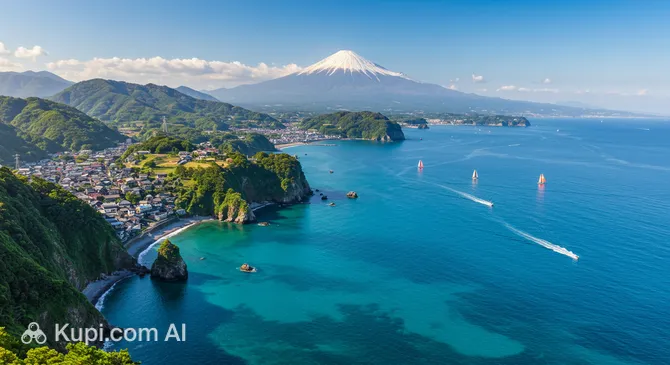
Izu. Illustration.
Source: Kupi.com AI

Izu is surrounded by picturesque mountains covered with dense forests, and its western part offers stunning views of the legendary Mount Fuji, which is only about 50 kilometers away. The city is home to approximately 28,500 people, giving it an atmosphere of peace and coziness far from the hustle and bustle of major metropolises. Modern Izu was formed in 2004 through the merger of several small towns and villages, while successfully preserving its unique local flavor.

Izu has gained particular fame for its resort atmosphere: here, you will find a mild climate, scenic beaches with the crystal-clear waters of the Pacific Ocean, and, of course, the famous Japanese hot springs—onsens. In addition to relaxing in nature, Izu offers a variety of opportunities for active travelers: you can go surfing, embark on an exciting mountain hike, or explore local attractions, including historical temples and colorful farmers' markets featuring the freshest seafood.

Izu is a place where modernity harmoniously intertwines with centuries-old traditions. If you are looking for a place to reset, find inspiration, and experience authentic Japanese culture and nature, Izu will undoubtedly provide you with unforgettable memories.

You can find more interesting facts on the history of Izu page.
Weather Overview

The weather in Izu offers city guests clearly defined seasons. Summer, especially from June to August, is warm and quite humid, with average temperatures reaching 26.1°C in August and a significant number of rainy days. Winters, from December to February, are cool, with an average temperature of about 6.9°C in January, and are characterized by less precipitation compared to the summer months. Spring and autumn are pleasant transitional periods with moderate temperatures and rainfall.

In general, expect warm summers with occasional rain and cool, relatively dry winters. To get a more detailed view of the weather conditions by month, you can check the information about the climate of Izu.

Average monthly temperature

Average monthly precipitation

Interesting Facts

In addition to its well-known thermal springs and picturesque landscapes, Izu holds many fascinating stories and features that make it a truly unique place to explore.

Bamboo Forest Path. Illustration.
Source: Kupi.com AI

Traveler photos:

  • During the Edo period, the Izu region was a significant gold mining center, supplying the Tokugawa shogunate. Notably, the last of these gold mines only ceased operation in 1960. Today, museum exhibitions and specially designed themed routes serve as reminders of the "gold rush" era.

  • Izu is a true paradise for hot spring (onsen) lovers. Due to its volcanic activity, the peninsula is teeming with them. One of the oldest and most famous, Shuzenji Onsen, was legendarily founded by the Buddhist monk Kukai back in the 9th century.

  • The Izu Peninsula owes its formation to ancient eruptions of Mount Fuji—it was formed from flows of solidified lava. This geological history has gifted the region a stunning variety of natural landscapes: from dense forests and picturesque waterfalls to volcanic mountains and a rugged coastline with azure beaches.

  • In Izu, you can discover many unique attractions. For example, it is home to the famous Bamboo Forest Path, where you can enjoy a peaceful walk. It's also worth visiting the Kawazu Seven Waterfalls, which are particularly enchanting during the cherry blossom season, or climbing Mount Omuro—an extinct volcano with a distinctive conical shape and a trail that runs along the very edge of its crater.

How to Get There

A trip to Izu is an immersion into a world of picturesque nature and hot springs, but to start this vacation, you need to plan your route correctly. The city is located on a peninsula, and you can get here in various ways, combining high-speed trains, buses, or a rental car. You can find all the ways to get to the city and choose the most convenient option for you.

The city of Izu itself does not have its own airport, so travelers usually fly into neighboring prefectures or the capital and then transfer to ground transport. The nearest air hub is Shizuoka Airport (FSZ), located in Shizuoka city. It is approximately 73 km from Izu. The journey from there by taxi or bus takes roughly 2 hours and 10 minutes. This is a convenient option for domestic flights or flights from some Asian countries.

For most international tourists, Tokyo's airports serve as the main gateway. Haneda Airport (HND) is located in Tokyo, about 99 km from Izu. The journey by car takes approximately 2 hours and 50 minutes. This is one of the busiest airports in the world with huge passenger traffic. Another popular option is Narita International Airport (NRT), also serving Tokyo but located further away—157 km. The trip from here takes about 4 hours and 15 minutes, so it is often more convenient to take express trains to Tokyo and then transfer to a Shinkansen towards Izu.

For clarity, here is a summary of the main airports:

AirportPassenger trafficDistance
Shizuoka Airport691 27473 km
Haneda Airport85.7 mln99 km
Narita International Airport40.8 mln157 km
Matsumoto Airport112 618161 km
Nagoya Airport735 000187 km

Rail service is one of the most popular and comfortable ways to reach Izu. The main transfer hub for travelers is usually Mishima Station, where Tokaido Shinkansen high-speed trains from Tokyo or Osaka arrive. From Mishima Station, you can transfer to the local Izuhakone Railway Sunzu Line, which leads straight to the heart of the city at Shuzenji Station. The trip on this branch takes about 35 minutes and allows you to enjoy views of the countryside and mountains.

The region can also be reached by car via scenic roads such as the Izu Skyline, or by using express buses (Tokai Bus) that run from major railway stations and from Tokyo (Shinjuku) directly to popular resort areas on the peninsula.

Main Attractions

The city of Izu, located on a picturesque peninsula, attracts travelers with its natural beauty and opportunities for a peaceful getaway. Among its many interesting spots, several attractions stand out, promising to leave you with unforgettable impressions.

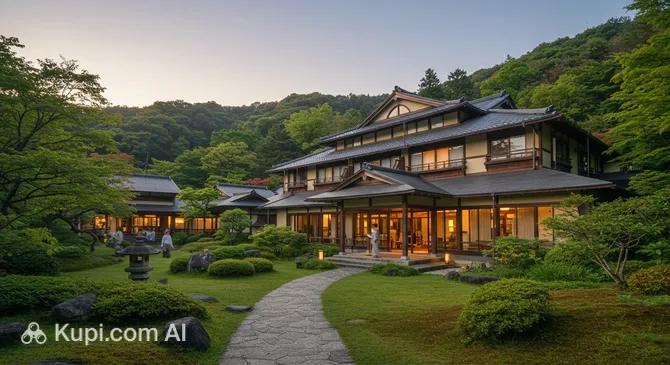
One such iconic location is the Kikuya Ryokan. This traditional Japanese inn offers guests more than just a place to sleep—it provides full immersion into Japanese culture and hospitality. Here, you can enjoy relaxing hot springs (onsens), stay in tatami-matted rooms, and savor exquisite local cuisine. A visit to Kikuya Ryokan is a wonderful opportunity to relax your mind and body while experiencing the authentic atmosphere of old Japan.

Kikuya Ryokan. Illustration.
Source: Kupi.com AI

Traveler photos:

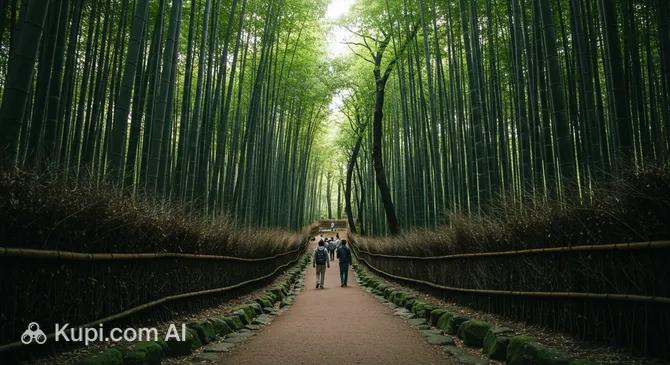
For nature lovers and those who enjoy quiet walks, the Bamboo Forest Path is a must-see. This scenic trail, winding through dense bamboo groves, creates a truly magical atmosphere. Tall bamboo stalks reaching toward the sky form a green tunnel through which sunlight softly filters. The sound of the wind in the bamboo leaves and the singing of birds accompany travelers, making a walk along the Bamboo Forest Path truly meditative. It is an ideal place for leisurely strolls, photography, and enjoying the tranquility of nature.

Bamboo Forest Path. Illustration.
Source: Kupi.com AI

Traveler photos:

These attractions are just a fraction of what Izu has to offer. The city and its surroundings are rich in natural beauty, thermal springs, and cultural sites that make it an appealing destination for tourists seeking both relaxation and new discoveries.

Local Cuisine

The cuisine of Izu is a true paradise for fans of fresh seafood and authentic Japanese flavors. Thanks to its coastal location, the city is famous for an abundance of sea treasures that reach the table almost immediately after being caught. Izu's gastronomic scene attracts tourists with the opportunity to try unique local specialties and enjoy the quality of the freshest ingredients.

You should definitely try the spiny lobster (Ise ebi), which is prepared here in a special way, often served with local wasabi and citrus notes. Another hallmark of Izu is seasonal fish sashimi—its freshness and taste will not leave any gourmet indifferent. Also noteworthy is iwashi-no-sunomono—marinated sardines with vegetables, and traditional miso soup with seafood, which warms you up and offers a rich flavor. A feature of the local culinary style is the extensive use of fresh wasabi, as the Izu area grows some of the best varieties of this famous Japanese horseradish.

In addition to seafood, Izu's farmers' markets offer fresh vegetables, juicy fruits, homemade pickles, and various sweets, such as those made from local mikan oranges. As for drinks, it's worth paying attention to local sake varieties, which perfectly complement seafood dishes, as well as fruit wines produced at small wineries in the city's outskirts.

The dining culture in Izu is diverse. Locals and tourists often choose cozy restaurants to enjoy the freshest seafood and traditional dishes. Farmers' markets are also popular, where you can not only buy fresh produce but also taste local delicacies. Furthermore, Izu regularly hosts food festivals offering a wide selection of street food, seasonal dishes, and the chance to participate in masterclasses by local chefs, making a gastronomic journey to Izu even more exciting.

Travel Tips

Planning a trip to charming Izu? To ensure your journey through this picturesque corner of Japan goes smoothly and leaves only pleasant impressions, we have prepared some practical tips for you.

  1. Clothing and Essentials: The climate in the Izu region, like in Shizuoka Prefecture, is temperate with clearly defined seasons. It can be hot and humid in summer and cool in winter. Comfortable shoes are your best companion, especially if you plan to explore nature trails and the coast. Don't forget an adapter for electronics (Japan uses Type A and B sockets, 100V voltage). When visiting temples, show respect by choosing more modest clothing, although there are usually no strict rules.

  2. Transport: The Izu region is easily accessible by train. For moving around the Izu Peninsula itself, local trains (e.g., the Izukyu Line) and buses are excellent. If you want to explore more secluded beaches and natural beauty with maximum freedom, consider renting a car—for this, you will need an international driving permit. Taxis are available but can be an expensive pleasure for long distances.

  3. Finances: The official currency is the Japanese yen (JPY). We recommend exchanging some money upon arrival at the airport or in advance. Although credit cards are accepted in many hotels and large shops, having cash is mandatory, especially for payments in small restaurants, local shops, and when visiting temples. ATMs that work with international cards are most commonly found in post offices (Japan Post Bank) and 7-Eleven convenience stores. It is important to remember that tipping in Japan is not practiced.

  4. Health and Safety: Japan is famous for its safety, and Izu is no exception. Pharmacies ("kusuri") are available, but it is better to bring your usual medicines with you, especially if you require specific drugs. If medical assistance is needed, your hotel staff can help find an English-speaking doctor. It is strongly recommended to take out travel medical insurance before your trip.

  5. Communication: The official language is Japanese. In Izu's tourist centers, hotels, and at popular attractions, staff may speak English, but overall you should be prepared for a language barrier. Learn a few simple phrases: "konnichiwa" (hello/good day), "arigato" (thank you), "sumimasen" (excuse me/sorry). For constant internet access, it is most convenient to rent a pocket Wi-Fi router or purchase a local SIM card (usually available at airports).

  6. Local Etiquette: Japanese people highly value politeness and respect. Greetings are accompanied by a bow. In public places, especially on transport, try to speak quietly and not disturb others. An important rule is to remove your shoes before entering traditional inns (ryokans), temples, and private homes. Try not to eat or drink while walking on the street, unless it is a specially designated area (e.g., near vending machines).

  7. What to Avoid: Never stick your chopsticks vertically into a bowl of rice—this is part of a funeral ritual and is considered a bad omen. Also, avoid loud mobile phone conversations on trains and buses—it is considered impolite.

  8. Specialty of Izu – Onsens: The Izu Peninsula is famous for its hot springs (onsens). Visiting an onsen is a unique Japanese experience. Before entering the communal bath, you must wash thoroughly in the designated shower area. Remember that in traditional public onsens, it is not customary to wear swimsuits.

We hope these tips help you better prepare for your trip and enjoy every moment of your stay in beautiful Izu. We wish you unforgettable experiences!

Entertainment & Nightlife

The city of Izu, located in Shizuoka Prefecture, is famous for its hot springs, picturesque coastlines, and natural beauty rather than a vibrant nightlife in the traditional sense. Evening entertainment here is of a calmer and more peaceful nature, perfectly fitting the overall atmosphere of relaxation and connection with nature. Instead of noisy clubs and bars, you will find opportunities for quiet rest and enjoyment of the local culture.

The core of evening leisure in Izu consists of traditional Japanese restaurants and izakayas, where you can taste fresh seafood and local delicacies accompanied by sake or shochu. Many ryokans and hotels, such as the Kikuya Ryokan, offer their guests cozy lounge areas or bars where they can spend the evening in a quiet setting. Naturally, an integral part of evening relaxation in Izu is visiting onsens—hot springs that are especially pleasant after a busy day. There are virtually no specialized nightclubs or large concert venues in Izu, as the city is oriented toward a different type of holiday.

Kikuya Ryokan. Illustration.
Source: Kupi.com AI

Traveler photos:

The evening atmosphere in Izu is predominantly quiet and relaxed. Establishments usually stay open until late evening, but not deep into the night as they do in major metropolises. Dress codes are generally absent or very informal, especially in izakayas and small restaurants. The crowd mainly consists of tourists seeking a peaceful vacation and local residents. You won't find distinct nightlife districts here; entertainment is instead spread across various areas, often within hotels or near popular tourist spots.

When planning your evening leisure, it's best to focus on dinner at a restaurant you like or a session at an onsen. Regarding transport, taxis are the main option in the evening, though their availability may be limited late at night, especially in remote areas. It is recommended to check the schedule for the last public transport in advance if you plan to use it, or arrange a taxi through your hotel. Average prices in restaurants and bars can vary but generally correspond to Japan's typical tourist regions.

In terms of safety, Izu—like most cities in Japan—is a very safe place for evening and night walks. Nevertheless, basic precautions should always be observed. You can usually call a taxi through the hotel reception or ask restaurant staff to do so.

During the day, Izu offers many options for active and cultural recreation. You can explore numerous natural attractions, such as the picturesque Bamboo Forest Path, visit local temples, shrines, and museums that tell the story of the region's history and culture. Coastal walks and park visits are also popular.

Bamboo Forest Path. Illustration.
Source: Kupi.com AI

Traveler photos:

Overall, Izu is a destination for those seeking tranquility and quality rest, including during the evening hours. There are no loud parties here, but there is the charm of the Japanese countryside, delicious food, and the opportunity to relax your soul and body.

Parks & Museums

The city of Izu invites its guests to enjoy both magnificent natural landscapes and the rich cultural heritage of the region. Here, you can find peace in green zones and touch the traditions of Japan.

Among the natural attractions of Izu, the Bamboo Forest Path in the Shuzenji area is particularly prominent. This is a wonderful place where you can take a meditative walk among tall, slender bamboo stalks, enjoying the silence and a special, almost mystical atmosphere. Nearby lies the Shuzenji Nature Park, known for its plum and maple groves, which is especially beautiful during the blossom season or when the autumn leaves fall. Another natural gem is Joren Falls, one of the most famous waterfalls on the Izu Peninsula, surrounded by lush greenery and offering coolness on a hot day. These places will provide a sense of harmony and union with nature.

While Izu might not abound with large museums in the classical sense, its cultural wealth is revealed through unique local traditions and historical sites. You can immerse yourself in history and culture, for instance, by staying in a traditional Japanese inn—a ryokan. One such notable place where you can experience the spirit of old Japan and the highest level of hospitality is the Kikuya Ryokan. It is not just a hotel, but an opportunity to touch centuries-old traditions, enjoy exquisite local cuisine, and rest in an atmosphere of tranquility and refined aesthetics. Many ryokans are historical keepers in their own right, being housed in heritage buildings.

For those seeking authentic experiences, Izu offers many hidden gems. Be sure to visit the local hot springs—onsens, which are an integral part of Japanese culture and a wonderful way to relax. Also, look out for small local temples and shrines, often located away from major tourist routes, where you can find peace and connect with the spiritual side of the region. Sometimes you can stumble upon small exhibitions of local crafts or historical displays telling the past of this land.

Getting Around

When planning your travels around Izu and its surroundings, tourists can count on a well-developed public transport system adapted to the mountainous landscape and tourist flows. The transport network is based on trains and buses that connect various districts of the city and popular attractions.

Trains play an important role, especially for connecting with other cities and moving between major towns on the Izu Peninsula. For example, the Izu Hakone Railway Sunzu Line connects Mishima Station (where Shinkansen high-speed trains arrive) with Shuzenji Station, located in the heart of Izu. The scenic Izukyu Line, known for its coastal views, also runs along the peninsula. Buses, mainly operated by Tokai Bus, provide service where there are no railway lines, taking passengers to hot springs (onsens), natural parks, and observation decks. The route network is quite dense, but service intervals can be significant, especially in remote areas.

For paying fares on trains and buses, contactless IC cards such as Suica or PASMO are widely used and popular throughout Japan. They can be purchased and topped up at machines in major stations. You can also buy single train tickets at machines or ticket offices, and on buses, you can pay the fare in cash when entering or exiting (exact change is often required as the driver may not have change). Special passes, such as daily or multi-day passes for specific bus routes or sections of the railway, can be beneficial for tourists. Information about these is best checked at stations or tourist information centers.

Practical tips for tourists: it is recommended to buy train tickets in advance, especially during peak season. Train and bus schedules are available at stations and online, often in English. On buses, entry is usually through the rear door, where you need to take a ticket with a stop number (if paying by zone), and exit is through the front door, where payment is made to the driver. Transport runs regularly, but evening trips, especially bus services, can end relatively early, so plan your day accordingly.

As an alternative to public transport in Izu, you can consider taxis, which are convenient for short trips or trips with luggage but are a more expensive option. To explore the Izu Peninsula with more freedom, many tourists prefer to rent a car, which makes it easy to reach remote beaches and mountain trails. In some tourist areas, such as Shuzenji Onsen, bicycle rentals are popular for leisurely strolls around the neighborhood.

A feature of the region's transport system is its scenic railway routes, such as the aforementioned Izukyu Line, where the trip itself becomes part of the tourist experience thanks to the views. Additionally, the Izu region has several ropeways leading to panoramic decks, such as the Katsuragiyama Panorama Park Ropeway near Izunokuni, which offers magnificent views, including Mount Fuji on clear days.

Accommodation

In the city of Izu, travelers will find a variety of accommodation options to suit different preferences and budgets. There are traditional Japanese ryokans, modern hotels, guesthouses, and more budget-friendly options.

When choosing a place to stay, you should consider areas near the thermal springs (onsens) that Izu is famous for, or close to picturesque natural attractions. Many hotels offer magnificent views and convenient access to major tourist routes. The choice of a specific area will depend on your plans: whether you are looking for seclusion and relaxation or active recreation and exploring the surroundings.

Among the well-known accommodation options in Izu is, for example, the Kikuya Ryokan, which offers guests an authentic experience in a traditional Japanese style. Such places often combine comfort with the opportunity to immerse yourself in local culture, enjoy onsens, and savor exquisite Japanese cuisine.

The price range varies from budget options to luxury resorts. It is recommended to book accommodation in advance, especially if your trip coincides with the peak tourist season or public holidays. To search and book, you can use popular online platforms or visit hotel websites directly. This will allow you to compare prices, read reviews from other travelers, and choose the most suitable option for your unforgettable vacation in Izu.

Nearby Cities

For those looking to explore the surrounding area, Izu serves as an excellent starting point for day trips to several interesting nearby locations:

CityPopulationDistance
Izunokuni46 2126 km
Ito64 47314 km
Numazu187 65315 km
Nagaizumi43 20418 km
Atami35 27618 km

These nearby destinations offer insight into the diverse culture and landscapes of the Japan region. Each of these cities offers its own unique attractions: from historical castles and temples to scenic natural parks and hot springs. By planning a day trip, you can significantly enrich your experience of staying in Izu.

Shopping & Souvenirs

The city of Izu, known primarily for its magnificent hot springs (onsen) and picturesque natural landscapes, offers tourists an intimate and authentic shopping experience rather than a hunt for global brands. Here, you can find unique local products, traditional crafts, and souvenirs that will serve as a wonderful reminder of your trip to Japan.

In Izu, there are no large-scale shopping streets like in major metropolises. Instead, small shops, boutiques, and souvenir kiosks are most often located near railway stations, around popular tourist attractions, and in the charming resort towns scattered throughout the Izu Peninsula. For example, while walking through the streets of the Shuzenji Onsen area, you will certainly find interesting shops with local delicacies and handmade products.

Large shopping centers in the classical sense are not a characteristic feature of Izu city itself. However, in larger settlements on the peninsula or in neighboring cities of Shizuoka Prefecture, you can find small department stores or shopping arcades offering a wider range of goods.

Although Izu is not famous for large urban markets, you can visit small local markets, especially those specializing in the freshest seafood—after all, the region is known for its rich catch. Farmers' markets selling seasonal vegetables, fruits, and other local products may also be of interest. Often, such markets can be found in port areas or near farms. During local festivals and holidays, temporary fairs are often organized at temples, where you can also purchase interesting souvenirs and treats.

As souvenirs from Izu, look for products made from local wasabi—from fresh roots to various sauces, pastes, and snacks. The region is famous for this pungent plant. Also popular are dried seafood, local green tea, unique handmade ceramics, and wooden items. Don't forget souvenirs related to the rich onsen culture: aromatic bath salts, traditional "tenugui" Japanese towels with beautiful patterns, and other bath accessories.

Most shops in Izu usually operate from 10:00 or 11:00 AM to 6:00 or 7:00 PM. Small family-run shops may have more flexible hours or close for a lunch break. In popular tourist zones, shops—especially souvenir ones—may stay open longer, particularly during the peak season. The main currency is the Japanese yen (JPY). Credit cards are accepted in most hotels, restaurants, and large shops, but in small shops and markets, cash is preferred. It is recommended to always have some cash on hand.

For foreign tourists in Japan, a Tax-Free system is available, allowing a refund of the consumption tax (currently 10%) on purchases over 5,000 yen (excluding tax) in a single shop within one day. Look for shops with the "Japan Tax-free Shop" sign. To process the tax refund, you must present your passport. The procedure is usually completed right in the shop at the time of purchase or at a special tax refund counter. Check details and conditions directly at the points of purchase.

Reached the end of the page?

That means the route is fully explored