Support

Ina

About

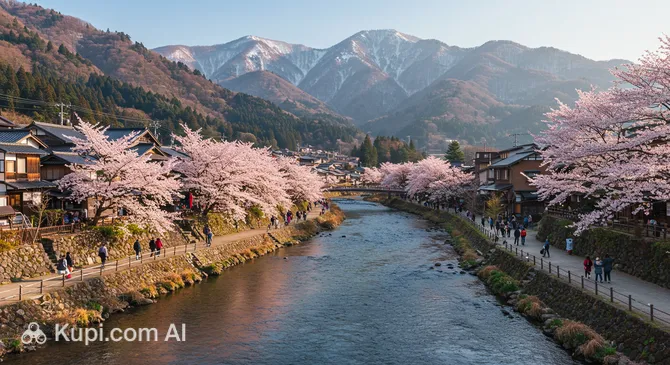
Ina is a charming city nestled in Nagano Prefecture, in the very heart of Japan. It seems to be hidden among the majestic Japanese Alps, which gives it a special, peaceful atmosphere. Here, every morning is shrouded in a light mist, and evenings bring the refreshing mountain air.

Ina. Illustration.
Source: Kupi.com AI

With a population of about 65,670 people, Ina maintains the spirit of a welcoming provincial town, where there is no hustle and bustle of megacities, but there is a developed infrastructure and a unique local flavor. Residents carefully preserve their cultural heritage and are always happy to welcome guests.

Ina is often called the gateway to the Japanese Alps, and for good reason. The city serves as an excellent starting point for exploring the picturesque surroundings. Here you can go hiking in the hills, enjoy views of the Tenryu River, or discover little-known corners of the central part of the country. Among the city's attractive features are its ancient temples and traditional quarters, allowing you to immerse yourself in authentic Japanese culture.

If you are looking for authentic Japan, dream of peace of mind, and want to get to know the real Japanese province, Ina will be an ideal destination for you. This city will give you unforgettable impressions of incredible landscapes and warm hospitality.

You can find more interesting facts on the history of Ina page.

Weather Overview

The weather in Ina is characterized by noticeable seasonal changes. Summer, especially in July and August, is quite warm. The average temperature in July is about 20.6°C, and the maximum can reach 24.2°C. In August, the average temperature rises to 21.7°C, with maximum values up to 25.4°C. July stands out with the highest amount of precipitation (10 mm) and the highest number of rainy days (22 days). August also remains a very humid month with 21 rainy days, although there is slightly less precipitation (6 mm) than in July (10 mm) or June (8 mm).

Winters, by contrast, are cold. In January and February, the average temperature drops below zero: in January, it is approximately -3.6°C (minimum values can reach -7.2°C), and in February – around -2.4°C (minimum down to -6.5°C). Winter precipitation is moderate, often in the form of snow, with amounts of 3-4 mm per month. Spring (March-May) and autumn (September-November) are transitional seasons with gradual temperature changes. Expect a warm summer with occasional rain and cold winters with moderate precipitation. To get a more detailed idea of the weather conditions, you can study the climate of Ina.

Average monthly temperature

Average monthly precipitation

Interesting Facts

Beyond its picturesque landscapes and cultural attractions, Ina holds many fascinating stories and little-known details that make this city truly special. Here are just a few interesting facts that will help you see Ina from a new perspective:

  • The city of Ina has a rich history dating back centuries. In the past, it served as an important transit point on trade and pilgrimage routes connecting eastern and western Japan. Caravans loaded with silk and tea passed through Ina, and local craftsmen were famous for their skill in woodcarving and lacquerware.

  • Ina is home to the unique and exciting "Onibashira" festival. This grand event is held only once every few years and attracts thousands of spectators. During the festival, participants slide massive tree trunks down steep slopes, symbolizing the renewal and spiritual strength of the local community.

  • The names of many prominent masters of traditional crafts and artists are associated with the city of Ina. There is a belief that a special variety of Japanese ceramics was invented here, distinguished not only by its strength but also by its exquisite patterns.

  • Local legends and lore shroud Ina in an atmosphere of mystery. Long-time residents tell stories of ancient spirits of the mountains and forests who, according to belief, still protect the city and its inhabitants to this day. It is said that by spending a few days here, you can feel the special, peaceful, and inspiring energy of this place.

How to Get There

When planning a trip to this picturesque corner of Nagano Prefecture, it's worth thinking about logistics in advance. The city is located in a mountainous area, so the route may require transfers. You can find all the ways to get to Ina on a separate page, and below we will look at the main options.

Ina itself does not have an airport, so travelers arriving by plane will need to use the air gateways of neighboring cities. The most convenient and significant for international tourists is Chubu Centrair International Airport (NGO). It is located in Nagoya, about 150 km from Ina. This is a major transport hub with a large number of flights. The journey from there by car or bus will take about 3-4 hours, and rail connections with transfers are also available.

The closest by distance is Matsumoto Airport (MMJ), located in the city of Matsumoto, just 38 km from Ina. This is a small regional airport that accepts a limited number of domestic flights. The journey from there to the center of Ina by taxi or bus will take a little over an hour (about 70-80 minutes). This is an excellent option if you are flying on a domestic flight from other parts of Japan.

For clarity, here is a summary of the main airports in the region:

AirportPassenger trafficDistance
Matsumoto Airport112 61838 km
Nagoya Airport735 000113 km
Toyama Airport736 740114 km
Shizuoka Airport691 274116 km
Chubu Centrair International Airport12.3 mln150 km

Rail service also plays an important role, although there are no direct Shinkansen high-speed trains to Ina itself. The city is served by the JR Iida Line, which is famous for its scenic views. Travelers usually take express trains to major stations such as Okaya or Toyohashi and then transfer to local trains running through the Ina Valley. A train journey is a wonderful opportunity to enjoy the beauty of the Japanese Alps.

Additionally, intercity buses (Highway Buses) are a very popular way to reach Ina. They depart from major terminals in Tokyo (Shinjuku), Nagoya, and Osaka. Buses often offer a direct route without transfers, making them a convenient and often more economical alternative to trains. The road passes along highways with impressive mountain landscapes.

Main Attractions

The city of Ina, nestled in the picturesque Nagano Prefecture in Japan, attracts travelers with its charm and variety of interesting places. Here you can enjoy both natural beauty and touch the rich history and culture of the region. When planning a trip to Ina, be sure to include several key attractions in your itinerary.

One of the most famous attractions in Ina is Takato Joshi Park. This park is particularly famous during the cherry blossom season and is considered one of the top three spots for viewing cherry blossoms in all of Japan. Thousands of unique Kohigan-zakura trees paint the hills in soft pink, creating a breathtaking spectacle. The park is located on the ruins of the ancient Takato Castle, which adds to its historical atmosphere. A walk along its paths in spring is an unforgettable experience.

For history and spirituality buffs, we recommend visiting Kozen-ji Temple (光前寺), located in the neighboring city of Komagane, near Ina. This ancient Buddhist temple is famous for its magnificent moss garden, mighty centuries-old cedars, and surprisingly calm, peaceful atmosphere. The temple is also shrouded in legends, including the famous tale of the faithful dog Hayataro, who is said to have saved these lands from an evil spirit. A visit to Kozen-ji will allow you to immerse yourself in silence and contemplation while enjoying traditional Japanese architecture and the harmony of nature.

For those traveling with family or wanting to get closer to local agricultural culture, Miharashi Farm is an excellent choice. This is a popular agritourism complex in Ina, where visitors can participate in harvesting seasonal fruits and berries, such as strawberries or apples. Additionally, the farm features restaurants serving dishes made from fresh local produce, souvenir shops, and even hot springs (onsen) with beautiful views of the surrounding mountains. It is a wonderful place to relax in nature and experience the region's bounty.

Local Cuisine

The gastronomic scene of Ina will delight travelers with its diversity and authentic flavors. This city in Nagano Prefecture offers unique culinary experiences based on fresh local products and centuries-old traditions.

Be sure to try the famous soba noodles made from buckwheat flour. In Ina, they are prepared according to special recipes passed down through generations. The noodles are served both in a hot fragrant broth and cold, often with the addition of fresh mountain herbs and homemade sauce. Another iconic delicacy is basashi, raw horse meat. This specialty, valued by gourmets across Japan for its delicate flavor and nutritional value, is traditionally served with soy sauce, ginger, and garlic. It's also worth trying the trout caught in the region's pristine mountain rivers and seasonal vegetables grown in local terraced fields.

Food culture in Ina is closely linked to nature and farming. Locals and tourists often visit farmers' markets, where you can buy the freshest fruits, vegetables, and homemade pickles. This is where you can feel the true spirit of the region and try "farm-to-table" products. The city also has many restaurants serving both traditional dishes and modern interpretations of local cuisine. Culinary festivals are often held in Ina, where you can not only enjoy local delicacies but also participate in masterclasses on how to prepare them.

As for drinks, Ina produces excellent sake in small family-run breweries where ancient recipes are carefully preserved. Local plum-based liqueur is also popular. For those with a sweet tooth, Ina is a real find: local confectioners are famous for their delicious chestnut cakes and desserts made from sweet rice dough. Immersing yourself in the gastronomic world of Ina is an opportunity to discover the unique tastes and traditions of Japan.

Travel Tips

Planning a trip to the picturesque city of Ina, located in Nagano Prefecture? To ensure your journey to this beautiful corner of Japan goes smoothly and leaves only pleasant impressions, we have prepared some practical tips for you.

  1. Clothing and Essentials: The climate in Ina, as in all of Nagano Prefecture, is characterized by four distinct seasons. Summers here are warm and humid, so bring light clothing, but don't forget sun protection and a light jacket for the evening. In winter, snow and frost are expected—warm layered clothing, a hat, gloves, and waterproof shoes are mandatory. Spring and autumn will delight you with comfortable temperatures, ideal for walking. A key wardrobe item is comfortable shoes, as you will be doing a lot of walking while exploring the city and its surroundings. Don't forget an adapter for electronics (Type A in Japan, 100V voltage). When visiting temples and shrines, choose modest clothing that covers shoulders and knees.
  2. City Transport: The main form of public transport in Ina is buses. Schedules may not be as frequent as in megacities, so plan your routes in advance. Taxis are available but can be expensive. If you plan to actively explore the natural beauty of Nagano Prefecture, renting a car could be a good option, but keep in mind that Japan has left-hand traffic and an international driving permit may be required. For short trips around the city, a bicycle is also convenient.
  3. Finances: The local currency is the Japanese Yen (JPY). While credit cards (Visa, Mastercard) are accepted in many hotels, large shops, and restaurants, cash is still very important, especially in small establishments, local markets, and when paying for some bus fares. ATMs for withdrawing cash with international cards are usually located in post offices and convenience stores (e.g., 7-Eleven). An approximate daily budget (excluding accommodation) can range from 5,000 to 10,000 yen. Tipping is not customary in Japan—good service is already included in the bill.
  4. Health and Safety: Ina, like Japan in general, is a very safe place. However, standard precautions still apply: keep an eye on your belongings, especially in crowded areas. Pharmacies (薬局 - yakkyoku) are available in the city, but not all are open 24/7, and staff may not speak English. Bring a small set of necessary medications with you. In case of serious need, medical assistance for tourists is provided at local clinics or hospitals; having travel insurance is advisable.
  5. Communication: The official language is Japanese. The level of English proficiency among the local population may be low, especially outside tourist zones. Learning a few basic Japanese phrases (greeting, thank you, asking for help) will significantly facilitate communication and will be appreciated by the locals. For internet access, you can purchase a local SIM card or rent a pocket Wi-Fi router. Free Wi-Fi is available in some hotels, cafes, and public places.
  6. Local Etiquette: Japanese people are very polite and value respect for their culture. Greetings are usually accompanied by a bow. In public places, especially on transport, try not to talk loudly on the phone. It is customary to remove your shoes when entering a Japanese home, some temples, and traditional restaurants. Maintaining cleanliness is an important part of the culture; do not litter in the streets.
  7. What to Avoid: Try not to eat while walking in the street (except in designated areas, such as at festivals). It is not polite to point fingers at people. Sticking chopsticks vertically into rice is considered bad manners, as it is associated with funeral rituals.
  8. Additional Tip: Ina is located in a region rich in nature and agricultural land. Be sure to try local seasonal fruits, vegetables, and traditional Nagano Prefecture dishes, such as soba (buckwheat noodles) or oyaki (dumplings with various fillings). Visiting local markets can be a fascinating experience.

We hope these tips help you better prepare for your trip to Ina and enjoy every moment of your stay in this cozy Japanese city. We wish you an unforgettable journey!

Entertainment & Nightlife

The city of Ina, located in Nagano Prefecture, offers its guests a quiet and authentic experience of Japan, and its evening life matches this mood. You won't find noisy districts with neon signs typical of megacities here, but you can enjoy the cozy atmosphere of local establishments and the hospitality of the residents.

The core of nightlife in Ina consists of traditional Japanese drinking establishments – izakaya. These are wonderful places to try local sake, shochu, and a variety of snacks in a relaxed setting. Such bars are often located near the central Ina-shi station or along the main commercial streets. The atmosphere in them is usually friendly and conducive to conversation, with a predominantly local crowd. Many izakayas stay open until midnight or 1:00 AM. There is no formal dress code; neat casual style is appreciated. For example, you might stumble upon a cozy izakaya like a hypothetical "Akari no Sato" (Village of Light) near the station, or a small bar like "Yama no Kaori" (Scent of the Mountains) on one of the central streets offering local drinks. Please note that these are illustrative names, and for up-to-date information, you should check recent online reviews or ask locals for advice.

Regarding price levels, in a typical izakaya in a city like Ina, the cost of a glass of beer or a serving of sake can be around 500-800 yen, while popular snacks like yakitori or edamame will cost 300-600 yen per dish. Thus, a pleasant evening with a few drinks and two or three snacks might cost on average 2000-4000 yen per person. However, prices can vary depending on the establishment, season, and specific offers, so it's always useful to check the menu or clarify the cost in advance, especially if you're looking for something specific. Some establishments may offer "nomihodai" (all-you-can-drink for a fixed fee over a certain period) or "tabehodai" (all-you-can-eat).

Besides izakayas, you can find karaoke bars in Ina – a popular entertainment in Japan for groups of friends or even solo performances. Imagine, for example, a karaoke club like "Utagoe no Ya" (House of Singing Voices), where you can have a great time. The cost of such entertainment usually consists of an hourly room charge (or per person), which can start from 500-1000 yen per hour during the day or off-peak times, and often a mandatory order of at least one drink costing around 400-700 yen. Some restaurants also operate in the evening, offering local cuisine. There will likely be few large nightclubs with dance floors in the European sense, but small bars with music can certainly be found. Since specific names and popularity can change, especially in cities the size of Ina, we recommend relying on recent online reviews or asking locals or your hotel for advice. Usually, the liveliest spots are concentrated around Ina-shi railway station.

As for practical tips, it's best to start your evening leisure not too late, as many establishments may close earlier than in large cities. Public transport runs less frequently at night, so it's worth planning how to get back to your hotel in advance – taxis are a reliable option. Ina, like most cities in Japan, is considered a safe place for night walks, though basic precautions should always be observed.

During the day, Ina and its surroundings also offer interesting leisure options. Given its location in Nagano Prefecture, known for its nature, you can enjoy walks in picturesque spots or visit local parks. Small city museums can tell you about the history and culture of the region. While Ina is not famous for large entertainment complexes, its charm lies in its peaceful atmosphere and the opportunity to immerse yourself in the steady pace of life in the Japanese countryside.
Parks & Museums

The city of Ina offers its guests both wonderful opportunities for outdoor recreation in its green zones and immersion into local culture and history through museums and landmarks. Here, everyone will find something to their liking, whether it's contemplating cherry blossoms or getting acquainted with the work of local craftsmen.

One of the region's main natural and historical gems is Takato Joshi Park (Takato Castle Ruins Park). This place is famous throughout Japan for its magnificent cherry blossoms in the spring, when thousands of trees paint the slopes in a delicate pink color. The park is not only beautiful but also has a rich history, allowing visitors to touch the past. For a more peaceful holiday and family walks, Kasuga Park in Ina is suitable, where you can enjoy well-kept alleys and fresh air.

To get a closer look at the art and culture of Ina, it's worth visiting the Ina City Art Museum (Ina City Sozokan / 伊那市創造館). It often hosts exhibitions by both local and guest artists, as well as displays telling the city's history and creative heritage. For a deeper immersion into the region's past, head to the Ina City Museum of History and Folklore (伊那市歴史民俗資料館), which houses artifacts and materials highlighting the life, traditions, and development of these lands. Additionally, you can find small private galleries or museums in the surrounding area dedicated to, for example, the traditional crafts of Nagano Prefecture, providing a deeper understanding of this region's uniqueness.

In addition to specifically designated parks and museums, a walk through some of Ina's districts can be a cultural discovery in itself. Pay attention to the ancient temples and Shinto shrines often found in Japanese cities, which hold centuries of history and tradition. The Takato Castle ruins mentioned earlier are also an important historical site, a reminder of the samurai past of these lands.

For a truly authentic experience of Ina, try turning off the beaten tourist paths. Take a look at local markets, if any are being held, to see fresh produce from the Nagano region and perhaps try local delicacies. Sometimes the most interesting discoveries wait in quiet alleys or during visits to small craft workshops where you can observe masters at work or even purchase a unique souvenir.

Getting Around

Getting around Ina and its surroundings is possible using public transport, which, although not as extensive as in megacities, quite fulfills its tasks for a city of this size. When planning your routes, it's worth checking the schedule in advance, especially if your trip falls in the evening or on weekends.

The main form of public transport in Ina is buses. They connect various districts of the city and nearby settlements. The bus route network covers key points, but intervals can be significant, especially on less popular routes. The JR Iida railway line also passes through Ina, making trains a convenient way to reach neighboring cities and explore the region.

The fare payment system is quite simple. On buses, payment is usually made in cash directly to the driver upon boarding or exiting—it is recommended to have small change with you. The approximate cost of a bus trip around the city usually starts from 150-200 yen and depends on the distance traveled. Tickets for the JR Iida line are purchased at railway stations in special machines or at ticket offices; the cost of short trips on this line also usually starts within 150-200 yen. In Japan, rechargeable transport IC cards (e.g., Suica, Pasmo, or regional equivalents like TOICA used in the Chubu region, which includes Nagano) are widely used and may be accepted in Ina's transport, significantly simplifying the payment process. It's worth confirming their usability upon arrival. While Ina itself may not have specific city tourist passes, regional bus or train passes may be available for traveling around Nagano Prefecture or the wider region. It's best to check for information on these at major stations or tourist information centers. For route planning and checking schedules and current fares, Japanese transport apps such as JapanTravel by Navitime or Google Maps can be useful.

Tourists are advised to study transport routes and schedules in advance, which are usually available at stops, stations, on transport company websites, or through the aforementioned apps. If you plan to move around the region actively, don't forget to check for information on potentially beneficial regional passes. Public transport in Ina usually operates from early morning until late evening, but night routes are likely absent. Ticket validation for trains occurs when passing through turnstiles at the station, and on buses—either when boarding or exiting, depending on the payment system.

If you prefer more flexibility and comfort, alternative ways to get around are available in Ina. You can always use taxi services, with stands usually located near the railway station and in central parts of the city. For exploring the picturesque surroundings and Nagano Prefecture, renting a car can be a convenient option. During the warmer months, bicycle rental can be considered for short trips around the city, if such a service is available.

Accommodation

When planning a trip to Ina, you will find a variety of accommodation options to suit different preferences and budgets. The city offers a choice from cozy guesthouses to more traditional Japanese inns, allowing every traveler to find a suitable place to stay.

In Ina, you can stay in modern hotels offering a familiar set of amenities or choose a more authentic experience by staying in a ryokan – a traditional Japanese inn where you can immerse yourself in local culture. Options for budget travelers, such as guesthouses or small hotels, are also available. When choosing accommodation, pay attention to its location: proximity to transport hubs or points of interest will make your stay more comfortable.

While specific famous hotels are not mentioned in the available information, Ina typically features both small family-run inns and options that can be found on popular online booking platforms. It is recommended to check reviews and locations before making a decision.

To ensure availability, especially if your trip coincides with peak tourist season or during local festivals, it is recommended to book accommodation in advance. Prices for accommodation vary depending on the type of lodging, its level of comfort, and the season. Most options can be booked through popular international and Japanese online booking services, or in some cases, by contacting the hotel or guesthouse directly.

Nearby Cities

For those who want to explore the surroundings, Ina serves as an excellent starting point for day trips to several interesting nearby locations. Each of these cities offers something unique for the curious traveler:

Toyota, the world-famous center of the automotive industry, attracts visitors not only with the namesake corporation but also with interesting museums dedicated to the history of technology and manufacturing. It's a great choice for those interested in engineering and innovation.

Matsumoto boasts one of Japan's most beautiful and well-preserved original castles – Matsumoto Castle, also known as the "Crow Castle." The city also charms with its historical atmosphere and Edo-period streets.

Iida is known for its traditional Ningyo Joruri puppet theater and picturesque landscapes along the Tenryu River. This place will appeal to connoisseurs of Japanese culture and natural beauty.

Azumino is a scenic valley at the foot of the Japanese Alps, famous for its artesian springs, art galleries, and Japan's largest wasabi farms. An ideal spot for a peaceful getaway and enjoying nature.

Kai, located in Yamanashi Prefecture, is famous for its orchards, especially its vineyards and peach plantations, as well as its wineries. It's also easy to reach the picturesque Shosenkyo Gorge from here.

CityPopulationDistance
Minamiminowa15 7275 km
Miyada8 6167 km
Minowa24 88710 km
Komagane31 76311 km
Iijima9 03817 km

These nearby destinations provide a glimpse into the diverse culture and landscapes of the region. Each trip promises new discoveries, whether they be historical sights, natural wonders, or unique local traditions.

Shopping & Souvenirs

Shopping in Ina is more about immersing yourself in the local atmosphere and discovering regional goods rather than chasing international brands. The city, located in Nagano Prefecture, is known for its agricultural products and traditional crafts, so you can find unique souvenirs and delicacies that reflect the spirit of this region of Japan.

The main shopping spots in Ina are likely concentrated along the central streets or in small shopping arcades typical of Japanese cities of this size. Here you will find shops offering daily necessities, local products, as well as small souvenir stalls. A walk through these areas will allow you to better experience the local flavor.

Large modern shopping malls common in megacities might be absent in Ina. However, the city may have local department stores or supermarkets with a good selection of goods, including food, clothing, and household items. Sometimes these department stores also feature souvenir sections.

If there are local markets in Ina, they will likely specialize in fresh farm produce from Nagano Prefecture, such as fruits, vegetables, and rice. Visiting such a market is a great opportunity to try seasonal delicacies and see the daily life of the townspeople. Occasionally, you may find craftsmen selling their wares at markets or during local festivals.

As souvenirs from Ina and Nagano Prefecture, consider local products: the famous Nagano apples, grapes, sake, miso paste, or buckwheat (soba) products. Traditional Japanese crafts are also popular if produced in this region—for example, ceramics, textiles, or wooden crafts. Don't forget about classic Japanese souvenirs: fans, chopsticks, small dolls, or keychains.

Shops in Ina usually operate from 10:00 or 11:00 AM to 7:00 or 8:00 PM. Small private shops may have shorter hours or a day off during the week. Regarding payment, cash remains an important means of payment, especially in small shops and markets. Credit cards are accepted in larger outlets and department stores, but it's always better to have some cash on hand.

For foreign tourists in Japan, a tax return system (Tax Free) is available. Look for shops with the "Japan Tax-Free Shop" logo. Typically, to process a tax refund, you must make a purchase over 5,000 yen (excluding tax) in one shop in one day and present your passport at the checkout or a special Tax Free counter.

Reached the end of the page?

That means the route is fully explored