Support

Kanra

About

Kanra is a charming town nestled comfortably among the picturesque hills of Gunma Prefecture, in the heart of the Kanto region. It offers travelers the chance to immerse themselves in the slow-paced, rural atmosphere of Japan, far from the hustle and bustle of major metropolises. Here, you will find soothing mountain landscapes framed by emerald rice fields and fresh air filled with the scents of blooming gardens. With a population of about 12,500 people, Kanra remains compact and authentic, where traditional Japanese houses and modern buildings blend harmoniously.
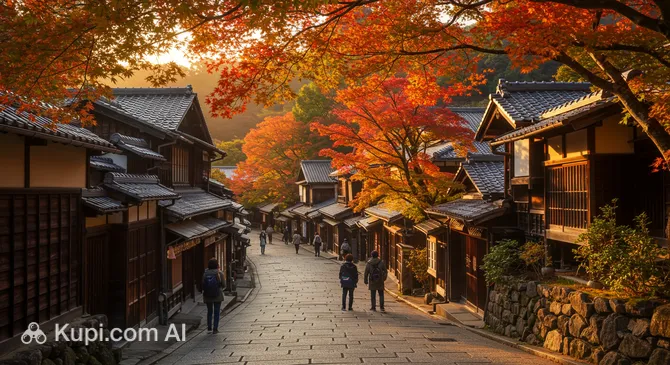
Kanra. Illustration.
Source: Kupi.com AI

This town is a true find for those seeking peace and authenticity. One of Kanra's main attractions is the opportunity to truly feel the rhythm of life in the Japanese countryside and get acquainted with traditions carefully preserved by the locals. The town is proud of its cultural heritage and history, which dates back to the samurai era. Walks through its green zones and surroundings will treat you to views that look as if they came straight out of classic Japanese woodblock prints.

If you dream of harmony with nature, leisurely discoveries, and immersion in genuine Japanese culture, Kanra is an excellent choice for your journey. It is a place where you can relax your soul and discover another, more secluded side of the Land of the Rising Sun.

You can find more interesting facts on the Kanra city history page.

Weather Overview

The weather in Kanra is characterized by noticeable seasonal changes. Summer, especially in July and August, is quite warm and humid. The average temperature in August, the hottest month, is about 24.2°C, while July sees the highest rainfall (averaging 10 mm) and the highest number of rainy days (26 days). Winters, by contrast, are cool and relatively dry. January is the coldest month with an average temperature of 1.2°C, and December has the minimum precipitation (1 mm).

Overall, expect a warm summer with frequent rain and cool winters with less precipitation in Kanra, though still with a few rainy or snowy days. Spring and autumn offer more moderate temperatures and transitional weather conditions. To get a more detailed view of the weather by month, you can explore the Kanra climate.

Average monthly temperature

Average monthly precipitation

Interesting Facts

In addition to its picturesque landscapes and traditional atmosphere, Kanra hides many interesting details that make this town in Japan truly special. Here are a few lesser-known facts that will help you see it from a new perspective:

  • During the Edo period, Kanra served as an important point on trade routes, a resting place for caravans and travelers. Even today, you can see old houses with traditional thatched roofs that preserve the spirit of that time.

  • The town's surroundings are famous for their hot springs — onsens. Locals believe the water there is particularly soft and has healing properties, and bathing against the backdrop of mountain landscapes provides unforgettable impressions.

  • There is a legend that a famous poet once lived in Kanra and, inspired by the local beauty, created several haiku that became classics of Japanese literature.

  • The annual spring festival turns the streets of Kanra into a vibrant spectacle: they are decorated with paper lanterns, and in the evenings, performances with traditional dances and music are held. What is especially pleasant is that guests are often invited to join the fun and try their hand at ancient games.

  • Craft traditions are still alive in the town. Local masters continue to create unique bamboo and ceramic products, passing down the secrets of their art from generation to generation.

How to Get There

The most convenient way to reach the town of Kanra in Gunma Prefecture is by air, flying into one of the airports serving the Kanto region or nearby prefectures. There is no direct airport in Kanra itself, so travelers will need to use ground transportation from the nearest aviation hubs.

While Kanra does not have its own airport, several major and regional airports are within accessible distance. The closest option is Matsumoto Airport (MMJ). This regional airport is located in Matsumoto, about 90 km from Kanra. A drive from Matsumoto Airport to Kanra can take approximately 2–2.5 hours. If you plan to use public transport, keep in mind the need for transfers to local buses or trains, which may increase the total travel time.

For most international travelers, the main gateways to Japan and, consequently, for a trip to Kanra, are the major metropolitan airports. Haneda Airport (HND), located in Tokyo, is one of the busiest airports in the world. It is about 109 km from Kanra. From Haneda, you can reach Kanra using a combination of trains (including the high-speed Shinkansen to the nearest major station) and then buses or taxis. Total travel time can be 3–4 hours, depending on the chosen route and transfers.

Another major international hub is Narita International Airport (NRT), which also serves Tokyo, although it is located a bit further away, about 142 km from Kanra. As with Haneda, a combined transfer will be required from Narita: first by express train or bus to Tokyo or another convenient hub station, and then by trains and/or buses to Kanra. The journey from Narita usually takes a bit longer, around 3.5–4.5 hours.

For clarity, here is a summary of the main airports you can use to reach Kanra:

AirportPassenger trafficDistance
Matsumoto Airport112 61890 km
Haneda Airport85.7 mln109 km
Ibaraki Airport776 063134 km
Narita International Airport40.8 mln142 km
Toyama Airport736 740162 km

Since Kanra is a small town, there may not be direct rail connections from major airports. Travelers should plan their route with transfers using Japan's extensive network of trains and buses. It is recommended to research schedules and possible routes from your chosen airport to Kanra or the nearest towns in advance, where you can then catch local transport or a taxi.

Main Attractions

Kanra, a charming town in Gunma Prefecture, boasts several notable spots that will interest travelers looking to explore Japan's culture and nature. Despite its modest size, Kanra and its surroundings offer unique experiences.

One of the main gems of Kanra is the Rakusan-en Garden. This historical garden, founded in the 17th century by a local feudal lord of the Oda clan, is designated as a National Site of Scenic Beauty. A stroll along its well-kept paths, past ponds with koi carp and traditional tea houses, provides a sense of peace and harmony. Rakusan-en Garden is a wonderful place to take a break from the hustle and bustle and enjoy classic Japanese landscape art while feeling the spirit of old Japan.

For a more unusual and gastronomic experience, be sure to visit Konnyaku Park. This unique theme park is entirely dedicated to konnyaku — a popular jelly-like food product in Japan made from the konjac plant (Amorphophallus konjac), which is a local specialty. Here, you can not only learn all about the konnyaku production process and observe the factory at work but also enjoy free tastings of various dishes made from it and purchase edible souvenirs. It is an educational and fun place for the whole family, offering a glimpse into the world of Japanese cuisine.

Although the Nukisaki Shrine is technically located in the neighboring city of Tomioka, it is very close to Kanra and is a must-visit. It is one of the most important and oldest Shinto shrines in the region, holding the high status of a National Treasure of Japan. The shrine is famous for its unique architecture: unlike most shrines, the main path to it leads down a slope, creating a special atmosphere. A visit to Nukisaki Shrine allows you to touch ancient history and the spiritual traditions of Japan.

Beyond these key attractions, the area surrounding Kanra is also famous for its natural beauty. From here, you can see the majestic Mount Myogi, one of the three famous Jomo Mountains, making the area attractive for hikers and lovers of picturesque landscapes. Exploring these places will provide you with unforgettable impressions of your trip to Japan.

Local Cuisine

The culinary scene in Kanra charms with its deceptive simplicity and surprising flavors, based on the freshest seasonal vegetables and rice grown in the fertile fields of the surrounding area. This is a cuisine where every ingredient speaks for itself, revealing the true taste of nature's bounty.

Be sure to try yuzu-miso — a thick, aromatic paste made from fermented soybeans with the addition of Japanese yuzu citrus. It is served with vegetables or rice, giving dishes a unique savory note. Another signature dish is "Kanra udon." These thick wheat noodles, prepared according to a special local recipe with the addition of wild herbs and mushrooms, are served in a broth made with spring water, which makes the taste incredibly mild and rich.

Those with a sweet tooth will enjoy traditional Japanese sweets — wagashi, which in Kanra are often made using seasonal fruits and delicate flower petals. At local farmers' markets, you will also find an abundance of fresh peaches, apples, and plums, as well as homemade pickles and preserves created using ancient recipes.

As for drinks, the freshness of local products extends to them as well. Enjoy fragrant green tea, which perfectly complements any meal. In local establishments or during festivals, you can also try locally produced sake or refreshing drinks based on seasonal fruits, perfect for quenching your thirst.

You can get acquainted with Kanra's cuisine in cozy local cafes and at lively markets where farmers offer their produce. A special atmosphere is created by gastronomic festivals, which are often held in spring and autumn. During these times, the town is filled with the aromas of fresh pastries and roasted chestnuts, and stalls feature dishes made from wild herbs, local fish, and even marbled beef from neighboring regions. This is a wonderful opportunity to dive into culinary traditions and chat with local residents.

Kanra's cuisine is a true discovery for those who value authenticity and natural flavors. The opportunity to try unique dishes prepared from the freshest local ingredients, seasonal delicacies, and participation in colorful gastronomic festivals makes Kanra an attractive destination for culinary tourism.

Travel Tips

Welcome to Kanra! To make your journey to this charming corner of Japan as comfortable and pleasant as possible, we have prepared a few practical tips. We hope they will help you better prepare and enjoy every moment of your stay.

  1. Dress for the Season and Comfort:

    The climate in Kanra, as in all of Gunma Prefecture, has distinct seasons. In summer, it can be hot and humid, so choose light, breathable clothing. Winter is quite cold, and snow is possible – don't forget warm clothes, including a hat, gloves, and a scarf. Spring and autumn offer comfortable weather, ideal for walking – layered clothing will be the best choice. Be sure to bring comfortable shoes, as you will definitely want to explore the surroundings. Don't forget an adapter for your electronics (Japan uses type A and B sockets, 100V voltage). When visiting temples and shrines, choose modest clothing that covers shoulders and knees.

  2. Getting Around Kanra and the Surroundings:

    Kanra is a small town, so the main form of public transport here is likely to be local buses. It's best to check schedules and routes on-site or online in advance if possible. For trips to neighboring cities or Gunma Prefecture attractions, you may need to use trains with transfers. Taxis are available but may not be as common as in megacities; you can try using Japanese taxi-hailing apps. If you plan to actively explore the region, renting a car can be a good option, but remember to drive on the left and ensure you have an international driving permit that meets Japanese requirements.

  3. Financial Matters:

    The local currency is the Japanese yen (JPY). We recommend exchanging some money in advance or upon arrival at the airport/large city, as the number of exchange points in small towns like Kanra may be limited. Credit and debit cards are accepted in many hotels, shops, and restaurants, but it's always useful to have cash on hand, especially for small establishments, markets, or when paying for local transport. ATMs that accept international cards can usually be found at post offices (Japan Post Bank) and 7-Eleven stores (Seven Bank). Tipping is not customary in Japan – good service is considered the norm.

  4. Health and Safety:

    Japan is one of the safest countries in the world, and Kanra is no exception. However, standard precautions never hurt. Pharmacies (marked as "薬" or "kusuriya") exist, but the range of medications may differ from what you are used to, and not all staff speak English. We recommend taking a small first-aid kit with necessary medications. Be sure to take out medical insurance before your trip. In emergencies, seek help at local clinics or hospitals.

  5. Language and Connectivity:

    The official language is Japanese. In Kanra, as in many small towns in Japan, the level of English proficiency among the local population may be low. Learn a few basic phrases, such as "Konnichiwa" (Hello), "Arigato" (Thank you), "Sumimasen" (Excuse me/I'm sorry) – this is always appreciated. For convenience, you can use translation apps. To stay connected, consider buying a tourist SIM card or renting a portable Wi-Fi router – it's best to do this at the airport or in a large city. Free Wi-Fi may be available in some hotels and public places, but don't rely on it entirely.

  6. Local Etiquette and Traditions:

    Japanese people highly value politeness and respect for tradition. When greeting someone, it is customary to give a slight bow. In public places, especially on transport, try not to speak too loudly. Remove your shoes when entering homes, some temples, and traditional restaurants (there is usually a special place for this). It is not customary to eat while walking on the street, except in designated areas or during festivals. Show patience and respect for local customs.

  7. What to Avoid:

    There are a few things that can be misunderstood or considered rude in Japan. For example, do not stick your chopsticks vertically into your rice – this is associated with funeral rituals. Also, try not to blow your nose loudly in public; if necessary, it's better to step away to a more secluded place or use a restroom.

  8. A Special Tip for Kanra:

    Kanra is located in Gunma Prefecture, famous for its picturesque mountains and healing hot springs (onsens). Be sure to set aside time to visit one of the local onsens – it's a wonderful way to relax and get to know an important part of Japanese culture. Also explore the region's natural beauty – walks around Kanra can give you unforgettable impressions and peace of mind.

We hope these tips make your stay in Kanra even more memorable. This town and its surroundings are full of charm, and we are sure you will take home many warm memories!

Entertainment & Nightlife

Nightlife in Kanra offers a unique opportunity to immerse yourself in the authentic atmosphere of the Japanese countryside, far from the neon lights and bustle of megacities. In this small town, you are unlikely to find loud nightclubs or entire districts that stay open until dawn. Instead, evening entertainment in Kanra charms with its tranquility and local flavor. Cozy bars and traditional izakaya are not usually concentrated on a single street but are scattered throughout the town, inviting leisurely walks and pleasant discoveries.

The core of evening leisure in Kanra typically consists of traditional Japanese pubs — izakaya — and small local bars. These are ideal places to enjoy local cuisine and try sake or other drinks in a relaxed and welcoming atmosphere. Unfortunately, due to a lack of detailed data on specific establishments in Kanra, we cannot provide verified names and addresses of bars or clubs. However, you can always ask for advice from locals or at your hotel. Karaoke also remains a popular pastime in Japan, and Kanra may well have establishments offering this service for a fun night out.

The crowd in local venues mainly consists of town residents, but tourists seeking an authentic experience are usually welcomed with hospitality. The style of most places is simple and cozy, without strict dress code requirements; casual, comfortable clothing is perfectly appropriate. Establishments usually open in the evening, roughly from 7:00 PM to 10:00 PM or 11:00 PM, but keep in mind that in small towns, they may close earlier than in big cities. Therefore, it is always recommended to check current opening hours in advance. The average bill for dinner with drinks in an izakaya or bar can vary, but it is generally more affordable compared to large cities.

For getting around Kanra at night, a taxi is likely the most convenient option, as public transport schedules may be limited in the evening. It is recommended to find out the numbers of local taxi services in advance or ask the establishment where you are spending your evening to call a car for you. Kanra, like most small towns in Japan, is considered a very safe place. Nevertheless, observing standard precautions is always a good idea.

During the day, Kanra offers other opportunities for interesting leisure activities. You can explore the charm of this corner of Japan, enjoy nature, or get to know the local culture and history by visiting small temples, walking around the neighborhood, or browsing local shops. Although Kanra is not famous for large museums or amusement parks, its charm lies precisely in its calm atmosphere and the opportunity to see the daily life of the Japanese province.

Parks & Museums

Kanra, nestled in Gunma Prefecture, offers its guests a beautiful combination of picturesque natural landscapes and opportunities to get acquainted with the region's rich cultural heritage. Here you can enjoy the tranquility of traditional gardens, explore unique theme parks, and touch local history.

One of the iconic green spaces is the Rakusan-en Garden. This historical garden, which once belonged to a daimyo clan, is a magnificent example of traditional Japanese landscape design. A stroll along its well-maintained paths, past ponds and elegant buildings, allows you to immerse yourself in the atmosphere of feudal Japan and enjoy the changing seasonal colors. The garden is especially beautiful in spring during the cherry blossom season and in autumn when the maples turn crimson; it will be of interest to connoisseurs of Japanese aesthetics and quiet relaxation.

For lovers of active recreation and breathtaking scenery, the surroundings of Mount Myōgi will be a true discovery. Although it is more of a natural landmark than a city park, its proximity to Kanra makes it an important place to visit. Mount Myōgi is famous for its bizarre rock formations, picturesque hiking trails of varying difficulty, and magnificent panoramic views. This place attracts both experienced hikers and those who simply want to enjoy the beauty of Japanese nature.

Speaking of Kanra's cultural sites, one cannot fail to mention the unique Konnyaku Park. It is not just a museum, but an entire theme complex dedicated to konnyaku — a popular product in Japan made from the konjac plant. Here you can learn all about the production of this jelly-like food, visit the factory, try various konnyaku dishes at a free buffet, and purchase local delicacies. This place offers an unusual and educational experience, interesting for both adults and children who want to get to know Japanese gastronomic culture.

At the foot of Mount Myōgi is another important cultural and historical site — Myōgi Shrine. This ancient Shinto shrine impresses with its majestic architecture, richly decorated pavilions, and deep connection to samurai history. Visiting the shrine is an opportunity to touch the spiritual traditions of Japan and enjoy the peaceful atmosphere against the backdrop of impressive mountain landscapes. It will be interesting for those fond of history and traditional Japanese architecture.

For a complete impression of Kanra, try visiting the local farmers' markets, where you can find fresh seasonal products and unique handmade items. Also, if you are traveling by car, explore the lesser-known observation decks in the vicinity of Mount Myōgi — they offer equally breathtaking views but with fewer tourists, allowing you to take unique photos.

Getting Around

Getting around Kanra and its surroundings is possible by public transport, although the system is quite compact, which is typical for small Japanese towns. The main modes of transport here are local buses and regional trains that connect Kanra with other settlements in Gunma Prefecture.

The core of Kanra's transport network is bus routes that run through the town and connect it with nearby areas. The Jōshin Electric Railway also plays an important role, with stations located within reach, allowing travel to larger cities. On buses, fares are usually paid in cash directly to the driver upon exiting; sometimes you need to take a numbered ticket (整理券 - seiriken) when entering to determine the cost of the trip. At railway stations, tickets can be purchased at vending machines or ticket counters. Rechargeable IC cards (such as Suica or Pasmo) are widely used in Japan and may be accepted on trains and, less frequently, on buses in this region; check for availability on-site.

Tourists should keep in mind that buses in small towns like Kanra may run at long intervals, especially in the evenings and on weekends. Schedules are usually posted at the stops. It is better to buy train tickets in advance, especially if you plan to travel during peak hours or on popular routes. If you are unsure how to pay the fare on a bus, don't hesitate to ask the driver — they are usually ready to help, even if there is a language barrier.

As an alternative to public transport in Kanra, taxis are always available. They can be found at stands near railway stations or called by phone. For a leisurely exploration of the town itself and its nearby picturesque surroundings, you might consider renting a bicycle — this is a popular way to get around in the Japanese countryside. If you plan to actively explore Gunma Prefecture, renting a car can be a convenient option, providing greater freedom of movement.

Accommodation

When planning a trip to Kanra, you can find accommodation to suit every taste and budget. The town offers a variety of lodging options, ranging from cozy guesthouses and traditional Japanese inns (ryokans) that provide an authentic experience, to more modern small hotels. You can also consider renting apartments or rooms, which can be convenient for families or those planning a longer stay.

When choosing a place to stay in Kanra, pay attention to its location. Although the town is not very large, a convenient location relative to local attractions, shops, or transport stops will make your stay more comfortable, especially if you plan to explore the surrounding area. Many accommodation options are concentrated in areas with easy access to the town's main infrastructure.

Since Kanra is not a major tourist center, there may not be many international hotel chains here. However, local hotels and ryokans often offer a high level of service and hospitality. To find and compare options, it is recommended to use popular online booking platforms where you can read reviews from other travelers.

To ensure the best choice and prices, especially during peak tourist season or local holidays, it is recommended to book your accommodation in advance. The price range can vary from budget options to mid-range offers. Most bookings can be conveniently made through well-known online services or, in some cases, by contacting the hotel or guesthouse administration directly.

Nearby Cities

For those looking to explore the surrounding area, Kanra serves as an excellent starting point for day trips to several interesting nearby locations. These short journeys will allow you to get a deeper understanding of the culture and nature of Gunma Prefecture and neighboring regions.

Among them, Takasaki stands out, a major transport hub known for its giant statue of the goddess Kannon (Byakue Dai-Kannon) and as the birthplace of traditional Daruma dolls. Also of interest is Maebashi, the administrative center of Gunma Prefecture, which attracts travelers with its parks, such as Shikishima Park, and various cultural institutions. More detailed information on nearby cities suitable for day trips is presented in the table below:

CityPopulationDistance
Annaka54 60710 km
Takasaki372 63911 km
Fujioka62 60814 km
Kanna36 60714 km
Tamamura36 04119 km

These nearby destinations allow for a more complete picture of the diverse culture, history, and landscapes of the region, complementing the experience of staying in Kanra.

Shopping & Souvenirs

Shopping in Kanra is an opportunity to immerse yourself in the atmosphere of a small Japanese town and find authentic goods, rather than a hunt for global brands. You are unlikely to find huge shopping complexes here, but you can enjoy searching for unique items in small family shops and stores offering locally made products. The town and its surroundings in Gunma Prefecture can delight travelers with traditional crafts and local delicacies.

Main shopping spots in Kanra are likely to be concentrated along central streets or in lively quarters of the town. These might be small shops offering everyday goods, souvenirs, and items made by local artisans. A stroll through such streets can be a pleasant experience in itself, allowing you to better feel the local flavor.

Large modern shopping centers, common in megacities, are generally not found in Kanra. Shopping here has a more intimate character. Instead, pay attention to specialized shops that can offer something truly special, reflecting the spirit of the region.

Regarding markets, in small Japanese towns, you can sometimes find local markets where farmers sell fresh vegetables, fruits, and other products. Small craft fairs or flea markets may also occur, especially on weekends or holidays. It is worth asking locals or the tourist information center about the availability of such markets during your visit.

As souvenirs from Kanra and Gunma Prefecture, consider traditional Japanese items. Look for Daruma dolls, which are one of the symbols of Gunma Prefecture and are considered lucky charms. Local food products are also popular, such as items made from konnyaku (a plant-based jelly-like product) which is widely produced in this region. Don't forget about ceramics, textiles, or other crafts that can serve as wonderful reminders of your trip to Japan.

Most shops in Japan, including those in small towns, usually operate from 10:00 or 11:00 AM to 7:00 or 8:00 PM. Small family-owned shops may have their own schedules. As for payment, while credit cards are becoming more common, cash is often preferred in small establishments and markets. It is recommended to always have some Japanese yen with you.

For foreign tourists in Japan, a Tax Free system is in place. When purchasing goods for over 5,000 yen (excluding tax) in shops marked with a special "Tax-Free Shop" sign, you can arrange for a consumption tax refund. To do this, you must present your passport at the checkout when making the purchase. Check the specific conditions directly in the stores.

Reached the end of the page?

That means the route is fully explored