Support

Takashima

About

Takashima is a charming city nestled on the northwestern shore of scenic Lake Biwa, the largest freshwater lake in Japan. Located in Shiga Prefecture, about an hour's drive from Kyoto, Takashima is an ideal destination for those seeking peace and harmony away from the noise of major metropolises.
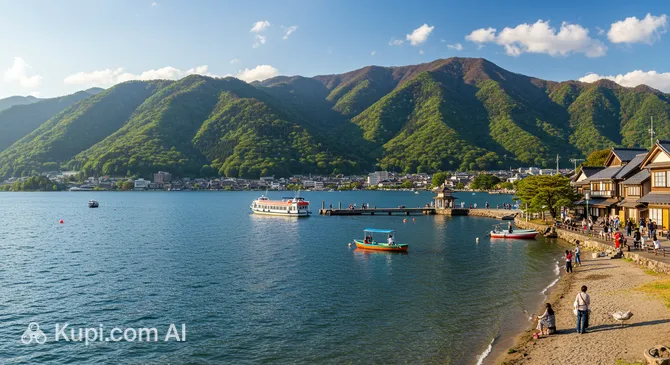
Takashima. Illustration.
Source: Kupi.com AI

With a population of about 46,000, Takashima maintains the atmosphere of a cozy and unhurried town. It administratively combines several historical districts and villages, each carefully preserving its unique characteristics and centuries-old traditions. Natural beauty, traditional Japanese architecture, and the sincere hospitality of local residents blend harmoniously here, creating a special atmosphere of tranquility.

The city is famous for its stunning landscapes: you can admire unforgettable sunrises over the smooth surface of Lake Biwa, stroll through blooming cherry blossom alleys in spring, and explore picturesque mountain trails at any time of year. Due to its unique location between the lake, mountains, and forests, Takashima has long been a favorite spot for nature lovers and those looking for a quiet getaway.

If you want to take a break from the city bustle, immerse yourself in traditional Japanese culture, and discover little-known but incredibly beautiful corners of the country, Takashima will be a true revelation and provide unforgettable impressions.

You can find more interesting facts on the history of Takashima page.

Weather Overview

In the city of Takashima, the climate is characterized by a notable change of seasons. Summer here, especially in July and August, is warm and humid: the average air temperature fluctuates between 23-30°C, while rain is frequent, reflecting in a high number of days with precipitation (18-19 days). Winters, by contrast, are cold, with average temperatures in January and February ranging from 1°C to 7°C, and are also characterized by frequent precipitation, including snow (up to 21 days with precipitation in January). Overall, expect a warm summer with occasional rain and cold, damp winters. You can always find more detailed information about weather conditions and a short-term forecast on the Takashima Climate page.

Average monthly temperature

Average monthly precipitation

Interesting Facts

Beyond its picturesque landscapes and famous landmarks, Takashima holds many surprising stories and features that make this city truly unique. Here are just a few little-known facts to help you see it in a new light:

  • Takashima is home to Shirahige Shrine, the oldest Shinto shrine in Shiga Prefecture, whose famous torii gate stands directly in the waters of Lake Biwa. Legend has it that prayers at this temple grant longevity, and the sunrises here are considered among the most photogenic in all of Japan.

  • At the foot of Mount Hakodate, which turns into the popular Biwako Hakodateyama ski resort in winter, colorful flower fields spread out in summer. During the blooming season, the mountain is transformed, offering visitors not only panoramic views of the lake but also a true natural art installation.

  • Agritourism lovers will appreciate Makino Pick Land, where you can pick fresh berries, fruits, and even chestnuts directly from the plantations. This is a popular spot for family vacations and an introduction to the region's eco-friendly products.

  • In the vicinity of Takashima, old villages with traditional thatched-roof houses have been preserved. Here you can immerse yourself in the atmosphere of past centuries, meet local artisans, and even try your hand at pottery, feeling a connection to centuries-old traditions.

How to Get There

When planning a journey to the scenic Lake Biwa, it is worth thinking about the logistics in advance. You can find out more about how to get to Takashima by studying the location of the nearest transport hubs. Since the city itself does not have an airport, travelers usually fly into neighboring major cities.

The nearest major hub for domestic flights is Itami Airport (ITM), located in Osaka. The distance to Takashima is about 83 km. A trip by car or taxi will take approximately 2 hours and 25 minutes. This is a convenient option if you are flying from other regions of Japan, as the passenger traffic here is quite significant and flights are frequent.

For international tourists, the main gateway is Kansai International Airport (KIX), also located in Osaka, but slightly further away — at a distance of about 126 km. The trip by taxi will take about 3.5 hours, so many prefer to take the express train to Kyoto and then transfer to a local line. Another alternative is Chubu Centrair International Airport (NGO) in Nagoya (about 89 km from Takashima), from which a car journey takes about 2.5 hours.

For clarity, here is summary information on the main airports:

AirportPassenger trafficDistance
Nagoya Airport735 00082 km
Itami Airport14.8 mln83 km
Chubu Centrair International Airport12.3 mln89 km
Kobe Airport3.6 mln108 km
Tajima57 194115 km

Rail service is one of the most popular ways to get to the city. There is no Shinkansen high-speed train station in Takashima itself, but you can reach Kyoto Station, which is a major transport hub. From Kyoto, transfer to the JR Kosei Line, which runs along the western shore of Lake Biwa. Trains on this line stop at the city's main stations, such as Omi-Takashima, providing quick and scenic access to the region.

Main Attractions

Takashima, picturesquely spread across the northwestern shore of the majestic Lake Biwa in Shiga Prefecture, attracts travelers with its harmonious blend of breathtaking nature and rich cultural heritage. In this city and its surroundings, you will find many unique places, each capable of providing bright and unforgettable impressions.

One of the main gems of Takashima is undoubtedly Shirahige Shrine (Shirahige Jinja). Its famous red torii gate, set right in the waters of Lake Biwa, creates a truly magical and incredibly photogenic sight, especially at sunrise or sunset. The shrine is dedicated to the deity of longevity, marriage, and luck, making it a popular pilgrimage site and attracting those seeking spiritual peace and stunning views.

Another iconic spot is the Metasequoia Avenue (Metasequoia Namiki). This picturesque road, stretching about 2.4 kilometers, is lined with more than 500 majestic metasequoia trees that form an impressive natural tunnel. The avenue is beautiful in every season: in spring it delights with fresh greenery, in summer it provides cool shade, in autumn it bursts with golden-red colors, and in winter it is sometimes covered in snow, turning into a fairytale landscape. It is an ideal place for leisurely walks, bike rides, and, of course, memorable photos.

For connoisseurs of natural beauty, and especially cherry blossoms, Kaizu Osaki is a must-visit. This cape on Lake Biwa is among the most famous spots in Japan for cherry blossom viewing. In spring, more than 800 sakura trees bloom along the shoreline, creating a stunning pink corridor about 4 kilometers long. Beyond the blooming season, Kaizu Osaki offers magnificent panoramic views of the lake and surrounding mountains, making it attractive for visits year-round.

In addition to these iconic landmarks, Takashima offers excellent opportunities for relaxation on the shores of Lake Biwa. Numerous beaches, such as the popular Omi-Maiko, are perfect for swimming, sunbathing, picnics, and various water sports during the summer months. The lake's calm atmosphere and beautiful scenery promote relaxation and connection with nature.

Local Cuisine

The gastronomy of Takashima is closely linked to the rich gifts of Lake Biwa, Japan's largest freshwater lake. The freshness of local products is the main secret of this region's culinary traditions. Travelers here can look forward to authentic flavors passed down from generation to generation and the opportunity to try dishes that are hard to find anywhere else.

One of Takashima's main gastronomic treasures is certainly unagi — freshwater eel caught in Lake Biwa. it is prepared according to traditional recipes, most often grilled and served with a special sweetish unagi sauce and rice. This dish is a true symbol of local cuisine. No less popular are dishes made from omiyagi — a small freshwater fish that is fried, marinated, added to soups, and even dried here, resulting in a savory snack that pairs perfectly with sake.

Among other unique products, junsai is worth noting — a wild water plant harvested in the purest waters of the lake and considered a real delicacy. It is often used in soups and salads, valued for its delicate, slightly gelatinous texture. Among drinks in Takashima, as across all of Japan, green tea of various varieties is popular. It's also worth trying the local sake, which perfectly complements lake fish dishes.

You can get acquainted with the local cuisine in cozy restaurants, many of which pride themselves on family recipes passed down through generations, as well as at lively farmers' markets and fairs. At the markets, you can always find the freshest seasonal vegetables, homemade pickles, traditional rice sweets, and, of course, freshly prepared dishes. Throughout the year, various gastronomic festivals take place in Takashima, where you can not only try rare treats and street food like aromatic yakitori skewers or fresh pastries but also participate in workshops, such as sushi making.

Takashima's cuisine is a harmony of fresh lake products, centuries-old traditions, and seasonal delicacies. Trying the tender unagi eel, the crunchy omiyagi fish, or the exotic junsai means touching the true taste of this picturesque corner of Japan. The city's gastronomic scene offers a variety of experiences, from authentic restaurants to lively street festivals, making a culinary journey to Takashima an unforgettable experience for any gourmet.

Travel Tips

Welcome to Takashima! To ensure your journey to this charming city in Shiga Prefecture, nestled along the shores of Lake Biwa, goes smoothly and leaves only pleasant impressions, we have prepared some practical tips.

  1. Clothing and Essentials:

    The climate in Takashima, as in all of Japan, has distinct seasons. In summer (June-August), choose light, breathable clothing, but don't forget an umbrella or raincoat. In winter (December-February), warm clothes will be needed: a jacket, hat, gloves, and thermal underwear, as it can be windy and snowy by Lake Biwa. Spring and autumn are the most comfortable times, but evenings can be cool, so layering your clothes will be your best solution. Be sure to bring comfortable shoes, as you'll be doing a lot of walking, especially if you plan to explore the natural beauty around the lake. Don't forget an adapter for your electronics (Japan uses Type A and B, 100V voltage). When visiting temples, such as the famous Shirahige Shrine, be prepared to remove your shoes and choose modest clothing that covers shoulders and knees.

  2. Transport:

    The main form of public transport in Takashima and for trips along Lake Biwa is the JR Kosei Line. Buses also run, but their routes and schedules should be checked in advance, especially if you plan to reach more remote locations. Taxis are available at stations but can be expensive. Taxi apps are less common here than in major cities. Car rental can be a good option for exploring the shores of Lake Biwa at your own pace; this requires an international driving permit, and remember left-hand traffic.

  3. Finances:

    The local currency is the Japanese Yen (JPY). It is recommended to exchange money at the airport upon arrival or at banks in major cities, as finding an exchange office in Takashima itself may be more difficult. Credit cards (Visa, Mastercard) are accepted in most hotels and large stores, but always carry cash for small cafes, shops, and local transport tickets. ATMs accepting international cards can most often be found in post offices (Japan Post Bank) and 7-Eleven convenience stores. Tipping in Japan is not expected and may be perceived as a misunderstanding.

  4. Health and Safety:

    Takashima, and Japan as a whole, is a very safe place. You can safely walk even at night. Nevertheless, basic precautions like keeping an eye on your personal belongings are never out of place. Pharmacies (薬局 - yakkyoku or "drugstore") exist, but not all are open 24/7, and staff may not always speak English. It's best to have basic medicines with you. Be sure to get travel medical insurance before your trip.

  5. Communication:

    The official language is Japanese. In tourist information centers and some hotels, staff may speak English, but overall, the level of English proficiency in small towns like Takashima may be low. Learn a few simple Japanese phrases: "Konnichiwa" (Hello), "Arigato" (Thank you), "Sumimasen" (Excuse me/Sorry). This is highly appreciated by locals. For internet access, it is recommended to purchase a tourist SIM card or rent a portable Wi-Fi router at the airport. Free Wi-Fi is found in hotels and at some stations.

  6. Local Etiquette:

    In Japan, it is customary to bow as a greeting; a slight nod is sufficient for tourists. In public places, especially in transport, avoid loud phone conversations. It is not common to eat or drink while walking — it's better to do this in cafes or designated areas. Always remove your shoes before entering Japanese homes, many temples, and traditional inns (ryokans). When using chopsticks, do not stick them vertically into rice and do not pass food with chopsticks to another person.

  7. What to Avoid:

    Do not point your finger at people or objects — it is considered impolite. If you need to show something, use an open palm. Also, try not to leave trash on the streets. Japan is very clean, but trash cans can be few. It's better to carry a small trash bag with you and dispose of it at your hotel or in designated places.

  8. Additional Tip:

    Takashima is famous for its location on the shores of Lake Biwa, Japan's largest freshwater lake. Don't miss the opportunity to visit the famous Shirahige Shrine with its picturesque torii gate standing right in the water — it's especially beautiful at sunset. Beaches like Omi-Maiko and walks along numerous coastal trails are also popular. In spring you can admire cherry blossoms, and in autumn, the brilliant colors of maple leaves.

We hope these tips help you better prepare for your trip and fully enjoy the beauty and tranquility of Takashima, its rich nature, and unique atmosphere. Have a great trip!

Entertainment & Nightlife

In the evening, Takashima invites its guests to immerse themselves in the tranquil and authentic atmosphere of the Japanese countryside, offering relaxation that differs from the hustle and bustle of big cities. While the city is not known for boisterous nightclubs or giant entertainment centers, you can have a wonderful evening enjoying local cuisine and drinks in a cozy setting.

Nightlife in Takashima is mainly focused around traditional Japanese drinking establishments — izakayas, as well as small bars and restaurants serving local cuisine. The atmosphere in such places is usually very welcoming and relaxed; both locals and tourists come here to unwind after a busy day. The dress code is generally casual. Most establishments stay open until late evening, but not until dawn like in major cities. Instead of noisy dance floors, heartfelt conversations and quality food are valued here. You might find, for example, a typical family-run izakaya, perhaps called "Komorebi" (Sunlight filtering through the leaves), serving fresh local snacks and sake, or a small bar like "Shizuka-na Yoru" (Quiet Night), offering local beer and a peaceful environment. Also popular are restaurants specializing in lake fish dishes, such as a fictional "Biwa-no Megumi" (Bounty of Biwa), which may also operate during evening hours.

Pockets of evening activity are most often found near railway stations or on the city's central streets. This is where small restaurants and bars are concentrated. There are likely no specialized "nightlife districts" in Takashima. To find interesting spots, it's best to look around while strolling through busy areas in the evening or ask for advice from your hotel staff. Many establishments may be small family-run businesses that don't have extensive online presence but offer a unique local experience.

When planning your evening leisure, keep in mind that public transport may stop running relatively early. Late at night, the main way to get around becomes taxis, which can be called by phone or found at special taxi stands. Average prices in local establishments are generally more moderate compared to Japan's major tourist centers, allowing you to enjoy the evening without significant expense.

Takashima, like most cities in Japan, is considered a fairly safe place for evening and night walks. Nevertheless, it is always worth following basic precautions: stick to well-lit streets and keep an eye on your belongings — these are standard recommendations for any traveler.

As for daytime entertainment, Takashima and its surroundings in Shiga Prefecture offer excellent opportunities to discover the region's nature and culture. Guests can visit local temples and shrines, stroll along the picturesque shores of Lake Biwa, or explore nature parks. Museums dedicated to local history and art can also be an interesting part of your itinerary. However, do not expect large theme parks or major theater venues in the city itself, which is typical for settlements of this size that offer a calmer and more measured pace of life instead.

Parks & Museums

Takashima, nestled on the picturesque shores of Lake Biwa, offers its guests excellent opportunities for both outdoor recreation in its well-kept park areas and cultural enrichment through acquaintance with local museums and historical sites.

Among the iconic natural spots, the Makino Plateau (Makino Kogen) stands out, famous for its two-kilometer metasequoia avenue. These mighty trees form an impressive natural tunnel, especially picturesque during the autumn foliage season, and make the plateau a popular place for hiking and picnics. Another famous green zone is the Kaizu-Osaki area, recognized as one of the best places in the Kansai region for cherry blossom viewing. In spring, more than 600 cherry trees, leaning their branches toward the waters of Lake Biwa, transform this coastal territory into a delightful natural park. The area around Shirahige Shrine (Shirahige Jinja) also holds a special place. In addition to the shrine itself with its famous torii gate in the water, the lakeside area is a peaceful zone where natural beauty harmoniously combines with spiritual heritage, making it a kind of cultural and landscape park.

For those interested in the region's history and culture, the Takashima City Museum of History and Folklore is a must-visit. The museum's exhibits tell in detail about the city's past, the traditional way of life of its inhabitants, their crafts, and their inseparable connection with Lake Biwa. Another notable cultural site is the Yomeien Garden. This is a beautifully preserved former residence of a wealthy merchant family, which is now open to visitors as an open-air museum. Guests can stroll through a traditional Japanese garden, examine historical buildings, and view small exhibitions dedicated to the history of the site and local crafts, providing an insight into Japanese landscape art and the lifestyle of past eras.

For a more authentic Takashima experience, look for small craft shops where you can find unique items from local masters, or explore less busy sections of the lake shore, enjoying the silence and untouched nature.

Getting Around

When planning your travel around Takashima, keep in mind that this is a city with a relatively small population, so the public transport system here will differ from major metropolises. The main modes of transport for tourists will likely be local buses and trains.

Main types of transport:

Local buses play a leading role in moving around the city and its surroundings. They connect key points, including railway stations, tourist attractions, and residential areas. Schedules and routes can be checked at bus stops or at tourist information boards. Also, lines of the JR West railway company pass through Takashima, which are important both for connecting with other cities and for moving between more remote areas of Takashima itself, if they are served by stations. There are no subways, trams, or trolleybuses in Takashima, which is typical for cities of this size in Japan.

Payment system:

For paying bus fares, cash (preferably small coins for exact change) or rechargeable IC cards popular in Japan, such as ICOCA (common in the Kansai region, which Shiga Prefecture belongs to), Suica, or Pasmo, are usually accepted. Using an IC card significantly simplifies the payment process: just tap the card against the reader when entering and/or exiting. JR train tickets are purchased at stations from vending machines or ticket offices. Bus fares usually depend on the distance. Information on train fares can be found at stations or on the JR West website.

Practical tips for tourists:

Bus tickets can be paid in cash to the driver when entering or exiting (depending on the system adopted on the specific route — most often entry through the rear door, exit through the front with payment) or by using an IC card. Buy JR train tickets before boarding. Public transport usually operates from early morning to late evening, but the frequency of trips, especially bus trips, may decrease in the evening hours and on weekends. It is recommended to check schedules in advance, especially if you plan trips to remote areas.

Alternatives:

In Takashima, as everywhere in Japan, taxi services are available. They can be found near railway stations or called by phone, but this is a more expensive way to get around. Given Takashima's scenic location, especially by Lake Biwa, bicycle rental can be an excellent alternative for exploring the surroundings in good weather. Car rental is also possible and may be convenient for exploring the broader Shiga Prefecture region.

Accommodation

In the city of Takashima, travelers will find a variety of accommodation options to suit different preferences and budgets. Here you can stay in traditional Japanese inns — ryokans, offering a unique cultural experience, cozy guest houses (minshuku), as well as more standard hotels and apartments available for rent. This choice allows every guest to find a suitable option for a comfortable stay.

Many tourists prefer to choose accommodation in areas located near the picturesque Lake Biwa, which provides easy access to natural beauty and water activities. Places with good transport accessibility are also popular, as they make it convenient to go on excursions around Takashima and Shiga Prefecture. The choice of area depends on your plans: whether you are looking for seclusion in nature or a convenient base for exploring the region.

The price range for accommodation in Takashima is quite wide: from budget options, such as guesthouses, to mid-range hotels and more exclusive offers in ryokans with full board. Accommodation can be booked through popular international online booking platforms, as well as directly on hotel or ryokan websites, which sometimes allows you to find special offers or get more detailed information about services.

To guarantee the best choice and prices, it is recommended to book your stay in Takashima in advance. This is especially true if your trip falls during the peak tourist season, such as in spring during the cherry blossoms, in autumn during the period of admiring crimson leaves, as well as during national holidays and weekends when the demand for housing increases significantly.

Nearby Cities

For those who want to explore the surrounding area, Takashima serves as an excellent starting point for day trips to several interesting nearby locations:

CityPopulationDistance
Hikone115 44121 km
Hikone113 19122 km
Nagahama113 74022 km
Maibara37 37423 km
Wakasa13 86725 km

These nearby destinations provide insight into the region's diverse culture and landscapes.

Shopping & Souvenirs

Shopping in Takashima offers more of an introduction to local traditions and crafts than a pursuit of global brands. The city is not famous for huge shopping centers, but here you can find unique items and products reflecting the culture of the Shiga region and the surroundings of Lake Biwa. Main attention should be paid to small shops, stalls with local goods, and perhaps seasonal fairs.

Major shopping points in Takashima are generally concentrated around railway stations or along the city's central streets. Here you can find shops offering daily necessities as well as small souvenir stalls. Do not expect large shopping streets like in metropolises, but a walk through the city will reveal interesting local shops.

It's unlikely to find large modern shopping centers in Takashima typical of big cities. Instead, you might come across small shopping complexes or department stores oriented towards local residents, where you can buy clothes, household goods, and food.

Markets in Takashima may be represented by small morning markets where local farmers sell fresh vegetables, fruits, and other products. It is also worth paying attention to fairs or festivals, during which shopping stalls with craft items and local delicacies are often organized. This is a great opportunity to purchase something authentic and support local producers.

As souvenirs from Takashima and the Shiga region, consider pottery (for example, the famous Shigaraki pottery, although Takashima itself may offer other local variations), textiles, especially items with traditional patterns, and local food products. These can be sweets, pickles, Biwa lake fish products, or local sake. Small handmade items and amulets from local temples are also popular.

Shops in Takashima usually operate from 10:00 or 11:00 AM to 6:00 or 7:00 PM. Small family-run shops may have more flexible hours or a day off in the middle of the week. Larger stores, if any, may stay open longer. Both cash (yen) and credit cards are accepted, especially in larger establishments. However, in small shops and at markets, it's preferable to have cash with you.

In Japan, a Tax-Free system is available for foreign tourists on many goods when purchased for a certain amount at participating shops. These are usually shops with a corresponding "Tax-Free Shop" sign. A passport is required to process the tax refund. Check conditions directly in the shops, as not all retail outlets in small towns like Takashima may provide this service.

Reached the end of the page?

That means the route is fully explored