Support

Kaizu

About

Kaizu is a charming and cozy town located in Gifu Prefecture, in the heart of Japan. It offers guests a unique opportunity to immerse themselves in the atmosphere of a slow-paced provincial life, where age-old traditions and modern lifestyles blend harmoniously. The city is nestled in a picturesque area at the confluence of rivers, surrounded by green plains, which gives it a special freshness and sense of peace.
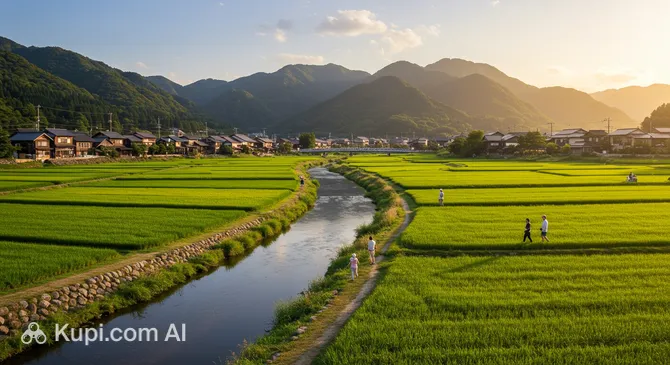
Kaizu. Illustration.
Source: Kupi.com AI

With a population of about 32,500 people, Kaizu maintains the soulful atmosphere of a small settlement where everyone feels like a welcome guest. Despite its intimacy, the city is one of the administrative centers of the region, ensuring a well-developed infrastructure and convenient transport links. There is no noise or hustle and bustle of megacities here, making it an ideal place for those looking for authentic Japanese flavor without the tourist hype.

Kaizu attracts travelers with its authentic atmosphere, where ancient traditions and unique culture are carefully preserved. One of the city's main features is its close connection with nature and care for it, which is evident in numerous green areas and scenic landscapes. Leisurely walks through cozy streets will allow you to discover hidden gems and feel the true spirit of this place. Locals are famous for their hospitality and will gladly share stories about their favorite spots.

If you dream of experiencing the real Japan, its calm rhythm, and rich cultural heritage, Kaizu will be a wonderful discovery for you. This city offers a journey without haste, but with a constant delight from every new impression.

You can find more interesting facts on the history of Kaizu City page.

Weather Overview

The weather in Kaizu is characterized by a distinct change of seasons. Summer, especially in July and August, is quite warm: the average temperature stays around 26-27.5°C, and maximum values can reach 30.8°C (in August). This period is also the wettest, especially July, which sees about 11 mm of precipitation and approximately 22 rainy days. Winters in Kaizu are cool. In January, the average temperature is about 4.1°C, while the minimum temperature can drop to 0.4°C. Winter months, such as January and December, are the driest of the year, with precipitation amounting to only about 2 mm, although there are about 10 days with precipitation. Overall, Kaizu is characterized by warm summers with occasional rain and cold, relatively dry winters.

To get a more detailed idea of the weather conditions in Kaizu by month and better plan your trip, you can check the detailed information on the Kaizu Climate page.

Average monthly temperature

Average monthly precipitation

Interesting Facts

The city of Kaizu, nestled in Gifu Prefecture, may seem quiet and peaceful at first glance. However, it holds several surprising features closely tied to its unique geographical location and rich local culture.

  • Kaizu is part of the unique "waju" (輪中) region. These are historical settlements surrounded by ring levees to protect against frequent flooding from the mighty Kiso, Nagara, and Ibi rivers. This protection system shaped a special way of life and even influenced local architecture.

  • The famous Chiyoho Inari Shrine is located in Kaizu. It is among the three most revered Inari shrines in Japan and attracts thousands of pilgrims and entrepreneurs every year, seeking luck in business and prosperity.

  • Thanks to the fertile soils of the river valleys, Kaizu is known as an important agricultural center. The city is particularly famous for its juicy tomatoes, fragrant strawberries, and crunchy cucumbers, which are highly valued throughout Japan.

  • A significant part of Kaizu's territory is located on so-called "zero-meter" levels – at or even below sea level. This makes the city vulnerable to the elements but also showcases impressive engineering solutions that have allowed people to develop and secure these lands over centuries.

How to Get There

When planning a trip to this picturesque corner of Gifu Prefecture, it's important to think through the logistics in advance. You can find more details on how to get to Kaizu to choose the most convenient route for you, whether by air or by rail.

Kaizu itself does not have its own airport, so the main aerial gateway for tourists is Chubu Centrair International Airport (NGO), located in the city of Nagoya. This is a major aviation hub receiving flights from all over the world. It is located about 43 km from Kaizu. A trip by taxi or bus from the airport to the city will take approximately 1 hour and 25 minutes, making it the fastest arrival option.

Another possible option, especially for domestic flights, is Itami Airport (ITM) in Osaka. It is located much further away, at a distance of about 119 km from Kaizu. The drive from here will take about 3 hours and 20 minutes. This airport has a high passenger flow and offers a wide choice of domestic flights, which can be convenient if you are combining your trip with a visit to the Kansai region.

For clarity, here is a summary of the main airports:

AirportPassenger trafficDistance
Nagoya Airport735 00027 km
Chubu Centrair International Airport12.3 mln43 km
Itami Airport14.8 mln120 km
Komatsu Airport1.8 mln132 km
Kobe Airport3.6 mln144 km

Regarding rail travel, Kaizu is conveniently integrated into the region's transport network, although there are no Shinkansen high-speed train stations here. The city is served by the Yoro Railway line, which runs through the area from north to south. Tourists usually travel to major transfer hubs such as Kuwana or Ogaki stations, which are served by JR and Kintetsu line trains from Nagoya and other large cities. From there, you can transfer to a local train to reach stations within Kaizu, enjoying the views of the Japanese countryside.

Main Attractions

Kaizu, cozily situated in Gifu Prefecture, offers its guests several interesting places that provide a better insight into this region of Japan. Despite its modest size, the city and its surroundings boast unique attractions related to its rich history and natural environment.

One of Kaizu's main gems is Kiso Sansen Park. This extensive national park is spread out at the confluence of Japan's three great rivers – the Kiso, Nagara, and Ibi, which gives it its name ("Kiso Three Rivers"). The park is famous for its magnificent seasonal floral displays: thousands of tulips bloom here in spring, while in autumn, the fields are covered with a colorful carpet of cosmos. There are walking zones, playgrounds, and an impressive observation tower that offers a panoramic view of the mighty rivers and surrounding landscapes. It is a wonderful place for family recreation and enjoying nature.

No less significant is the Chiyoho Inari Shrine, affectionately called "Ochobo-san" by the locals. It is one of the most revered Inari shrines in the region, dedicated to the deity of rice, agriculture, and business prosperity. Every year, thousands of pilgrims and entrepreneurs flock here to pray for luck and success. The shrine is particularly lively at the end of each month when a traditional fair is held. Numerous streets around the shrine are lined with restaurants and shops where you can try local delicacies, such as the famous kushikatsu (fried cutlets on skewers).

For those interested in the history and culture of the region, the Kaizu City Historical Museum is well worth a visit. The museum's exhibits tell the story of the rich past of this land, closely tied to the rivers and the constant struggle of local residents against floods. Here you can see archaeological finds, ancient maps, everyday objects, and tools that help better understand how the way of life in Kaizu has been shaped over the centuries. The museum offers a fascinating immersion into local history and traditions.

Local Cuisine

A gastronomic journey through Kaizu is an opportunity to dive into the world of authentic Japanese cuisine, where the freshness of ingredients and loyalty to traditions are valued. Although the city cannot boast the capital's scale of restaurants, it is here that you can find cozy establishments offering dishes prepared with heart, reflecting the richness of the local nature—especially the gifts of the three rivers at whose confluence Kaizu is located.

Be sure to try dishes made from fresh river fish, such as ayu (sweetfish), which is often grilled here, or unagi (eel), served as unagi no kabayaki—a true gastronomic reflection of the city's location at the confluence of three rivers. It is also worth paying attention to Japanese classics: fragrant ramen, hearty udon, or soba. Traveling through Gifu Prefecture, you may encounter regional dishes such as keichan-yaki (marinated chicken with vegetables) or hoba miso (miso paste grilled on a magnolia leaf); there's a chance such specialties are offered in some Kaizu establishments as well.

Regarding drinks, the main choice will, of course, be a variety of Japanese tea—from classic green sencha to rich matcha. Among alcoholic beverages, sake is popular, which may be represented by local brands, and shochu. In some establishments, you can also find Japanese beer, including craft varieties if you're lucky.

The food culture in Kaizu is centered around small family restaurants (shokudo) serving set lunches and dinners, as well as izakaya—traditional Japanese pubs where you can enjoy drinks and various snacks. Look for places where locals dine—this is the best indicator of quality. Also, pay attention to seasonal products that may be grown on surrounding farms and featured in local shops or small markets, if available, offering the authentic taste of the region.

Travel Tips

Planning a trip to Kaizu, a charming corner of Japan located in Gifu Prefecture? To ensure your trip goes smoothly and leaves only pleasant impressions, we have prepared several practical tips to help you feel more confident and enjoy the local atmosphere.

  1. Clothing and Essentials:

    The climate in Kaizu, as in all of Gifu Prefecture, is temperate with four distinct seasons. In summer (June-August), it is hot and humid, so choose light, breathable clothing. In winter (December-February), it can be cold with possible snow—you will need warm clothes, a jacket, a hat, and gloves. Spring and autumn are the most comfortable times with mild weather, ideal for layered clothing. It is extremely important to bring comfortable walking shoes, as Japan is conducive to walking. Don't forget an adapter for electrical appliances (Japan uses type A and B sockets, 100V voltage). When visiting temples and shrines, show respect: clothing should be modest, and sometimes you are required to remove your shoes before entering.

  2. Getting Around the City:

    Kaizu is a relatively small city, so local buses will likely be your main form of public transport. Check schedules in advance, as they may not be as frequent as in megacities. Taxis are available but can be expensive for long trips. Standard taxi services are more common than ride-hailing apps. If you plan to explore the Gifu Prefecture surroundings, renting a car might be a good option. An international driving permit is required for this, and remember that traffic in Japan is on the left.

  3. Finances:

    The local currency is the Japanese Yen (JPY, ¥). It's best to exchange currency at the airport upon arrival or at major banks; in small cities like Kaizu, exchange points may be limited. Credit and debit cards are being accepted more widely, especially in hotels and large stores, but cash is still very important, especially in smaller establishments and temples. International cards usually work at 7-Eleven (Seven Bank) and Japan Post Bank ATMs. An approximate daily budget in Kaizu might be 7,000-15,000 yen per person (excluding accommodation). Tipping is not customary in Japan—good service is considered the norm.

  4. Health and Safety:

    Pharmacies in Japan are marked with the "薬" (kusuri) sign. Basic medicines can be bought without a prescription, but instructions will likely be in Japanese. If you need specific medications, bring them with you along with a doctor's prescription. 24-hour pharmacies are rare outside large cities. Japan is a very safe country, and Kaizu is no exception. The crime rate is low. Follow standard precautions: keep an eye on your belongings. Medical care is available, but travel insurance is highly recommended for tourists.

  5. Communication:

    The official language is Japanese. The level of English proficiency among the local population, especially in small towns, may not be high. Learn a few basic phrases: "konnichiwa" (hello), "arigato" (thank you), "sumimasen" (excuse me/sorry), "wakarimasen" (I don't understand). For connectivity, it's convenient to purchase a local SIM card (at airports or large electronics stores) or rent a pocket Wi-Fi. Free Wi-Fi is found in hotels and some cafes. Useful apps: Google Maps for navigation and Google Translate for translation.

  6. Local Etiquette:

    When greeting, Japanese people usually bow; the degree of the bow depends on the situation. Handshakes are not as common. In public places, especially on transport, try not to make noise. Remove your shoes before entering Japanese homes, some temples, and traditional restaurants (ryokans). Pay special attention to the rules for using chopsticks: do not stick them vertically into rice and do not pass food with chopsticks to another person.

  7. What to Avoid:

    Try not to blow your nose loudly in public—this is considered impolite; it's better to step aside or use a restroom. Do not point at people or objects with one finger—use an open palm. It is also important to remember the strict garbage sorting rules in Japan; always look for the appropriate containers.

  8. Special Feature of Kaizu:

    Be sure to visit Kiso Sansen National Government Park, which is partially located in Kaizu. It is a wonderful place for walking, admiring nature, and blooms depending on the season. The park is known for its large-scale floral displays and an observation tower offering a view of the confluence of the three Kiso rivers. This is a unique opportunity to see the natural beauty of the Gifu region.

We hope these tips help you better prepare for your trip to Kaizu and enjoy every moment in this peaceful and welcoming city in Japan. We wish you an unforgettable journey!

Entertainment & Nightlife

Kaizu, being a relatively small city, offers a calm and authentic evening leisure experience, different from the noisy nightlife of megacities. The main focus here shifts toward cozy local establishments where you can enjoy good food and drinks in a relaxed atmosphere.

Evening entertainment in Kaizu is generally centered around small bars, traditional Japanese pubs (izakaya), and restaurants that stay open until late in the evening. You are unlikely to find large nightclubs or noisy districts with neon signs here. Instead, a more intimate setting awaits you, where you can chat with locals and try regional cuisine. Most activity is usually observed in the city's central areas or near main transport hubs, if any.

The atmosphere in local establishments is usually friendly and welcoming. The crowd is typically local, and the style of the venues ranges from traditional Japanese to more modern yet understated interiors. Most places are open until midnight, especially on weekends. There is usually no specific dress code; casual, comfortable clothing is appropriate.

If you are planning an evening out, it is best to arrive at establishments after 7:00-8:00 PM. Prices are generally moderate. As for transportation at night, in small cities like Kaizu, public transport may stop running quite early. Therefore, the main way to get around late at night will likely be by taxi or on foot if your accommodation is nearby. It is recommended to find out the numbers of local taxi services in advance or use ride-hailing apps. Kaizu, like most cities in Japan, is considered a safe place for night walks, but standard precautions should always be taken.

Since Kaizu is a small city, the choice of specific, widely known nightlife venues is limited. The best way to find an interesting place is to stroll through the central streets in the evening or ask for advice from locals or at your hotel. They will be able to recommend currently popular izakayas or bars.

During the day, there is also plenty to do in and around Kaizu. You can explore local temples and shrines, enjoy nature in the parks, or visit small museums that tell the history and culture of the region. Although the city is not famous for large amusement parks or renowned theaters, it offers a peaceful and steady vacation, introducing you to the daily life of the Japanese province.

Parks & Museums

Kaizu, cozily situated in Gifu Prefecture, offers its guests a harmonious blend of natural beauty and cultural heritage. Here you can enjoy the tranquility of well-kept parks and learn about local history through the exhibits of small but interesting museums and significant historical sites.

The main green gem of Kaizu is undoubtedly the Kiso Sansen National Government Park. Its central part, the Kiso Sansen Park Center, is located right here and offers visitors magnificent floral arrangements, themed gardens, an observation tower with panoramic views of the confluence of three rivers—the Kiso, Nagara, and Ibi—and vast spaces for relaxation and walking. The park is especially beautiful during the tulip bloom in spring and the cosmos bloom in autumn, attracting many visitors. In addition to this large-scale park, cozy spots for quiet rest and nature contemplation, ideal for leisurely strolls, can be found along the riverbanks within the city.

For those interested in the history and culture of the region, Kaizu can offer several interesting places. The city likely operates a local history museum (often called a "kyodo shiryokan"), which houses artifacts telling the story of this land's past, the daily life of its residents, and significant events. Given Kaizu's location in the delta of three rivers, exhibits dedicated to hydraulic engineering, agriculture on floodplains, and the history of flood control—an integral part of the area's heritage—may be of particular interest. It's also worth inquiring about small private galleries or exhibition spaces where local artists and craftsmen might present their work.

Beyond museums, the city itself and its surroundings hold history in their architectural monuments. One significant site is the Chiyoho Inari Shrine, a popular pilgrimage site known for its lively atmosphere and numerous shops. Visiting such shrines and local Buddhist temples allows you to touch the spiritual culture of Japan. Their architecture and well-maintained grounds are often attractions in themselves.

For more authentic Kaizu experiences, try visiting one of the local markets if they are held during your visit—it's a great way to discover local products and interact with residents. Also, don't miss the chance to simply walk along one of the rivers at sunset—the views can be particularly picturesque and peaceful, giving a sense of calm and unity with nature.

Getting Around

When planning your travel around Kaizu, it's worth noting that it's a relatively small city, and its transport system matches its size. The main form of public transport here is likely buses, which connect different areas of the city and may also provide connections to nearby settlements. In cities of this scale, subway or tram systems are usually absent.

The bus fare payment system in Japanese cities like Kaizu generally includes several options. You can often pay with cash when exiting the bus (sometimes exact change is required, so it's recommended to have small coins). Additionally, IC transportation cards (such as Suica, Pasmo, ICOCA, or their local equivalents) are common in many regions of Japan, allowing you to pay by simply tapping the card against a reader. These cards can usually be purchased or topped up at major stations or specialized vending machines. Specialized tourist passes for Kaizu itself may not be as common as in large megacities, but it's worth checking this information upon arrival, for example, at a local tourist information center.

For tourists using buses in Kaizu, a few points are useful to know. Boarding is often through the rear or middle door, and exiting is through the front door, where payment or card validation is made. Stops are announced, but not always in English, so it's helpful to track your route on a map or navigation app. To get off at the desired stop, you must press a special button in the cabin in advance. Buses usually run on a schedule, which can be found at stops or on the websites of local transport companies. Public transport operating hours generally cover daytime and evening but may be limited late at night.

As an alternative to public transport, taxi services are always available in Kaizu. They can be found at stands near stations or called by phone. For more independent travel, especially if the city has a developed cycling infrastructure, you might consider renting a bicycle—it's a great way to explore the area at your own pace. Car sharing opportunities should be checked locally, as this service is more common in larger cities.

You shouldn't expect any unique historical modes of transport, like funiculars or old subways, in a city the size of Kaizu. The transport system is focused on functionality and the convenience of local residents. For longer trips outside the city, you will likely need to use regional bus routes or rail connections from larger transport hubs in Gifu Prefecture.

Accommodation

When planning a trip to Kaizu, you will be able to find various accommodation options to suit your budget and preferences. The city likely features traditional Japanese inns (ryokans), where you can immerse yourself in the local culture, as well as more modern hotels aimed at business travelers and tourists. Guesthouses (minshuku) and short-term rental apartments may also be available, offering a more homelike atmosphere.

When choosing a place to stay in Kaizu, pay attention to areas located near transport hubs or the city's main attractions, if any. This will ensure ease of movement and easy access to interesting places. Since Kaizu is not a major metropolis, many housing options may offer a peaceful environment and proximity to nature, characteristic of Gifu Prefecture.

While specific famous hotels are not listed, you can easily find current offers and reviews on popular online booking platforms. There, you can also compare prices and accommodation conditions in various hotels and ryokans in Kaizu. The price range can vary from budget options to mid-range hotels. Luxury resorts may be less common, but cozy and high-quality places to stay are quite feasible to find.

To guarantee the best option, especially if your trip coincides with peak tourist season or local holidays, it is recommended to book accommodation in advance. This will not only provide you with a wider choice but also potentially allow you to take advantage of better deals. Most hotels and guesthouses in Kaizu can be booked through well-known international and Japanese travel websites, as well as directly by contacting the management of the chosen place.

Nearby Cities

For those who want to explore the surroundings, Kaizu serves as an excellent starting point for day trips to several interesting nearby locations:

CityPopulationDistance
Aisai60 91411 km
Yoro26 56512 km
Inabe34 32313 km
Anpachi14 33013 km
Inazawa134 93813 km

Each of these cities offers something unique. For example, Ogaki, known as the "Water Capital," will charm you with its picturesque canals and the historic Ogaki Castle. A trip to Ichinomiya will allow you to visit the significant Masumida Shrine and learn about the region's rich textile industry history. And Kuwana attracts tourists with the famous Nagashima Spa Land amusement park and the beautiful Nabana no Sato flower park, especially impressive during winter illuminations.

These nearby destinations provide an insight into the diverse culture and landscapes of the region. Each trip promises new impressions and discoveries, complementing your journey to Japan.

Shopping & Souvenirs

Shopping in Kaizu offers an immersion into the local atmosphere rather than a chase after world brands. The city is not famous for large shopping centers or exclusive boutiques, but here you can find authentic Japanese goods and souvenirs reflecting the culture of the Gifu region. Main attention should be paid to small local stores and shops.

Primary shopping opportunities in Kaizu are likely concentrated along the city's central streets or near the railway station, if it serves as a bustling center. Here you can find shops offering daily necessities, small grocery stalls, and potentially handmade crafts. Do not expect extensive shopping districts characteristic of megacities, but a walk through such streets can be very pleasant.

Large shopping centers in the conventional sense likely do not exist in Kaizu due to its size. However, you might find small shopping arcades (shotengai) or complexes with several stores where locals do their shopping. This is a good place to observe the daily life of the townspeople.

Regarding markets, local farmers' markets may periodically be organized in Kaizu, selling fresh vegetables, fruits, and other regional products. Such markets are a great opportunity to try local delicacies and support local producers. It is better to check for information on the spot, as they may be seasonal or held on specific days.

As souvenirs from Kaizu and Gifu Prefecture, you can consider traditional Japanese products. Look for ceramics (for example, Mino-yaki style items if available), local sweets, textiles, or small handmade items. Popular Japanese souvenirs also include green tea, locally produced sake, chopsticks, fans, and various charms.

Most shops in Japan, and Kaizu is no exception, are usually open from 10:00 or 11:00 AM until 7:00 or 8:00 PM. Small family-run shops may have their own schedules. Large supermarkets may stay open longer. Regarding payment, credit cards are accepted in many places, but it is always useful to have some cash on hand, especially for purchases in small shops or at markets.

Tourists in Japan can take advantage of the Tax-Free system when making purchases over a certain amount in participating stores. Usually, these are stores with a corresponding "Japan Tax-Free Shop" sign. You will need your passport to process the tax refund. Check conditions directly in the stores, as not all goods are eligible for tax refunds, and minimum purchase amounts apply.

Reached the end of the page?

That means the route is fully explored