Support

Inazawa

About

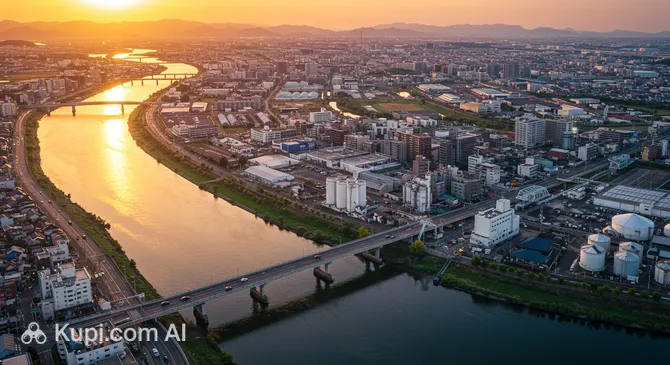
Inazawa is a charming city located in the northwestern part of Aichi Prefecture, just a few dozen kilometers from the bustling city of Nagoya. It represents a wonderful blend of ancient trade routes and modern transport arteries, making it easily accessible for travelers exploring Japan. The city harmoniously intertwines centuries-old traditions with modern trends, creating a unique atmosphere.

Inazawa. Illustration.
Source: Kupi.com AI

With a population of about 135,000 people, Inazawa, founded in 1958, quickly became an important administrative and cultural center of the region. The city is famous for its calm and friendly atmosphere. It is pleasant to stroll along shady alleys, enjoy well-kept parks, and meet hospitable locals. Inazawa is ideal for those who want to see the real Japan without the bustle of megacities, yet with the convenience of easily reaching major cultural centers.

Travelers are drawn to Inazawa not only for its comfort but also for its authenticity. The city carefully preserves many historical monuments, offers cozy temples to visit, and provides opportunities to immerse oneself in the atmosphere of traditional festivals. Every guest will find something here, whether it be leisurely walks, exploring a rich culture, or making gastronomic discoveries.

If you are looking for a place to relax your soul and touch true Japanese flavor, Inazawa will be an excellent choice for your journey. Discover this enchanting city and its unique hospitality!

You can find more interesting facts on the history of Inazawa page.

Weather Overview

The weather in Inazawa is typically characterized by warm and humid summers, with average temperatures ranging from 22-28°C, and cool, relatively dry winters with average temperatures around 4-6°C. The highest amount of precipitation occurs during the summer months, especially in July (about 10 mm and 21 rainy days), while in winter months, such as January and December, precipitation is minimal (about 2 mm and 9 rainy days). Spring and autumn are transitional seasons with moderate temperatures and variable precipitation. For more detailed information, you can visit the Inazawa Climate page.

Average monthly temperature

Average monthly precipitation

Interesting Facts

Beyond its picturesque landscapes and calm atmosphere, Inazawa holds many surprising stories and features that don't always make it into standard guidebooks. Ready to learn some curious details about this Japanese city?

  • Although Inazawa officially received city status only on November 1, 1958, its history stretches back centuries. These lands have been inhabited since ancient times, and the city's name is believed to be associated with the vast rice fields that remain an integral part of the local landscape to this day.

  • Inazawa is not just a city surrounded by rice paddies. It plays a key role in the agriculture of Aichi Prefecture, serving as one of its important food centers. Rice is successfully grown here, along with many other crops, providing the region with fresh produce.

  • The city carefully preserves unique traditions of seasonal festivals. The festival dedicated to the harvest is particularly vibrant and significant. During these days, Inazawa is transformed, filled with colorful processions, music, and the aromas of traditional treats as residents thank nature for its bounty.

  • Inazawa is the birthplace of many talented individuals who have made notable contributions to Japanese sports and culture. The city is proud of its famous natives, and their stories inspire new generations toward achievement.

How to Get There

Getting to Inazawa is quite simple thanks to its excellent location near the major transport hubs of the Chubu region. The city has great accessibility, allowing you to easily arrive from other parts of the country or from abroad. You can find all the details and plan your route by following the link: all ways to get to the city of Inazawa.

Inazawa does not have its own airport, so travelers arriving by air typically use the airports of neighboring major cities. The closest and most convenient option is Chubu Centrair International Airport (NGO), located in the city of Nagoya (Tokoname). It is approximately 43 km from Inazawa. This is a major international hub receiving flights from all over the world. A trip by taxi or car from the airport to the city takes about 1 hour and 25 minutes. From the airport, you can also take an express train to Nagoya Station and then transfer to a local line to Inazawa, which is often faster.

As an alternative, you can consider Itami Airport (ITM) in Osaka. It is located much further away — about 132 km, and the drive by car will take over 3.5 hours. However, it is a large airport with significant passenger traffic, which might be convenient if you plan to combine a visit to Inazawa with a trip through the Kansai region.

For convenience, here is summary information on the main airports used to reach the city:

AirportPassenger trafficDistance
Nagoya Airport735 00013 km
Chubu Centrair International Airport12.3 mln43 km
Komatsu Airport1.8 mln132 km
Itami Airport14.8 mln133 km
Shizuoka Airport691 274137 km

Rail travel is one of the most popular and efficient ways to get to Inazawa. The city is served by two main railway lines: the JR Tokaido Main Line (Inazawa Station) and the Meitetsu Nagoya Main Line (Konomiya Station). Since Inazawa is essentially a suburb of Nagoya, the train journey from Nagoya Station takes only about 10–15 minutes. This makes the city easily accessible for those arriving in the region via Shinkansen bullet trains, which stop in Nagoya.

Main Attractions

Inazawa, a charming city in Aichi Prefecture, boasts several unique attractions that appeal to both locals and curious travelers. Immerse yourself in the atmosphere of ancient traditions and enjoy the beauty of Japanese nature while exploring the iconic sites of this city.

The main shrine and symbol of Inazawa is undoubtedly the Konomiya Shrine (Owari Okunitama-jinja). This ancient Shinto sanctuary is known nationwide for hosting one of Japan's most eccentric and ancient festivals – Hadaka Matsuri, or the "Naked Man Festival." The festival takes place in February and attracts thousands of participants and spectators. Outside the festival season, Konomiya Shrine offers visitors a peaceful atmosphere to appreciate traditional Japanese architecture and centuries-old rituals.

For lovers of natural beauty, a visit to the Sobue district, famous for its ginkgo groves, is a must. In autumn, usually in November, thousands of these ancient trees turn a dazzling yellow, transforming the area into a literal golden sea. A ginkgo festival is held here during this time, where you can not only admire the breathtaking views but also sample local products made with ginkgo nuts. A walk through the Sobue alleys during the "golden autumn" leaves an unforgettable impression.

Another important spiritual site in Inazawa is the Yawase Kannon Temple. This quiet and revered Buddhist temple is dedicated to the Bodhisattva Kannon, the embodiment of mercy. People come here seeking peace, to pray for health and well-being. The temple grounds are well-maintained and have a calm atmosphere, making it a wonderful place for reflection and a break from the city bustle.

Local Cuisine

The culinary scene in Inazawa is a delightful combination of centuries-old traditions and the freshest local products. Special attention is paid here to the quality of ingredients: rice, seasonal vegetables, and fish reach the tables of residents and guests almost directly from the fields and markets, ensuring unsurpassed flavor. Inazawa's gastronomy attracts tourists with its authenticity and focus on local specialties.

Among the dishes that are a must-try in Inazawa, miso-katsu stands out – an appetizing breaded pork cutlet generously drizzled with a thick and flavorful miso sauce. This is one of the iconic dishes of the Aichi region, perfectly demonstrating local culinary traditions. Dishes made from eel (unagi) are no less popular, famous for their rich flavor and tender texture. Local restaurants often delight visitors with seasonal delicacies reflecting the richness of the surrounding nature.

For a quick and tasty snack while walking around the city, local street treats are ideal. Be sure to try fresh onigiri (rice balls with various fillings) and traditional homemade sweets made from rice flour. Among drinks, green tea is definitely worth noting, as it is an integral part of any Japanese meal. Local establishments also offer various types of sake and other traditional Japanese drinks, as well as refreshing non-alcoholic options.

Food culture in Inazawa involves enjoying meals in both cozy restaurants and lively street markets, where you can feel the true local flavor and try freshly prepared snacks. The city is also known for its gastronomic festivals, which become true celebrations of taste. These events are a wonderful opportunity to learn traditional recipes, participate in cooking workshops, and, of course, taste the best dishes of the region, attracting gourmets from all over the prefecture.

Travel Tips

Welcome to Inazawa! To make your trip to this interesting city in Aichi Prefecture as comfortable and memorable as possible, we have prepared some practical tips. They will help you better navigate and enjoy every moment in Japan.

  1. Clothing and Essentials: The climate in Inazawa is temperate, so clothing choice depends on the season. In summer (June–August), bring light, breathable clothing, a hat, and sunscreen; rain is possible, so a light raincoat or umbrella will be useful. In spring and autumn, layered clothing is preferred. In winter (December–February), you will need a warm jacket, hat, and gloves. Comfortable shoes are a must, as you will be doing a lot of walking. Don't forget a universal adapter for electrical appliances (Japan uses 100V, types A and B sockets). When visiting temples and shrines, be prepared to remove your shoes and choose modest clothing that covers shoulders and knees.
  2. Getting Around the City: The main way to travel in Inazawa and its surroundings is by JR and Meitetsu trains (Inazawa and Konomiya stations respectively). Local buses also run throughout the city. Taxis are available but can be expensive; you can use apps like JapanTaxi or Go. Car rental is possible with an international driving permit, but it's not always convenient for moving around the city due to parking. A bicycle can be an excellent option for leisurely exploring Inazawa.
  3. Finances: The local currency is the Japanese Yen (JPY, ¥). It's best to exchange money at airports, banks, or official exchange offices. Credit cards (Visa, Mastercard) are accepted in many large establishments, but always have cash on hand for small shops, markets, and some temples. International cards usually work at ATMs in post offices (Japan Post Bank) and 7-Eleven stores. Tipping in Japan is not expected; good service is included in the price. An approximate daily budget (excluding accommodation) can range from 7,000 to 15,000 yen.
  4. Health and Safety: Japan is a very safe country, and Inazawa is no exception. However, standard precautions apply: keep an eye on your belongings. Pharmacies (薬, "kusuri" or "drugstore") are easy to find, but 24-hour ones are rare. It's recommended to carry a basic medicine kit. Be sure to arrange travel medical insurance. In emergencies, call: police – 110, ambulance/fire service – 119.
  5. Communication: The official language is Japanese. English is spoken in tourist areas but not everywhere. Learn a few basic phrases: "Konnichiwa" (Hello), "Arigato gozaimasu" (Thank you), "Sumimasen" (Excuse me). For connectivity, you can purchase a tourist SIM card or rent a pocket Wi-Fi router. Free Wi-Fi is available in many hotels, cafes, and stations. Useful apps: Google Maps, HyperDia (for transport schedules), Google Translate.
  6. Local Etiquette: Japanese people are very polite. A greeting is a slight bow. In public places, especially on transport, it is customary to speak quietly and not disturb others. Do not eat or drink while walking unless it is a designated area. Remove your shoes when entering homes and some temples (follow the local lead). When using chopsticks, do not stick them vertically into rice and do not pass food from chopsticks to another person's chopsticks.
  7. What to Avoid: Try not to blow your nose loudly in public; if necessary, do it as discreetly as possible or step into a restroom. Do not point at people with your finger – use an open palm. Excessive familiarity or loud behavior may be perceived negatively.
  8. Special Tip for Inazawa: The city is famous for one of Japan's most unusual festivals – Konomiya Hadaka Matsuri (Naked Man Festival), which takes place in February at Konomiya Shrine. If your trip coincides with this time, it is a unique opportunity to see an ancient tradition of purifying evil spirits. Also, Inazawa has a rich history associated with the Oda clan; history buffs will find it interesting to visit the ruins of Inazawa Castle.

We hope these tips help you plan an unforgettable trip to Inazawa. This city, combining tradition and modernity, will surely leave you with warm memories. Have a pleasant trip!

Entertainment & Nightlife

Inazawa, an enchanting city in Aichi Prefecture, offers its guests a calm and authentic atmosphere for evening relaxation, noticeably different from the noisy bustle of major metropolises. Nightlife here flows at a leisurely pace, inviting pleasant pastimes and an introduction to local culture in a cozy setting.

The core of evening entertainment in Inazawa consists of traditional Japanese pubs – izakaya. These are excellent places to try various local dishes and drinks in a casual, friendly atmosphere. Small bars where you can enjoy a cocktail or a glass of local beer are also popular, along with karaoke bars – an integral part of Japanese entertainment culture. Most of these establishments are concentrated near Inazawa Station and on the main shopping streets. It is worth noting that large nightclubs with expansive dance floors are less common here, as the emphasis is on more intimate and soulful relaxation.

The atmosphere in Inazawa's evening venues is generally very friendly and relaxed. The crowd is mostly local, but tourists are welcomed warmly and hospitably. A special dress code is usually not required; casual, comfortable clothing is perfectly appropriate. Izakayas usually open in the early evening, while bars begin to come alive closer to night and stay open until late or until the last customer.

Regarding specific recommendations for establishments, unfortunately, the provided list of attractions for Inazawa does not include specific bars, clubs, or other nightlife centers to which we could provide direct links. In this regard, to find current and popular spots, we recommend using online maps (such as Google Maps), travel apps, or asking your hotel staff for advice – they often have the most up-to-date information.

When planning your evening in Inazawa, keep in mind that the optimal time to visit bars is after 8:00–9:00 PM. Prices in local establishments are generally quite moderate, especially compared to large tourist centers in Japan. Taking a taxi is the most convenient way to return to your hotel at night; it is a reliable, though more expensive, method of transportation. If you plan to use public transport, be sure to check the schedule for the last trains or buses in advance.

Inazawa is considered a safe city for night walks, especially in central and well-lit areas. Nevertheless, it is always worth following standard precautions: keep an eye on your belongings and avoid deserted places. You can call a taxi by asking the staff at the venue where you are relaxing or by using special ride-hailing mobile apps if they are popular in the region.

By day, Inazawa also offers interesting leisure options. You can visit local parks, such as Konomiya Park, which is particularly picturesque during the cherry blossom season in spring or the vibrant colors of autumn. The numerous local temples and shrines are also worth noting, allowing for a deeper dive into the history and culture of the region. For shopping enthusiasts, there are shopping streets featuring local goods, products, and souvenirs.
Parks & Museums

Inazawa, a city with a rich history in Aichi Prefecture, offers its guests a harmonious blend of peaceful green zones and interesting cultural sites. Here you will find both traditional Japanese landscapes and places where you can deeply immerse yourself in the art and history of the region.

Among the green oases of Inazawa, Konomiya Park is particularly prominent. It adjoins the famous Konomiya Shrine and serves not only as a place for quiet walks but also as a hub for local festivals, allowing visitors to feel the spirit of traditional Japan. Another iconic spot is the Sobue district, famous for its extensive ginkgo tree groves. In autumn, these groves turn into a veritable golden sea, attracting photographers and nature lovers with their incredible beauty. A walk here at this time of year will leave an unforgettable impression.

To learn about the cultural heritage of Inazawa, several key museums are worth visiting. The Ogisu Memorial Art Museum is dedicated to the work of Takanori Ogisu, a famous Japanese artist who worked in the Western style and was born in Inazawa. The museum presents a collection of his works, allowing visitors to trace the master's creative journey. To gain a deeper understanding of the city's history and traditions, be sure to stop by the Inazawa City Historical and Ethnographic Museum. It houses artifacts, documents, and exhibits detailing the region's past, its development, and the daily life of local residents.

In addition to designated parks and museums, Inazawa, like many Japanese cities, takes pride in its ancient temples and shrines. These sites are often not only spiritual centers but also magnificent examples of traditional Japanese architecture surrounded by well-kept gardens. A stroll through such places allows you to touch history and enjoy a calm atmosphere.

For a more authentic experience, don't be afraid to veer off the beaten tourist paths. Explore small neighborhood parks or lesser-known shrines – it's often there that you can find a unique atmosphere and tranquility hidden from major tourist flows. Also, pay attention to local markets, where daily life buzzes and you can discover something new.

Getting Around

Public transport in Inazawa is primarily represented by rail services and bus routes, providing convenient travel both within the city and to its surroundings. Railway lines play a key role, connecting Inazawa with major cities in the region. Buses complement the rail network, covering areas distant from the stations.

For fare payment, the most convenient method is using rechargeable smart cards, such as Manaca (common in the Chubu region) or other compatible IC cards (e.g., Suica, Pasmo). These cards can be used on both trains and buses. They can be purchased and topped up at machines at railway stations. Single tickets are also available, purchased at machines before travel or directly from the bus driver (it is advisable to have small change). Fares depend on the distance; the approximate price of a short bus or train ride within the city can start from 200–300 yen.

Tourists are recommended to purchase an IC card for convenience and to save time. The card must be tapped on the reader at the ticket gate when entering and exiting railway stations, and on buses when boarding (and sometimes when alighting, depending on the payment system). Public transport usually operates from early morning (around 5:00–6:00 AM) to late evening (around 11:00 PM – 12:00 AM), but schedules can vary depending on the route and day of the week. Schedule information can be found at stations and stops, as well as in online route planners.

As an alternative to public transport, taxis are available in Inazawa. They can be found at stands near stations or called by phone. This is a more expensive but comfortable way to travel, especially for trips with luggage or at night. Bicycle rental can be a good option for exploring specific areas of the city, especially in good weather; however, its availability should be checked on-site. There are no specialized or historical modes of transport highlighted in Inazawa, such as vintage subways or cable cars; the transport system is functional and focused on the daily needs of residents.

Accommodation

When planning a trip to Inazawa, you will find a variety of accommodation options to suit different preferences and budgets. The city offers modern business hotels providing comfort and convenience, as well as more traditional Japanese inns (ryokans) or guesthouses where you can immerse yourself deeper in local culture. Apartment rentals are also an option for longer stays or for families traveling together.

For tourists, the most convenient areas to stay in Inazawa are often those near major transport hubs, such as Inazawa Station. This ensures easy access to both local attractions and other cities in Aichi Prefecture. Central districts of the city also offer a good selection of hotels and are within walking distance of shops, restaurants, and some city facilities.

In Inazawa, you will find a decent selection of hotels capable of meeting the needs of both business travelers and tourists. The city offers accommodation in hotels of well-known Japanese chains, famous for their quality of service and amenities, as well as in independent hotels and possibly traditional ryokans, where you can experience local flavor. Although specific names may not be as widely known internationally as those in major tourist centers, the quality and comfort usually meet high Japanese standards.

To guarantee the best accommodation option, especially during the peak tourist season or during local festivals, it is recommended to book your accommodation in advance. The price range in Inazawa varies from quite budget-friendly options to mid-range hotels, allowing you to choose accommodation based on different financial capabilities. The most common booking methods involve using popular international and Japanese online hotel booking platforms, as well as direct booking through the hotels' own websites.

Nearby Cities

For those looking to explore the surroundings, Inazawa serves as an excellent starting point for day trips to several interesting nearby locations:

CityPopulationDistance
Ichinomiya378 6817 km
Kiyosu69 8098 km
Kitanagoya86 0608 km
Oharu32 5909 km
Iwakura47 9759 km

These nearby destinations provide insight into the diverse culture and landscapes of the region.

Shopping & Souvenirs

Shopping in Inazawa offers tourists the opportunity to immerse themselves in the atmosphere of a Japanese city and purchase both everyday goods and unique souvenirs. While Inazawa may not be famous for massive world-class shopping districts, you can find everything you need and discover local specialties.

The main shopping opportunities in Inazawa, as in many Japanese cities, are concentrated around the central streets and near railway stations. Here you will find a variety of shops: from small family-run stores to branches of well-known Japanese chains. Walking through these areas allows you not only to shop but also to observe the daily life of the city's residents.

The city may feature shopping malls that offer a wide range of goods under one roof – from clothing and electronics to food and household items. Such complexes often include restaurants and entertainment zones, making them convenient places to spend a few hours. We recommend checking for the presence of large shopping centers upon arrival or at local tourist information points.

Local markets, if available in Inazawa, can be a real discovery for the curious tourist. These could be morning markets with fresh products from local farmers or small flea markets where you can find interesting vintage items or handmade crafts. Visiting a market is a great way to get to know local products and culture.

As souvenirs from Inazawa and Aichi Prefecture, traditional Japanese items are worth considering. These could be ceramics, textiles, local sweets (such as wagashi), green tea, or sake. Various small souvenirs with Japanese symbols are also popular: keychains, magnets, chopsticks. Sometimes, unique items from local artisans can be found in small towns.

Most shops in Japan, including Inazawa, are typically open from 10:00 or 11:00 AM to 7:00 or 8:00 PM. Large shopping centers may stay open longer. As for payment, while credit cards are accepted in many places, especially in large stores and hotels, it is always useful to have some cash on hand, especially for purchases in small shops or at markets. Contactless payments and mobile app payments are also becoming increasingly common.

For foreign tourists in Japan, a Tax Free system is in place. When purchasing goods for a certain amount in stores participating in this program (which usually have a corresponding "Tax Free Shop" sticker), you can receive a consumption tax refund. You must present your passport to do this. Conditions and procedures may vary slightly between stores, so feel free to ask the staff for details.

Reached the end of the page?

That means the route is fully explored