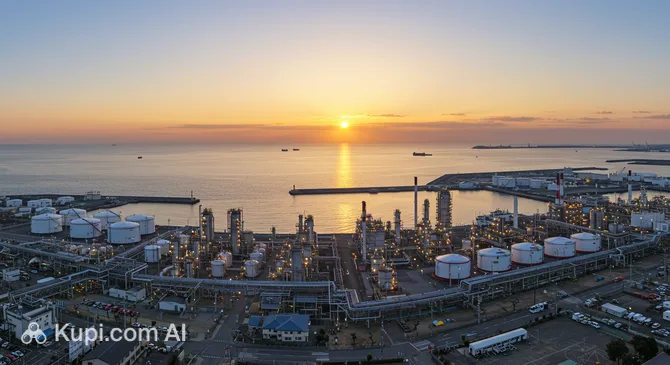
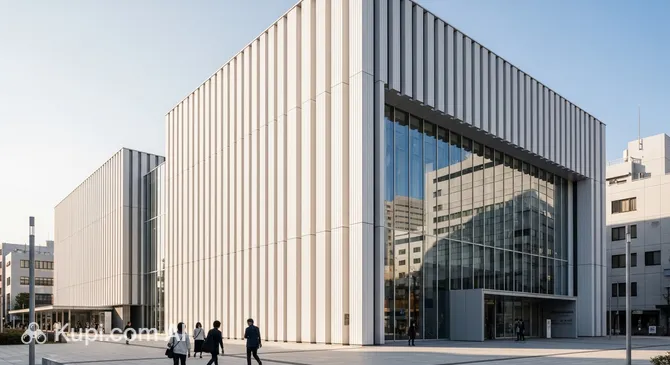
Nestled in Aichi Prefecture, the city of Tokai is a harmonious blend of industrial prowess and the serene charm of provincial Japan. Located in close proximity to the major metropolis of Nagoya, this city of approximately 113,000 residents maintains its own unique rhythm of life, offering guests an authentic experience of daily life in the Land of the Rising Sun.
The city's geographical position on the Pacific coast largely determined its development as an important industrial center specializing in electronics and automotive manufacturing. However, despite its status as the "industrial heart" of the region, Tokai surprises visitors with its abundance of green spaces, parks, and careful attention to ecology, making walks through its streets comfortable and pleasant.
Tokai. Illustration.
Source: Kupi.com AI
The region's rich cultural heritage comes to life during local festivals and in the silence of ancient temples like Tokai-ji. Tourists are drawn here not only by modern technology but also by the chance to see the real Japan without the bustle of tourist crowds. We invite you to discover this welcoming corner where traditions of the past meet the innovations of the future.
Weather Overview
The climate in Tokai is characterized as warm and moderately humid, which is typical for the Pacific coast of the Aichi region. Expect hot and quite humid summers, where daytime temperatures in July and August often reach +30°C... +32°C, while warm nights are perfect for long strolls. Winters here are mild and predominantly dry: in January, the average maximum is around +9°C, although nighttime frosts down to 0°C are possible.
Precipitation is distributed throughout the year, but its peak occurs in the summer months and early autumn, providing the city and its surroundings with lush emerald greenery. The most pleasant times to visit are spring (April-May) and autumn (October-November), when comfortable temperatures of around +18°C... +22°C set in, ideal for outdoor sightseeing.
Average monthly temperature
Average monthly precipitation
Interesting Facts
Industrial Hub: Tokai is an integral part of Aichi Prefecture's industrial heart, playing a key role in the production of high-tech electronics and world-renowned automobile brands.
Link to Tokaido History: Local traditions and festivals carefully preserve the memory of the ancient Tokaido Road—the main route that connected historical Edo (Tokyo) with Kyoto.
Green Balance: Despite its powerful industrial sector, the city administration implements large-scale ecological initiatives, maintaining extensive park zones within industrial quarters.
Maritime Gateway: Thanks to its location near the Pacific coast, the city enjoys a special microclimate and provides easy access to coastal recreational areas.
How to Get There
The transport accessibility of Tokai makes it a convenient destination for both independent travelers and those planning a short trip from neighboring metropolises. The city is integrated into the well-developed railway and road network of the Aichi region, ensuring quick and comfortable connections with key points across the country.
The main international hub for arriving tourists is Chubu Centrair International Airport (IATA: NGO), located about 40 kilometers from the city. It is a modern hub from which you can reach the center in about an hour by express train or comfortable bus. Detailed information about routes can be found in the section on how to get to the city.
For those traveling within Japan, the railway is the most practical option. The JR Tokaido Main Line connects Tokai Station with Nagoya, a journey of only 20-30 minutes. This makes it easy to plan day trips to Tokyo or Osaka using Shinkansen bullet trains with a transfer in Nagoya.
Drivers will find it convenient to use the Tomei Expressway. The journey from Tokyo by car takes about 3 hours, and significantly less from Osaka. The city has a well-planned system of exits and sufficient parking spaces near major shopping and cultural centers.
Main Attractions
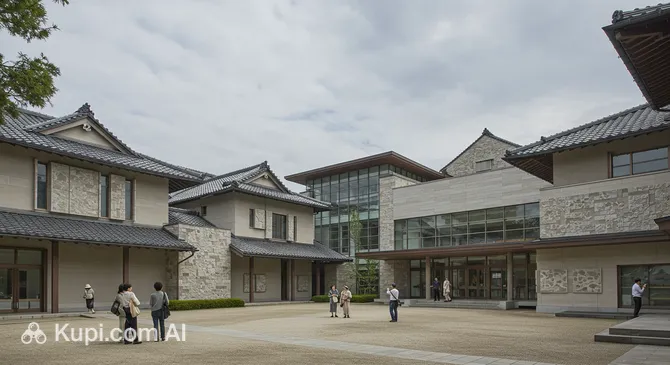
One of the city's most vibrant and educational attractions is the INAX Museums. This unique complex is dedicated to the history of ceramics and tiles, where visitors can see amazing displays of decorative brickwork and mosaics. It is a must-visit for architecture enthusiasts and those who want to learn more about traditional Japanese craftsmanship with a modern twist.
INAX Museums. Illustration.
Source: Kupi.com AI
Traveler photos:
For family outings and aviation fans, the FLIGHT OF DREAMS interactive space is a mandatory stop. Located near the airport, this entertainment park is built around the first Boeing 787 Dreamliner prototype. Here, you can not only see the aircraft up close but also enjoy a digital light show and grab a bite in an area styled after the streets of Seattle.
FLIGHT OF DREAMS. Illustration.
Source: Kupi.com AI
Traveler photos:
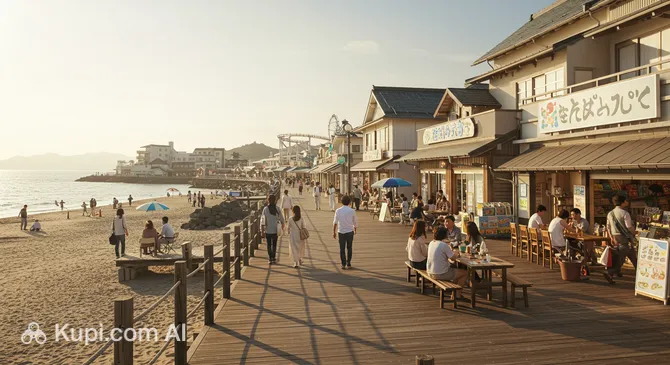
If you are traveling with children, don't miss Minamichita Beach Land, a popular theme park and aquarium. It is famous for its dolphin and sea lion shows, as well as the opportunity for close contact with marine life. It is a wonderful place to spend a full day in the fresh sea air, enjoying attractions and educational exhibits.
Minamichita Beach Land. Illustration.
Source: Kupi.com AI
Traveler photos:
For nature lovers and hikers, Tokai offers picturesque routes along the Yasu River and the slopes of Mount Ibuki, which provide breathtaking views of the ocean. In spring, the city is transformed by cherry blossoms in local parks, and in summer, the streets come alive during traditional matsuri festivals, bringing together thousands of residents in colorful costumes.
Local Cuisine
The culinary scene in Tokai is a vivid reflection of the gastronomic traditions of Aichi Prefecture. The main delicacy you must try is unagi—river eel grilled and glazed with a thick, caramelized teriyaki sauce. Equally popular are the ultra-fresh hitashi seafood dishes, delivered straight from the Pacific coast.
The use of the famous miso paste gives the local cuisine a special character. We recommend trying miso-kude—a dish based on fermented rice that has a deep and rich flavor. For a daily lunch, locals often choose hearty ramen or savory okonomiyaki prepared with local seasonal vegetables.
The city is home to many cozy izakayas and restaurants located near popular leisure spots like Minamichita Beach Land. Those with a sweet tooth will appreciate the local confectionery shops, and for a drink, choose fresh green tea or sake from local breweries renowned for their quality. For a quick and tasty snack, conveyor belt sushi bars offering a wide variety at affordable prices are an excellent choice.
Travel Tips
Welcome to Tokai! To ensure your journey through this welcoming Japanese city is as comfortable as possible and brings only positive emotions, we have prepared some useful practical tips for you.
Clothing and Essentials: Choose your wardrobe according to the season: in summer, light breathable clothing and an umbrella for sun or rain are useful; in winter, a warm jacket is needed as it can be cool indoors. Be sure to wear comfortable shoes that are easy to take off, as it is customary to remove footwear in many temples and traditional establishments. Don't forget a plug adapter (Type A/B, 100V voltage).
Transport: For travel around the city and to neighboring Nagoya, purchase an IC card (such as Manaca or Suica). This will significantly simplify payments on JR buses and trains. Use Google Maps or specialized rail service apps to plan your routes.
Finances: The official currency is the Japanese Yen. While cards are accepted in major shopping malls, always carry cash with you for payments in small cafes, temples, and souvenir shops. You can withdraw money from ATMs in convenience store chains (7-Eleven, Lawson). There is no tipping culture in Japan—attempting to leave a tip may confuse the staff.
Health and Safety: The city is very safe, but basic precautions are always wise. Drugstores are common and sell both medicine and cosmetics. In case of emergencies, contact tourist information centers.
Communication: The primary language is Japanese. Basic English is understood in tourist areas, but outside of them, it's useful to have Google Translate handy. Learn simple phrases: "Arigato" (thank you) and "Sumimasen" (excuse me). It's best to buy a SIM card for internet in advance at the airport.
Local Etiquette: Always remove your shoes when entering a temple or a private home. Maintain silence on public transport and set your phone to silent mode. Greet others with a slight bow.
What to Avoid: Do not eat while walking—this is considered bad manners. Also, try not to talk loudly on the phone in trains and buses.
Extra Tip: Plan your visit during the cherry blossom season (late March to April) or the autumn foliage period (November) to see Tokai in its most picturesque attire.
May your introduction to Tokai become a bright and inspiring adventure. We wish you a pleasant stay and unforgettable discoveries in the heart of Japan!
Entertainment & Nightlife
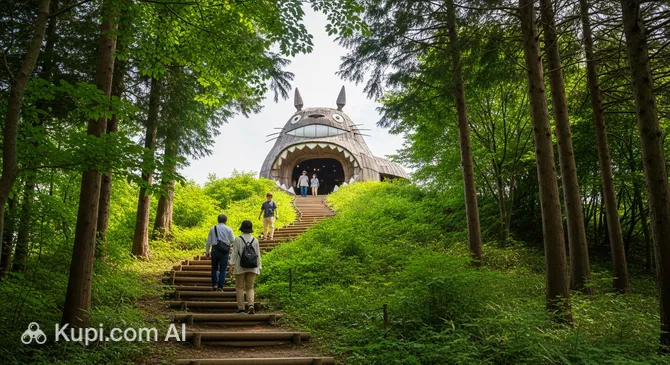
Entertainment in Tokai is primarily relaxed and family-oriented. The city's evening life is centered around cozy karaoke clubs and modern bowling centers where locals enjoy spending time after work. If you are looking for a more active daytime experience in a fairytale atmosphere, be sure to visit Dondoko Forest—a themed area inspired by the world of Studio Ghibli that offers unforgettable emotions for children and adults alike.
Dondoko Forest. Illustration.
Source: Kupi.com AI
Traveler photos:
The summer season in the city is marked by vibrant festivals featuring grand fireworks displays and traditional open-air dances. The nightlife here is not overly hectic; small bars and classic Japanese pubs (izakayas) in the central part of the city offer a wide selection of local beer and snacks until late in the evening. For those who prefer active outdoor recreation, golf courses and traditional onsen (hot springs) are available in the surrounding areas.
The atmosphere in local establishments is friendly and relaxed, and most places do not have a strict dress code. Safety in the city is at a very high level, allowing for walks at any time of day or night. If you need a taxi at night, it is easily called via mobile apps or found at ranks near the train stations.
Parks & Museums
The cultural life of Tokai is closely intertwined with its history and natural beauty. Tokai Central Park serves as the city's "green lungs," where locals love to relax among picturesque ponds and well-kept alleys. In spring, the park becomes a magnet for hundreds of people wishing to admire the cherry blossoms, while the banks of the Yasu River are adorned with small gardens where you can see masterfully grown bonsai.
To dive into the region's rich past, visit the Tokai Local History Museum, whose exhibits are dedicated to the development of local industry and unique Aichi traditions. Archaeology buffs will find the Aichi-Asahi Settlement Museum fascinating, as it displays artifacts from ancient eras found during excavations in the area. This site literally allows you to touch the origins of civilization on the Japanese islands.
Kanayama Minami Building Museum Wing. Illustration.
Source: Kupi.com AI
Traveler photos:
Connoisseurs of architecture and art should visit Honmaru Palace, which impresses with its elegance and masterful interior finishes. Also noteworthy is the Kanayama Minami Building Museum, which frequently hosts rotating exhibitions of contemporary art and educational events. These cultural venues offer guests a deep and multifaceted look at Japanese heritage, blending tradition with modern artistic trends.
Getting Around
The public transport system in Tokai is characterized by typical Japanese punctuality and convenience. The backbone of the city's transit is the Meitetsu bus network, which covers all residential areas and connects them with key infrastructure. The JR railway network provides fast connections to Nagoya and other cities in the prefecture, with trains running every 15–30 minutes.
For fare payment, it is most convenient to use universal IC cards such as Manaca or Suica. They allow for one-touch payment on both buses and trains, eliminating the need to buy single tickets. Cards can be purchased and topped up at special machines at any station. Transport operating hours generally run from early morning (around 5:30 AM) until midnight.
The city itself is quite compact, so many tourists prefer to get around on foot or by bicycle. Bicycle rental stations are located at several points in the city, making sightseeing even more mobile. Taxis are also widely available and convenient for short trips, although they are more expensive than public transport. Overall, Tokai's transport system allows you to reach any attraction of interest easily and without extra stress.
Accommodation
Accommodation options in Tokai are primarily focused on comfort and functionality. Modern business hotels, such as the Toyoko Inn or Dormy Inn chains, are the most popular choices, conveniently located within walking distance of the railway station. They are excellent for budget-conscious travelers, with room rates starting at approximately 5,000 yen per night alongside a high level of service.
For those wishing to immerse themselves deeper into Japanese culture, traditional ryokan inns can be found on the outskirts of the city. Many of these feature their own hot springs (onsen), offering guests relaxation in an authentic atmosphere with traditional kaiseki dinners. The central districts also offer a wide selection of apartments and cozy guesthouses that can be easily booked through international platforms.
When planning your trip, consider the proximity to attractions such as Honmaru Palace or the INAX Museums to minimize travel time. We recommend booking accommodation in advance, especially if your visit coincides with the cherry blossom season or major local festivals, when demand for rooms increases significantly.
Nearby Cities
Thanks to its ideal location, Tokai serves as an excellent starting point for exploring central Japan. Just a 20-minute train ride away lies the majestic Nagoya—one of the country's largest metropolises. Here, travelers will find a magnificent castle, modern interactive museums, and endless shopping opportunities in the Sakae district.
For those interested in ancient history, the city of Kiyosu is an interesting destination, famous for its historic castle which played a vital role in the unification of Japan. It is also worth visiting Kitanagoya and Toyoyama, where you can experience the quieter pace of Japanese suburban life and visit local museums.
The city's surroundings offer a rich variety of impressions: from bustling metropolitan streets to quiet temple complexes and nature parks. Don't miss the chance to broaden your horizons and see the many facets of the Aichi region by taking short and convenient trips to neighboring cities.
Shopping & Souvenirs
Shopping in Tokai is a pleasant mix of modern shopping malls and small shops selling traditional goods. The main destination for shopping is the massive Aeon Mall, located near the central station. Here, under one roof, you will find stores of popular Japanese and international clothing brands, huge electronics departments, and grocery supermarkets with an impressive selection of local delicacies.
If you are looking for something unique, look for ceramic products—the Aichi region is famous for its pottery traditions. Elegant tea sets or handcrafted decor items make wonderful gifts. Local wagashi sweets and premium varieties of green tea grown on nearby plantations also make excellent souvenirs. For aviation enthusiasts, the shop at FLIGHT OF DREAMS offers exclusive merchandise and model aircraft.
Shops in the city typically operate from 10:00 AM to 8:00 PM or 9:00 PM. International credit cards are widely accepted in large shopping centers, and a Tax-Free system is often available for foreign tourists (look for the corresponding logo at the checkouts). At local markets selling fresh seafood and handicrafts, it is better to have cash yen on hand so you don't miss the chance to purchase rare goods directly from the source.