Support

Ichinomiya

About

Ichinomiya is a charming city located in the heart of Aichi Prefecture, just a few dozen kilometers northwest of bustling Nagoya. The city is nestled on a picturesque plain along the banks of the Kiso River, surrounded by green fields and gardens. Thanks to its convenient location, Ichinomiya serves as an excellent starting point for exploring the Chubu region and experiencing both traditional and modern Japan.

With a population of approximately 378,000, Ichinomiya is a large and dynamic city that has managed to retain the coziness and hospitality of a smaller Japanese town. The city plays an important role in the prefecture's economy and culture, harmoniously combining business activity, developed infrastructure, and a rich historical heritage. Ichinomiya is widely known as a historic center of the textile industry and is also famous for its ancient temples and colorful festivals that attract visitors year-round.
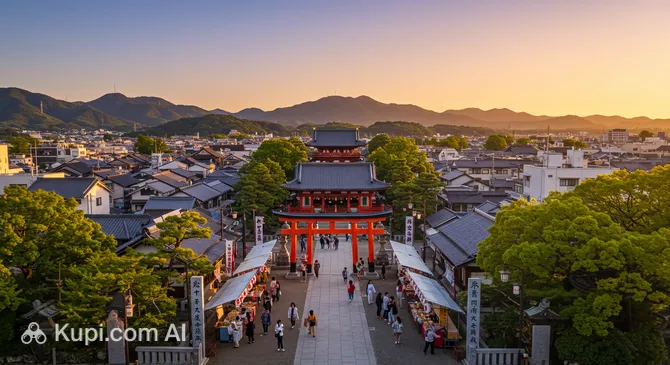
Ichinomiya. Illustration.
Source: Kupi.com AI

The atmosphere of Ichinomiya is a wonderful blend of centuries-old traditions and the rhythms of modern life. Here you will find majestic ancient shrines, such as the famous Masumida Shrine, which is historically considered the head shrine of Owari Province and gave the city its name ("first shrine"). In addition to historical gems, the city offers shady parks for leisurely walks, lively shopping streets with local goods, and cozy cafes where you can feel the authentic Japanese flavor and taste local cuisine.

Ichinomiya is a wonderful choice for those seeking to see Japan beyond the standard tourist routes, immerse themselves in the authentic atmosphere of the Japanese province, get acquainted with local customs, and enjoy peace and hospitality. This city will undoubtedly leave you with warm memories and provide a unique experience of getting to know the culture of the Land of the Rising Sun.

You can find more interesting facts on the history of Ichinomiya page
Weather Overview

The weather in Ichinomiya is characterized by distinct seasons. Summer, especially in July and August, is warm and humid here, with average temperatures reaching 26-27°C and maximums around 29-31°C. The summer months also see the highest amount of rainfall, peaking in July (about 11 mm and 21 rainy days). Winters, from December to February, are cool, with average temperatures around 4-6°C, sometimes dropping to 0°C. In winter, there is significantly less precipitation, around 2-3 mm per month.

Spring and autumn are transitional seasons with moderate temperatures and variable rainfall. In general, expect a warm, humid summer with frequent rain and a cool, relatively dry winter. For more detailed weather information by month, you can visit the Ichinomiya climate page.

Average monthly temperature

Average monthly precipitation

Interesting Facts

In addition to its famous landmarks, the city of Ichinomiya holds many surprising stories and little-known details. Here are just a few that will help you see this Japanese city from a new perspective:

Masumida Shrine. Illustration.
Source: Kupi.com AI

Traveler photos:

  • The city's name Ichinomiya literally translates as "The First Shrine." This refers to the region's main Shinto shrine — Masumida Shrine, which for centuries was the center of religious and cultural life, and it was around this shrine that the modern city grew.

  • Ichinomiya is famous for its annual Tanabata Festival, which is considered one of the most colorful and popular in all of Japan. During the festival, the city streets are transformed by thousands of bright paper lanterns and streamers, creating a unique atmosphere of celebration and magic.

  • The city has deep roots in the textile industry. Since ancient times, high-quality fabrics valued throughout Japan have been produced here. To this day, family-run manufactories continue to operate in Ichinomiya, where you can learn about traditional weaving techniques and even purchase unique handmade items.

  • Ichinomiya is the birthplace of several famous Japanese cultural and artistic figures, including painters, musicians, and traditional craft masters. This fact rightfully makes the city one of the important cultural centers of Aichi Prefecture.

How to Get There

When planning a trip to this cozy Japanese city, it is important to consider the logistics in advance. You can learn more about how to get to Ichinomiya by exploring different routes, but the main way for international tourists to arrive remains an air flight followed by a transfer to ground transportation.

Ichinomiya itself does not have its own airport, so travelers usually fly into neighboring large cities. The most convenient and closest option is Chubu Centrair International Airport (NGO), located in Nagoya. It is approximately 49.4 km from Ichinomiya. This is a large, modern hub that handles many international flights. The journey from the airport by taxi or car takes about 1.5 hours; however, most tourists prefer taking the rapid train to Nagoya Station and then transferring to a local train to Ichinomiya.

Another possible option, especially if you are flying domestic or from certain regions in Asia, is Itami Airport (ITM), located in Osaka. The distance to Ichinomiya is about 137 km, so a taxi ride will be quite long — around 3.5–4 hours. This airport has high passenger traffic and excellent infrastructure, but due to its distance, it is less convenient for a direct transfer than Chubu.

For convenience, here is summary information on the main airports used to reach the region:

AirportPassenger trafficDistance
Nagoya Airport735 00012 km
Chubu Centrair International Airport12.3 mln49 km
Komatsu Airport1.8 mln126 km
Itami Airport14.8 mln137 km
Shizuoka Airport691 274138 km

Regarding rail connections, Ichinomiya has excellent accessibility. The main gateway to the city is Owari-Ichinomiya Station, which shares a building with Meitetsu-Ichinomiya Station. It is very easy to reach from Nagoya: a trip on the JR Tokaido line's rapid train or the private Meitetsu line's express takes only 10–15 minutes. Because of this, many tourists use Nagoya as a transit hub, transferring from Shinkansen (bullet trains) to local lines leading directly to the center of Ichinomiya.

Main Attractions

The city of Ichinomiya, located in Aichi Prefecture, offers its guests several interesting places to experience the culture and daily life of Japan. These include both historical shrines and modern establishments where you can have a pleasant time and try the local cuisine.

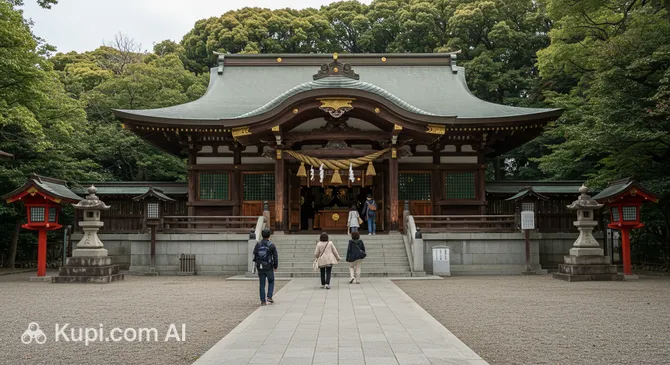
One of the main attractions of Ichinomiya is undoubtedly the Masumida Shrine. This ancient Shinto shrine holds immense historical and cultural significance, as it was traditionally considered the head shrine (Ichinomiya) of the former Owari Province, which gave the city its name. Visitors are drawn by its beautiful architecture, the peaceful atmosphere of a sacred site, and the opportunity to learn more about Japanese religious traditions. Various festivals and ceremonies are often held here, which can be a memorable experience for tourists.

Masumida Shrine. Illustration.
Source: Kupi.com AI

Traveler photos:

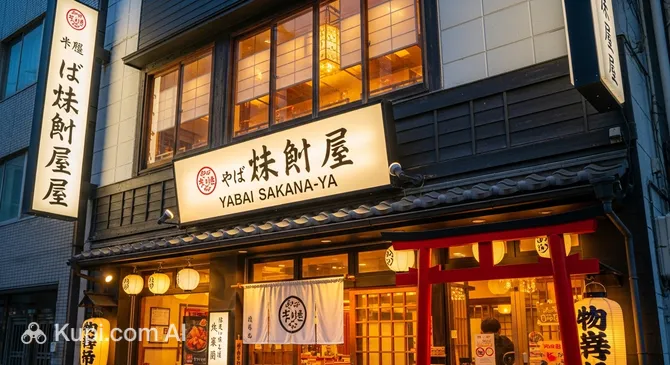
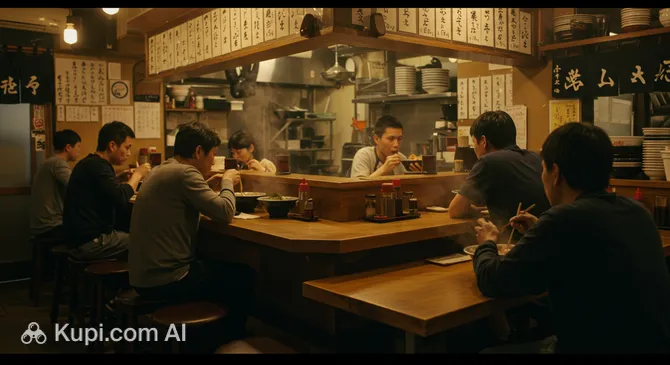
For those wishing to explore the local gastronomy, the Yabai Sakanaya restaurant is worth noting. The name, which includes the word "sakanaya" (fish shop), hints at the fresh seafood dishes you can expect here. It is a great place to sample authentic Japanese cuisine in a cozy setting and enjoy the culinary delights of the region.

Yabai Sakana-ya. Illustration.
Source: Kupi.com AI

Traveler photos:

If you are looking for a place for evening relaxation or want to dive into the local atmosphere, stop by the Namaramu Yanyanken bar. This establishment can offer a unique experience thanks to its special concept or choice of drinks. Visiting such a bar is a chance to relax after a busy day and perhaps chat with locals in an informal setting.

Namaramu Yanyangken. Illustration.
Source: Kupi.com AI

Traveler photos:

These places are just part of what Ichinomiya has to offer. Each of them reflects the character of the city, which combines deep traditions with a modern way of life.

Local Cuisine

The gastronomic scene in Ichinomiya offers travelers a unique opportunity to immerse themselves in the world of authentic flavors of the Aichi region. The city is famous for its culinary traditions, where dishes prepared with the freshest local products take a special place. It is a true paradise for foodies wishing to experience genuine Japanese cuisine.

One of Ichinomiya's main culinary hallmarks is eel dishes (unagi). Eel is prepared here according to special recipes, often served on a bed of rice with a special sweetish sauce. This dish, symbolizing longevity and strength, is considered a true delicacy, especially popular during the summer season. Another gastronomic pride of the city is miso-katsu. This is a juicy pork cutlet generously covered with a thick and fragrant miso sauce, which is characteristic of Aichi Prefecture. This version of tonkatsu features a rich flavor and is a must-try item on the menu for every guest of the city.

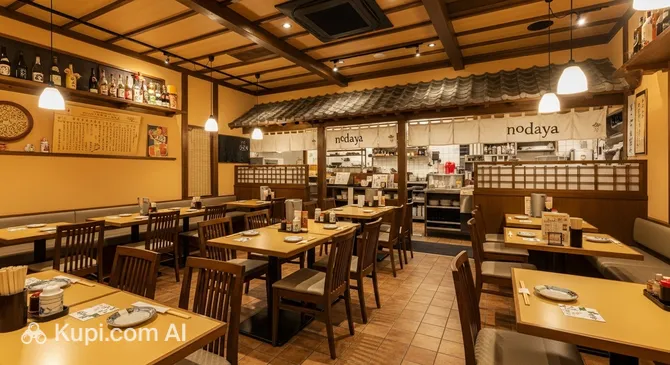
The food culture in Ichinomiya is diverse. Residents and tourists can enjoy a meal in numerous restaurants offering both traditional and modern dishes. For example, to appreciate local culinary delights, you can visit the Nodaya restaurant. Additionally, street food and local markets are popular, where you can try fresh seasonal vegetables, various rice dishes like oyakodon, grilled delicacies like yakitori and takoyaki (fried dough balls with a piece of octopus), as well as traditional Japanese sweets — mochi and daifuku. Ichinomiya also regularly hosts gastronomic festivals where you can discover new flavors and get acquainted with the products of local farmers and chefs.

Nodaya. Illustration.
Source: Kupi.com AI

Traveler photos:

As for drinks, in Ichinomiya, as throughout Japan, you will be offered a wide choice. Among alcoholic beverages, it's worth trying local sake or shochu. Among non-alcoholic ones, green tea in its many variations is invariably popular, as are various lemonades and other refreshing drinks that perfectly complement any meal and help quench your thirst while walking around the city.

A visit to Ichinomiya is an unforgettable gastronomic adventure that will allow you to deeper understand the culture and traditions of this amazing corner of Japan through its unique tastes and aromas.

Travel Tips

Welcome to Ichinomiya! To ensure your trip to this interesting city in Japan goes smoothly and leaves only pleasant impressions, we have prepared some practical tips. They will help you better orient yourself on the spot and avoid common mistakes.

  1. Clothing and Essentials:

    The climate in Ichinomiya, as in all of Japan, is clearly divided into four seasons. In summer (June-August), it is hot and humid – choose light, breathable clothing. Spring (March-May) and autumn (September-November) offer mild weather, perfect for layered clothing. In winter (December-February), it can be chilly, sometimes with snow, so warm clothes including a jacket, hat, and gloves will be useful. Be sure to bring comfortable shoes, as you will be walking a lot. Don't forget a universal adapter (Japan uses type A and B sockets, voltage 100V). When visiting shrines, such as the city's main Masumida Shrine, show respect by choosing modest clothing that covers shoulders and knees.

  2. Transportation Around the City:

    The main way to travel around Ichinomiya and the surrounding area is by JR and Meitetsu trains – they connect the city with Nagoya and other settlements. Within the city, buses also run, covering areas that the railway does not reach. Taxis are available but can be quite expensive. Ride-hailing apps like JapanTaxi or DiDi may work, but this should be checked upon arrival. A car rental is usually not required for moving within the city thanks to developed public transport, but it can be useful if you plan to explore Aichi Prefecture more broadly (an international driving permit is required).

  3. Finances:

    The local currency is the Japanese Yen (JPY, ¥). You can exchange money at the airport (the closest major one is Chubu Centrair near Nagoya), large banks, or some hotels. It is recommended to have some cash on arrival. Credit and debit cards (Visa, Mastercard) are being accepted more widely, especially in large stores and restaurants, but small establishments and shrines often require cash. International cards usually work in ATMs at post offices (Japan Post Bank) and 7-Eleven convenience stores (Seven Bank). Tipping is not common in Japan – good service is already included in the bill.

  4. Health and Safety:

    Ichinomiya, like most cities in Japan, is a very safe place. Pharmacies (薬局 - yakkyoku or ドラッグストア - "drugstore") are easy to find, but not all of them operate 24/7, and staff may not always speak English. For medical assistance, tourists are best off asking their hotel for a recommendation for an English-speaking doctor or clinic. Travel insurance is highly recommended. In emergencies (ambulance, fire service), call 119. Observe standard precautions, especially in crowded places.

  5. Communication:

    The primary language is Japanese. English is common in tourist spots and hotels, but not everywhere. Learn a few basic phrases in Japanese: "konnichiwa" (hello), "arigato gozaimasu" (thank you), "sumimasen" (excuse me/sorry). For connectivity, we recommend purchasing a tourist SIM card or renting a pocket Wi-Fi router at the airport. Free Wi-Fi is available in some public places and cafes. Useful apps: Google Maps for navigation, HyperDia or Jorudan for train schedules, Google Translate (with the offline Japanese package downloaded).

  6. Local Etiquette:

    Japanese people value politeness. When greeting, a slight bow or nod is sufficient. In public places, especially on transport, try to speak quietly. It is not common to eat or drink while walking. Before entering private homes, some temples, and traditional restaurants (ryokans), you must remove your shoes – look for the special entrance zone (genkan). Wait patiently in lines – it is the norm.

  7. What to Avoid:

    Never stick your chopsticks vertically into a bowl of rice – this is associated with funeral rituals. Avoid loud phone conversations on public transport and other quiet places. Also, try to correctly sort your trash if using public bins or if your accommodation has specific rules – in Japan, this is taken very seriously.

  8. Ichinomiya Specialty:

    Ichinomiya is historically known for its textile industry and is home to Masumida Shrine (真清田神社), which is considered the main Shinto shrine of the former Owari Province and gave the city its name ("first shrine"). Be sure to visit it. If your visit falls at the end of July, try to catch the Ichinomiya Tanabata Festival (一宮七夕まつり) – one of the largest Tanabata festivals in Japan, known for its colorful decorations.

We hope these tips help you feel more confident and get the most enjoyment out of your stay in Ichinomiya. We wish you an unforgettable journey!

Entertainment & Nightlife

Ichinomiya, nestled in Aichi Prefecture, offers its guests and residents various options for evening and night relaxation. While the city may not boast the scale of Tokyo's or Osaka's nightlife, it has its own more intimate and authentic atmosphere, allowing for a pleasant time after sunset.

The main concentration of evening entertainment is found around the Ichinomiya railway station. Here you will find many traditional Japanese pubs – izakaya, where you can not only have a drink but also order a variety of snacks. Karaoke bars are also popular and are an integral part of Japanese leisure culture. The atmosphere in most establishments is quite relaxed and friendly, attracting both locals and visitors. The dress code is usually casual unless it is a particularly upscale venue.

Among specific places to enjoy an evening, the Namaramu Yanyanken bar is worth mentioning. This place is suitable for those looking for a cozy setting to enjoy drinks and conversation. For dinner before continuing your night adventures or for a quiet evening meal, consider restaurants such as Yabai Sakanaya or Nodaya, which offer local cuisine. Many establishments begin to fill up closer to 9:00-10:00 PM, especially on weekends.

When planning your nighttime activities, keep in mind that public transport, particularly trains, stops running relatively early. After midnight, taxis become the primary mode of transportation. You can call a car via apps or ask the venue staff to assist you. Regarding safety, Ichinomiya, like most Japanese cities, is considered a very safe place. However, standard precautions, especially in busy night areas, are always advisable. Walking along the main, well-lit streets is generally comfortable.

Although the focus of this story is on nightlife, it is worth mentioning that there is plenty to do in Ichinomiya during the day as well. The city is known for its textile traditions, which are reflected in some local shops and events. For cultural enrichment, you can visit, for example, the Masumida Shrine, a significant historical and spiritual site. The city also has parks for walking and outdoor recreation.

Parks & Museums

Ichinomiya offers its guests opportunities for pleasant relaxation in nature as well as for getting acquainted with the rich cultural and historical heritage of the region. The city harmoniously combines modern amenities with carefully preserved traditions.

While Ichinomiya may not be famous for massive, world-class park complexes, there are plenty of places to enjoy greenery and tranquility. The city offers opportunities for outdoor recreation, such as pleasant walks along the banks of the Kiso River, which flows nearby and creates picturesque landscapes. Additionally, well-maintained public gardens and squares can be found in various districts of Ichinomiya, where locals and tourists can take a break from the city bustle, enjoy the silence, or simply observe daily life.

Masumida Shrine. Illustration.
Source: Kupi.com AI

Traveler photos:

As for museums and galleries, Ichinomiya's cultural heritage is largely represented through its significant historical and religious sites rather than large museum complexes. A key attraction for immersing yourself in history and spirituality is the Masumida Shrine. This ancient Shinto shrine, also known as Masumida Owari Ichinomiya Shrine, is of immense importance to the region and is considered one of the main shrines of the former Owari Province. Visiting this place is an opportunity to touch centuries-old traditions, admire exquisite Japanese architecture, and feel an atmosphere of peace and spirituality. The shrine's historical significance makes it a must-visit for those interested in Japanese culture.

In addition to the majestic Masumida Shrine, other smaller but equally interesting temples and historical corners can be found in Ichinomiya and its surroundings. They also contribute to the city's cultural profile, telling its centuries-old history.

For a more authentic experience of Ichinomiya, we recommend straying slightly from the standard tourist routes. Walk through residential neighborhoods, peek into small local shops or craft workshops. It is in such leisurely explorations that the opportunity often lies to feel the true spirit of the city and see its everyday life.

Getting Around

Getting around Ichinomiya is quite convenient thanks to a well-developed public transport system. The main ways to travel for tourists and locals are trains and buses, which connect various districts of the city and its surroundings.

Trains play a key role in Ichinomiya's transport system, providing fast connections both within the city and to neighboring towns. Railway stations are usually located at central points from which many attractions are easily accessible. The bus network complements the rail service, covering areas that trains do not reach. Bus routes run through the main streets and allow you to reach more remote parts of the city.

The fare payment system in Ichinomiya, as in many Japanese cities, is quite modern. The most convenient way to pay is by using rechargeable IC cards (such as Manaca, common in the Aichi region, or Japan-wide Suica/Pasmo). These cards can be purchased and topped up at machines at railway stations. You can pay with the card on both trains and buses by simply tapping it against the reader at the entrance and exit. There is also always the option to purchase single tickets. For trains, these are bought at station machines before the trip, and for buses, sometimes directly from the driver upon boarding or exiting (depending on the type of bus). Fares usually depend on the distance traveled.

Tourists should keep several practical points in mind. Train tickets or IC cards are purchased at railway stations. When entering and exiting the platform, a paper ticket is inserted into the turnstile, while an IC card is tapped against a special panel. On buses, the IC card is also tapped against a validator upon boarding and sometimes upon exiting. If you have a single bus ticket, you either drop it into a special box or show it to the driver. Public transport in Ichinomiya generally runs from early morning until late evening, but it is always useful to check the specific route schedules, especially if you are planning late trips.

In addition to public transport, other ways of getting around are available in Ichinomiya. Taxis can be found at designated stands near stations, large hotels, or called by phone. This is a more expensive but comfortable option, especially for traveling with luggage or at night. In some areas of the city, bicycle rentals may be available – a great way for a leisurely exploration of Ichinomiya and its surroundings, weather permitting.

Accommodation

In Ichinomiya, you can find a variety of accommodation options to suit both budget travelers and those who prefer more comfort. The city offers a range of choices from budget guesthouses and hostels to mid-range hotels. It is also worth considering apartment rentals if you are planning a longer stay or traveling with family.

When choosing a place to stay in Ichinomiya, look for areas with good transport accessibility, which will allow you to easily move around the city and its surroundings. It may also be convenient to stay near key attractions, such as the Masumida Shrine, to make your walks and exploration of the city more fulfilling.

Masumida Shrine. Illustration.
Source: Kupi.com AI

Traveler photos:

To ensure you get the best accommodation option, especially if your trip coincides with the popular tourist season or local festivals, it is recommended to book your accommodation in advance. Well-known online platforms are convenient for searching and booking hotels and apartments in Ichinomiya. Some travelers also prefer to book rooms directly through hotel websites.

The price range for housing in Ichinomiya varies: you can find both budget options and mid-price segment hotels. Overall, the city offers enough options so that every tourist can find something in accordance with their expectations and financial capabilities.

Nearby Cities

For those who want to explore the surrounding area, Ichinomiya serves as an excellent starting point for day trips to several interesting nearby locations:

CityPopulationDistance
Iwakura47 9757 km
Inazawa134 9387 km
Konan97 4357 km
Kasamatsu22 4158 km
Kitanagoya86 0609 km

Among these cities, the following particularly stand out:

Nagoya, a major metropolis, attracts travelers with its majestic Nagoya Castle, modern museums like the Science Museum, and lively shopping districts. It is an excellent choice for those interested in both the history and modern urban culture of Japan.

Gifu, located a bit further north, offers a more tranquil atmosphere. The city is known for Gifu Castle atop Mount Kinka, which offers panoramic views, and traditional cormorant fishing on the Nagara River, which is a unique cultural spectacle.

These and other nearby destinations provide insight into the diverse culture and landscapes of the region.

Shopping & Souvenirs

Ichinomiya offers tourists pleasant shopping opportunities, combining modern stores with traditional shops. The city is historically known for its textile industry, so quality fabrics and products made from them can be found here. Although Ichinomiya is not a giant metropolis with countless shopping centers, it has everything necessary for comfortable shopping and finding authentic Japanese goods.

The main shopping areas in Ichinomiya are typically concentrated around major transport hubs, such as Ichinomiya Station. Here and on the adjacent streets, you will find department stores, chain stores, as well as small boutiques and specialized shops. A walk through the central streets will allow you to discover a variety of offerings – from fashionable clothing to electronics and home goods.

While Ichinomiya may not have massive world-class shopping malls, modern shopping complexes and department stores offering a wide range of products are present. They are often located near major stations. In such places, you can find well-known brand clothing, cosmetics, accessories, as well as food courts with various restaurants and cafes.

There may not be many specialized tourist markets in Ichinomiya; however, it is worth looking for small local markets or temporary fairs that may take place, especially during festivals or holidays. Also, in the vicinity of attractions like the Masumida Shrine, you can often find stalls selling traditional souvenirs and local products.

Masumida Shrine. Illustration.
Source: Kupi.com AI

Traveler photos:

As souvenirs from Ichinomiya, consider items from the local textile production if you can find them. Traditional Japanese souvenirs are also popular: ceramics, lacquerware, fans, chopsticks, tea, and sweets (such as wagashi). Don't forget to check the shops at temples, such as the Masumida Owari Ichinomiya Shrine, where omamori charms and other religious items are sold, which will serve as unique reminders of your trip.

Most shops in Ichinomiya and in Japan in general open around 10:00-11:00 AM and operate until 7:00-8:00 PM. Large department stores and shops in malls may have longer operating hours. Both cash (Japanese yen) and credit cards from international payment systems are accepted. However, small shops or markets may prefer cash, so it is always useful to have some with you.

For foreign tourists in Japan, a value-added tax refund system (Tax Free) is available. Look for stores with the "Japan Tax-free Shop" logo. Usually, to process a refund, you need to make a purchase for a certain amount (most often over 5,000 yen) in one store within one day and present your passport. The refund procedure can take place directly in the store or at a special tax return point.

Reached the end of the page?

That means the route is fully explored