Support

Komaki

About

Komaki is a cozy and welcoming city located in the northern part of Aichi Prefecture, on Honshu Island, in Japan. Situated just 15 kilometers north of the bustling metropolis of Nagoya, Komaki benefits from its convenient location. It is easily accessible by both train and car, making it an excellent starting point for exploring the scenic Tokai region.
Komaki. Illustration.
Source: Kupi.com AI

By Japanese standards, Komaki is a relatively young city; it received its official status in 1955 after several towns and villages merged. Today, it is home to about 148,000 people. It is a compact but dynamically developing center with modern districts, well-maintained parks, and a surprisingly quiet, almost homey atmosphere, where ancient traditions and a modern lifestyle blend harmoniously.

The main symbol of the city is undoubtedly Komaki Castle, which rises majestically on a hill. In addition to the castle, the city charms visitors with ancient temples, stylish cafes, and cozy shops where you can try local delicacies. Komaki is perfect for those who want to experience authentic Japanese provincial culture more deeply without giving up the comforts inherent in big cities.

Visit Komaki to enjoy its unique festivals, explore ancient temples, and perhaps visit its unusual open-air museums. This city will give you an unforgettable experience thanks to its special atmosphere and beauty, which unfolds in new ways in every season: from the cherry blossoms in spring to the golden maple leaves in autumn. It is a place where you can truly relax your soul and touch the heart of Japan.

You can find more interesting facts on the history of Komaki page.
Weather Overview

When planning a trip to Komaki, be prepared for noticeable seasonal weather changes. Generally, you can expect warm and quite humid summers and cool, relatively dry winters. For instance, August is the hottest month with an average temperature of about 27.5°C, while maximum temperatures can reach 31.1°C. January, by contrast, is the coldest month, with average temperatures around 4.1°C and possible dips to 0.2°C.

Summer months, particularly July, are characterized by the highest rainfall (averaging 11 mm and about 22 rainy days). In winter, rainfall is significantly lower, amounting to approximately 2-3 mm per month, for example, in January and December. For more detailed information on weather conditions in Komaki by month, including precise data on temperature, precipitation, and sunshine hours, we recommend visiting the Komaki Climate page.

Average monthly temperature

Average monthly precipitation

Interesting Facts

In addition to its famous attractions, the city of Komaki holds many surprising stories and facts that can intrigue any traveler. Here are just a few that will help you see this Japanese city from a new perspective:

Komakiyama Historical Park. Illustration.
Source: Kupi.com AI

Traveler photos:

  • Every year on March 15, Komaki becomes the center of one of Japan's most unusual and vibrant festivals—Honen Matsuri, or the "fertility festival." The main event of this ancient ritual associated with the Tagata-jinja Shrine is a grand procession featuring a giant wooden phallus weighing about 400 kilograms. Participants and spectators pray for a bountiful harvest and family prosperity, and the festival atmosphere is filled with fun and free sake.

  • The city's history is closely intertwined with the name of the legendary general Oda Nobunaga, one of the key figures who unified Japan in the 16th century. It was he who built Komaki Castle in 1563, which served as an important strategic point. Today, the castle ruins and the surrounding area are part of Komakiyama Historical Park, the city's main historical pride.

  • Located in the vicinity of Komaki is a unique open-air ethnographic museum called The Little World Museum of Man. Here, visitors can embark on a true journey around the world, getting acquainted with traditional dwellings and the culture of more than 20 countries, from Peru to Indonesia and Germany.

  • The city is proud of its craft traditions, particularly its skill in making wooden sculptures and souvenirs. These skills are carefully passed down from generation to generation, and at local fairs, you can always find unique handmade products that reflect the spirit of Komaki.

How to Get There

To carefully plan your trip and choose the best route, we recommend checking the detailed information on the how to get to Komaki page.

The most convenient transport hub for travelers is Chubu Centrair International Airport (IATA: NGO), located near Nagoya, about 49 km from Komaki. This is a major international hub receiving flights from many countries around the world. You can get from here to your destination on comfortable Meitetsu line trains or by limousine bus; the journey usually takes between 1 and 1.5 hours.

An alternative option is Itami Airport (IATA: ITM) in Osaka, which is approximately 146 km away. Since the distance is significant, the best way to transfer is by using the extensive railway network (including high-speed Shinkansen trains to Nagoya followed by a transfer) or intercity buses. Regional airports such as Komatsu Airport and Shizuoka Airport may also be suitable for domestic flights or specific routes, although they are located more than 120 km away.

Below is a summary of the nearest airports:

AirportPassenger trafficDistance
Nagoya Airport735 0004 km
Chubu Centrair International Airport12.3 mln49 km
Shizuoka Airport691 274128 km
Komatsu Airport1.8 mln131 km
Matsumoto Airport112 618134 km

Main Attractions

Komaki, a city with a rich history and cultural heritage, offers its guests several interesting places to visit. Among them, several stand out for allowing visitors to experience both the art and historical past of the region, as well as the local gastronomy.

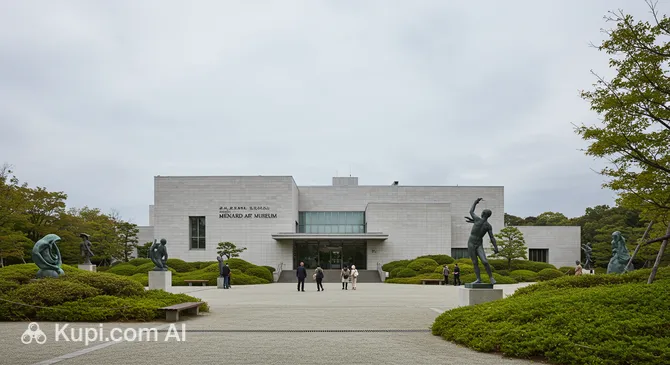
One of the city's main cultural gems is the Menard Art Museum. This museum is known for its impressive collection, which includes both Japanese and Western art. Visitors can enjoy works by famous masters spanning various periods and styles. The museum attracts art lovers with its carefully curated exhibition and a peaceful atmosphere conducive to the contemplation of beauty.

Menard Art Museum. Illustration.
Source: Kupi.com AI

Traveler photos:

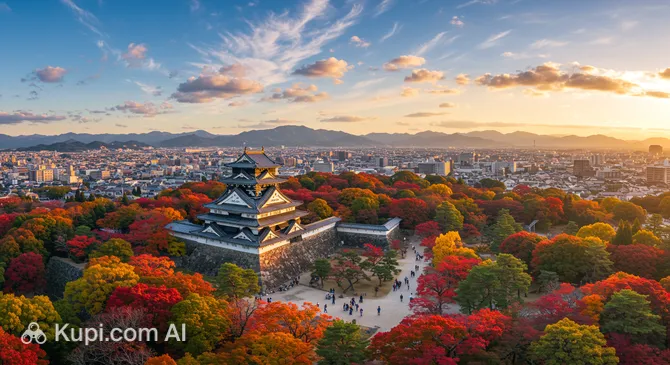
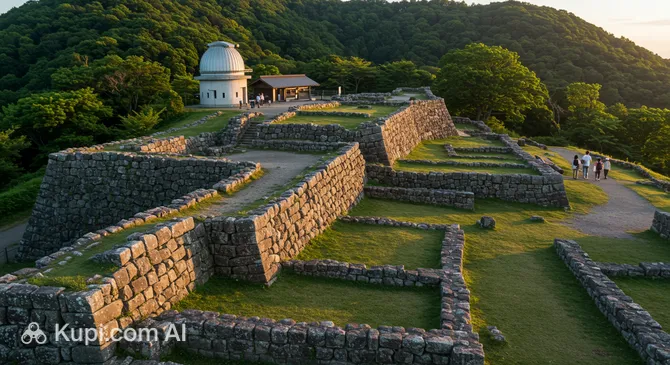
For those interested in history, a visit to Komakiyama Historical Park is a must. This vast park spreads around Mount Komaki, on whose summit Komaki Castle once stood, playing an important role in Japanese history, particularly during the Battle of Komaki and Nagakute. Today, the park is a wonderful place for walks, offering panoramic views of the surrounding area. Here you can see a reconstruction of the castle, which serves as a museum telling the history of this site. Komakiyama Park attracts visitors not only for its historical significance but also for its beautiful nature, especially during the cherry blossom season in spring.

Komakiyama Historical Park. Illustration.
Source: Kupi.com AI

Traveler photos:

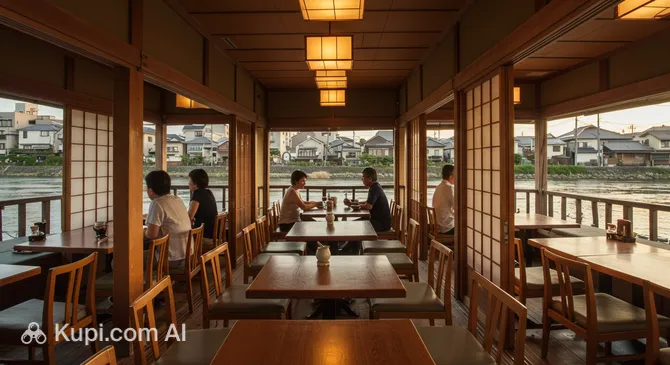
After a full day dedicated to culture and history, guests of Komaki can get acquainted with the local cuisine. Seafood lovers should pay attention to the Kani Zanmai Komaki restaurant. This establishment specializes in crab dishes, offering visitors the chance to enjoy this delicacy in various preparations. It is an excellent choice for those who want to sample authentic Japanese flavors in a pleasant setting.

Kanizanmai Komaki. Illustration.
Source: Kupi.com AI

Traveler photos:

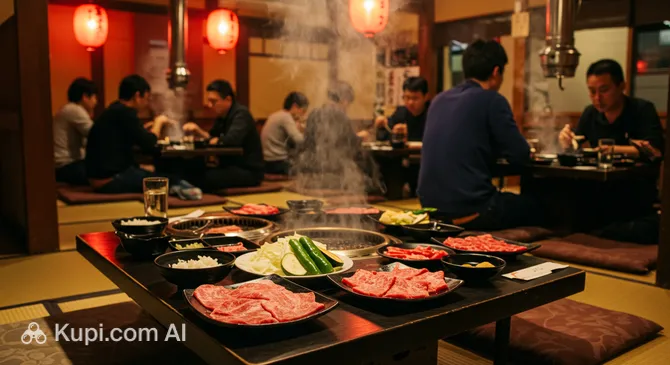
Another interesting gastronomic experience is a visit to Yakiniku Shokudo Yamato Komaki. Here you can try yakiniku—a popular Japanese style of grilling meat right at your table. It is not only delicious but also engaging, allowing guests to take an active part in the cooking process. The restaurant offers high-quality meat and a variety of sauces, making it an attractive spot for dinner with friends or family.

Yakiniku Shokudo Yamato Komaki. Illustration.
Source: Kupi.com AI

Traveler photos:

These attractions, combining cultural heritage, historical monuments, and gastronomic delights, provide a good overview of the versatility of Komaki, making it an interesting destination for curious travelers seeking diverse experiences.

Local Cuisine

The cuisine of Komaki is a harmonious blend of Aichi Prefecture's gastronomic traditions and unique local flavors. When you arrive, you should definitely try miso-katsu—a juicy pork cutlet in crispy breading, generously topped with a thick and aromatic miso sauce. This dish is rightfully considered the region's signature and is a favorite of both locals and visitors alike.

Another culinary hit that should not be missed in Komaki is tenmusu. These appetizing rice balls with shrimp tempura wrapped in a sheet of nori are the perfect snack during walks or picnics. Furthermore, the city's gastronomic scene is rich in seasonal dishes made from the freshest vegetables grown on local farms, as well as traditional desserts, such as those made from red beans and rice.

As for drinks, connoisseurs in Komaki will find various types of local sake that perfectly complement a meal. Those who prefer non-alcoholic beverages will enjoy aromatic teas infused with local herbs and flowers, offering unique flavor combinations.

The food culture in Komaki is diverse. Residents and tourists can enjoy authentic dishes in cozy restaurants and cafes or by trying street food, especially at lively markets. City markets are a true treasure for foodies, where you can find the freshest fish, pickled vegetables, traditional wagashi sweets, and, of course, the aforementioned sake. To sample local delicacies, you can visit, for example, the Kani Zanmai Komaki restaurant, known for its dishes.

The festivals held in spring and autumn add a special atmosphere to the gastronomic life of Komaki. At these times, the city streets transform into lively fairs with numerous treats, tastings, and workshops on preparing local dishes. For those who appreciate leisurely walks through markets, tasting unusual snacks, and delving into the secrets of Japanese cooking, Komaki will be a true discovery and provide unforgettable taste experiences.

Travel Tips

Planning a trip to Komaki? Wonderful! To ensure your journey to this interesting city in Japan goes smoothly and leaves you with only pleasant impressions, we have prepared some practical tips for you.

  1. Clothing and Essentials: The climate in Komaki, like much of central Japan, features hot, humid summers and cool winters. Bring seasonal clothing and be sure to have comfortable shoes for walking, as the city and its surroundings are great for exploring. Don't forget an adapter for your electronics (the voltage in Japan is 100V, and plugs are types A and B). When visiting temples and shrines, choose modest clothing that covers shoulders and knees.
  2. Transport: It is convenient to get around Komaki and its environs by public transport. The city is served by the Meitetsu Komaki railway line, and there is also an extensive network of bus routes. For convenience, consider getting a rechargeable IC transport card (such as the Manaca card, common in the Aichi region). Taxis are available but can be expensive. Renting a car might be an option for exploring Aichi Prefecture, but remember that driving is on the left and an international driving permit is required.
  3. Finances: The official currency is the Japanese Yen (JPY, ¥). You can exchange currency at airports and banks. While credit and debit cards are increasingly accepted, cash remains important, especially in smaller shops and cafes. Check with your bank regarding international card usage terms. ATMs that accept international cards can most often be found in 7-Eleven stores and at post offices (Japan Post Bank). Tipping in Japan is not practiced and may be seen as a misunderstanding.
  4. Health and Safety: Japan is one of the safest countries in the world, and Komaki is no exception. Follow standard precautions. Pharmacies (look for the "薬" - kusuri sign) are everywhere, but staff may not always speak English. It is recommended to have travel medical insurance. In case of emergencies, you can visit local hospitals; the quality of medical care is high.
  5. Communication: The official language is Japanese. English proficiency among the local population may not be high, especially outside tourist areas. Learn a few basic phrases: "Konnichiwa" (Hello), "Arigato" (Thank you), "Sumimasen" (Excuse me/I'm sorry). For constant internet access, consider renting a pocket Wi-Fi router or buying a tourist SIM card. Apps like Google Maps are useful for navigation and route planning.
  6. Local Etiquette: Japanese people are very polite and value respect for traditions. Greetings are often accompanied by a bow. In public places, especially on transport, try to be quiet. Remove your shoes when entering homes, some temples, and traditional restaurants. Be patient and respectful of local customs.
  7. What to Avoid: Do not stick your chopsticks vertically into your rice—this is associated with funeral rituals. Do not point at people with your finger; it's better to use an open palm. Also, try not to eat or drink while walking on the street unless you are at a place specifically intended for it (like food courts or festivals).
  8. Special Tip for Komaki: Be sure to visit Komaki Castle, located on the mountain of the same name. This is an iconic site associated with the historical figures Oda Nobunaga and Tokugawa Ieyasu. Also, while in Aichi Prefecture, don't miss the chance to try local cuisine, such as miso-katsu (pork cutlet in miso sauce) or kishimen (flat noodles).

We hope these tips help you better prepare for your trip to Komaki and enjoy every moment of your stay in this interesting corner of Japan. Have a great trip!

Entertainment & Nightlife

Komaki offers its guests a variety of leisure and entertainment options, especially when it comes to evening activities. While the city may not be famous for high-energy world-class nightclubs, you can find cozy spots for a pleasant evening and a taste of the local atmosphere.

The core of evening entertainment in Komaki consists of restaurants and bars where you can enjoy delicious food and drinks. Fans of Japanese cuisine should consider places like Kani Zanmai Komaki, which specializes in crab dishes, or Yakiniku Shokudo Yamato Komaki, where you can experience traditional Japanese barbecue. These restaurants are great for dinner with friends or a romantic evening. Such establishments typically stay open until late evening, offering a relaxed atmosphere.

Kanizanmai Komaki. Illustration.
Source: Kupi.com AI

Traveler photos:

In addition to restaurants, you can find traditional Japanese drinking establishments called izakaya in Komaki, which serve a variety of snacks and alcoholic beverages, including sake and shochu. Karaoke bars are also popular in Japan and are a great way to have fun with friends. Nightlife usually centers around train stations or on the main shopping streets. The atmosphere in these places is friendly, and the crowd is mixed—ranging from locals to tourists. The dress code in most establishments is casual unless it is a high-end restaurant.

When planning an evening out, it is best to head to these venues after 7:00 PM or 8:00 PM. Prices can vary but generally remain accessible. You can reach your destination in the evening by taxi, which is a reliable mode of transport in Japan. It is also worth checking the schedule for the last public transport if you plan on using it.

In terms of safety, Komaki, like most cities in Japan, is considered quite safe for night walks, especially in busy areas. Nevertheless, it is always worth taking basic precautions. You can call a taxi through apps, ask hotel or restaurant staff, or find them at designated taxi stands.

During the day, Komaki also offers interesting leisure options. Visitors to the city can visit the Menard Art Museum, which features a collection of European and Japanese art, or take a stroll through Komakiyama Historical Park, home to Komaki Castle and offering picturesque views of the surrounding area.

Parks & Museums

The city of Komaki invites its guests to discover its picturesque green corners as well as interesting cultural sites that reflect its history and artistic heritage.

One of the primary spots for outdoor recreation and a touch of history is Komakiyama Historical Park. This expansive park spreads around Mount Komaki, on whose summit Komaki Castle once stood. Today, visitors can enjoy walks along well-maintained trails, admire panoramic views of the city and its surroundings, and see historical reconstructions and memorial sites associated with important past events. The park is especially beautiful during the cherry blossom and autumn foliage seasons, attracting many nature lovers.

Komakiyama Historical Park. Illustration.
Source: Kupi.com AI

Traveler photos:

In addition to Komakiyama Park, other small squares and green zones can be found in the city and its environs, where it is pleasant to spend time, take a break from the city bustle, and enjoy the tranquility.

For art lovers, the main magnet in Komaki is the Menard Art Museum. The museum boasts an impressive collection of Japanese and Western art, including painting, sculpture, and decorative arts. The exhibition allows visitors to trace the development of artistic movements and encounter works by famous masters. This place is definitely worth a visit for those who want to enrich their trip with cultural discoveries.

Menard Art Museum. Illustration.
Source: Kupi.com AI

Traveler photos:

Besides major museums, one can discover small galleries or exhibition spaces in Komaki showcasing the work of local artists, allowing for a deeper dive into the city's contemporary cultural life.

The historical heart of the city beats in Komakiyama Park, where traces of the past remain, including the remnants of the castle's fortifications. Walking through these sites allows you to imagine what life was like in Komaki centuries ago. The city's architectural landscape is also complemented by traditional Japanese houses and temples that can be found while exploring its streets.

To get a more authentic experience, visit the local markets to try fresh products and chat with the residents. Also, don't miss the chance to visit one of the small temples or shrines, often hidden from the main tourist routes, to feel the peaceful atmosphere of Japanese spirituality.

Getting Around

Navigating Komaki is quite simple thanks to its well-designed public transport system. The transport network's foundation is composed of buses, including the Aozora Gō city routes and Meitetsu buses, which connect various city districts and provide links to neighboring towns. The Meitetsu Komaki Line also plays a vital role, passing through the city and connecting it to the region's larger transport hubs.

For paying fares in Komaki, the most convenient option is a rechargeable IC card, such as the Manaca card, which is widely used in Aichi Prefecture. These cards can be used on both buses and the Meitetsu line trains. You can also pay for bus fares with cash upon entering or exiting (depending on the system—check with the driver or look for signs). Fares usually depend on the distance, but overall, public transport in the city is affordable. You can purchase or top up an IC card at machines at railway stations or in some convenience stores.

Tourists are encouraged to purchase an IC card for convenience and to save time. Validation occurs by tapping the card on the reader when boarding and/or exiting the vehicle. Buses and trains usually run from early morning until late evening, though it's best to check the exact schedule at stations, stops, or on the transport companies' official websites. Transport can be more crowded during peak hours.

In addition to public transport, other ways of getting around are available in Komaki. Taxis can be found at designated stands near stations or called by phone. For short trips or more detailed exploration of the city, consider bicycle rental, which is a popular option for traveling short distances in Japanese cities. Car-sharing services are less common for short-term tourist use but may be available.

Accommodation

When planning a trip to Komaki, you will find various accommodation options that can satisfy different preferences and budgets. The city offers a selection ranging from more economical options, such as guesthouses or small hotels, to comfortable mid-range hotels. It is also worth considering apartment rentals, especially if you are traveling with a family or planning a long stay.

When choosing a place to stay in Komaki, look for areas with good transport accessibility or those located near the sites you are interested in. While specific famous hotels are not listed in the data provided, the city offers a sufficient number of options for a comfortable stay. A convenient location will make it easier for you to explore the city and its surroundings, including places like Komakiyama Historical Park or the Menard Art Museum.

The general price range for accommodation in Komaki varies from budget to mid-level. It is recommended to book accommodation in advance, especially if your trip coincides with the popular tourist season or during major local events. The most common booking methods are popular online platforms and aggregators, as well as the ability to book a room directly through official hotel websites.

Nearby Cities

For those who want to explore the surrounding area, Komaki serves as an excellent starting point for day trips to several interesting nearby locations:

For example, Nagoya, one of Japan's largest cities, is just 12 kilometers away and offers a rich cultural program, including its famous castle and numerous museums. The city of Ichinomiya, located about 10 kilometers away, is famous for its ancient Masumida Shrine. Meanwhile, Kasugai, the closest to Komaki (just 7 km away), attracts visitors with its peaceful parks and the opportunity to learn about the art of calligraphy at the local museum.

CityPopulationDistance
Iwakura47 9754 km
Toyoyama15 7294 km
Oguchi24 2345 km
Kitanagoya86 0606 km
Konan97 4356 km

These nearby destinations provide an insight into the region's diverse culture and landscapes, complementing your experience of staying in Komaki.

Shopping & Souvenirs

Komaki, being a city in Aichi Prefecture, offers its guests shopping opportunities that combine local goods with products from famous Japanese brands. While Komaki might not be a major fashion hub, you can find all the essentials and interesting souvenirs to remember your trip to Japan.

Main shopping spots in Komaki tend to be concentrated around the railway station and along the city's main streets. Here you can find both small private shops and chain department stores. It is recommended to stroll through the central districts to explore the range of goods on offer.

There may be shopping centers in Komaki offering a variety of goods, from clothing and electronics to food and souvenirs. For a wider selection of large shopping complexes, you might also consider a trip to nearby larger cities in Aichi Prefecture, such as Nagoya.

While information on large and widely known markets in Komaki is limited, local markets are often found in Japanese cities selling fresh produce, seafood, and the work of local artisans. Visiting such a market can be an interesting experience and a chance to purchase unique items.

As souvenirs from Komaki, you can bring back traditional Japanese products: ceramics, textiles, sweets (such as wagashi), and green tea. Given the presence of places like Komakiyama Historical Park, you might find souvenirs related to local history and culture. It is also worth looking for products characteristic of Aichi Prefecture.

Shops in Komaki usually operate from 10:00-11:00 AM to 7:00-8:00 PM. Larger shopping centers may have longer opening hours. Cash (Japanese Yen) is widely accepted everywhere, as are credit and debit cards from international payment systems. In small shops and markets, cash may be preferred.

Foreign tourists in Japan can take advantage of the Tax Free system when making purchases over a certain amount in participating shops. Usually, these are shops with a corresponding "Tax Free" logo. A passport is required to process the tax refund. Check the specific conditions directly in the shops.

Reached the end of the page?

That means the route is fully explored