Support

Nagakute

About

Nagakute is a cozy and modern city located in Aichi Prefecture on the island of Honshu, effectively serving as a suburb of the dynamic Nagoya. Its geographical location is very favorable: it harmoniously combines the tranquility of the Japanese countryside with the convenience of proximity to a major metropolis. Thanks to excellent transport accessibility, Nagakute serves as an excellent starting point for traveling around the Chubu region in Japan, and the center of Nagoya can be reached in just a few minutes by train.

With a population of about 62,000 people, Nagakute retains the atmosphere of a small town where life flows at a measured and calm pace. Despite its compact size, the city is actively developing and is considered one of the promising suburbs of Nagoya, making it attractive for families and young professionals.
Nagakute. Illustration.
Source: Kupi.com AI

Nagakute is famous for its cleanliness, well-maintained streets, and a large number of green areas. It is pleasant to walk through the parks here, enjoy the silence, and admire the harmony of Japanese architecture. One of the most famous attractions attracting visitors from all over the world is Ghibli Park, located within the Expo 2005 Aichi Commemorative Park. This place allows you to plunge into the magical worlds of the famous animation studio. The city offers a unique combination of tradition and innovation, allowing you to experience the authentic atmosphere of modern Japanese life.

Nagakute is worth visiting to experience true Japanese tranquility, try local delicacies, and get acquainted with a culture that values harmony and respect for nature. This city will be an ideal choice for those looking for a peaceful holiday away from the bustle of major tourist centers, but with the ability to easily explore the surroundings.

You can find more interesting facts on the history of Nagakute page.
Weather Overview

The weather in Nagakute shows clearly defined seasons. Summer, especially in July and August, is warm and quite humid, with average temperatures ranging from 22.5°C in June to 28.1°C in August, and maximum temperatures can exceed 30°C. July is the wettest month with the highest number of rainy days (about 20) and rainfall up to 9 mm. Winters, from December to February, are cool: the average temperature stays around 4-6°C, and the minimum can drop to 0.2°C in January. The winter months are characterized by the least amount of precipitation (1-2 mm). Spring and autumn offer mild and comfortable conditions with moderate rainfall. Overall, in Nagakute, you can expect warm summers with occasional rain and cool winters with little precipitation. You can find out more about climate conditions on the weather in Nagakute page.

Average monthly temperature

Average monthly precipitation

Interesting Facts

Beyond the well-known tourist routes, Nagakute hides many curious details and historical milestones that make it truly special. This city in Aichi Prefecture offers something more than just beautiful views.

  • Nagakute has forever entered the annals of Japanese history as the site of the legendary Battle of Nagakute, which took place in 1584. This was one of the key battles of the Sengoku period ("Period of Warring States"), where the armies of two great commanders – Toyotomi Hideyoshi and Tokugawa Ieyasu – met. This event attracts the attention of historians and connoisseurs of samurai culture.

  • The famous Moricoro Park is located in Nagakute, created on the site of the Expo 2005 World Exhibition. Today, it is not just a vast green area with themed gardens and museums, but also home to the exhibition's cute mascots – Morizo and Kiccoro, symbolizing the forest and the earth.

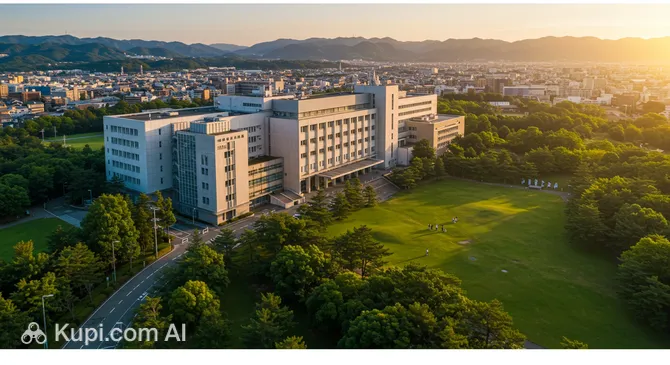
  • The city is closely linked to the development of science and technology. Nagakute is home to the campus of one of the region's leading technical universities, giving it a special intellectual and youthful atmosphere and contributing to innovative development.

  • Nagakute often becomes a venue for colorful traditional Japanese festivals. During such events, you can see impressive processions, take part in fascinating craft workshops, and enjoy performances by local creative groups, immersing yourself in authentic culture.

How to Get There

When planning a trip to this cozy Japanese city, it is important to think through the logistics in advance. Nagakute, being a suburb of Nagoya, has excellent transport accessibility, which makes it easy to get here from anywhere in the country and the world. You can find out all the ways to get to the city on a separate page, and below we will consider the main options for arriving via the nearest air hubs and railway stations.

There is no airport in the city of Nagakute itself, so the region's air gates are located in neighboring major cities. The most convenient and closest option is Chubu Centrair International Airport (IATA: NGO), located in Nagoya. It is located approximately 42 km from Nagakute and accepts many international and domestic flights. The journey by car or taxi will take about 45–60 minutes. This is the main hub for travelers heading to Aichi Prefecture.

Alternatively, you can consider Itami Airport (IATA: ITM) in Osaka. It is located much further away — at a distance of about 153 km from Nagakute. A trip by car on high-speed highways will take approximately 2–2.5 hours. This option is often chosen by tourists planning a combined route through the Kansai and Chubu regions, or those who prefer to use the developed railway network to move between cities.

For clarity, here is summary information on the main airports:

AirportPassenger trafficDistance
Nagoya Airport735 00014 km
Chubu Centrair International Airport12.3 mln42 km
Shizuoka Airport691 274112 km
Matsumoto Airport112 618135 km
Komatsu Airport1.8 mln146 km

As for rail links, there is no Shinkansen (high-speed train) station in Nagakute itself. The main transfer hub for tourists is Nagoya Station in the neighboring metropolis. High-speed trains from Tokyo, Osaka, and Kyoto arrive here. From Nagoya Station, Nagakute can be easily reached using the subway (Higashiyama Line) with a transfer to the unique Linimo maglev train at Fujigaoka Station. The entire journey from Nagoya Station to the center of Nagakute by public transport will take about 40–50 minutes.

Main Attractions

Nagakute, a city in Aichi Prefecture, offers visitors several iconic attractions that make it an appealing tourist destination. Despite its size, the city plays an important role in the cultural and technological life of the region.

One of the main gems of Nagakute, attracting guests from all over the world, is Ghibli Park. This unique theme park, opened in November 2022 on the grounds of the Expo 2005 Commemorative Park, allows visitors to immerse themselves in the magical worlds created by the famous animation studio Ghibli. Here you can explore meticulously recreated locations from favorite films such as "My Neighbor Totoro," "Spirited Away," and "Howl's Moving Castle." The park is divided into several areas, each offering its own unique experiences and is a real gift for fans of Hayao Miyazaki and Isao Takahata's work.

An essential part of the tourist experience in Nagakute is a visit to the Expo 2005 Aichi Commemorative Park (Moricoro Park). This vast park was created on the site of the 2005 World Expo and today serves as a popular place for recreation and entertainment. In addition to housing Ghibli Park, Moricoro Park offers many other activities: it features the famous Satsuki and Mei's House from "My Neighbor Totoro" (which was part of the Expo long before Ghibli Park opened), a large ferris wheel, an ice rink, bicycle paths, a Japanese garden, and spacious green areas for picnics and walks. It is a wonderful place for family vacations and enjoying nature.

For those interested in the history of technology and automotive engineering, the Toyota Automobile Museum is a must-see. Located in Nagakute, this museum presents an impressive collection of cars not only from Toyota but also from other world manufacturers, covering the period from the late 19th century to the present day. The exhibition clearly demonstrates the evolution of automotive design and technology, telling the story of the automotive industry in Japan and the world. The museum will be of interest to both car enthusiasts and those who simply want to learn more about an important aspect of modern industry.

Local Cuisine

The cuisine of Nagakute is a vivid reflection of the culinary traditions of Aichi Prefecture, known for its rich flavors and original combinations. Fresh local products are valued here, forming the basis for both classic Japanese dishes and unique regional specialties that attract gourmets from all over the world.

Be sure to try miso-katsu – a juicy pork cutlet generously topped with a thick red miso sauce. This dish is a true hallmark of the region and can be found in many family restaurants. Another local hit not to be missed is tebasaki, spicy chicken wings in a signature sweet and spicy sauce, an ideal snack or addition to a main course. At street markets and during festivals, look out for fresh onigiri with a variety of fillings, especially seafood, as well as seasonal sweets made from rice flour and sweet azuki bean paste.

As for drinks, in Nagakute, as in all of Japan, green tea in all its diversity is held in high esteem – from refreshing sencha to rich matcha. In local restaurants and izakayas (Japanese pubs), you will be offered traditional sake of various strengths and flavors, as well as shochu – a strong distilled drink. Among non-alcoholic options, in addition to tea, you can always find a variety of lemonades and juices based on local fruits.

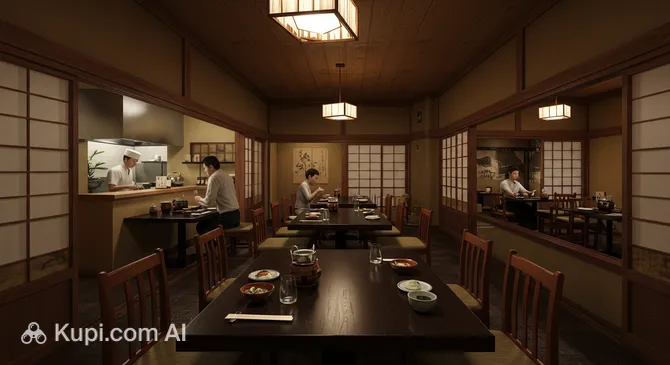
The food culture in Nagakute is diverse. Residents and tourists enjoy food in a variety of places: from cozy family restaurants and themed cafes serving home-cooked meals, to bustling street stalls and food festivals, which are especially popular during the warmer months. Such festivals are a great opportunity not only to try culinary delights from the region's best chefs but also to get acquainted with Japanese cooking traditions. For a more thorough acquaintance with local cuisine, you can visit one of the restaurants, such as Hanzo, where you can appreciate the skill of local chefs in preparing traditional dishes.

Hanzo. Illustration.
Source: Kupi.com AI

Traveler photos:

The gastronomic scene of Nagakute attracts tourists with the opportunity to try authentic Aichi region dishes prepared from the freshest local ingredients. Whether it's hearty miso-katsu, spicy tebasaki, or delicate traditional desserts, everyone will find something to their taste here. Visiting farmers' markets, where you can always find seasonal vegetables and fruits, and participating in food festivals will provide unforgettable impressions and allow you to dive deeper into the food culture of this hospitable city.

Travel Tips

Welcome to Nagakute! To make your trip to this interesting city in Japan as comfortable and memorable as possible, we have prepared some practical tips to help you find your way around.

  1. Clothing and Essentials:

    The climate in Nagakute, as in all of Japan, is clearly divided into four seasons. In summer (June-August) it is hot and humid, so choose light, breathable clothing. In spring (March-May) and autumn (September-November) the weather is pleasant, but evenings can be cool – layering your clothes will be your best friend. In winter (December-February) you will need a warm jacket, sweaters, a hat, and gloves. Key items at any time of year are comfortable shoes for long walks, a universal adapter (Japan uses type A and B sockets, 100V voltage), and a portable charger. When visiting temples or shrines, although Nagakute doesn't have strict requirements, modest clothing covering shoulders and knees is always appreciated.

  2. Getting Around the City:

    Moving around Nagakute is quite convenient. The main transport artery is the Linimo – a maglev train that connects the city to the Nagoya subway system. Local buses are also available. For ease of fare payment, consider purchasing a rechargeable IC card such as Manaca (common in the Nagoya region) or Suica/Pasmo. Taxis are available but can be expensive; you can use apps like JapanTaxi or GO. Car rental is possible with an international driving permit, however, public transport is often more practical due to parking and navigation issues.

  3. Financial Matters:

    The local currency is the Japanese yen (JPY, ¥). It is recommended to exchange some cash before arrival or at major airports. In Nagakute itself and nearby Nagoya, money can be exchanged at banks or post offices. ATMs in 7-Eleven stores and at the post office (Japan Post Bank) usually accept international cards. Credit and debit cards (Visa, Mastercard) are increasingly accepted, especially in major stores and hotels, but having cash is essential for small establishments, local markets, and some attractions. Tipping is not practiced in Japan, as excellent service is considered the norm.

  4. Health and Safety:

    Nagakute, like Japan as a whole, is a very safe city. Pharmacies ("drugstores", look for the sign 薬) sell over-the-counter medicines, but staff do not always speak English. Having travel medical insurance is highly recommended. In case of serious health problems, go to a hospital. For emergencies: Police – 110, Ambulance/Fire – 119. Observe usual precautions against petty theft in crowded places.

  5. Communication:

    The main language is Japanese. English is not widely spoken among the general population, but you will find English-language signs on transport and at tourist sites. Staff at hotels and major attractions often speak basic English. Learn a few useful phrases: "Konnichiwa" (Hello), "Arigato gozaimasu" (Thank you), "Sumimasen" (Excuse me/Sorry). For constant internet access, consider purchasing a tourist SIM card or renting a pocket Wi-Fi router. Free Wi-Fi is available in some public places and cafes. Useful apps: Google Maps, HyperDia (for train schedules), Google Translate.

  6. Local Etiquette:

    A light bow (ojigi) is common when greeting. In public places, especially on transport, avoid loud conversations. Eating and drinking on the go is usually not common, except at festivals. Be sure to remove your shoes when entering Japanese homes, some temples, traditional restaurants, and ryokans (Japanese-style inns). Always stand patiently in lines. When using chopsticks, never stick them vertically into rice and do not pass food from chopsticks to chopsticks.

  7. What to Avoid:

    First, do not point at people or objects with one finger – this is considered rude; use an open palm. Second, try not to blow your nose loudly in public; it is better to do it discreetly or go to a restroom.

  8. Special Tip for Nagakute:

    The city of Nagakute is famous for hosting the Expo 2005 World Exhibition. Be sure to visit the Expo 2005 Aichi Commemorative Park (Moricoro Park) – it is the city's main attraction. Here you will find Satsuki and Mei's House from the famous Ghibli studio movie "My Neighbor Totoro." If you are a fan of the studio's work, this place is a must-visit. Check opening hours and booking requirements for certain objects in the park in advance.

Nagakute offers a unique blend of modern life and suburban charm. Armed with these tips, you are ready for an unforgettable and comfortable journey. Have a nice trip!

Entertainment & Nightlife

Evening Nagakute offers its guests a calm and cozy atmosphere, ideal for a pleasant dinner and socializing after a busy day. While the city is not famous for noisy nightclubs or huge entertainment complexes, you can find excellent places to spend an evening here.

Nightlife in Nagakute is mainly focused around restaurants and perhaps traditional Japanese pubs – izakaya, where you can enjoy local cuisine and drinks. Instead of busy quarters with neon signs, you are more likely to find individual establishments offering quality service and delicious food. Large-scale night markets or major concert venues are less common here; the emphasis is on a more intimate holiday.

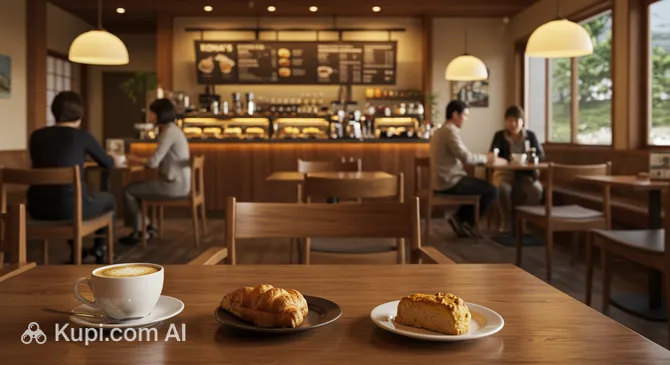
Among the places where you can spend a pleasant evening, it is worth noting the restaurant Kona's Coffee Moriyama, which offers a relaxing setting, or the restaurant Hanzo, where you can get acquainted with Japanese dishes. These places are great for dinner with friends or family.

Kona's Coffee Moriyama. Illustration.
Source: Kupi.com AI

Traveler photos:

The atmosphere in Nagakute's evening establishments is usually quite calm and welcoming. the audience here consists of locals and tourists who value comfort and quality food. Most restaurants are open until late in the evening. There is usually no special dress code; casual, neat clothing is quite appropriate.

When planning your evening leisure, it is best to head to your chosen establishment for dinner. Prices can vary but generally correspond to Japanese standards for restaurants of this level. To get around the city late at night, you can use taxis, which are known for their reliability and safety in Japan. Check at your hotel reception for the best way to call a car or use special apps.

Nagakute, like most cities in Japan, is considered a very safe place. Walking along lit streets in the evening generally presents no danger, especially in areas where restaurants and cafes are located.

During the day, Nagakute offers other types of leisure. Guests of the city can visit local parks, explore interesting urban corners, or get acquainted with cultural sites. While the city may not boast huge amusement parks or world-famous museums, it offers the opportunity to immerse yourself in a calmer and more authentic rhythm of Japanese life.

Parks & Museums

Nagakute warmly welcomes travelers, offering a harmonious blend of vast green spaces for relaxation and interesting museums that can enrich your cultural experience. The city provides excellent opportunities for both quiet nature walks and fascinating immersion into history and technological achievements.

The central place for outdoor recreation is certainly the Expo 2005 Aichi Commemorative Park (Moricoro Park). This huge park, spread over the site of the World Exhibition, offers not just walking areas, but a whole world of discoveries. One of its gems is the traditional Japanese Garden, where you can enjoy the silence while contemplating skillfully created landscapes, ponds with koi carp, and seasonal plants. It is an ideal place for peace and acquaintance with Japanese garden culture.

In addition to the Japanese Garden, Moricoro Park offers many other areas for active and family recreation. There are vast lawns for picnics, modern children's play complexes, including the "Hiroppa Children's Square," and forest trails for nature lovers. For those interested in Japanese animation, Satsuki and Mei's House – a recreated house from the famous cartoon "My Neighbor Totoro," which functions as a small but very atmospheric open-air museum – will be an interesting place.

Connoisseurs of engineering and the history of technology should visit the Toyota Automobile Museum. It is not just an exhibition of cars; it is a true journey through time, demonstrating the evolution of the global automotive industry from the end of the 19th century to the present day. The museum tells in detail about the key stages of automobile development, their impact on society and culture, presenting not only Toyota models but also iconic examples from other world manufacturers. Displays often include interactive elements, making the visit educational and exciting for all ages.

To better understand local history, look into the Nagakute City Historical Museum, also known as the Nagakute Battlefield Museum. It is dedicated to the significant Battle of Komaki and Nagakute, which took place in 1584. The museum's collection includes authentic armor, weapons, dioramas, and information materials that detail this historical event and its role in Japanese history. This place will be especially interesting for those fond of military history and the Sengoku period.

For a complete experience of Nagakute, do not limit yourself only to the most famous exhibits. Try to explore the less busy corners of Moricoro Park to fully enjoy its natural diversity, or pay attention to small local exhibitions, if any are held during your visit, to touch the modern culture of the region.

Getting Around

Navigating Nagakute and its surroundings is quite convenient for tourists thanks to a modern and efficient public transport system. The city, although small, offers several options for getting around, the main one being a unique maglev line.

Central to Nagakute's transport system is the Linimo (Aichi Rapid Transit Tobu Kyuryo Line). This is Japan's first commercial magnetic levitation (maglev) train line, built for the Expo 2005 exhibition. Linimo connects Fujigaoka Station in Nagoya, where you can transfer to the Higashiyama subway line, with Yakusa, linking Nagakute with the region's larger transport network. Riding the Linimo is not just a way to get from point A to point B, but also a unique technological experience. The line passes key sites, including the Expo 2005 Memorial Park (Ai Chikyu Haku Kinen Koen or Moricoro Park).

In addition to Linimo, there is a bus service in Nagakute. Local buses serve routes within the city and connect it with nearby areas where the maglev line does not reach. Buses are a good complement to Linimo for reaching more local points. Schedules are usually punctual, and stops are clearly marked.

The fare payment system in Nagakute is integrated with Japan-wide standards. The most convenient way to pay is using rechargeable IC cards, such as Manaca (the local card for the Nagoya region), Suica, Pasmo, or ICOCA. These cards can be used on both the Linimo line and buses. You can purchase or top up an IC card at station vending machines or in some convenience stores. Single tickets are also available, which are bought from machines at Linimo stations or directly from the bus driver (it is advisable to have small change).

Tourists are recommended to purchase an IC card upon arrival for maximum convenience. Linimo tickets are purchased at stations before boarding. IC cards are validated by touching the card to the reader at the turnstiles when entering and exiting Linimo stations, and on buses – when entering and/or exiting (depending on the system). Public transport usually operates from early morning until late evening, but not around the clock. To plan routes, it is convenient to use online maps or Japanese transport apps, which provide up-to-date information on schedules and transfers.

As an alternative to public transport, taxis are available in Nagakute. They can be found at ranks near stations or called by phone, though this is a more expensive way to travel. For short distances or walks in park areas like the Expo 2005 Memorial Park, walking or renting a bike (if available) can be pleasant options. Given the city's compactness, some attractions can easily be explored on foot.

Accommodation

When planning a trip to Nagakute, you will find enough options for comfortable accommodation to suit different tastes and financial capabilities. The city offers a choice ranging from cozy guest houses and modern apartments for those who value independence, to mid-range hotels that provide a good balance of price and quality. Although the selection of luxury hotels may not be as wide as in major tourist centers, the hospitality and attention to detail here are of a high level.

When choosing accommodation in Nagakute, you should pay attention to areas with convenient access to transport networks. This will allow you to easily explore the city and its surroundings, as well as easily reach local attractions. Areas located closer to the center or main transport arteries tend to be the most popular among tourists.

To ensure the best living conditions and avoid unpleasant surprises, especially if your trip falls during the peak tourist season, it is recommended to book in advance. Most accommodation options in Nagakute are available on popular international online booking platforms. There is also always the opportunity to contact the hotel or apartment owner directly.

The price range for accommodation in Nagakute is quite flexible: there are both budget options for economical travelers and mid-range offers with an expanded range of services. Overall, the city offers good value for money for a comfortable stay.

Nearby Cities

For those looking to explore the surrounding area, Nagakute serves as an excellent starting point for day trips to several interesting nearby locations:

CityPopulationDistance
Owariasahi82 3364 km
Seto127 3275 km
Nisshin92 8236 km
Kasugai306 44910 km
Tokai113 14413 km

These nearby destinations provide insight into the region's diverse culture and landscapes. Each of these cities offers its own unique attractions, from the bustling streets and historic castles of Nagoya to the charm of smaller towns like Seto, famous for its ceramics. A trip to any of these cities will be a great addition to your visit to Nagakute.

Shopping & Souvenirs

Shopping in Nagakute is likely to offer you an introduction to local goods and everyday stores rather than large shopping centers with global brands. The city is not famous for any specific goods, but here you can find high-quality Japanese products and food. Expect the high level of service and attention to detail standard for Japan.

Main shopping opportunities in Nagakute are likely to be concentrated around the central streets or near railway stations. Here you can find small shops offering clothing, household goods, and local products. For more large-scale shopping with a wide selection of international brands, it might be worth considering a trip to larger neighboring cities, such as Nagoya.

While Nagakute may not boast giant shopping malls, there may be smaller shopping complexes or department stores oriented toward the needs of local residents. In them, you can find everything you need: from food to clothing and household goods. Look for signs saying "デパート" (depato - department store) or "ショッピングセンター" (shopping center).

As for markets, in small towns in Japan, you can sometimes find morning markets (朝市 - asaichi), where farmers sell fresh vegetables, fruits, and local delicacies. Small flea markets or craft fairs may also occur, but they are usually held irregularly. Information about such events is best clarified on-site, for example, at a tourist information center.

As souvenirs from Nagakute and Aichi Prefecture, you can consider traditional Japanese products. These can be ceramics (the region is famous for its pottery traditions, such as Seto or Tokoname style items, which can be found in specialty stores), textiles, local sweets (such as wagashi), or small items reflecting the culture and history of the region. High-quality Japanese stationery and cosmetics are also popular.

Most shops in Nagakute are likely open from 10:00 or 11:00 AM to 7:00 or 8:00 PM. Larger outlets and shops in shopping centers may have longer opening hours. Credit cards (Visa, Mastercard, JCB, American Express) are accepted almost everywhere, but cash (Japanese yen) is still widely used, especially in small shops and markets. Contactless payments and payment using IC cards (such as Suica, Pasmo, or their local equivalents) are also becoming increasingly common.

For foreign tourists in Japan, there is a consumption tax refund system (Tax-Free). Look for shops with the corresponding "Japan Tax-free Shop" logo. Usually, to process a tax refund, you need to make a purchase of over 5,000 yen (excluding tax) in one store within one day and present your passport. Goods purchased under the Tax-Free system are often packed in special bags, which are not recommended to be opened until leaving the country.

Reached the end of the page?

That means the route is fully explored