Support

Nisshin

About

Nissin is a charming and cozy city located in the heart of Japan, on the island of Honshu in Aichi Prefecture. It attracts visitors with its peaceful atmosphere and the opportunity to immerse oneself in a traditional way of life, contrasting with the rush of major metropolises. The city is spread across a picturesque area surrounded by green hills, creating a unique sense of harmony with nature.

Nisshin. Illustration.
Source: Kupi.com AI

Nissin is situated near the large city of Nagoya, making it easily accessible for travelers. The city's population is approximately 92,823, which is typical for a medium-sized Japanese city. Despite its compact size, Nissin boasts well-developed infrastructure, offering comfortable conditions for living and recreation. Here, centuries-old Japanese traditions and modern conveniences blend harmoniously.

The main appeal of Nissin lies in its authenticity and the chance to see the real, non-touristy Japan. Travelers appreciate it for its soothing natural landscapes, the opportunity to escape the hustle and bustle, and the chance to experience the steady rhythm of life in the Japanese countryside. If you are looking for a place to enjoy the beauty of nature and dive into a unique culture, Nissin is an excellent choice for your journey.

You can find more interesting facts on the Nissin city history page.

Weather Overview

In Nissin, the climate is characterized by distinct seasons. Summer, especially in July and August, is warm and humid here, with average temperatures around 26-28°C and maximum values sometimes reaching 31.7°C (as in August, for example). This period also sees the highest amount of rainfall, with 16-19 rainy days per month. Winters, by contrast, are cool and drier. The average temperature in January is about 4.7°C, and rainfall is minimal. Overall, expect a warm summer with occasional rain and cold, dry winters. For detailed weather information by month, you can visit the Nissin Climate page.

Average monthly temperature

Average monthly precipitation

Interesting Facts

In addition to its modern amenities, Nissin carefully preserves many fascinating secrets and cultural characteristics that make it truly unique. Here are just a few little-known facts about this interesting city:

Iwasaki Castle Ruins Park. Illustration.
Source: Kupi.com AI

Traveler photos:

  • The surroundings of Nissin are adorned with picturesque rice terraces. They look particularly impressive in the spring, when the water-filled fields reflect the sky, and in the autumn during harvest time, when they take on a rich golden hue.

  • Nissin is known as a center for traditional crafts, especially ceramics and textiles. Local masters pass down their skills from generation to generation, and visitors have the unique opportunity to attend workshops and create something with their own hands.

  • The city comes alive during colorful seasonal festivals rooted in ancient Shinto and Buddhist traditions. Visitors can enjoy traditional dances, music, and sample authentic local cuisine, especially during the cherry blossom celebrations or harvest festivals.

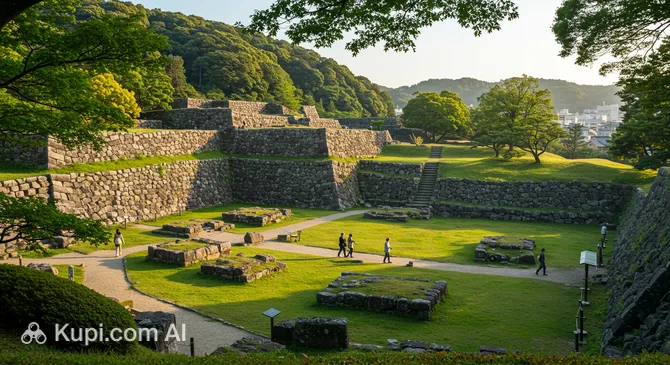
  • One witness to the city's rich history is the Iwasaki Castle Park Ruins. This site not only serves as a reminder of the region's feudal past but is also a popular spot for walks and nature contemplation, where elements of traditional Japanese architecture have been preserved.

How to Get There

Nissin is conveniently accessible thanks to the developed infrastructure of the Chubu region. Travelers can choose the most suitable route, whether it's a flight to a nearby metropolis followed by a short overland trip or a train journey. You can find out more details on how to get to Nissin and plan your perfect route by exploring all available options.

The main air gateway for a trip to Nissin is Chubu Centrair International Airport (NGO). It is important to note that this airport is not in Nissin itself but serves the city of Nagoya, located about 37 km from the center of Nissin. It is a modern and large aviation hub that handles many international and domestic flights. The journey from the airport to the city by taxi or bus takes about 75–80 minutes, and convenient rail connections via Nagoya are also available.

Another option is Mount Fuji Shizuoka Airport (FSZ), located in Shizuoka. It is significantly further away, at a distance of about 110 km from Nissin. This is a regional airport with lower passenger traffic, which may be convenient for those who prefer quieter terminals. A car trip from here takes approximately 3 hours. For domestic flights, you can also consider Itami Airport (ITM) in Osaka, which is a major hub but is located more than 150 km from Nissin.

For clarity, here is summary information on the main airports:

AirportPassenger trafficDistance
Nagoya Airport735 00017 km
Chubu Centrair International Airport12.3 mln37 km
Shizuoka Airport691 274111 km
Matsumoto Airport112 618140 km
Itami Airport14.8 mln151 km

Regarding rail connections, there is no Shinkansen high-speed train station in Nissin itself. The nearest major transport hub is the railway station in Nagoya. Tourists usually arrive by Shinkansen in Nagoya from Tokyo or Osaka and then transfer to local lines. You can reach Nissin from Nagoya by using the Tsurumai Line, which transitions into the Meitetsu Toyota Line and stops at Akaike and Nissin stations. The journey from central Nagoya takes about 30–40 minutes.

Main Attractions

The city of Nissin, located in Aichi Prefecture, offers its guests several interesting spots to better understand the history and culture of the region, as well as to enjoy some leisure time. Among them are unique museums, historical parks, and cozy establishments where you can soak up the local atmosphere.

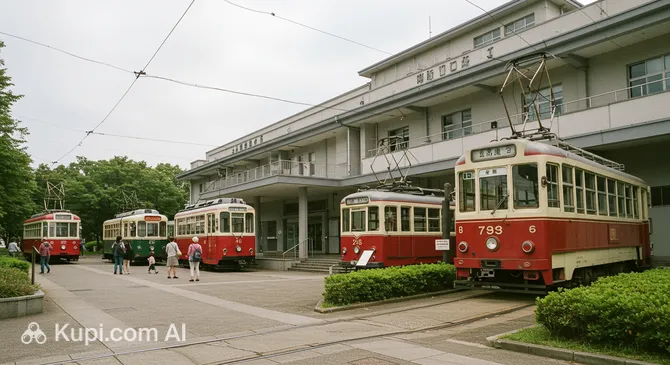
One of the main attractions is the Nagoya City Tram & Subway Museum. This place is sure to please fans of technology and transportation history. Here, you can see a collection of vintage trams and subway cars and learn about the stages of development of the city's transport system. The museum will be interesting for both adults and children, offering an educational journey into the past.

Nagoya City Tram and Subway Museum. Illustration.
Source: Kupi.com AI

Traveler photos:

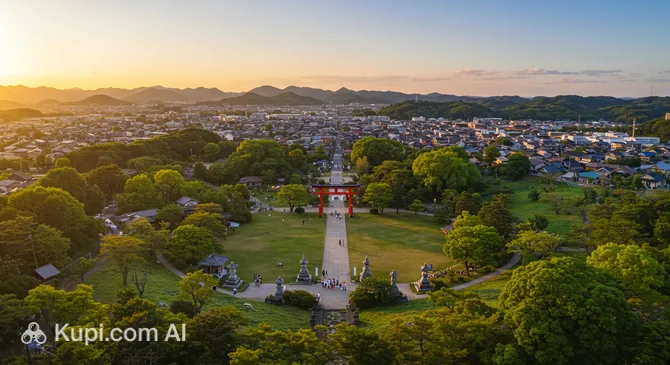
For those who prefer outdoor recreation and are interested in history, the Iwasaki Castle Park Ruins is a wonderful choice. The park grounds feature picturesque ruins of an ancient castle surrounded by well-kept greenery. It is a great place for leisurely walks, picnics, and getting to know the historical heritage of Nissin. The peaceful atmosphere and beautiful scenery attract both locals and tourists alike.

Iwasaki Castle Ruins Park. Illustration.
Source: Kupi.com AI

Traveler photos:

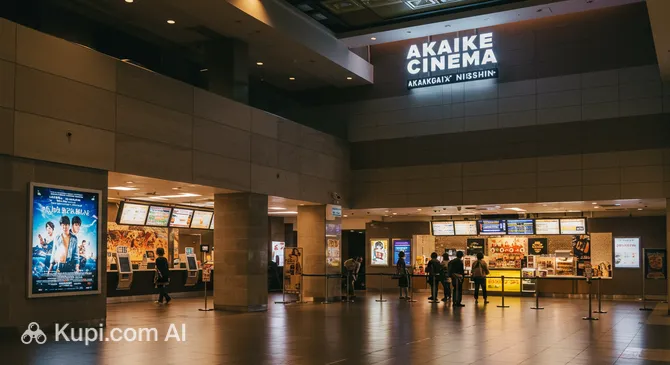
If you are looking for a place to eat well and have a good time, take note of Akaike Cinema. Despite its potentially misleading name, this establishment is categorized as a restaurant according to the provided data. Guests are likely offered a diverse menu and a cozy atmosphere for lunch or dinner. It can be an excellent choice for those who want to relax and enjoy gastronomic delights in Nissin.

Akaike Cinema. Illustration.
Source: Kupi.com AI

Traveler photos:

Local Cuisine

The gastronomic world of Nissin, like the entire Aichi Prefecture, will delight you with a wealth of flavors and fresh local products. Culinary traditions here are carefully preserved, offering travelers authentic Japanese dishes prepared with heart and skill. Get ready for a true immersion into the world of Japanese cuisine!

One of the iconic dishes that is definitely worth trying in Nissin is miso-nikomi udon. This is a thick, flavorful soup with thick wheat udon noodles, prepared based on a special miso (fermented soybean paste) characteristic of this region. The soup has a rich flavor and is often served with pork, seasonal vegetables, and green onions – a real treat for a gourmet. Due to its proximity to the sea, dishes made from the freshest seafood are also highly valued in Nissin. Be sure to try local sashimi and sushi, as well as skillfully grilled fish.

For those with a sweet tooth, Nissin offers traditional Japanese desserts – wagashi. These exquisite treats are made from natural ingredients such as rice flour, sweet anko bean paste, and seasonal fruits. Mochi – delicate rice cakes with various fillings – are particularly popular. Among drinks, not only classic green tea and sake are noteworthy, but also amazake – a sweet, low-alcohol rice-based drink often served in tea houses along with wagashi, creating an atmosphere of comfort and Japanese hospitality.

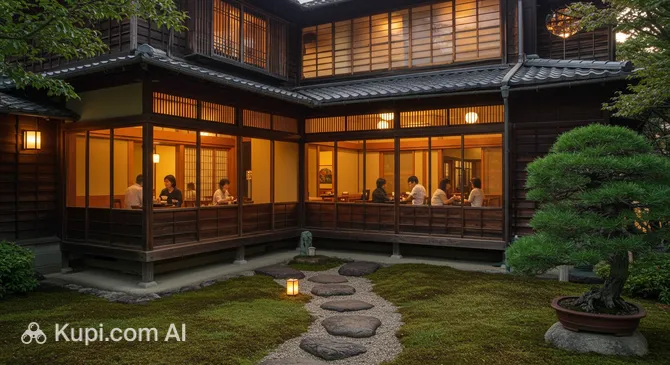
Kikoriya. Illustration.
Source: Kupi.com AI

Traveler photos:

The food culture in Nissin is diverse. Locals and tourists can enjoy a meal in numerous restaurants offering both traditional and modern dishes. For example, you can visit an establishment like Kikoriya to get acquainted with local cuisine. Additionally, don't miss the chance to stop by local markets, where you can always find fresh seasonal products, or try street food – various snacks that are convenient to eat on the go while walking around the city. Nissin also periodically hosts gastronomic festivals where you can discover new flavors.

Overall, Nissin's gastronomic scene attracts tourists with its combination of centuries-old traditions and fresh, high-quality ingredients. Everyone will find a dish to their liking here – from hearty miso-nikomi udon to exquisite sashimi and delicate wagashi. A trip to Nissin is a great opportunity to experience real Japanese cuisine and its regional specialties.

Travel Tips

Planning a trip to Nissin? Wonderful! To ensure your journey through this corner of Japan goes smoothly and leaves only pleasant impressions, we have prepared some practical tips.

  1. Clothing and Packing for the Season:

    The climate in Nissin, like in all of Japan, is temperate, with four distinct seasons. In summer (June-August), it can be hot and humid, so bring light, breathable clothing. In winter (December-February), it is cool and frost is possible, so warm clothes are necessary. Spring and autumn are the most comfortable times with moderate temperatures. Be sure to bring comfortable shoes, as you will be doing a lot of walking. Don't forget an adapter for electrical appliances (Japan uses 100V, with type A and B plugs). When visiting temples and shrines, choose modest clothing that covers shoulders and knees.

  2. Getting Around Town:

    The main form of public transport in Nissin will likely be buses. Japan is famous for its excellent transport system, so buses run on schedule. For trips to neighboring cities, such as Nagoya, it is convenient to use trains. Taxis are available but can be expensive; you can use apps like JapanTaxi. Car rental is possible with an international driving permit, but keep in mind left-hand traffic and potential parking difficulties.

  3. Financial Matters:

    The local currency is the Japanese Yen (JPY). You can exchange money at the airport, banks, or specialized exchange offices. Credit cards (Visa, Mastercard) are accepted in many hotels, large shops, and restaurants, but cash is still very important, especially in smaller establishments and for paying fares on local transport. ATMs that accept international cards are usually found in post offices (Japan Post Bank) and 7-Eleven convenience stores. Tipping in Japan is not customary and can be perceived as a misunderstanding.

  4. Health and Safety:

    Nissin, like Japan in general, is considered a very safe place. However, standard precautions (keeping an eye on your belongings) are never a bad idea. Pharmacies (look for the sign 薬 - kusuri) are easy to find, but not all are open 24/7. It is highly recommended to take out travel medical insurance before your trip. In emergencies, call 119 (ambulance and fire service).

  5. Language and Connectivity:

    The official language is Japanese. The level of English proficiency among the local population may be limited, especially outside of tourist zones. However, staff at hotels and tourist information desks often speak English. Learn a few basic phrases: "Konnichiwa" (Hello), "Arigato" (Thank you), "Sumimasen" (Excuse me/Sorry). For connectivity, it's convenient to buy a tourist SIM card or rent a pocket Wi-Fi router. Free Wi-Fi is often available in hotels, cafes, and some public places. Apps like Google Maps and Google Translate will be useful.

  6. Local Etiquette:

    The Japanese are very polite and value respectful behavior. Instead of a handshake, it is customary to give a slight bow (o-jigi). In public places, especially on transport, try to speak quietly. Remove your shoes when entering private homes, some temples, and traditional restaurants (ryokans, some izakayas). It is not customary to eat or drink while walking on the street, except in specially designated areas.

  7. Things to Avoid:

    First, never leave a tip – it's not accepted and can embarrass the staff. Second, don't stick your chopsticks vertically into a bowl of rice, as this is associated with funeral rituals. Also, try not to point at people or objects with your chopsticks.

  8. Aichi Region Specialities:

    Nissin is in Aichi Prefecture, known for its unique cuisine. Be sure to try local delicacies such as miso-katsu (pork cutlet in a thick miso sauce) or tebasaki (specially prepared chicken wings). This is a great way to experience the region's culture through its gastronomy.

We hope these tips help you better prepare for your trip and enjoy every moment of your stay in Nissin. Have a great journey!

Entertainment & Nightlife

Nissin, a charming city in Aichi Prefecture, offers its guests various ways to spend an evening, though its nightlife may differ from that of bustling metropolises. Here, the emphasis shifts to cozy establishments where you can enjoy a pleasant dinner and relax after a busy day.

The main evening activity in Nissin is likely centered around restaurants and some bars offering local and international cuisine. While the city may not have large districts entirely dedicated to nightlife with numerous clubs, you will certainly find welcoming places open until late evening. The atmosphere in such establishments is usually calm and friendly, conducive to conversation. The dress code is generally casual unless it is a high-end restaurant. Many places welcome guests until 22:00-23:00, but it is always better to check operating hours in advance.

Among the places to spend an evening, consider restaurants offering both traditional Japanese dishes and other culinary styles. For instance, you could stop by Kikoriya or consider dining at an establishment known as Akaike Cinema, which, judging by its name, might offer not just food but some form of entertainment or a special atmosphere. While these are not nightclubs in the traditional sense, such places are perfect for a pleasant end to the day.

When planning an evening out, keep in mind that public transport in smaller cities may stop running earlier than in large centers. Therefore, it is worth considering a taxi in advance if you plan to stay out late. Nissin is generally considered a safe city; however, standard precautions, as in any other place, are always advisable, especially late at night. It is better to stick to well-lit and busy streets.

Regarding prices, they can vary depending on the establishment, but generally, expect a moderate level. Information about specific nightclubs or specialized concert venues in Nissin itself is harder to find; for a more active club scene, you might need to head to nearby Nagoya. However, if you are looking for a quiet evening with good food and drinks in a pleasant setting, Nissin can provide that.

During the day, Nissin and its surroundings also offer plenty to do. Guests can visit, for example, the Nagoya City Tram & Subway Museum to learn more about transport history, or walk through the scenic Iwasaki Castle Park Ruins, enjoying nature and the historical atmosphere. These daytime activities will perfectly complement your travel impressions.

Parks & Museums

The city of Nissin offers its guests a pleasant combination of green spaces for relaxation and interesting spots for cultural leisure. Here, everyone will find opportunities for both quiet nature walks and getting to know various aspects of local life and history.

Among the notable outdoor recreation spots, the Iwasaki Castle Park Ruins stands out. It is not just a green area, but a space where you can touch the history of the region by walking among picturesque landscapes and viewing the remains of an ancient castle. The park serves as a wonderful place for peaceful pastimes and reflection, allowing you to feel a connection between eras.

For those interested in the technical side of history and the development of urban management, there is an educational spot in Nissin — the Nagoya City Tram & Subway Museum. It offers a look into the past of public transport, which can be particularly curious for engineering enthusiasts and anyone who wants to learn more about infrastructure development.

In addition to these well-known points, Nissin charms with its atmosphere of a cozy Japanese town. To truly absorb its spirit, it is worth setting aside time for leisurely walks along its streets. This is how you might accidentally discover small local shrines not marked on tourist maps, traditional Japanese gardens, or simply enjoy the peace and quiet of everyday life. Such moments often provide the most authentic impressions of a trip to Japan.

Exploring the lesser-known corners of Nissin will allow you to deeper understand the culture and daily life of this region, complementing your impressions of visiting the main attractions and creating truly unique memories of your journey.

Getting Around

Getting around Nissin and its surroundings is quite convenient thanks to a well-developed public transport system. The main modes of transport for tourists and locals are buses and trains.

Buses represent an extensive network covering most areas of the city and connecting Nissin with neighboring settlements. This is a reliable way to reach many local attractions and residential neighborhoods. Schedules are usually accurate, and stops are clearly marked. Trains play a key role for longer-distance travel, including connections with major transport hubs like Nagoya. Railway lines provide a fast and comfortable way to travel around the region. While there is no metro system within Nissin itself, access to the metro lines of larger cities is typically possible via rail connections.

The fare payment system is fairly standardized. Universal rechargeable transport cards (IC cards) are widespread, such as Manaca (popular in the Chubu region) or other nationwide cards like Suica or Pasmo, which are often interchangeable. These cards can be purchased and topped up at stations or in vending machines. Using an IC card greatly simplifies the payment process: you just need to tap the card against the reader when entering and exiting train stations or when boarding/exiting a bus (depending on the specific carrier's system). You can also purchase single-trip tickets for a specific journey from vending machines at stations or directly from the bus driver (it's advisable to have small change). Fares depend on the distance; for example, a bus trip within the city might start from a few hundred yen.

Tourists are encouraged to purchase an IC card for convenience. Train tickets can be bought at ticket offices or vending machines at stations. Public transport usually operates from early morning (around 5:00-6:00 AM) until late evening (around midnight), though the frequency of services may decrease in the evening hours and on weekends. To plan routes, it is convenient to use online maps or specialized transport apps that will help you find the optimal path and show the current schedule.

As an alternative to public transport, taxis are available in Nissin. They are comfortable but represent a more expensive option, especially for long trips. For a leisurely introduction to the city and its surroundings, you might consider bicycle rentals. Given Nissin's size, a bicycle can be an excellent way to explore local streets and parks in good weather.

Accommodation

When planning a trip to Nissin, you will find a variety of accommodation options to suit different preferences and budgets. The city offers both traditional Japanese inns (ryokans) and more conventional hotels, as well as guesthouses and apartments for short-term rental.

In Nissin, you can find accommodation for every taste: from budget options, such as hostels or inexpensive guesthouses, to mid-range hotels offering comfortable stays with all necessary amenities. For those looking for a more authentic experience, it is worth considering ryokans, where you can immerse yourself in Japanese culture. Apartments are also available, which can be convenient for families or long-term stays.

When choosing a place to stay, look for areas near transport hubs or major attractions, such as the Iwasaki Castle Park Ruins or the Nagoya City Tram & Subway Museum. This will help you save time on traveling around the city. While there are no specific hotels mentioned in the provided list, Nissin has a sufficient selection for comfortable accommodation.

As for prices, they vary depending on the type of accommodation and the season. In general, you can find options ranging from budget to mid-range. It is recommended to book accommodation in advance, especially if your trip coincides with peak tourist season (such as the spring cherry blossom season or autumn festivals). To find and book, it is convenient to use popular online platforms or contact the hotels directly.

Nearby Cities

For those looking to explore the surroundings, Nissin serves as an excellent starting point for day trips to several interesting nearby locations:

CityPopulationDistance
Nagakute62 4736 km
Toyoake69 3899 km
Owariasahi82 3369 km
Seto127 32711 km
Mineshita (Unconfirmed City)107 41612 km

Why these cities are attractive for a day trip:

Nagoya: As one of Japan's largest cities, Nagoya offers many attractions. Be sure to visit the majestic Nagoya Castle, the city's symbol, and walk through its picturesque gardens. For technology enthusiasts, the Nagoya City Science Museum, with one of the world's largest planetariums, or the Toyota Automobile Museum will be interesting. It's also worth visiting Atsuta Jingu, one of the most revered shrines in Japan.

Kasugai: Located very close by, Kasugai attracts visitors with its calmer atmosphere. The city is known for its parks, such as Ochiai Park, where you can enjoy nature and seasonal flowers. Kasugai is also famous for producing calligraphy brushes, and you can find workshops or shops dedicated to this art. It is a great place to experience local life and the culture of Aichi Prefecture.

Anjo: Anjo is often called the "Denmark of Japan" due to its advanced agriculture and floriculture. Visit Denpark, which recreates the atmosphere of a Danish village with windmills, flower fields, and farmers' markets. It is a wonderful place for families to relax and learn about the agrarian side of the region.

Kariya: Kariya offers a mix of industrial heritage and green spaces. An interesting place to visit is Kamebuchi Park, known for its cherry blossoms in spring and beautiful autumn scenery. The city is also linked to the automotive industry, and you can find sites related to the history of the Toyota Corporation.

Komaki: The main attraction of Komaki is Komaki Castle, located on Mount Komaki. Its grounds offer panoramic views of the surroundings, and the castle itself has a rich history associated with Oda Nobunaga. A walk in the park at the foot of the mountain is also enjoyable and provides a glimpse into the region's historical past.

These nearby destinations allow you to get a sense of the diverse culture and landscapes of the region.

Shopping & Souvenirs

Shopping in Nissin offers more of an opportunity to immerse yourself in the local trade atmosphere rather than chasing world-famous brands. The city is not a major shopping center, but here you can find authentic Japanese goods, local delicacies, and souvenirs reflecting the culture of Aichi Prefecture. The main focus should be on small shops and stalls where you can purchase something truly unique.

Main shopping areas in Nissin are typically concentrated along central streets or near railway stations, if they are easily accessible. Here, you will likely find small independent shops offering a variety of goods: from food items and fresh vegetables to clothing, household supplies, and traditional products. This is a great opportunity to observe the daily life of the townspeople.

Regarding large shopping centers, Nissin itself may not have them in the form that megacity residents are used to. Instead, you might come across small shopping complexes or local department stores that bring together several shops and cafes under one roof. For more extensive shopping with a wide selection of international and Japanese brands, you might need to head to larger cities in the prefecture, such as Nagoya.

Although information on large, permanent markets in Nissin may be limited, it is worth asking locals about the possibility of visiting morning markets (asaichi). At such markets, farmers often sell fresh seasonal products, homemade preserves, and local delicacies. Seasonal fairs or festivals may also be held, where you can find handmade items and unique souvenirs.

As souvenirs from Nissin and Aichi Prefecture, you can bring back traditional Japanese products. Look for local ceramics (Aichi Prefecture is known for its pottery traditions, such as Seto or Tokoname style items), quality textiles, and regional sweets (omiyage), which are traditionally given to friends and colleagues. Items related to local history, perhaps something reminding you of the Iwasaki Castle Park Ruins or other regional attractions, could also be interesting.

Shops in Nissin, as in most cities in Japan, usually operate from 10:00 or 11:00 AM until 7:00 or 8:00 PM. Small family-run shops may have their own schedule and possibly one day off per week. Regarding payment, cash (Japanese Yen) is still widely accepted, especially in small shops and markets. In larger establishments and shops oriented towards tourists, you can generally pay by credit card. Electronic payments using IC cards are also common in Japan.

Foreign tourists in Japan can take advantage of the tax-free shopping system. This system allows for a refund of the consumption tax on purchases exceeding 5,000 yen (excluding tax) made in licensed shops. Look for "Tax-Free Shop" or "Japan Tax-free Shop" signs. You will need your passport to process the refund. Usually, the procedure takes place directly in the shop when you pay for the goods.
Reached the end of the page?

That means the route is fully explored