Support

Okazaki

About

Okazaki is a charming city and a true samurai enclave located in the heart of Aichi Prefecture in Japan, along the scenic banks of the Oto River. Nestled between hills and plains, the city offers a special atmosphere of comfort and harmony with nature. Thanks to its convenient location—just an hour's drive from Nagoya—Okazaki fits perfectly into the itinerary of any traveler wishing to experience authentic Japanese culture without being overwhelmed by the bustle of megacities.
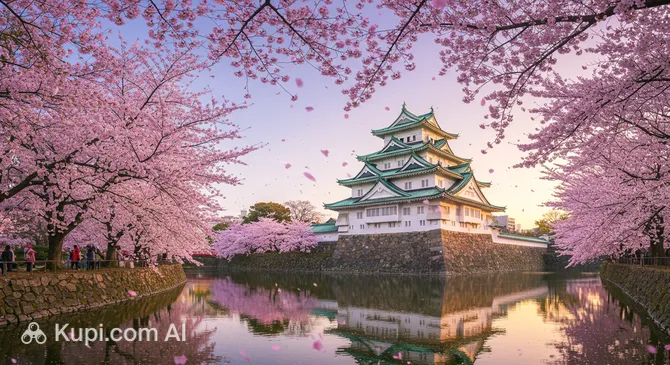
Okazaki. Illustration.
Source: Kupi.com AI

With a population of about 385,000 people, Okazaki is considered one of the major cities in the Chubu region. It harmoniously combines a rich historical heritage, modern urban amenities, and a relaxed pace of life. The city is known as an important industrial and cultural center, but its main pride is undoubtedly its history and traditions, which are carefully preserved to this day.

Okazaki is a place where every corner breathes history. It was here that the great shogun Tokugawa Ieyasu was born, the founder of the dynasty that changed the course of Japanese history. One of the main attractions is the majestic Okazaki Castle, the ancestral seat of the Tokugawa clan. Narrow streets, ancient temples, and well-kept parks, such as Okazaki Park surrounding the castle, create a unique atmosphere where the past and present go hand in hand. A walk through Okazaki turns into a real journey back in time, where you can feel the spirit of the samurai and the charm of old Japan.

Okazaki is a must-visit for anyone seeking authentic experiences and a deeper understanding of Japanese culture. There are no overwhelming tourist crowds here; instead, you'll find the hospitality of local residents, amazing local cuisine, and many unique events. The city is ideal for family trips, romantic walks, and fans of cultural tourism—there is something for everyone here.

You can find more interesting facts on the Okazaki city history page.
Weather Overview

The weather in Okazaki is characterized by warm, humid summers and cool, drier winters. The hottest month is usually August, when the average temperature reaches 28.1°C, with maximums potentially rising to 31.3°C. The coldest period falls in January with an average temperature of 5.3°C and minimums around 1.5°C. Precipitation is distributed unevenly throughout the year: the highest number of rainy days is observed in the summer months, especially in July (averaging 19 days) and June (16 days), while winter, especially December and January, features less precipitation. Expect a warm summer with occasional rain and cool, relatively dry winters.

To get more detailed information about weather conditions, including monthly forecasts, you can check the Okazaki's climate page.

Average monthly temperature

Average monthly precipitation

Interesting Facts

In addition to its famous historical sites, Okazaki hides many curious details and unique traditions that make it truly special. Are you ready to learn some little-known facts about this amazing city in Japan?

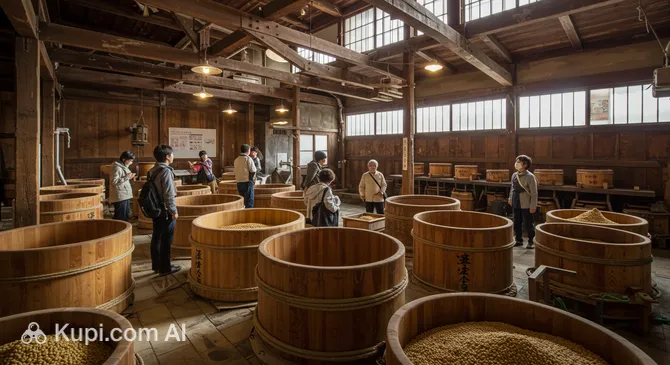
Hatcho Miso Factory Tour. Illustration.
Source: Kupi.com AI

Traveler photos:

  • Okazaki is not just the birthplace of Shogun Tokugawa Ieyasu, one of Japan's greatest unifiers. Every year, a grand festival is held here in his honor, featuring colorful samurai parades and traditional performances that immerse you in the atmosphere of feudal Japan. You can learn more about the life of the shogun and his warriors by visiting the Ieyasu and Mikawa Bushi Museum.

  • The city is rightfully considered one of the centers of the traditional Japanese art of fireworks. Local masters still create pyrotechnic masterpieces by hand, continuing centuries-old traditions and amazing spectators with incredible fire shows during summer festivals.

  • Okazaki is the birthplace of a special kind of miso paste known as Hatcho miso. It is produced using a unique technology that is over 400 years old, using only soybeans, salt, and water, and aging in huge cedar barrels for two summer and two winter seasons. You can get acquainted with this ancient process by taking a tour of the Hatcho Miso Factory or visiting the Hatcho Miso Brewery.

  • There is a legend associated with Hatchokura-dori Street, also known as the "street of eight cho" (an ancient measure of length, about 870 meters). It is said that in the old days, warehouses were located along this street to store rice reserves intended for samurai garrisons and the needs of the castle. Today, this colorful spot attracts history and food lovers, offering dishes based on local miso.

How to Get There

When planning your trip, it's important to think about logistics in advance. You can find more details on how to get to Okazaki by reviewing the available transport options that connect the city with the rest of the country.

Since Okazaki itself does not have its own airport, travelers usually use the airports of neighboring major cities. The most convenient and closest option is Chubu Centrair International Airport (IATA: NGO), located in Nagoya, just 35.3 km from the center of Okazaki. This is a modern international hub with excellent transport links. A trip from here by taxi or car will take approximately 75 minutes.

Alternatively, you can consider Shizuoka Airport (IATA: FSZ), located in Shizuoka City about 94 km away. This is a regional airport with lower passenger traffic, and the journey from there takes about 2 hours and 40 minutes. For domestic flights, Itami Airport (IATA: ITM) in Osaka is also used, but it is nearly 160 km away, and a car transfer would require more than 4 hours.

For convenience, here is summary information on the main airports used to reach the region:

AirportPassenger trafficDistance
Chubu Centrair International Airport12.3 mln35 km
Nagoya Airport735 00040 km
Shizuoka Airport691 27494 km
Matsumoto Airport112 618151 km
Itami Airport14.8 mln160 km

Railway connection is one of the most popular and efficient ways to get to Okazaki. The city is served by two key lines: the JR Tokaido Main Line (Okazaki Station) and the Meitetsu Nagoya Main Line (Higashi-Okazaki Station). Most tourists arrive via Nagoya Station, from which trains regularly depart towards Okazaki. The train journey from Nagoya takes only about 30 minutes, making this mode of transport a preference for many guests.

Main Attractions

Okazaki, a city rich in history and culture, offers tourists many interesting places to visit. Everyone will find something to their liking here, from ancient temples to unique production facilities and picturesque parks. Let's explore some of the key attractions of this wonderful city.

One of the most iconic sites is the Ieyasu and Mikawa Bushi Museum. This museum is dedicated to the life and legacy of Tokugawa Ieyasu, the founder of the Tokugawa shogunate, who was born in Okazaki Castle. Visitors can see samurai armor, weapons, and other artifacts that tell the story of Japan's turbulent Warring States period. It's an excellent place to immerse yourself in history and learn more about the famous warriors of the Mikawa region.

Mikawa Warriors & Ieyasu Museum. Illustration.
Source: Kupi.com AI

Traveler photos:

For those interested in Japanese cuisine and traditions, a tour of the Hatcho Miso Factory is a must. Okazaki is famous for its special type of miso—Hatcho miso—which has been produced using ancient techniques for over 400 years. During the tour, you can learn about the fermentation process, see the huge wooden barrels where the paste matures, and, of course, taste this unique product. It's not only informative but also very delicious!

Hatcho Miso Factory Tour. Illustration.
Source: Kupi.com AI

Traveler photos:

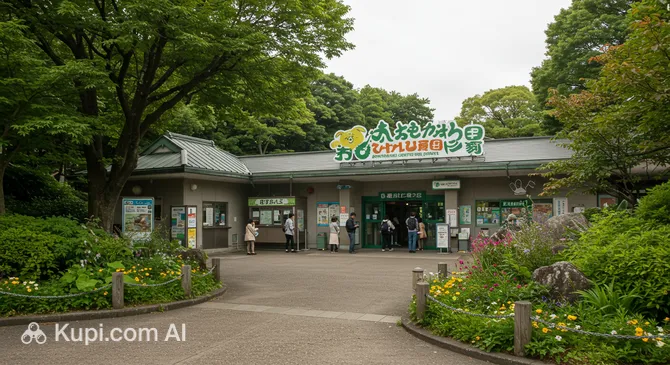
Nature lovers and those seeking relaxation will enjoy Okazaki East Park (Higashi Park). This is a vast park where you can enjoy beautiful scenery, stroll along well-kept paths, and take a break from the city bustle. The park also houses a zoo, which will be interesting for both adults and children. Higashi Park is an ideal place for a family picnic or just a leisurely walk in the fresh air.

Okazaki Higashi Park. Illustration.
Source: Kupi.com AI

Traveler photos:

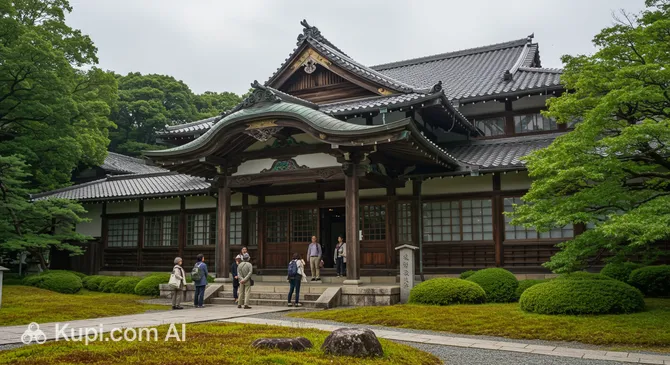
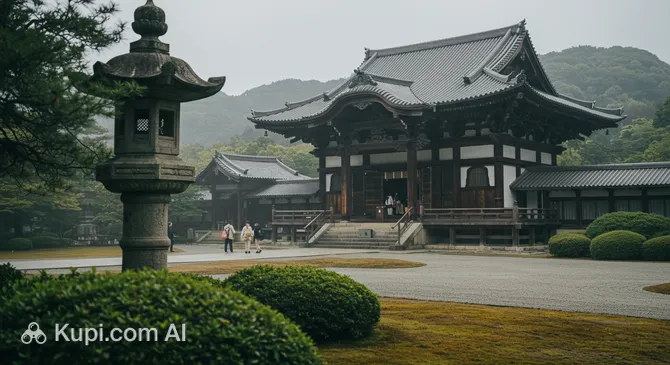
One should not overlook the Daiju-ji Temple, one of the most important Buddhist temples closely associated with the Tokugawa clan. This temple served as the family temple for Ieyasu's ancestors. It impresses with its architecture, peaceful atmosphere, and beautiful garden. A visit to Daiju-ji Temple allows you to touch the spiritual side of Japanese culture and history.

Daiju-ji Temple. Illustration.
Source: Kupi.com AI

Traveler photos:

Local Cuisine

The culinary scene in Okazaki is inextricably linked to its culinary trademark—the famous Hatcho miso paste. This unique product, which has been prepared here for several centuries, differs from regular miso in its rich, deep flavor, thick texture, and characteristic dark color. Hatcho miso is actively used in a variety of dishes, from soups and marinades to sauces and even desserts, giving them a unique touch. Many of the city's restaurants offer entire tasting menus based on this specialty.

Among the dishes that you should definitely try in Okazaki is miso katsu—a juicy pork cutlet in crispy breading, generously drizzled with a thick sauce made from Hatcho miso. This dish is extremely popular with both locals and tourists. Another gastronomic gem is miso udon, hearty noodles in a rich miso-based broth that warms and satisfies, especially in cool weather.

Food culture in Okazaki is diverse. Residents and guests can enjoy meals in numerous restaurants offering both traditional and modern interpretations of miso dishes. Additionally, the city is famous for its street food and lively markets where you can taste fresh local products, seasonal vegetables, and a variety of sweets. Farmers' markets often host culinary workshops where you can learn to cook authentic dishes under the guidance of experienced chefs.

As for drinks, here, as in all of Japan, you will find a wide selection of traditional sake and various types of green tea that will perfectly complement any meal. Non-alcoholic drinks are also widely available. The city is also known for its food festivals dedicated to miso and other local delicacies. During these holidays, Okazaki is filled with appetizing aromas, and tastings and culinary shows are organized on the streets, which is a great reason to get to know the local cuisine.

Hatcho Miso Factory Tour. Illustration.
Source: Kupi.com AI

Traveler photos:

To dive deeper into the world of Hatcho miso and learn the secrets of its production, consider a tour of the Hatcho Miso Factory. This is a unique opportunity to see the process of creating the famous paste with your own eyes and touch the centuries-old culinary traditions of Okazaki. Such an experience will undoubtedly enrich your gastronomic journey.

Travel Tips

Welcome to Okazaki, a city rich in history and the birthplace of the famous shogun Tokugawa Ieyasu! To ensure your journey through this charming corner of Japan goes smoothly and leaves only pleasant impressions, we have prepared some practical tips.

  1. Clothing and Essentials: The climate in Okazaki, like much of Japan, is temperate, with four distinct seasons. In summer (June-August), it can be hot and humid, so choose light, breathable clothing. In winter (December-February), it's cool, so a warm jacket, sweater, hat, and gloves will come in handy. Spring and autumn are the most comfortable seasons with mild weather; layered outfits are ideal. Be sure to bring comfortable shoes, as you will be walking a lot, especially when exploring Okazaki Castle and the surrounding park. Don't forget an adapter for your electronics (the voltage in Japan is 100V, with Type A plugs). When visiting temples and shrines, show respect: clothing should be modest, and sometimes you may be required to remove your shoes.
  2. Getting Around the City: Navigating Okazaki is quite convenient. The main types of public transport are trains and buses. The Meitetsu and JR Tokaido railway lines connect Okazaki with Nagoya and other major cities. The city has a well-developed bus network. Taxis are available but can be expensive. Renting a car might be useful if you plan to explore the outskirts of Aichi Prefecture, but for moving around Okazaki itself, it is not mandatory. Consider getting a Suica or Pasmo pass if you plan to use public transport frequently—they can be used in many cities across Japan.
  3. Finances: The official currency is the Japanese yen (JPY). You can exchange currency at airports, banks, or specialized exchange offices. Credit and debit cards (Visa, Mastercard) are accepted in many hotels, large shops, and restaurants, but smaller establishments and markets may prefer cash. It's always useful to have some cash on hand. International cards usually work at ATMs in 7-Eleven, post offices (Japan Post Bank), and some other banks. Tipping is not customary in Japan; good service is already included in the bill. A daily budget can vary, but aim for 5,000–10,000 yen per person, excluding accommodation.
  4. Health and Safety: Okazaki, like Japan as a whole, is a very safe city. Pharmacies ("kusuriya" – 薬屋) can be found in many areas, but most medications require a prescription, and staff may not always speak English. Bring a basic first-aid kit with you. Medical care for tourists is available but can be expensive, so having travel insurance is highly recommended. There are no particularly unsafe areas in Okazaki, but always follow basic precautions, especially after dark.
  5. Communication: The primary language is Japanese. English is common in tourist areas, hotels, and at major stations, but not everywhere. Learn a few basic phrases in Japanese (e.g., "konnichiwa" – hello, "arigato" – thank you, "sumimasen" – excuse me/sorry); this is highly appreciated by locals. For convenience, you can buy a local SIM card or rent a pocket Wi-Fi router upon arrival at the airport or online in advance. Free Wi-Fi is available in many hotels, cafes, and public places.
  6. Local Etiquette: Japanese people are very polite and value respect for tradition. Greetings are usually accompanied by a bow; its depth depends on the situation and the status of the person you're speaking to. In public places, especially on transport, it is customary to be quiet and not talk loudly on the phone. Remove your shoes before entering Japanese homes, some temples, and traditional restaurants. Do not point your finger at people.
  7. What to Avoid: Try not to eat while walking on the street (except for designated areas at festivals). Do not stick your chopsticks vertically into your rice—this is associated with funeral rituals. Also, avoid loud public displays of emotion. Smoking on the streets in most Japanese cities, including Okazaki, is allowed only in specially designated areas.
  8. Okazaki Specialty: Be sure to try Hatcho Miso—this is a dark, rich miso paste produced in Okazaki for over 600 years and is the pride of the region. It is used in many local dishes. Also, if your trip coincides with the cherry blossom season (usually late March to early April), Okazaki Park turns into an incredibly beautiful place for hanami (flower viewing).

We hope these tips help you better prepare for your trip and enjoy every moment of your stay in Okazaki. This city is sure to charm you with its history, culture, and hospitality!

Entertainment & Nightlife

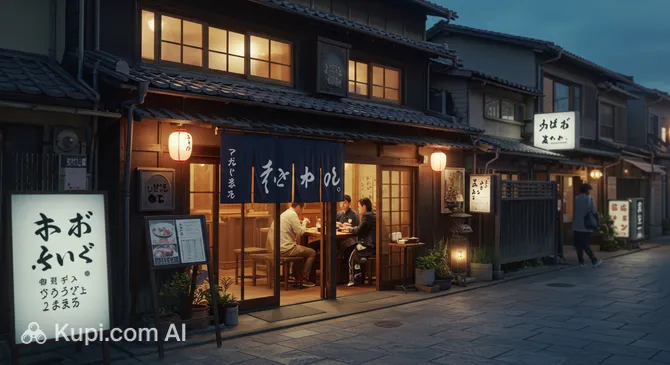
In the evenings, Okazaki offers its guests a calm and cozy atmosphere that differs from the noisy metropolises of Japan. Nightlife here is focused less on loud clubs and more on pleasant pastimes in traditional Japanese izakayas, cozy bars, and restaurants where you can enjoy local cuisine and drinks. Most evening entertainment is concentrated around the JR Okazaki and Meitetsu Higashi-Okazaki railway stations. In particular, you might want to explore the streets lined with establishments adjacent to Higashi-Okazaki Station, such as the area around Rokuzaemon Dori, where you can find a variety of spots for every taste.

The evening atmosphere in Okazaki is quite relaxed and welcoming. The crowd is a mix of locals unwinding after a workday and tourists exploring the city. Most establishments do not require a strict dress code; casual, comfortable clothing is perfectly appropriate. While there are virtually no large nightclubs, major concert venues, or bustling night markets typical of big cities, some bars and restaurants stay open late, especially on weekends, offering music and good company. The focus is on more intimate and authentic experiences.

For dinner or a quiet evening, consider places like the restaurant Kibusachi, known for its cuisine, or Santa, which offers a pleasant setting. These spots are great for getting acquainted with local gastronomic traditions in the evening.

Santa. Illustration.
Source: Kupi.com AI

Traveler photos:

When planning your evening leisure, keep in mind that public transport, such as trains and buses, usually stops running around midnight. After that, you can use taxis, which are safe and reliable in Japan, though they can be more expensive. The best time to visit bars and restaurants is Friday and Saturday evenings when the atmosphere is liveliest. Average prices for evening entertainment can vary: a dinner with drinks at an izakaya might cost around 3,000–6,000 yen per person, while higher-end restaurants will offer menus at corresponding prices. Overall, Okazaki offers options for various budgets.

Regarding safety, Okazaki, like most cities in Japan, is a very safe place for night walks. Nevertheless, it's always worth taking basic precautions. Taxis can easily be found at stations or requested through a restaurant or hotel.

During the day, Okazaki offers many cultural and historical activities. The city is proud of its heritage associated with Tokugawa Ieyasu. You can visit the Ieyasu and Mikawa Bushi Museum to dive deeper into the region's history, stroll through picturesque parks like Okazaki East Park (Higashi Park), which also houses a zoo, or explore ancient temples such as Daiju-ji Temple. These daytime activities perfectly complement the experience of the city in the evening.

Okazaki Higashi Park Zoo. Illustration.
Source: Kupi.com AI

Traveler photos:

Parks & Museums

Okazaki, a city with a rich history and culture, offers its guests not only an introduction to the samurai heritage but also excellent opportunities for outdoor recreation. Here, well-kept park areas and fascinating museums harmoniously combine to tell a great deal about the past and present of this corner of Japan.

One of the city's main green oases is Okazaki East Park (Higashi Park). This is a vast territory, ideal for leisurely walks, family vacations, and admiring seasonal flowers. The park also features the Higashi Park Zoo, Okazaki, which will be of particular interest to travelers with children, offering encounters with various animals and birds.

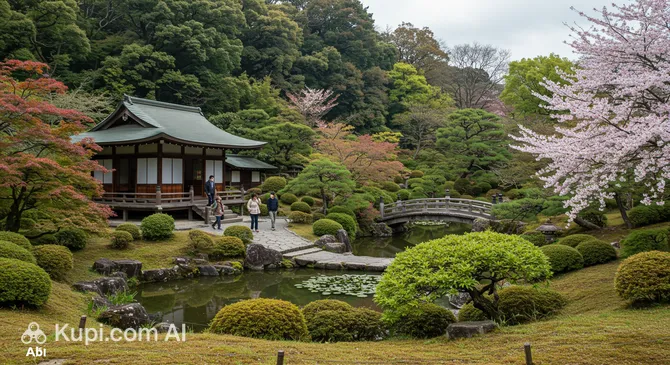
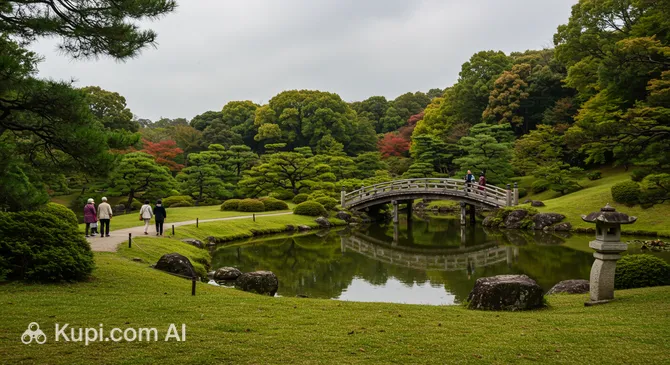
Another popular spot for outdoor relaxation is Kagoda Park. It is known for its picturesque ponds and beautiful landscape compositions. It's a great place to escape the city bustle and enjoy the silence of nature, especially during the cherry blossom season or autumn leaf fall.

Kagoda Park. Illustration.
Source: Kupi.com AI

Traveler photos:

For those interested in history and, in particular, the legacy of Tokugawa Ieyasu, the Ieyasu and Mikawa Bushi Museum is a must-visit. The museum's exhibition details the life and deeds of the famous shogun, a native of Okazaki, as well as the samurai culture of the Mikawa region. Armor, weapons, and other artifacts are presented here, immersing visitors in the atmosphere of feudal Japan. While Okazaki is primarily famous for this historical museum, art lovers can find small local galleries reflecting the contemporary creativity of the region.

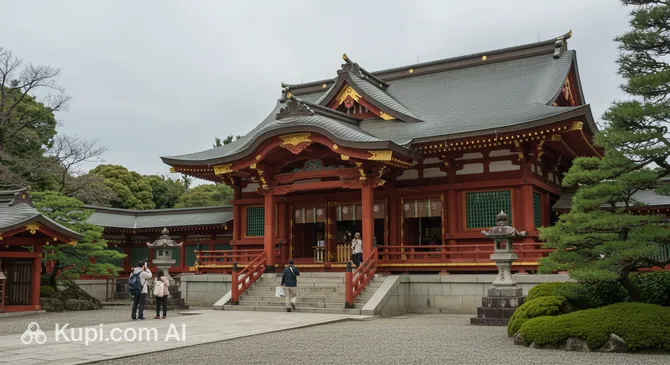
Okazaki is rich in historical and architectural landmarks. The heart of the city is undoubtedly the famous Okazaki Castle. Nearby are important shrines. Daiju-ji Temple is a significant historical site closely linked to the Tokugawa clan, attracting visitors with its calm atmosphere and elegant architecture. It is also worth visiting Iga Hachimangu Shrine, known for its history and beautiful grounds.

Iga Hachimangu Shrine. Illustration.
Source: Kupi.com AI

Traveler photos:

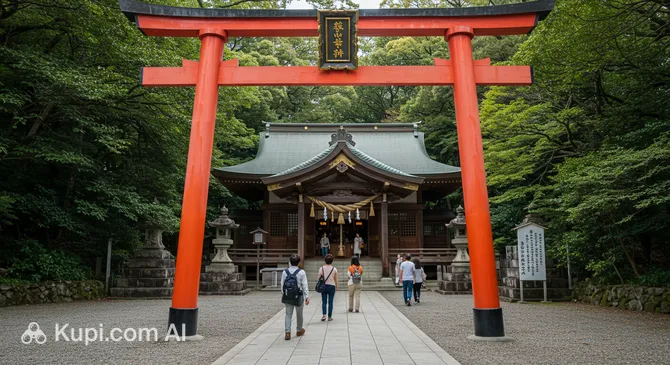
Continuing your acquaintance with the city's spiritual heritage, look for Rokusho Shrine, another revered site with a centuries-old history. For those who prefer paths less traveled, Tatsuki Shrine may be interesting, offering a secluded atmosphere for reflection.

Tatsuki Shrine. Illustration.
Source: Kupi.com AI

Traveler photos:

To dive deeper into the local culture, we recommend visiting one of the miso factories that Okazaki is famous for. A tour of the Hatcho Miso Factory will allow you to learn the secrets of making this traditional product. You can complete your experience by stopping at the Hatcho Miso Brewery, where they introduce the production process and the history of this famous brand, as well as offer tastings.

Hatcho Miso Brewery. Illustration.
Source: Kupi.com AI

Traveler photos:

Getting Around

Getting around Okazaki is quite convenient thanks to a well-developed public transport system, which primarily includes trains and buses. These modes of transport provide good connections both within the city and with neighboring towns.

The backbone of Okazaki's transport system consists of railway lines. Important thoroughfares such as the JR Tokaido Main Line and the Meitetsu Nagoya Main Line pass through the city. Stations on these lines, such as Okazaki Station (JR) and Higashi-Okazaki Station (Meitetsu), are key transport hubs from which you can reach many areas of the city and other major cities in the region. Trains run regularly and are known for their punctuality. Train fares depend on the distance, and current rates can be checked at stations or using special apps.

In addition to trains, an extensive network of city buses operates in Okazaki. Bus routes cover areas where the railway does not reach and connect residential neighborhoods with major attractions, shopping centers, and stations. Buses are a good way to travel short and medium distances within the city. Bus fares are often fixed for trips within the city or calculated by zones; information about them can be found on the carriers' websites or clarified when boarding.

To pay for public transport in Okazaki, you can use either single-trip tickets or rechargeable transport IC cards (for example, the Suica, Pasmo, ICOCA, and Toica cards common in Japan—it's recommended to check locally which ones are most convenient and universally accepted). IC cards significantly simplify the payment process. The approximate cost of a train trip within the city usually starts from a few hundred yen, and a bus trip within the city is around 200–300 yen. For precise route planning, checking schedules, and current fares in Japan, including Okazaki, apps like Google Maps, HyperDia, or Jorudan (Japan Transit Planner) are very useful. Special tourist passes exclusively for Okazaki are generally not offered. However, if your trip covers a wider area, it's worth considering regional or national passes (such as the Japan Rail Pass for JR trains), which can be cost-effective. For getting around the city, IC cards and single tickets remain the most practical choice.

Single train tickets are purchased at vending machines at stations before the trip or at ticket offices. In buses, if you don't have an IC card, payment is usually made to the driver when boarding or exiting (it's advisable to have small change). IC cards are validated by tapping the card reader upon boarding and/or exiting. Public transport in Okazaki, as in most Japanese cities, operates from early morning until around midnight. However, the exact schedule, especially for specific routes on weekends and holidays, is always better to check in advance using the mobile apps mentioned above or information boards. Information displays and announcements at stations are often duplicated in English, making navigation easier for tourists.

In addition to public transport, other ways of getting around are available in Okazaki. Taxis can be found at special ranks near stations and major hotels, or called by phone or through an app. It's worth noting that taxis in Japan are a fairly expensive mode of transport. For a leisurely exploration of the city and its attractions, you might consider renting a bicycle—in some areas, this can be a very convenient and pleasant way to get around, allowing you to explore the surroundings at your own pace.

Accommodation

In Okazaki, tourists can find a variety of accommodation options to suit different preferences and budgets. The city offers a choice ranging from budget guesthouses and hostels to comfortable mid-range hotels. You can also consider apartment rentals for longer stays or look for traditional Japanese inns (ryokans) to immerse yourself more deeply in the local culture.

When choosing a place to stay in Okazaki, it's worth paying attention to areas located near major transport hubs, such as railway stations. This will ensure ease of movement around the city and its surroundings. Accommodation options near the main attractions are also popular, allowing you to easily reach interesting places on foot.

The price range for housing in Okazaki varies: you can find both economical options and more expensive offers with an expanded range of services. While specific hotels are not listed in the provided information, travelers can easily find suitable options through popular online booking platforms or by visiting hotel websites directly. These resources allow you to compare prices and accommodation conditions and read reviews from other tourists.

To ensure the best choice and prices, especially if your trip coincides with the peak tourist season or local festivals, it is recommended to book your accommodation in advance. Early booking often provides the opportunity to take advantage of special offers and discounts, as well as a larger selection of available rooms.

Nearby Cities

For those looking to explore the surroundings, Okazaki serves as an excellent starting point for day trips to several interesting nearby locations:

Among them is Anjo, located just 8 km from Okazaki. This city offers travelers a chance to learn about local agricultural traditions and the peaceful atmosphere of historical temples. A bit further, at 14 km, is Nishio, known throughout Japan for its high-quality matcha green tea and the picturesque ruins of Nishio Castle—a great place for lovers of Japanese culture and history. For those seeking a more diverse urban experience, Toyohashi, about 29 km away, offers extensive parks, including Toyohashi Park with the historical ruins of Yoshida Castle, as well as interesting museums and a zoo.

CityPopulationDistance
Anjo188 8018 km
Tsukawaki14 3069 km
Kota42 52310 km
Chiryu71 90712 km
Nishio168 99214 km

These nearby destinations provide insight into the diverse culture and landscapes of the region.

Shopping & Souvenirs

Shopping in Okazaki offers tourists the chance to immerse themselves in local culture and purchase unique goods that reflect the rich history and traditions of this region of Japan. The city is not famous for huge shopping centers of global brands like Tokyo or Osaka, but here you can find authentic souvenirs, local delicacies, and handicrafts. Okazaki is particularly known for its Hatcho miso and its connection to Shogun Tokugawa Ieyasu, which is reflected in the range of many shops.

The main shopping areas in Okazaki are generally concentrated around major transport hubs, such as JR Okazaki Station and Meitetsu Higashi-Okazaki Station. Here, as well as on adjacent streets and in covered shopping arcades (shotengai), you can find a variety of stores: from small family shops selling traditional goods to modern boutiques. Walking through these areas will allow you to feel the local flavor and find interesting items.

Although Okazaki is not a magnet for lovers of giant malls, several department stores or shopping complexes can be found in the city, usually located near the central stations. They present a standard set of goods: clothing, cosmetics, household goods, as well as souvenir departments and restaurants. They are convenient for those who prefer to do their shopping in one place.

As for markets, they may not be as widely represented in Okazaki as in megacities. However, it's worth paying attention to the local food markets where fresh produce and regional delicacies are sold. Sometimes fairs are organized at temples or during city festivals, where you can find handmade items, souvenirs, and street food. It is best to check information about such events in advance.

Excellent souvenir choices from Okazaki include:

  • Hatcho miso: The famous dark miso paste produced using traditional technology. It can be purchased in specialty stores or directly from the production sites, for example, by taking a tour of the Hatcho Miso Factory or visiting the Hatcho Miso Brewery. This is not only a tasty but also an authentic gift.
  • Items related to Tokugawa Ieyasu and samurai: Given the city's historical significance as the birthplace of Ieyasu, you can find many souvenirs on this theme—from figurines and keychains to more serious replicas. Such items are often sold in souvenir shops at attractions like the Ieyasu and Mikawa Bushi Museum.
  • Local sweets (wagashi): Traditional Japanese confectionery, often with unique local flavors or shapes reflecting Okazaki's culture.
  • Ceramics and local crafts: Various crafts are developed in Aichi Prefecture, and in Okazaki, you can find interesting examples of ceramics, textiles, or other handmade items.

Most shops in Okazaki are typically open from 10:00 or 11:00 AM to 7:00 or 8:00 PM. Department stores may stay open a bit longer. Small private shops may have their own schedule and a day off (often Wednesday or Thursday). Regarding payment, cash is still widely used, especially in small shops and at markets. However, in large stores, department stores, and tourist spots, credit cards (Visa, MasterCard) are accepted. Transport IC cards (e.g., Suica, Pasmo, Toica) are also becoming increasingly popular for small purchases.

For foreign tourists in Japan, a Tax Free system is available. In shops participating in this program (they usually have a "Tax-Free Shop" sign), you can get a refund of the consumption tax when purchasing goods over a certain amount (usually over 5,000 yen excluding tax). You will need to present your passport for this. Check the conditions directly in the store, as they may not apply to all categories of goods.

Reached the end of the page?

That means the route is fully explored